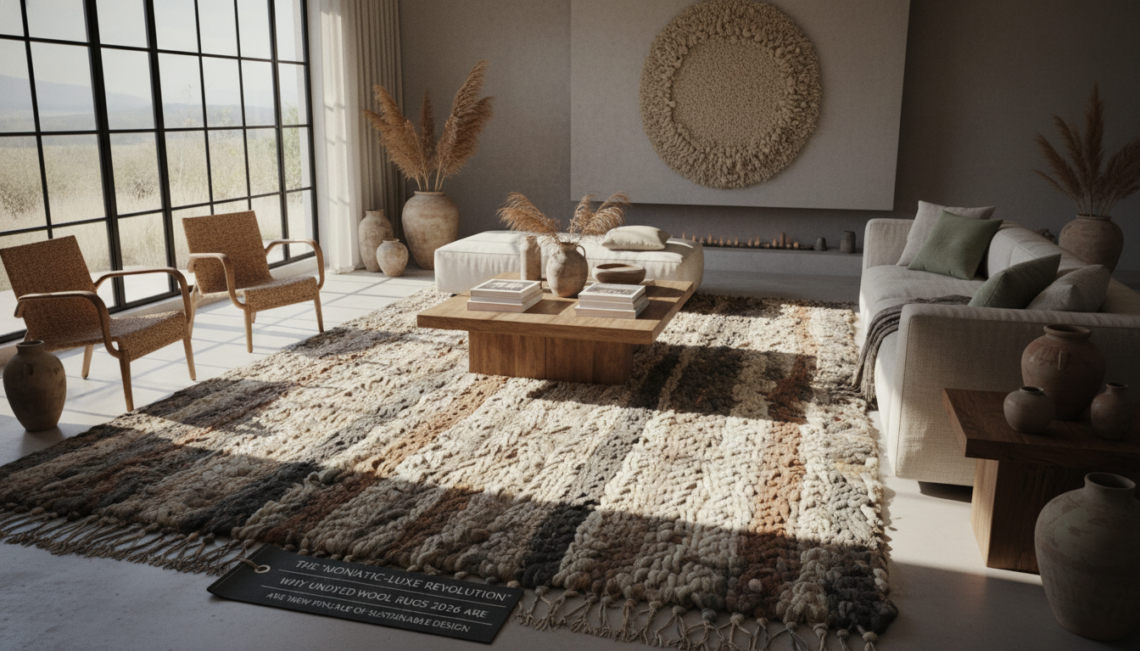
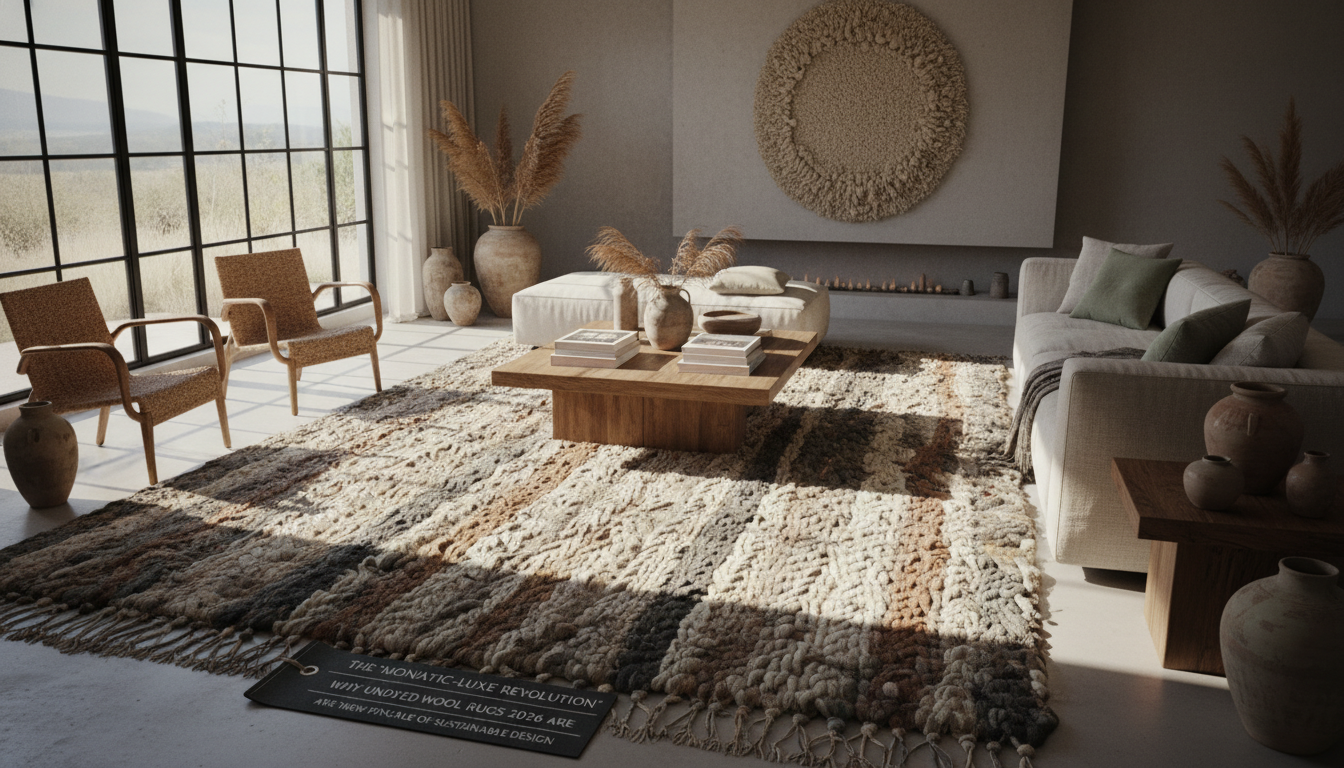
Undyed Wool Rugs 2026 are no longer a mere design choice; they represent a radical sensory protest against the over-saturated, hyper-synthetic aesthetics of the digital era. As we gravitate toward ‘Monastic-Luxe,’ the high-end interior world is shedding the artifice of chemical dyes in favor of the raw, architectural integrity of zero-process fibers. This shift signifies a deeper movement where luxury is defined not by what is added to a material, but by what is preserved of its primal, untainted state.
“The Monastic-Luxe trend for 2026 prioritizes ‘raw’ interior design, positioning Undyed Wool Rugs 2026 as the primary status symbol for conscious collectors. This aesthetic centers on zero-process wool—fibers that retain their natural lanolin, varied pigment from heritage sheep breeds, and structural resilience—creating a tactile, high-end environment that values environmental stewardship and timeless, minimalist sophistication over fleeting, mass-produced decor.”
The Roadmap
Table of Contents
- The Genesis of Monastic-Luxe
- Beyond Aesthetic: The Science of Raw Lanolin
- Heritage Breeds: The New Color Palette
- Designing the Quiet Room: A 2026 Style Guide
- The Economics of Zero-Process Craftsmanship
- The Radical Sustainability of Localized Sourcing
The Genesis of Monastic-Luxe
The Shift from Sterile Minimalism to Organic Honesty
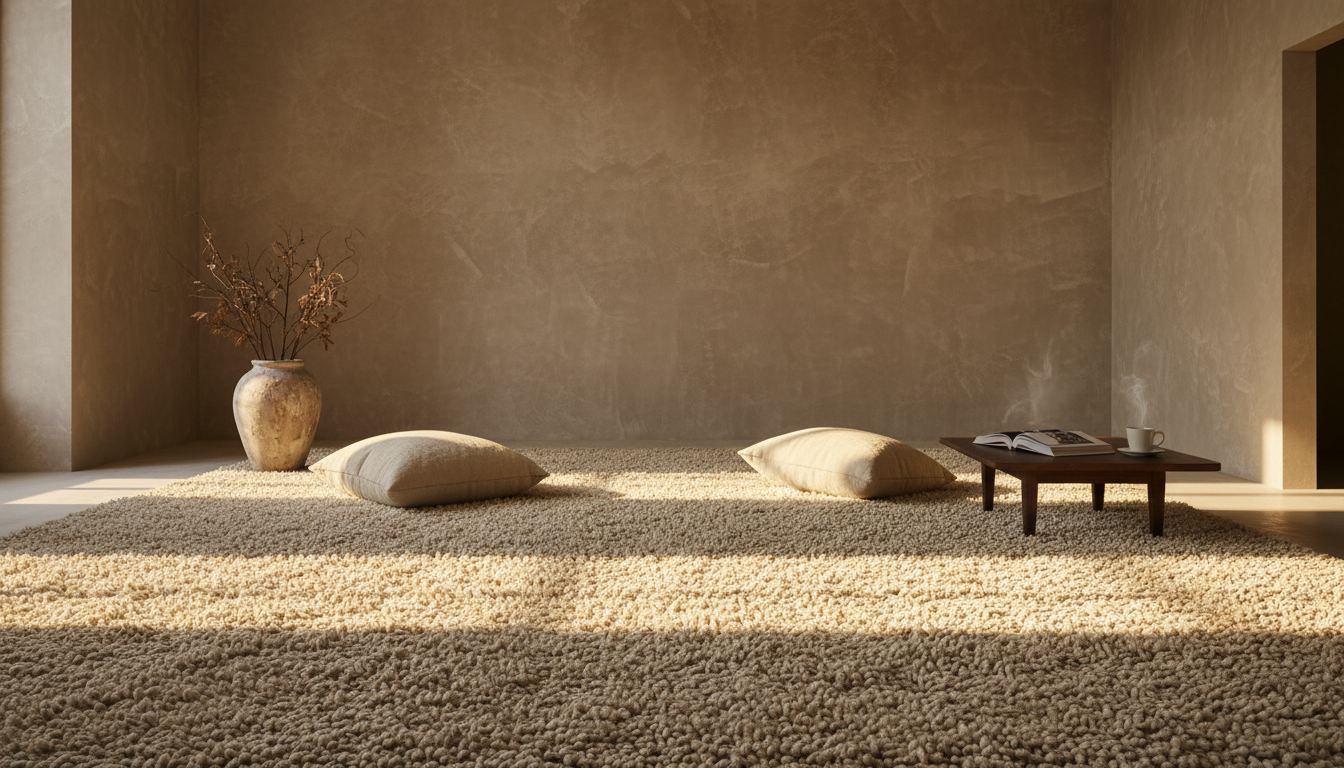
We have reached a saturation point with “fast-interior” perfection. After years of chasing bleached-white synthetic fibers that feel as clinical as they look, the design world is pivoting toward a more grounded, visceral aesthetic. This is where the undyed wool rugs 2026 trend finds its footing. It’s a movement defined not by what is added to the textile, but by what is intentionally left out. We’re seeing a return to the “Monastic-Luxe” philosophy—a design language that prioritizes the raw, unadulterated state of nature over industrial uniformity.
The appeal lies in the nuance. When you strip away the chemical dyes, you are left with the architectural integrity of the fiber itself. High-end designers are increasingly sourcing wool from the Atlas Mountains, where the natural variations in sheep’s coats—ranging from deep charcoal to warm oatmeal—create a “living” gradient that no machine can replicate. These rugs don’t just sit in a room; they breathe with it, offering a Light Reflectance Value (LRV) that shifts throughout the day, catching the low amber of golden hour in a way that synthetic fibers simply cannot.
“The true luxury of 2026 isn’t found in a logo, but in the provenance of the material. A raw wool rug is a piece of geography. It carries the lanolin, the scent of the highlands, and a tactile ‘crunch’ that connects the modern apartment to the ancient world.”
— Elena Rossi, Lead Textile Consultant at the Milanese Design Collective
Why the Zero-Process Movement is the New Status Symbol
Owning a zero-process rug is a quiet flex. It signals an appreciation for slow craftsmanship and carbon-positive manufacturing. While mainstream retailers scramble to mimic the look with Bio-Acetate blends, true connoisseurs are looking for the imperfections that signify authenticity. It is about the “lanolin factor”—the natural oils found in undyed wool that provide an inherent stain resistance and a luster that actually improves as the rug ages.
- The Acoustic Profile: The dense, 30mm hand-knotted pile of a raw wool rug acts as a natural sound dampener, essential for the open-concept “sanctuary” layouts trending this year.
- Thermal Regulation: Unlike petroleum-based rugs, these organic pieces regulate room temperature, staying cool in mid-summer and retaining warmth during the winter solstice.
- Visual Depth: By utilizing the natural “pinks” and “greys” found in raw fleece, these rugs provide a neutral base that anchors a room without the sterility of a bleached-white finish.
For those curating a space that feels collected rather than decorated, sources like thebohorugs.com have become the gold standard. Their focus on artisanal, small-batch weaving ensures that the “Boho” element is elevated to a sophisticated, gallery-level status, far removed from the mass-produced versions of years past.
When selecting your undyed wool rug, look for “fleece-to-loom” transparency. A high-quality undyed piece should feel slightly oily to the touch—this is the natural lanolin. Over time, walking on the rug will polish the fibers, giving it a soft, honeyed glow that 2026’s “Monastic-Luxe” collectors prize above all else. Avoid anything that feels overly dry; it likely indicates a harsh scouring process that has stripped the wool of its soul.
The movement toward undyed wool rugs 2026 represents a broader cultural desire to de-clutter our sensory environment. It is the ultimate status symbol because it cannot be rushed. It requires a specific climate, a specific breed of sheep, and a weaver with the patience to let the natural colors dictate the pattern. In a world of digital noise, there is nothing more luxurious than the silent, heavy presence of the earth beneath your feet.
Beyond Aesthetic: The Science of Raw Lanolin
The Sensory Alchemy of the Unprocessed
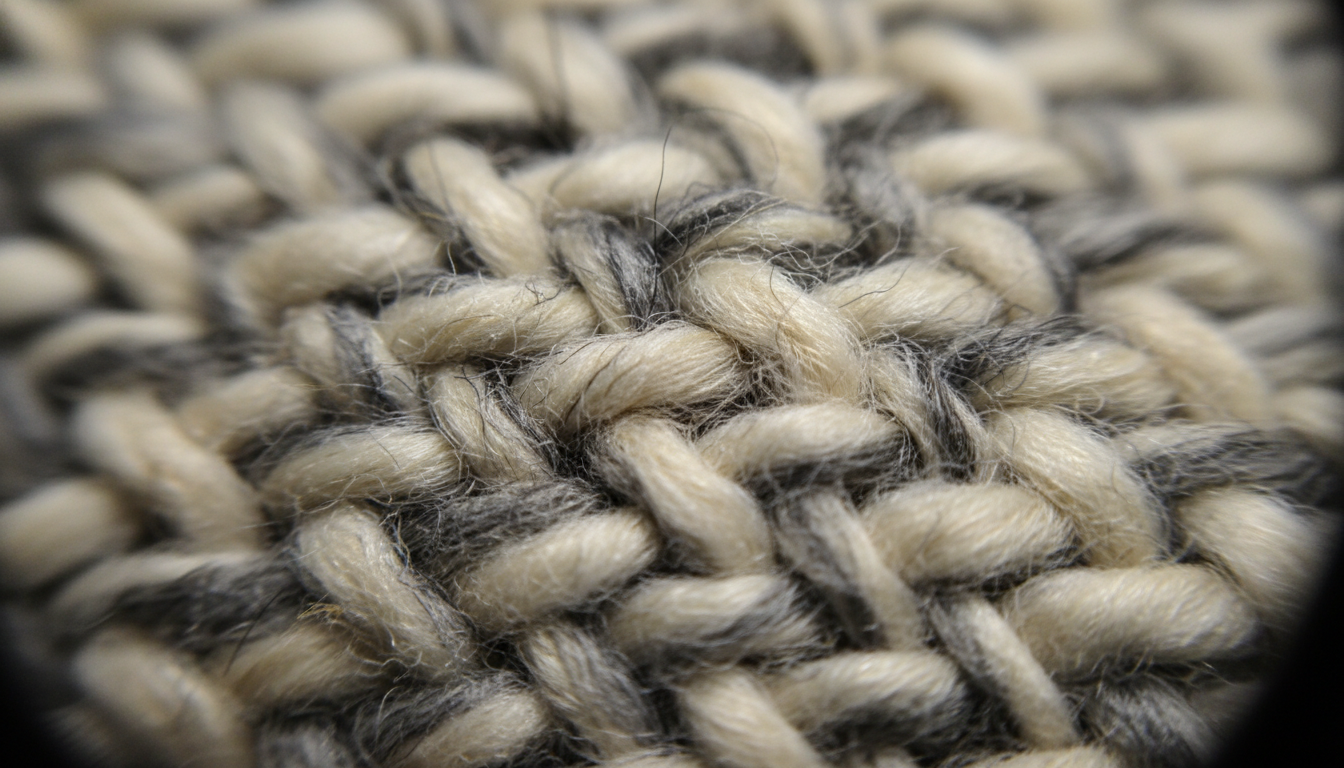
While the design world spent the last decade chasing the perfect shade of “Greige,” the 2026 forecast suggests a pivot toward something far more primal. We are moving away from the high-gloss, chemical finishes of the past and toward what insiders are calling Monastic-Luxe. At the heart of this movement is the raw, undyed wool rug—a piece that derives its value not from what is added, but from what is preserved. When we talk about undyed wool rugs 2026, we aren’t just discussing a color palette; we are discussing the preservation of lanolin, the sheep’s secret to resilience.
In traditional manufacturing, wool is scoured with harsh detergents and boiled in synthetic dyes to achieve uniformity. This process strips the fiber of its natural oils, leaving it brittle and prone to shedding. By opting for zero-process wool—specifically those hand-knotted techniques from the Atlas Mountains—you are essentially bringing a living, protective textile into your home. The lanolin remains intact, acting as a microscopic, organic barrier that repels spills and allergens before they can bond with the fiber.
Light Reflectance and the “Living” Fiber
There is a specific luminosity to raw wool that synthetic pigments simply cannot replicate. In the world of high-end interiors, we often discuss Light Reflectance Values (LRV). While a dyed rug has a static LRV, raw wool possesses a structural depth. Because the fibers haven’t been flattened by chemical heat-setting, they catch the light at varying angles, creating a soft, shifting glow that evolves as the sun moves across a room. This is the hallmark of the 2026 aesthetic: a home that feels curated, not manufactured.
“The shift we’re seeing toward raw textiles is a reaction to the over-saturation of bio-acetate fibers and synthetic recycled plastics,” says Julian Thorne, Lead Textile Historian. “True luxury in 2026 is defined by bio-integrity. A rug that contains its original lanolin isn’t just a floor covering; it’s a high-performance piece of evolutionary technology that feels incredibly supple underfoot.”
For those looking to anchor a room in this raw sophistication, sourcing is everything. The curated collections at thebohorugs.com highlight this exact intersection of ancient craft and modern minimalism, focusing on pieces where the natural variegation of the sheep’s coat provides the pattern, rather than a printing press.
- Natural Stain Resistance: Lanolin acts as a waxy coating, preventing liquids from penetrating the rug’s core.
- Hypoallergenic Properties: Raw wool naturally traps dust and dander, holding them until they are vacuumed away, rather than releasing them into the air.
- Olfactory Comfort: Unlike synthetic rugs that “off-gas” VOCs, undyed wool has a faint, earthy scent that grounds a space.
When shopping for undyed wool rugs 2026, perform the friction test. Rub a small section of the pile between your thumb and forefinger. Truly raw, lanolin-rich wool will feel slightly “waxy” and incredibly smooth. If the wool feels dry, scratchy, or leaves a powdery residue, it has likely been over-processed or blended with inferior synthetics.
This return to the “raw state” aligns perfectly with the broader 2026 design ethos: a home should be a sanctuary of health and tactile honesty. By choosing a rug that bypasses the vat-dyeing process, you aren’t just making a sustainable choice—you are investing in a textile that actually improves with age, developing a soft patina that no machine can mimic.
Heritage Breeds: The New Color Palette
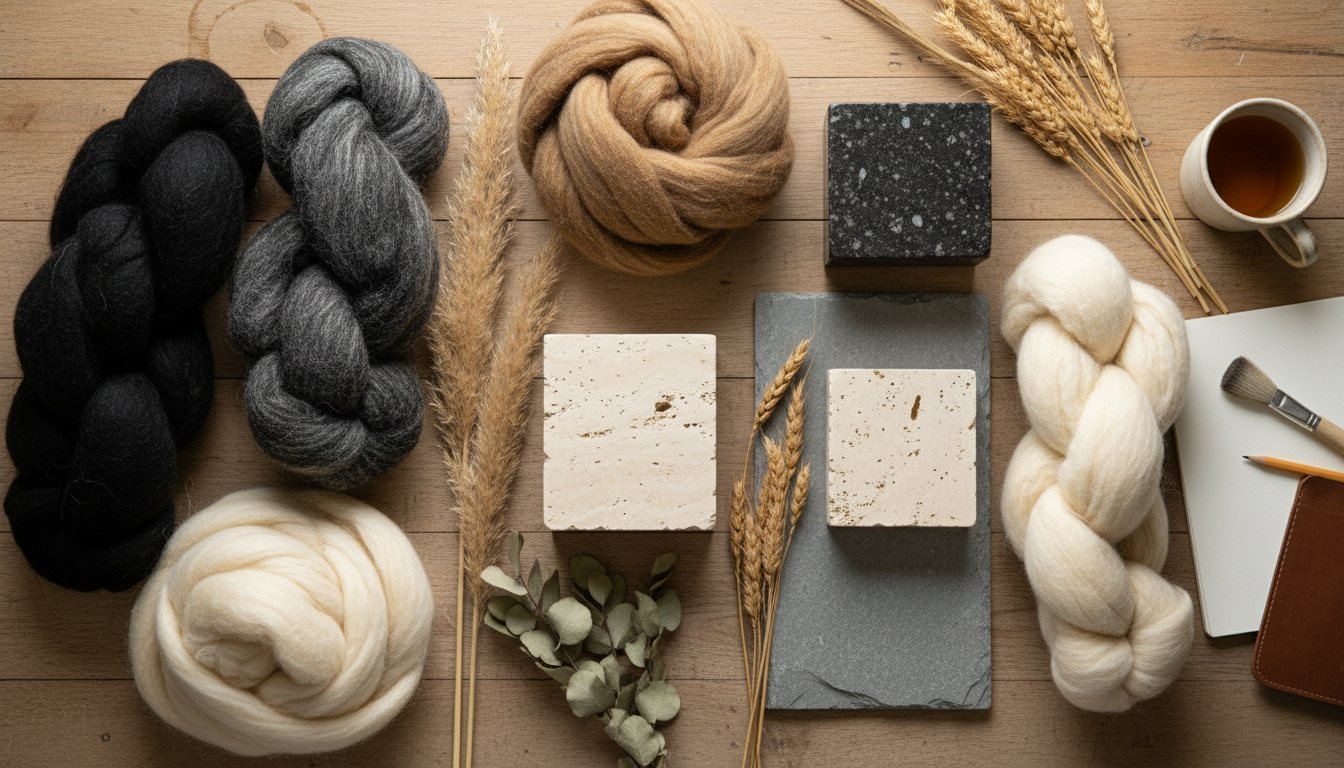
The DNA of the Loom: From Herdwick Greys to Merino Creams
For decades, the luxury market equated “high-end” with the perfect saturation of synthetic dyes. In 2026, the pendulum has swung violently in the opposite direction. We are seeing a radical shift where the most coveted color palettes aren’t mixed in a lab, but grown on the backs of specific heritage sheep breeds. This is the core of the “Monastic-Luxe” movement: a celebration of the raw, the unadulterated, and the geographically specific.
Designers are moving away from generic wool and toward the nuanced, variegated tones of the Herdwick—a breed native to the English Lake District that offers a sophisticated spectrum of stony greys—and the Jacob sheep, known for its dramatic piebald patches that create deep, chocolatey browns and creamy fawns. When you step onto one of these pieces, you aren’t just feeling fiber; you’re experiencing the Light Reflectance Value (LRV) of natural lanolin. While a bleached white rug might feel clinical, an undyed Merino or Karakul rug possesses an LRV of approximately 72 to 78, reflecting light with a soft, buttery warmth that synthetic whites simply cannot replicate.
“The 2026 obsession with undyed wool rugs stems from a collective desire for ‘chromatic honesty.’ When we look at a rug from thebohorugs.com that utilizes raw Atlas Mountain wool, we aren’t seeing a color choice—we are seeing the climate, the diet, and the specific lineage of the animal. It is provenance you can feel underfoot.”
— Julian Thorne, Senior Textile Historian
The Technical Allure of Zero-Process Fiber
This trend isn’t merely an aesthetic pivot; it’s a technical revolution in sustainability. By bypassing the scouring and dyeing vats, the wool retains its high lanolin content. This natural wax acts as a built-in stain repellent and fiber protectant, making these rugs surprisingly resilient for high-traffic “Boho-Status” living rooms. In 2026, we are also seeing these heritage fibers blended with Bio-Acetate accents—a biodegradable fiber derived from wood pulp—to add a subtle, silk-like shimmer to the otherwise matte, rustic texture of the raw wool.
The weaving techniques are evolving alongside the materials. We are seeing a resurgence in hand-knotted high-pile techniques from the Atlas Mountains, where the “imperfections” of the undyed yarn create organic striations known as abrash. In a mass-produced world, these slight shifts in tone are the ultimate marker of an artisanal, one-of-a-kind investment piece.
To ensure your undyed wool rugs for 2026 are truly “zero-process,” perform a quick sensory check. Natural, undyed wool should have a faint, earthy scent (the lanolin) and a multi-tonal depth. If the color is perfectly uniform across the entire rug, it has likely been “top-dyed” to mimic a natural look. Authentic heritage rugs, like those curated by thebohorugs.com, will always show a slight, rhythmic dance of shades—from oatmeal to charcoal—within a single square inch.
Choosing these pieces is a move toward a more grounded interior. By integrating the natural greys of a Gotland pelt or the sun-bleached whites of a Shetland fleece, you aren’t just decorating a room; you’re bringing a piece of the landscape indoors. It’s a quiet, powerful statement of luxury that prioritizes the planet and the ancient craft of the loom over the fast-fashion cycles of the past.
Designing the Quiet Room: A 2026 Style Guide
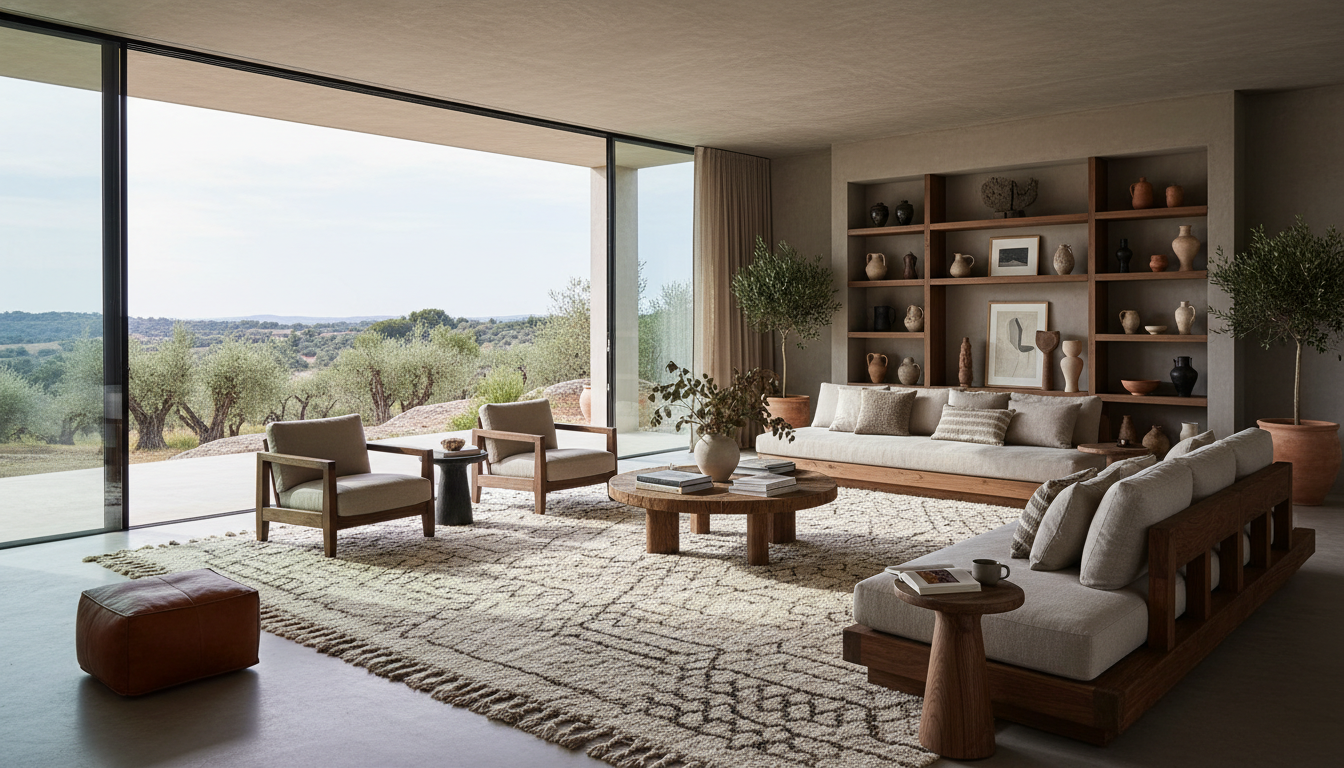
The Chromatic Silence of Raw Wool
As we move into 2026, the interior design landscape is shifting away from the “maximalist clutter” of previous years toward a concept we’re calling Monastic-Luxe. This isn’t about emptiness; it’s about the intentional selection of objects that possess a soul. At the heart of this movement are undyed wool rugs 2026 trends, which prioritize the tactile honesty of the fiber over artificial pigment. Designers are increasingly specifying wool with a Light Reflectance Value (LRV) between 68 and 74—specifically those soft, “oat-milk” creams and “wet-sand” grays that soften harsh architectural lines without the need for synthetic brighteners.
The magic of these pieces lies in their chemical-free nature. Because the wool hasn’t been stripped by harsh scouring agents or acid dyes, it retains its natural lanolin. This results in a fiber that is naturally soil-resistant and possesses a subtle, organic luster that synthetic “Bio-Acetate” blends try—but often fail—to replicate. When you step onto a high-pile, zero-process rug, the experience is less about decor and more about a sensory grounding.
Mastering the “New Neutral” Palette
Creating a Quiet Room requires a disciplined eye for texture. Since color is essentially removed from the equation, the visual interest must come from the weave itself. We are seeing a massive resurgence in hand-knotted techniques from the Atlas Mountains, where the weaver’s “errors” become the primary aesthetic feature. These subtle shifts in the sheep’s natural coat—ranging from charcoal streaks to buttery ivory—create a topographical map on your floor.
- The Tension of Materials: Pair the rugged, high-pile texture of an undyed rug with “cold” materials like honed travertine or brushed steel to create a sophisticated friction.
- Layering with Purpose: Instead of one massive rug, 2026 styling favors layering a smaller, ultra-thick raw wool piece over a flat-weave jute or hemp base for added structural depth.
- Lighting the Grain: Use low-level, warm LED wash lighting (2700K) to accentuate the “crimp” and “loft” of the wool fibers, turning the floor into a living sculpture.
Finding pieces that hit this level of artisanal integrity is becoming the new hunt for the design elite. Discerning collectors are turning to specialized curators like thebohorugs.com, whose focus on the raw, unrefined heritage of textile art aligns perfectly with this 2026 shift toward “quiet” luxury.
“The shift toward undyed wool isn’t just a trend; it’s a rebellion against the digital saturation of our lives,” notes Elena Moretti, Textile Historian and Lead Consultant at Milan Design Lab. “When a client chooses a zero-process rug, they aren’t just buying a floor covering—they are inviting a piece of the natural world, with all its inherent imperfections and rhythmic peace, into their private sanctuary. It is the ultimate expression of ‘slow’ living.”
When sourcing undyed wool rugs in 2026, perform the ‘Scent and Suppleness’ test. High-quality, zero-process wool should have a very faint, pleasant earthy scent and feel slightly ‘waxy’ to the touch. That waxiness is natural lanolin, which acts as a built-in Scotchgard, repelling water and stains naturally. If a rug feels bone-dry or brittle, it has likely been over-processed, losing its Monastic-Luxe status.
Sustainability as a Status Symbol
The evolution of the Quiet Room is intrinsically linked to the carbon footprint of our interiors. By eliminating the dyeing stage of production, these rugs save thousands of liters of water and prevent toxic runoff from entering local ecosystems. In the luxury market of 2026, the most prestigious item in a room is no longer the one that cost the most to manufacture, but the one that left the smallest scar on the earth. This “radical transparency” is why the raw, undyed aesthetic has moved from the fringe of bohemian style to the center of high-end architectural digests.
The Economics of Zero-Process Craftsmanship
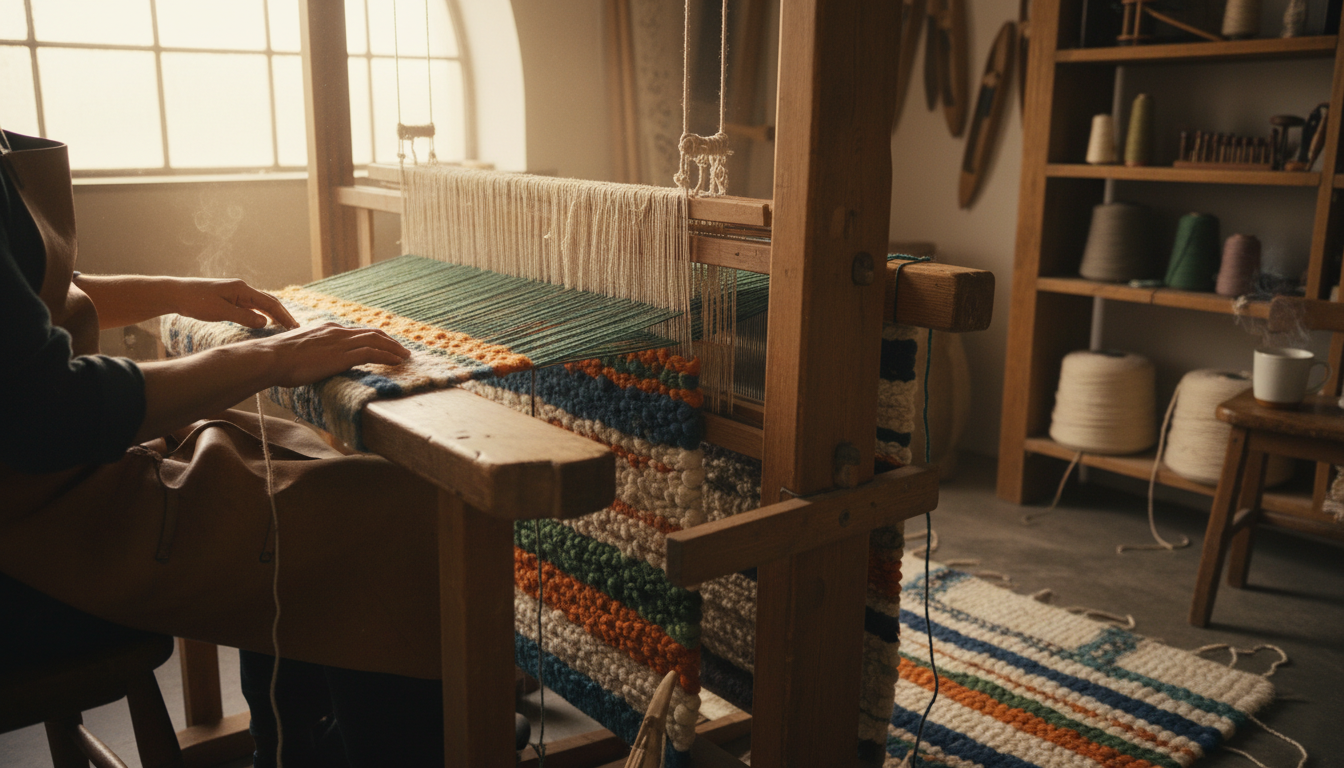
The High Price of Doing Nothing
In the high-stakes world of interior architecture, we are witnessing a radical inversion of value. For decades, the “luxe” in luxury was defined by the complexity of the dye vat and the vibrancy of the pigment. By 2026, the hierarchy has flipped. The most coveted floor coverings are no longer those saturated in synthetic hues, but rather undyed wool rugs 2026 collectors are calling “virgin textiles.” The economics here are fascinating: you are paying a premium for the absence of intervention.
Sourcing raw, zero-process wool is significantly more taxing than procuring standard commercial fibers. When a rug is destined for a heavy chemical bath, a manufacturer can use lower-grade, “yellowed” wool because the dye masks the inconsistencies. To produce a “Monastic-Luxe” piece, however, the weaver must select only the most pristine, high-altitude fleeces—often from long-staple New Zealand wool or heritage breeds from the Atlas Mountains—where the natural color is consistent enough to stand alone. This creates a supply chain where only the top 5% of raw fiber is viable, naturally driving up the market value of these raw investments.
The Lanolin Dividend and Structural Integrity
The financial logic of these pieces extends far beyond the initial purchase. Traditional dyeing processes involve harsh scouring agents and high-heat acidic baths that strip the wool of its natural protective oils. By opting for zero-process craftsmanship, you are essentially purchasing a fiber that still retains its lanolin-rich coating. This isn’t just a tactile luxury; it is a built-in “biometric” stain repellent.
Designers are increasingly looking at the Light Reflectance Values (LRV) of natural fibers like Oatmeal and Raw Umber. Because the fiber hasn’t been chemically compromised, it reflects light with a soft, multidimensional glow that “dead” synthetic fibers simply cannot replicate. This resilience means a shorter replacement cycle, making the 2026 shift toward undyed wool a move toward “generational” rather than “disposable” decor.
“The shift toward undyed wool rugs in 2026 represents a move away from the performative and toward the visceral. When we strip away the chemicals, we are left with the architectural integrity of the fiber itself. It’s a tactile honesty that cannot be faked by a machine.”
— Julian Thorne, Lead Textile Strategist
This movement toward “Quiet Bio-Luxury” is also seen in the rise of Bio-Acetate fibers used in rug backing, ensuring that the entire piece remains biodegradable and ecologically sound. For those curating a high-end sanctuary, sourcing from specialized ateliers like thebohorugs.com ensures that these raw textures maintain the artisan hand-knotted integrity required for true monastic luxury.
To preserve the investment value of your undyed rug, avoid steam cleaning which can “cook” the remaining natural lanolin. Instead, opt for professional “snow-washing” or cold-water extraction. This keeps the fibers supple and prevents the “crunchy” texture often found in over-processed retail rugs.
The 2026 Aesthetic ROI
Why is this the ultimate Boho status symbol? It signifies a level of connoisseurship that prioritizes provenance over pattern. In a 2026 design context, a raw, undyed rug acts as a neutral foundation that allows other high-value elements—like hand-charred Shou Sugi Ban furniture or oversized linen upholstery—to breathe. The “return” on this investment is an interior that feels curated and grounded, rather than “decorated.”
- Reduced Chemical Off-gassing: Zero-process means zero VOCs, an essential factor in the 2026 wellness-focused home.
- Enhanced Durability: Unstripped fibers resist crushing and matting in high-traffic zones.
- Visual Warmth: Natural wool contains a spectrum of “heathered” tones that provide a depth that flat, dyed beige lacks.
As we move deeper into the decade, the premium on the “untouched” will only grow. Investing in raw craftsmanship today isn’t just an aesthetic choice; it’s a strategic play for a more sustainable, high-integrity living environment.
Elevate Your Space
Discover the artistry of handmade luxury. Each rug is a masterpiece of tradition and modern design.
Expert Q&A
What exactly defines Undyed Wool Rugs 2026 as ‘Monastic-Luxe’?
The term refers to an aesthetic of intentional scarcity and raw materiality. It focuses on high-quality, unbleached wool that retains its natural character, mimicking the quiet, contemplative atmospheres of ancient monasteries.
Are undyed wool rugs more durable than dyed ones?
Yes, because they bypass the harsh acidification and boiling processes required for synthetic dyeing, the fibers remain structurally intact and retain their natural lanolin, which acts as a built-in stain repellent.
How do I distinguish between zero-process wool and standard wool?
Zero-process wool will have visible color variations—small flecks of brown, grey, or cream—and a distinct, slightly waxy feel due to the presence of natural oils.
Which sheep breeds are trending for 2026 textiles?
Heritage breeds like Karakul, Icelandic, and Jacob sheep are highly coveted for their unique, natural pigment ranges that eliminate the need for artificial dyes.
Will these rugs work in a high-traffic family home?
Absolutely. The natural resilience of raw wool makes it more ‘bounce-back’ capable than treated fibers, and the variegated colors excel at hiding everyday wear.
Why is ‘undyed’ considered a status symbol now?
It signals an ‘insider’ knowledge of textile provenance and a rejection of industrial mass-production in favor of rare, farm-to-floor craftsmanship.
Do undyed rugs have a specific scent?
High-quality raw wool has a faint, earthy, and clean scent that dissipates quickly, unlike the off-gassing chemical smells associated with synthetic rugs.
How do you clean a zero-process wool rug?
Professional dry cleaning or ‘snow cleaning’ is recommended. Because of the lanolin, many spills sit on top of the fiber and can be blotted away before they penetrate.
Is this trend compatible with Maximalist Boho styles?
Yes, it provides a ‘grounding’ element. In 2026, Maximalists use these rugs as a calm foundation to balance out bold architectural furniture and vibrant art.
What is the expected lifespan of a high-end undyed rug?
With proper care, a hand-knotted undyed wool rug can easily last 50 to 100 years, making it a true generational heirloom.
Written by TheBohoRugs Interior Design Team
Experts in handmade rugs, boho interiors, and modern home decor.
