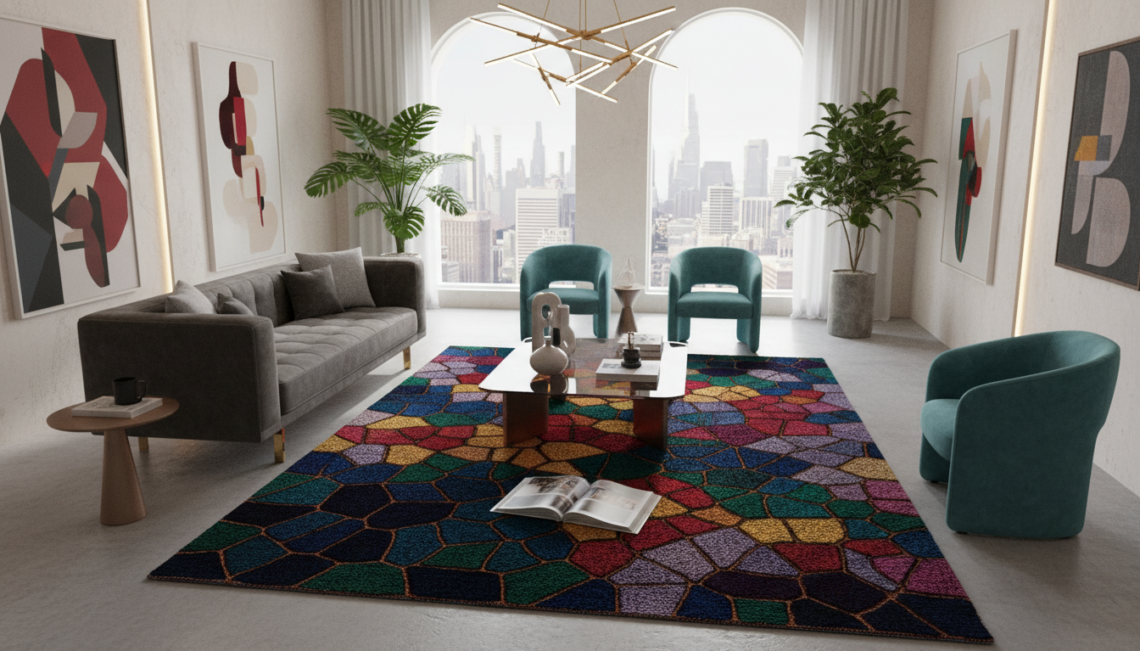
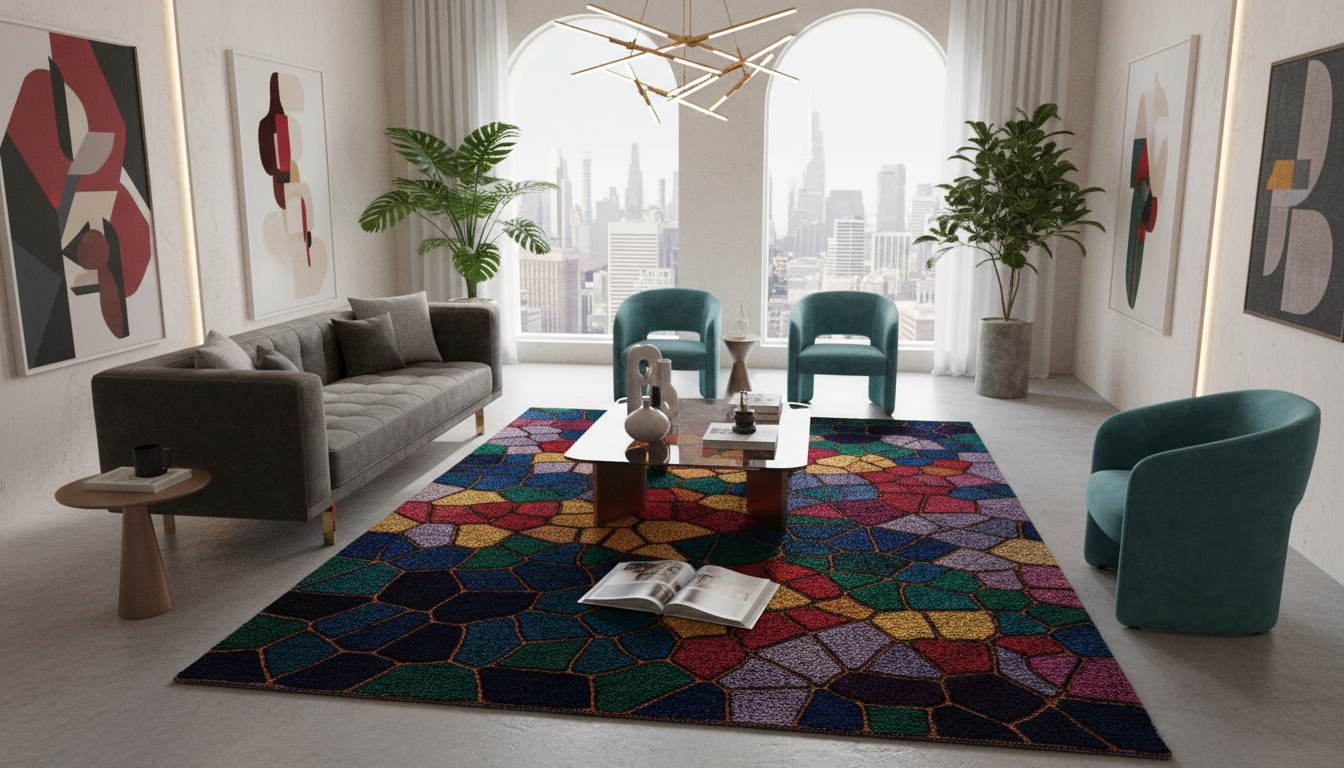
As we approach 2026, the interior design landscape is witnessing a seismic shift away from the sterile ‘sad beige’ era toward a more profound, emotive expression of luxury. At the heart of this movement are saturated jewel tone rugs—pieces that act less like floor coverings and more like ‘Art for the Floor.’ This trend report explores how single-saturated pigments are redefining the ‘Quiet Luxury’ aesthetic, offering a masterclass in monochromatic maximalism and architectural depth. We move beyond mere decoration into the realm of atmospheric curation, where the rug serves as the soul of the room.
“Saturated jewel tone rugs are the defining interior design trend for 2026, characterized by high-density, single-pigment hues such as deep emerald, midnight sapphire, and royal amethyst. Unlike traditional multicolored rugs, these pieces focus on the purity of color and the luster of high-end materials like wool and silk to create a ‘Quiet Luxury’ statement that anchors modern, minimalist, and transitional spaces with unparalleled depth and sophistication.”
The Roadmap
Table of Contents
- The Evolution of Quiet Luxury: From Neutrals to Saturated Hues
- Monochromatic Maximalism: The Power of Single-Saturated Palettes
- The Psychology of Color: Why Emerald, Sapphire, and Amethyst Ground Us
- Materiality Matters: Silk, Wool, and the Luster of Deep Pigments
- Integrating Jewel Tones into Modern Minimalist Architecture
- The 2026 Forecast: New Pigments on the Horizon
- Styling Guide: Balancing Rich Floors with Sculptural Furniture
- Investment Pieces: Treating Rugs as Foundational Fine Art
The Evolution of Quiet Luxury: From Neutrals to Saturated Hues
Beyond the Minimalist Fatigue
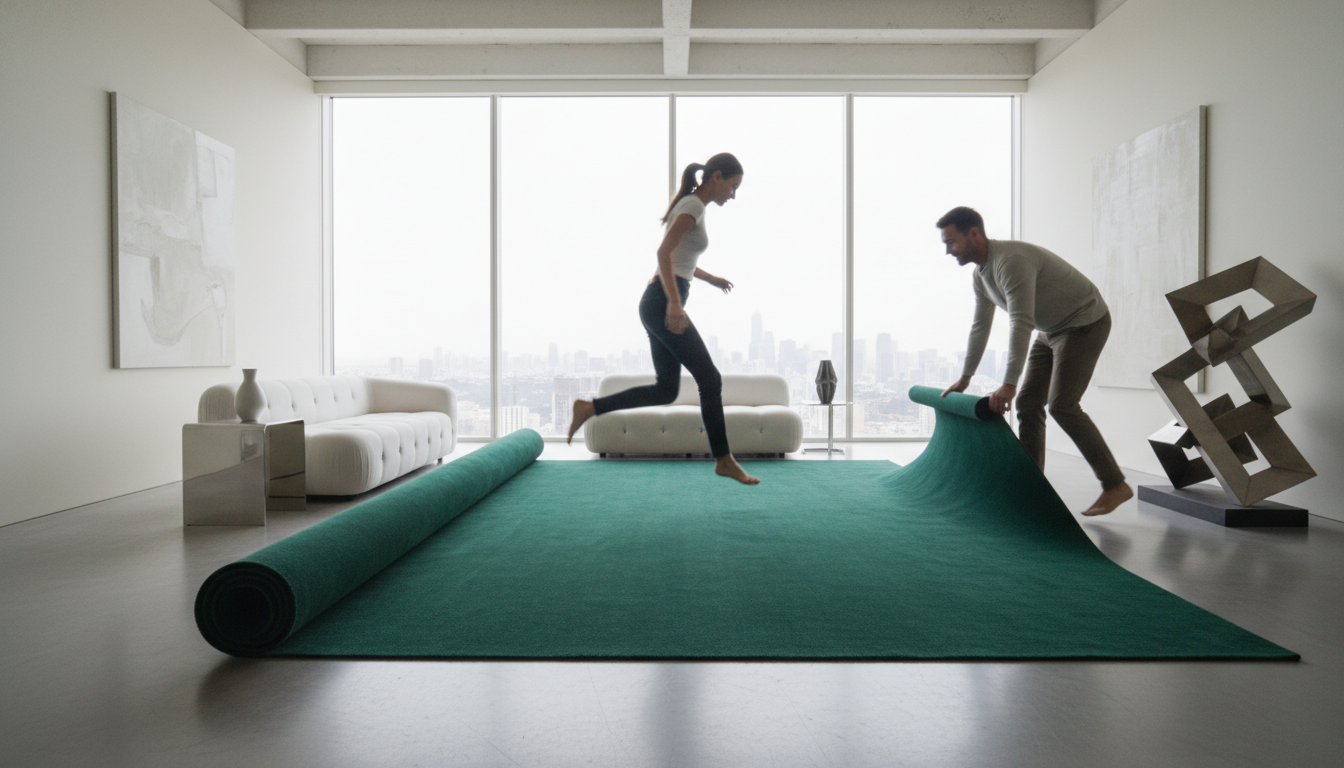
For the better part of a decade, “Quiet Luxury” was synonymous with a relentless pursuit of beige. The aesthetic, while calming, eventually led to a visual sterility that left high-end interiors feeling hollow. As we approach 2026, the design pendulum is swinging toward what critics are calling “Maximal Minimalism.”
This evolution replaces the safety of neutrals with the gravitas of deep color. The industry is witnessing a pivot toward saturated jewel tone rugs as the definitive foundation for the modern home. It is no longer about the absence of color, but rather the presence of singular, profound depth that commands a room without screaming for attention.
The 2026 Palette: Depth Over Decoration
The upcoming season signals a departure from busy, multi-colored motifs. Instead, the focus has shifted to monochromatic intensity—where the luxury is derived from the quality of the dye and the light-reflective properties of the fiber. Designers are looking to saturated jewel tone rugs to provide a sense of historical weight in contemporary spaces.
According to color theorists and trend forecasters, the “Sophisticated Primary” palette for 2026 includes:
- Midnight Lapis: A blue so deep it functions as a neutral, offering more soul than charcoal.
- Oxblood Garnet: A grounded red with brown undertones that evokes a sense of permanent heritage.
- Obsidian Emerald: A forest hue that brings a biophilic serenity into the formal living room.
Texture as the New Pattern
When a rug is stripped of intricate patterns, the craftsmanship of the weave is laid bare. This is where the true “quiet” in luxury resides. By utilizing saturated jewel tone rugs, homeowners can highlight the subtle striations—or abrash—found in hand-dyed yarns. This creates a living, breathing floor covering that changes character as sunlight moves across the room.
For those seeking this level of artisanal integrity, sourcing is paramount. Collections found at thebohorugs.com exemplify this shift, favoring hand-knotted textures and organic dyes over the flat, synthetic finishes of mass production. It is the slight imperfection in a single-tone rug that signals true bespoke quality.
Strategic Implementation in High-End Interiors
Integrating these bold foundations requires a disciplined approach to the rest of the room. To master the 2026 look, consider the following structural rules:
- Tonal Layering: Pair your rug with furniture in a similar color family but different materials—think a sapphire wool rug under a navy velvet sofa.
- Negative Space: Allow the rug to breathe by choosing furniture with “leggy” profiles, exposing the rich saturation beneath.
- Lustre Contrast: Combine matte wall finishes with the subtle sheen of silk-blended saturated jewel tone rugs to create a multi-dimensional sensory experience.
Ultimately, the move toward deep saturation represents a newfound confidence in interior design. We are moving away from the “safety” of resale-value neutrals and toward spaces that reflect a curated, personal sanctuary. In 2026, the most sophisticated statement you can make is one of immersion.
Monochromatic Maximalism: The Power of Single-Saturated Palettes
The Architecture of the Floor: Beyond Neutrality
As we pivot toward 2026, the interior design world is witnessing a decisive departure from the sterile “greige” palettes that defined the early 2020s. In its place, designers are embracing saturated jewel tone rugs as the definitive foundation for sophisticated, high-end living spaces.
This shift represents a new chapter in “Quiet Luxury.” It is no longer enough for a room to be expensive; it must feel emotionally resonant. By utilizing a single, concentrated hue, homeowners can achieve a sense of visual serenity without sacrificing the boldness that defines modern maximalism.
When a space is anchored by a singular, deep pigment—such as a midnight sapphire or a forest emerald—the floor ceases to be a background element. It becomes an architectural statement that absorbs light and grounds the surrounding furniture in a way that multi-patterned textiles cannot.
Textural Variation: The 2026 Secret to Depth
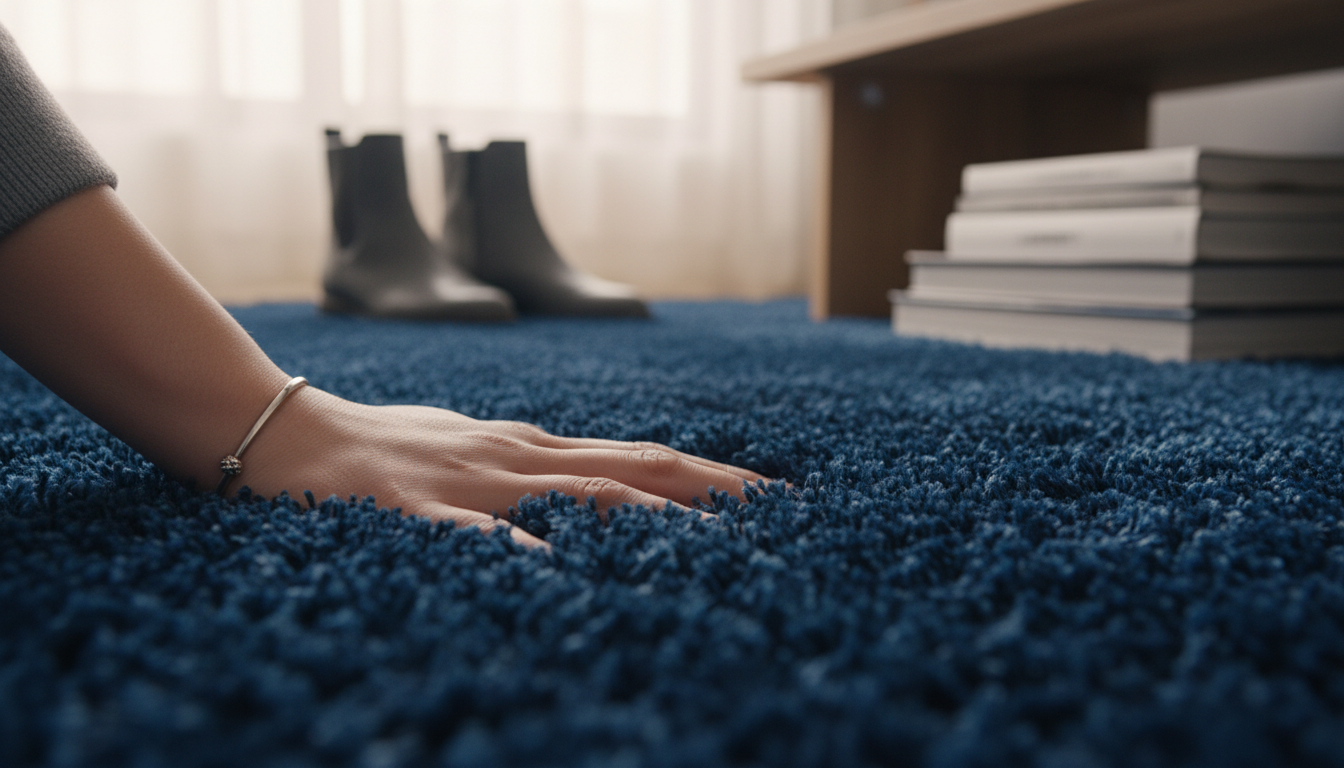
The sophistication of the monochromatic trend lies in its tactile complexity. Designers are predicting that 2026 will be the year of “hidden patterns,” where the visual interest comes from the weave itself rather than a printed design. This is where the artistry of saturated jewel tone rugs truly shines.
When a rug is stripped of distracting motifs, the eye is forced to appreciate the nuance of the material. Artisanal sources like thebohorugs.com are seeing a surge in demand for high-pile wools and silk-infused blends that allow these deep colors to shift and shimmer under varying light conditions.
- Oushak-Inspired Sheen: Hand-knotted pieces that use varying wool densities to create “ghost patterns” in deep rubellite or lapis.
- Organic Abrash: The subtle, natural striations in color that occur during the vegetable-dyeing process, adding a sense of history to a brand-new piece.
- Carved Relief: High-low pile techniques that create shadows and highlights within a single saturated shade.
The 2026 Jewel Tone Forecast
If 2024 was about “Peach Fuzz” and 2025 embraced earthy terracottas, 2026 is moving toward the colder, more regal end of the spectrum. The goal is to create “sanctuary rooms” that feel shielded from the outside world through the use of weighted, heavy color.
- Black Cherry (Garnet): A deep, wine-soaked red that replaces traditional mahogany as the primary anchor for library and dining spaces.
- Peacock Teal: A saturated jewel tone rug in this shade offers a bridge between classic traditionalism and contemporary edge, especially when paired with brushed brass accents.
- Crushed Amethyst: Moving away from bright purples toward a muted, smoky violet that functions as a “new neutral” for high-traffic entryways.
This movement toward monochromatic maximalism isn’t just a stylistic choice; it is a commitment to quality. Because these rugs rely on the purity of their pigment, the caliber of the fibers must be exceptional. To achieve this look, designers are increasingly turning to heritage-focused boutiques like thebohorugs.com, where traditional weaving techniques ensure that the saturation remains vibrant and light-fast for decades to come.
The Psychology of Color: Why Emerald, Sapphire, and Amethyst Ground Us
From Visual Noise to Chromatic Resonance
As we move toward 2026, the interior design landscape is undergoing a radical shift from the frantic patterns of “maximalism” toward a more disciplined, emotive minimalism. This evolution is anchored by the emergence of saturated jewel tone rugs as the definitive foundation of the modern home.
Unlike the multi-colored Persian motifs of the past, 2026 focuses on “monolithic color”—the use of a single, high-pigment hue to dictate the room’s energetic frequency. Designers are no longer looking for rugs that simply match the furniture; they are seeking pieces that provide a visceral sense of permanence.
According to color psychologists, these deep, singular tones offer a form of “visual grounding.” In an increasingly digital world, the physical weight and light-absorbing quality of a hand-knotted, saturated surface provide a necessary tactile counterpoint.
The Emerald Foundation: Biophilia Meets Formalism
Emerald is the primary protagonist in this 2026 movement. While previous years focused on muted sage or olive, the upcoming trend favors a dense, forest-floor green that feels almost black in low light. This color operates on the principle of sophisticated biophilia—bringing the forest into the penthouse without the clutter of literal floral patterns.
- Stability: Deep greens are physiologically linked to lowered heart rates and a sense of environmental security.
- Materiality: When rendered in high-quality wool or silk, these saturated jewel tone rugs create a shifting patina that mimics the natural world.
- The 2026 Twist: Look for “over-dyed” techniques that allow a hint of the underlying texture to peek through, a specialty found in the curated collections at thebohorugs.com.
Sapphire and Amethyst: The Intellectualism of Depth
If Emerald is the anchor, Sapphire and Amethyst are the intellectual pillars of 2026’s “Quiet Luxury.” Sapphire offers an alternative to the ubiquitous charcoal and navy, providing a cool-toned clarity that fosters deep focus. It is the color of the midnight sky—infinite, calm, and undeniably regal.
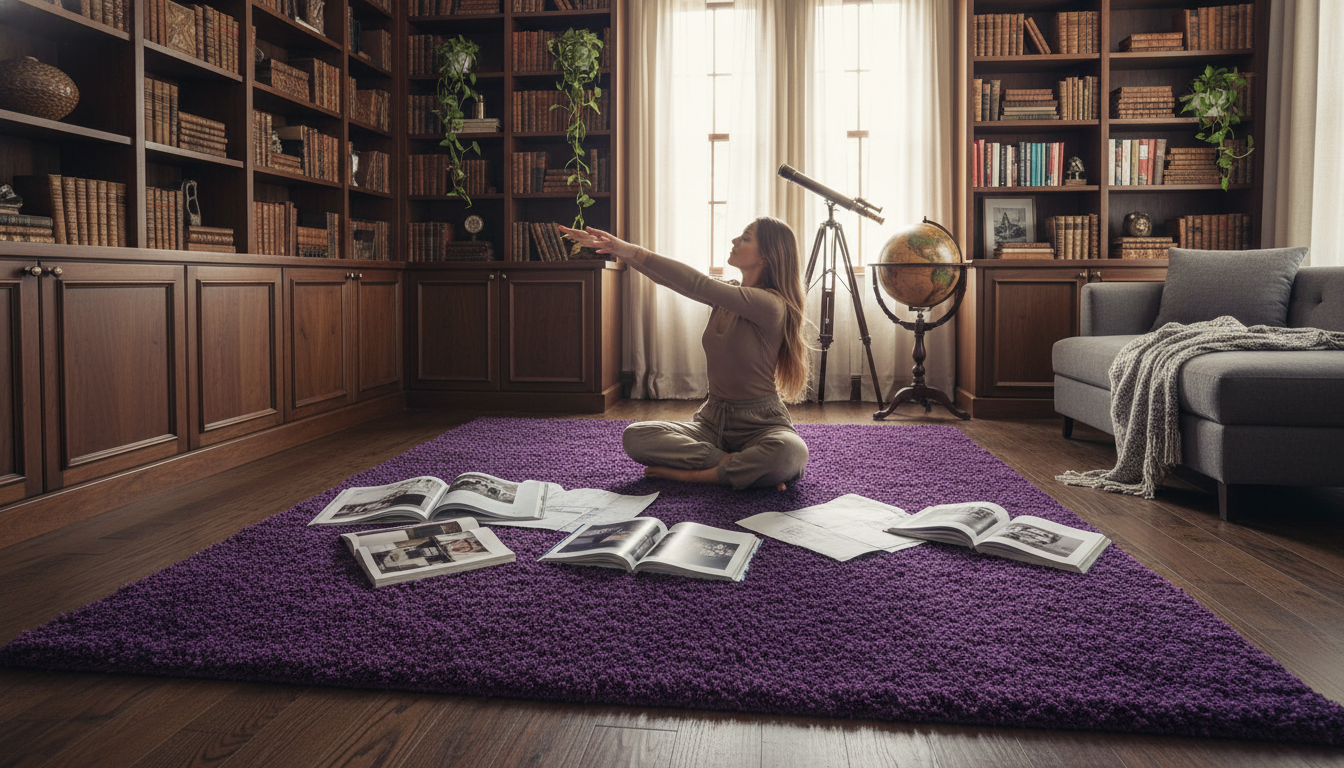
Amethyst, long relegated to bohemian accents, is being reimagined as a sophisticated neutral. In its most saturated form, a deep plum or violet rug acts as a warm shadow, absorbing light and softening the hard edges of modern glass and steel architecture.
- The Sapphire Shift: Moving away from “Coastal Blue” toward a dense, indigo-adjacent Sapphire that commands the floor.
- The Amethyst Core: Utilizing purple’s historical association with rarity to create an immediate sense of exclusivity.
- Light Absorption: These tones are selected specifically for their ability to interact with architectural lighting, changing character from dawn to dusk.
The transition toward these deeply pigmented, artisanal pieces marks a return to quality over quantity. By sourcing saturated jewel tone rugs from heritage-focused purveyors like thebohorugs.com, homeowners are investing in more than decor—they are investing in a psychological sanctuary built on the timeless power of color.
Materiality Matters: Silk, Wool, and the Luster of Deep Pigments
The Architecture of Color: Why Fiber is the New Pattern
In the evolving landscape of 2026 interiors, the shift from busy, multi-tonal patterns to singular, saturated jewel tone rugs marks a return to architectural purity. No longer is the rug merely a backdrop; it has become a structural element defined by its tactile weight and the way its fibers interact with natural light.
The “Quiet Luxury” movement has matured, moving beyond the safety of beige into a realm where opulence is signaled through the purity of pigment. To achieve this, the industry is seeing a resurgence in high-altitude wools and organic silks that allow dyes to penetrate the very core of the fiber, creating a depth that synthetic alternatives simply cannot replicate.
The Highland Wool Advantage: Depth and Durability
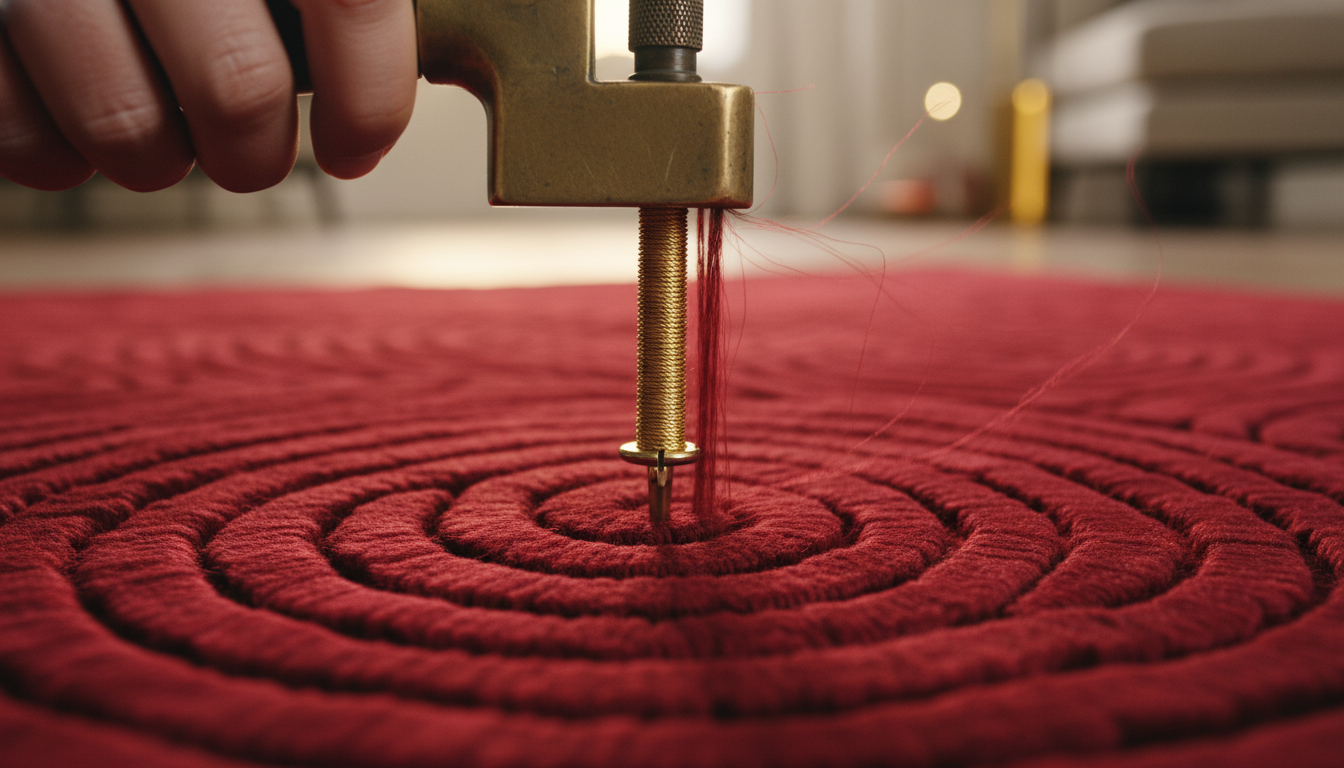
For 2026, designers are prioritizing long-staple Highland wool for its high lanolin content. This natural wax acts as a prism, enhancing the luminosity of deep emeralds and midnight sapphires. When these fibers are hand-knotted, they create a dense pile that traps light, giving saturated jewel tone rugs a three-dimensional quality that feels alive underfoot.
- Light Absorption: Premium wool absorbs light differently than synthetic blends, preventing the “plastic sheen” often found in mass-produced decor.
- Pigment Retention: Artisanal techniques used by sources like thebohorugs.com ensure that deep rubies and teals remain vibrant for decades, rather than fading into a washed-out vintage aesthetic.
- Textural Variance: The natural “crimp” of high-end wool provides a subtle, organic variation in color that adds soul to a monochromatic room.
Silk and the ‘Liquid Light’ Effect
If wool provides the soul, silk provides the drama. We are seeing a forecasted rise in “optical layering,” where silk highlights are carved into a wool base. This technique allows a rug to transition from a matte, moody forest green to a shimmering neon-adjacent emerald as the sun moves across the room.
This interplay is particularly effective with saturated jewel tone rugs in 2026’s “it” colors: amaranth, deep lapis, and obsidian-teal. By blending Mulberry silk with hand-spun wool, weavers are creating pieces that look less like floor coverings and more like pools of liquid pigment.
2026 Materiality Trends to Watch
- The Matte-Gloss Contrast: Expect to see rugs that use flat-weave wool borders to frame high-pile silk centers, creating a “frame” effect for the color.
- Sustainable Sourcing: As consumers demand transparency, the provenance of the fiber—such as the ethically sourced artisanal pieces found at thebohorugs.com—becomes as much of a status symbol as the design itself.
- Low-Sheen Viscose: A move away from high-glitz rayon toward a refined, low-luster viscose that mimics the “distilled” look of raw silk without the maintenance.
Ultimately, the move toward these deeply pigmented, high-materiality pieces signifies a rejection of the “disposable” design era. A well-crafted, saturated rug serves as a foundational anchor, proving that in 2026, true luxury is found in the weight of the wool and the brilliance of the dye.
Integrating Jewel Tones into Modern Minimalist Architecture
The Monolithic Anchor: Redefining the Open Plan
As we approach 2026, the architectural zeitgeist is pivoting away from the sterile, desaturated palettes of the early 2020s. In the world of high-end residential design, saturated jewel tone rugs are no longer viewed as mere accessories; they are being treated as foundational structural elements.
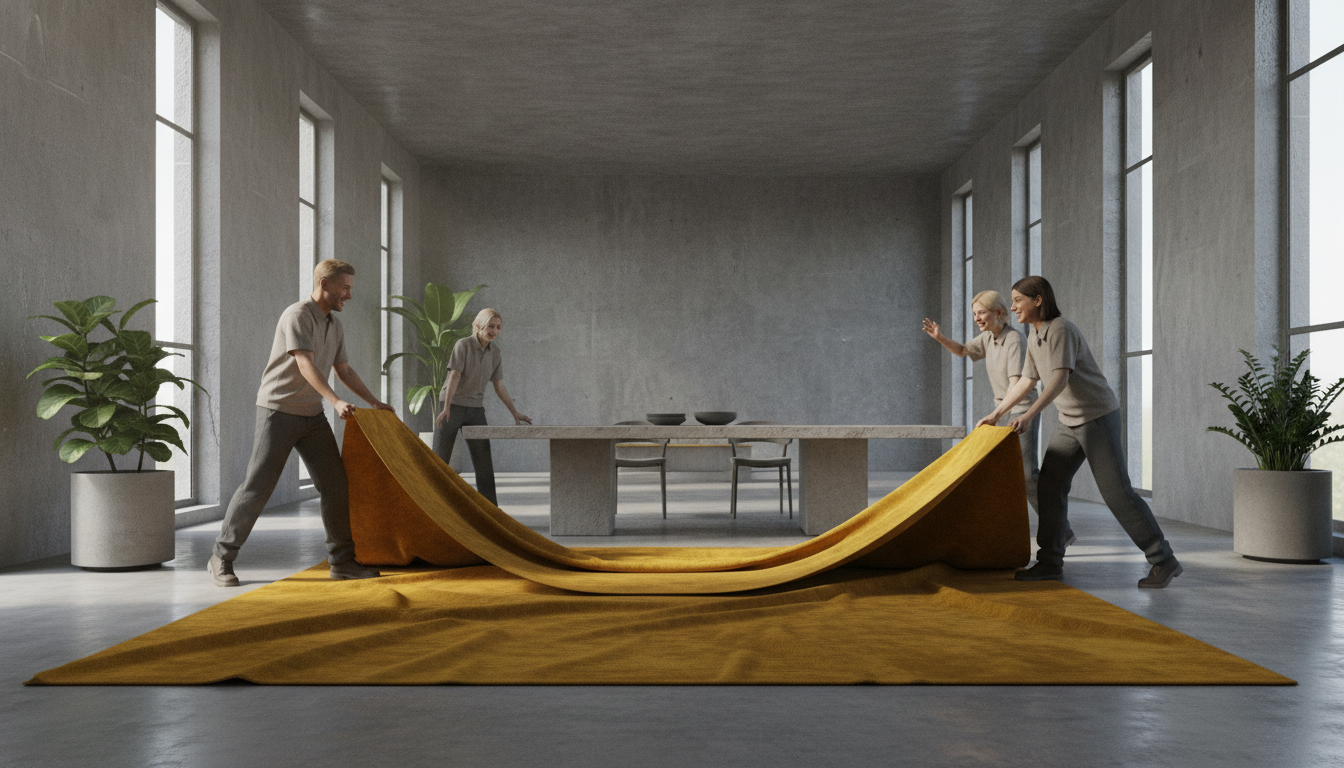
Leading architects are utilizing these deep, monochromatic planes of color to define “zones” within expansive, glass-heavy floor plans. By placing a singular, light-absorbing textile against cold surfaces like polished concrete or honed travertine, the rug acts as a visual gravity point that grounds floating furniture arrangements.
This shift represents a “Cromal Minimalism”—a philosophy where the number of objects is limited, but the emotional impact of each piece is maximized through sheer chromatic depth. To achieve this look, designers are sourcing hand-knotted pieces from specialized curators like thebohorugs.com, where the saturation is achieved through traditional, small-batch dyeing processes.
The 2026 Palette: From Pigment to Persona
The “Quiet Luxury” movement of 2026 demands colors that feel ancient yet urgent. We are seeing a departure from bright primary shades in favor of “low-light” tones that shift throughout the day. Consider these three cornerstone hues for minimalist integration:
- Oxblood Garnet: A profound, brownish-red that provides warmth to steel-and-glass “industrial-mod” dwellings without appearing rustic.
- Nocturnal Lapis: A blue so deep it verges on obsidian, perfect for creating a sense of infinite space in primary suites.
- Crushed Emerald: A forest-floor green that bridges the gap between interior minimalism and exterior biophilic landscaping.
Materiality and the Play of Natural Light
In minimalist architecture, light is a building material. The brilliance of saturated jewel tone rugs lies in their high-low pile construction and light-refractive properties. A high-silk content rug in a deep sapphire will appear to “glow” when hit by afternoon sun, providing a dynamic element to an otherwise static room.
The key to successful integration lies in the “Single-Saturated” rule. By avoiding busy patterns and focusing on a singular, deep hue, the rug maintains the clean lines required for modernism while introducing a much-needed tactile softness. This juxtaposition is the hallmark of the 2026 “Sophisticated Sanctuary.”
When selecting a piece, the provenance of the fiber is paramount. High-altitude wool, often featured in the artisanal collections at thebohorugs.com, retains lanolin more effectively, ensuring that the jewel-toned saturation remains vibrant for decades rather than seasons, a core tenet of sustainable, high-value luxury design.
Refined Execution: Three Design Rules
- The Negative Space Ratio: Ensure at least 24 inches of visible “cold” flooring (stone or wood) borders the rug to emphasize its monolithic quality.
- Tonal Symmetry: Match one architectural detail—perhaps a velvet chair or a piece of smoked glass—to the rug’s primary hue to create a cohesive “color story.”
- Low-Profile Silhouettes: Use furniture with slim, dark metal legs to allow the saturated jewel tone rugs to remain the uninterrupted focal point of the floor plane.
The 2026 Forecast: New Pigments on the Horizon
The Hyper-Pigment Shift: Beyond Traditional Palettes
As we approach 2026, the design world is distancing itself from the clinical “greige” era in favor of a profound, immersive color experience. The emerging aesthetic is rooted in “color drenching”—a technique where walls, upholstery, and flooring converge in a singular, breathtaking hue.
At the center of this movement are saturated jewel tone rugs, which act as the gravitational pull for a room. Unlike the distressed, faded motifs of the 2010s, the next generation of floor coverings embraces high-pigment density and unyielding vibrancy.
The 2026 forecast highlights three specific “New Pigment” directions that redefine the luxury interior:
- Byzantine Lapis: A blue so deep it carries a weight of history, replacing traditional navies with a more electric, regal undertone.
- Crushed Malachite: Moving away from sage and forest green, this hue offers a mineral-inspired saturation that mimics the intensity of semi-precious stones.
- Oxblood Noir: A sophisticated evolution of burgundy that incorporates blackened undertones, providing a dramatic foundation for lighter furniture.
The Architecture of Light and Fiber
In the realm of quiet luxury, the absence of pattern is not an absence of interest. Instead, it is an invitation to focus on the topographical nuances of the rug itself. The sophistication of saturated jewel tone rugs lies in how they interact with the specific lighting of a space.
High-end designers are increasingly sourcing hand-loomed pieces where the “abrash”—the subtle, natural variations in dye—creates a shimmering, liquid effect. This ensures that a single-color rug never feels flat or monolithic.
When viewing the artisanal collections at thebohorugs.com, the quality of the wool and silk becomes the primary narrative. A single-saturated piece allows the craftsmanship of the weave to take center stage, proving that color, when executed with high-level artistry, is a structural element in its own right.
Designing for the “Immersive Anchor”
The 2026 trend for saturated jewel tone rugs is less about decoration and more about “spatial anchoring.” By selecting a rug with extreme color saturation, the floor ceases to be a background element and becomes a permanent architectural feature.
To master this look, consider these three professional styling cues for the coming seasons:
- Monochromatic Layering: Pair a Deep Ochre rug with velvet seating in the exact same color family to create a sense of infinite space.
- Metallic Juxtaposition: Use the heavy visual weight of a saturated rug to balance sleek, cold-to-the-touch accents like brushed chrome or matte black steel.
- Natural Contrast: Offset the intensity of jewel tones with organic, raw materials like unbleached linen or light white oak to keep the room feeling breathable.
The rise of saturated jewel tone rugs signals a return to confidence in interior design. It is a departure from the “safe” choices of the past decade, offering a visceral, emotive foundation for the homes of 2026 and beyond.
Styling Guide: Balancing Rich Floors with Sculptural Furniture
The Rule of Chromatic Anchoring
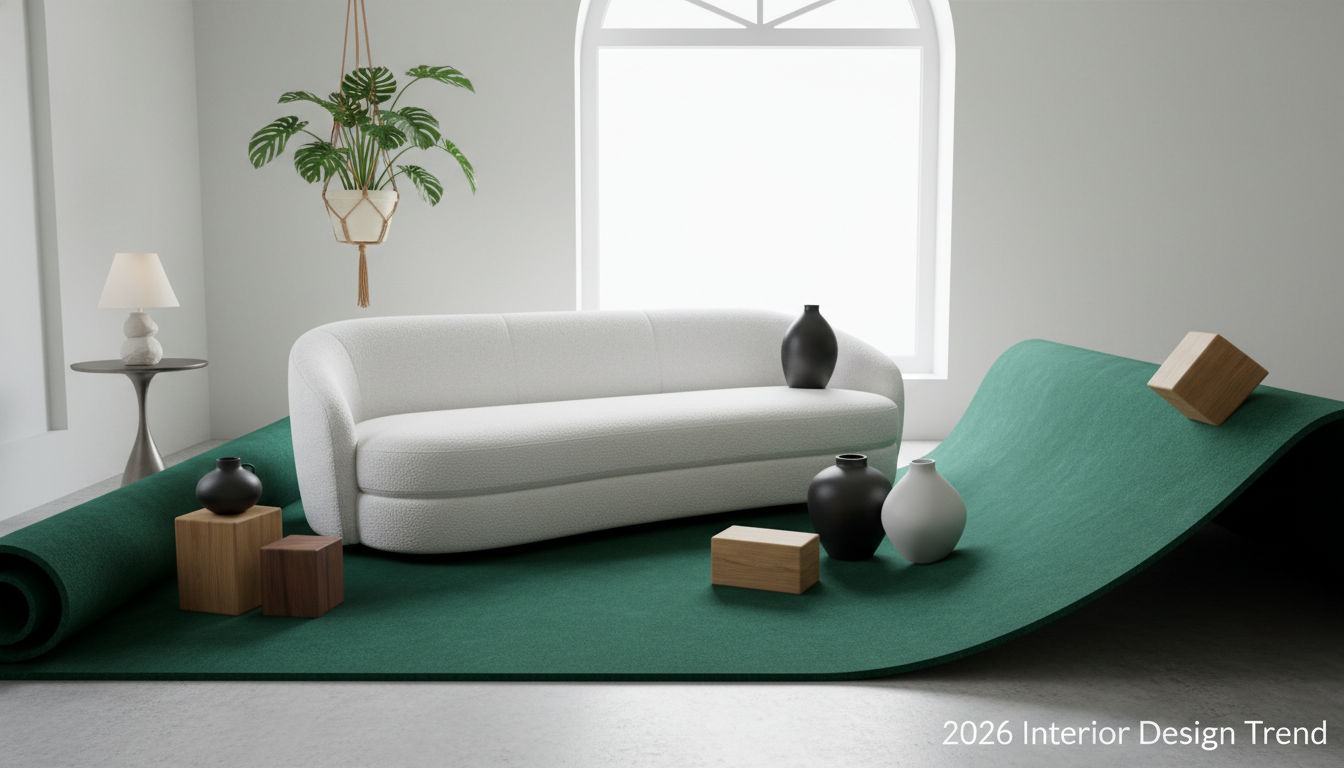
In the evolving landscape of 2026 interior design, we are seeing a definitive shift away from the busy, multi-tonal patterns of the past decade. The new “Quiet Luxury” relies on chromatic anchoring, where saturated jewel tone rugs serve as the singular, high-octane soul of a room.
By opting for a deep emerald or a liquid sapphire underfoot, the floor becomes a deliberate architectural plane rather than a mere covering. This saturation provides a visual weight that allows the rest of the room to breathe, creating a sense of “monochromatic gravity” that feels both grounded and incredibly expensive.
Curating the Silhouette: Furniture as Art
To master this look, furniture must be treated as sculpture. Because saturated jewel tone rugs command so much visual territory, the pieces placed atop them must possess distinct, assertive silhouettes to avoid being swallowed by the depth of the color.
We anticipate 2026 will be defined by “The Curvature Movement.” Think of low-slung, kidney-shaped sofas in parchment-colored bouclé or brutalist coffee tables carved from raw travertine. The contrast between the plush, vivid pile of the rug and the hard, matte surfaces of sculptural stone creates a sophisticated tension that defines high-end curation.
Materiality and Light Reflexivity
When styling these intense foundations, the interplay of light is your most potent tool. The richness of the fibers—ideally high-grade wool or botanical silk—dictates how the color travels through the space throughout the day. Premium artisanal options, such as those found at thebohorugs.com, emphasize hand-knotted textures that catch the light in ways machine-made alternatives cannot.
- Chrome and Polished Steel: Use these to reflect the rug’s hue, creating a futuristic, cool-toned dialogue.
- Matte Smoked Oak: Provides a warm, organic counterbalance to the high-intensity pigment of a ruby or amethyst rug.
- Negative Space: Leave at least 18 inches of exposed floor around the perimeter to let the jewel tone “glow” against the wall.
2026 Forecast: The “Liquid Foundation” Pairing
As we move toward a more restrained aesthetic, the most successful rooms will follow a strict ratio of saturation to neutral space. Experts are moving toward “The 70/30 Rule”: 70% of the room remains in a neutral, textural palette (ivory, clay, or charcoal), while the remaining 30% is dedicated to the unyielding depth of the floor.
- The Midnight Sapphire Base: Pair with brushed aluminum chairs and a glass-top table to maintain transparency.
- The Burnt Citrine Base: Complement with dark walnut cabinetry and oversized, white plaster lighting fixtures.
- The Deep Jade Base: Balance with sand-colored linens and blackened steel accents for a moody, forest-inspired sanctuary.
The hallmark of a well-styled 2026 interior is the courage to let the color speak for itself. When you invest in saturated jewel tone rugs, you aren’t just buying decor; you are installing a permanent mood that dictates the elegance of the entire architectural envelope.
Investment Pieces: Treating Rugs as Foundational Fine Art
The Evolution of the Floor as a Curatorial Choice
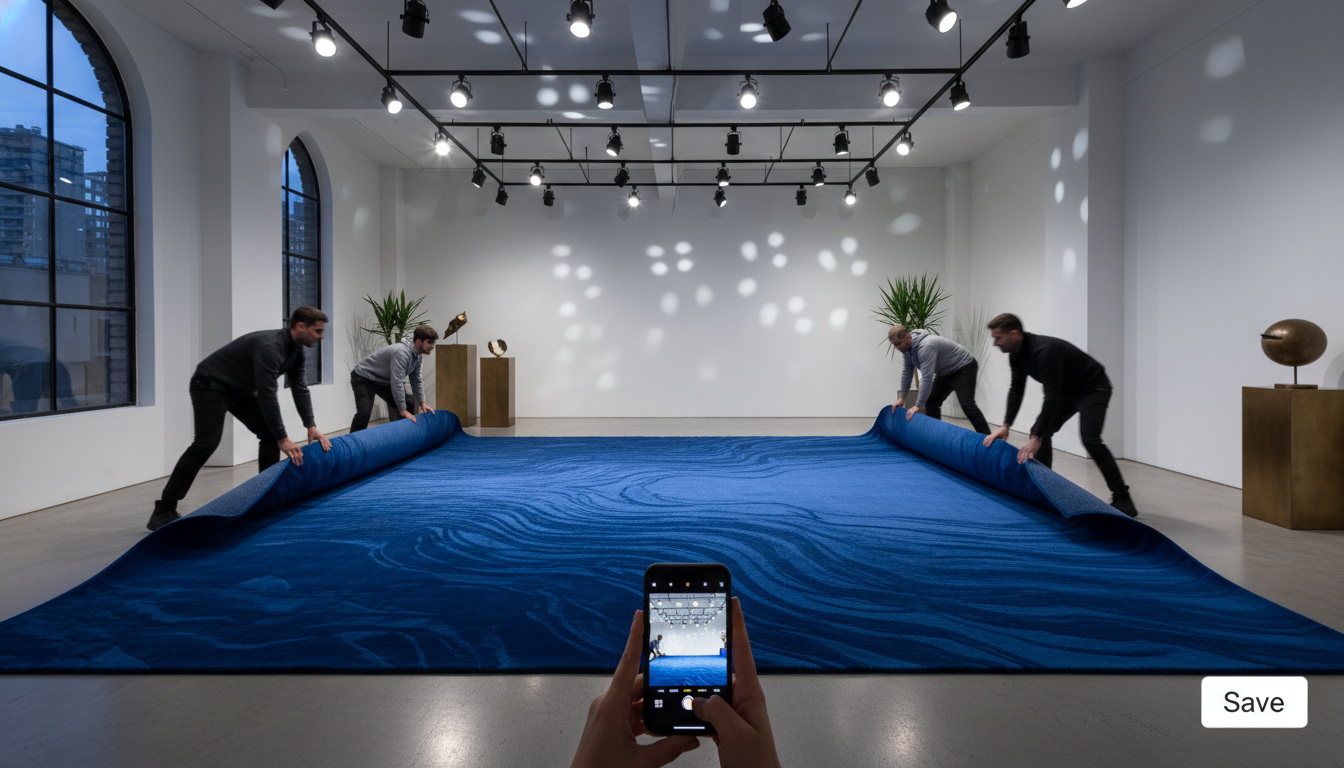
In the coming seasons, the interior design landscape is shedding the frantic patterns of the late 2010s in favor of a more disciplined, emotive approach. As we look toward 2026, the floor is no longer treated as a utilitarian surface, but as a “fifth wall” capable of carrying the same gravitas as an oil painting or a bespoke sculpture.
The shift toward saturated jewel tone rugs represents a rejection of the ephemeral. Collectors and designers are increasingly prioritizing depth of color over complexity of motif, allowing the raw quality of natural dyes and hand-spun wool to command the room’s energy.
This movement, often termed “Tactile Minimalism,” suggests that a single, profound hue—when executed with artisanal precision—creates a more sophisticated atmosphere than any high-contrast pattern. It is a transition from rugs that simply fill a space to those that define its very soul.
Why Saturation is the New Architectural Anchor
For 2026, the industry is forecasting a pivot toward “Chromatic Weight.” Unlike the pastels of previous years, saturated jewel tone rugs offer a visual grounding that stabilizes high-ceilinged, modern architectural spaces. This isn’t about mere brightness; it is about the density of the pigment.
Authentic investment pieces, such as those curated by thebohorugs.com, utilize traditional pot-dyeing techniques that ensure the color is not uniform, but rather lives and breathes with the light of the day. This “living color” is what separates a mass-market product from a foundational piece of fine art.
The luxury lies in the subtlety of the abrash—those natural variations in shade that occur when hand-dyed wool absorbs color at different rates. In a single-saturated piece, these variations become the “brushstrokes” of the floor, providing a quiet, rhythmic texture that rewards the observant eye.
The 2026 Investment Checklist: Evaluating Fine Rugs
When selecting a piece that transcends seasonal trends to become a legacy asset, certain technical benchmarks must be met. A rug’s value in 2026 will be dictated by its material integrity and the “depth of field” within its color profile.
- Material Origin: Look for hand-carded Highland wool or mulberry silk blends that reflect light with an organic sheen.
- Knot Density: While high knot counts are prized, the “handle” or drape of the rug is the true indicator of artisanal mastery.
- Pigment Depth: High-value saturated jewel tone rugs should feature dyes derived from madder root, indigo, or pomegranate to ensure the color retains its soul for decades.
- Provenance: Sustainable, ethical weaving houses that support the longevity of the craft are becoming the gold standard for luxury consumers.
A Forecast of Tones: From Lapis to Oxblood
As we approach 2026, three specific palettes are emerging as the most stable investments for the high-end home. These tones are designed to pair with “Quiet Luxury” materials like smoked oak, unlacquered brass, and travertine.
- Nocturnal Lapis: A blue so deep it functions as a neutral, providing a celestial backdrop for avant-garde furniture.
- Veridian Forest: A saturated green that mimics the restorative power of nature, acting as a bridge between the interior and the landscape.
- Eclipsed Garnet: A sophisticated, desaturated red that leans toward brown, offering warmth without the aggression of traditional crimsons.
By treating the rug as a foundational art piece, homeowners are no longer just decorating; they are building a collection. These single-hue statements offer a timelessness that outlives the cycle of trends, securing their place as the most coveted design elements of the late 2020s.
Elevate Your Space
Discover the artistry of handmade luxury. Each rug is a masterpiece of tradition and modern design.
Expert Q&A
What defines saturated jewel tone rugs in 2026?
In 2026, these rugs are defined by high-chroma, single-pigment saturation that emphasizes depth of color over complex patterns, often using premium materials like silk to enhance luster.
Why are jewel tones considered ‘Quiet Luxury’?
They offer a sophisticated alternative to loud patterns, providing a sense of wealth and permanence through rich, deep color and exceptional material quality rather than logos or busy designs.
How do I choose between emerald and sapphire for my living room?
Emerald offers a sense of organic growth and tranquility, ideal for rooms with natural light. Sapphire provides a more formal, grounding energy suited for evening-centric spaces.
Will these rugs make a small room look smaller?
On the contrary, a large, saturated rug can expand a space by providing a continuous, deep horizon line that grounds the furniture and pushes the perceived boundaries of the floor.
What is the best material for high-saturation color?
New Zealand wool and mulberry silk are the gold standards, as they hold dyes more intensely and offer a reflective quality that adds dimensionality to the pigment.
Are jewel tone rugs hard to maintain?
While they hide debris well due to their depth, high-quality saturated rugs require professional cleaning to maintain the vibrancy of the pigment and the integrity of the fibers.
Can I pair a jewel tone rug with patterned wallpaper?
Yes, provided the wallpaper is either tonal or uses a contrasting neutral. The rug acts as a solid ‘anchor’ that allows the wallpaper patterns to breathe.
What are the key colors for 2026?
Key 2026 colors include Royal Amethyst, Deep Malachite, Burnt Citrine, and Midnight Cobalt, moving toward slightly darker, more mysterious undertones.
How does lighting affect saturated jewel tone rugs?
Warm lighting (2700K) enhances the richness of reds and oranges, while cooler natural light brings out the architectural sharpness of blues and greens.
Is monochromatic maximalism just about one color?
It is about the intensity of a single color applied with maximalist impact, focusing on texture and scale rather than a variety of different hues.
What furniture styles work best with these rugs?
Sculptural, minimalist furniture in light tones (like cream, bone, or light oak) provides the perfect contrast to the heavy visual weight of the rug.
Are these rugs suitable for high-traffic areas?
Yes, specifically wool-based jewel tone rugs are incredibly durable and the saturated colors are excellent at masking the occasional shadow or footprint.
Should I use a rug pad with these high-end pieces?
Absolutely. A high-quality rug pad prevents fiber crushing and ensures the rug stays perfectly flat, which is essential for the clean look of single-color designs.
How do I avoid the ‘dated’ look with jewel tones?
Keep the rug monochromatic. Avoiding busy traditional floral patterns in jewel tones ensures the look remains contemporary and aligned with modern architectural trends.
Can I layer a jewel tone rug over carpet?
While possible, these rugs perform best on hard surfaces like hardwood, stone, or polished concrete where their color saturation can create a clear architectural boundary.
What is the psychological impact of a ruby red rug?
Ruby red is an energizing pigment that stimulates conversation and appetite, making it a powerful choice for dining rooms or entryways.
Do jewel tone rugs fade in sunlight?
Highly saturated dyes are susceptible to UV fading; it is recommended to use UV-filtered window treatments to preserve the depth of the pigment over decades.
Are these rugs handmade?
The finest examples of this trend are hand-knotted or hand-tufted, as manual craftsmanship allows for the subtle variations in dye that create visual depth.
How do I balance a saturated floor with white walls?
Bring small accents of the rug’s color into the room through art or throw pillows to create a cohesive dialogue between the floor and the vertical surfaces.
Are there eco-friendly options for saturated rugs?
Yes, many luxury manufacturers are now using vegetable-based dyes and organic wool to achieve high saturation without harsh chemicals.
What is ‘Art for the Floor’?
It is a design philosophy where the rug is selected with the same scrutiny and investment as a piece of fine art, serving as the room’s primary aesthetic statement.
Can jewel tone rugs work in an industrial loft?
Definitely. They provide a much-needed warmth and ‘humanity’ to industrial spaces, softening the hard edges of metal and brick.
Is citrine too bright for a bedroom?
A ‘Burnt Citrine’ or deeper ochre jewel tone is actually very grounding and warm, creating a cozy, sun-kissed atmosphere even in darker rooms.
How thick should these rugs be?
For 2026, a medium-low pile is preferred. It allows the color to look sharp and architectural rather than shaggy or overly casual.
How do I identify a high-quality saturated rug?
Look for ‘abrash’ or subtle tonal shifts within the color. This indicates hand-dyed yarns and natural fibers rather than flat, synthetic machine-made pigments.
Can I use jewel tones in a nursery?
Yes, deep teal or soft amethyst can be very soothing and offer a sophisticated alternative to traditional pastels.
What is the lead time for custom jewel tone rugs?
High-end hand-knotted pieces typically take 4-6 months, though tufted options can be ready in 8-12 weeks.
How does texture influence the color saturation?
A high-luster silk finish will make the jewel tone appear lighter and more dynamic, while a matte wool finish will make the color feel deeper and more solid.
Are jewel tone rugs a good investment?
As they are currently the cornerstone of the ‘Quiet Luxury’ movement, high-quality handmade pieces are expected to retain their value and aesthetic relevance for years.
How do I transition from 2024 neutrals to 2026 saturation?
Start with a single room, such as a study or dining room, and use the saturated rug as the catalyst for the rest of the room’s color evolution.
Written by TheBohoRugs Interior Design Team
Experts in handmade rugs, boho interiors, and modern home decor.
