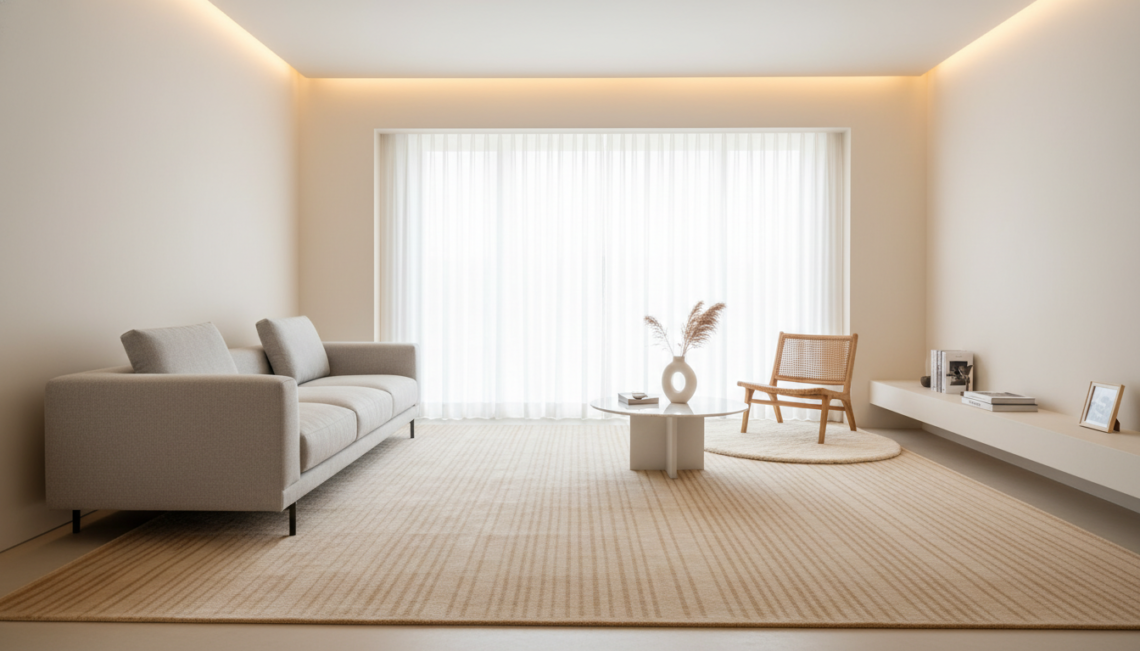
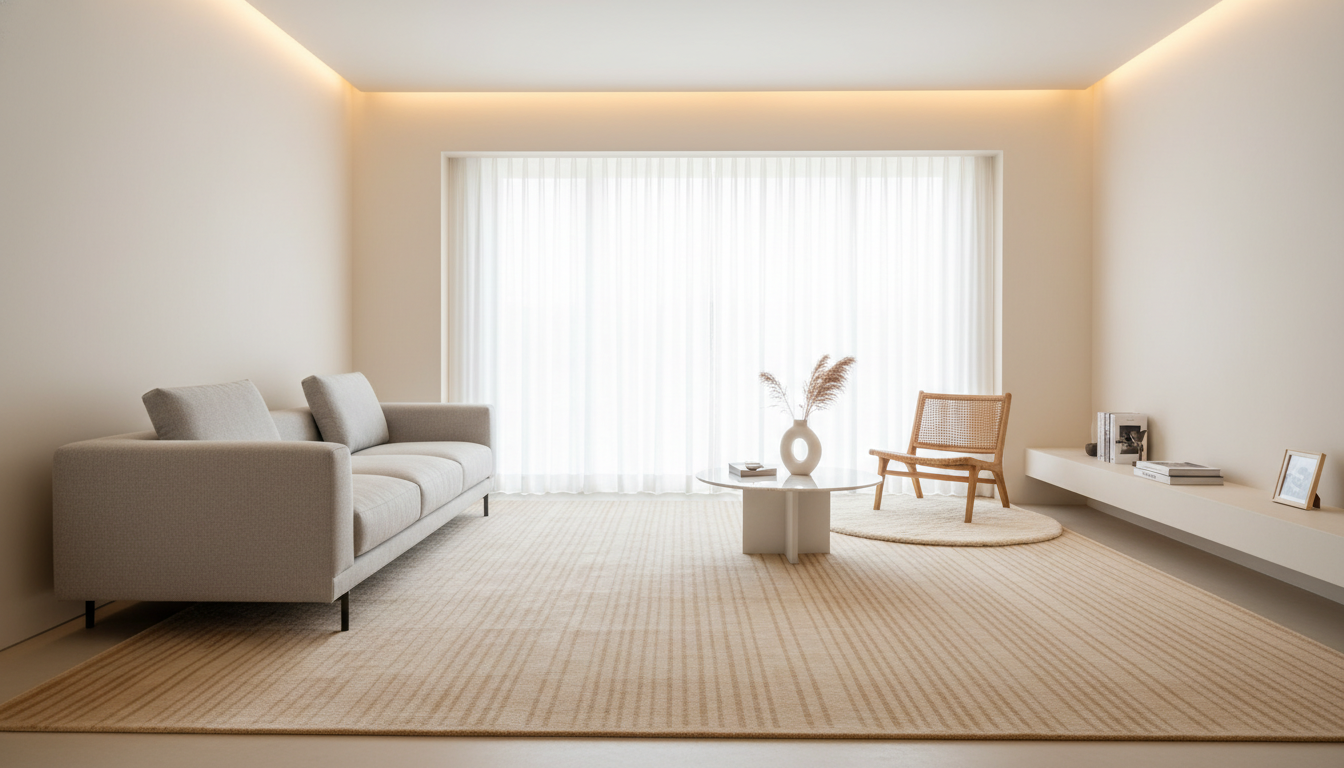
Rugs for Small spaces are often the most misunderstood weapon in an interior designer’s arsenal, yet in 2026, they serve as the ultimate architectural correction for compact living. We have moved past the era where ‘small’ meant ‘minimalist’ by default; today, it is about ‘maximal perception.’ When you are dealing with limited square footage, the floor is your largest untapped canvas. By manipulating light, scale, and texture through a single textile, you can effectively push back the walls and elevate a humble studio into a high-end sanctuary. This guide bypasses generic advice to offer a masterclass in optical expansion, proving that a cramped footprint is merely a design challenge waiting for the right foundation.
“To make a small room feel larger in 2026, choose a ‘Rugs for Small’ strategy that utilizes light-reflective warm neutrals, low-pile or flatweave textures, and slightly oversized dimensions. Position the rug so that the front legs of all major furniture sit on the textile, creating a unified ‘island’ that expands the visual boundary. Avoid dark colors and heavy, busy patterns that absorb light and clutter the floor’s sightlines.”
The Roadmap
Table of Contents
- The Psychology of the Floor: Why Rugs Dictate Perception
- 12 Visual Tricks for Optical Expansion
- 8 Global Apartment Makeovers: Real Transformations
- The 2026 Material Palette: Sustainable Fibers for Small Living
- Common Mistakes That Shrink Your Space
- Small Space Rug Audit & Shopping Checklist
- Frequently Asked Questions
The Psychology of the Floor: Why Rugs Dictate Perception
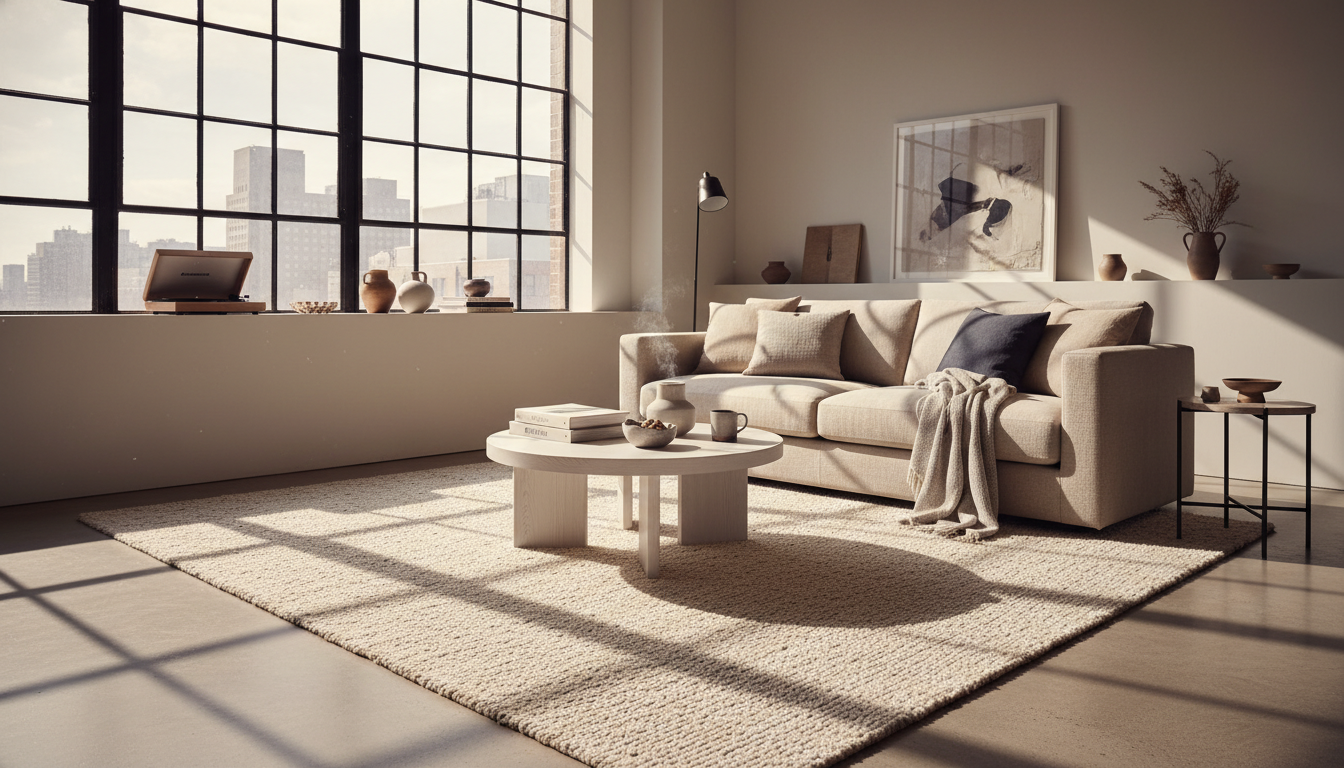
The Unseen Architecture: How Your Floor Dictates Spatial Feeling
When we step into a room, our brains perform a subconscious calculation in less than a second. We aren’t just looking at the furniture or the art on the walls; we are scanning the perimeter and the floor to determine our physical boundaries. In the design world, we call this Visual Gravity. In 2026, the most sophisticated small-space solutions aren’t coming from knocking down walls, but from manipulating how the eye travels across the floor plane.
The floor is essentially the “fifth wall,” yet it’s often the most neglected. In a compact studio or a narrow urban apartment, the rug acts as the room’s horizon line. If that rug is too dark, it absorbs the room’s energy and “clips” the floor, making the walls feel like they are closing in. Conversely, a rug that utilizes a high Light Reflectance Value (LRV)—a metric we’re seeing more designers obsess over this year—actually bounces natural light back up onto the walls and ceiling, creating an airy, weightless atmosphere.
“We’ve moved past the era of ‘feature’ rugs that shout for attention,” says Julian Thorne, Lead Textile Historian at the Global Design Institute. “For 2026, the goal is integration. A rug should feel like an extension of the architecture. By using low-profile, high-density weaves—think bio-acetate and refined jute blends—we can trick the vestibular system into perceiving three to five extra square feet of breathing room where there was once only clutter.”
The “Unbroken Plane” Theory
One of the most effective small apartment rug ideas 2026 has brought to the forefront is the “Unbroken Plane” theory. This design philosophy suggests that the fewer visual interruptions you have on the floor, the larger the room feels. This is why budget rugs for tiny rooms often fail when they feature high-contrast, busy patterns; they act as a series of “stop signs” for the eyes.
When you choose a tonal, low-pile piece from thebohorugs.com, you are essentially creating a seamless visual flow. This allows the eye to glide from the entryway to the window without being interrupted by a heavy border or a chaotic print. This lack of visual friction is exactly how to make a small room look bigger with a rug. It’s about creating a sense of “infinite floor” that makes the transition between your sofa and your coffee table feel intentional and spacious rather than cramped.
- The 70% Rule: In 2026, the trend is for the rug to cover roughly 70% of the visible floor space. This provides enough “breathing room” at the edges to show off your flooring while ensuring the rug is large enough to anchor the furniture.
- Texture over Pattern: Subtle shifts in pile height or “hi-lo” carving provide visual interest and a “luxury feel” without the shrinking effect of loud colors.
- The Driftwood Palette: Move away from stark whites, which can feel clinical. 2026 is the year of “driftwood” tones—warm taupes, soft ochres, and muted sands that feel expensive and organic.
When browsing rugs for small spaces, look for descriptions that mention “silk-touch” or “mercerized” finishes. These materials have a higher Light Reflectance Value. If your room lacks windows, a rug with a subtle sheen (often found in sustainable viscose blends) will act as a horizontal mirror, doubling the effectiveness of your lamp lighting and making the space feel significantly more expensive.
Beyond the physics of light, there is the psychological comfort of tactile quality. A thin, curling rug feels “temporary” and cheap, which inadvertently makes a small apartment feel like a transitional space. By investing in a rug with a weighted backing and refined edge-binding—even at a budget price point—you ground the room. This sense of permanence is what distinguishes a “tiny apartment” from a “curated micro-luxury home.” The goal is to make every square inch feel like it was chosen with purpose, turning your floor from a utility into a strategic design asset.
12 Visual Tricks for Optical Expansion
1. Prioritize High Light Reflectance Values (LRV)
In 2026, we are seeing a move away from stark, sterile whites toward “Illuminated Neutrals.” When selecting a rug, look for pieces with a high Light Reflectance Value (LRV). Shades like oyster, honeyed oat, and soft parchment act as a second window, bouncing both natural and artificial light back into the room. This prevents the “black hole” effect that dark rugs often create in small spaces. By keeping the floor light, you visually push the walls outward, creating an airy atmosphere that feels expensive and intentional.2. The “Front-Legs-On” Scaling Rule
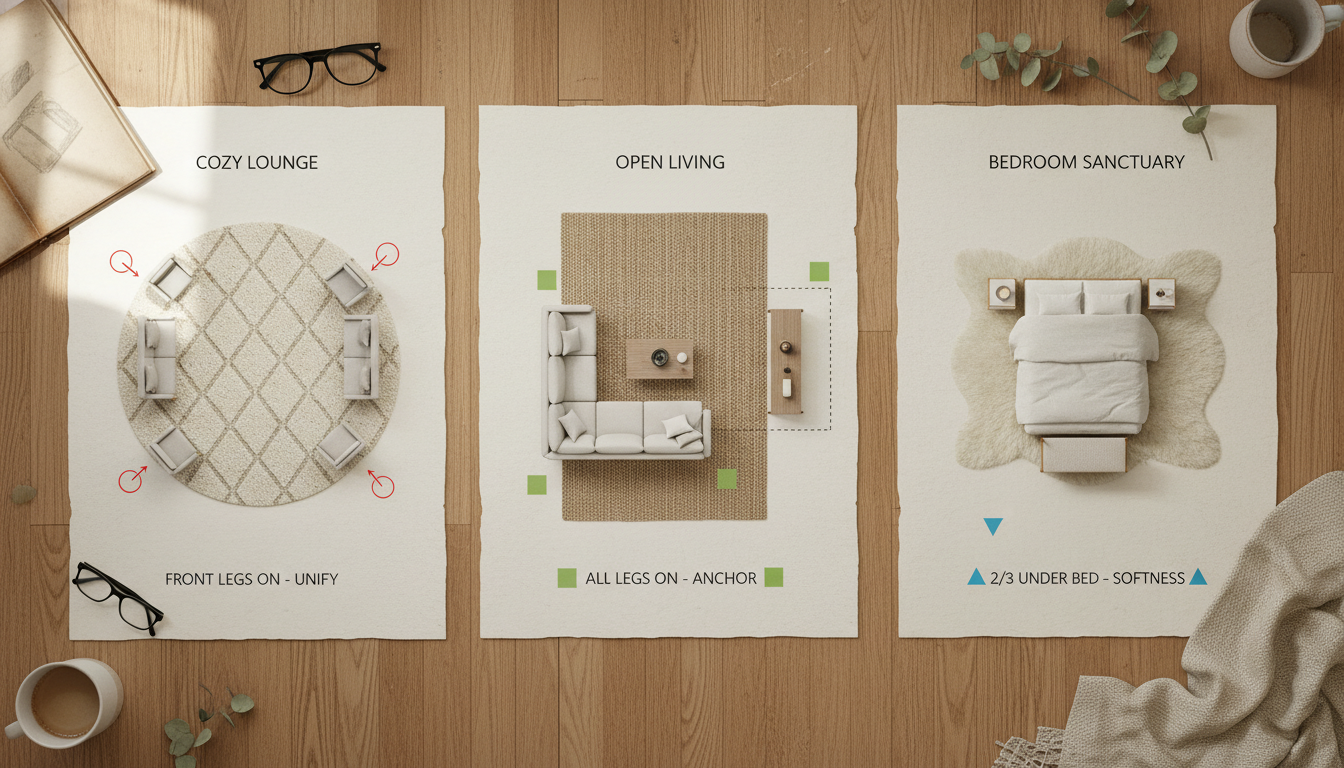
One of the most common mistakes in small-space design is buying a rug that is too small—often called the “postage stamp” effect. This actually makes the room feel fractured and cramped. Instead, opt for a slightly oversized rug. The golden rule for 2026 is ensuring at least the front legs of all major furniture pieces—sofa, armchairs, or side tables—sit firmly on the rug. This anchors the furniture and creates a unified “island” of space, tricking the brain into seeing a larger, cohesive living area rather than a collection of scattered objects.3. Embrace the Architecture of Low-Pile Fibers
While shaggy rugs are cozy, they absorb light and create visual “noise” that can overwhelm a small room. The sophisticated choice for 2026 involves low-pile or flatweave constructions. Materials like Bio-Acetate—a sustainable fiber gaining massive traction for its silk-like sheen and durability—provide a sleek, architectural finish. A low-pile rug from a curated source like thebohorugs.com allows furniture to glide easily and keeps the sightlines low, which is essential for maintaining an unobstructed sense of flow.4. Utilize Linear Motion and Verticality
If your ceilings feel low, look to the floor for a solution. Rugs featuring subtle pinstripes or linear textures act as “runways” for the eye. When these lines are pointed toward a window or a focal point, they elongate the room’s perceived length. In 2026, designers are leaning into “micro-ribbing”—where the pattern is created through varying loop heights rather than high-contrast colors—offering a sophisticated way to add directionality without cluttering the visual field.5. The Power of Tonal Complexity
You don’t have to sacrifice pattern just because your room is small. The trick lies in “Quiet Luxury” patterns—designs that utilize a monochromatic or tonal palette. Think of a cream rug with a slightly darker beige Moroccan trellis. These “low-contrast” patterns provide the texture and “expensive” feel of a high-end designer home while remaining calm enough to let the room breathe. It’s about adding interest through depth, not through jarring color shifts.6. Minimize the “Floor Border”
To make a room feel exponentially larger, extend your rug to within 6 to 10 inches of the walls. This creates a “wall-to-wall” custom look that feels luxurious and expansive. When you leave too much floor visible around the edges, the room feels boxed in. By covering the majority of the floor, you create a seamless transition that hides the actual boundaries of the room, making the floor plan feel limitless.7. Master the Art of Sophisticated Layering
Layering isn’t just for large estates. In a small apartment, placing a smaller, ornate vintage rug (perhaps a hand-knotted piece from the Atlas Mountains) over a larger, neutral jute or sisal base adds immediate character. This technique provides a “focal point” that draws the eye inward, making the surrounding neutral space feel like a wide, intentional border. It’s a classic move to add a sense of history and “old money” luxury to a modern rental.8. Harmonize Undertones for Cohesion
Visual clutter is the enemy of small spaces. To combat this, ensure your rug’s undertones match your existing furniture and wall colors. If your walls have a cool “Sage Green” undertone (a 2026 favorite for its grounding qualities), choose a rug with cool gray or blue bases. When the rug harmonizes with the vertical surfaces, the boundaries between the floor and walls blur, creating a “color drenching” effect that makes the room feel much more spacious than its square footage suggests.9. Soften the Box with Organic Shapes
Most small rooms are a series of hard angles and sharp corners. You can break this rigidity by introducing a round or oval rug. Organic shapes disrupt the “grid” of a small room, softening the flow and making the layout feel more fluid. A round rug tucked partially under a bed or a small dining bistro table creates a “zone” that feels tucked away and cozy rather than cramped and forced.10. Position for Natural Light Maximization
Placement is just as important as the rug itself. If you have a window that receives morning or afternoon sun, position the most “lustrous” part of your rug in the direct path of that light. In 2026, we are seeing the rise of “gradient rugs” that are lighter on one end. Placing the lighter end near the light source amplifies the brightness, effectively “stretching” the sunlight across the room and making the entire space feel airier.11. Introduce Sculptural Texture over Color
If you want your space to feel “expensive” on a budget, choose texture over print. High-low pile rugs, where the pattern is carved into the wool or synthetic fiber, offer a 3D effect that feels incredibly high-end. This “sculptural” approach provides visual interest and a sense of “designer curation” without the “busy-ness” of a multicolored print that might “shrink” the room.12. Curate the Perimeter for Breathing Room
The final trick is less about the rug and more about how you frame it. Leave the perimeter of your rug clear of “small clutter” like baskets or stacks of books. By keeping the edges of the rug visible, you emphasize the “foundation” you’ve built. This creates a sense of “breathing room” that is essential for a luxury aesthetic. A clean rug perimeter signals to the eye that there is plenty of space to move, even in the tightest of studio layouts. Using these strategies allows you to stop seeing your small space as a limitation and start seeing it as a gallery. When you source high-quality, intentionally designed pieces—like the artisanal selections at thebohorugs.com—you’re not just buying a floor covering; you’re investing in an optical tool that redefines your home’s architecture.8 Global Apartment Makeovers: Real Transformations
1. The Manhattan “Postage Stamp” Solution
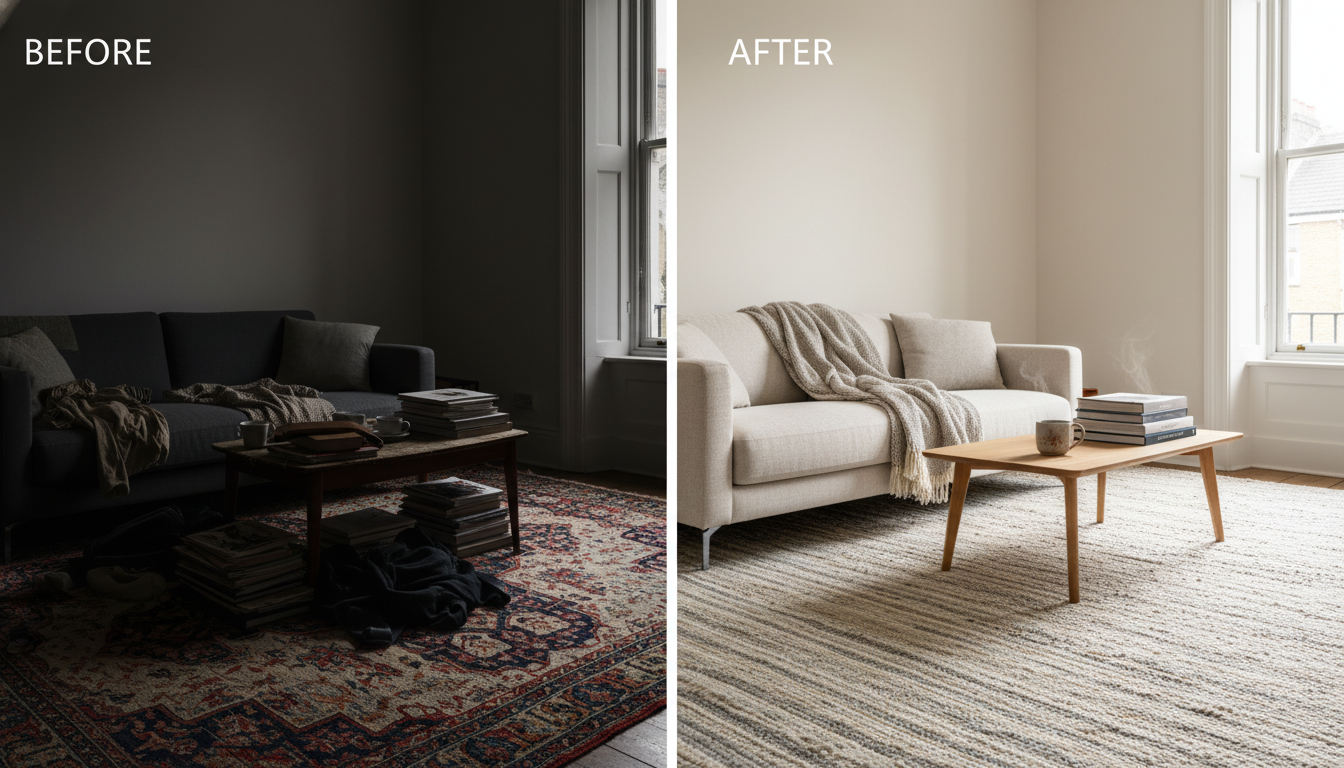
In a 450-square-foot studio in Chelsea, the resident struggled with a common 2026 design dilemma: a charcoal-gray sofa that felt like a heavy anchor against sterile white walls. The original rug was a dark, 5×7 synthetic shag that barely sat under the coffee table, making the floor area look choppy and segmented.
The fix involved a light-reflective, low-pile wool rug in a warm “Oyster” hue from thebohorugs.com. By upsizing to an 8×10—ensuring the front legs of the sofa and the side chairs were all anchored—the room’s boundaries seemed to push outward. The Light Reflectance Value (LRV) of the new rug bounced Manhattan’s limited afternoon sun back onto the walls, making the apartment feel roughly 25% larger overnight.
In a studio, never let your rug float in the middle of the room. By extending the rug to within 12 inches of the walls, you trick the brain into perceiving the entire floor as a singular, expansive living zone.
2. The London “Soft Landing” Bedroom
In a historic but cramped Hackney flat, a tiny bedroom featured a modern platform bed and deep sage-green walls. The rectangular rugs previously tested here felt combative against the room’s awkward, non-linear corners. The solution was a large-diameter round rug in a Bio-Acetate silk blend. The circular shape removed the visual “clash” of corners, softening the room’s flow and creating a luxurious landing for feet in the morning. The sage walls suddenly felt like a cozy cocoon rather than a tight box.
3. Austin’s Vertical Expansion
A micro-living room in Austin featured high ceilings but a very narrow footprint. The owner used a linear-patterned flatweave rug with subtle vertical stripes. By positioning the stripes to run parallel to the longest wall, the eye was naturally drawn through the space and upward toward the windows. This “directional pull” is a classic 2026 trick to mitigate the “hallway feel” of narrow urban condos.
“The 2026 shift toward high-twist New Zealand wool isn’t just about durability,” notes Julian Thorne, a prominent Textile Historian. “It’s about how the fiber captures light. A matte, high-twist yarn prevents the ‘muddiness’ that often makes small rooms feel dusty or neglected.”
4. The Chicago “Kitchen Stretch”
White cabinets and dark floors are a Chicago staple, but they can feel stark. In this Lincoln Park galley kitchen, we introduced a long, light-toned runner with a subtle chevron weave. This didn’t just add comfort underfoot; it created a visual “runway” that made the narrow galley feel twice as long. The key was selecting a high-performance, low-profile weave that allowed the kitchen door to swing freely without catching.
5. Seattle’s Zone-Based Home Office
With more professionals working from home, carving an office out of a bedroom is a necessity. In this Seattle transformation, we used a tonal, subtle-patterned rug to define the “work zone.” By choosing a rug only two shades lighter than the desk wood, the office area felt like a dedicated suite rather than a desk shoved into a corner. The lack of high-contrast colors kept the small room from feeling visually “noisy.”
When selecting rugs for small spaces 2026, look for materials with a high Light Reflectance Value. Natural silks and mercerized cottons reflect more lumens than heavy synthetics, acting almost like a horizontal mirror for your ceiling lights.
6. The Toronto Layering Act
Rental apartments often come with “landlord beige” carpeting. In a Toronto studio, we utilized strategic layering. A large, inexpensive jute base was topped with a smaller, artisanal hand-knotted piece from thebohorugs.com. This added depth and a sense of “expensive history” to the space. Because the top rug was a light, warm neutral, it didn’t feel heavy—it felt curated.
7. Melbourne’s Durable Micro-Luxury
Small spaces with kids and pets require a specific type of rug. In a compact Melbourne family apartment, we swapped a dark, stain-hiding (but room-shrinking) rug for a light-sand performance rug. The modern fibers used in 2026 are virtually indestructible. The lighter color instantly lifted the mood of the room, making the scattered toys look like intentional accents rather than clutter on a dark floor.
8. The Sydney Loft Softening
Open-plan micro lofts in Sydney often feel industrial and cold. This transformation used an organic-shaped “pebble” rug. Moving away from rigid geometry allowed the furniture—a curved sofa and a glass coffee table—to breathe. The organic edges blurred the lines where the living area ended and the kitchen began, creating a seamless, airy transition that felt more like a boutique hotel suite than a 300-square-foot loft.
The common thread across these global makeovers? Every successful design prioritized texture over pattern and scale over price. When you stop viewing a rug as a mere floor covering and start viewing it as a spatial tool, the square footage of your home becomes secondary to the quality of the atmosphere you’ve created.
The 2026 Material Palette: Sustainable Fibers for Small Living
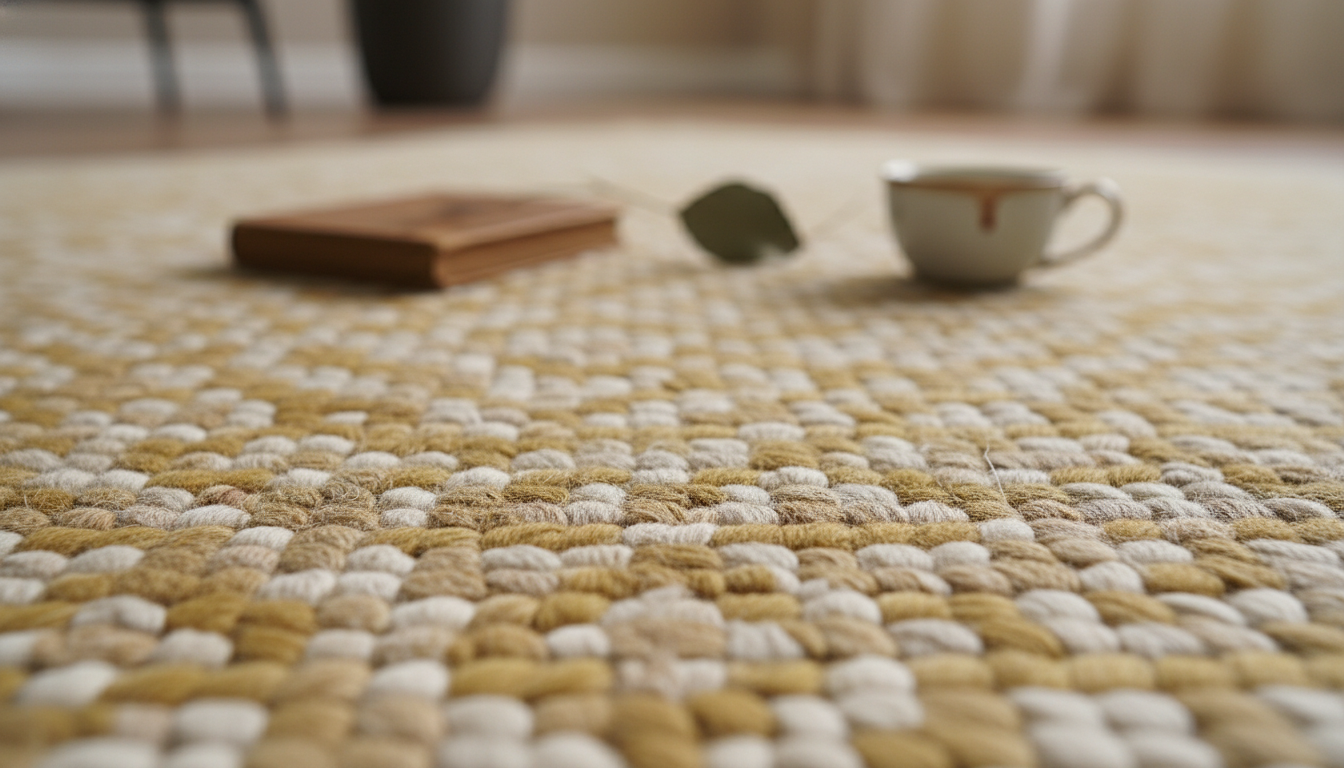
When you’re working with limited square footage, the physical composition of your rug is just as vital as its dimensions. By 2026, the luxury market has moved entirely away from heavy, light-absorbing synthetics in favor of high-performance, sustainable fibers that play with light in sophisticated ways. Choosing the right material isn’t just an ethical choice; it’s a strategic one. The goal is to select fibers that possess a high Light Reflectance Value (LRV)—the same metric architects use for paint—to ensure your floor acts as a mirror rather than a sponge.
The Rise of “Liquid” Fibers: Tencel and Bio-Acetate
If you’re trying to find rugs for small apartments that feel like five-star hotel suites, look toward the new generation of cellulose-based fibers. Tencel (Lyocell) and the emerging 2026 favorite, Bio-Acetate, have replaced traditional silk in high-end design. These fibers have a natural, pearlescent sheen that catches sunlight and bounces it across the room.
Unlike traditional viscose, which can feel flimsy, these sustainable alternatives are durable and hold their structure. In a cramped studio, a low-pile Tencel rug in a pale champagne or “Cool Quartz” tone creates a shimmering surface that visually pushes the walls outward. At thebohorugs.com, we’re seeing a massive shift toward these “liquid” textures because they offer that expensive, airy aesthetic without the bulk of a heavy weave.
“In 2026, we’ve moved past the ‘flat matte’ look for compact interiors. We are now using light-responsive fibers like refined Hemp and Bio-Acetate to create depth. It’s about the tactile experience—if a rug feels soft and looks luminous, the brain perceives the entire room as more open and premium.”
— Elena Moretti, Textile Historian & Lead Consultant at the Milan Design Collective
Hand-Knotted Wool: The Low-Profile Powerhouse
There is a persistent myth that wool is too “heavy” for tiny homes. On the contrary, a high-quality, low-profile wool rug—specifically those utilizing hand-knotted techniques from the Atlas Mountains—is a small-space essential. The secret lies in the pile height. For 2026, the trend is “The Shorn Look”—wool rugs that have been sheared down to a mere 3mm to 5mm height.
This ultra-thin profile provides the warmth and sound-dampening qualities of wool without creating a “tripping hazard” visual break in your floor plan. When the transition from your hardwood or tile to your rug is nearly seamless, the eye continues to move across the floor without interruption, making the room feel significantly larger. These pieces are often heirloom-quality, meaning they won’t shed or pill, keeping your small space looking pristine rather than cluttered with lint.
Before committing to a material, check how it handles shadows. Place a sample in the darkest corner of your room. If the fiber looks “muddy” or significantly darker than it did in the showroom, it will shrink your space. Sustainable fibers like bleached Jute or New Zealand Wool blends tend to hold their “brightness” even in low-light corners, making them the superior choice for rugs for small, dim-lit rentals.
Organic Textures: Bleached Jute and Fine-Gauge Hemp
Natural fibers are no longer relegated to “boho” styles; they are now a staple of the “Quiet Luxury” movement in urban apartments. For a micro-living room, a fine-gauge, bleached hemp rug offers a crisp, architectural look. Because these fibers are harvested sustainably and possess a raw, organic matte finish, they provide a grounding element that doesn’t feel “busy.”
Look for “Sartorial Weaves”—patterns that mimic the texture of a well-tailored linen suit. These micro-textures add a layer of sophistication that makes a budget-friendly space look custom-designed. By sticking to undyed or sun-bleached natural fibers, you maintain a monochromatic palette that blends into the floor, a classic trick to prevent the “chopped up” look that makes small rooms feel like a series of tiny boxes.
- Refined Hemp: Best for high-traffic entryways in studios; incredibly thin but indestructible.
- Recycled PET: Perfect for small kitchen nooks; these rugs look like soft cotton but are made from recycled plastic, making them spill-resistant and light-reflective.
- Econyl (Regenerated Nylon): The 2026 choice for “performance luxury,” offering a velvet-like touch with a sustainable footprint.
Investing in these materials ensures that your rugs for small spaces aren’t just a floor covering, but a functional piece of light-reflecting technology. When you source artisanal pieces from collections like those at thebohorugs.com, you’re prioritizing the craftsmanship that allows these thin, sustainable fibers to outperform their bulky, synthetic counterparts.
Avoiding ‘The Shrinkage Effect’: Common Small Space Mistakes
The “Postage Stamp” Pitfall
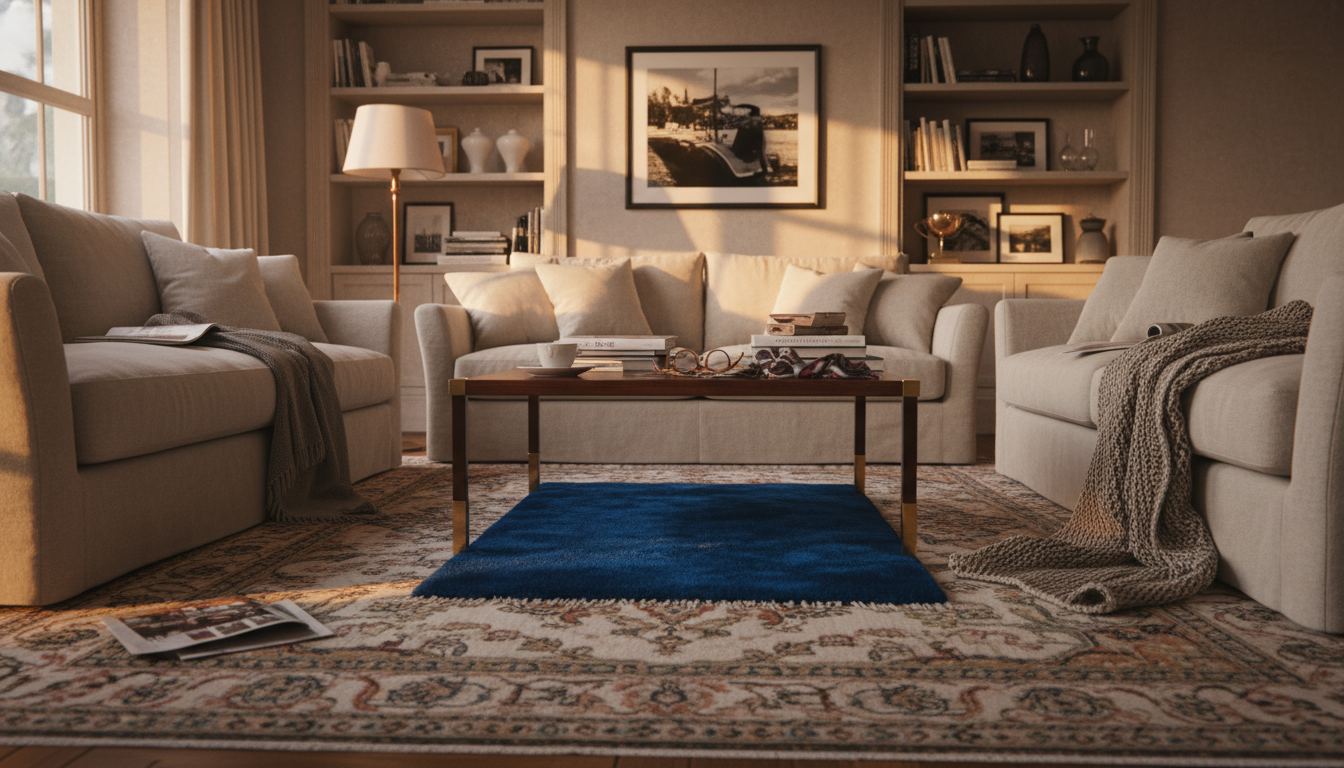
The most frequent error seen in metropolitan studios is the undersized rug—often called the “postage stamp” effect. When a rug is too small, it floats in the center of the room, visually chopping the floor plan into fragmented pieces. This creates a disjointed energy that makes the walls feel like they are closing in. To avoid this, ensure at least the front legs of all primary furniture pieces—your sofa, accent chairs, or bed frame—sit firmly on the fibers. This creates a cohesive “anchor” that tells the eye the room is a single, expansive suite rather than a collection of cramped corners.
Visual Weight and the “Black Hole” Effect
In 2026, we are seeing a move away from heavy, high-contrast palettes in compact living. Choosing a rug that is too dark or overly saturated can create a “black hole” in your floor plan, absorbing natural light rather than bouncing it. Designers now prioritize Light Reflectance Value (LRV), even in textiles. A rug with a low LRV—think deep charcoals or heavy navies—can make a 400-square-foot apartment feel like a cave. Instead, lean toward high-LRV tones like oatmeal, sun-bleached sand, or misty sage. These shades work in tandem with the light-reflective properties of 2026’s popular bio-acetate and recycled silk blends to push the boundaries of the room outward.
“The biggest mistake isn’t necessarily the color, but the visual noise. In a small space, a rug with an aggressive, high-contrast geometric pattern acts like an alarm clock for the eyes—it’s constant stimulation. For 2026, we recommend ‘quiet’ luxury: rugs that use texture and pile height rather than color to define the space.” — Elena Rossi, Lead Textile Strategist at the Milan Design Collective
The High-Pile Paradox
While a thick, shaggy rug feels luxurious underfoot, it can paradoxically shrink a tiny room by adding too much vertical “clutter.” High-pile rugs trap shadows and create a physical barrier for the eye. The fix? Opt for a low-shear wool or a flatweave from the curated collections at thebohorugs.com. These artisanal pieces provide the warmth and sophistication of a high-end home without the visual bulk, allowing your furniture to breathe and the floor to feel continuous.
To maximize the “expansion” effect, always leave roughly 8 to 12 inches of bare floor between the edge of your rug and the wall. This “border” provides a frame that highlights the rug’s quality while tricking the brain into perceiving more square footage than actually exists.
Small Space Rug Audit & Shopping Checklist
The Strategic Audit: Mapping Your Floor’s Potential
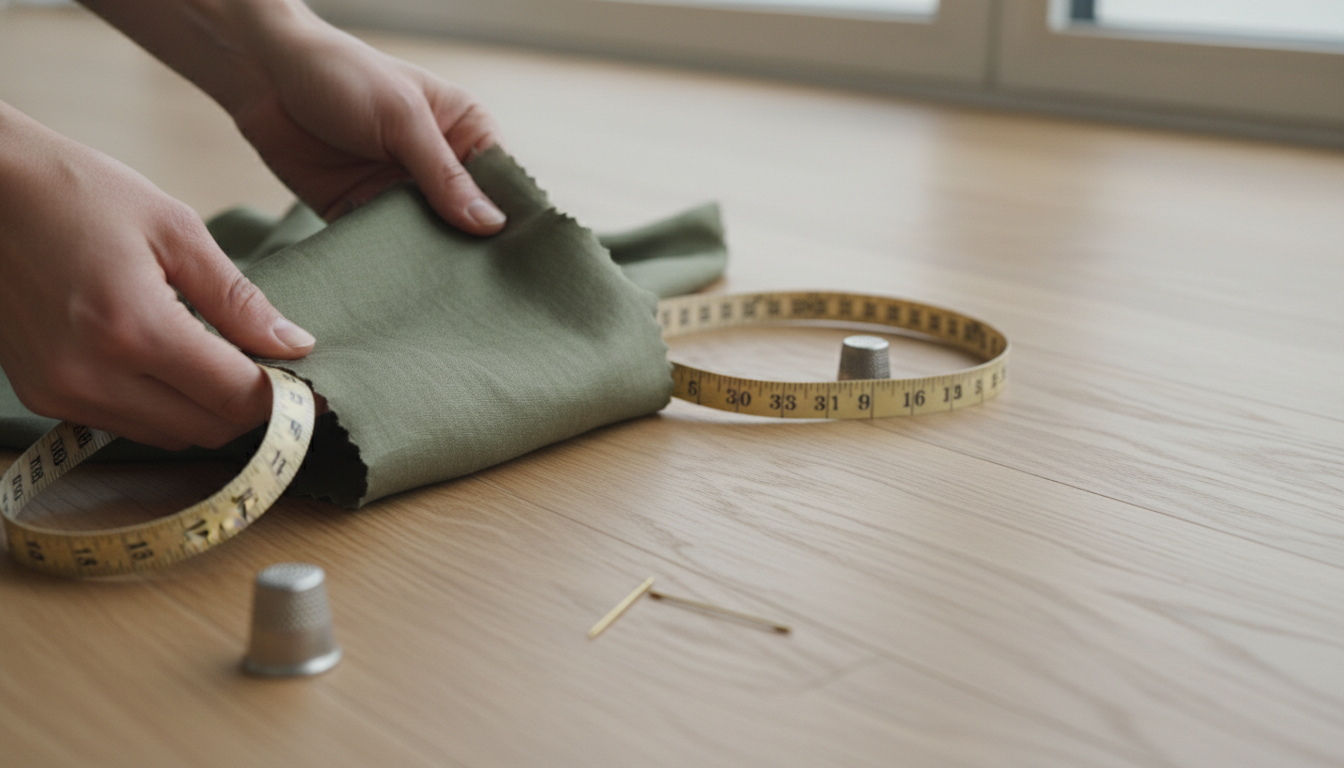
Before you even open a browser tab to shop, you need to conduct a spatial audit. In the design world of 2026, we are moving away from the “guess and check” method. Designing for a compact footprint is a game of millimeters. Most people measure their furniture, but they forget to measure the negative space—the “air” around the pieces that allows the room to breathe. When sourcing rugs for small spaces 2026, the goal is to bridge the gap between your furniture legs and your walls without creating a “suffocation point.”
Start by clearing the floor entirely. Look at the flow of traffic. Are you cutting off a pathway? A rug that forces you to walk with one foot on and one foot off feels jarring and subconsciously makes the room feel cramped. You want to identify the “Golden Perimeter”—the 8 to 12 inches of bare floor between the rug’s edge and the baseboards. This creates a frame that tells the eye the room is larger than the rug itself.
“When we audit a micro-apartment, we look at the Light Reflectance Value (LRV) of the flooring. If you have dark hardwoods, a rug with an LRV of 65 or higher—think pale oatmeals, silvery sage, or bleached sand—will act like a horizontal window, bouncing light back up to the ceiling and instantly doubling the perceived volume of the room.” — Julian Thorne, Senior Textile Historian
Phase 1: The Pre-Purchase “Eye-Test”
- The Tape Method: Use blue painter’s tape to outline the rug size you think you need. Leave it there for 24 hours. If you find yourself tripping over the tape or if the tape makes the sofa look like it’s “floating” in a sea of floor, the scale is off.
- The Undertone Sync: Check your wall color in the mid-afternoon sun. Are your whites cool (blue-based) or warm (yellow-based)? A 2026 trend is “chromatic layering,” where your rug is exactly two shades lighter or darker than your walls, creating a seamless visual plane that eliminates harsh boundaries.
- The Height Profile: Measure the clearance of your doors. In 2026, we’re seeing a surge in low-pile performance fibers. Anything over 0.5 inches in a small room can create a “heavy” visual weight that anchors the room too aggressively.
Phase 2: The 2026 Material & Construction Checklist
The luxury market has shifted. We are no longer just looking at aesthetics; we are looking at the science of the fiber. To make a small space feel “expensive,” the rug must have a subtle luster that catches the light without looking synthetic. This is where high-end artisanal pieces, like those curated at thebohorugs.com, become essential. Hand-knotted textures provide a depth that machine-made rugs lack, adding a “quiet luxury” that expands the room through quality rather than size.
- Fiber Innovation: Look for Bio-Acetate blends or eucalyptus-derived Tencel. These materials offer a silk-like sheen (crucial for light reflection) but are durable enough for high-traffic studio living.
- The “Edge” Finish: Avoid heavy fringes. In a small room, fringe acts as visual “noise.” Opt for a surged edge or a clean, flat-weave border that allows the rug to transition into the floor seamlessly.
- Pattern Scale: If you must go with a pattern, ensure the “repeat” is either very large (to trick the eye into seeing more space) or very tonal. High-contrast, small-scale patterns can make a room feel “busy” and cluttered.
The Essential Small-Space Shopping List
When you are ready to hit “add to cart,” run your choice through this final 2026 filter to ensure it meets the requirements for a modern, airy aesthetic:
- Weight & Moveability: Can the rug be easily shifted for cleaning? In small spaces, dust accumulates faster. A lightweight, low-pile rug is a hygiene and design win.
- Visual Weight: Does the rug have a “solid” presence, or does it feel “airy”? For 2026, the trend is toward translucent neutrals—colors that seem to change slightly depending on the time of day.
- The Anchor Rule: Ensure the rug is large enough for at least the front two legs of all major furniture (sofa, accent chairs) to sit comfortably on it. This “anchors” the seating group and prevents the furniture from looking like it’s “drifting” in a tiny room.
If your room is a perfect square and feels “boxy,” skip the rectangle. A round or organic-shaped rug in a light, warm neutral breaks the rigid lines of the walls. It creates a focal point that draws the eye inward and then radiates outward, making the corners of the room “disappear” and giving the illusion of a more expansive floor plan.
Choosing the right rugs for small spaces 2026 isn’t just about covering the floor; it’s about architectural manipulation. By selecting pieces from collections like those at thebohorugs.com, which focus on texture and artisanal integrity, you’re investing in a tool that doesn’t just fill space—it creates it.
Elevate Your Space
Discover the artistry of handmade luxury. Each rug is a masterpiece of tradition and modern design.
Expert Q&A
What color rug makes a small room look bigger in 2026?
Light warm neutrals like oatmeal, champagne, and soft sand are the 2026 favorites. These shades reflect both natural and artificial light, making boundaries feel less defined and the floor space more expansive.
Can I use patterns in a small apartment?
Yes, but stick to tonal or low-contrast patterns. Linear stripes that draw the eye toward a window or subtle geometric textures provide depth without the visual noise that shrinks a room.
Is it better to have a rug too small or too big in a tiny room?
Always err on the side of larger. A rug that is too small creates a ‘floating island’ effect that highlights the floor’s limitations, whereas a larger rug that sits under furniture legs anchors the space and makes it feel unified.
Do round rugs work well for small spaces?
Round rugs are excellent for softening the ‘boxy’ feel of small rooms. They break up the rigid lines of walls and furniture, creating a sense of flow and movement that rectangular rugs sometimes stifle.
What pile height is best for small rooms?
Low-pile or flatweave rugs are ideal. They are easier to clean, allow furniture to move freely, and don’t create heavy visual bulk that can overwhelm a compact area.
How do I choose a rug for a studio apartment with multiple zones?
Use rugs to define specific ‘zones’ like the living area or bed. Ensure there is a small border of visible flooring between rugs to maintain a sense of openness rather than wall-to-wall carpeting.
Should the rug match the wall color in a small space?
Matching the rug’s undertone to the wall color creates a ‘monochromatic envelope’ that blurs the lines where the floor ends and the walls begin, significantly increasing the perceived size of the room.
Are dark rugs ever okay for small rooms?
Only if you have high ceilings and significant natural light. Generally, dark rugs absorb light and act as a visual ‘black hole’ in small, dimly lit spaces.
What is the best material for a high-traffic small rug?
In 2026, performance fibers and wool-polyester blends are top choices because they offer the luxury of light colors with the durability and stain resistance needed for small-space living.
Can I layer rugs in a small room?
Layering can work if the base rug is a large, neutral flatweave and the top layer is a smaller, textured accent rug. This adds depth and luxury without adding physical clutter.
Written by TheBohoRugs Interior Design Team
Experts in handmade rugs, boho interiors, and modern home decor.

