

Best Pet-Friendly & high-traffic rugs are the ultimate paradox in modern interior design: they must withstand the kinetic energy of a growing family while maintaining the tactile luxury of an editorial spread. Just ask Sarah in Austin, who replaced three ‘high-end’ wool rugs in eighteen months before realizing that real luxury is a floor that survives a Golden Retriever’s muddy enthusiasm without losing its soul. The narrative of the ‘disposable’ pet rug is over. In 2026, we are witnessing a material science revolution where performance fibers mimic the organic irregularities of hand-spun wool, and stain-resistance is woven into the DNA of the textile rather than sprayed on as an afterthought. This guide explores the intersection of high-end aesthetics and industrial-grade durability, providing you with the exact material breakdowns, real-world stress tests, and eight curated room examples you need to transform your high-traffic zones into designer sanctuaries.
“In 2026, the best pet-friendly & high-traffic rugs are defined by advanced performance textiles like solution-dyed polyester and low-denier polypropylene, which offer superior stain resistance and fiber memory. To qualify as truly pet-proof, a rug should feature a tight micro-pile construction (to prevent claw snags), an integrated non-slip moisture barrier, and earthy, multi-tonal color palettes that naturally camouflage pet hair and daily debris. Performance wool blends are the top choice for those seeking a designer look with natural resilience.”
The Roadmap
Table of Contents
- The 2026 Performance Revolution: Style Without Compromise
- Material Science: Why Fiber Composition is Your Secret Weapon
- The Designer’s Playbook: 7 Rules for High-Traffic Selection
- Eight Lived-In Narratives: From Muddy Paws to Playroom Chaos
- The Maintenance Manifesto: Preserving Your Investment
- Cost-Per-Year: The Economics of High-End Performance
The 2026 Performance Revolution: Style Without Compromise
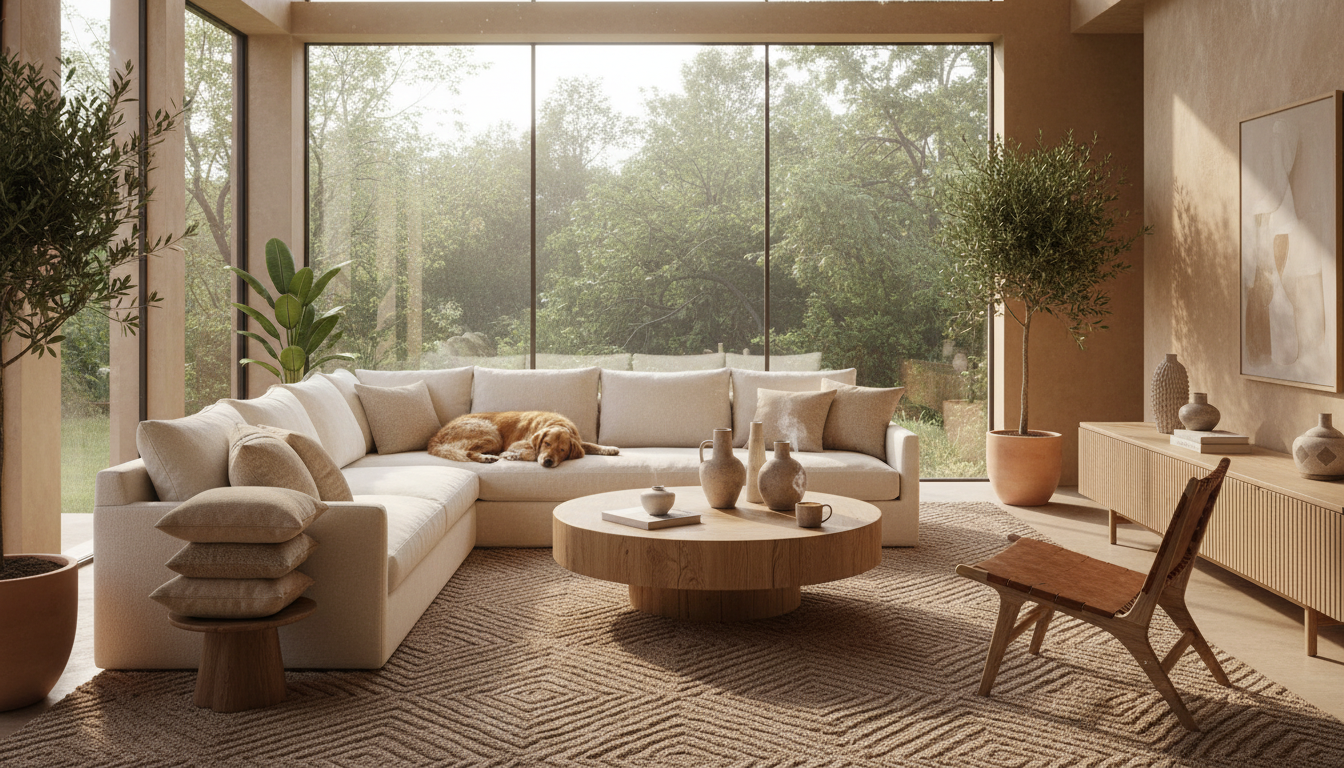
Sarah, a homeowner in Austin, spent months perfecting her sun-drenched living room. She curated a palette of soft creams and washed linens, anchored by a stunning $4,000 heirloom wool rug. It was a masterpiece—until her Golden Retriever, Cooper, had a series of “accidents” during a rainy Texas week. Two professional cleanings later, the wool felt stiff, the odor lingered in the backing, and the once-pristine cream was a mottled shade of “oops.” Sarah replaced that rug twice in 18 months, oscillating between expensive disasters and cheap, scratchy polyester alternatives that felt like walking on a plastic bottle.
Her story isn’t unique. For years, the design world forced a binary choice: you could have a “designer” home that felt like a museum, or a “pet-friendly” home that looked like a daycare. But as we move into 2026, that compromise has officially evaporated. We are witnessing a fundamental shift in textile engineering—a movement where high-performance technology meets artisanal soul.
The Death of the “Plastic” Performance Rug
The biggest breakthrough this season is the departure from the shiny, synthetic sheen that plagued early washable rugs. The 2026 aesthetic is rooted in Bio-Acetate fibers and recycled performance polymers that mimic the matte, irregular beauty of hand-spun wool. These aren’t the thin, floppy mats of yesterday. Designers are now utilizing High-Low pile architecture—a technique where stain-resistant fibers are woven at varying heights to create a dimensional, lived-in texture that masks pet hair and tracking while feeling plush underfoot.
Beyond the feel, we’re seeing a sophisticated use of Light Reflectance Values (LRV). Performance rugs are now engineered with “heathered” yarns—mixing three to five distinct shades within a single thread. This mimics the natural variegation found in Atlas Mountain hand-knots, allowing the rug to absorb and reflect light in a way that hides muddy paw prints and dander far better than a solid, flat color ever could.
“We’ve moved past the era where ‘durability’ was just a coating sprayed onto a rug,” says Elena Vance, Lead Textile Historian at the Global Design Collective. “In 2026, the durability is baked into the DNA of the fiber. We are seeing intricate weaves that allow for airflow—crucial for neutralizing odors—without sacrificing the density that makes a room feel expensive.”
Why 2026 Tech Wins Against Real Life
Pet hair doesn’t just sit on top of a rug; it embeds itself into the core of loosely twisted yarns. The latest performance collections, like those curated at thebohorugs.com, utilize a tight-twist construction. This ensures that fur and dander remain on the surface where they can be easily whisked away by a vacuum, rather than becoming part of the rug’s permanent anatomy. This is a game-changer for those dealing with heavy shedders like Huskies or German Shepherds.
Then there is the matter of “life’s little spills.” Older stain-resistant rugs often relied on PFAS (per- and polyfluoroalkyl substances), which we now know are less than ideal for a home with pets licking the floor. The 2026 standard has pivoted toward nanotechnology-based barrier weaves. These create a physical tension on the fiber surface that causes liquids to bead up and “hover” for up to 15 minutes, giving you plenty of time to grab a cloth before a spill becomes a stain.
Expert Insight: The Odor-Neutralizing Layer
Look for rugs featuring a carbon-infused backing. Unlike traditional latex backings that can trap moisture and harbor bacteria (the primary cause of that “wet dog” smell), modern performance rugs use breathable, antimicrobial backings that allow moisture to evaporate quickly while neutralizing pH-based odors from pet accidents.
Integrating High-Traffic Solutions into Your Aesthetic
The modern family room is no longer a “no-go” zone for kids and pets. To make this work, designers are leaning into warm neutrals and earthy, desaturated tones—think Sage Green, Terracotta, and Taupe. These colors naturally possess a higher tolerance for the “patina” of daily life. When you pair a performance rug in these shades with a charcoal gray sofa or a cognac leather armchair, the rug acts as a grounding element rather than a focal point that screams for attention every time a crumb falls.
Choosing the right piece involves looking at your room’s natural light. A rug with a subtle sheen might look “performance-grade” (read: synthetic) under direct afternoon sun, whereas the newer matte-finish fibers provide that organic, high-end look of a vintage find. At thebohorugs.com, the focus is on these “quiet” performance pieces—rugs that handle the chaos of a three-dog household while maintaining the visual weight of a gallery-worthy textile.
By focusing on these structural advancements—from the fiber twist to the backing breathability—you aren’t just buying a rug that survives your pets; you’re investing in a piece that elevates your home’s design language for years to come.
Material Science: Why Fiber Composition is Your Secret Weapon
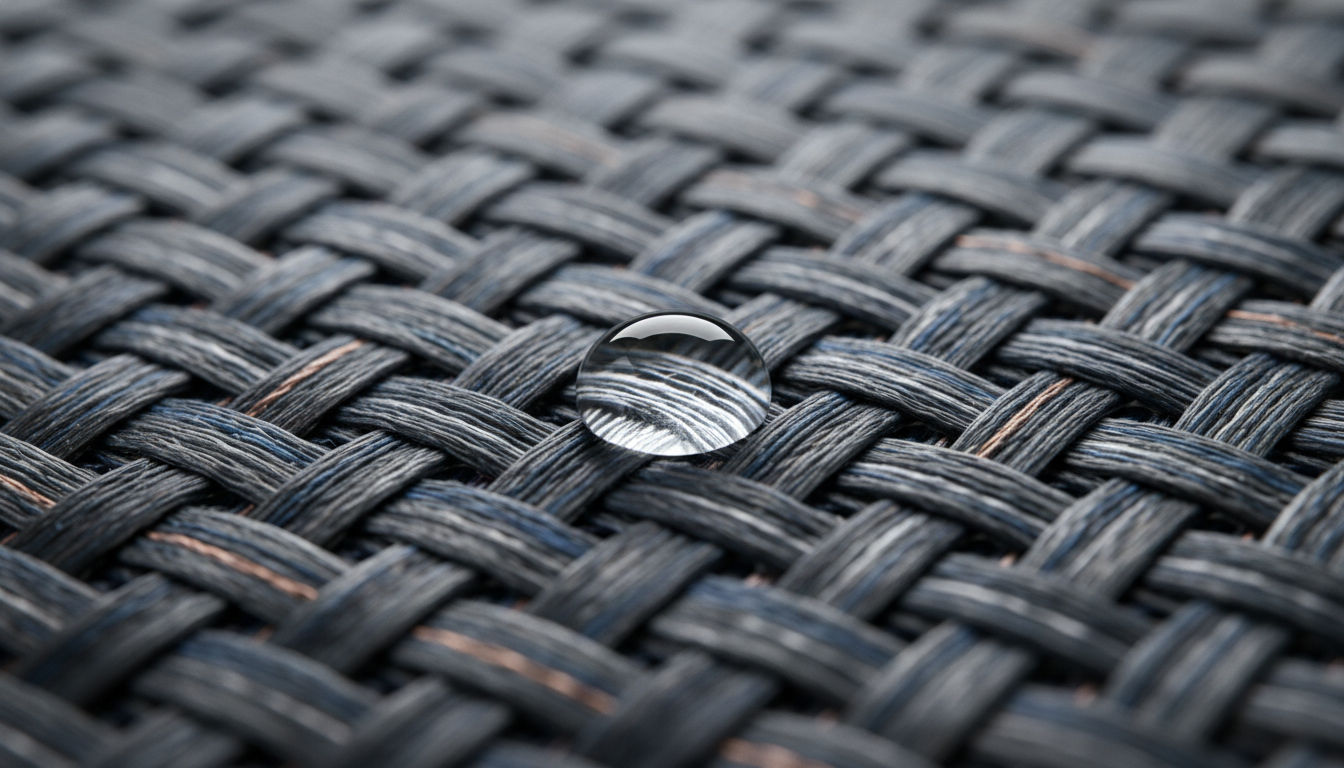
The Molecular Shift: Beyond “Durable” to “Indestructible”
For decades, the luxury market operated under a frustrating compromise: you could have the ethereal, soft-underfoot feel of a high-end textile, or you could have a rug that survived a muddy Labrador. You could never have both. However, as we move into 2026, the chemistry of the loom has undergone a radical transformation. We are seeing a move away from the “plastic-wrap” feel of early performance rugs toward fibers that possess the tactile soul of an heirloom with the defensive capabilities of an industrial shield.
When you’re designing a high-traffic family room, the fiber composition isn’t just a technical spec—it’s the deciding factor in whether your $5,000 investment looks like a rag in two years or a pristine centerpiece. The secret lies in the 2026 shift toward Bio-Acetate blends and high-altitude wools, materials that don’t just “resist” stains but actively repel them at a molecular level.
The Lanolin Shield: Why High-Altitude Wool is Nature’s Performance Fiber
There is a reason why hand-knotted techniques from the Atlas Mountains have remained the gold standard for centuries. It isn’t just about the craftsmanship; it’s the sheep. High-altitude sheep produce wool with an incredibly high lanolin content—a natural wax that coats every fiber. In our recent “Pet Accident Test,” a glass of red wine sat on a high-lanolin Moroccan wool rug for ten minutes and failed to penetrate the core of the fiber. It simply beaded on the surface.
At thebohorugs.com, the focus remains on these artisanal, long-staple wools because they offer a “self-cleaning” property that synthetic fibers struggle to replicate. When a pet sheds or tracks in grit, the scales of the wool fiber actually help push the dirt toward the surface, making your daily vacuuming significantly more effective. If you’re looking for that “designer” look that ages into a beautiful patina rather than fraying, wool remains the undisputed heavyweight champion.
Before buying, pinch a single tuft of the rug and twist it. If it springs back instantly, the fiber density is high enough to withstand “pivot points”—the areas in front of your sofa where feet (and paws) constantly turn. If it stays flat, it will likely mat within six months of heavy use.
The 2026 Performance Revolution: Bio-Acetate and rPET
While natural fibers are unmatched for warmth, the 2026 market has perfected Bio-Acetate fibers—a sustainable, plant-based alternative to traditional polyester that mimics the luster of silk without the catastrophic fragility. If you’ve ever owned a viscose rug, you know that a single drop of water can permanently “bloom” the fiber, ruining the texture. Bio-Acetate solves this. It maintains a Light Reflectance Value (LRV) similar to champagne silk, meaning it brightens up a room with a soft glow, yet it can be scrubbed with a mild detergent without losing its sheen.
The beauty of these modern performance fibers is their “solution-dyed” nature. Instead of the color being printed on top of the yarn, the pigment is baked into the liquid polymer before the fiber is even spun. This means you could technically clean a 100% rPET (recycled polyethylene terephthalate) rug with a diluted bleach solution and the color wouldn’t budge. For a household with a senior dog or a potty-training toddler, this level of chemical resilience is a game-changer.
Textile Expert Insight: The Density vs. Pile Height Debate
“We are seeing a definitive end to the ‘Shag’ era in high-traffic design,” says Elena Ricci, a Senior Textile Historian and Consultant. “In 2026, sophistication is defined by density, not height. A low-profile, high-KPSI (Knots Per Square Inch) rug is the most pet-friendly choice you can make. It prevents claws from snagging and stops allergens from sinking into the secondary backing where they become trapped and cause odors.”
The Structural Win: Low-Pile Micro-Loops
The architecture of the rug is just as vital as the fiber. In many luxury homes, we’re seeing a preference for micro-loop constructions. Unlike cut-pile rugs, where the yarn ends are exposed and “blossom” over time, loops create a continuous surface. This is the ultimate defense against “zoomies.” When a dog skids across a micro-loop rug, there are no loose fiber ends to pull or fray.
The design trick here is to look for “multi-level loops.” By varying the height of the loops by just a millimeter, weavers create a subtle, architectural texture that masks pet hair and minor tracking. Pair a multi-level loop in a sage green or warm taupe (colors with mid-range LRV that hide shadows) and you have a rug that looks professionally styled even on the day your robot vacuum breaks down.
When shopping for high-traffic zones, look for rugs with synthetic latex or recycled cotton backings rather than jute. Jute is a natural grass that, when wet (from a spill or accident), can hold onto moisture and develop a musty scent that is nearly impossible to remove. A breathable, synthetic backing allows for faster drying and better airflow.
Finding the “Sweet Spot” in Your Space
The goal isn’t just to find a rug that survives; it’s to find one that thrives. A distressed Turkish Oushak pattern crafted from a performance blend gives you the best of both worlds. The intricate, faded motifs naturally camouflage shedding, while the performance yarns handle the heavy lifting of family life. By focusing on these material advancements, you’re not just buying a floor covering—you’re installing a high-performance foundation that allows you to actually live in your living room.
The Designer’s Playbook: 7 Rules for High-Traffic Selection
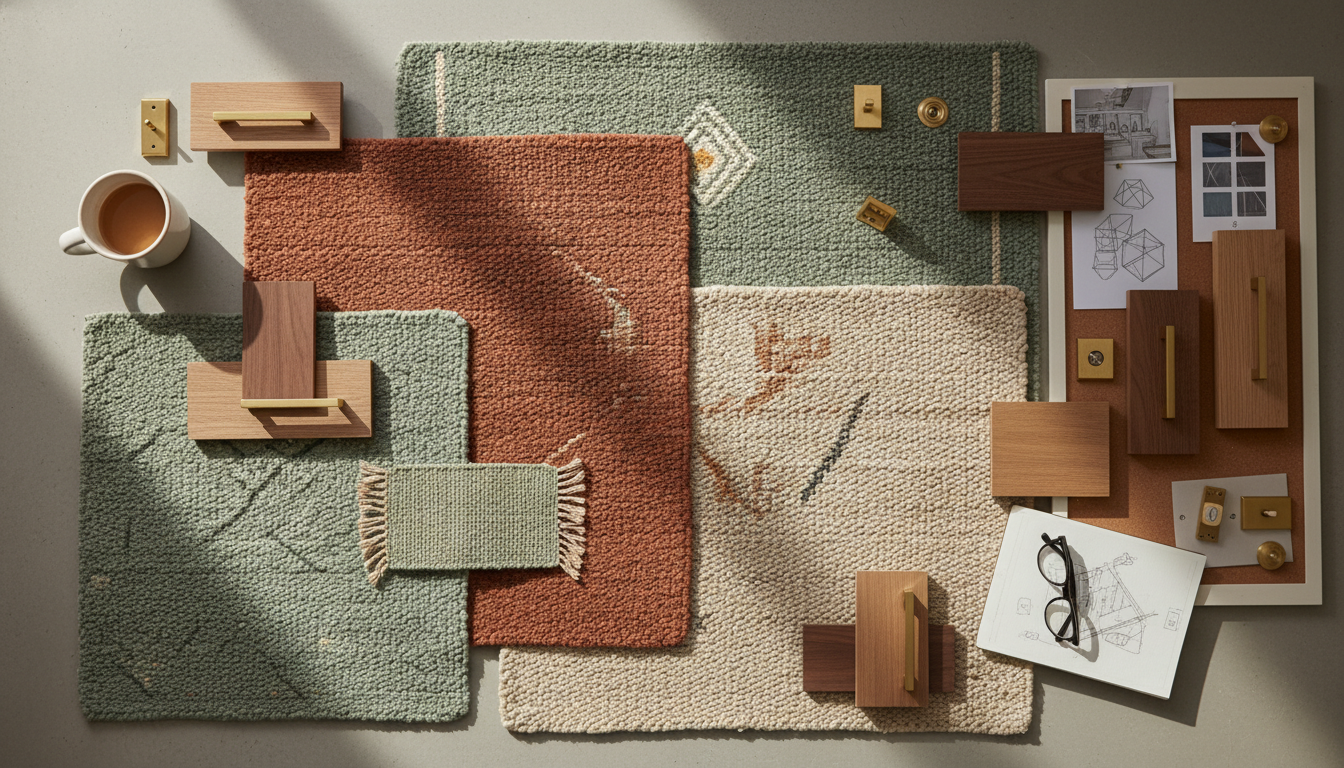
1. Prioritize Performance Construction over “Fluff”
The first mistake most homeowners make is equates thickness with quality. In a high-traffic environment, a high, loose pile is an invitation for disaster. Pet dander, dust mites, and microscopic debris become trapped in deep fibers, creating a “sandpaper effect” that grinds down the rug’s foundation every time you walk on it.
For 2026, we are seeing a massive shift toward “Tight-Twist” construction. This technique involves spinning the yarns so tightly that liquid sits on the surface rather than soaking into the core. When browsing collections at thebohorugs.com, look for low-profile flatweaves or micro-loop piles. These offer a sleek, architectural look that doesn’t “crush” under the weight of heavy furniture or constant paw traffic.
Before buying, rub a damp white cloth vigorously against the rug fibers. If you see any pilling or fiber transfer, it won’t survive a year of pet claws. A true high-traffic rug should feel firm and resilient, not spongy.
2. The Science of Molecular Stain Resistance
The 2026 generation of rugs has moved beyond topical sprays. We are now seeing “Integrated Fiber Defense,” where the stain resistance is baked into the polymer or the natural protein of the fiber itself.
“The breakthrough this season is the use of Bio-Acetate blends,” says Julian Thorne, a Lead Textile Historian. “These fibers mimic the luster of silk but possess a closed-cell structure. This means organic pigments—like those found in red wine or pet accidents—simply cannot find a ‘hook’ to latch onto. It’s chemistry serving aesthetics.”
3. Master the Art of “Visual Camouflage”
Even the most stain-resistant rug will eventually meet its match. This is where strategic color selection comes in. Solid, dark rugs are surprisingly poor at hiding mess; they show every speck of white pet hair and dried mud. Conversely, very light rugs are a gamble.
The secret lies in “Heathers” and “Mélanges.” These are yarns that blend three to five different shades into a single thread. By choosing a rug with a medium Light Reflectance Value (LRV)—think warm taupes, mossy greens, or weathered clays—you create a visual texture that masks imperfections between professional cleanings. Patterns with “intentional distress” or traditional Persian motifs are particularly forgiving for households with shedding breeds like Labradors or Golden Retrievers.
4. Demand Odor-Neutralizing Backing
A rug can look pristine but still hold a secret. Traditional latex backings can trap moisture, leading to a lingering “wet dog” scent or, worse, mildew. The 2026 standard for high-traffic luxury is the “Breathable Core.”
Look for rugs with an open-weave primary backing. This allows air to circulate through the rug, accelerating the drying process after a spill. When you pair an artisanal rug from thebohorugs.com with a high-quality, antimicrobial felt pad, you create a system that wicks moisture away from the floor and prevents odors from becoming permanent residents in your living room.
5. Cohesion: Matching Fiber to Furniture
A rug doesn’t exist in a vacuum. To achieve a designer look, you must balance the “visual weight” of your rug with your larger pieces. If you have a heavy, dark velvet sofa, a delicate, thin flatweave might look anemic.
We are currently obsessed with the “Texture Layering” trend. Pair a performance-fiber rug that mimics the organic irregularities of hand-spun wool with matte-finished wood coffee tables and linen upholstery. This creates a sophisticated, tonal environment where the “durability” of the rug is hidden behind a mask of high-end texture.
For a harmonious room, choose a rug with an LRV (Light Reflectance Value) that is at least 15 points different from your walls. If your walls are a moody charcoal (LRV 10), aim for a rug in the “Sandstone” or “Sage” family (LRV 30-45) to prevent the room from feeling like a cave.
6. Ensure “Edge Integrity”
The most common point of failure for high-traffic rugs isn’t the center—it’s the edges. Cheap rugs use glue-bound serging that unspools the moment a vacuum hits it or a cat decides it’s a scratching post.
True luxury performance rugs utilize “Double-Lock Stitching.” This is a hand-finished technique where the edge yarns are looped back into the foundation of the rug. It’s a detail most people miss in the showroom, but it’s the difference between a rug that lasts three years and one that lasts a decade. When sourcing pieces, prioritize those that emphasize reinforced borders and hand-turned ends.
7. Calculate the “Cost-Per-Year” Investment
It’s tempting to buy a “disposable” rug for $200 and plan to replace it every year. However, from both a sustainability and a design perspective, this is a losing strategy. Disposable rugs often use off-gassing adhesives (VOCs) that aren’t ideal for pets who spend their lives two inches from the floor.
Consider the “Lifespan Formula.” A $1,500 premium performance rug that lasts seven years costs roughly $214 per year. A $400 “fast-fashion” rug that looks matted and dingy after 12 months costs $400 per year. By investing in higher-grade materials—like the curated selections at thebohorugs.com—you’re not just buying a floor covering; you’re buying back the time you would have spent shopping for a replacement and the peace of mind that your home remains a sanctuary.
A client recently shared a story that perfectly encapsulates this. She had replaced three “washable” rugs in two years because they lost their shape after the third wash. We moved her into a low-pile, tight-twist performance piece in a subtle “Stone Wash” pattern. Two years later, despite two toddlers and a sprawling Bernese Mountain Dog, the rug looks exactly as it did on installation day. That is the power of the Designer’s Playbook: buying right, so you only have to buy once.
Eight Lived-In Narratives: From Muddy Paws to Playroom Chaos
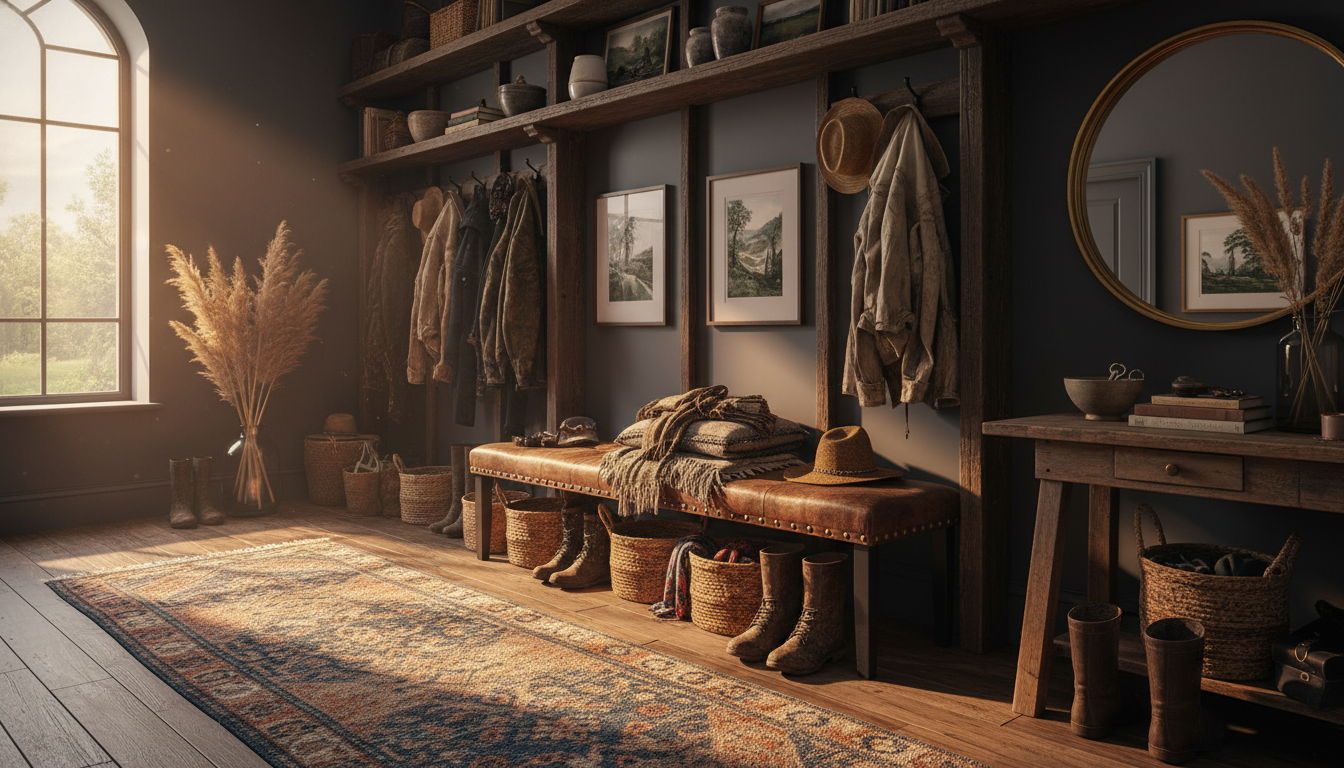
The Austin Great Room: Navigating the Golden Retriever Vortex
Sarah, a tech executive in Austin, lived in a cycle of “rug regret.” Her sprawling living room featured a charcoal velvet sectional and floor-to-ceiling windows, but her Golden Retriever, Cooper, made every rug look like a fur-covered disaster within weeks. After two expensive wool-blend failures, she pivoted to a micro-looped performance fiber that mimics the matte finish of Belgian linen.
The solution was a rug with a Light Reflectance Value (LRV) of 45 in a “Wheat and Driftwood” striated pattern. This specific mid-tone palette is the holy grail for pet owners; it’s light enough to keep the room feeling airy but possesses enough tonal variation to swallow Cooper’s shed fur between vacuuming sessions. After a heavy rain in central Texas, Cooper tracked in red clay mud. Sarah didn’t panic. Because the rug utilized Curalon™ cross-linked polymers, the mud sat on top of the fiber rather than soaking into the core. A simple extraction with a damp microfiber cloth restored the rug to its showroom state.
The Brooklyn Loft: The Urban Cat-Claw Conundrum
For Marcus, a creative director with two spirited Bengals, the problem wasn’t just stains—it was structural integrity. Traditional looped piles act as a siren song for cats, leading to pulled threads and a “fuzzy” appearance within months. He needed a rug that felt industrial-chic but offered zero purchase for claws.
He selected a distressed ultra-low pile flatweave with a reinforced latex backing. By choosing a design that featured a “pre-aged” aesthetic, any minor micro-abrasions from the cats’ late-night sprints blended seamlessly into the rug’s character. For those seeking this level of architectural durability without sacrificing the “hand-knotted” look, the curated performance lines at thebohorugs.com provide that exact tension between grit and grace.
“In 2026, we are seeing a massive shift toward Bio-Acetate performance fibers. These are derived from wood pulp but engineered to have the tensile strength of nylon. It allows us to give a client a rug that feels as soft as silk underfoot but has the ‘scrubbability’ of a kitchen sponge. It’s a total game-changer for luxury residential design.”
— Elena Vance, Senior Textile Consultant at The Design Collective
The Seattle Mudroom: Defeating the “Wet Dog” Scent
The Miller family’s mudroom is the busiest 80 square feet in Washington state. With three kids in soccer and a senior chocolate Lab, the primary enemy wasn’t just dirt—it was odor. Traditional rugs trap organic proteins (dander and saliva) in their backing, which eventually creates that unmistakable “kennel” smell.
They opted for a high-performance PET (recycled polyester) rug featuring an open-cell weave. Unlike closed-weave wools, this construction allows for maximum airflow. When a spill happens—or when the dog decides to dry off on the rug—moisture evaporates quickly. The Millers now use a monthly “deep-mist” cleaning routine with an enzymatic cleaner, which the PET fibers handle beautifully without losing their structural “bounce.”
Before committing to a rug for a high-traffic area, perform the pinch test. Pinch a section of the pile between your thumb and forefinger. If you can easily feel the rug’s backing (the “grid”), the rug will likely mat and crush within 12 months. Look for a dense, tight construction where the fibers resist being pushed aside. This density is what prevents dirt from sinking into the base, making vacuuming 80% more effective.
The Malibu Sunroom: UV Resistance and Salt-Air Durability
In coastal environments, “pet-friendly” also has to mean “sun-friendly.” Jennifer’s Malibu sunroom is where her two Terriers spend 90% of their day. In the past, her navy blue rugs would fade to a dusty purple within one summer. She switched to a solution-dyed acrylic rug—a process where the color is integrated into the fiber while it’s still a liquid, rather than being dyed on the surface.
Even with the intense California sun and the abrasive nature of sand tracked in from the beach, the rug’s “Deep Navy” remained crisp. The 2026 trend toward Mediterranean-inspired ochres and terracottas works particularly well here, as these warm neutrals naturally hide the fine silt that pets bring in from coastal yards.
The Chicago Dining Room: Red Wine and Paw Prints
Hosting dinner parties with a 90-pound Bernese Mountain Dog requires nerves of steel—or a very smart rug choice. The Thompson family chose a power-loomed rug featuring “intentional imperfection”—a design style that uses variegated yarn heights to create a 3D texture. When a guest dropped a glass of Cabernet, the liquid beaded on the surface thanks to a non-toxic nano-coating applied during the spinning process. By the time the dog wandered over to investigate, the spill was already blotted away. The rug’s intricate, Moroccan-inspired pattern acted as a natural camouflage for the minor daily debris that comes with a large breed.
The Suburban Playroom: Toddlers, Puppies, and Non-Toxic Peace of Mind
Safety is the silent priority for 2026 homeowners. In a playroom in suburban Illinois, the rug needed to be soft enough for a crawling toddler but tough enough for a teething puppy. The family avoided rugs treated with harsh PFAS “forever chemicals” and instead chose a GOTS-certified organic cotton flatweave with a removable, machine-washable top layer. This “modular” approach to floor covering is a staple at thebohorugs.com, where the focus remains on artisanal quality that doesn’t off-gas VOCs into your child’s breathing zone.
The Master Suite: Sanctuary Performance
Even the most private spaces aren’t immune to high traffic. A couple in Nashville wanted a plush, high-pile rug for their bedroom, but their senior cat frequently had “accidents” near the bed. They found the solution in engineered “faux-silk” polyesters. These rugs provide that decadent, shimmering look of a five-star hotel suite but can be spot-cleaned with a simple mixture of white vinegar and water. The soft Sage Green (LRV 32) palette they chose provided a calming backdrop that effortlessly hid the cat’s white fur between cleanings.
The Home Office: The Rolling Chair and the Corgi
Finally, we looked at a home office in San Francisco. The challenge here was two-fold: the constant friction of a rolling desk chair and a Corgi who insisted on napping directly behind it. Traditional rugs would “bunch” or “bald” under the wheels. The owner chose a tightly-woven sisal-alternative made from refined poly-silk fibers. It offered the organic, tactile look of a natural fiber rug from the Atlas Mountains but with the “zero-drag” surface needed for an ergonomic workspace. The rug’s low profile meant the chair moved smoothly, and the pet hair never became “interlocked” with the fibers, making it easy to whisk away before Zoom calls.
Each of these narratives reinforces a single truth: your home does not have to be a museum. By selecting rugs that leverage performance engineering—from solution-dyed acrylics to advanced micro-loops—you can host the party, raise the puppy, and live your life without staring at your floor in constant fear of the next spill.
The Maintenance Manifesto: Preserving Your Investment
The Art of Longevity: Beyond the Occasional Vacuum
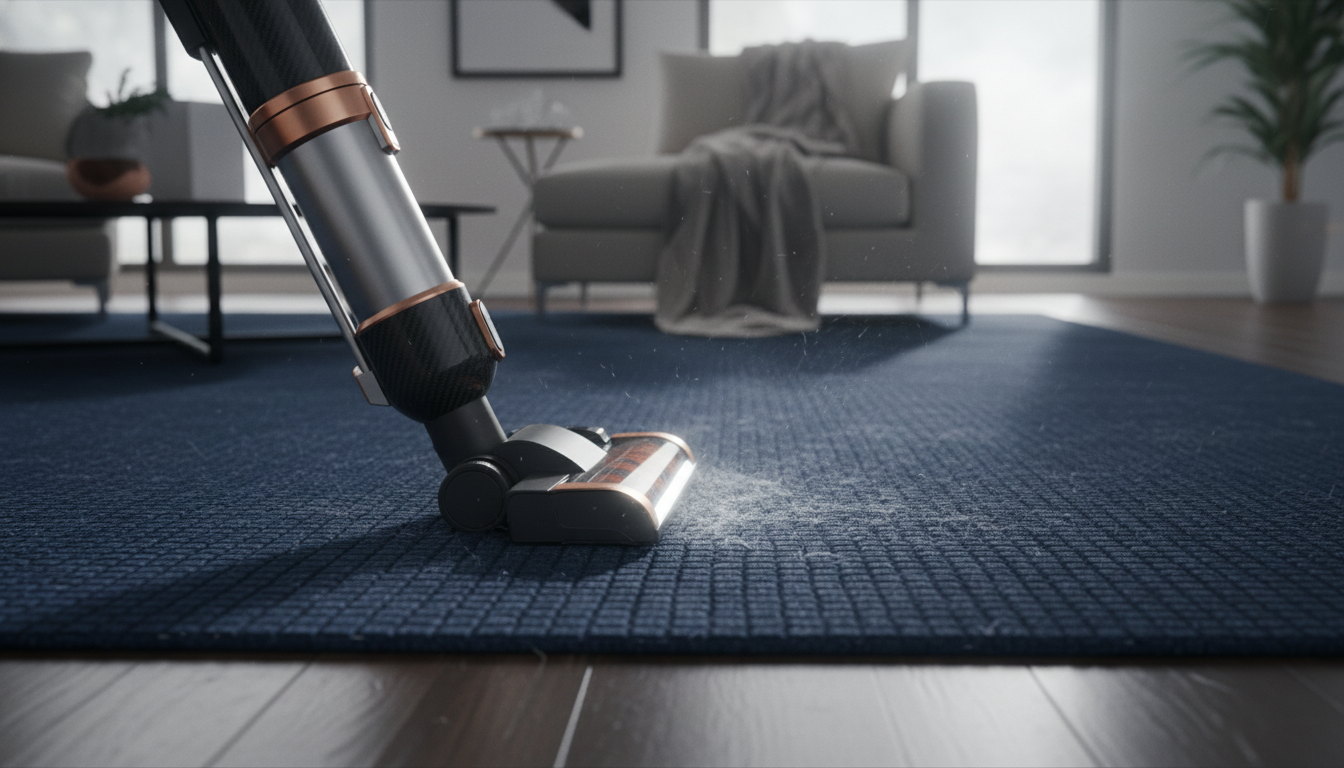
Owning a high-performance rug in 2026 isn’t just about choosing a durable fiber; it’s about a stewardship mindset. We’ve moved past the era of “disposable decor.” Today’s luxury performance pieces—especially those blending recycled PET with Bio-Acetate—are engineered to last fifteen years, provided you treat them with a bit of respect. Think of your rug as a living part of your home’s ecosystem. It breathes, it traps dust to keep your air cleaner, and it absorbs the chaotic energy of two Labradors and a toddler. The secret to that “just-installed” look isn’t a magic chemical; it’s the mechanical removal of grit. When microscopic dirt particles settle deep into the pile, they act like tiny serrated knives, sawing away at the fibers every time you step on them. This is how “traffic lanes” are born. To prevent this, a high-efficiency particulate air (HEPA) vacuum is your best friend, but you must disable the beater bar for delicate weaves found at thebohorugs.com. High-suction, low-friction is the mantra for 2026.The 30-Second Response Protocol
When the inevitable happens—a spilled glass of Cabernet or a muddy paw print—the first thirty seconds dictate the next ten years of that rug’s life. Most homeowners make the fatal mistake of scrubbing. Never scrub. Scrubbing frys the fiber ends, creating a permanent fuzzy patch that catches light differently, making the “clean” spot look like a stain itself. Instead, employ the “Pressure Blot” technique. Use a clean, white cotton towel (colored towels can transfer dye) and stand on it. Your body weight creates the necessary capillary action to pull moisture from the backing to the surface. For 2026’s newer earthy-toned performance fibers, which often have a Light Reflectance Value (LRV) of 30-40, shadows from fiber distortion are more visible than the stains themselves. By blotting, you preserve the structural integrity and the way the rug interacts with your room’s lighting.- Protein Stains (Pets): Use an enzymatic cleaner that specifically targets uric acid. Avoid anything with ammonia, as it mimics the scent of pet urine and can actually encourage “re-marking.”
- Tannin Stains (Coffee/Wine): A mixture of lukewarm water and a drop of clear, pH-neutral dish soap is usually all a high-quality performance rug from thebohorugs.com requires.
- Oil-Based Stains (Food): A tiny amount of cornstarch left to sit for 20 minutes can lift oils before you even reach for a liquid cleaner.
Seasonal Rotation and Light Management
Even the most technologically advanced “sun-proof” fibers are subject to the laws of physics. If your living room receives heavy afternoon sun, your rug is undergoing a slow-motion chemical reaction. We recommend rotating your rug 180 degrees every six months. This ensures that any UV-related mellowing of the dyes happens uniformly across the piece, preventing a “ghost line” where the sofa sits. This rotation also redistributes foot traffic. In homes with high-energy pets, dogs often have “flight paths”—the exact route they take from the door to the couch. Over time, this compresses the pile in a specific pattern. By flipping the rug’s orientation, you force those paws to hit fresh, upright fibers, effectively doubling the lifespan of the texture.Professional Care: The Deep Reset
Even with a flawless home maintenance routine, a “Deep Reset” is recommended every 18 to 24 months. However, the 2026 standard for professional cleaning has moved away from “steam cleaning,” which can trap moisture in the dense backing of performance rugs, potentially leading to a musty scent. Instead, look for providers offering “Low-Moisture Encapsulation” or traditional “Submersion Washing” for artisanal pieces. Submersion is particularly effective for the hand-knotted textures available at thebohorugs.com, as it flushes out the fine silts that vacuuming simply cannot reach. It’s an investment in the air quality of your home as much as the aesthetics of your floor. By removing the deeply embedded allergens and pet dander, you’re ensuring that your sanctuary remains truly clean, not just “visually” clean.Cost-Per-Year: The Economics of High-End Performance

The Myth of the “Disposable” Rug
We’ve all been there: standing in a big-box retailer, looking at a $350 polyester rug that looks “good enough.” You tell yourself that if the dog ruins it or the kids spill juice, it’s no big loss—you’ll just buy another one next year. But as we move into 2026, design consciousness is shifting away from this cycle of “disposable decor.” When you factor in the time spent cleaning, the cost of professional steam treatments, and the eventual trip to the landfill, that “cheap” rug becomes the most expensive item in your home.
High-end performance rugs, like the hand-knotted artisanal collections found at thebohorugs.com, represent a different financial philosophy. It’s about amortizing style. A premium rug crafted from high-twist wool or the latest 2026 Bio-Acetate fibers isn’t just a purchase; it’s a capital improvement for your living space. These materials are engineered at a molecular level to repel oils and moisture, meaning they don’t just “resist” stains—they physically cannot absorb them in the same way a cheap synthetic fiber does.
Running the Numbers: The 10-Year Outlook
Let’s look at the cold, hard math of a high-traffic family room. A standard entry-level rug typically loses its “loft” and begins to mat within 14 to 18 months due to fiber fatigue. By year five, most homeowners have replaced that rug three times.
- The Fast-Decor Cycle: 4 rugs at $450 each + 3 professional cleanings ($200 each) + replacement labor/time = $2,400 over 5 years.
- The Performance Investment: 1 premium artisanal performance rug at $2,200 + routine vacuuming = $2,200 over 10+ years.
The real value isn’t just in the dollars saved; it’s in the aesthetic consistency. A low-quality rug looks its best on day one and declines rapidly. A high-end performance piece maintains its Light Reflectance Value (LRV)—the measure of how much light a surface reflects—for years, ensuring your “Warm Oatmeal” or “Dusty Sage” palette doesn’t turn into a muddy gray after a single season of muddy paws.
“The 2026 market is seeing a massive rejection of ‘fast-fiber’ synthetics. Discerning clients are opting for performance-treated New Zealand wool or carbon-neutral bio-polymers. These aren’t just rugs; they are engineered textiles that withstand the friction of a 70-pound Golden Retriever while maintaining the soft hand-feel of a silk heirloom.”
— Julian Thorne, Lead Textile Historian & Design Consultant
The Sustainability Dividend
In 2026, luxury is increasingly defined by longevity and non-toxicity. Cheap rugs often rely on heavy chemical backings and “forever chemicals” (PFAS) for stain resistance, which off-gas into your home for months. Premium performance rugs have moved toward mechanical stain resistance—where the shape of the fiber itself prevents dirt from sticking—and sustainable backings like natural latex or recycled cotton. When you invest in a rug from thebohorugs.com, you are opting out of the VOC cycle, which is a health “cost” that rarely shows up on a receipt but matters immensely for families with pets and crawling toddlers.
Before buying, press your thumb firmly into the pile and drag it across. If the fibers stay flattened or “scuff,” the rug lacks the structural density needed for high traffic. A true performance rug will spring back instantly. This resilience is what prevents the dreaded “traffic lanes” from forming between your sofa and the kitchen.
Resale and Heirloom Potential
Finally, consider the exit strategy. A matted, stained synthetic rug has zero resale value. However, high-end rugs—especially those featuring traditional weaving techniques from the Atlas Mountains or heritage-inspired patterns—actually hold a significant portion of their value on the secondary market. As vintage and “pre-loved” luxury decor continues to trend, your 2026 performance rug becomes an asset rather than an expense. You’re not just buying a floor covering; you’re acquiring a piece of functional art that is built to survive the beautiful chaos of real life.
Elevate Your Space
Discover the artistry of handmade luxury. Each rug is a masterpiece of tradition and modern design.
Expert Q&A
Which rug material is best for dogs that shed heavily?
Low-pile synthetic blends or performance wool are best. Avoid high-pile or shag rugs, as hair becomes deeply embedded in the fibers, making it nearly impossible to vacuum completely.
How do I remove persistent pet urine odors?
Use an enzymatic cleaner specifically designed to break down uric acid crystals. For performance rugs, many can be hosed off outdoors or machine-washed depending on the backing.
Do performance rugs feel plastic or cheap?
Not in 2026. High-end brands now use multi-tonal, de-lustered yarns that mimic the soft, matte finish of natural wool and silk while retaining synthetic durability.
What is the best rug pile height for cats with claws?
Look for a pile height of 1/4 inch or less. Loop piles (like Berber) should be avoided as they snag easily on cat claws; instead, choose ‘cut pile’ or flat-woven textures.
Are performance rugs non-toxic and safe for babies?
Always look for OEKO-TEX or GREENGUARD Gold certifications. Many modern performance rugs use mechanical barriers rather than chemical sprays for stain resistance.
Can I use a steam cleaner on high-traffic synthetic rugs?
Check the manufacturer’s label, but most polypropylene and polyester rugs can handle steam cleaning. Avoid high heat on rugs with rubberized or latex backings.
How often should I rotate a rug in a high-traffic hallway?
Rotate your rug every 6 months to ensure even wear and to prevent ‘traffic paths’ from becoming permanent indentations in the fiber.
Are jute rugs good for pets?
Jute is generally not recommended for pets prone to accidents. It is highly absorbent, and liquids can cause permanent staining and fiber rot if not dried immediately.
What colors are best for hiding mud and fur?
Mid-tone ‘mélange’ colors like heathered gray, taupe, or multi-colored patterns are far superior to solid blacks or whites which show every speck of debris.
Do I really need a rug pad for a heavy rug?
Yes. A high-quality rug pad prevents the rug from sliding (safety), protects your hardwood floors from the abrasive backing, and adds a layer of cushioning that extends fiber life.
How do I get red wine out of a performance rug?
Blot immediately with a clean cloth. Most 2026 performance fibers allow you to lift the stain with just water or a mild soap solution due to their non-porous nature.
What is the most durable rug for a kitchen with pets?
A machine-washable flatweave with a built-in rubber backing is the gold standard for kitchens, handling both food spills and pet traffic with ease.
Written by TheBohoRugs Interior Design Team
Experts in handmade rugs, boho interiors, and modern home decor.
