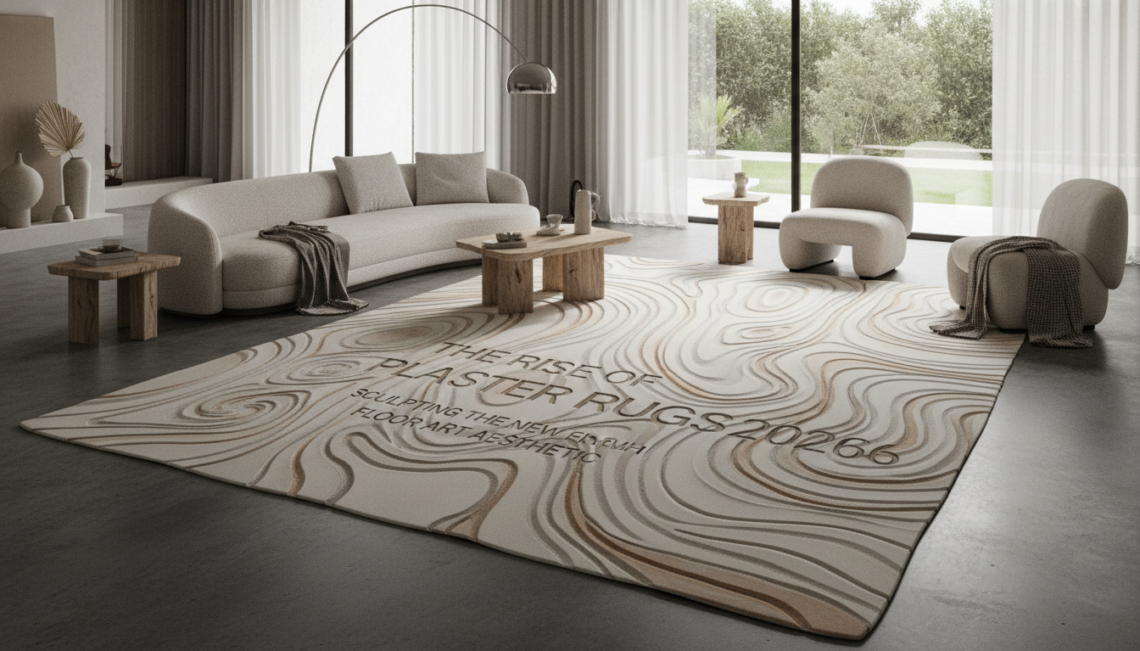
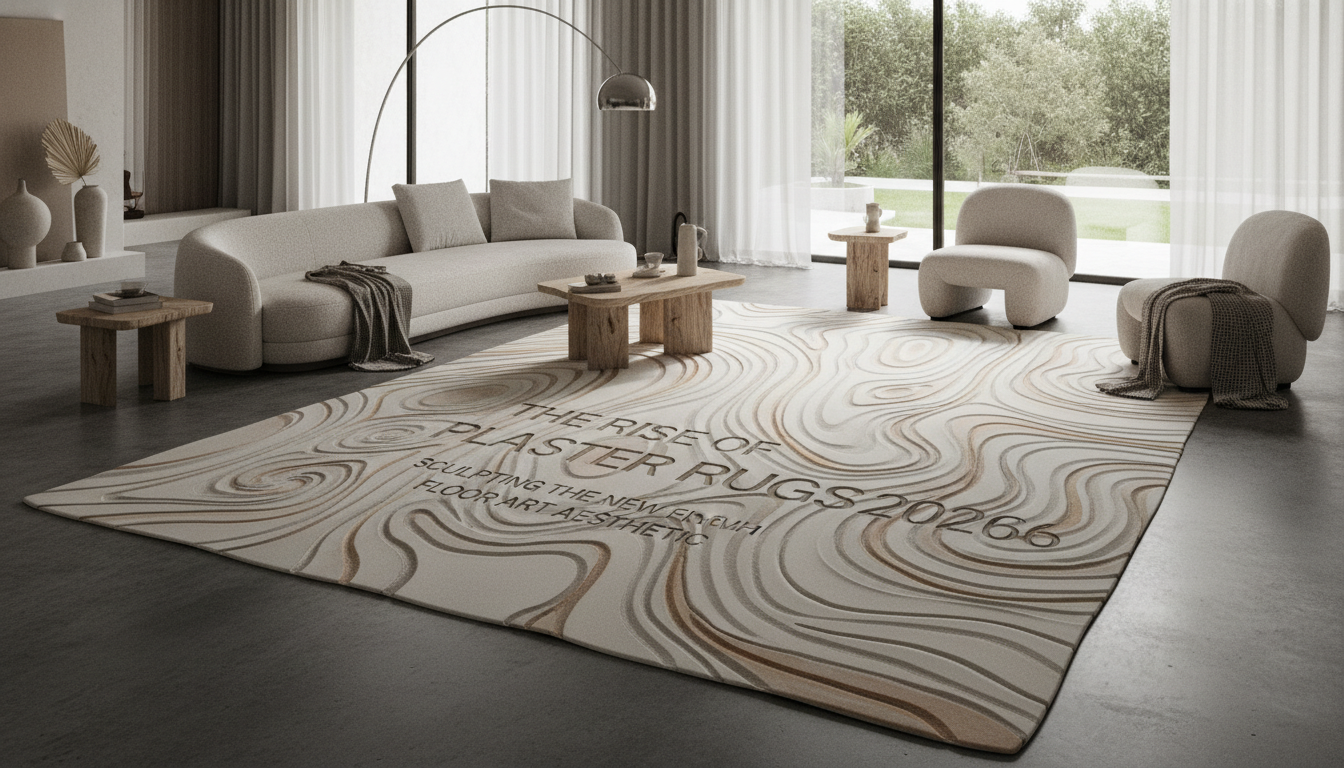
As we approach the mid-decade, the interior design world is pivoting away from two-dimensional patterns toward sensory-rich, tactile environments. Leading this movement is the emergence of haptic plaster rugs 2026—a trend that treats the floor not merely as a surface, but as a canvas for relief sculpture. These pieces mimic the raw, troweled textures of lime wash and Venetian plaster, utilizing sophisticated high-low weaving techniques to create architectural depth. This report explores how these sculptural textiles are redefining luxury by bridging the gap between fine art and functional decor, offering a grounding, mineral-inspired aesthetic for the modern home.
“Haptic plaster rugs 2026 represent a design trend characterized by monochromatic, high-low pile textiles that replicate the organic, irregular textures of architectural plaster and stone. Unlike traditional patterns, these rugs use variations in fiber height and density to create light-and-shadow effects, effectively transforming floors into sculptural art pieces. This trend is driven by a desire for ‘sensory minimalism,’ where visual quietude is balanced by intense physical texture.”
The Roadmap
Table of Contents
- The Material Shift: Defining the Haptic Plaster Aesthetic
- The Engineering of Depth: High-Low Weave Techniques for 2026
- Mineral & Bone: The Palette of the Sculptural Era
- Acoustic Art: The Functional Benefits of Sculpted Floors
- Styling the Void: Negative Space and Rug Placement
- From Wall to Floor: The Influence of Relief Sculpture
- Sustainable Sophistication: Eco-conscious Mineral Fibers
- The Investment Value of Art-Grade Textiles
The Material Shift: Defining the Haptic Plaster Aesthetic
Beyond Softness: The Rise of Structural Undercurrents
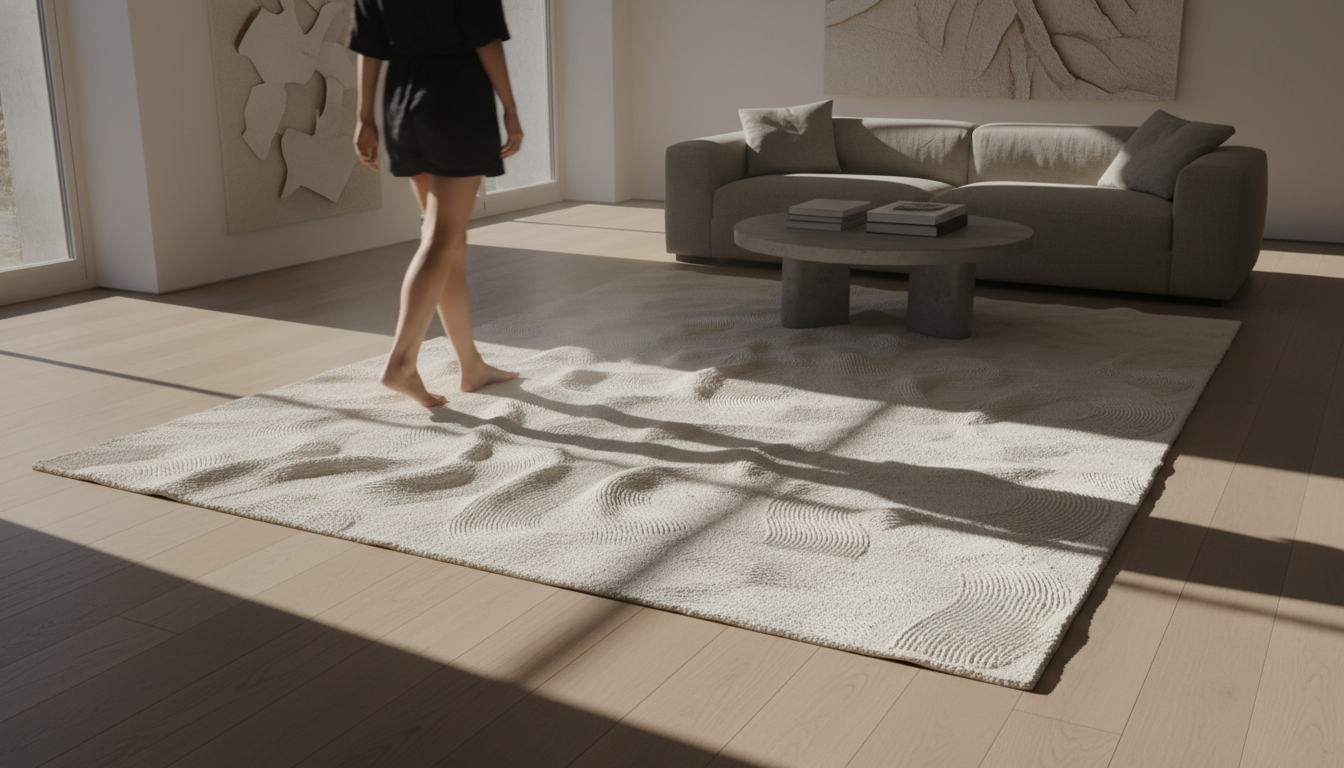
For years, the interior design world prioritized the “soft landing”—high-pile shags and cloud-like textures designed for comfort alone. As we approach the mid-decade mark, the pendulum is swinging toward something more cerebral. The emergence of haptic plaster rugs 2026 signals a shift where the floor is no longer just a surface, but a foundational architectural element.
This aesthetic borrows the visual language of Venetian plaster and lime-wash walls, translating that cool, mineral depth into fiber. By utilizing high-low carving techniques, designers are creating “bas-relief” for the feet. It is a trend rooted in the concept of intentional friction—the idea that a home should provide varied sensory feedback through diverse material densities.
The 2026 Material Forecast: Mineral-Washed Fibers
What distinguishes the 2026 iteration of this trend is the sophisticated manipulation of matte yarns to mimic hard surfaces. We are seeing a move away from the high-shine of viscose toward “dry” fibers that capture the chalky, matte essence of stucco. To achieve this, artisans are experimenting with:
- Lithic-Washed Wool: New Zealand wool treated with mineral baths to achieve a desaturated, stone-like finish.
- Sanded Silk Accents: Used sparingly in the “high” sections of the pile to mimic the subtle glint of mica found in natural plaster.
- Raw Jute Frameworks: Exposed structural elements that ground the rug, providing the “cracked” aesthetic of ancient masonry.
Curated collections, such as those found at thebohorugs.com, are already beginning to embrace these architectural nuances, bridging the gap between traditional weaving and modern sculptural form. These pieces function as “anchors,” providing a heavy, permanent feel to open-concept living spaces.
Sculptural Topography as Floor Art
In 2026, the distinction between a rug and a sculpture becomes increasingly blurred. The haptic plaster rugs 2026 trend utilizes extreme variance in pile height—sometimes exceeding two inches of difference—to create shadows that change throughout the day. This creates a “living” floor that reacts to natural light, much like a textured wall in a Mediterranean villa.
Rather than relying on bold pigments, these rugs use monochromatic depth. The “color” is found in the shadows cast by the high-low ridges. Designers are predicting three dominant palettes for this movement:
- Bleached Bone: A warm, architectural white that highlights the purity of the carving.
- Raw Calcimine: A cool, grey-leaning blue that mimics the look of drying cement.
- Ochre Earth: A deep, sun-baked terracotta that adds a grounding, historical weight to contemporary rooms.
This shift represents a maturity in the “organic modern” movement. It moves past the mere imitation of nature and begins to imitate the hand of the builder, celebrating the beautiful imperfections of manual craftsmanship and the enduring allure of mineral textures.
The Engineering of Depth: High-Low Weave Techniques for 2026
Beyond Color: The Rise of Tactile Topography
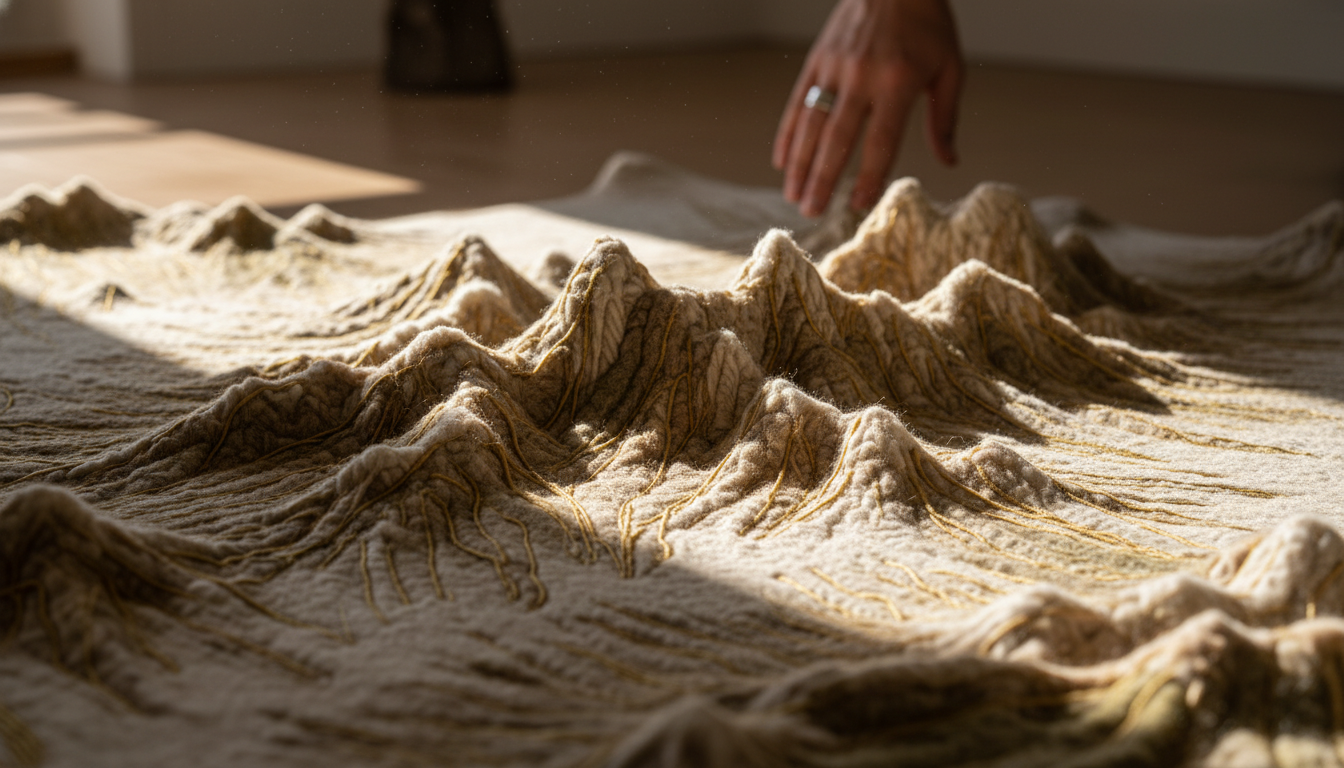
The design landscape of 2026 is distancing itself from the dominance of flat, vibrant prints in favor of a more sophisticated, sensory-driven aesthetic. The emergence of haptic plaster rugs 2026 represents a pivotal shift where the floor is no longer a background element but a three-dimensional landscape. Designers are achieving this “plaster-cast” look by meticulously manipulating pile heights to create shadows that mimic the carved surfaces of neoclassical friezes or modern brutalist facades.
This movement towards “floor-art” relies on the principle of chiaroscuro—the treatment of light and shade. By varying the depth of the weave, these rugs interact with the natural light of a room, changing appearance as the sun moves. It is an engineering feat that transforms a soft textile into something that carries the visual weight and permanence of stone.
Material Innovations in Matte Textures
To replicate the bone-dry, matte finish of architectural plaster, artisans are moving away from the high-shine silks of the past decade. The 2026 aesthetic demands non-reflective fibers that prioritize the “feel” over the “gleam.” By blending high-twist New Zealand wool with matte-spun botanical yarns, weavers create a surface that absorbs light, enhancing the sculptural relief of the high-low patterns.
For those curating a space defined by this level of artisanal precision, the collections at thebohorugs.com illustrate how these high-low techniques create a sense of “quiet luxury.” The focus is on the physical sensation of the weave—a tactile experience that grounds a room through structural integrity rather than loud patterns.
Key Weave Techniques Defining 2026
The technical execution of the haptic plaster rugs 2026 trend relies on specific artisanal methods that bridge the gap between traditional craft and avant-garde sculpture:
- Differential Hand-Shearing: Artisans manually carve the pile at varying angles, creating steep “cliffs” and soft “valleys” that feel like topographical maps underfoot.
- Multi-Gauge Tufting: Utilizing different needle sizes within a single square inch to produce a “cracked” texture reminiscent of aged stucco or dried clay.
- Structural Looping: Combining cut piles with tight loops to provide a firm, haptic resistance that mirrors the grit of limestone.
The 3D Canvas: From Floor to Wall
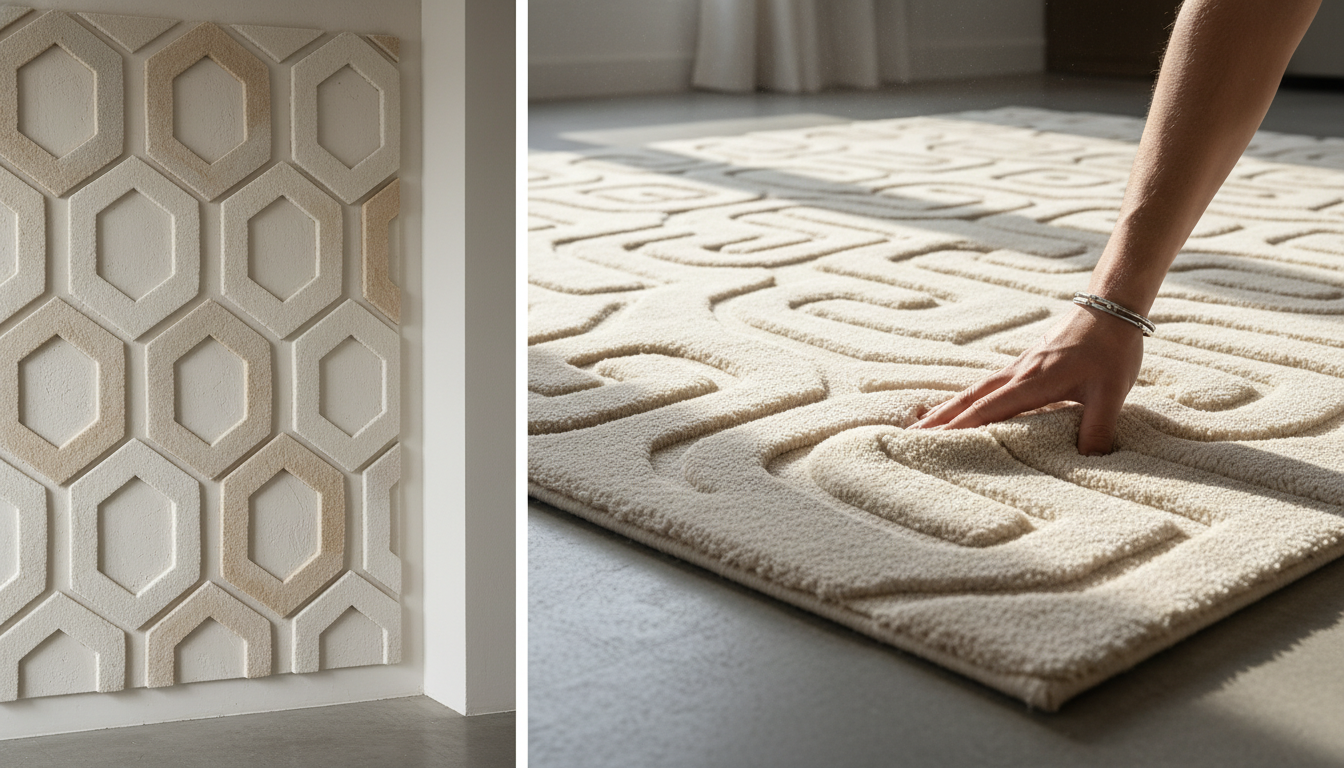
One of the most disruptive predictions for the coming seasons is the “transitional mounting” of these textiles. Because these rugs possess such significant sculptural depth, they are increasingly being treated as heavy-relief wall art. The weight and density of the high-low weave provide acoustic dampening, making them as functional on a gallery wall as they are in a minimalist lounge.
- Brutalist Relief: Sharp, geometric high-low cuts that mimic the cast-concrete textures of mid-century architecture.
- Erosional Organicism: Softer, flowing elevations that look like wind-swept sand dunes or eroding riverbeds.
- Micro-Plaster Grids: Tight, low-pile grids that offer a subtle, repetitive haptic sensation, ideal for grounding high-traffic sensory spaces.
Ultimately, the engineering of depth in 2026 is about the intimacy of touch. As our digital lives become increasingly flat, our physical environments are compensating with tectonic depth. These rugs do more than cover a floor; they provide a permanent, tactile connection to the architectural soul of the home.
Mineral & Bone: The Palette of the Sculptural Era
The Rise of Calcified Neutrals
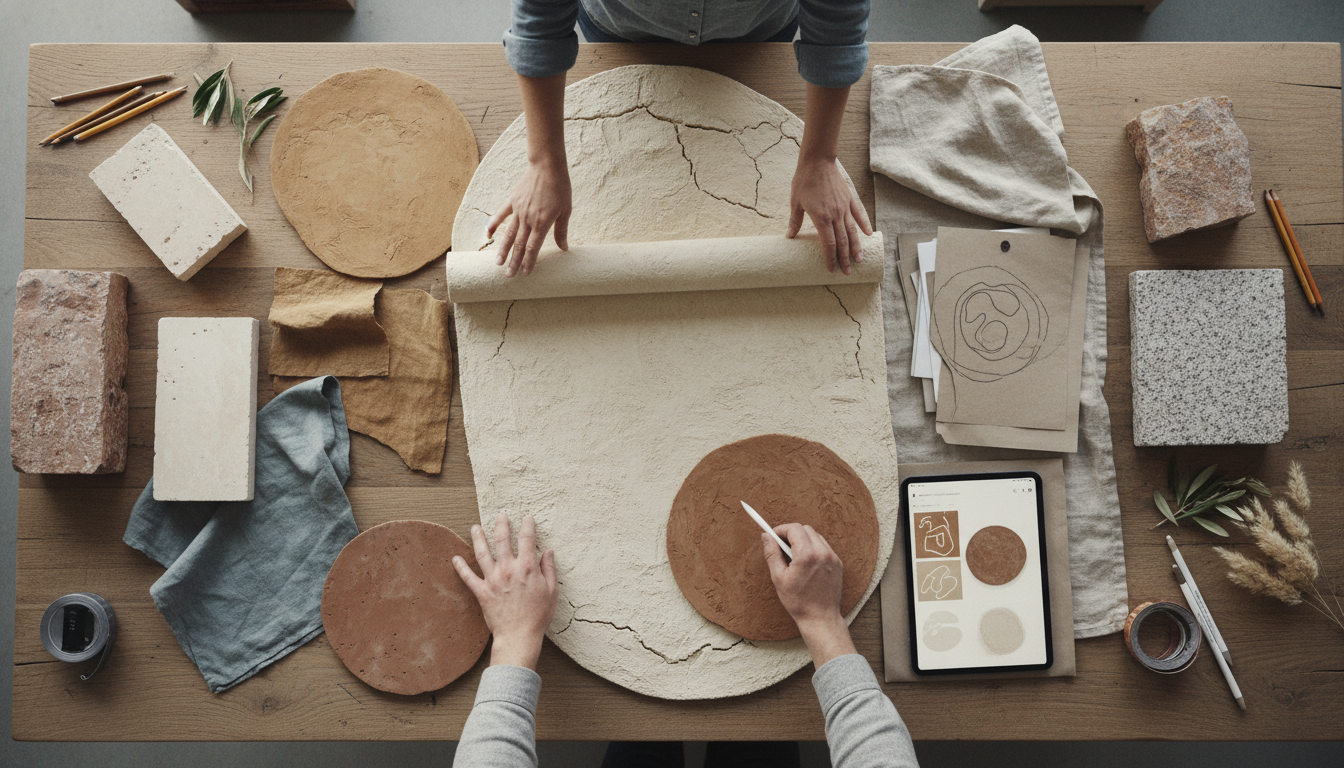
As we pivot toward 2026, the interior design landscape is shedding its obsession with synthetic pigments in favor of “un-pigmented luxury.” This movement is defined by a palette that draws directly from the earth’s rawest materials—think crushed limestone, sun-bleached bone, and wet silt.
The allure of haptic plaster rugs 2026 lies in their ability to communicate through texture rather than color. By stripping away visual noise, these pieces allow the architectural topography of the floor to become the room’s focal point, mimicking the hand-applied feel of Venetian plaster or ancient clay walls.
According to trend forecasters, the essential 2026 mineral palette will include:
- Chalk & Alabaster: Bright, cool-toned whites that catch morning light to highlight high-low shearing.
- Raw Parchment: A warm, unbleached wool tone that evokes the feel of aged manuscripts.
- Oxidized Silver: A cool, mineral grey that provides a metallic edge to organic fibers.
- Sedimentary Ochre: Deep, earthy yellows that look as though they were harvested directly from a canyon floor.
Architectural Depth Through Chiaroscuro
The sculptural era is less about “matching” a room and more about interacting with it. In these emerging designs, the “plaster” effect is achieved through a meticulous blend of matte wool and shimmering silk-viscose. This creates a natural chiaroscuro—the play of light and shadow—that changes as the sun moves across the space.
Premium curators like thebohorugs.com are already seeing a shift toward these artisanal, low-saturation textures. These rugs function as a “fifth wall,” providing a grounded, ancestral feeling that balances the sharp lines of modern brutalist furniture.
The structural integrity of haptic plaster rugs 2026 is not merely an aesthetic choice; it is a response to our need for tactile stimulation. In an increasingly digital world, the home is becoming a sanctuary of physical touch, where the floor provides a sensory experience as rich as any piece of fine art.
To successfully style this trend, designers are recommending a few specific approaches for the upcoming season:
- Monochromatic Layering: Pair a bone-colored plaster rug with linen upholstery and travertine tables for a seamless, high-end look.
- Directional Lighting: Use low-level floor lamps to cast long shadows across the rug’s high-low pile, emphasizing its sculptural relief.
- Contrast of Hard and Soft: Place a rugged, high-texture piece in a room with polished concrete or glass to create a sophisticated material tension.
Acoustic Art: The Functional Benefits of Sculpted Floors
Dimensionality as a Sound Strategy
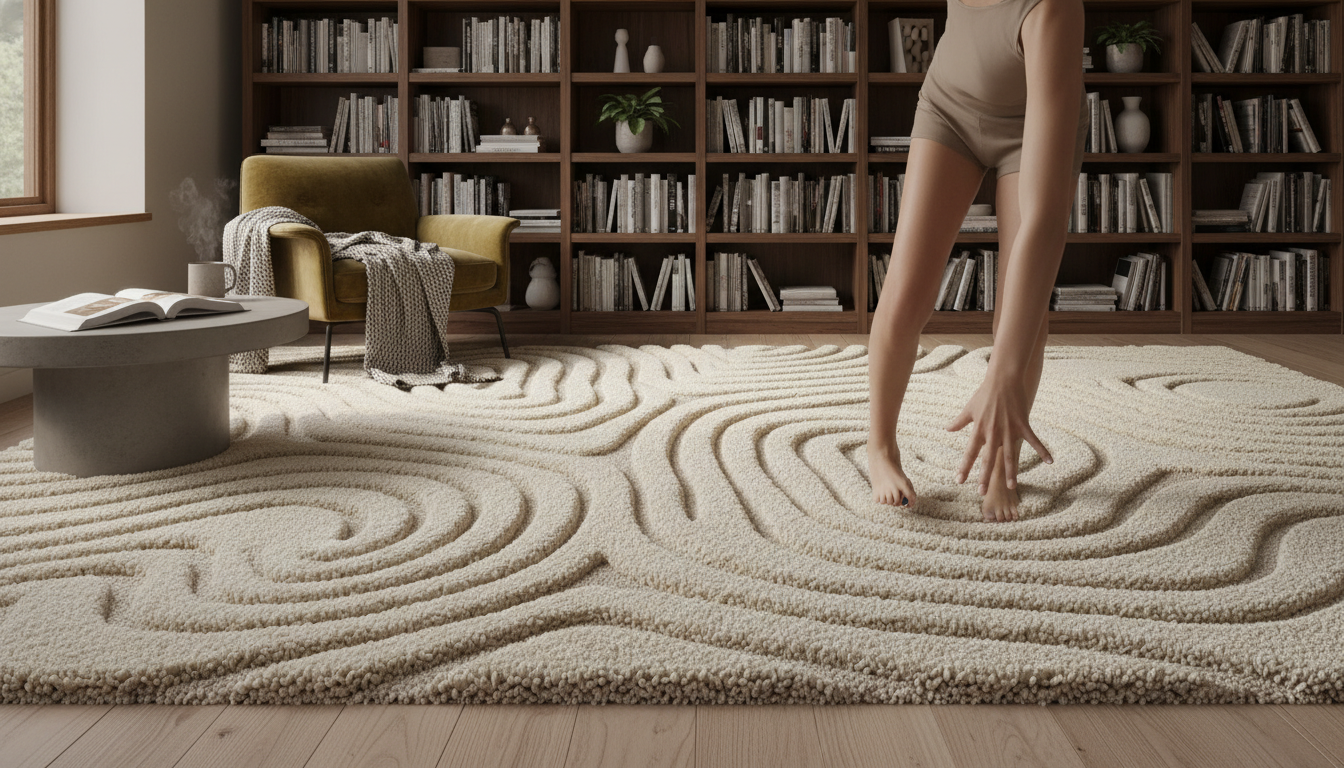
In the architectural landscape of the near future, the hard-edged minimalism of glass and stone meets its match in tactile innovation. The rise of haptic plaster rugs 2026 marks a shift where floor coverings are no longer mere accessories but critical components of a room’s acoustic envelope.
By mimicking the irregular elevations of traditional Venetian plaster, these rugs utilize high-low pile heights to create “sound traps.” These microscopic valleys and peaks break up sound waves, effectively neutralizing the echo common in cavernous, open-concept luxury dwellings.
The Bas-Relief Effect: Visual Depth and Sonic Stillness
The 2026 aesthetic is defined by a “quiet luxury” that speaks through texture rather than color. Artisans are increasingly utilizing carved wool and mineral-infused fibers to emulate the look of sun-bleached lime wash. This sculptural approach serves a dual purpose: it grounds a room visually while providing the dampening qualities of a professional-grade acoustic panel.
Expert curators at thebohorugs.com suggest that these pieces function as “horizontal wall art,” bridging the gap between cold structural elements and the need for residential intimacy. When selecting a piece, consider these three functional hallmarks of the trend:
- Variable Pile Densities: Using a mix of 10mm and 20mm heights to redirect sound reflections.
- Mineral-Toned Monochromatism: Utilizing shades of chalk, bone, and tufa to maintain a “plaster-cast” look that hides wear.
- Fiber Resilience: Incorporating high-twist wool blends that retain their “sculpted” shape under heavy foot traffic.
Engineering the Sensory Home
As we move deeper into the decade, the home is being reimagined as a sanctuary from digital overstimulation. Investing in haptic plaster rugs 2026 offers more than a visual statement; it provides a structural solution for zoning large spaces without the need for physical partitions.
- Acoustic Zoning: Define a dining or listening area by its sonic footprint, using the rug’s density to isolate noise.
- Tactile Navigation: Use the varied “hand” of the plaster-mimicking textures to guide movement through a gallery-style hallway.
- Thermal Massing: The dense, multi-layered construction provides superior insulation compared to traditional flat-weave alternatives.
Ultimately, the marriage of plaster-inspired aesthetics and textile engineering represents the pinnacle of functional art. These rugs do not just sit on the floor; they interact with the air, the light, and the very silence of the modern home.
Styling the Void: Negative Space and Rug Placement
The Architecture of Absence
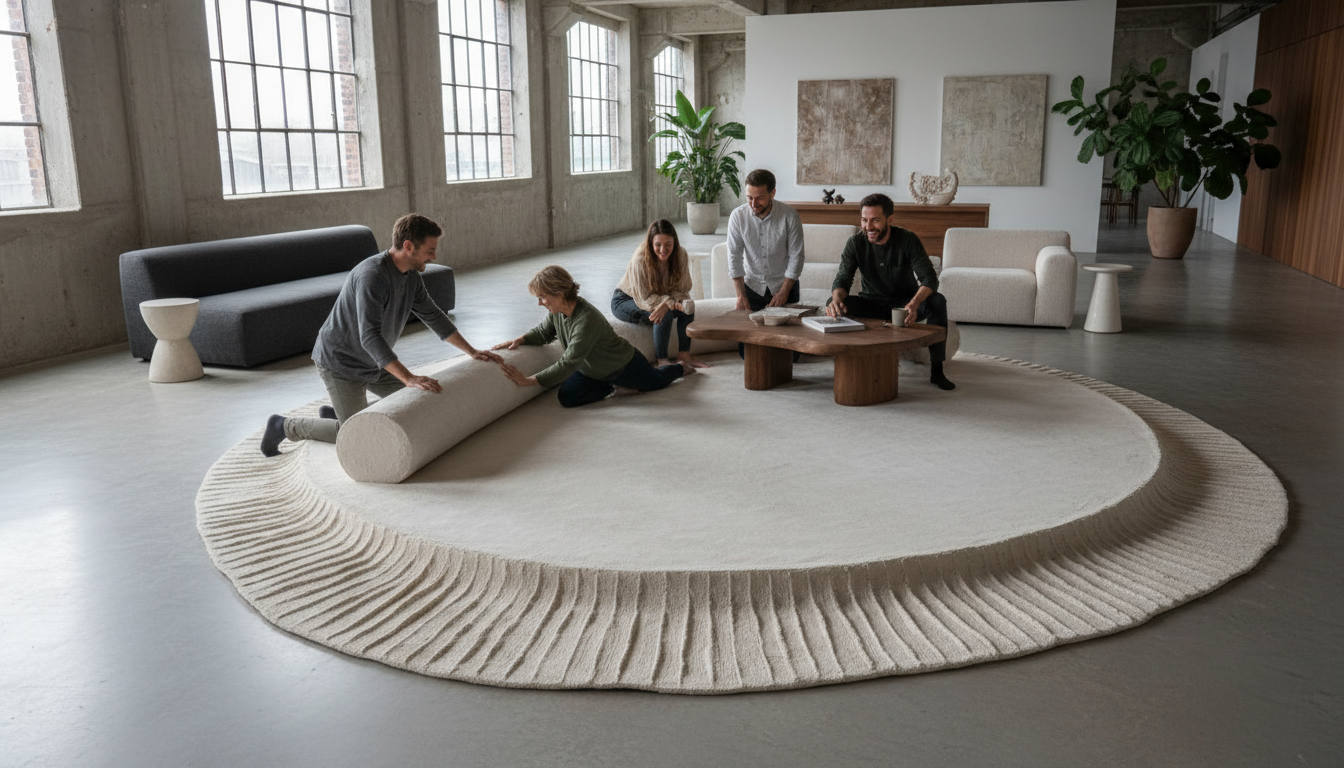
In the evolving interior landscape of the mid-decade, the “void” is no longer considered empty space; it is a deliberate design tool. As we look toward the rise of haptic plaster rugs 2026, the focus shifts from filling a room to framing the floor as a lithic masterpiece. These rugs, characterized by their varying pile heights and gesso-like textures, demand a surrounding “buffer” of bare floor to truly breathe.
Designers are moving away from the traditional wall-to-wall furniture anchoring. Instead, the sculptural topography of these rugs acts as a visual anchor, allowing the surrounding negative space to function as a gallery-style matte. This “floating” placement technique elevates the rug from a functional textile to a centerpiece of floor-bound art.
Mastering the High-Low Topography
To highlight the unique 3D qualities of haptic plaster rugs 2026, the placement of furniture must be surgical. Overcrowding the rug obscures the very shadows that give the “plaster” effect its depth. Consider these three placement strategies for 2026:
- The Asymmetrical Offset: Position only the front legs of a singular, curved sofa on the rug’s edge, leaving 70% of the textured surface exposed to catch the natural light.
- The Monolithic Island: For larger living spaces, treat the rug as an island of texture. Keep furniture entirely within its perimeter, but choose pieces with “leggy” profiles to allow the rug’s relief patterns to remain visible underneath.
- The Transitional Void: Use smaller, runner-sized plaster rugs in hallways as standalone sculptures, eschewing any surrounding furniture to emphasize the tactile transition between rooms.
Chiaroscuro and Surface Tension
The success of the haptic aesthetic relies heavily on the interplay of light and shadow. In 2026, we predict a surge in “low-level lighting” schemes—floor lamps and recessed baseboard LEDs designed specifically to rake across the high-low pile of the rug.
By leaving significant negative space around the rug, you create a stage for these shadows to move throughout the day. When sourcing these textural foundations, artisanal quality is paramount; many designers are turning to the curated collections at thebohorugs.com to find pieces that balance this raw, plaster-like grit with the softness required for high-end residential living.
The Material Dialogue
Styling the void is also about the conversation between the rug and the subfloor. The haptic plaster rugs 2026 trend works best when contrasted against cold, sleek surfaces that offer no competition to its rugged texture. Consider these pairings to enhance the sculptural effect:
- Micro-cement floors: A tone-on-tone approach that blurs the line between the rug and the room’s architecture.
- Charred wood (Shou Sugi Ban): The dark, matte finish of the wood provides a dramatic backdrop for the chalky, “plastered” look of the rug.
- Poured resin: The high-gloss finish of resin serves as a perfect foil to the matte, three-dimensional ridges of the rug’s pile.
Ultimately, the move toward these sculptural floor coverings represents a shift toward “sensory minimalism.” By respecting the negative space and choosing rugs with genuine haptic depth, a room achieves a sense of permanence and architectural weight that flat textiles simply cannot provide.
From Wall to Floor: The Influence of Relief Sculpture
The Transcendence of Verticality
For decades, relief sculpture—ranging from the brutalist bronze experiments of the mid-century to contemporary limestone carvings—has been reserved for the gallery wall. As we approach the mid-decade mark, this aesthetic is experiencing a seismic shift in orientation. The rise of haptic plaster rugs 2026 signals a departure from flat, graphic patterns toward a topographic floor language that mimics architectural surfaces.
This evolution is driven by a desire for “monolithic minimalism.” Interior architects are increasingly treating the floor as a fifth wall, utilizing varied pile heights to create shadows and highlights that shift with the natural light of a room. By translating the gestural marks of a sculptor’s chisel into soft fibers, these pieces bridge the gap between cold structuralism and domestic comfort.
Materiality and the Monolithic Aesthetic
The allure of haptic plaster rugs 2026 lies in their deceptive materiality. At a glance, these rugs appear as solid slabs of travertine or hand-troweled lime wash; upon contact, they reveal a complex interplay of matte wools and luster-heavy silks. The 2026 forecast suggests a pivot toward “raw” finishes that prioritize the following characteristics:
- High-Contrast Topography: Utilizing “drop-stitch” techniques to create deep ravines and elevated plateaus within a single textile.
- Mineral Palettes: A focus on monochromatic hues like kaolin, bone, and oxidized chalk to emphasize form over color.
- Eroded Edges: Moving away from perfect rectangles toward organic, perimeter-less shapes that bleed into the surrounding floor.
This trend demands a high level of artisanal precision. Curators like thebohorugs.com have noted that the most successful interpretations of this style rely on hand-tufted craftsmanship, where the weaver can manually control the “carving” of the pile to mirror the fluidity of wet plaster.
Curating the Sculptural Interior
Integrating haptic plaster rugs 2026 requires an understanding of shadow play. Unlike traditional oriental or Persian rugs that anchor a room through intricate detail, these sculptural pieces anchor through weight and texture. They function best in environments where furniture is kept low to the ground, allowing the rug’s three-dimensional peaks to interact with the architecture of the space.
- Lighting Strategy: Use low-angle floor lamps to exaggerate the relief shadows of the high-low pile.
- Material Contrast: Pair these rugs with “hard” materials—think smoked glass, poured concrete, or brushed steel—to highlight their tactile softness.
- Spatial Flow: Use organic-shaped plaster rugs to soften the rigid lines of modern hallways and open-concept living zones.
As we move toward a more tactile era of interior design, the floor is no longer a passive surface. It is a canvas for three-dimensional expression, where the boundaries between fine art and functional decor finally dissolve.
Sustainable Sophistication: Eco-conscious Mineral Fibers
The Evolution of Geological Tactility
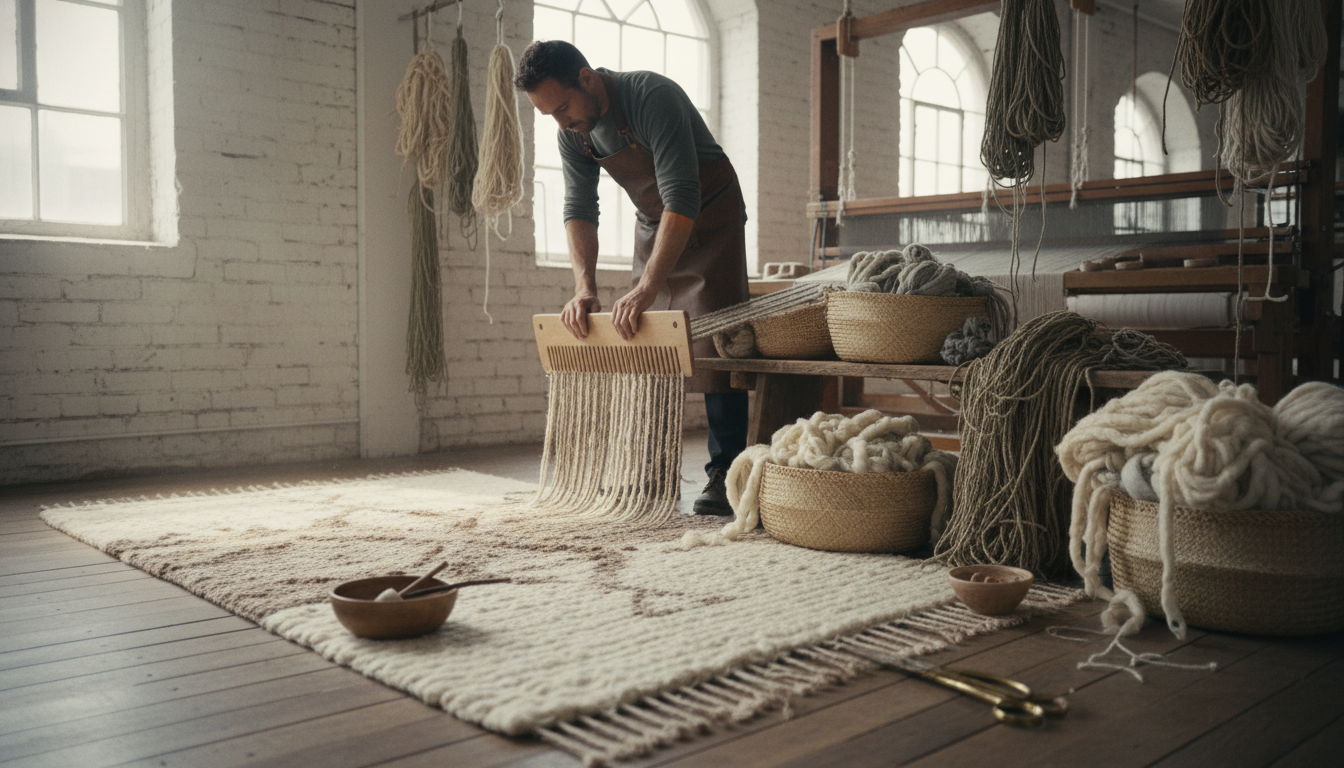
As we approach the mid-decade shift, the luxury interiors market is pivoting from the merely “green” to the profoundly geological. The emergence of haptic plaster rugs 2026 represents a sophisticated intersection of ancient masonry and modern textile engineering, moving away from petroleum-based synthetics toward a mineral-heavy composition.
This trend redefines the “sculptural floor,” treating the rug not as a soft covering, but as a low-profile extension of the home’s architecture. By utilizing crushed limestone and recycled marble dust infused into natural fibers, designers are creating surfaces that mimic the chalky, matte allure of Venetian plaster while maintaining the necessary flexibility for interior use.
Material Innovation: Beyond Organic Cotton
The 2026 aesthetic demands more than just sustainability; it requires a sensory narrative. We are seeing a move toward “Mineralism,” where the carbon footprint is reduced through the use of carbon-sequestering binders and volcanic basalt fibers. These materials provide a structural rigidity that allows for the high-low relief patterns defining the season.
- Recycled Silica Coatings: Providing a grit-refined finish that catches light like raw travertine.
- Basalt-Reinforced Weaves: Offering extreme durability for high-traffic “gallery” spaces within the home.
- Bio-Based Plaster Resins: Derived from agricultural waste, these resins solidify the “high” points of the rug without sacrificing the soft “low” valleys of the pile.
The 2026 Aesthetic: Biophilic Brutalism
The visual language of these rugs is one of “Biophilic Brutalism”—a style that is both raw and deeply intentional. Expect to see monochromatic palettes of bone, sedimentary grey, and oxidized ochre. The appeal lies in the inconsistency; the way a hand-troweled finish creates a shadow play across the floor, mimicking the topography of an ancient riverbed.
For those looking to anchor a room with this level of textural gravity, sourcing becomes a matter of provenance. Platforms like thebohorugs.com have become essential curators for this movement, offering artisanal pieces that bridge the gap between traditional weaving and this new, stone-inspired materiality.
Designing for Longevity and Sensation
- Zonal Lighting: To fully appreciate the 3D relief of haptic plaster rugs 2026, designers recommend low-level grazing light to emphasize the “plaster” peaks.
- Mixed Media Layering: Pair these mineral-heavy textures with raw silk or smooth walnut furniture to create a high-contrast sensory experience.
- Circular Maintenance: These mineral-infused fibers are naturally antimicrobial and fire-resistant, offering a functional upgrade to the traditional wool rug.
Ultimately, the move toward mineral fibers signifies a collective desire for interiors that feel permanent and grounded. It is a rejection of the ephemeral, favoring a floor covering that ages as gracefully as a frescoed wall.
The Investment Value of Art-Grade Textiles
Redefining the Rug as a Horizontal Masterpiece
In the evolving landscape of interior curation, the distinction between functional floor coverings and collectible art is dissolving. For the sophisticated homeowner, the floor is no longer a background element; it is a sprawling canvas that dictates the room’s architectural soul.
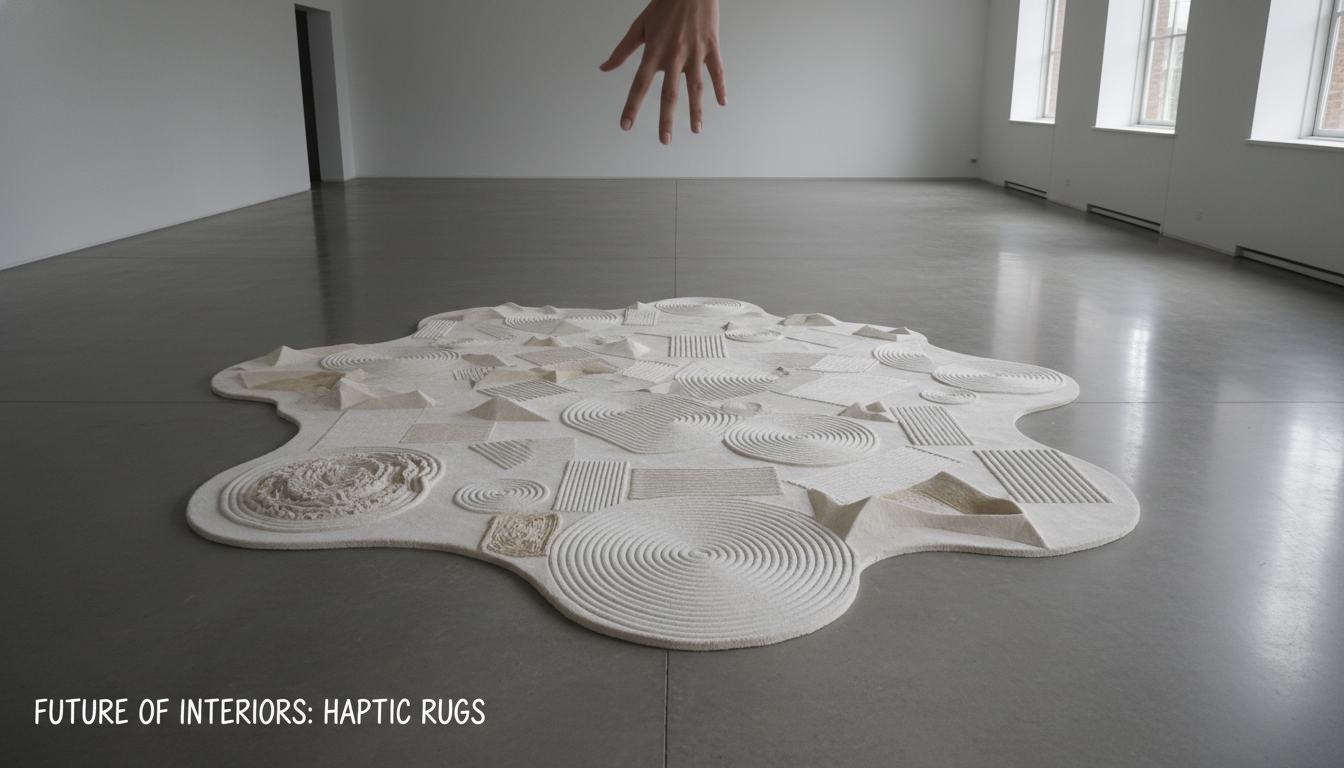
The rise of haptic plaster rugs 2026 marks a pivot toward “tactile topography.” Unlike traditional flat-weaves, these pieces utilize varying pile heights and high-twist yarns to mimic the raw, troweled finish of Venetian plaster or limestone. This sculptural approach transforms a living space into a gallery, where light and shadow dance across the rug’s surface throughout the day.
Investing in these textiles requires a shift in perspective. Collectors are now prioritizing pieces that offer a sensory experience, viewing the rug as a foundational asset that appreciates in aesthetic value as much as a framed lithograph or a designer chair.
Why Collectors are Pivoting to Sculptural Surfaces
The investment allure of these rugs lies in their complexity. To achieve the “plaster” effect, artisans must master the interplay of density and relief. This craftsmanship ensures that the rug is not merely a trend, but a durable piece of design history.
- Chiaroscuro Effects: The high-low construction creates natural shading, meaning the rug changes appearance based on the sun’s position, offering a dynamic visual experience.
- Material Density: High-grade haptic pieces often utilize premium hand-spun wools and silk blends that maintain their structural integrity for decades.
- Spatial Versatility: Because they mirror architectural finishes, these rugs integrate seamlessly with both brutalist concrete and warm, minimalist interiors.
As the market moves away from disposable “fast-furniture,” platforms like thebohorugs.com are becoming essential resources for sourcing these artisanal investments. By focusing on hand-knotted techniques that favor texture over busy patterns, these rugs cater to a discerning clientele that values quiet, sophisticated luxury.
2026 Predictions: The Rise of the Secondary Textile Market
Looking toward the 2026 horizon, experts predict a robust secondary market for “art-grade” textiles. Much like mid-century modern furniture, specific haptic designs will be sought after for their provenance and unique tactile signatures.
- Limited Production: The labor-intensive nature of creating haptic plaster rugs 2026 means supply rarely meets the soaring demand of the luxury sector.
- Sustainability as Value: Natural, undyed fibers used in these sculptural pieces align with the future of “conscious luxury,” increasing their long-term desirability.
- The “Wall-to-Floor” Transition: We are seeing an increase in collectors hanging these rugs as tapestries before transitioning them to the floor, doubling their utility and life cycle.
Ultimately, the value of a high-low plaster rug transcends its comfort underfoot. It represents a commitment to a curated life, where every element—from the ceiling molding to the floor’s texture—is a deliberate expression of artistry.
Elevate Your Space
Discover the artistry of handmade luxury. Each rug is a masterpiece of tradition and modern design.
Expert Q&A
What exactly are haptic plaster rugs 2026?
They are a new class of sculptural rugs that use varied pile heights to mimic the physical, irregular texture of architectural plaster finishes.
Why is ‘haptic’ a buzzword for 2026?
Haptic refers to the sense of touch; designers are prioritizing physical sensation to counter the increasing digital nature of our lives.
Are these rugs difficult to clean?
While the high-low texture requires more thorough vacuuming, the dense construction and natural oils in high-quality wool make them surprisingly resilient.
What colors define the haptic plaster rug trend?
The palette is mineral-driven, focusing on chalky whites, travertine beige, cement grey, and oxidized clay.
How does ‘high-low’ construction work?
It involves weaving fibers at different heights, often combining cut pile and loop pile to create a three-dimensional effect.
Can these rugs replace traditional wall art?
Yes, many designers are treating these rugs as ‘floor art’ or even hanging them as acoustic wall tapestries.
Are they suitable for high-traffic areas?
Low-profile haptic rugs are fine, but deeply sculptural versions are best suited for bedrooms, libraries, or formal sitting rooms.
What materials are typically used?
Premium wool is the standard, often blended with silk or Tencel to create varying sheen levels that mimic plaster finishes.
How do these rugs affect room acoustics?
The varied pile heights and density are excellent for breaking up sound waves, significantly reducing echo in minimalist spaces.
Do they fit in a maximalist home?
While rooted in minimalism, their intense texture can provide a sophisticated neutral anchor in a maximalist, pattern-filled room.
Are haptic plaster rugs 2026 eco-friendly?
The trend emphasizes natural, undyed fibers and sustainable weaving practices, making many of these rugs highly eco-conscious.
How do I style furniture on a high-low rug?
Use furniture with slim or pedestal legs to minimize the visual weight and allow the rug’s texture to remain visible.
What is the price point for these rugs?
Due to the complex weaving required for sculptural effects, they are generally positioned at a premium price point.
Can I use a haptic rug in a bathroom?
Only if it is specifically made from moisture-wicking materials; generally, the wool versions are better for dry living areas.
What rug pads are best for sculptural rugs?
A firm, low-profile felt pad is best to provide stability without adding unnecessary height to the already thick rug.
Is the plaster look purely aesthetic?
Yes, they mimic the look of plaster but provide the softness and warmth of high-quality textiles.
What is the lifespan of a haptic plaster rug?
A well-maintained wool sculptural rug can last 20 to 50 years, becoming a family heirloom.
Does the texture flatten over time?
Quality wool has high ‘bounce back’ properties, but rotating the rug regularly helps prevent permanent flattening in walk paths.
Are these rugs handmade or machine-made?
The best examples of this trend are hand-tufted or hand-knotted to achieve the intricate variations in height.
Can haptic rugs work with underfloor heating?
Yes, natural wool is a breathable material that works well with underfloor heating systems.
What design style best complements these rugs?
Japandi, Soft Minimalism, and Mediterranean Modernism are the perfect stylistic partners for this trend.
How do lighting choices affect the rug’s look?
Side-lighting or low-angle sunlight emphasizes the ‘plaster’ relief and creates dramatic shadows within the weave.
Are there synthetic versions of haptic rugs?
Yes, high-end polyester and recycled nylon versions exist, offering easier maintenance at a lower price point.
Do haptic rugs shed more than flat rugs?
Initially, yes, especially the higher pile sections, but this subsides after a few months of regular vacuuming.
What sizes are most popular for this trend?
Oversized ‘room-filling’ rugs are trending, as they create a cohesive sculptural floor plane.
Can I customize the ‘plaster’ pattern?
Many high-end manufacturers offer bespoke services where you can design the relief pattern to match your architecture.
Why is the plaster texture so appealing now?
It evokes a sense of permanence and hand-crafted quality in an age of mass-produced, flat-packed furniture.
Are these rugs pet-friendly?
Low-loop sections are safe, but very high-pile areas may catch claws; choose a tighter weave if you have active pets.
How do I spot-clean a high-low rug?
Blot immediately with a white cloth and use a specialized wool cleaner, being careful not to scrub and disrupt the sculptural fibers.
What will follow the haptic plaster trend?
Predictions suggest a move toward ‘hyper-nature’ textures, mimicking moss, bark, and eroded rock formations.
Written by TheBohoRugs Interior Design Team
Experts in handmade rugs, boho interiors, and modern home decor.

