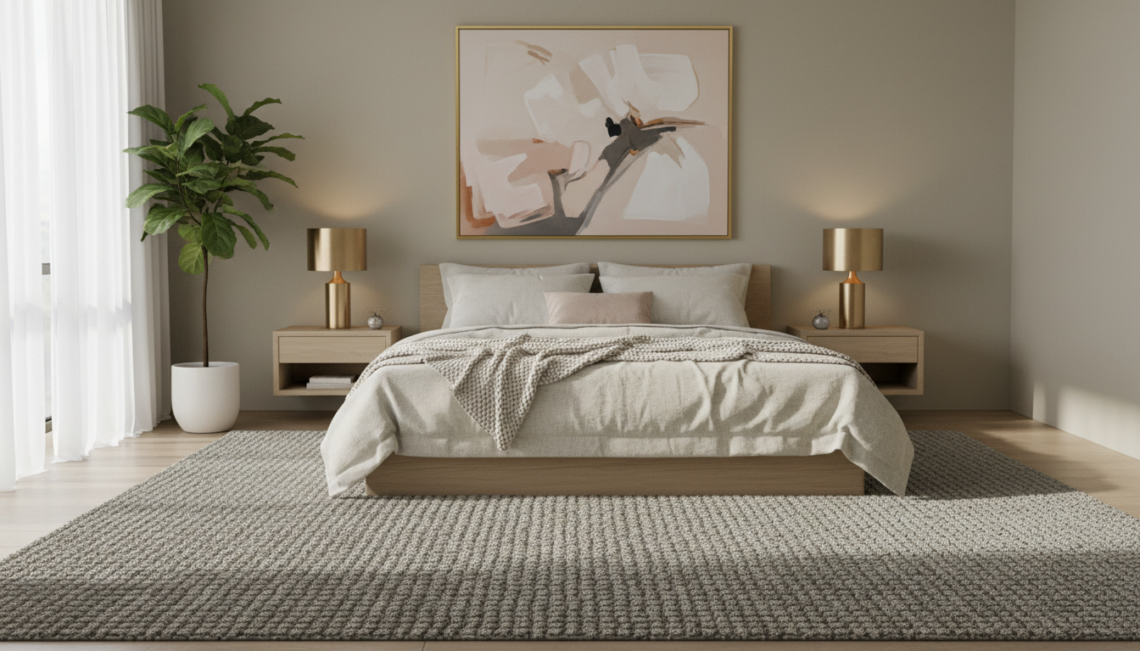
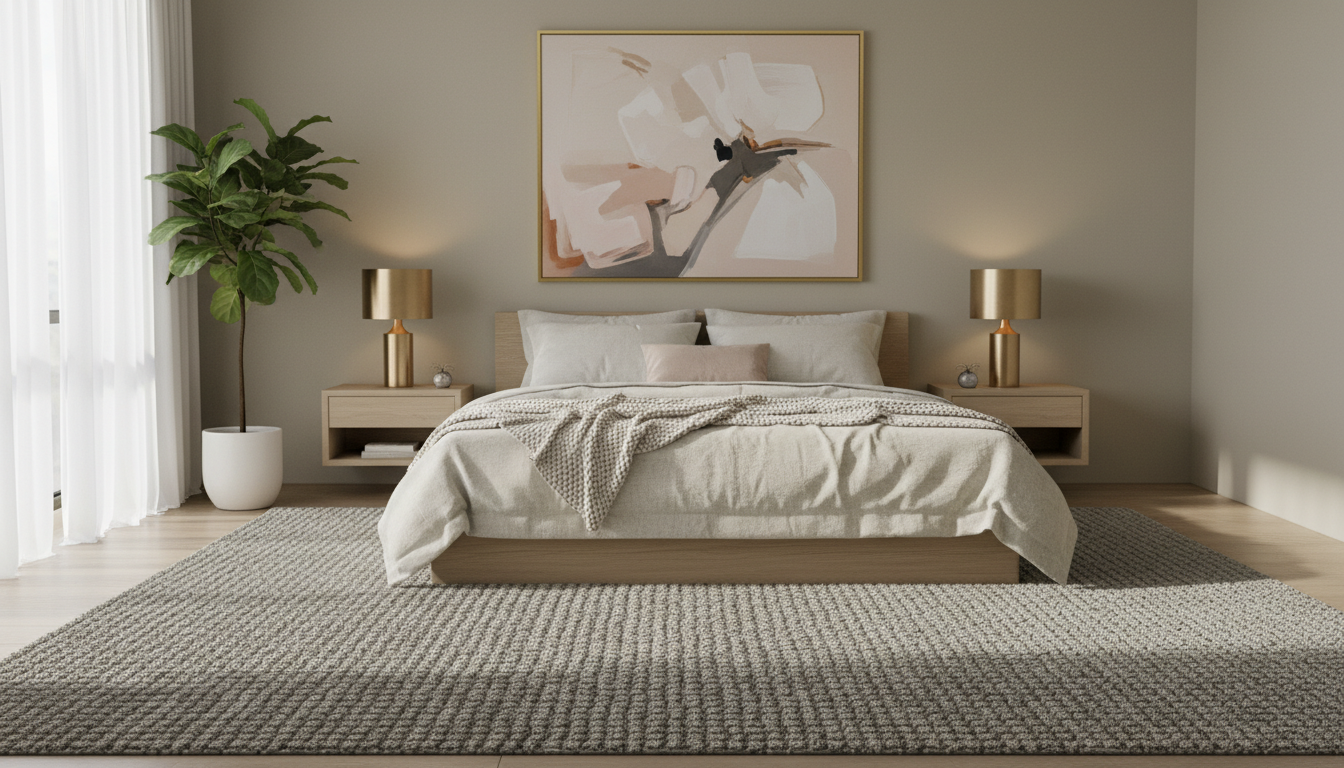
While searching for a New Blog Topic: that truly defines the future of restful interiors, we discovered that 2026 marks the end of the ‘floating furniture’ era, replacing it with the rug-as-foundation philosophy. No longer just a textile underfoot, the rug has become the emotional anchor of the bedroom, dictating the tactile rhythm and color narrative of our most private spaces. In this high-end editorial guide, we move beyond basic placement to explore ten curated setups where sustainable wools, recycled silks, and artisanal weaving meet sophisticated furniture pairings. Whether you are leaning into the visceral warmth of Terracotta or the quiet luxury of Mushroom Taupe, these rules ensure your sanctuary feels both grounded and ethereal.
“To create a perfect bedroom rug setup in 2026, start with a large-scale rug that extends at least 24-36 inches beyond the sides of a queen or king bed. Use the rug’s secondary tones to dictate your bedding and wall colors for a cohesive palette. Key trends for 2026 include high-low pile textures in Soft Sage for biophilic warmth, Deep Charcoal for moody luxury, and textured Mushroom Taupe for a ‘quiet luxury’ aesthetic. Always avoid cool-grey walls with warm-toned rugs to maintain visual harmony.”
The Roadmap
Table of Contents
- The 2026 Bedroom Philosophy: Why the Rug Comes First
- Setup 1: Soft Grey Rug – The Calm Modern Sanctuary
- Setup 2: Warm Beige / Oat Rug – Earthy Grounded Retreat
- Setup 3: Terracotta / Clay Rug – Warm Inviting Haven
- Setup 4: Soft Sage Green Rug – Biophilic Calm Oasis
- Setup 5: Deep Charcoal Grey Rug – Moody Luxe Bedroom
- Setup 6: Mushroom Taupe Rug – Quiet Luxury Defined
- Setup 7: Ivory / Cream Rug – Bright Airy Sanctuary
- Setup 8: Olive Green Rug – Modern Organic Textures
- Setup 9: Dusty Rose Rug – Soft Romanticism Redux
- Setup 10: Rich Chocolate Brown Rug – The Cozy Luxe Cocoon
- The 2026 Decision Framework: Choosing Your Foundation
Setup 1: Soft Grey Rug – The Calm Modern Sanctuary
The Quiet Power of the Warm Greige Foundation
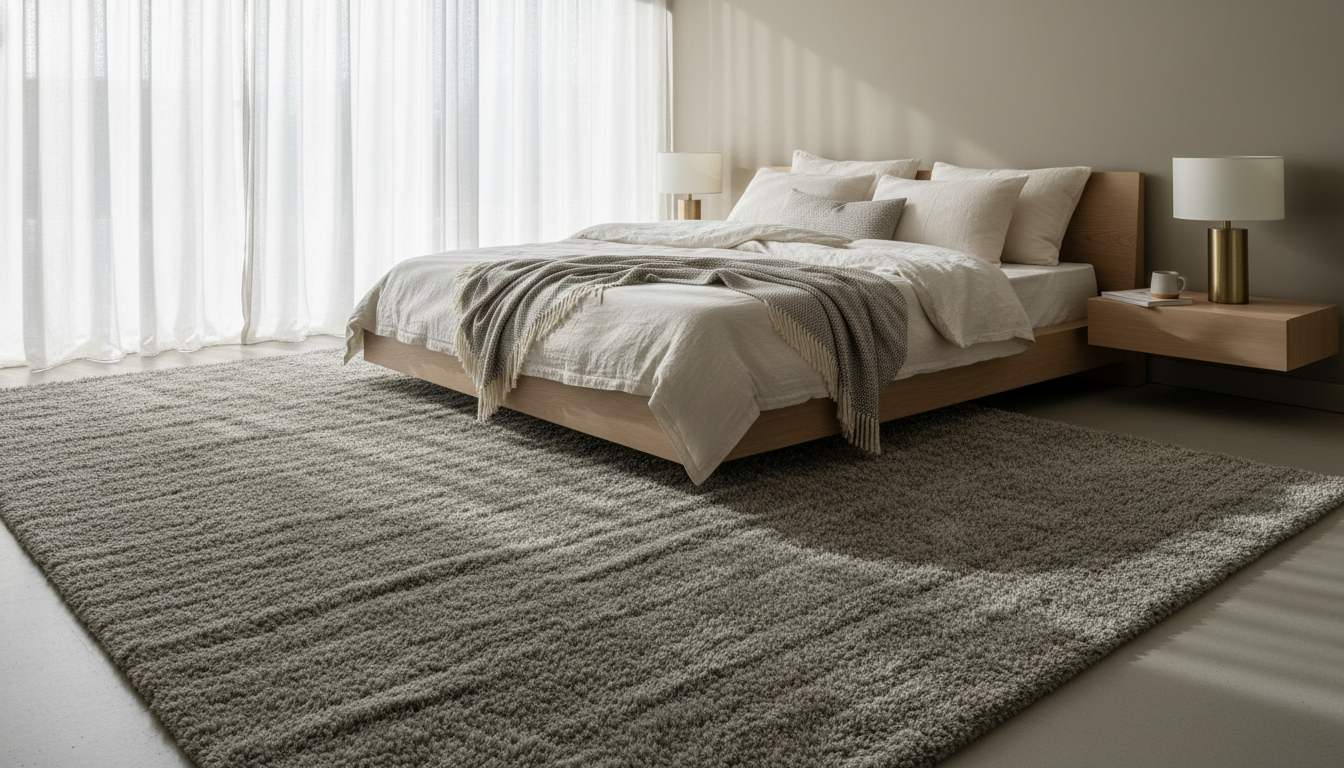
For 2026, the design world is pivoting away from the sterile “hospital greys” of the last decade, favoring what we call living neutrals. This setup isn’t about making a loud statement; it’s about creating a tactile, sensory experience that begins underfoot. A high-low pile rug in a warm charcoal or greige creates a rhythmic texture that breaks up the visual monotony of a bedroom floor, offering a kinetic quality that shifts as the morning light hits the fibers.
“We are seeing a significant shift toward Bio-Acetate fibers and hand-spun wool in the 2026 collections,” notes Julian Thorne, a Lead Textile Historian. “The goal is to move away from flat, machine-made surfaces. A soft grey rug today should feel like an heirloom—something with depth, slight variegation in the yarn, and a weight that anchors the room without suffocating it.”
The Essentials for Execution
- Wall Palette: Opt for walls with a Light Reflectance Value (LRV) between 60 and 75 in a warm greige. Avoid pure cool-toned greys, which can feel clinical. The wall should feel like a soft embrace, not a cold shadow.
- Furniture Pairings: Stick to the “organic duo”—light oak or matte walnut. The warmth of the wood grain provides a necessary organic counterpoint to the cool undertones of the rug.
- The Bedding Layer: Mix your textures. Use ivory linen sheets paired with a heavy-gauge knit cream throw. This “tone-on-tone” approach creates luxury through depth rather than color.
- Hardware: Brushed brass adds a flick of jewelry-like warmth, while matte black provides a modern, architectural edge.
Missteps to Sidestep
The most common mistake is pairing a soft grey rug with cool blue-grey walls; this creates a “refrigerator effect” that saps the room of its soul. Similarly, avoid oversized, heavy mahogany or dark cherry furniture. In 2026, the luxury aesthetic is “light and lifted.” Heavy furniture blocks the visual flow of the rug’s texture, making the room feel dated and cramped. Finally, steer clear of stark, “builder-grade” white walls—they create a harsh contrast that makes the rug look dirty rather than intentional.
The Finishing Touches
To elevate this sanctuary, introduce a single oversized abstract painting featuring muted blush and charcoal tones. This ties the floor to the walls. Biophilic elements are non-negotiable for a modern bedroom; a tall Fiddle Leaf Fig or a statement Monstera in a concrete planter adds a vibrant, living green that thrives against a grey backdrop. If you’re sourcing for this look, artisanal collections—like those found at thebohorugs.com—often offer the hand-knotted wool textures required to achieve this specific level of “Quiet Luxury.”
When selecting your grey rug, look for sculpted high-low piles. By varying the height of the wool by just 2-3mm, the rug creates natural shadows. This ensures that even a monochromatic grey rug looks expensive and multi-dimensional under the soft glow of a 2700K warm-toned bedside lamp.
Setup 2: Warm Beige / Oat Rug – Earthy Grounded Retreat
The Organic Grounding of the “New Neutral”
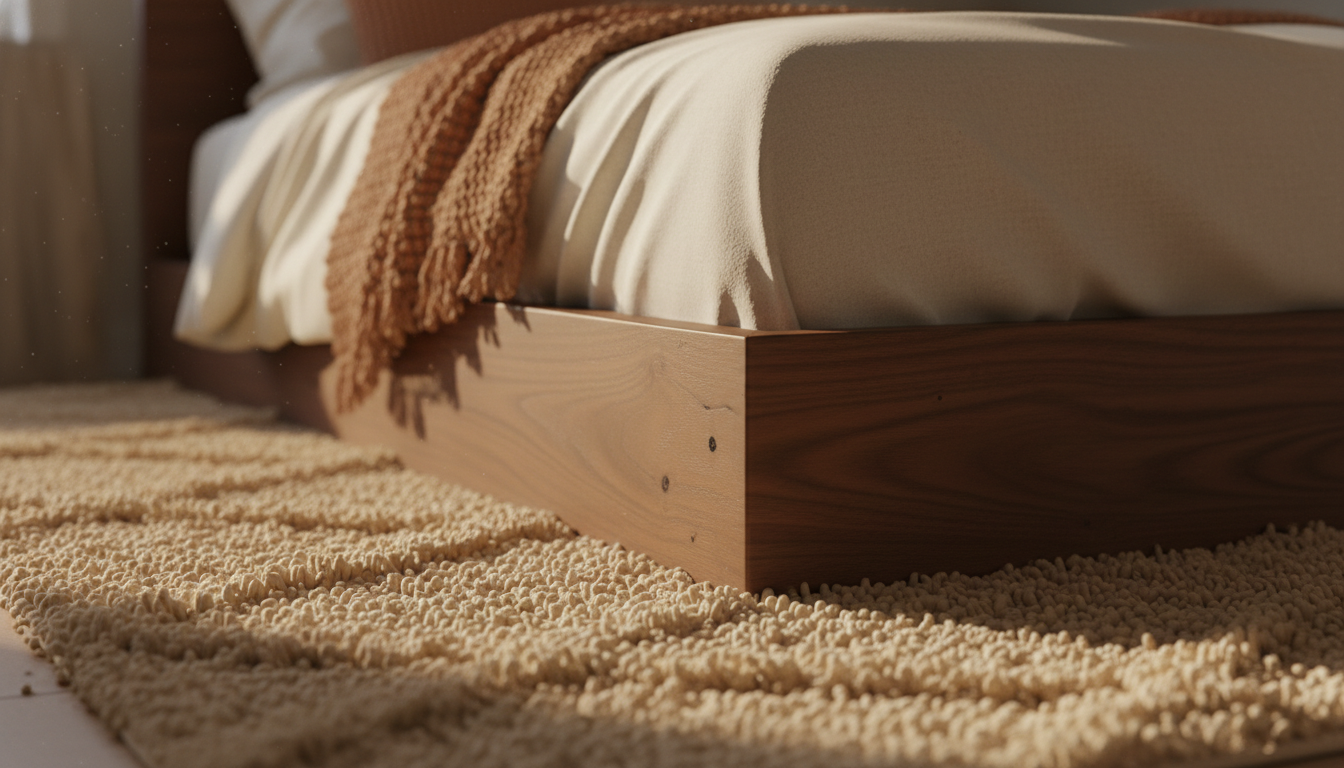
As we move into 2026, the design world is witnessing a definitive pivot away from the clinical “Grey Era” toward what we call Organic Luxe. At the heart of this movement is the warm beige or oat-toned rug. Unlike the flat tans of a decade ago, these modern iterations—often found in the curated collections at thebohorugs.com—rely on sculpted bouclé and high-low wool piles to create a sense of movement underfoot. It’s about creating a “grounded retreat” where the floor feels like an extension of the earth itself.
The secret to this setup’s success lies in the Light Reflectance Value (LRV). While a stark white rug can feel jarring, an oat rug with an LRV between 55 and 65 absorbs just enough light to soften the room’s harder angles, making it the ideal foundation for a restorative sleep space.
“In 2026, we are seeing a resurgence of hand-tufted textures that mimic the natural undulations of the Atlas Mountains,” notes Julian Thorne, Senior Textile Historian. “An oat rug isn’t just a color choice; it’s a tactile commitment to biophilic living. When you pair these tones with natural fibers like bio-acetate blends, you get a subtle sheen that mimics morning dew on sand.”
The Essential Elements for Success
- Wall Tones: Opt for creamy whites or soft taupes with a yellow or red undertone. A flat, cool white will make the rug look “dirty,” whereas a warm bone or almond shade creates a seamless, enveloping atmosphere.
- The Furniture Foundation: Natural walnut or light oak is non-negotiable here. The visible grain of the wood complements the irregular texture of a bouclé or sand-toned rug.
- Bedding Layers: Think in layers of ivory and warm beige. Mixing linen sheets with a heavy-gauge cotton coverlet adds monochromatic depth without the need for high-contrast colors.
- The Finishing Touch: Incorporate rattan or woven seagrass accents. These elements bridge the gap between the soft rug and the solid furniture, completing the “grounded” aesthetic.
Pitfalls to Sidestep
The most common mistake is introducing stark white walls; the lack of pigment in the paint creates a visual disconnect that makes the room feel unfinished. Similarly, avoid heavy black furniture. The weight of dark silhouettes can feel like an anchor dragging through the softness of the oat rug, disrupting the visual flow. Lastly, resist the urge to bring in cool-toned grey bedding. The clash between the warm yellow-base of the rug and the blue-base of the grey will create an unsettling vibration in the room’s energy.
Elevating the Aesthetic
To truly capture the editorial look, introduce a pop of terracotta or burnt orange through velvet lumbar pillows or a small ceramic vase. This provides a focal point within the neutral field. For an extra layer of luxury, place a jute runner from thebohorugs.com along the side of the bed to provide a textural contrast against the softer wool rug. Finally, bringing in life through dried pampas grass or a specimen olive tree adds the final biophilic layer that 2026 design demands.
To avoid a “flat” beige room, apply the Double-Texture Rule: if your rug is a smooth, low-pile wool, your window treatments should be a heavy, open-weave linen. If your rug is a chunky bouclé or sculpted pile, opt for smooth, matte-finish furniture surfaces. This tension between textures is what separates a professional design from a standard retail showroom look.
Setup 3: Terracotta / Clay Rug – Warm Inviting Haven
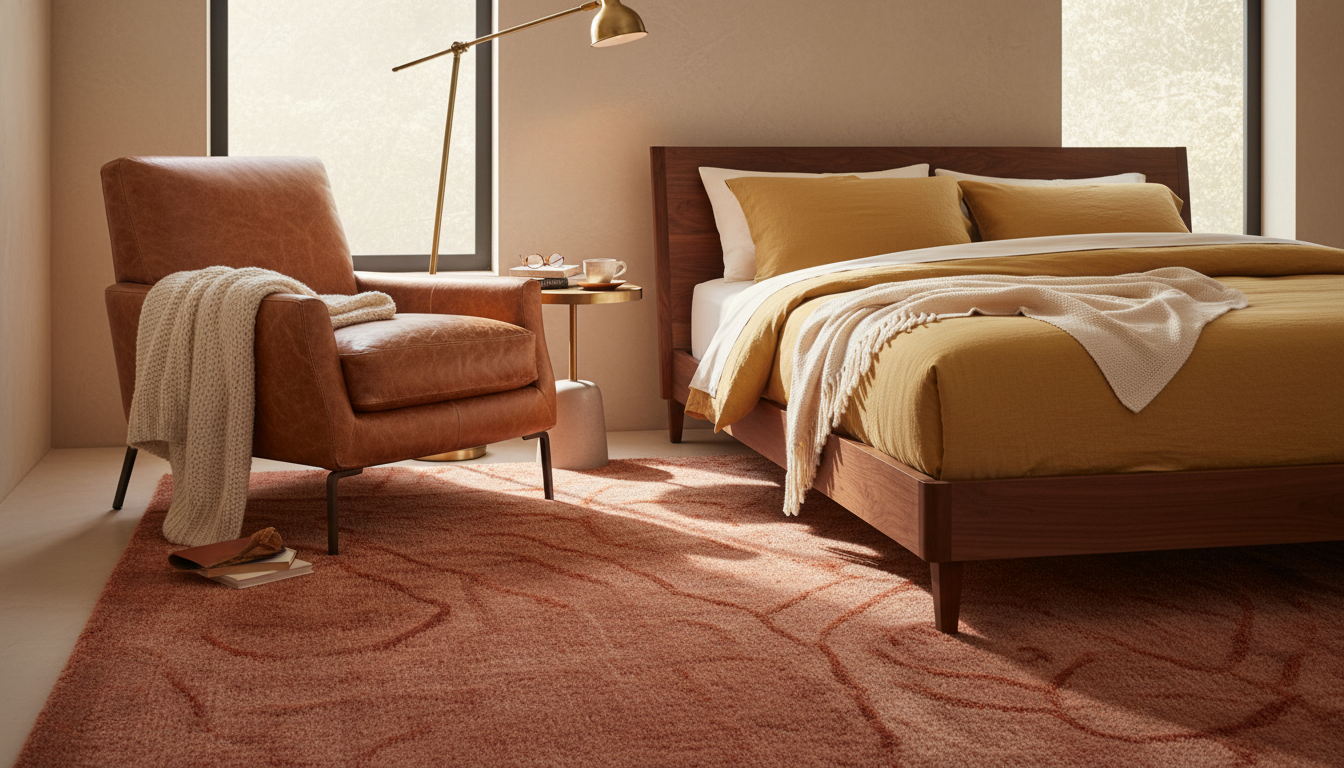
The Return to Earth: Embracing the Chromatic Heat of Clay
As we pivot toward 2026, the design world is seeing a definitive shift away from the clinical minimalism of the last decade. We are entering an era of “Thermal Aesthetics,” where the goal is to create spaces that feel physically and emotionally warming. A muted terracotta or burnt orange rug serves as the heartbeat of this movement. Unlike the saturated oranges of the mid-century, the 2026 palette favors high-iron oxide pigments and sun-baked finishes that feel like they’ve been pulled directly from an Adobe landscape or a Mediterranean villa.
To ground this look, the rug should ideally feature a low-to-medium pile. We are seeing a particular interest in hemp and wool blends that offer a matte, slightly rugged texture. This tactile quality mimics the organic irregularities of natural clay, providing a sensory experience the moment your feet hit the floor in the morning. When sourcing these pieces, collections like those at thebohorugs.com often showcase the hand-knotted variations that provide the necessary depth of color to keep the room from feeling one-dimensional.
Mastering the Palette: The Alchemy of Sand and Walnut
The success of a terracotta-based room depends entirely on the surrounding “envelope.” To let the rug lead, the walls must provide a soft, non-competing backdrop. Opt for warm white or sand-toned walls with a Light Reflectance Value (LRV) between 65 and 75; this ensures the room stays bright while absorbing the warm glow reflected off the rug. For furniture, the rule for 2026 is high-contrast sophistication. Dark walnut or black-stained ash furniture provides a necessary visual anchor, preventing the earthy tones from becoming too “boho-clutter” and instead elevating the space into the realm of luxury.
- Must Do: Pair your rug with mustard yellow and cream bedding. This creates a tonal “sunset” effect that is incredibly soothing to the eye.
- Must Do: Integrate brushed brass or antique gold hardware. The metallic warmth pulls the hidden yellow undertones out of the clay-colored fibers.
- What to Avoid: Steer clear of cool blue-grey walls. The visual tension between the “heat” of the rug and the “cold” of the paint creates a muddy atmosphere that feels dated.
- What to Avoid: Avoid light blonde or “honey” oak furniture; the lack of contrast makes the room feel washed out and inexpensive.
“In 2026, we are seeing a move toward ‘Chromatic Nostalgia.’ Terracotta isn’t just a color choice; it’s a tool for grounding the nervous system. By using rugs with natural vegetable dyes, we tap into a heritage of textile production that feels authentic in an increasingly digital world.”
— Elena Vance, Senior Textile Strategist & Design Historian
Layering for Maximum Impact
To take this setup from a well-designed room to a published-magazine standard, you need to introduce “lived-in” layers. A deep brown leather accent chair—perhaps a vintage Safari style—complements the rug’s earthiness perfectly. For greenery, skip the bright tropicals and choose dried floral arrangements or olive branches in heavy, matte-ceramic vases. This reinforces the “high-desert” aesthetic that is dominating high-end residential projects this season.
To preserve the rich, burnt-sugar tones of a terracotta rug at night, ensure your bedside lamps use bulbs with a color temperature of 2700K (Warm White). Anything higher (cooler) will turn the rich rust tones into a dull, flat brown, stripping the room of its inviting glow.
Finalizing the space requires a nod to artisanal craft. A woven macramé wall hanging or a set of hand-woven baskets from thebohorugs.com adds a vertical texture that speaks to the same craftsmanship found in the rug underfoot. This cohesion of material—from the wool on the floor to the cotton on the walls—is what defines the “Inviting Haven” setup for the coming years.
Setup 4: Soft Sage Green Rug – Biophilic Calm Oasis
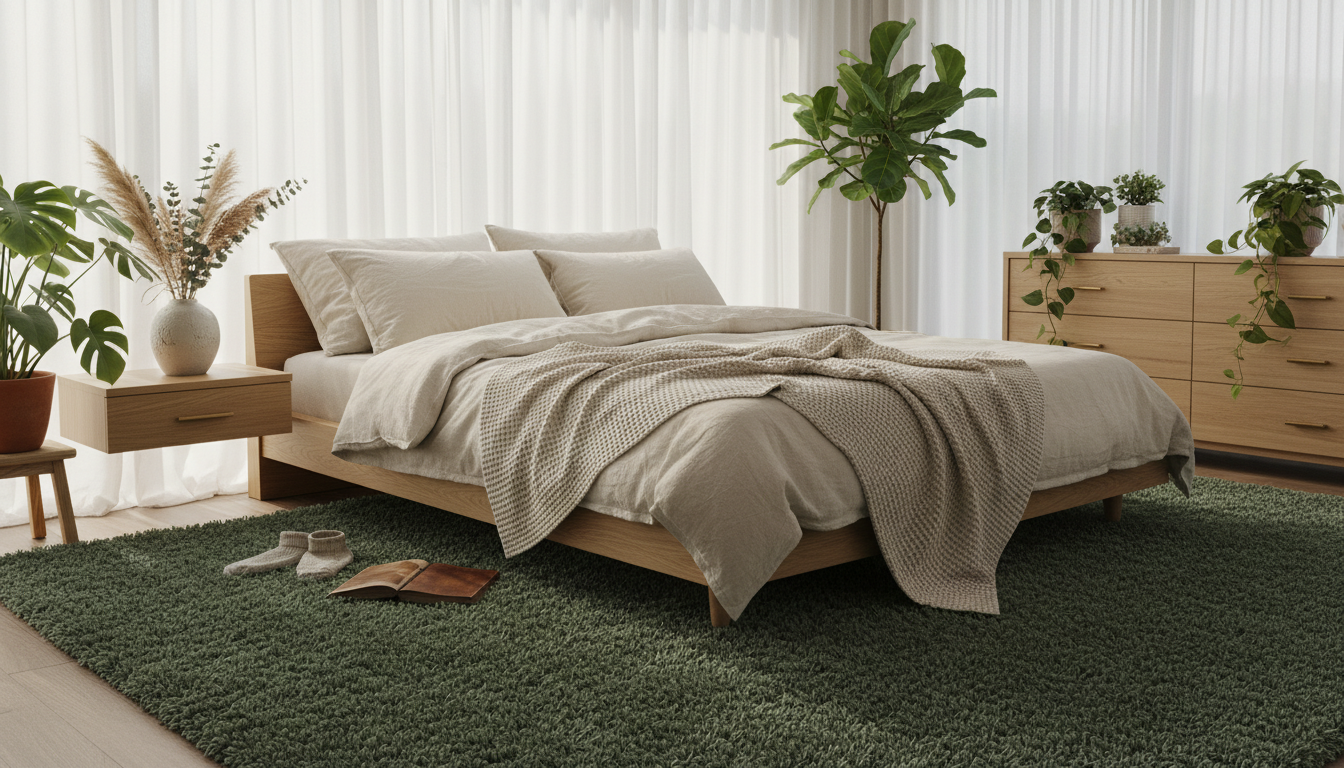
The Restorative Power of the Verdant Floor
As we approach 2026, the design world is pivoting away from high-gloss minimalism toward what we call Restorative Biophilia. It’s no longer enough to simply place a plant in a corner; the room itself must breathe. A soft sage green rug serves as the literal and figurative root of this movement. By selecting a rug in muted moss or eucalyptus tones—ideally with a high-low pile texture that mimics the uneven topography of a forest floor—you create an immediate sensory connection to the outdoors.
Designers are increasingly looking at the Light Reflectance Value (LRV) of floor coverings. A sage green with an LRV of approximately 40 to 50 absorbs enough morning light to feel cozy while reflecting enough to keep the space from feeling subterranean. It is the “neutral of the natural world,” providing a foundation that is far more forgiving and soulful than traditional grey.
“In the 2026 aesthetic landscape, sage is the new ivory. We are seeing a significant shift toward Bio-Acetate and Tencel blends that give these rugs a silk-like sheen, reminiscent of sunlight hitting dew on grass. It’s about visual tranquility.”
— Julian Thorne, Senior Textile Historian
The Essential Elements of the Sage Setup
To execute this look with the precision of a high-end boutique hotel, you must balance the organic green with architectural warmth. Natural light oak or whitewashed ash furniture is non-negotiable here; the honeyed undertones of the wood pull the warmth out of the sage, preventing it from looking “minty” or clinical.
- The Palette: Opt for walls in a warm off-white or pale greige. Pure, stark whites can make sage green look harsh and dated, whereas a creamier backdrop allows the rug to feel like a soft extension of the architecture.
- The Bedding: Layering is key. Start with a base of crisp ivory linen and add a heavy-gauge knit throw in a deep sand or oatmeal. This creates a tactile bridge between the rug and the rest of the room.
- The Metalwork: Stick to brushed brass or champagne gold. These metals mimic dappled sunlight and add a necessary touch of luxury to an otherwise earthy palette.
Pitfalls to Sidestep
The most common mistake when styling a biophilic oasis is over-commitment to the theme. Avoid “thematic” red or orange accents, which create a high-contrast tension that shatters the calm. Similarly, heavy, dark mahogany or espresso-stained furniture will overpower the delicate nature of a sage rug, making the room feel bottom-heavy and dated. If you’re sourcing artisanal pieces, thebohorugs.com offers several hand-loomed eucalyptus-toned options that maintain their color integrity even in high-sunlight rooms, avoiding the “faded olive” look that plagues lower-quality dyes.
The Finishing Touches for Maximum Impact
To truly elevate the space, introduce a woven rattan headboard or a large-scale circular mirror with a thin wooden frame to bounce light across the rug’s textured surface. For the final layer, incorporate “trailing” biophilia—think a Pothos or String of Pearls on a high shelf—to draw the eye upward, ensuring the green of the rug feels integrated into the entire vertical volume of the room.
When selecting your sage rug, look for hand-tufted wool blends. The natural lanolin in high-quality wool provides a subtle luster that mimics organic growth. In 2026, we are moving away from flat-weave synthetics in the bedroom; the goal is a “sink-in” quality that signals to the nervous system that it is time to decompress.
Setup 5: Deep Charcoal Grey Rug – Moody Luxe Bedroom
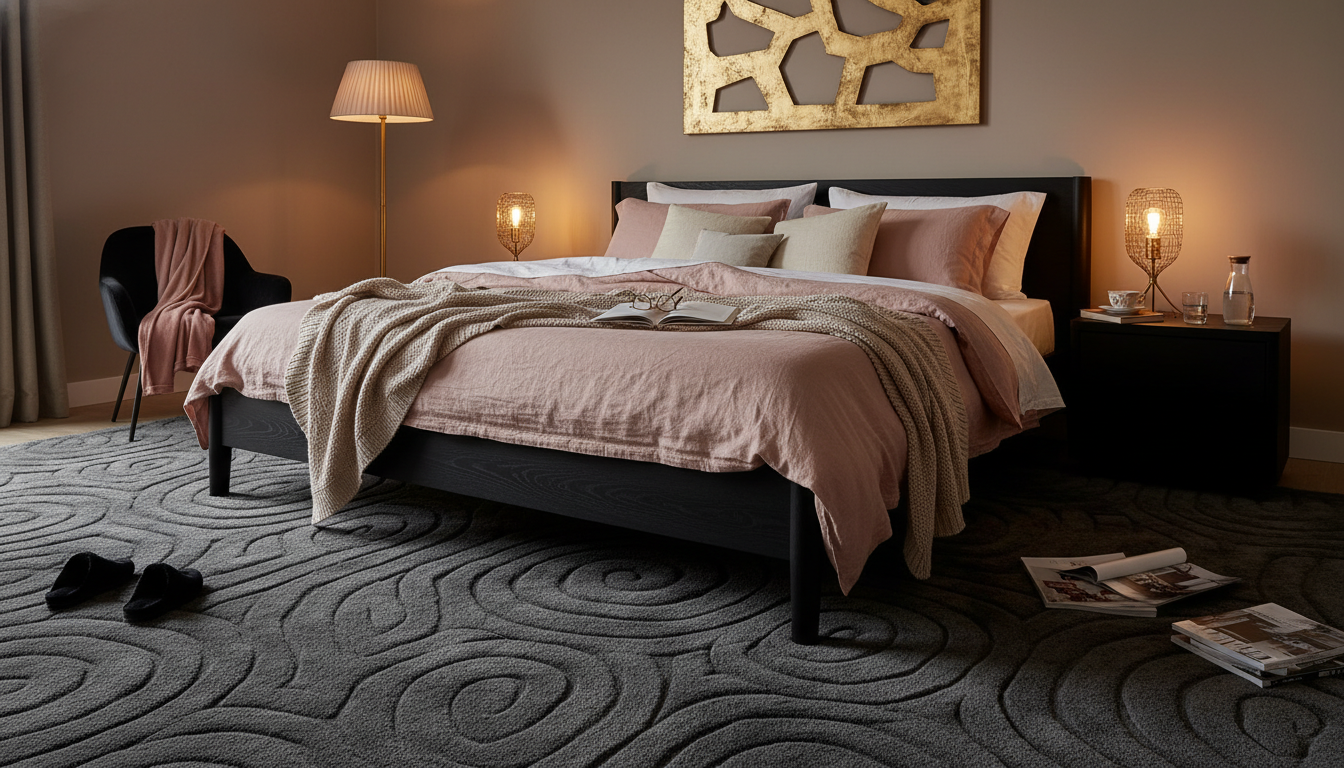
The Anchor of Intimacy: Mastering the Dark Charcoal Foundation
As we transition into 2026, the design world is pivoting away from clinical, all-white minimalism in favor of “cocooning.” This movement prioritizes emotional security and sensory depth, making a deep charcoal or ink-grey rug the ultimate power move for the modern bedroom. Unlike lighter tones that disappear into the floor, a dark, plush rug creates a definitive “gravity” that grounds the furniture and instantly lowers the visual volume of the room, preparing the mind for rest.
To pull this off without the space feeling cavernous, the secret lies in the Light Reflectance Value (LRV) of your surroundings. While the rug absorbs light, your walls must gently bounce it back. Opt for “mushroom” or “parchment” wall tones—shades that sit in the warm neutral family with an LRV between 55 and 65. This prevents the charcoal from leaning into a cold, “office-cubicle” blue and instead brings out the rich, smoky undertones of the fiber.
The Essential Elements
- The Wall Palette: Stick to warm whites or light mushroom. A stark, pure white creates a high-contrast “strobe” effect that feels jarring rather than luxe.
- Furniture Pairings: Rich walnut is the gold standard here. The reddish-brown grain of walnut provides a natural warmth that vibrates beautifully against dark grey. Alternatively, black-stained oak offers a monochromatic, architectural look.
- Textural Layering: Since the rug is dark and solid, your bedding should be the light source. Layer warm ivory linens with blush pink silk pillows. This “high-low” color story is a hallmark of 2026’s sophisticated romanticism.
- Hardware Finishes: Use brushed gold or unlacquered brass. The yellow tones in the metal act as a “sunlight” element against the cool charcoal floor.
“In the upcoming seasons, we are seeing a massive shift toward high-density New Zealand wool blended with Bio-Acetate fibers,” says Julian Thorne, a Senior Textile Historian. “This combination allows charcoal rugs to retain a matte, velvet-like finish that doesn’t track footprints, maintaining that pristine, ‘hotel-suite’ aesthetic even in high-traffic areas.”
What to Steer Clear Of
The most common mistake is pairing a charcoal rug with cool, blue-grey walls. This combination drains the life from the room, making it feel perpetually overcast. You should also avoid light blonde woods like birch or pine; they tend to look “unfinished” or cheap when placed against such a high-status rug color. Lastly, keep pure white bedding for the guest room—in a moody luxe setup, ivory or cream feels far more intentional and expensive.
Elevating the Vision
To truly push this setup into the editorial realm, consider adding velvet accent pillows in a deep teal or a glass-bottled burgundy. For lighting, skip the overhead fixture and install wall-mounted swing-arm sconces with warm-dim LED technology. This creates pools of amber light that dance across the texture of the rug. When sourcing these deep tones, we frequently recommend the hand-knotted wool collections at thebohorugs.com, as their artisanal dyeing process creates subtle “abrash” or color variations that prevent a large dark rug from looking like a flat piece of felt.
For 2026, look for rugs featuring “high-low” pile heights or 3D sculpting. A charcoal rug with a geometric pattern sheared into the wool adds a layer of sophisticated pattern-play without the need for multiple colors. It captures shadows and highlights throughout the day, ensuring the floor feels like a piece of art rather than just a floor covering.
Setup 6: Mushroom Taupe Rug – Quiet Luxury
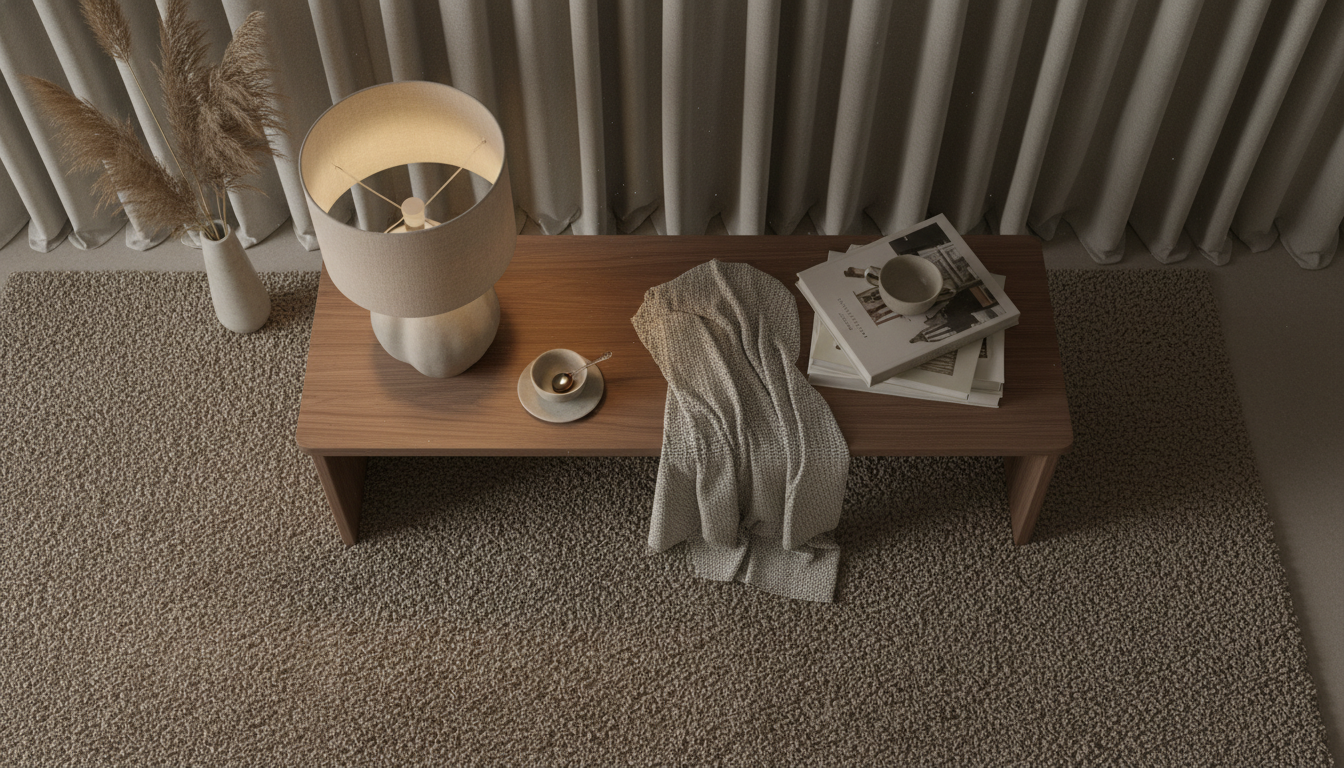
The Sophistication of Neutrality: Mastering the Mushroom Taupe Palette
In the landscape of 2026 interior design, “Quiet Luxury” has moved away from stark minimalism and toward a more sensory, enveloped experience. The mushroom taupe rug serves as the ultimate anchor for this aesthetic. Unlike the flat greys of the previous decade, today’s taupes are complex, shifting beautifully under different Light Reflectance Values (LRVs). A true mushroom taupe carries a subtle violet or warm brown undertone that reacts to natural light, making the room feel alive yet incredibly still.
Designers are increasingly moving toward high-performance blends, such as the 2026 trend of mixing New Zealand wool with Bio-Acetate fibers. This combination offers the matte, earthy look of wool with the delicate, silk-like shimmer of sustainable synthetics. When you source an artisanal piece, perhaps a hand-loomed option from thebohorugs.com, the slight variations in the yarn create a “living” floor that masks wear while exuding high-end intentionality.
“The beauty of a mushroom taupe rug lies in its ‘chameleon effect.’ It fills the visual gap between warm and cool, allowing the architecture of the furniture to speak without the rug demanding the spotlight. It is the olfactory equivalent of a cashmere scent—barely there, but essential.”
— Julian Thorne, Lead Textile Historian at the Zurich Design Institute
Designing the Foundation: The Must-Do Elements
To execute this look with journalistic precision, the surrounding elements must support the rug’s tonal depth rather than fight it. It’s about a “low-contrast, high-texture” philosophy.
- Wall Treatment: Opt for creamy white or a very pale taupe. Look for paints with a soft “eggshell” or “roman clay” finish to mimic the organic feel of the rug.
- The Woodwork: Light to medium walnut furniture is the gold standard here. The warmth of the walnut grain pulls out the earthy pigments in a mushroom rug, creating a grounded, sophisticated atmosphere.
- The Bedding Layer: Stick to a monochromatic palette of soft whites and warm beiges. Use heavy-weight Belgian linen or organic cotton bouclé to add physical weight to the visual softness.
- Hardware: Use “living finishes” like unlacquered brass or satin nickel that will patina over time, echoing the rug’s natural aging process.
Missteps to Sidestep: What to Avoid
The biggest risk with taupe is “flattening” the room. Avoid these common errors to ensure your space remains luxurious rather than dull:
- Stark White Walls: Pure, gallery-white walls can make mushroom taupe look muddy or “dirty” by comparison. You need that touch of cream in the paint to bridge the gap.
- Severe Black Furniture: While black provides contrast, in a Quiet Luxury setup, it creates too much visual “noise.” If you need dark accents, choose a deep espresso or charred oak instead.
- High-Contrast Patterns: Let the texture of the rug—whether it’s a carved high-low pile or a chunky rib—be the pattern. Busy geometric prints on the bedding will shatter the sense of serenity.
To keep a mushroom taupe room from feeling one-dimensional, apply the 3:1 texture rule. For every one smooth surface (like a polished walnut nightstand), introduce three distinct textures: the medium-pile wool of your rug, the crinkle of a linen duvet, and the nubby grain of a bouclé accent chair. This creates a “tactile landscape” that feels expensive and curated.
Elevating the Space: The Final Flourishes
Once the foundation is set, the “Quiet Luxury” aesthetic is solidified through intentional styling. Consider a sculptural ceramic lamp in a matte, unglazed finish; the organic shape acts as a piece of art on the nightstand. At the foot of the bed, a bouclé bench provides a soft transition from the bed to the rug, while floor-to-ceiling linen curtains in a matching taupe tone create a seamless “envelope” effect.
When selecting your rug, prioritize artisanal construction. A hand-knotted or hand-tufted piece from thebohorugs.com ensures that the pile has the resilience to maintain its loft, which is crucial for a colorway that relies so heavily on the play of shadow and light within the fibers.
Setup 7: Ivory / Cream Rug – Bright Airy Sanctuary
The Foundation of Luminous Design
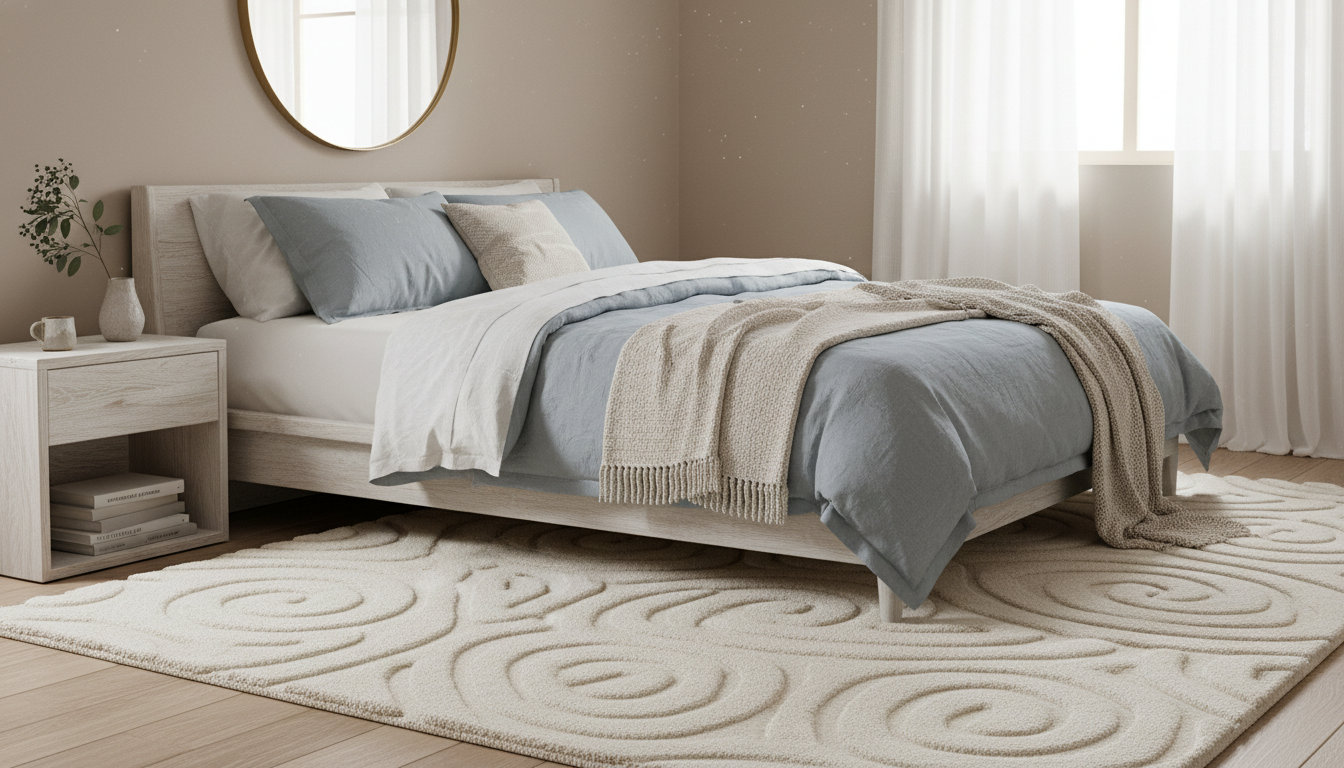
There is a specific kind of alchemy that occurs when light hits a high-quality ivory or bone cream rug. For 2026, we are seeing a definitive move away from flat, synthetic whites toward what designers call “living neutrals”—rugs crafted from undyed New Zealand wool or silk-infused bamboo fibers that possess an inherent shimmer. This setup isn’t just about a color choice; it’s about maximizing the Light Reflectance Value (LRV) of your floor to create a space that feels like it’s breathing.
To execute this look with the sophistication it deserves, start with the walls. Steer clear of clinical whites. Instead, opt for a pale sand or a warm, “whispering” grey with an LRV of 75 or higher. This creates a soft envelope that allows a sculpted or plush wool rug from thebohorugs.com to act as the room’s tactile anchor. When your feet hit a high-pile cream rug in the morning, the texture should be the first thing you notice, not just the brightness.
The Essential Elements: Texture over Tone
- Furniture Pairings: Stick to the “Organic Pale” palette. Natural light oak or whitewashed ash wood furniture provides enough warmth to prevent the room from feeling like a gallery space. The grain of the wood acts as a secondary texture against the softness of the rug.
- The Bedding Layer: Introduce a sophisticated “Cool-Warm” contrast. Use soft blue-grey linen sheets paired with a heavy, cream-colored waffle-knit duvet. This subtle shift in hue prevents the “white-out” effect while maintaining an airy atmosphere.
- Hardware and Accents: While brass has reigned supreme for years, the 2026 aesthetic leans toward brushed silver or polished chrome. These cooler metallic finishes reflect the brightness of the cream rug without adding the “heaviness” of gold or black.
“The secret to an ivory palette that doesn’t feel sterile lies in the micron count of the wool. By 2026, we’re seeing a surge in hand-tufted high-low piles where the pattern is created by height rather than color. It’s architectural flooring at its finest.”
— Julian Thorne, Senior Textile Historian
Pitfalls to Sidestep
The most common mistake in a bright, airy sanctuary is the “Starry Night” error—introducing dark, heavy mahogany or walnut furniture. These pieces create a visual “black hole” that sucks the energy out of a light rug. Another element to watch is the wall paint; avoid pure “Chantilly” whites. Under artificial evening light, pure white walls can create a harsh glare against a cream rug, making the space feel two-dimensional.
Lastly, be wary of introducing strong terracotta or heavy earth tones here. While beautiful in other setups, in an ivory sanctuary, they tend to look like “mud” against the pristine nature of the floor. Keep your accents ethereal—fresh white hydrangeas, clear glass vessels, or a single oversized mirror to bounce that curated light around the room.
We are seeing a major transition toward Bio-Acetate and Tencel blends in luxury ivory rugs. These fibers provide a silk-like luster that is significantly easier to clean than traditional silk, making a “bright sanctuary” practical even for high-traffic primary bedrooms. Look for “cross-hatched” weaving techniques which hide minor foot traffic while maintaining a luminous sheen.
Elevating the Atmosphere
If you want to take this setup into the realm of “Extraordinary,” focus on the vertical plane. Hang sheer white linen curtains from the highest possible point on the wall, allowing them to pool slightly on the ivory rug. This creates a seamless visual flow from the ceiling to the floor. A large, frameless round mirror placed opposite the window will double the impact of your rug’s brightness. For a final biophilic touch, skip the dark greens and choose silver-toned foliage like Eucalyptus or Olive stems to complement the cool-toned accents of your sanctuary.
Setup 8: Olive Green Rug – Modern Organic
The Grounded Sophisticate: Anchoring the Room with Muted Olive
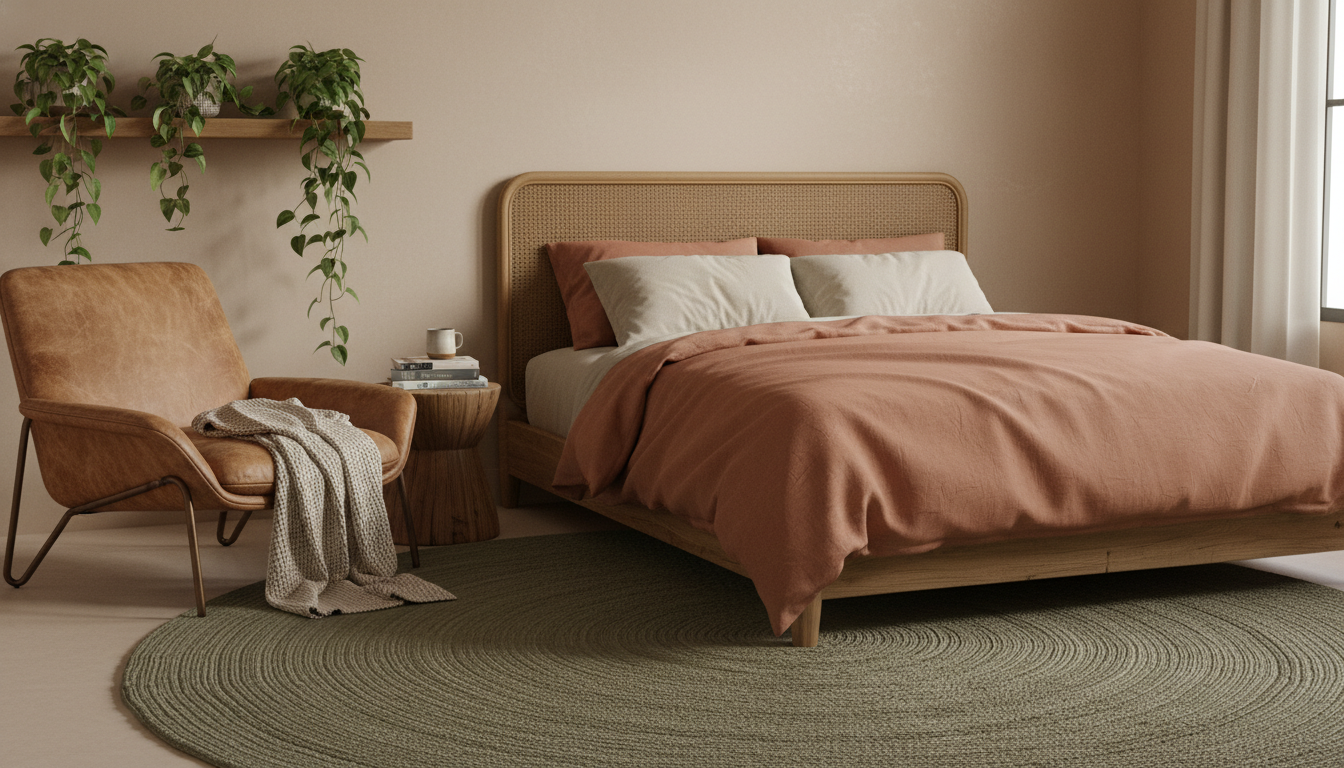
As we look toward the design landscapes of 2026, the “Modern Organic” aesthetic has evolved. It is no longer just about light woods and white linen; it has matured into a moodier, more intentional celebration of nature’s deeper tones. At the heart of this evolution is the olive green rug. Unlike the bright grassy shades of seasons past, the upcoming trend favors low-pile, desaturated olives and forest tones that act as a “new neutral.” This setup is less about making a loud statement and more about creating a psychological sanctuary—a room that feels rooted in the earth.
The texture is paramount here. We are seeing a significant shift toward flat-woven Sardinian-inspired weaves and high-density low-pile wools that mimic the matte finish of moss. These rugs provide a tactile foundation that feels cool in the summer and insulating in the winter, making them a perennial favorite for luxury suites. When sourcing these foundational pieces, the artisanal, hand-dyed selections at thebohorugs.com offer the necessary tonal variance—those subtle shifts from moss to lichen—that prevent a solid-colored rug from looking flat.
The Essential Elements of the Palette
- The Wall Treatment: Step away from the clinical whites. To make an olive rug truly sing, the walls should lean into warm beige or soft sand. Look for paints with a Light Reflectance Value (LRV) between 60 and 70 to ensure the room remains airy while providing enough warmth to complement the green.
- Furniture Pairings: This is where contrast creates luxury. The deep, oily greens of the rug demand dark walnut or charred oak furniture. The richness of the dark wood pulls the pigment out of the rug, making the green look more expensive. For a softer touch, incorporate natural rattan to bridge the gap between the dark wood and the soft textiles.
- Bedding & Textiles: Layering is the secret sauce. Combine cream linen sheets with a terracotta or burnt sienna duvet. This “earth and clay” combination is a hallmark of 2026 interior styling, offering a sophisticated warmth that feels curated rather than accidental.
- Hardware: Opt for unlacquered brass. The golden undertones of the metal catch the yellow notes hidden within olive fibers, creating a subtle, shimmering harmony across the floor.
“The shift we’re seeing for 2026 is what I call ‘The Forest Floor Effect.’ By using an olive rug as the base, you’re essentially grounding the bedroom in a way that mimics the natural world. It lowers the heart rate and creates a visual weight that light-colored rugs simply can’t achieve,”
— Julian Thorne, Lead Textile Historian & Design Consultant.
Pitfalls to Sidestep
The most common mistake when working with olive green is pairing it with cool, blue-based greys. This combination results in a “muddy” visual that can make the room feel dingy rather than cozy. Similarly, avoid light blonde wood or Scandinavian pine furniture in this specific setup; the lack of contrast makes the olive rug appear heavy and out of place. Finally, steer clear of pastel pinks—while “pink and green” is a classic duo, the 2026 Modern Organic look requires the maturity of terracotta or rust rather than the sweetness of rose.
Elevating the Space
To take this room from “well-designed” to “magazine-worthy,” focus on height and life. A distressed leather accent chair in a cognac hue creates a stunning vignette against the green rug. Complement this with woven wall baskets or a collection of handmade ceramics in matte finishes. To lean into the biophilic roots of the design, introduce trailing plants like Pothos or Philodendron. Position them on a high shelf so they “weep” toward the rug, visually connecting the ceiling to the floor in a continuous line of organic color.
Expert Insight: The 80/20 Rule of Organic Tones
To master this look, keep 80% of the room in the warm, neutral family (beige, sand, cream) and reserve the remaining 20% for the “impact” colors like the olive rug and terracotta accents. This ensures the room feels like a sophisticated retreat rather than an overwhelming theme room. For the most authentic feel, look for rugs at thebohorugs.com that utilize vegetal dyes, as they age gracefully and develop a unique patina over time.
Setup 9: Dusty Rose Rug – Soft Romantic
The Nuanced Return of the Desaturated Rose
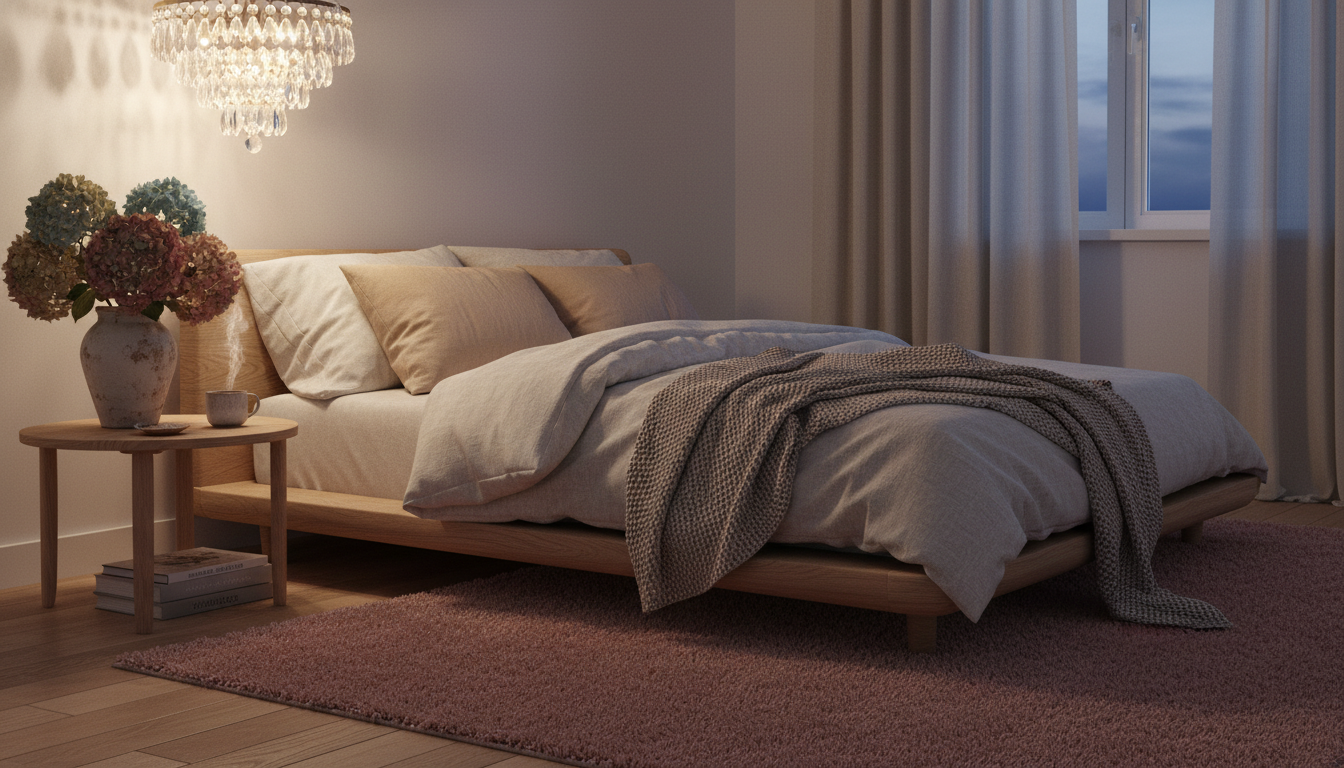
Forget the bubblegum aesthetics of the past decade. For 2026, the design world is reclaiming pink through a lens of sophisticated maturity. We are seeing a significant move toward Dusty Rose—a desaturated, earthy iteration of the hue that functions more as a warm neutral than a primary color. This setup is less about “pretty” and more about “poise,” utilizing rugs crafted from high-twist wool or Tencel blends that catch the light with a subtle, pearlescent sheen.
The success of this palette hinges on the Light Reflectance Value (LRV) of your surroundings. To prevent the rug from feeling too “sweet,” pair it with walls in a warm greige—aim for an LRV between 62 and 68. This provides enough depth to ground the pink without the clinical harshness of a pure gallery white.
Building the Foundation: Furniture & Textiles
When selecting your furniture, the grain of the wood acts as a vital counterpoint to the soft rug fibers. Light oak creates a breezy, Scandinavian-inspired sanctuary, while walnut introduces a mid-century weight that makes the room feel permanent and curated. The goal is a tactile dialogue between the floor and the frame.
- The Bedding Strategy: Layering is non-negotiable here. Start with a base of cream linen and introduce soft charcoal or dove grey shams. The grey acts as a visual anchor, pulling the desaturated tones out of the rug.
- Hardware and Accents: Opt for gold or champagne bronze finishes. The yellow undertones in these metals vibrate beautifully against the rose, adding a layer of “Quiet Luxury” that silver or chrome simply cannot achieve.
- The Botanical Element: Rather than fresh greenery, which can sometimes clash with the muted pink, lean into the organic texture of dried hydrangeas or pampas grass. They echo the rug’s matte finish.
“In the 2026 forecast, we are seeing a shift toward ‘Emotional Ergonomics.’ A dusty rose rug isn’t just a floor covering; it’s a tool for lowering cortisol. By utilizing hand-sheared textures that mimic the irregularities of natural stone, these rugs provide a sensory grounding that modern, high-stress lifestyles demand.”
— Elena Moretti, Lead Textile Consultant at the Milan Design Collective
Strategic Guardrails: What to Avoid
While this setup is forgiving, a few missteps can break the spell. Avoid black-stained furniture at all costs; the contrast is too aggressive and date-stamps the room to the early 2010s. Similarly, resist the urge to add “pops” of emerald green. While green is technically a complement to red/pink on the color wheel, in a bedroom setting, it creates a visual tension that prevents true relaxation.
For those seeking the perfect artisanal base for this look, the curated collections at thebohorugs.com offer several hand-knotted options that feature the necessary tonal variations—ensuring your rug looks like a piece of floor art rather than a mass-produced carpet.
To keep a rose-colored room feeling modern, choose a rug with a sculpted pile or a distressed wash rather than a sharp geometric pattern. The variation in height allows shadows to fall across the rug, creating a multi-tonal effect that changes throughout the day as the sun moves across the room.
To take this setup to the highest tier of luxury, consider the lighting. Replace standard overhead bulbs with warm-spectrum LEDs (2700K). This specific temperature enhances the pink pigments in the wool, making the entire room glow with a soft, romantic embers-at-dusk quality that is impossible to replicate with cooler light.
Setup 10: Rich Chocolate Brown Rug – Cozy Luxe Cocoon
The Return of the Grounded Interior
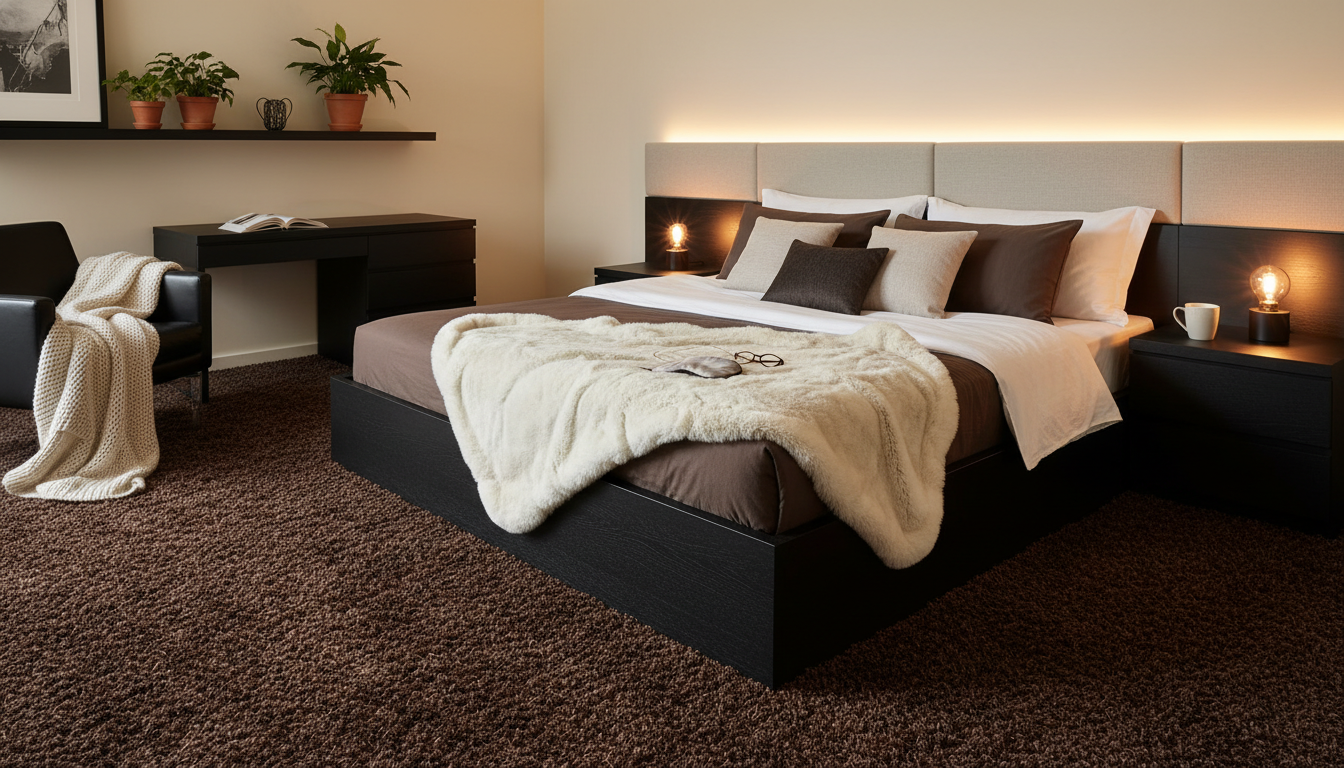
As we look toward 2026, the design world is pivoting away from the stark, clinical whites of the previous decade in favor of what we call “Enveloping Interiors.” The rich chocolate brown rug serves as the ultimate anchor for this movement. It’s a color that suggests stability, sophistication, and a certain “old world” luxury reimagined for a modern context. By opting for a high-twist New Zealand wool or a silk-viscose blend, you create a floor that doesn’t just sit there—it absorbs sound and radiates warmth.
Mastering the Color Palette
To pull off this look without the room feeling like a dark cave, balance is essential. The depth of a chocolate rug—often featuring a Light Reflectance Value (LRV) as low as 5 to 10—requires a counterpoint on the vertical surfaces. Must-do elements for this setup include:
- Wall Tones: Opt for warm cream, parchment, or a light taupe. These shades have enough yellow or red undertone to harmonize with the brown rather than fight it.
- Furniture Pairings: Rich walnut furniture is the natural partner here, but for a 2026 edge, incorporate black-stained oak or charred wood (Shou Sugi Ban) finishes to add a layer of “quiet luxury.”
- Bedding: Layering is your best friend. Start with an ivory base and introduce terracotta or burnt sienna accents via linen shams or a heavy-gauge knit throw.
- Metal Finishes: Stick to unlacquered brass or deep gold. These metals “glow” against the dark pile of the rug, providing a necessary flicker of light at floor level.
“We are seeing a massive resurgence in ‘Caffeinated Decadence,'” says Julianne Vance, Lead Textile Historian. “By 2026, homeowners are prioritizing the ‘womb-like’ feel of deep browns. When you use a hand-knotted chocolate rug, you aren’t just decorating; you’re installing a sense of permanent heritage into a room.”
What to Steer Clear Of
The biggest mistake in this setup is the introduction of cool-toned greys. Because chocolate brown is inherently warm, a blue-grey wall will make the rug look muddy and the walls look sickly. Similarly, avoid light “blonde” oak furniture; the contrast is often too jarring and can look inexpensive. Steer clear of pastel pinks or mint greens, which diminish the rug’s gravitas and create a visual “clash” that breaks the serene, cocoon-like atmosphere we are aiming for.
Elevated Styling Flourishes
To take this from a standard bedroom to a high-end sanctuary, focus on tactile variety. A leather bench in a cognac hue placed at the foot of the bed creates a sophisticated transition between the rug and the bedding. If you are sourcing from artisanal collections like those found at thebohorugs.com, look for rugs with a subtle “stria” or heathered effect—these slight variations in the brown yarn prevent the floor from looking like a solid, flat block of color.
Because deep brown absorbs so much light, your 2026 lighting plan should be layered. Avoid overhead “boob” lights. Instead, install warm-spectrum LED strips behind the headboard and use low-slung bedside pendants with frosted glass. This keeps the light focused on the textures of the rug and the grain of the wood, enhancing the ‘Luxe Cocoon’ effect.
The Finishing Touches
For those looking to maximize the sensory experience, add a faux fur throw in a creamy sable tone across the bed. The interplay between the matte wool of the rug and the slight sheen of the fur creates a multi-dimensional look that feels curated over time. If space allows, a small reading nook with a velvet chair in a deep forest green or clay red will complete the organic, high-end aesthetic.
Elevate Your Space
Discover the artistry of handmade luxury. Each rug is a masterpiece of tradition and modern design.
Expert Q&A
What is the most popular bedroom rug material for 2026?
Sustainable wool and Tencel blends are dominating 2026 trends for their durability and low environmental impact.
How far should a rug extend past the bed in a 2026 setup?
Aim for 30 to 36 inches on all sides to create a luxurious, anchored feel that feels modern rather than cramped.
Can I layer rugs in the bedroom for 2026?
Yes, layering a smaller high-texture rug over a larger low-pile jute or wool base is a key trend for adding depth.
Are cool grey rugs still in style?
The trend has shifted toward ‘Greige’—warm greys that provide a softer, more inviting feel than the cold industrial greys of the past decade.
Which rug color is best for a small bedroom?
Ivory, bone cream, or light mushroom taupe help reflect light and make a compact space feel significantly larger.
Is high-pile rug maintenance difficult?
While it requires more frequent vacuuming, high-pile rugs in 2026 often feature soil-resistant synthetic fibers or treated wool for easier care.
How do I choose between a patterned or solid rug?
In 2026, ‘sculpted solids’—rugs with one color but varied pile heights—are the preferred choice for sophisticated texture without visual clutter.
Should the rug match the curtains?
They shouldn’t match exactly, but they should share the same undertone. For example, a sage rug pairs beautifully with warm off-white linen curtains.
Are vintage-style rugs still relevant in 2026?
Distressed vintage rugs in chocolate brown or terracotta are highly sought after for adding ‘soul’ to modern, new-build bedrooms.
What is the ‘Golden Rule’ for rug placement?
Ensure the front legs of all major furniture pieces—including nightstands—sit on the rug to unify the room’s design.
Written by TheBohoRugs Interior Design Team
Experts in handmade rugs, boho interiors, and modern home decor.