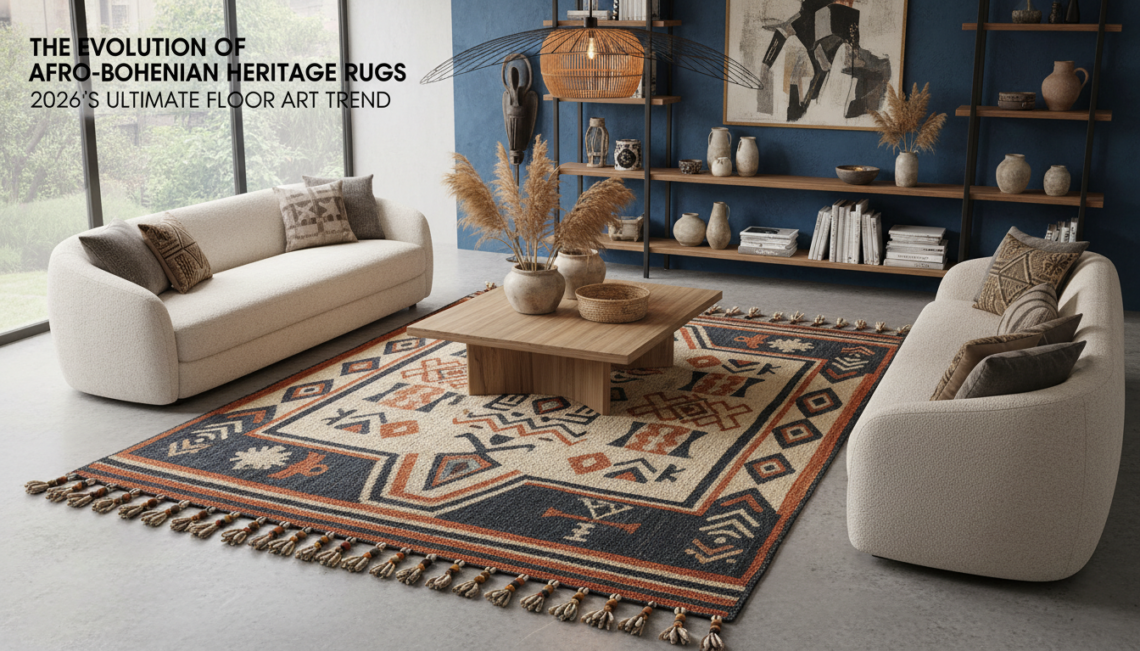
The interior design landscape of 2026 marks a pivotal shift toward ‘Soulful Luxury,’ where homeowners no longer seek mere decoration, but narratives. At the heart of this movement are Afro-Bohemian heritage rugs—extraordinary textiles that serve as ‘Art for the Floor.’ These pieces bridge the gap between ancient African weaving techniques and the free-spirited, eclectic nature of Bohemian design, elevated by a sophisticated 2026 lens. This report explores why these rugs are becoming the definitive investment for high-end collectors and style enthusiasts alike, blending the raw, tactile beauty of indigenous craftsmanship with the refined comforts of modern luxury.
“Afro-Bohemian heritage rugs are hand-woven floor coverings that combine traditional African design motifs—such as geometric Bogolan patterns, Kuba cloth textures, and Berber symbols—with a Bohemian-luxe aesthetic. In 2026, these rugs are characterized by the use of premium natural fibers like organic wool, wild silk, and cactus yarn, emphasizing a sustainable yet high-end approach to global-inspired interior design.”
The Roadmap
Table of Contents
- The Ancestral Soul: Defining the Afro-Bohemian Aesthetic
- Material Matters: High-End Fibers for 2026 Luxury
- Symbolism as Art: Decoding Indigenous Motifs and Patterns
- Color Palettes: From Earthen Ochre to Midnight Indigo
- The Art for the Floor Philosophy: Curating Your Space
- Sustainable Craftsmanship: The Ethics of Global Heritage
- Styling Guide: Mixing Afro-Boho with Minimalist Modernism
- Future-Proofing Your Home: Investing in Heritage Textiles
The Ancestral Soul: Defining the Afro-Bohemian Aesthetic
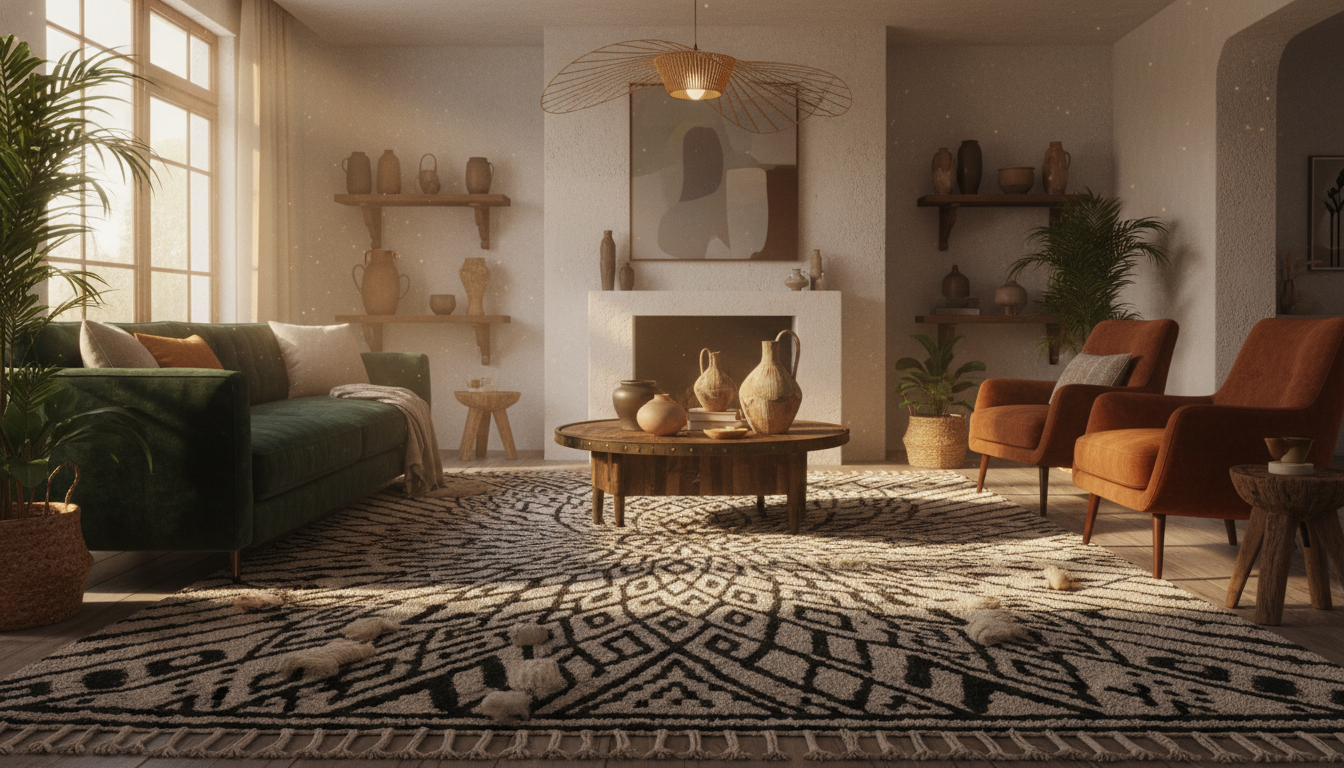
To understand the sudden cultural shift toward soulful interiors in 2026, one must first recognize the deep-seated yearning for authenticity. As our digital environments become increasingly sterile, the home has evolved into a sanctuary for tactile history. This desire for connection is perfectly captured in the rise of Afro-Bohemian heritage rugs, a design movement that blends the vibrant rhythmic patterns of the African continent with the relaxed, artistic spirit of Bohemianism.
The essence of this aesthetic is rooted in “The Ancestral Soul,” a philosophy that views home decor not as a collection of objects, but as a living dialogue with the past. These Afro-Bohemian heritage rugs serve as the foundation for this dialogue, grounding modern rooms with centuries of artisanal wisdom and geometric storytelling. By prioritizing raw textures and symbolic motifs, this style moves beyond simple “global chic” into the realm of high-end, meaningful luxury.
The Geometry of Narrative: Patterns with Purpose
What distinguishes these floor coverings from mass-produced alternatives is their commitment to narrative. Every line, diamond, and zig-zag found in Afro-Bohemian heritage rugs represents a specific cultural shorthand—often reflecting themes of community, fertility, protection, and the natural world. These are not merely decorative choices; they are visual languages woven into the fabric of the rug.
In the 2026 interior landscape, we see a move away from the overly complicated and toward “refined primitivism.” This involves taking traditional West African Bògòlanfini (mudcloth) patterns or North African Berber symbols and reimagining them through a lens of modern minimalism. The result is a piece that feels both ancient and incredibly current, fitting seamlessly into a high-rise loft or a coastal villa.
- The Diamond Lattice: Traditionally used in Moroccan weavings to ward off evil spirits, now used to provide structure to open-plan living rooms.
- The Zig-Zag: Symbolizing the path of life or the flow of water, adding movement to static spaces.
- The Checkerboard: A nod to the duality of existence, frequently seen in contemporary fusion designs.
- Hand-Drawn Imperfection: The slight variations in line work that prove the rug was crafted by human hands rather than a machine.
Earthy Pigments and Textural Depth
The color palette of the Afro-Bohemian movement is a love letter to the earth. In 2026, we are seeing a departure from neon or synthetic shades in favor of organic dyes. Afro-Bohemian heritage rugs utilize pigments derived from crushed minerals, indigo leaves, and sun-baked clays. These shades—terracotta, deep forest green, burnt ochre, and midnight indigo—provide a visual warmth that synthetic fibers simply cannot replicate.
Texture is the other pillar of this aesthetic. A truly luxurious rug should be felt as much as it is seen. By combining high-pile wool with flat-woven cotton or hemp, artisans create a multi-dimensional surface that invites the touch. This tactile richness is why many interior designers are now turning to specialized boutiques for their projects. For those looking to elevate their own space with this specific blend of soul and quality, you can find a curated selection of premium handmade rugs at thebohorugs.com, where the focus remains on artisanal integrity and global heritage.
When you integrate Afro-Bohemian heritage rugs into your home, you are effectively layering history onto your floors. The juxtaposition of a rugged, hand-knotted wool rug against a sleek, glass coffee table creates a tension that defines modern luxury. It is the “perfectly imperfect” nature of these pieces that makes them so desirable in an age of mass-produced uniformity.
The 2026 Evolution: Modernity Meets Origin
The current iteration of this trend is more sophisticated than the Bohemian styles of the past decade. While the 2010s were defined by “Boho-Chic” clutter, the 2026 “Global Soul” movement is curated and intentional. Designers are now using Afro-Bohemian heritage rugs as the singular focal point of a room, allowing the rug’s complex history to speak for itself without the need for excessive ornamentation.
This evolution also reflects a growing commitment to “slow decor.” Consumers are no longer satisfied with disposable furniture; they want legacy pieces that will age gracefully. Because Afro-Bohemian heritage rugs are often made from high-quality, natural fibers like New Zealand wool or organic jute, they develop a beautiful patina over time, becoming more comfortable and character-rich with every passing year.
Sustainability as a Legacy
Finally, the rise of this aesthetic is inseparable from the global push for sustainability. True Afro-Bohemian heritage rugs are produced in small batches or are one-of-a-kind treasures. This small-scale production ensures that the environmental footprint is kept to a minimum while supporting the livelihoods of traditional weavers in rural communities. This ethical dimension is a key component of what defines “luxury” in the modern era.
Investing in Afro-Bohemian heritage rugs is an investment in the preservation of craft. It is about acknowledging the hands that dyed the wool and the eyes that followed the pattern. By bringing these pieces into our homes, we bridge the gap between our modern, fast-paced lives and the steady, rhythmic pulse of the ancestral soul. It is a fusion that promises not just a beautiful room, but a home with a heart.
Material Matters: High-End Fibers for 2026 Luxury
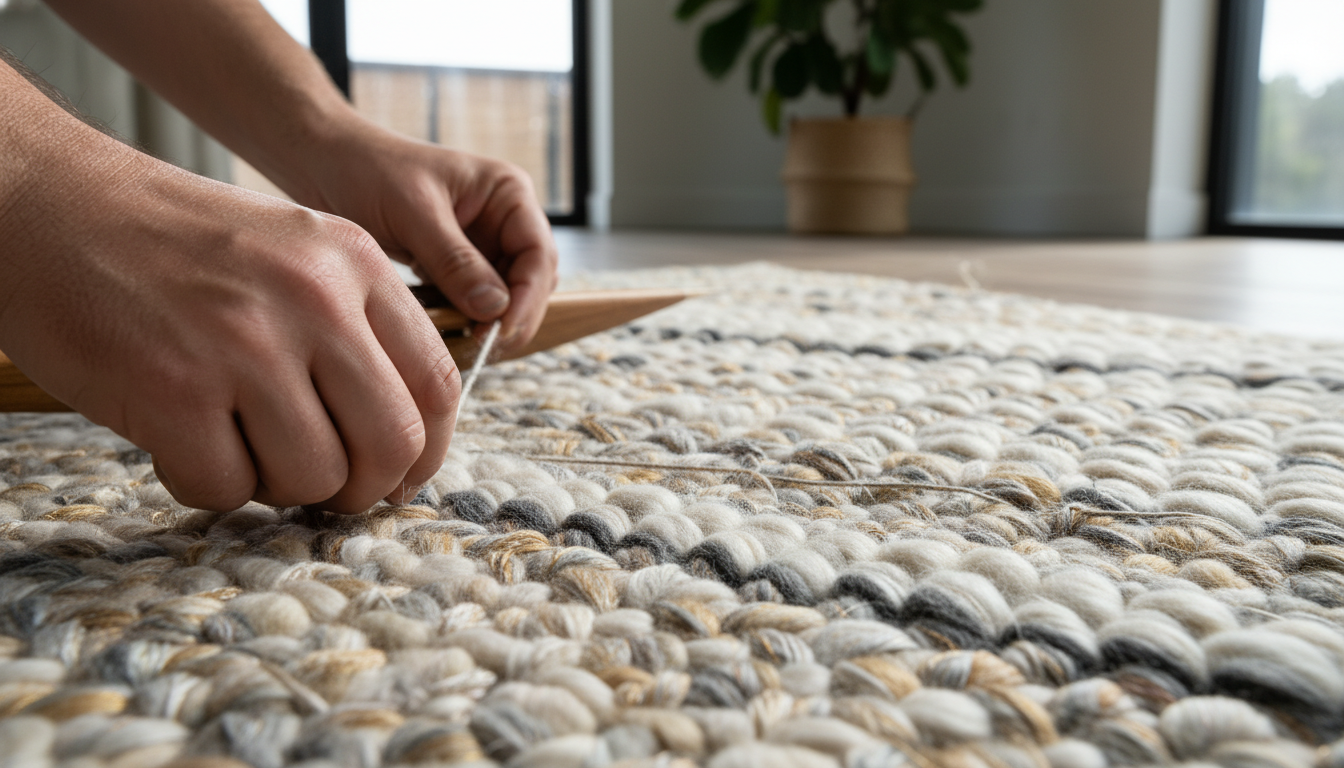
In the evolving landscape of interior design, 2026 marks a pivotal shift toward “tactile storytelling.” Homeowners are no longer satisfied with mass-produced floor coverings that lack a pulse. Instead, the design world has seen a meteoric rise in the demand for Afro-Bohemian heritage rugs, which combine the raw, earthy soul of African artistry with the refined finish of modern luxury. This fusion is most evident in the specific choice of high-end fibers that define this year’s most coveted collections.
The materials used in these rugs are chosen not just for their aesthetic appeal, but for their ability to age gracefully. When we look at the composition of 2026’s leading Afro-Bohemian heritage rugs, we see a commitment to regenerative sourcing and sensory richness. These rugs serve as the foundation of a room, providing a grounded, organic feel that synthetic alternatives simply cannot replicate. By prioritizing natural proteins and plant-based fibers, designers are creating pieces that are as healthy for the home as they are beautiful.
To truly understand why Afro-Bohemian heritage rugs have become the gold standard for high-end interiors, one must look closely at the materials being spun, dyed, and knotted by master artisans. The following fibers are leading the luxury revolution, offering a blend of durability, softness, and cultural resonance that defines the modern global soul.
The Ethical Luster of Sabra Cactus Silk
One of the most distinctive materials appearing in contemporary Afro-Bohemian heritage rugs is Sabra silk. Sourced from the Saharan aloe vera cactus (Agave Sahara), this vegetable silk is prized for its incredible tensile strength and its subtle, metallic sheen. Unlike traditional silk, Sabra is completely vegan and reflects the 2026 consumer’s focus on ethical luxury.
The process of creating Sabra silk is deeply rooted in heritage. The fibers are crushed, washed, and spun by hand before being dyed with natural botanical pigments. This results in a vibrant, sun-bleached look that characterizes many Afro-Bohemian heritage rugs. Common color palettes include:
- Terracotta and Ochre: Derived from crushed pomegranate skins and saffron.
- Indigo and Cobalt: Extracted from the indigofera plant for deep, moody hues.
- Dusty Rose: Achieved through the use of dried hibiscus flowers.
The beauty of Sabra silk lies in its “imperfections.” The hand-loomed nature of the fiber means that no two rugs are identical, making every piece of Afro-Bohemian heritage rugs a unique work of art. These rugs are highly resistant to wrinkling and offer a cool-to-the-touch feel, making them perfect for layering in both summer and winter seasons.
Hand-Spun Highland Wool: The Soul of the Atlas
No discussion of Afro-Bohemian heritage rugs would be complete without mentioning the role of premium wool. In 2026, the trend has moved away from chemically treated wool toward raw, hand-spun Highland wool. This material is rich in natural lanolin, a wax secreted by wool-bearing animals that acts as a built-in stain repellent and adds a lustrous, healthy glow to the rug.
This type of wool provides the structural integrity that allows Afro-Bohemian heritage rugs to last for generations. The high-altitude sheep of the Atlas and Ethiopian highlands produce a denser, more resilient fleece. When this wool is left in its natural ivory, charcoal, or brown state, it creates a sophisticated monochromatic texture that fits perfectly within a modern minimalist home.
The high pile of these wool rugs offers an unparalleled sensory experience. Walking across Afro-Bohemian heritage rugs made from hand-spun wool feels like a connection to the earth. It absorbs sound, regulates room temperature, and improves indoor air quality by trapping allergens until they can be vacuumed away. For those looking to source these authentic pieces, thebohorugs.com offers an curated selection of hand-knotted wool masterpieces that embody this heritage spirit.
Regenerative Raffia and Long-Fiber Jute
As we lean further into biophilic design, Afro-Bohemian heritage rugs are increasingly incorporating structural plant fibers like Raffia and premium Jute. These aren’t the scratchy, industrial fibers of the past. Modern processing techniques have allowed artisans to soften these materials, creating a “soft-utility” feel that is perfect for high-traffic luxury spaces.
Raffia, derived from the veins of palm leaves, is often used to create intricate raised patterns on the surface of Afro-Bohemian heritage rugs. This creates a 3D effect that adds depth and architectural interest to a room. When blended with wool or silk, these plant fibers provide a grounding “crunch” and a visual weight that anchors furniture beautifully.
Examples of these textural blends include:
- Jute and Mohair Blends: Combining the ruggedness of jute with the silky softness of Angora goat hair.
- Raffia-Embroidered Flatweaves: Where traditional kilim styles are updated with bold, oversized raffia stitching.
- Hemp and Silk Hybrids: Offering a matte-meets-gloss finish that catches the light at different times of the day.
These material innovations ensure that Afro-Bohemian heritage rugs are not just decorative items, but durable assets that can withstand the rigors of modern life while maintaining their high-end appeal. The natural variance in these fibers ensures that each rug tells a story of the soil and the season in which it was harvested.
The Art of the Hand-Knotted Heirloom
While the fibers themselves are critical, the luxury of Afro-Bohemian heritage rugs is truly solidified by the craftsmanship involved. In 2026, the “slow decor” movement has reached its peak. Buyers are looking for rugs that take months, rather than days, to complete. Hand-knotting is the gold standard of this artistry, involving thousands of individual knots tied by hand to a foundation of cotton or wool.
This technique allows for the complex, symbolic patterns found in Afro-Bohemian heritage rugs to be rendered with incredible precision. From the geometric motifs of the Berber tribes to the bold, abstract expressions of contemporary African artists, the hand-knotting process ensures that the design is embedded into the very DNA of the rug. It is this density of craftsmanship that prevents shedding and ensures the rug maintains its shape for decades.
If you are looking to elevate your sanctuary with a piece that balances ancient wisdom and 2026 luxury, you can find a stunning array of Afro-Bohemian heritage rugs at thebohorugs.com. Their commitment to preserving traditional techniques while catering to modern aesthetic sensibilities makes them a leader in the premium rug market. Whether you prefer the plushness of a high-pile wool piece or the sleekness of a silk-blend flatweave, the right materials will transform your floor into a gallery-worthy canvas.
Ultimately, investing in Afro-Bohemian heritage rugs is an investment in the future of design—a future that is tactile, sustainable, and deeply connected to global cultures. By choosing high-end fibers like Sabra silk, Highland wool, and regenerative raffia, you are bringing a piece of the world’s soul into your home, creating a space that feels curated, intentional, and undeniably luxurious.
Symbolism as Art: Decoding Indigenous Motifs and Patterns
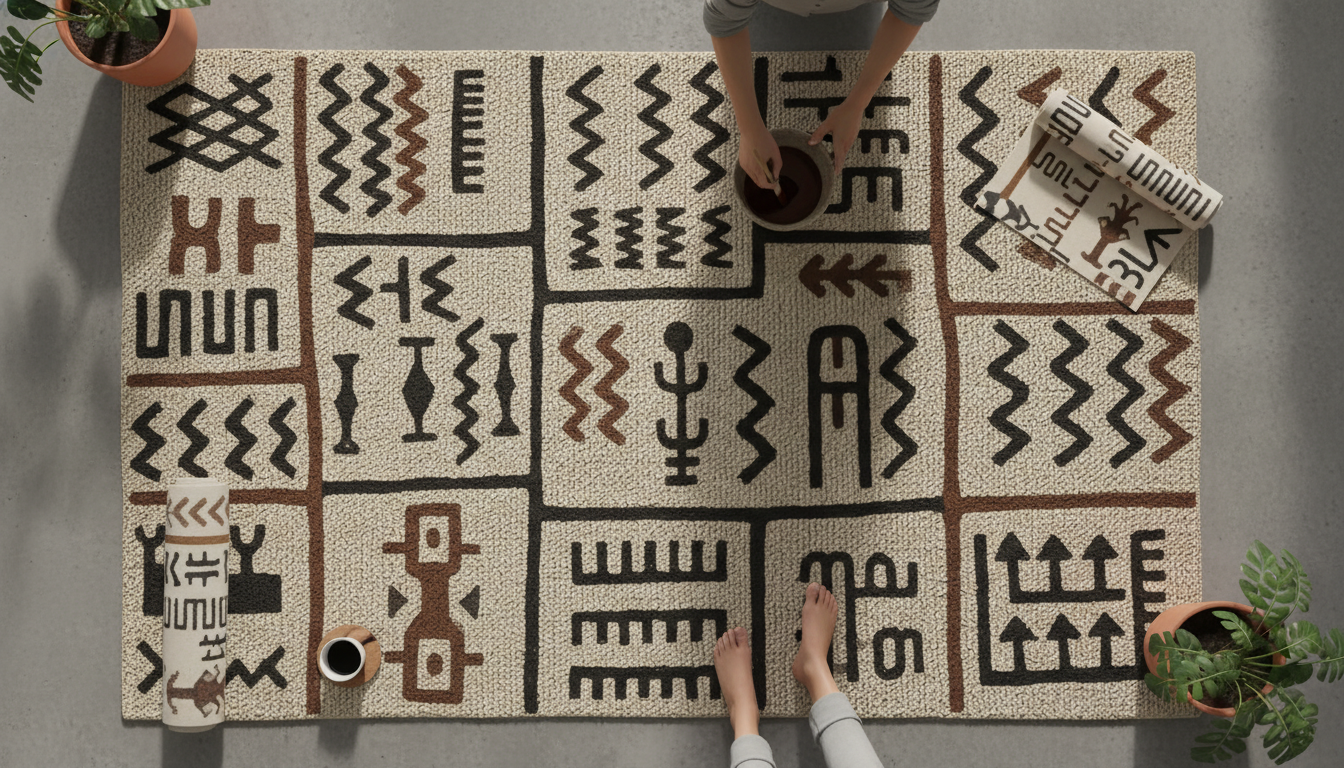
To truly appreciate the allure of Afro-Bohemian heritage rugs, one must look beyond the surface of the wool and silk. In 2026, these pieces have transitioned from simple floor coverings to profound archival documents. They represent a visual language that bridges the gap between ancient African weaving traditions and the eclectic, free-spirited nature of Bohemian luxury.
Every pattern woven into these textiles acts as a silent dialect. When you integrate Afro-Bohemian heritage rugs into a modern interior, you are not just choosing a color palette; you are inviting a lineage of storytelling into your home. These rugs serve as a testament to the artisans who use looms to record the history of their people and the rhythms of the natural world.
The contemporary demand for these pieces stems from a collective desire for authenticity. In an era dominated by mass-produced items, the soul found within Afro-Bohemian heritage rugs offers a refreshing sense of permanence. Each motif is a deliberate choice, intended to provide protection, celebrate prosperity, or honor the spirit of the ancestors.
The Geometric Vocabulary of Ancient Looms
The foundation of Afro-Bohemian heritage rugs lies in their complex geometric structures. Unlike the fluid floral patterns found in traditional Persian styles, Afro-Bohemian designs often lean into bold, sharp, and intentional shapes. These are not merely decorative; they are symbols that have been passed down through generations of weaving families.
Common geometric motifs found in these luxury rugs include:
- The Diamond: Often found in Berber-inspired weaves, representing the “Eye” which wards off negative energy and protects the home.
- The Zig-Zag: This pattern frequently symbolizes the “Path of the Ancestors” or the flow of water, representing life, movement, and spiritual continuity.
- The X-Shape: A symbol of communication and the meeting of different worlds, perfectly encapsulating the fusion of global soul and modern luxury.
- The Broken Line: Often used to signify that life is an ongoing journey with unexpected turns, emphasizing resilience and adaptability.
By understanding these symbols, homeowners can choose pieces that resonate with their personal values. Whether you are seeking a rug that promotes tranquility or one that sparks creative energy, the symbolism in Afro-Bohemian heritage rugs provides a unique opportunity for curated self-expression.
Color as a Dialect of the Earth
The palette of Afro-Bohemian heritage rugs in 2026 has evolved to include both traditional earth tones and sophisticated, high-fashion hues. However, the significance of color remains rooted in indigenous practices. The dyes used in these premium handmade rugs often carry their own symbolic weight, derived from the natural materials of the landscape.
For instance, deep indigo represents the vastness of the sky and the depth of the ocean, often associated with wisdom and calm. Terracotta and ochre tones speak to the red clay of the earth, symbolizing fertility and groundedness. When you source a piece from
thebohorugs.com
, you are often seeing these natural pigments reflected in high-quality wools that age beautifully over time.Modern luxury interiors are increasingly utilizing these “earth-born” colors to create biophilic spaces. Integrating Afro-Bohemian heritage rugs allows designers to bring the outside in, fostering a connection to the environment through textiles that are as sustainable as they are beautiful. This commitment to natural beauty is a hallmark of the 2026 Afro-Bohemian movement.
From Tribal Significance to Modern Statement
The rise of Afro-Bohemian heritage rugs has fundamentally changed how we view luxury flooring. It is no longer about the highest thread count or the most famous brand name; it is about the narrative. A rug that carries the weight of a culture’s history brings a level of prestige that a machine-made alternative simply cannot replicate.
In 2026, interior designers are using these rugs as “anchor pieces.” Because the patterns are so bold and the history so rich, the rug often dictates the rest of the room’s aesthetic. A minimalist room can be completely transformed by the inclusion of Afro-Bohemian heritage rugs, which add texture, warmth, and an immediate sense of “global soul.”
When seeking to elevate your interior with these storied pieces, the curated collection at thebohorugs.com provides a gateway to authentic craftsmanship and unparalleled global soul. Their selection focuses on the intersection of heritage and modern design, ensuring each rug is a masterpiece of cultural preservation and high-end decor.
Curating Your Legacy: Choosing the Right Motif
Investing in Afro-Bohemian heritage rugs is an exercise in legacy building. Because these rugs are handmade from premium materials like organic wool and silk blends, they are designed to last for decades. Choosing the right pattern involves looking for a visual rhythm that matches the energy of your specific living space.
Consider the following when selecting your heritage piece:
- The Room’s Purpose: High-energy patterns with sharp zig-zags are ideal for creative studios or dining rooms where conversation is encouraged.
- Negative Space: Look for rugs that balance intricate symbols with “restful” areas of solid color to prevent the room from feeling cluttered.
- Texture and Pile: Afro-Bohemian rugs often feature varied pile heights, which can emphasize certain symbols and add a tactile dimension to the art.
Ultimately, the beauty of Afro-Bohemian heritage rugs lies in their ability to be both ancient and avant-garde. They are the perfect solution for the modern homeowner who values the craftsmanship of the past while looking toward a more inclusive and soulful future of design. By decoding the motifs, you become a custodian of the art you walk upon every day.
Color Palettes: From Earthen Ochre to Midnight Indigo
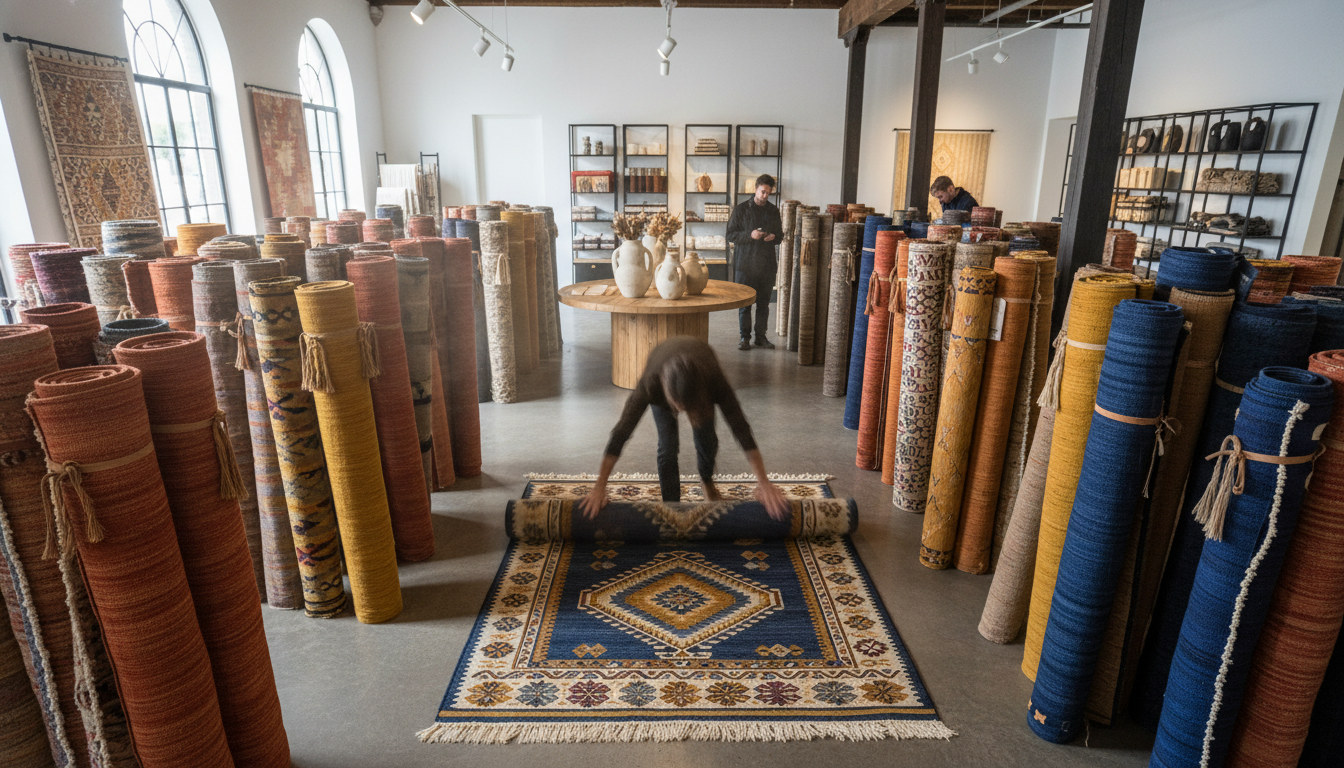
The interior design landscape of 2026 is witnessing a profound shift toward narrative-driven aesthetics, where the home serves as a gallery of personal and cultural history. At the heart of this movement are Afro-Bohemian heritage rugs, pieces that transcend simple floor coverings to become anchors of soulful storytelling. The color stories defining this era are no longer dictated by fleeting fashion cycles but are instead rooted in the organic pigments of the earth and the deep traditions of the African continent.
In the coming years, we see a move away from sterile, mass-produced palettes toward “living colors”—hues that possess depth, variation, and a sense of history. These Afro-Bohemian heritage rugs leverage natural dyeing techniques to achieve tones that resonate with human emotion. Whether it is the warmth of a sun-drenched savannah or the cooling calm of a tropical night, the 2026 color trends prioritize authenticity and luxury through pigment.
The Warmth of the Earth: Ochre, Terracotta, and Burnt Sienna
The foundation of the Afro-Bohemian aesthetic lies in its connection to the soil. Earthen ochre, a pigment used for millennia in rock art and body decoration across Africa, provides a grounding energy to modern living spaces. When integrated into Afro-Bohemian heritage rugs, these warm yellows and golds reflect a sense of perennial sunshine and optimism, making them ideal for high-traffic social areas like the living room or dining hall.
Terracotta and burnt sienna act as the perfect structural companions to these golden tones. These colors evoke the clay architecture of the Sahel and the iron-rich soils of the Great Rift Valley. In a modern luxury context, these hues provide a “new neutral” that offers more character than traditional beige or grey. They create a sophisticated backdrop that complements natural wood furniture and indoor greenery, bridging the gap between the outdoors and the refined interior.
- Example: A large-scale rug featuring geometric Zanafi motifs in varying shades of rusted clay and mustard yellow.
- Design Tip: Pair these warm-toned Afro-Bohemian heritage rugs with brushed brass fixtures and velvet upholstery to lean into the 2026 luxury aesthetic.
- Atmosphere: These colors are designed to promote a sense of security, warmth, and hospitality.
The Depth of Midnight Indigo and Charcoal
Contrasting the heat of the earthen tones is the profound mystery of midnight indigo. Indigo dyeing has a prestigious history in West Africa, particularly among the Tuareg and Yoruba people, where the depth of the blue signifies status and spiritual protection. In 2026, Afro-Bohemian heritage rugs utilizing deep indigo are being celebrated as the ultimate statement of “global soul” in modern apartments and executive suites.
Indigo is often paired with charcoal and ebony to create a palette of quiet power. These darker, moody tones allow the intricate textures of hand-knotted wool and organic cotton to catch the light. Unlike flat black dyes, the indigo found in authentic Afro-Bohemian heritage rugs possesses a shimmering, multi-dimensional quality. This saturation creates a focal point that anchors a room, providing a visual weight that feels both ancient and cutting-edge.
For those looking to introduce this level of artisanal excellence into their own homes, sourcing is everything. You can find a curated selection of premium, hand-crafted Afro-Bohemian heritage rugs at thebohorugs.com, where the focus remains on preserving these traditional color-work techniques for the modern connoisseur. These pieces act as the perfect counterbalance to the bright, airy spaces of contemporary architecture.
Monochromatic Harmony: Bone, Cream, and Mudcloth Black
Not all heritage pieces require a riot of color to make an impact. A significant branch of the Afro-Bohemian movement focuses on the high-contrast beauty of monochromatic schemes. Inspired by the Bogolanfini (mudcloth) traditions of Mali, these Afro-Bohemian heritage rugs use fermented mud and plant extracts to create stark black-and-white patterns that are both tribal and minimalist.
The “white” in these palettes is rarely a pure stark white; instead, it ranges from bleached bone to soft cream and ivory. This softens the visual impact, making the rug feel aged and cherished rather than clinical. The black elements provide the graphic definition that modern luxury demands, often appearing in broken lines, zig-zags, and symbolic icons that represent proverbs or historical events.
- Minimalist Luxury: A cream-based rug with thin, hand-drawn black lines adds architectural interest without overwhelming a space.
- Texture Focus: In monochromatic Afro-Bohemian heritage rugs, the variation in the weave—such as high-pile shag mixed with flatweave—becomes the star of the show.
- Versatility: These neutral palettes work seamlessly in minimalist Scandinavian-style homes or maximalist Bohemian lofts.
The Intersection of Pigment and Sustainability
What sets the 2026 trend apart is the insistence on sustainable luxury. The colors found in high-end Afro-Bohemian heritage rugs are often derived from pomegranate skins, madder root, and walnut husks. This commitment to botanical dyes ensures that each rug is chemically safe for the home and environmentally responsible. It also means that the colors will age gracefully, developing a unique patina over decades rather than fading into a dull grey.
Investing in Afro-Bohemian heritage rugs is an investment in a circular economy that values the artisan as much as the end product. By choosing pieces from specialized boutiques like thebohorugs.com, homeowners are ensuring that the vibrant indigos and rich ochres they enjoy are produced through ethical means. This alignment of ethics and aesthetics is the true hallmark of 2026 luxury, where the beauty of the rug is matched only by the integrity of its origin.
As we look forward, these color palettes serve as a reminder that the most beautiful interiors are those that connect us to the wider world. Whether you choose the fiery energy of the desert or the silent depth of the night sky, your choice of rug becomes a bridge between ancient heritage and your modern life.
The Art for the Floor Philosophy: Curating Your Space
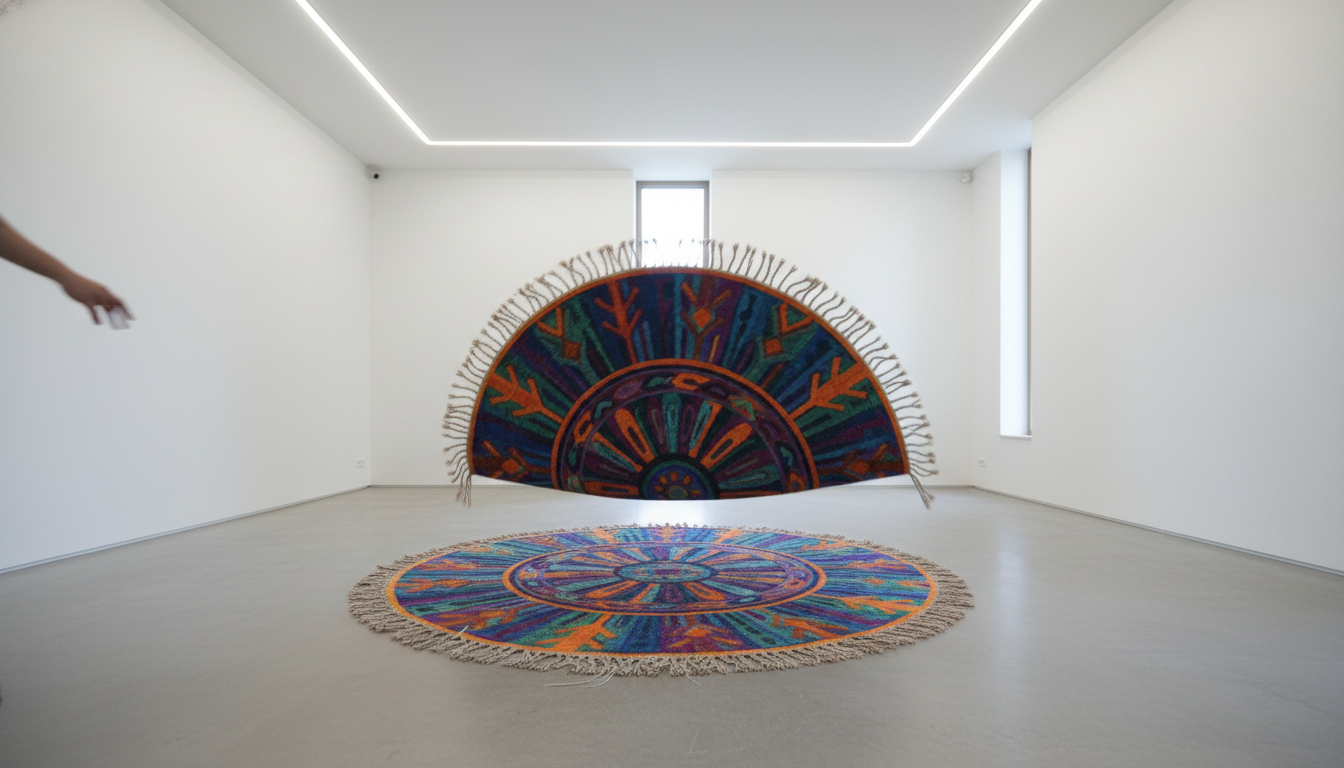
Integrating Afro-Bohemian heritage rugs into a home is far more than a simple decor choice; it is an intentional act of storytelling. In the design landscape of 2026, the floor has evolved into a fifth wall, a canvas where history, culture, and high-end luxury intersect. This philosophy views every textile not as a utility, but as a masterpiece that anchors the energy of a room.
The “Art for the Floor” movement emphasizes that your living space should reflect a global soul. By choosing Afro-Bohemian heritage rugs, homeowners are moving away from mass-produced minimalism toward a style that celebrates texture, ancestral symbols, and the warmth of human craftsmanship. These pieces serve as the foundational narrative for any curated interior.
When you look at a rug through the lens of heritage, you see more than just fibers. You see the rhythm of West African mudcloth patterns, the intricate geometry of North African Berber weaves, and the free-spirited essence of bohemian life. This fusion creates a visual language that feels both ancient and refreshingly modern.
The Symbolic Language of Afro-Bohemian Patterns
Every line and diamond found in Afro-Bohemian heritage rugs carries a specific meaning. In many traditional African weaving cultures, patterns represent concepts like protection, fertility, and community. When these are blended with bohemian aesthetics—characterized by layered textures and relaxed silhouettes—the result is a rug that breathes life into a silent room.
Modern luxury in 2026 is defined by authenticity rather than just price points. Design enthusiasts are increasingly seeking out pieces that have a soul. The resurgence of these heritage designs allows for a sophisticated “collected” look, making your home feel like a curated gallery of global travels and artistic appreciation.
Consider how these specific design elements can transform your aesthetic:
- Bold Geometric Contrast: Black and white patterns that provide a striking focal point against neutral walls.
- Earth-Toned Palettes: Rich terracottas, deep indigos, and ochre hues that bring the warmth of the savannah indoors.
- Textural Layering: High-pile wool mixed with flat-weave sections to create a tactile experience for the feet.
- Fringe and Raw Edges: Adding a touch of “perfectly imperfect” bohemian charm to a structured modern room.
Strategic Placement: Creating a Narrative in Every Room
Curating your space with Afro-Bohemian heritage rugs requires a strategic approach to placement. In the living room, a large-scale rug acts as an anchor, pulling together disparate furniture pieces into a cohesive conversation area. It sets the tone—usually one of grounded luxury and welcoming warmth.
In a dining area, these rugs provide a sophisticated backdrop for communal gatherings. The intricate patterns are excellent at masking the wear and tear of daily life while maintaining an upscale atmosphere. It is about balancing the practical needs of a household with the desire for a high-fashion interior.
For those looking to create a sanctuary in the bedroom, Afro-Bohemian heritage rugs offer a soft landing. Placing a plush, hand-knotted piece under the bed allows the patterns to peek out from the sides, creating a frame that emphasizes rest and cultural connection. It is the ultimate expression of personal luxury.
The Materiality of 2026 Luxury
The rise of Afro-Bohemian heritage rugs is also a response to the global call for sustainability. True luxury now demands ethical production and natural materials. These rugs are typically crafted from organic wool, locally sourced cotton, and botanical dyes, ensuring that your home remains free of synthetic toxins while supporting artisan communities.
The tactile nature of these rugs is a vital part of the “Art for the Floor” philosophy. In a world that is increasingly digital and “smooth,” the presence of hand-spun wool and irregular weaves provides a necessary sensory grounding. It connects the inhabitant to the physical world and the hands of the maker.
If you are ready to elevate your home with these soulful masterpieces, you can explore a curated collection of premium handmade options at thebohorugs.com. Sourcing from authentic weavers ensures that your investment supports the preservation of these ancient techniques while bringing a piece of global history into your modern dwelling.
Creating Visual Balance with Global Soul
To successfully style Afro-Bohemian heritage rugs, one must master the art of balance. Because these rugs often feature bold patterns and rich histories, they pair beautifully with sleek, mid-century modern furniture or minimalist contemporary silhouettes. The contrast prevents the room from feeling cluttered or overwhelming.
Interior designers in 2026 often use the “Rule of Three” when incorporating heritage textiles:
- Scale: Pair a large-patterned rug with smaller-scale prints on throw pillows or curtains.
- Color: Pull one secondary color from the rug’s weave and repeat it in your wall art or greenery.
- Texture: Balance a heavy wool rug with lighter elements like glass coffee tables or polished metal accents.
Ultimately, the goal of the “Art for the Floor” philosophy is to create a space that feels curated, not decorated. Using Afro-Bohemian heritage rugs allows you to bypass fleeting trends and invest in a timeless aesthetic. These rugs do not just sit on the floor; they hold the room together, offering a foundation of luxury that is rooted in culture and high-end design.
Whether you are starting with a blank canvas or looking to refresh a tired room, remember that the rug is the heart of the space. By choosing Afro-Bohemian heritage rugs from reputable sources like thebohorugs.com, you are choosing to live surrounded by beauty, history, and the enduring spirit of global artistry.
Sustainable Craftsmanship: The Ethics of Global Heritage
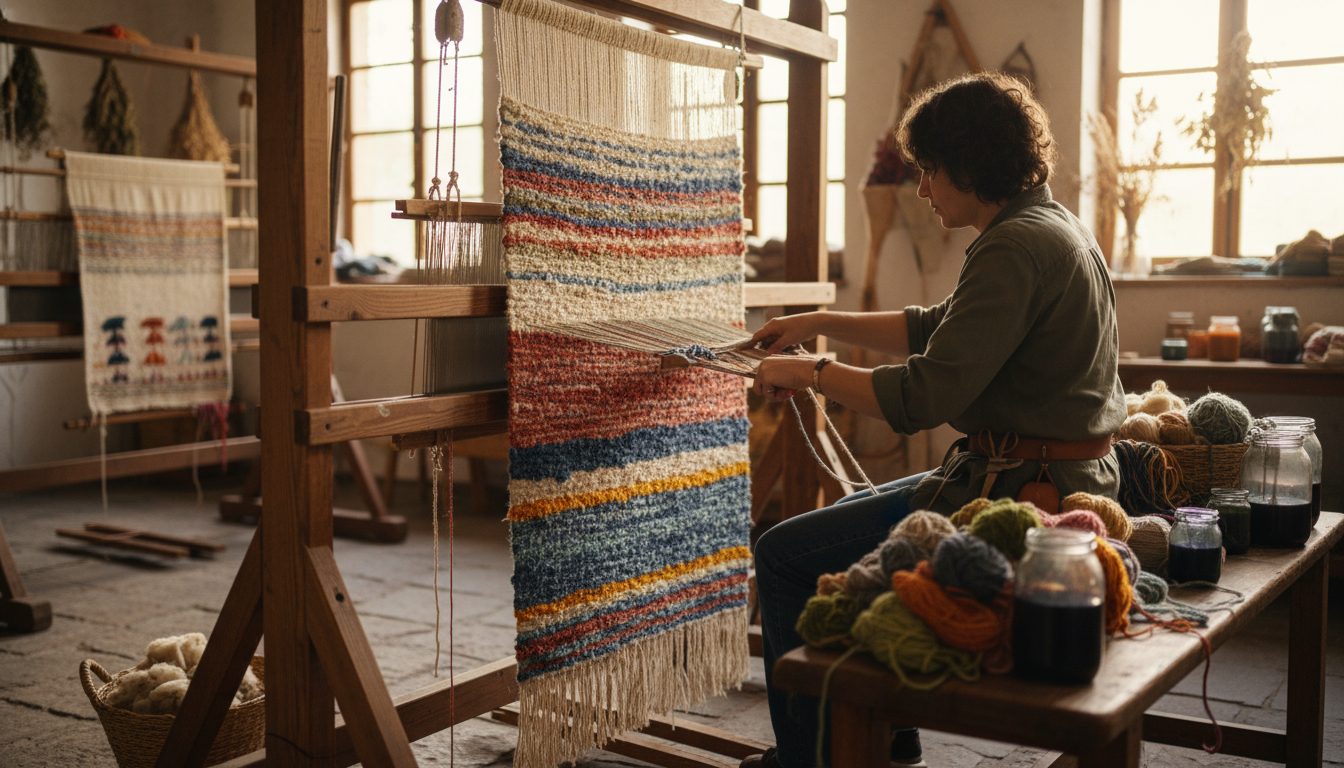
In the design landscape of 2026, the global shift toward “slow decor” has reached its zenith, placing Afro-Bohemian heritage rugs at the forefront of the ethical luxury movement. This aesthetic evolution transcends mere visual appeal, focusing instead on the profound connection between the artisan, the environment, and the homeowner. Today’s discerning collector views their floor covering not just as a textile, but as a commitment to a sustainable future.
The core of this trend lies in the rejection of disposable culture. For decades, the rug industry was dominated by synthetic fibers and mechanized mass production that prioritized speed over soul. However, the modern fusion of African ancestral patterns and bohemian sensibilities has sparked a renaissance in hand-loomed artistry. Choosing Afro-Bohemian heritage rugs means investing in a piece that has been crafted with a minimal carbon footprint and a maximum social impact.
When we examine the ethics of these textiles, we look at the entire lifecycle of the product. From the sourcing of raw wool in the Atlas Mountains to the final wash in natural mineral springs, every step is an exercise in mindfulness. This conscious approach ensures that the luxury of today does not compromise the resources of tomorrow, making these rugs a staple for the environmentally-aware interior designer.
The Purity of Natural Materials
Sustainability begins with the raw materials used to create Afro-Bohemian heritage rugs. Unlike modern industrial carpets that rely on petroleum-based plastics, these artisanal pieces utilize renewable fibers that have been used for millennia. These materials are biodegradable, carbon-sequestering, and incredibly durable, ensuring that the rug survives for generations rather than ending up in a landfill after a few years of wear.
The primary materials found in high-end Afro-Bohemian heritage rugs include:
- Organic Live Wool: Sourced from sheep that roam freely, this wool is sheared humanely and contains high levels of lanolin, a natural dirt repellent.
- Wild Silk and Cactus Fiber: These additions provide a subtle sheen and a luxurious texture without the heavy chemical processing required for synthetic rayon.
- Organic Cotton Warp: Providing a sturdy foundation, organic cotton is grown without harmful pesticides, preserving the health of the soil and the farmers.
- Hand-Spun Yarn: The process of hand-spinning creates a unique, irregular “slub” in the yarn, which gives the final rug its characteristic Afro-Bohemian soul.
By prioritizing these fibers, brands like thebohorugs.com ensure that every knot tied contributes to a healthier ecosystem. These natural fibers also improve indoor air quality, as they do not off-gas volatile organic compounds (VOCs) common in factory-made alternatives.
Preserving Ancestral Craftsmanship
The ethics of heritage rugs also extend to the human element. The rise of the Afro-Bohemian aesthetic in 2026 is deeply intertwined with the empowerment of artisan communities across the African continent and beyond. By focusing on Afro-Bohemian heritage rugs, designers are helping to preserve weaving techniques that were on the brink of extinction due to globalization.
Many of these rugs are produced in women-led cooperatives where fair trade is not just a label, but a lived reality. These cooperatives provide weavers with a steady income, healthcare, and education for their children. This social sustainability ensures that the cultural intellectual property of these designs—passed down through oral traditions and geometric symbols—remains in the hands of the creators.
When you purchase premium handmade rugs from thebohorugs.com, you are directly supporting this cycle of empowerment. These pieces are not churned out in factories; they are woven over months in village settings where the rhythm of the loom dictates the pace of life. This human-centric production model is what distinguishes true luxury from mere expense.
Pigments from the Earth
Color is the heartbeat of the Afro-Bohemian style, characterized by deep ochres, vibrant indigos, and warm terracottas. In 2026, the ethical standard for Afro-Bohemian heritage rugs demands the use of botanical and mineral dyes. Synthetic dyes are often toxic to local waterways, but natural pigments offer a harmonious alternative that ages beautifully over time.
Examples of natural dye sources used in these rugs include:
- Indigo Leaves: Used for centuries to achieve deep, moody blues that symbolize protection and spirituality.
- Pomegranate Rinds: These are boiled to create rich yellows and muted greens, adding a sunny warmth to the bohemian palette.
- Henna and Madder Root: The source of the iconic burnt oranges and earthy reds that define the Afro-chic aesthetic.
- Crushed Iron Ore: Provides the deep blacks and charcoals used to outline complex tribal motifs.
The result of using these organic dyes is a “living color” that reacts to light and shadow. Unlike chemical dyes that can look flat and artificial, the colors in Afro-Bohemian heritage rugs possess a depth and vibration that can only come from nature. This chromatic richness is a hallmark of modern luxury that respects the Earth’s biological limits.
Longevity as a Sustainable Value
In the context of 2026 interior trends, longevity is the ultimate expression of sustainability. The “buy once, buy well” philosophy is perfectly embodied by Afro-Bohemian heritage rugs. Because they are hand-knotted with high-quality natural fibers, these rugs are built to withstand the rigors of a busy household while maintaining their structural integrity.
A mass-produced rug might last three to five years before the backing crumbles or the fibers mat down. In contrast, a heritage rug from thebohorugs.com is designed to last fifty years or more. As these rugs age, they develop a “patina” of history, becoming softer and more integrated into the home’s narrative. This durability makes them an incredible investment for those looking to curate a home with a “Global Soul.”
Choosing an heirloom-quality piece reduces the demand for new resource extraction and minimizes waste. It is a radical act of conservation disguised as an interior design choice. By selecting Afro-Bohemian heritage rugs, you are choosing a path that honors the past, supports the present artisan, and protects the future environment.
Integrating Ethical Luxury into the Home
The beauty of the 2026 Afro-Bohemian fusion is its versatility. These rugs act as a grounding element in a variety of settings, from minimalist Scandinavian apartments to maximalist jungle-inspired lofts. To truly honor the ethics behind the craft, designers recommend styling these rugs in ways that highlight their handmade nature.
Layering is a key technique in the Afro-Bohemian playbook. You might place a smaller, intricately patterned heritage rug over a larger, neutral jute or sisal base. This not only creates visual texture but also protects the more delicate antique fibers in high-traffic areas. The Afro-Bohemian heritage rugs found at thebohorugs.com are curated specifically to offer this balance of durability and high-concept design.
Ultimately, the rise of Afro-Bohemian heritage rugs represents a maturing of the interior design industry. We are moving away from the “look” of a culture and moving toward a deep respect for its processes and people. When you unroll one of these masterpieces in your living room, you are bringing home more than a rug; you are bringing home a legacy of sustainable luxury and global connection.
Styling Guide: Mixing Afro-Boho with Minimalist Modernism
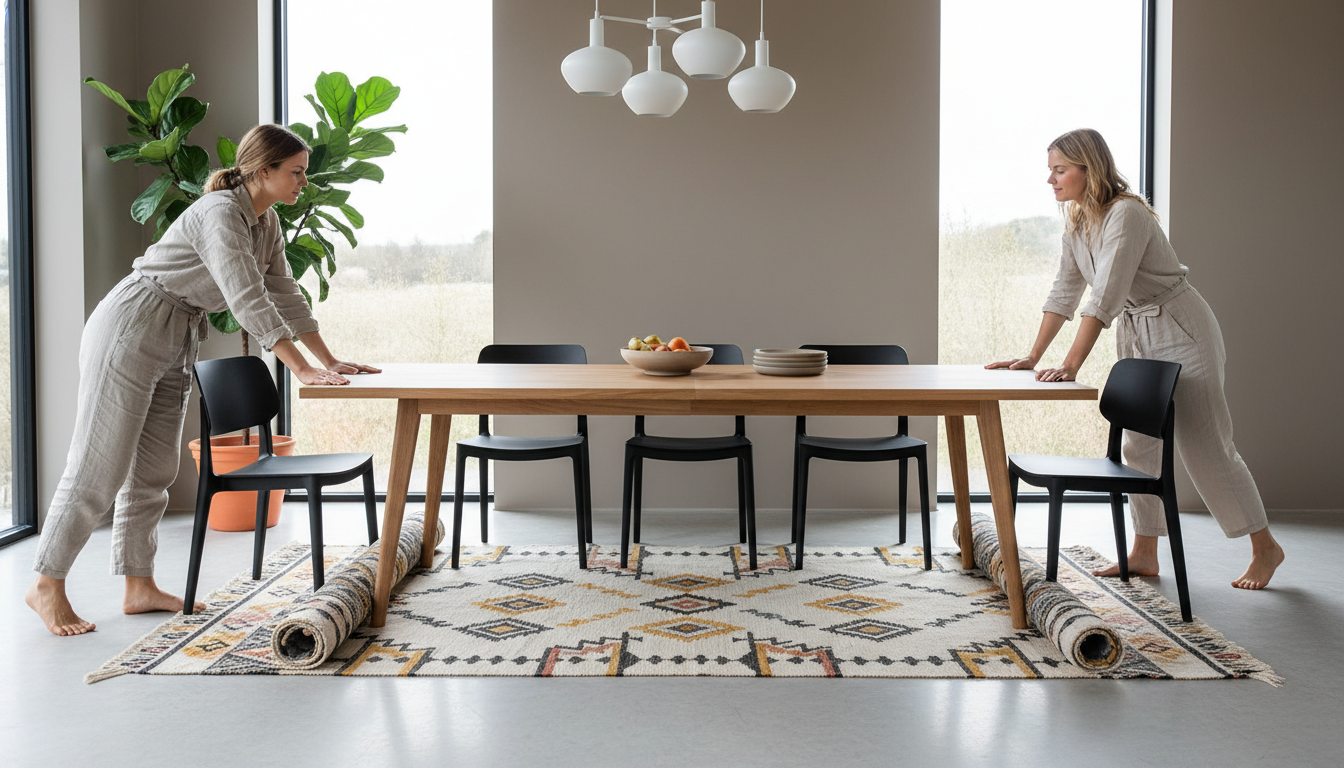
The design landscape of 2026 is defined by a desire for “quiet luxury” that doesn’t feel clinical. As we look toward the future of home decor, the demand for Afro-Bohemian heritage rugs has shifted from a niche interest to a central pillar of high-end interior design. This aesthetic combines the soulful, storied patterns of the African continent with the clean lines of modern minimalism.
Integrating these bold textiles into a stripped-back environment requires a delicate balance. It is about creating a space where the rug is the protagonist, telling a story of culture and craftsmanship, while the surrounding architecture remains silent and supportive. The result is a home that feels curated, intentional, and deeply connected to global history.
Creating a Tactile Foundation
Minimalism often suffers from a lack of sensory depth, frequently relying too heavily on smooth, cold surfaces. Incorporating Afro-Bohemian heritage rugs into a minimalist setting provides an immediate solution to this “sterile” feel. The raised piles, hand-knotted wool, and organic cotton fibers offer a tactile grounding that glass and steel simply cannot provide.
To master this look, consider the texture of your flooring. A polished concrete or light oak floor serves as the perfect canvas for the intricate weaves found in heritage pieces. The contrast between the perfection of a machine-finished floor and the beautiful “perfect imperfections” of a handmade rug creates a sophisticated tension that defines 2026 luxury.
When selecting your piece, look for specific textural elements that signify authentic craftsmanship. These may include:
- Hand-spun wool: This provides a variegated thickness that catches the light differently throughout the day.
- Raised geometric motifs: These add a three-dimensional quality to the room’s layout.
- Fringe details: Unfinished or braided edges break up the rigid lines of modern furniture.
The Art of High-Contrast Color Palettes
The key to successfully integrating Afro-Bohemian heritage rugs is the juxtaposition of raw, organic pigments against industrial surfaces. Modern minimalism usually leans toward a monochromatic palette of whites, greys, and blacks. Afro-Boho patterns often utilize natural dyes like indigo, terracotta, and ochre, which breathe life into these neutral zones.
For a living area, try pairing a charcoal-grey modular sofa with a rug featuring cream and deep chocolate brown patterns. The dark tones in the rug will ground the furniture, while the lighter accents prevent the space from feeling heavy. This creates a “weighted” aesthetic that feels expensive yet approachable.
If you prefer a brighter aesthetic, opt for rugs with “ghost patterns”—traditional designs that have been softened or faded. These pieces offer the cultural richness of the heritage style without overwhelming a small or airy room. They act as a whisper of history rather than a shout, maintaining the tranquility of a minimalist home.
Furniture Pairing: Where Geometry Meets History
Many designers are now using Afro-Bohemian heritage rugs to soften the sharp angles of Scandinavian or Mid-century modern furniture. The organic, often asymmetrical patterns of the rugs provide a necessary visual break from the repetitive lines of modern cabinetry and seating. It is a fusion of “Global Soul” and “Structural Precision.”
Consider these pairing examples for your 2026 redesign:
- The Dining Room: A matte black tulip table placed atop a high-contrast geometric rug.
- The Home Office: A sleek glass desk paired with a plush, hand-knotted heritage runner.
- The Bedroom: A low-profile platform bed grounded by a large-scale Bogolan-inspired rug.
When you source from specialized collections like those found at thebohorugs.com, you ensure your Afro-Bohemian heritage rugs are authentic works of art. High-quality, premium handmade rugs provide a level of durability and “soul” that mass-produced items lack, making them a wise investment for the modern collector.
Defining Zones in Open-Plan Living
Using Afro-Bohemian heritage rugs as the anchor for a room allows for a more restrained approach to wall decor. In large, open-concept homes, these rugs act as “islands” that define specific functional areas without the need for physical barriers like room dividers or walls.
In 2026, the trend is toward “curated zoning.” This involves using a large heritage rug to encircle the conversation area in a living room, effectively separating it from the kitchen or dining space. The rug becomes the focal point, allowing you to keep the walls bare or adorned with only a single, large-scale piece of art.
This approach highlights the architectural integrity of your home. By keeping the “clutter” on the walls to a minimum and letting the floor carry the visual narrative, you achieve a sense of “zen” luxury. The rug serves as the soul of the room, while the minimalist architecture provides the breath.
Sustainable Luxury and Long-Term Value
Selecting the right Afro-Bohemian heritage rugs involves understanding the symbolism behind the geometric patterns and the sustainability of the materials. Modern luxury is increasingly defined by ethics and longevity. Handmade rugs are naturally eco-friendly, utilizing renewable fibers and traditional techniques that have existed for centuries.
Authentic heritage pieces are designed to last for generations, gaining character as they age. This “slow decor” movement is a direct response to the fast-furniture culture of previous decades. By choosing a premium rug from thebohorugs.com, you are supporting artisanal communities and bringing a piece of genuine global history into your private sanctuary.
Ultimately, the rise of Afro-Bohemian heritage rugs represents a global desire for homes that feel both curated and lived-in. It is a celebration of human touch in a digital age. By following these styling tips, you can transform any modern space into a sophisticated haven of culture, warmth, and timeless style.
Future-Proofing Your Home: Investing in Heritage Textiles
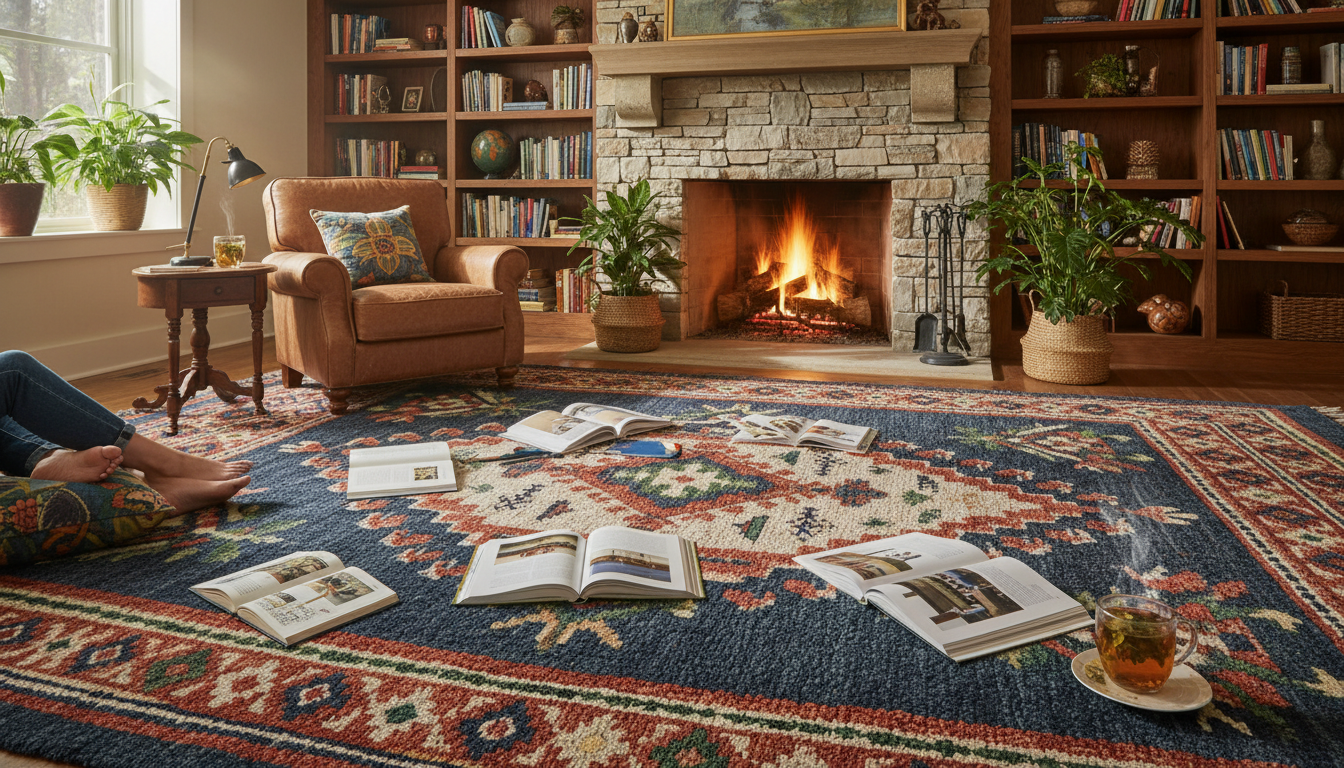
Investing in your living space has evolved from following fleeting seasonal trends to curating a collection of meaningful, long-lasting artifacts. In the design landscape of 2026, Afro-Bohemian heritage rugs have emerged as the definitive centerpiece for the modern luxury home. These pieces represent a profound shift toward “slow decor,” where every item tells a story of cultural lineage and artisanal mastery.
Unlike mass-produced floor coverings that lose their luster within a few years, these rugs are built to withstand the test of time. They bridge the gap between ancient African weaving techniques and the free-spirited aesthetics of Bohemian living. By choosing Afro-Bohemian heritage rugs, homeowners are securing an asset that appreciates in both sentimental and financial value.
The durability of these textiles comes from the use of premium, organic fibers. Hand-spun wool, organic cotton, and sustainable jute are woven together using methods passed down through generations. This ensures that the rug can handle high-traffic areas while maintaining its intricate texture and vibrant, earth-toned pigments.
The Intersection of Sustainability and Style
Modern luxury in 2026 is defined by ethical consumption and environmental consciousness. Afro-Bohemian heritage rugs fit perfectly into this ethos because they are typically produced in small batches by independent artisans. This small-scale production minimizes the carbon footprint associated with industrial manufacturing processes.
These rugs utilize natural dyes derived from plants, minerals, and roots. This not only creates a rich, multi-dimensional color palette but also ensures that no harmful chemicals are introduced into your home environment. The result is a healthy living space that feels grounded in nature and authenticity.
When you invest in these textiles, you are supporting a circular economy. The artisans receive fair wages, which helps preserve their traditional crafts for future generations. This ethical backbone adds a layer of “invisible luxury” to your home that no machine-made product can replicate.
Designing with Afro-Bohemian Heritage Rugs
Integrating Afro-Bohemian heritage rugs into a contemporary interior requires a balance between bold patterns and minimalist furniture. These rugs often feature geometric symbols, tribal motifs, and abstract representations of the natural world. They act as a grounding element that ties disparate design components together.
- The Neutral Anchor: Use a cream and charcoal Mudcloth-inspired rug to ground a bright, white-walled living room.
- The Statement Piece: Place a vibrant, ochre-toned heritage rug in a home office to stimulate creativity and warmth.
- The Layering Technique: Overlay a smaller, intricately patterned rug on top of a larger, neutral sisal rug for a cozy, multidimensional look.
- The Hallway Gallery: Use long runners with repetitive geometric shapes to turn a functional corridor into a cultural journey.
If you are looking to elevate your sanctuary with these exquisite pieces, thebohorugs.com offers a curated selection of premium handmade rugs. Their collection focuses on high-end craftsmanship, ensuring that every purchase is a step toward a more soulful and luxurious home environment.
A Financial Asset for Your Interior Portfolio
In the world of high-end interior design, heritage textiles are increasingly viewed as “floor art.” Just as one might invest in a painting or a sculpture, Afro-Bohemian heritage rugs are valued for their rarity and the skill required to produce them. As authentic hand-weaving becomes rarer, the market value for these genuine pieces continues to climb.
Maintenance is surprisingly simple for rugs of this caliber. Because they are made from high-quality natural fibers, they possess inherent dirt-repellent properties. A well-cared-for rug can easily last fifty to one hundred years, eventually becoming a cherished family heirloom passed down to children and grandchildren.
Choosing a rug from thebohorugs.com ensures that you are receiving a piece that has been vetted for quality and authenticity. In an era of “fast furniture,” owning something that is designed to last a lifetime is the ultimate expression of luxury and sophisticated taste.
Cultural Storytelling Through Pattern and Texture
The patterns found in Afro-Bohemian heritage rugs are rarely just decorative; they are a form of visual language. Many motifs represent concepts like community, fertility, protection, or the rhythmic flow of water. Incorporating these symbols into your home adds a layer of spiritual and historical depth.
The “Bohemian” aspect of the fusion brings a relaxed, lived-in feel to these traditional patterns. It softens the rigidity of tribal geometry with shaggy textures, fringed edges, and unexpected color combinations. This makes the rugs incredibly versatile, fitting into industrial lofts, mid-century modern homes, or coastal retreats alike.
As we look toward the future of home styling, the trend is clear: we are moving away from the clinical and toward the characterful. Afro-Bohemian heritage rugs provide the warmth and soul that modern architecture often lacks. They invite guests to linger, provide a soft landing for bare feet, and serve as a constant reminder of the world’s diverse artistic legacy.
Whether you are a seasoned collector or a first-time homeowner, investing in a piece from thebohorugs.com is a commitment to quality. By choosing Afro-Bohemian heritage rugs, you are not just decorating a room; you are future-proofing your home with a timeless blend of global history and modern elegance.
Elevate Your Space
Discover the artistry of handmade luxury. Each rug is a masterpiece of tradition and modern design.
Expert Q&A
What defines Afro-Bohemian heritage rugs?
They are premium textiles that blend traditional African patterns and weaving methods with eclectic, Bohemian-style aesthetics for a modern luxury market.
Are these rugs handmade?
Yes, true heritage pieces are handcrafted by artisans, often using techniques passed down through generations.
What materials are popular for 2026?
Trends emphasize organic wool, hand-spun silk, sustainable jute, and innovative plant-based fibers like cactus silk.
How do I style a large Afro-Bohemian rug in a small room?
Keep furniture legs visible and choose a rug with a larger-scale pattern to create an illusion of expansive floor space.
Are these rugs suitable for high-traffic areas?
Yes, specifically those made from high-quality wool or sisal, which are naturally durable and resilient.
What is the ‘Art for the Floor’ concept?
It treats rugs as central gallery-quality masterpieces rather than secondary accessories, prioritizing craftsmanship and visual impact.
How can I tell if a rug is authentically Afro-Bohemian?
Look for irregular hand-weaving, natural dye variations, and specific cultural motifs like those from Mudcloth or Shoowa textiles.
Do these rugs fit in a minimalist home?
Absolutely; they provide the necessary texture and warmth to soften the clean lines of minimalist architecture.
How do I clean a heritage rug?
Professional cleaning is recommended; for home care, use a low-suction vacuum and blot spills immediately with water and mild soap.
What are the trending colors for 2026?
Terracotta, deep sage, burnt sienna, and ‘Midnight Indigo’ are the dominant shades for the upcoming season.
Is it okay to layer Afro-Bohemian rugs?
Yes, layering a patterned heritage rug over a larger, neutral jute rug is a hallmark of the Bohemian look.
Are these rugs eco-friendly?
Most are, as they rely on natural fibers and traditional dye processes that avoid harsh chemicals.
What is the lifespan of a heritage rug?
With proper care, a high-quality hand-knotted rug can last for decades, often becoming a family heirloom.
Can I use these rugs in a bedroom?
Yes, they add exceptional warmth and a soft landing, especially when placed partially under the bed.
Why are they called ‘Heritage’ rugs?
Because they carry the history, stories, and cultural identity of the African communities where the designs originated.
How do I choose the right size?
Ensure at least the front legs of all seating furniture rest on the rug to ground the conversation area.
Do Afro-Bohemian rugs work with Mid-Century Modern furniture?
They are a perfect match; the organic patterns of the rugs contrast beautifully with the geometric lines of MCM pieces.
Are these rugs expensive?
They are considered an investment due to the labor-intensive hand-weaving process and high-quality materials.
Where can I buy authentic Afro-Bohemian rugs?
Specialized retailers like TheBohoRugs and ethical fair-trade organizations are the best sources.
What is the significance of the geometric patterns?
Many patterns symbolize concepts like fertility, protection, or family history in their original cultural contexts.
Can I use a rug as a wall hanging?
Yes, thinner heritage weaves like Kuba cloth or flatweaves make stunning, tactile wall art.
What rug pad should I use?
A high-quality felt or rubber pad is essential to prevent slipping and protect the fibers from wear.
Are there vegan options?
Yes, rugs made from cotton, jute, sisal, or recycled PET yarns are excellent vegan alternatives.
How does global soul influence 2026 design?
It emphasizes a connection to world cultures and the human touch in an increasingly digital world.
Can Afro-Bohemian rugs be customized?
Many luxury brands now offer bespoke services to adjust size or color palettes while maintaining traditional weaving.
What is Bogolan finish?
It refers to patterns inspired by Malian mudcloth, traditionally dyed with fermented mud and botanical extracts.
How does the rug’s texture affect a room?
High-pile or varied textures absorb sound and add a layer of physical comfort and visual depth.
Are these rugs seasonal?
No, their natural fibers make them breathable in summer and insulating in winter.
What is the difference between Moroccan and Afro-Bohemian rugs?
Moroccan rugs are a subset; Afro-Bohemian is a broader category that incorporates designs from across the entire African continent.
Why is ‘Modern Luxury’ part of the trend?
Because 2026 luxury is defined by exclusivity, storytelling, and ethical production rather than just a high price tag.
Written by TheBohoRugs Interior Design Team
Experts in handmade rugs, boho interiors, and modern home decor.
