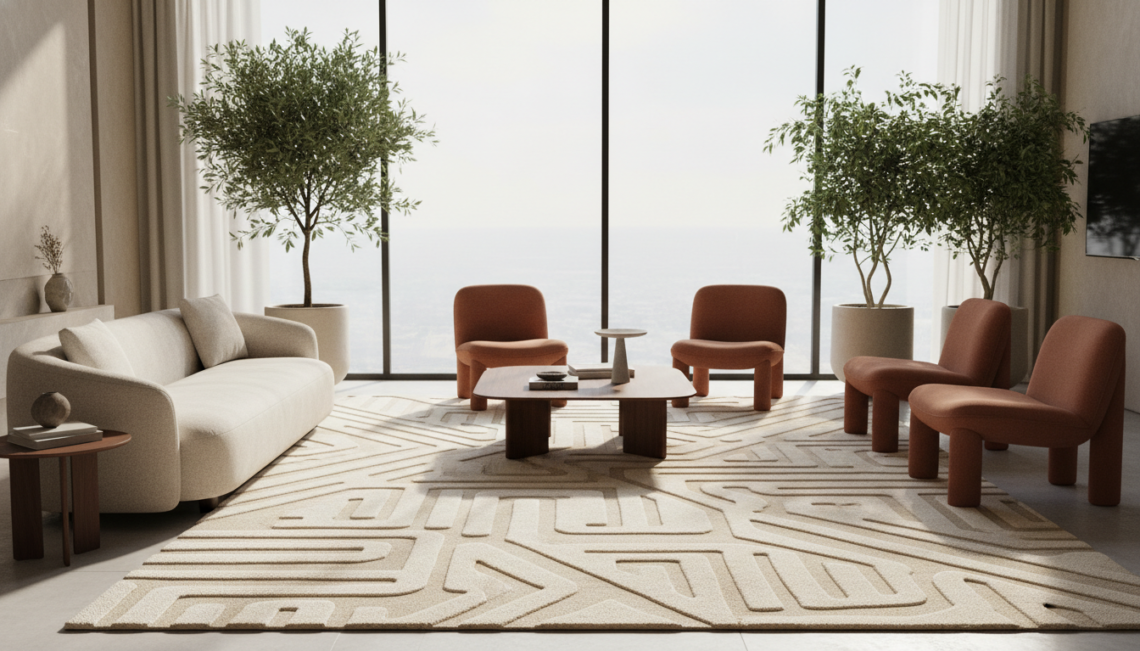
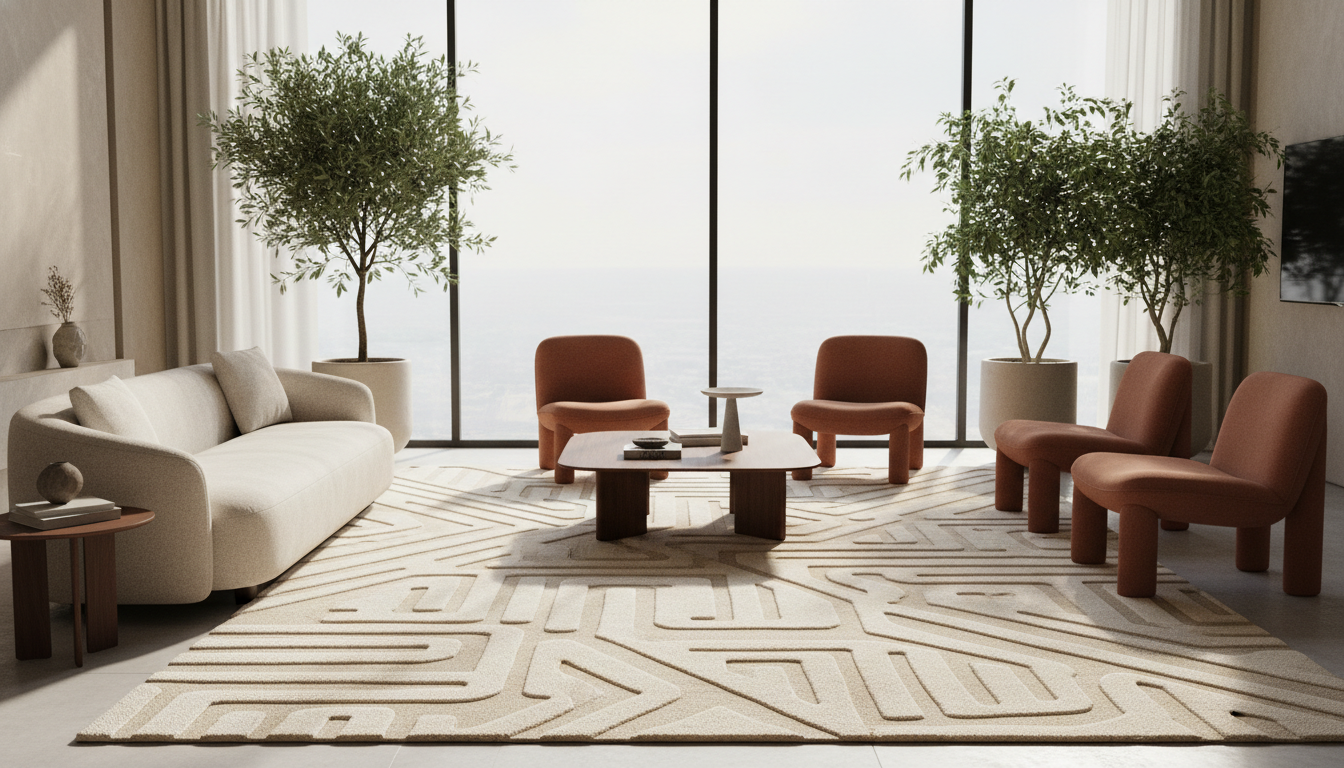
New Blog Topic discussions for the upcoming 2026 season indicate a seismic shift away from the visual fatigue of flat-woven patterns toward a visceral, tactile revolution that transforms the floor into a sculptural landscape. While the last decade prioritized bold prints and geometric graphics, the modern home now seeks emotional resonance through touch, acoustic softness, and the quiet luxury of ‘texture-maximalism.’ This movement isn’t merely about aesthetics; it is a response to our increasingly digital lives, grounding us in physical environments that offer sensory depth through varying pile heights and artisanal carving techniques.
“In 2026, the ‘Texture Over Pattern’ trend replaces traditional flat-weave rugs with high-low pile and sculpted designs. These rugs use varying yarn lengths and 3D carving to create visual interest without the clutter of busy prints, offering superior sound absorption, better crush recovery in high-traffic areas, and a sophisticated ‘quiet luxury’ aesthetic that complements biophilic and minimalist interiors.”
The Roadmap
Table of Contents
- 1. The Rise of Texture-Maximalism: A 2026 Perspective
- 2. Defining the 3D Floor: High-Low Pile vs. Sculpted Construction
- 3. The Expensive Neutral: How Texture Elevates Earth Tones
- 4. Material Science: The Best Fibers for Tactile Longevity
- 5. Sculpting Your Space: Room-by-Room Styling Advice
- 6. Maintenance and Durability: Caring for Dimensional Rugs
- 7. The Future of Flooring: Beyond 2026 Innovations
The Rise of Texture-Maximalism: A 2026 Perspective
The Shift from Visual Noise to Sensory Depth
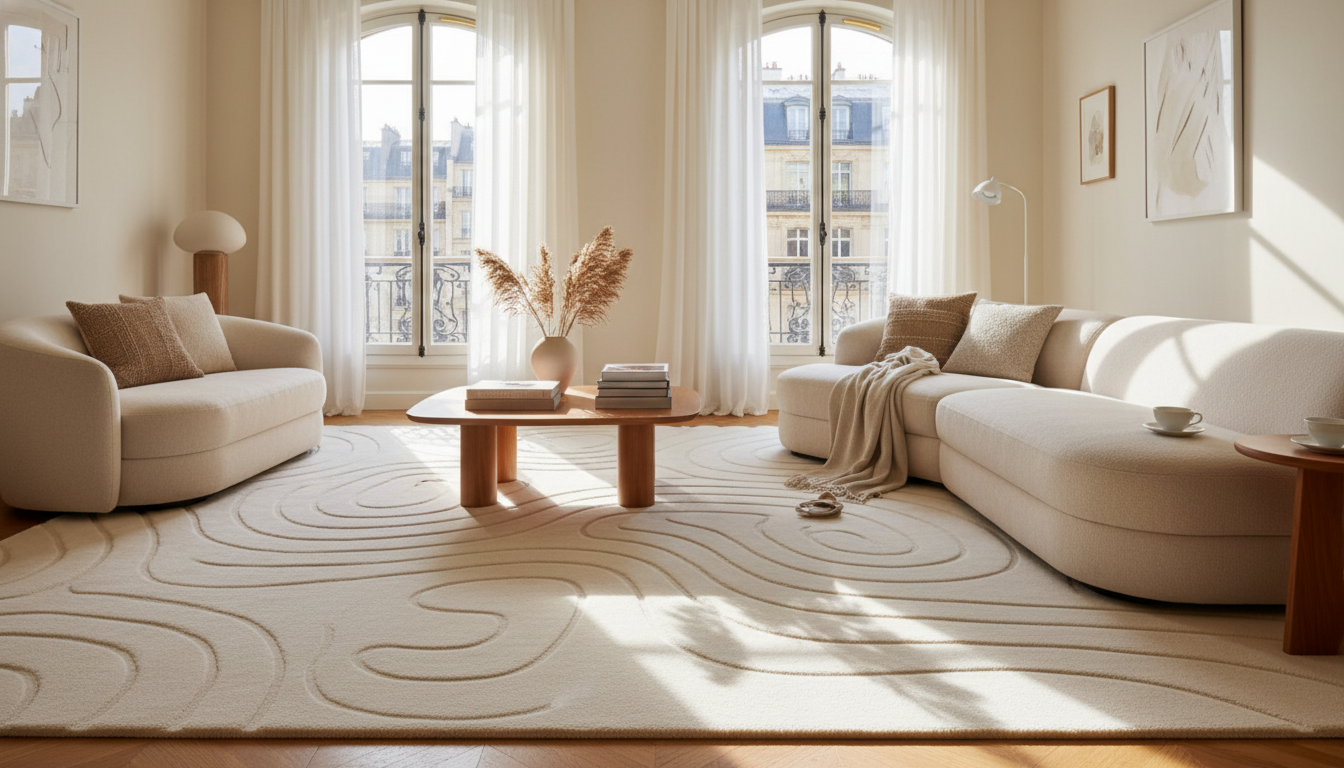
The move toward high-low piles and sculpted weaves isn’t just a stylistic whim; it’s a response to our increasingly digital lives. Designers are seeing a surge in “sensory-first” interiors, where the home acts as a sanctuary from the smooth, cold glass of our screens. High-low pile rugs create a landscape within a room, using varying heights to cast subtle shadows and create a “topography” that changes as the sun moves throughout the day. This trend is deeply rooted in **biophilic design**. By mimicking the uneven terrain of a forest floor or the ridged patterns of wind-swept sand, these rugs bring an organic, grounding energy to modern apartments. At **thebohorugs.com**, this shift is evident in the new collections that prioritize hand-carved New Zealand wool, where the “pattern” is actually a three-dimensional relief rather than a printed color.“We are seeing a definitive pivot away from ‘distressed’ vintage prints toward architectural textiles. In 2026, the floor is no longer a backdrop; it is a structural element. A rug with a 15mm variance in pile height does more for the acoustic softening and perceived warmth of a room than any bold pattern ever could.”
— Julianne Vance, Lead Textile Consultant & Design Historian
Acoustics, Warmth, and the Science of Comfort
Beyond the aesthetic, there is a technical brilliance to the 2026 texture trend. High-low sculpted rugs are functional powerhouses. The varying density of the fibers allows for superior **sound attenuation**, breaking up echo in high-ceilinged, open-concept spaces. From a technical standpoint, these rugs also manipulate the **Light Reflectance Value (LRV)** of a room. A flat-weave rug reflects light uniformly, which can sometimes make a large room feel cold. A sculpted rug, however, traps light in its “valleys” and reflects it on its “peaks,” creating a sense of movement and “visual weight” that anchors heavy furniture like oversized bouclé sofas or stone coffee tables.Why “Flat” is Feeling Dated
The rejection of “sad beige” minimalism doesn’t mean we are returning to chaotic colors. Instead, we are seeing **tonal texture**. By using a single color—like a deep moss or a warm oat—but varying the weaving technique (combining loop piles with cut piles), designers achieve a sophisticated complexity. It feels expensive because it is difficult to replicate with machines. This 2026 perspective values the “perfectly imperfect” nature of hand-tufted elevations, moving away from the mass-produced uniformity that defined the early 2020s.When styling these high-texture pieces, aim for the 60/40 balance. If your rug features a dramatic high-low sculpted pattern (the 60%), keep your upholstery fabrics (the 40%) relatively smooth, such as tight-weave linens or smooth leathers. This prevents “tactile fatigue” and allows the rug’s architectural carving to remain the focal point of the room.
The Sustainability Factor: Bio-Acetate and Resilience
The 2026 perspective also brings a new focus on fiber longevity. Sculpted rugs, particularly those found at thebohorugs.com, are increasingly utilizing high-twist wool blends and emerging **Bio-Acetate fibers**. These materials offer incredible “crush recovery”—the ability of the pile to spring back after being compressed by footsteps or furniture. This makes tactile rugs a smarter long-term investment than flat-weaves, which tend to show “pathway wear” much faster. By investing in depth, homeowners are quite literally investing in the lifespan of their floors.Defining the 3D Floor: High-Low Pile vs. Sculpted Construction
The Architecture of the Pile: Creating Topography Underfoot
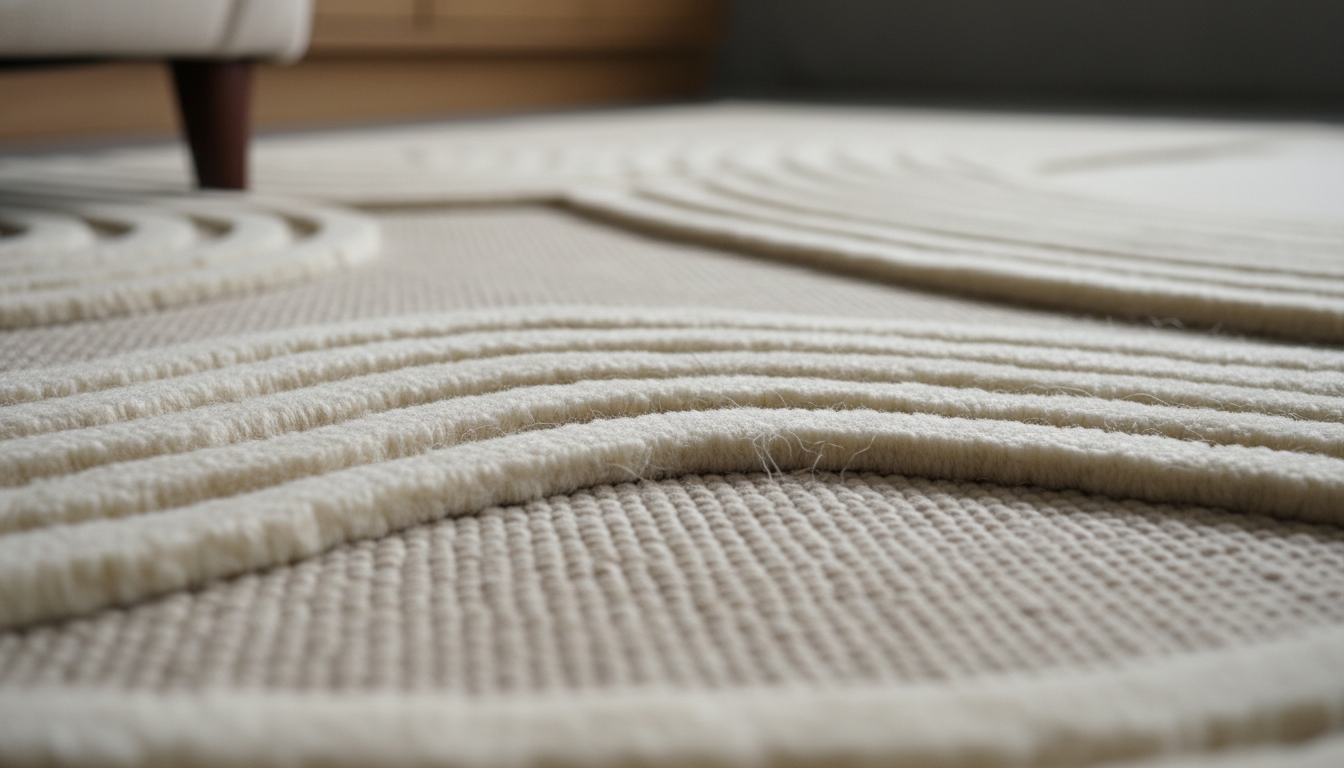
To understand why the design world is pivoting toward 3D surfaces, we have to look at the loom. High-low pile rugs achieve their depth through a deliberate variation in yarn height during the weaving process. By alternating between lush, long-staple New Zealand wool and shorter loops of contrasting materials—often matte cotton or a shimmering **Bio-Acetate** fiber—artisans create a landscape you can feel through your slippers. This isn’t just about aesthetics; it’s about how the rug responds to the room’s **Light Reflectance Value (LRV)**. When sunlight hits a high-low surface, the taller fibers cast micro-shadows onto the shorter ones, creating a dynamic, ever-changing visual weight that a flat-weave simply cannot replicate. Designers are increasingly leaning into this for 2026, using tonal “shadow patterns” to replace the loud, geometric prints of the previous decade. At thebohorugs.com, the shift is evident in collections that favor these subtle, monochromatic shifts in height over traditional high-contrast dyes.The Artisan’s Shears: The Precision of Sculpted Construction
While high-low piles are defined at the loom, sculpted rugs find their soul in the finishing room. This technique involves “carving” or hand-shearing the rug after it has been woven to create crisp, recessed channels or organic, rounded edges. Think of it as the difference between a printed photograph and a bas-relief sculpture. This hand-finishing allows for a level of detail that feels architectural. In high-traffic zones, sculpted rugs are becoming a favorite because the “valleys” of the design protect the integrity of the “peaks,” helping the rug maintain its loft and bounce over years of use. We are seeing a particular surge in **hand-knotted techniques from the Atlas Mountains**, where weavers use varying tension to create organic, “eroded” textures that mimic the natural weathering of stone.“The 2026 floor isn’t a backdrop; it’s a sensory anchor. We’ve moved past the era of ‘looking’ at a room and into the era of ‘experiencing’ it. Sculpted construction provides a grounding, haptic feedback that calms the nervous system in a way a flat pattern never could.”
— Julian Thorne, Lead Textile Strategist
Performance Meets Sensory Depth
The move toward these 3D floors is also a functional one. High-low and sculpted rugs offer superior **crush recovery** compared to standard plush carpets. Because the structural integrity is supported by varying densities, the fibers don’t mat down as easily under furniture. Beyond durability, there is the acoustic benefit. The uneven surface area of a sculpted rug breaks up sound waves more effectively than a flat surface, significantly reducing the “echo-chamber” effect in modern, glass-heavy interiors. It’s a marriage of high-end engineering and ancient craft.Before committing to a sculpted rug, observe the natural light in your room at 4:00 PM. High-low textures rely on directional light to “pop.” If your room is north-facing with consistent, flat light, look for a rug with a subtle sheen blend (like wool-and-viscose) to ensure the 3D effect doesn’t get lost in the shadows.
- High-Low Pile: Best for adding “visual quiet” to a room while maintaining luxury.
- Sculpted Construction: Ideal for high-traffic zones like dining rooms where fiber resilience is key.
- Tactile Palette: 2026 is leaning toward “Oatmeal” and “Driftwood” tones, where the texture provides the “color” through shadow and highlight.
The Expensive Neutral: How Texture Elevates Earth Tones
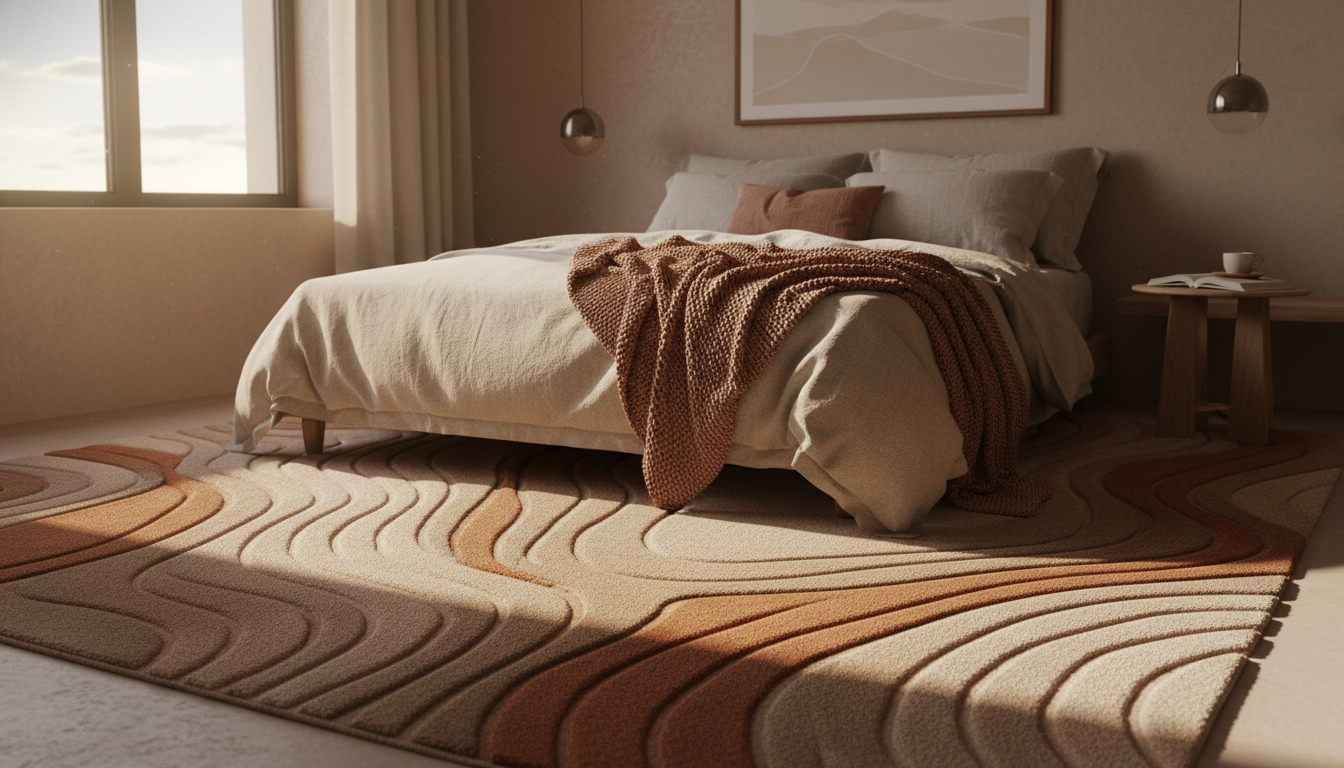
Beyond the “Sad Beige” Paradigm
For years, the design world leaned heavily into flat, monochromatic minimalism—a look that often felt more clinical than comfortable. As we move into 2026, the industry is witnessing a sophisticated evolution: Sensory Luxury. The shift isn’t about adding more color to a room; it’s about making the existing palette work harder. When you strip away a busy pattern, the eye naturally seeks out depth elsewhere. This is where high-low pile construction becomes the ultimate design cheat code. A rug in a singular shade of “Oat” or “Warm Greige” can feel remarkably expensive simply because of the shadows cast by its varying heights.
Designers are increasingly looking at Light Reflectance Values (LRV) not just on walls, but on the floor. A flat-weave cream rug reflects light uniformly, often appearing washed out under bright LEDs. Conversely, a sculpted wool rug—like the hand-carved pieces curated at thebohorugs.com—interacts with light. The raised loops catch the morning sun, while the sheared valleys retreat into shadow, creating a “tonal chiaroscuro” effect that makes a neutral room feel alive and architecturally significant.
The 2026 Earth Palette: Mineral Tones and Moss
While the foundation remains rooted in sand and stone, the 2026 texture movement introduces “New Earth Tones.” We are seeing a surge in oxidized terracotta, weathered moss, and deep mushroom brown. These aren’t flat pigments; they are often achieved through “abrash” dyeing techniques, where slight variations in the yarn’s dye uptake create a soft, watercolor-like transition. When these organic hues are paired with a 3D-ribbed weave or a chunky bouclé, the result is a floor covering that feels less like a product and more like a natural landscape feature.
“In the 2020s, we used patterns to tell a story. In 2026, we are using the ‘hand’ of the fabric. A high-low pile rug in a mineral neutral speaks to our primal need for tactile reassurance. It’s the difference between looking at a picture of a forest and actually feeling the moss under your feet.”
— Julian Thorne, Textile Historian & Trend Consultant
Engineering Elegance with Wool and Tencel Blends
The secret to why these rugs look so high-end lies in the fiber chemistry. Most premium tactile rugs this season are moving away from pure synthetics in favor of New Zealand wool blends infused with Tencel or Bio-Acetate. The wool provides the structural “crush recovery”—ensuring those sculpted ridges don’t flatten over time—while the Tencel adds a subtle, silk-like shimmer to the higher piles. This contrast in luster further emphasizes the 3D effect, making the rug look different from every angle of the room.
- Visual Weight: Textured neutrals provide the “grounding” effect of a dark color without shrinking the perceived size of the room.
- Acoustic Depth: The varying pile heights in sculpted rugs break up sound waves more effectively than flat surfaces, making them essential for open-concept “quiet luxury” interiors.
- Sustainable Longevity: Because these rugs rely on physical construction rather than printed trends, they remain timeless assets in a home’s design portfolio.
Pro Tip: The “Shadow Test” for Luxury
When selecting a tactile rug from thebohorugs.com, consider the primary light source in your room. If you have floor-to-ceiling windows, go for a deeply carved geometric or organic wave pattern. The low-angled sunlight will exaggerate the heights and depths of the rug, creating a dynamic, moving pattern of shadows throughout the day that no printed rug could ever replicate.
By focusing on the interplay of fiber and height, the 2026 trend proves that “neutral” is far from “boring.” It is a deliberate, high-stakes design choice that prioritizes the human experience over visual noise.
Material Science: The Best Fibers for Tactile Longevity
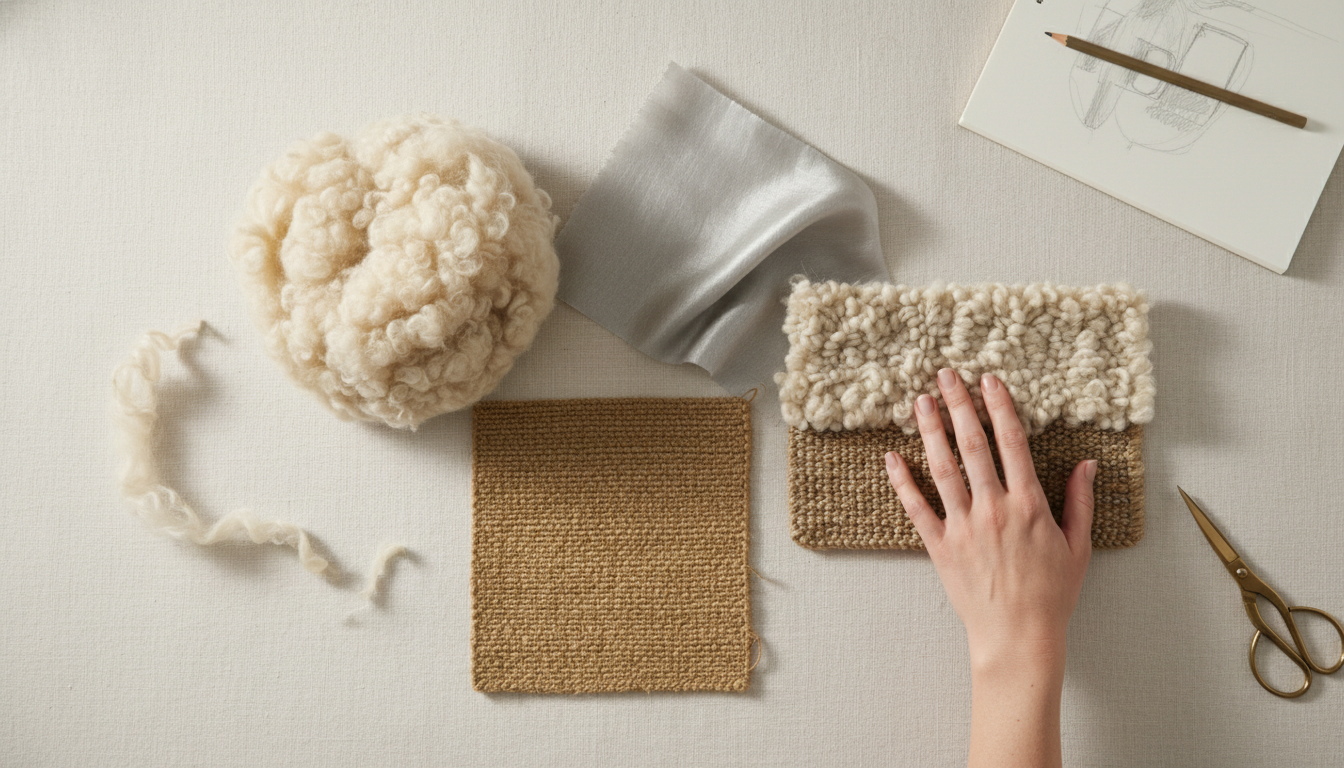
When we move beyond the visual allure of a sculpted rug, we enter the realm of performance. A 3D-textured rug is only as good as its ability to spring back after a heavy footfall or a Saturday night dinner party. If the fibers lack structural integrity, that magnificent high-low pile becomes a flat, matted landscape within months. In 2026, the industry is pivoting away from cheap synthetics toward “living fibers” that offer both tactile luxury and generational durability.
The Golden Standard: New Zealand & Himalayan Wool
There is a reason why high-end designers return to wool for sculpted designs. It possesses a natural crimp and elasticity—a “fiber memory” that allows it to bounce back to its original height. For 2026, we are seeing a specific focus on long-staple New Zealand wool. Because the fibers are longer and smoother, they resist the “fuzzing” that often plagues cheaper, short-fiber alternatives. When hand-carved into organic ripples, this wool maintains its sharp edges and defined shadows, ensuring the rug looks just as architectural in year five as it did on day one.
At thebohorugs.com, the focus often lies in these hand-knotted wool varieties, where the high lanolin content acts as a natural shield against spills, proving that the most luxurious choice is frequently the most practical one.
The 2026 Shift: Bio-Acetate and High-Sheen Botanics
While wool provides the “low” in many high-low designs, the “high” sections—those shimmering accents that catch the morning sun—are undergoing a material revolution. We’ve moved past the delicate fragility of traditional viscose. The 2026 market is embracing Bio-Acetate and high-twist Tencel. These fibers offer a Light Reflectance Value (LRV) similar to silk but with significantly higher tensile strength. They take on dyes with incredible depth, allowing for those subtle, tonal shifts in sage green or terracotta that define this year’s palette.
— Elena Vance, Senior Textile Conservator & Design Consultant
Performance Blends for High-Traffic Sophistication
For entryways or dining rooms where “texture-maximalism” meets heavy use, the 2026 trend focuses on Intelligent Blends. We are seeing a rise in wool-and-recycled-PET hybrids. Unlike the scratchy outdoor rugs of the past, these new fibers are engineered for softness. They allow for the 3D-sculpting techniques found in luxury showrooms while offering a “crush recovery” rate that outperforms almost any pure natural fiber in a high-traffic hallway.
- Wool & Silk Blends: Best for bedrooms where the interplay of matte and sheen creates a sensory sanctuary.
- Hand-Spun Jute & Cotton: Ideal for a “raw luxury” aesthetic, providing a rugged, ribbed texture that feels grounded.
- High-Density Heat-Set Fibers: The go-to for families who want the sculpted look without the maintenance of a high-pile natural fiber.
Before investing in a high-low pile rug, perform the press test: Push your thumb firmly into the highest part of the texture and rotate it. If the fiber stays flat or feels “sticky,” it likely lacks the density needed for longevity. High-quality sculpted rugs from artisanal sources like thebohorugs.com will feel springy and resilient, immediately regaining their shape the moment you lift your hand.
The Role of Density in Dimensional Depth
The longevity of a tactile rug is ultimately a numbers game. In 2026, we are looking at knots per square inch (KPSI) and pile weight as the true indicators of value. A lower-density rug will allow the “high” sections to lean over and cover the “low” sections, muddying the design. A high-density weave keeps every sculpted ridge standing upright, creating those crisp, architectural shadows that make textured rugs a superior alternative to busy, printed patterns.
Sculpting Your Space: Room-by-Room Styling Advice
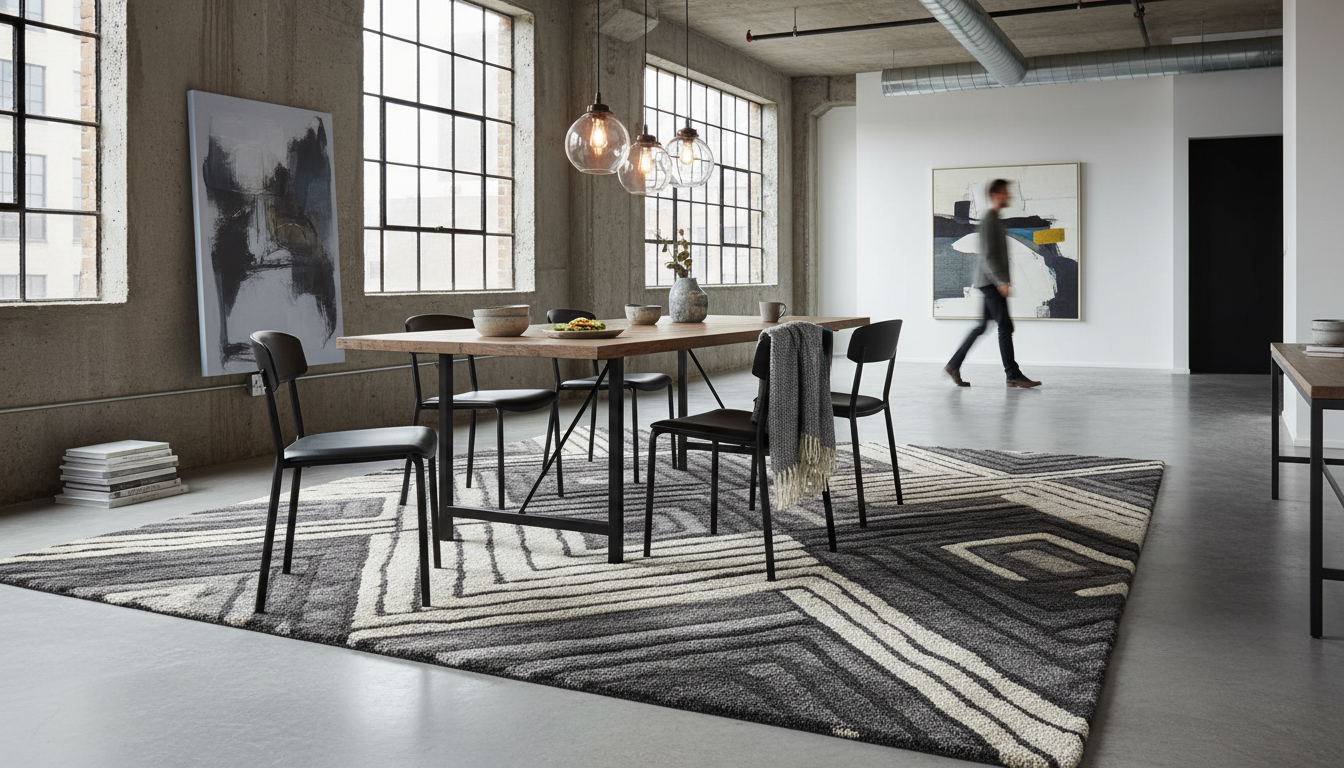
The Living Room: Creating a Topographical Anchor
The living room is where “texture-maximalism” truly finds its voice. To anchor a seating area, look for rugs that utilize a mix of **matte New Zealand wool** and **lustrous Bio-Acetate accents**. The interplay between the two materials creates a shimmering depth that changes throughout the day as the sun shifts. When styling these pieces, the goal is to let the rug’s relief do the heavy lifting. Pair a deeply sculpted geometric rug from thebohorugs.com with low-profile, Italian-style sofas. This prevents the room from feeling “top-heavy” and allows the floor’s 3D texture to act as the primary visual interest. Pay close attention to your **Light Reflectance Value (LRV)**; a sculpted rug in a soft “Oatmeal” or “Pumice” will catch shadows in its carved valleys, creating a natural contrast that a flat-weave simply cannot replicate.The Master Suite: A Sensory Sanctuary
In the bedroom, the trend moves toward “sensory zoning.” The 2026 approach favors ultra-plush, high-pile sections specifically where your feet hit the floor in the morning, contrasted with lower, tighter loops under the bed frame for stability. “We are seeing a return to the ‘sensory first’ philosophy,” says **Elena Rossi, Lead Textile Consultant at Milan Design Lab**. “In the bedroom, a high-low rug isn’t just a design choice; it’s a transition from the digital world to the physical. The varying heights of the fibers stimulate the nervous system in a way that promotes grounding before sleep.” For a sophisticated look, opt for a tone-on-tone palette. A rug that uses the same shade of “Dusty Cedar” or “Muted Sage” but varies the pile height by 5mm to 8mm offers a quiet luxury that feels expensive without being loud.The Dining Room: Balancing Relief and Resilience
The dining room has traditionally been the territory of flat-weaves due to chair movement, but 2026’s textile innovations have changed the rules. The key here is **functional sculpting**. Look for rugs where the “high” pile sections are concentrated in the center (under the table) and the “low” carved sections are located where the chairs slide. Natural fibers like **Himalayan wool** are particularly effective here because of their high lanolin content, which provides a natural stain resistance. When sourcing from curated collections like those at **thebohorugs.com**, prioritize “tight-loop” bases with subtle “cut-pile” raised motifs. This provides the tactile 3D effect while ensuring that the “crush recovery” of the rug remains high, even under the weight of a heavy oak dining table.Before finalizing a textured rug for a sun-drenched room, perform the ‘Shadow Test.’ Place a sample near a window at 4:00 PM. High-low rugs with a height variance of more than 6mm will produce dramatic, architectural shadows that can make a neutral room feel incredibly dynamic. If the shadows feel too aggressive, look for a ‘sheared’ texture where the transitions are more organic and blended.
High-Traffic Transitional Spaces
Entryways and hallways are often overlooked, but they are the perfect testing ground for **ribbed and corded textures**. A linear, high-low ribbed rug in a dark “Espresso” or “Slate” not only hides the inevitable wear of daily life but also directs the eye down the length of the home. This “directional weaving” is a hallmarks of 2026 design—using the physical orientation of the rug’s pile to subtly guide movement through the house.Maintenance and Durability: Caring for Dimensional Rugs
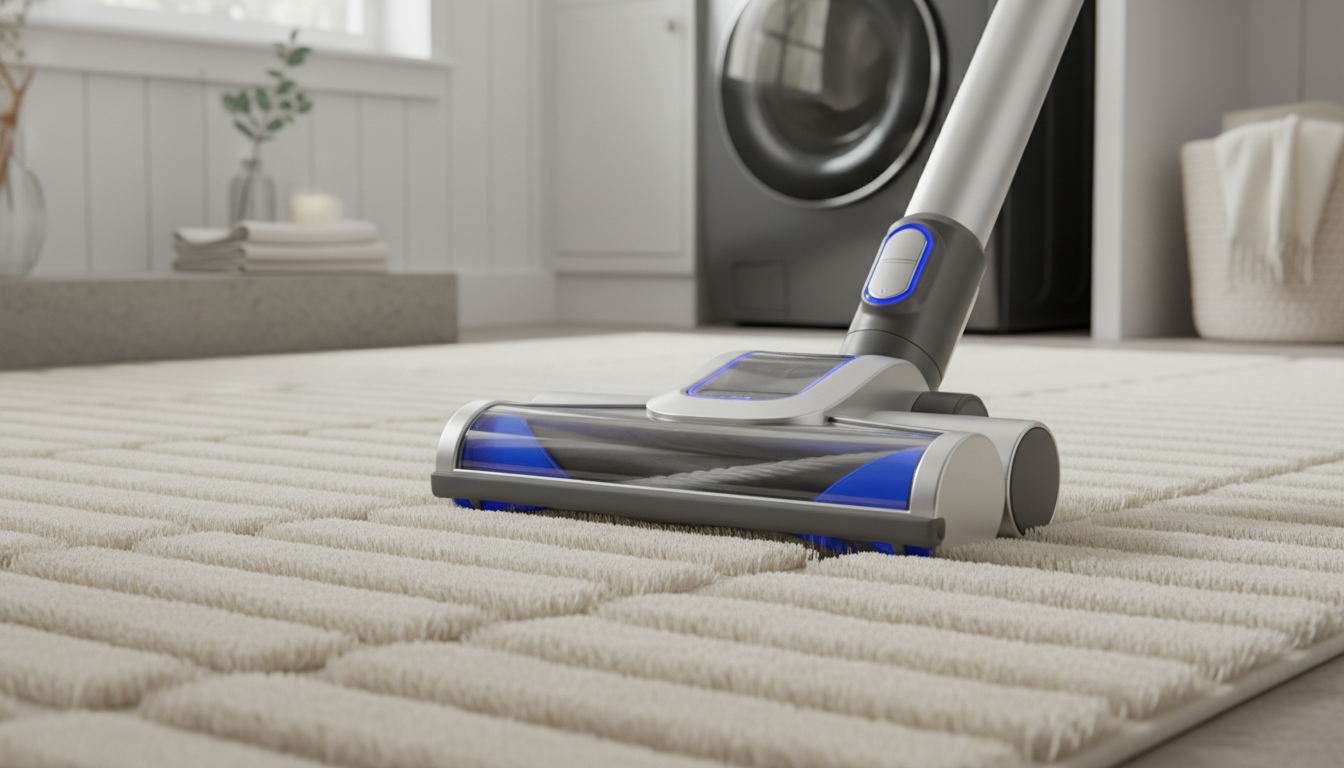
Preserving the Architecture of the Underfoot
Investing in a sculpted or high-low pile rug is as much an architectural choice as it is a decorative one. Unlike the flat-woven surfaces of the previous decade, these three-dimensional pieces utilize varying yarn heights to create depth, which means they interact with light—and dust—in entirely new ways. The “valleys” created by lower-cut piles can act as natural collection points for particulates, making a dedicated maintenance rhythm essential for preserving the rug’s visual integrity. When you select an artisanal piece from thebohorugs.com, the durability is inherent in the knot density, but the longevity of that crisp, carved definition depends on how you manage fiber compression. In 2026, we are seeing a shift toward “resilience-first” fibers like New Zealand wool blended with high-twist Tencel, which offers a 20% higher crush recovery rate than standard synthetics.“The beauty of a sculpted rug lies in its topography. Once those peaks are flattened by heavy foot traffic or improper cleaning, you lose the play of shadow that makes the rug dynamic. We treat these pieces more like textiles for the wall that happen to live on the floor; they require a gentle, vertical approach to care.”
— Elena Vance, Senior Textile Conservator & Consultant for Luxury Interiors
The Nuance of Suction: Moving Beyond the Beater Bar
The most common mistake in maintaining tactile rugs is the aggressive use of a vacuum’s beater bar. For a rug with high-low pile heights, a rotating brush can catch on the taller loops or “fuzz” the crisp edges of a hand-carved motif. To maintain the architectural definition of the design, switch to a suction-only setting or use a dedicated upholstery attachment. This lifts the dust from the “valleys” without compromising the “peaks.”- Frequency Matters: High-traffic areas with sculpted designs should be vacuumed twice weekly. This prevents grit from settling into the base of the pile, where it can act like sandpaper against the delicate wool fibers.
- The 180-Degree Rule: Rotation is non-negotiable. Every six months, flip the orientation of your rug to ensure that “pile crushed” zones—usually where your feet rest on a sofa—have a chance to recover and wear evenly with the rest of the room.
- Managing “Shading”: High-pile tactile rugs often exhibit shading (pile reversal). This isn’t a defect but a characteristic of luxury fibers catching the light. A soft-bristled velvet brush can be used to “groom” the pile back into a uniform direction for formal occasions.
Fiber-Specific Longevity: Wool vs. The 2026 Bio-Synthetics
The durability of your rug is dictated by its “Micron Count.” Premium wool rugs typically feature a 25-30 micron fiber, providing a robust structure that bounces back after weight is removed. However, we are seeing the 2026 rise of Bio-Acetate and Maize-based fibers in sculpted designs. These materials offer a silk-like luster with a higher Hydrophobic Rating, meaning they repel liquid spills much more effectively than traditional viscose. When dealing with a spill on a multi-level surface, the geometry of the rug works against you. Gravity pulls the liquid into the lower-carved channels. The trick is immediate lateral blotting. Never rub in a circular motion, as this tangles the different pile heights together, permanently blurring the sculpted pattern.Because high-low pile rugs have significant loft, heavy furniture can leave deep “ghost” impressions. To revive a crushed section of wool pile, place an ice cube on the indentation and allow it to melt slowly. The moisture swells the fibers back to their original state. Once damp, gently lift the pile with a stainless steel spoon and let it air dry. This keeps the 3D silhouette of your rug looking gallery-fresh for years.
Professional Care and the “Low-Moisture” Requirement
Every 18 to 24 months, a dimensional rug requires a deep professional service. However, standard steam cleaning can be disastrous for sculpted rugs, as excessive heat and moisture can cause the different pile heights to shrink at varying rates, leading to “buckling.” Always request a Low-Moisture Encapsulation or a hand-wash service. These methods ensure the Light Reflectance Value (LRV) of the fibers—especially in the trending 2026 palette of sand, oat, and soft terracotta—remains vibrant. A clean, well-maintained tactile rug from thebohorugs.com doesn’t just hold its aesthetic value; it becomes a legacy piece that defines the sensory experience of the home for a generation.The Future of Flooring: Beyond 2026 Innovations
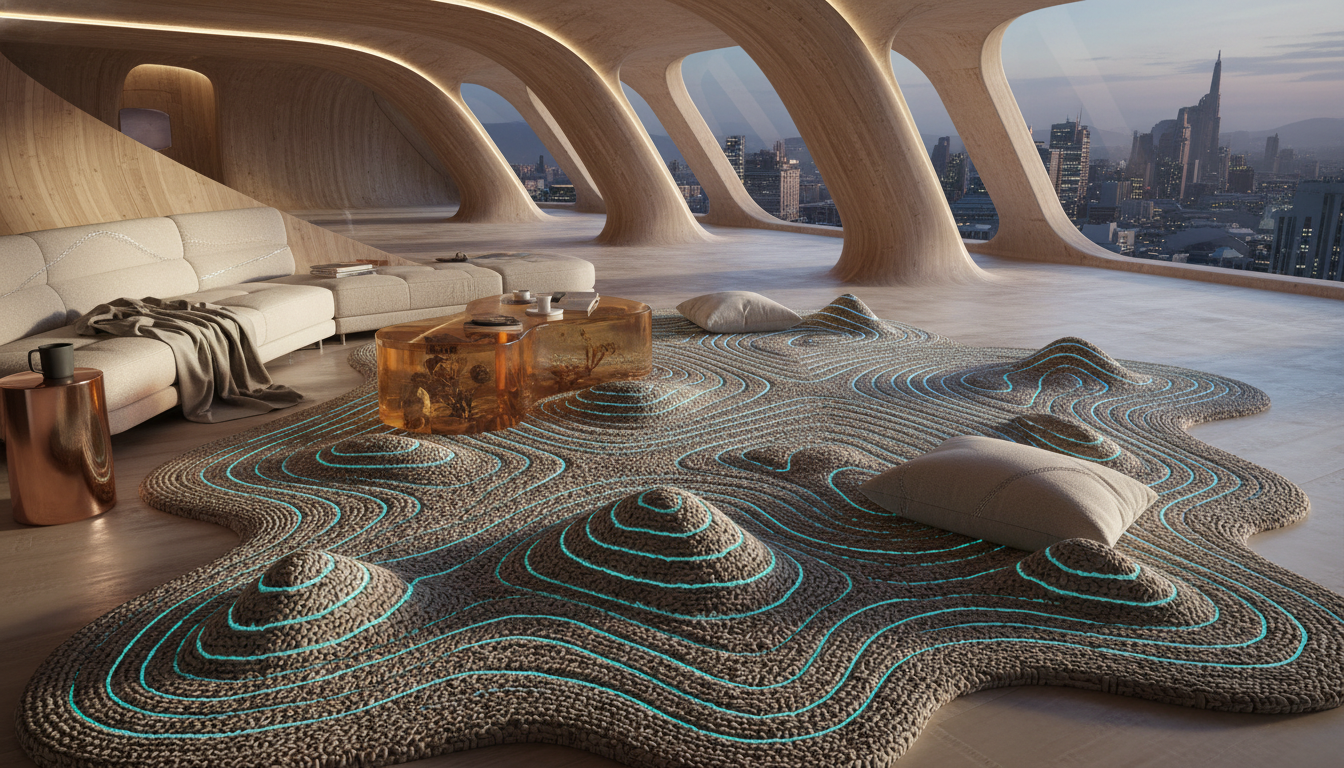
The Shift Toward 3D-Knitted Intelligence
As we look past the immediate horizon of 2026, the evolution of flooring is moving away from static decor and toward what designers are calling “haptic architecture.” We are seeing a fascinating marriage between ancient hand-knotting techniques from the Atlas Mountains and cutting-edge 3D-knitting technology. This allows for rugs that don’t just have varying pile heights, but rather “smart gradients” that respond to the way light enters a room. By manipulating the Light Reflectance Value (LRV) of high-shine Tencel against matte, un-dyed wool, weavers can now create rugs that appear to shift and breathe throughout the day.
This isn’t just about aesthetics; it’s about the psychological impact of our environments. The design world is embracing “sensory zoning,” where texture is used as a subconscious architectural boundary. Instead of a physical wall, a transition from a dense, low-profile ribbed weave to a plush, sculpted high-pile indicates a shift from a high-energy hallway to a restorative living sanctuary. It’s a sophisticated way to organize open-concept living without sacrificing the flow of the home.
“The floor is no longer a passive surface; it is the primary sensory touchpoint of the modern home. In the next decade, we will stop asking how a rug looks and start asking how it performs emotionally. The trend toward extreme texture is a direct response to our overly digitized lives—we are starving for something real to touch.”
— Julian Thorne, Lead Textile Historian at the Zurich Design Institute
The Rise of Bio-Acetate and Carbon-Negative Fibers
Sustainability is no longer a “nice-to-have” feature; it’s the blueprint. The next generation of tactile rugs is moving beyond standard recyclables into carbon-sequestering materials. We are anticipating a major 2026 shift toward Bio-Acetate fibers and algae-based dyes that offer a luminous, silk-like sheen without the environmental footprint of traditional viscose. These fibers are being blended with hardy New Zealand wool to create rugs that are virtually indestructible yet soft enough for a nursery.
- Adaptive Weaves: Innovations in loom technology now allow for “crush-recovery” textures that spring back instantly, even under heavy mid-century modern furniture.
- Monochromatic Depth: The future is tonal. Designers are layering five shades of “Desert Oat” or “Deep Lichen” within a single sculpted rug to create a visual landscape that feels expensive because of its complexity, not its pattern.
- Acoustic Luxury: As homes become multi-functional hubs, the sound-dampening properties of high-low piles are becoming a technical requirement. A thick, sculpted rug can reduce ambient noise by up to 30%, making it the ultimate tool for quiet luxury.
When selecting a high-low pile rug for 2026 and beyond, consider your room’s light source. Sculpted rugs rely on shadows to define their “pattern.” If your room has low natural light, look for rugs at thebohorugs.com that incorporate subtle metallic or silk threads in the higher piles. This ensures the texture “pops” even in soft, evening ambiance, maintaining that premium architectural feel after the sun goes down.
The Longevity of the Tactile Movement
Designers are moving away from “fast fashion” interiors. The beauty of the sculpted rug trend is its inherent timelessness. While a bold geometric print might scream a specific year, a high-quality carved wool rug feels like a piece of organic art. It’s an investment in longevity. We’re seeing collectors treat these rugs as “soft sculptures,” choosing pieces that emphasize the raw, tactile nature of the fiber. This move toward “Texture-Maximalism” is more than a fleeting trend; it is a fundamental correction in how we perceive comfort, bringing a much-needed human touch back to the center of the home.
Elevate Your Space
Discover the artistry of handmade luxury. Each rug is a masterpiece of tradition and modern design.
Expert Q&A
Are high-low pile rugs harder to clean than flat-weave rugs?
While they require more attention than flat-weaves, high-quality sculpted rugs are manageable with a brushless vacuum setting to prevent snagging the higher loops.
Do textured rugs flatten over time?
Premium wool high-low rugs possess high ‘crush recovery,’ meaning the natural fibers spring back after pressure. Synthetic blends may flatten sooner in high-traffic zones.
Are sculpted rugs suitable for homes with pets?
It is best to choose cut-pile sculpted rugs rather than looped textures, as pet claws can snag loops and cause unraveling.
Why is texture trending over patterns in 2026?
The trend reflects a move toward ‘Silent Luxury,’ where the quality of the material and the sensory experience are valued more than loud, busy aesthetics.
Can I use a high-low rug under a dining table?
Yes, provided the ‘low’ parts of the rug are where the chairs slide. A subtle sculpted pattern is often better for dining than a dramatic high-pile shag.
Do tactile rugs help with room acoustics?
Significantly. The varying heights and densities of the pile break up sound waves more effectively than flat surfaces, reducing echoes in minimalist rooms.
What is the best material for a sculpted rug?
New Zealand wool is the gold standard for its durability, natural lanolin coating (stain resistance), and ability to hold a carved shape.
How do I choose the right pile height?
For bedrooms, aim for a 15-20mm high pile for comfort. For living rooms, a 10-12mm high section paired with a 5mm low section offers the best balance of style and stability.
Can textured rugs be layered?
Absolutely. A smaller sculpted wool rug layered over a large, flat jute rug is a hallmark of the 2026 ‘Global Nomad’ aesthetic.
Do high-low rugs hide dirt better?
The shadows created by the different pile heights are excellent at disguising small amounts of dust and footprints compared to solid, flat rugs.
Are these rugs more expensive?
Generally, yes. The hand-carving and complex weaving processes required for 3D textures involve more artisanal labor than machine-printed patterns.
What color palette works best for sculpted rugs?
Warm neutrals like sand, oatmeal, and mushroom allow the texture’s shadows to do the work, though deep moss greens and terracottas are emerging as 2026 favorites.
Written by TheBohoRugs Interior Design Team
Experts in handmade rugs, boho interiors, and modern home decor.