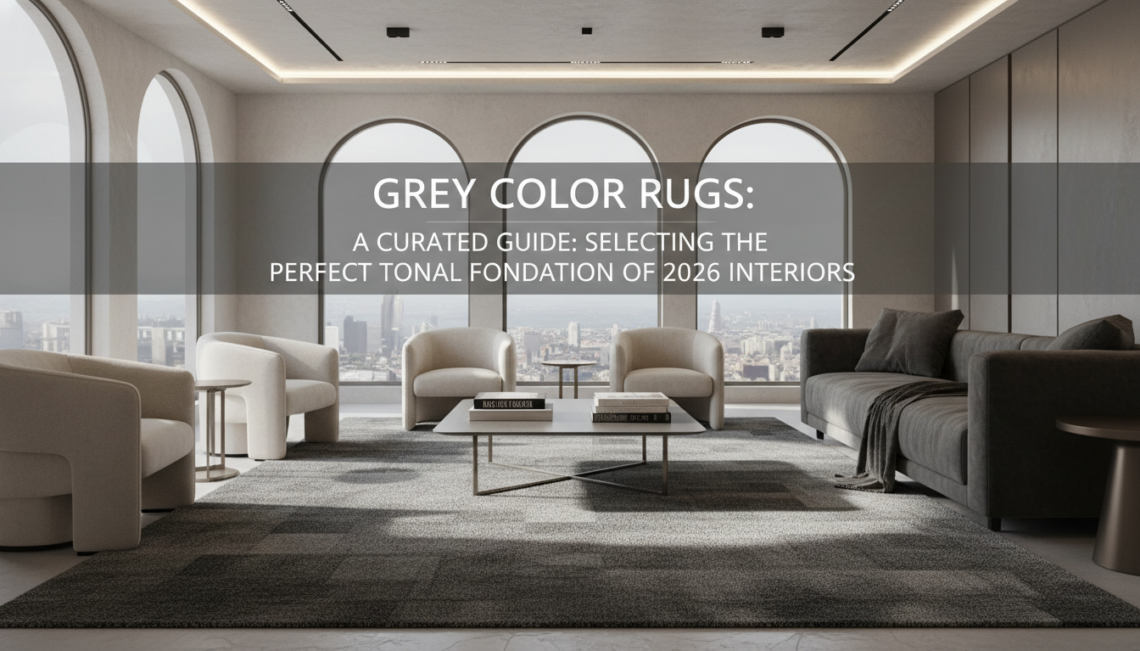
In the evolving landscape of high-end interior design, the rug is no longer a mere utility but ‘Art for the Floor.’ Grey, often misunderstood as a neutral default, is actually a complex spectrum of light and shadow that dictates the atmospheric weight of a room. This guide moves beyond the basics, offering a journalistic deep-dive into how grey color rugs act as the ultimate architectural anchor, bridging the gap between avant-garde furniture and timeless architectural bones. As we look toward 2026, the shift is moving away from flat charcoals toward ‘living greys’—shades that respond to light, texture, and organic materials.
“To choose the perfect grey color rugs for your home, first identify the undertones of your primary furniture. Pair cool-toned grey rugs (blue or violet bases) with contemporary glass, steel, or white lacquer pieces. Opt for warm-toned grey rugs (greige or taupe bases) when working with natural wood, brass, or mid-century modern aesthetics. In 2026, the trend favors high-low pile textures and ‘oxidized’ grey patterns that provide visual depth while remaining highly functional for maintenance.”
The Roadmap
Table of Contents
- The 2026 Outlook: Why Grey is the New Narrative Foundation
- Cracking the Code: Warm vs. Cool Undertones in Grey Textiles
- Materiality and Light: How Fiber Choice Alters Color Perception
- The Contrast Principle: Pairing Grey Rugs with Wooden Flooring
- Art for the Floor: Using Texture to Resolve Monochrome Fatigue
- Zoning and Scale: The Practicality of Grey in Open-Plan Living
- Maintenance as Longevity: Preserving the Luster of Grey Fibers
- Future-Proofing Your Investment: Why Grey Transcends Seasonal Trends
The 2026 Outlook: Why Grey is the New Narrative Foundation
Beyond the Monochrome: The Evolution of Elemental Greys
As we pivot toward 2026, the interior design landscape is shedding its obsession with sterile minimalism in favor of “Elementalism.” This movement prioritizes depth, history, and organic textures over flat surfaces. Within this shift, grey color rugs have transformed from safe, neutral choices into the structural bedrock of a room’s narrative.
The 2026 aesthetic is defined by “Quiet Complexity.” We are moving away from the cool, blue-toned greys of the last decade and embracing shades that possess a soulful, shifting quality. Think of the color of weathered limestone or the silvered mist of a coastal morning—tones that provide a sophisticated anchor without overpowering the architectural intent of the space.
Curating Shades for the Modern Interior
Selecting the perfect rug requires a deep understanding of your home’s existing materiality. In 2026, the trend is to match the “temperature” of your flooring and furniture rather than creating sharp contrasts. Consider these specific pairings for a high-end editorial finish:
- The Fossil Shade: A warm, sand-infused grey that pairs exquisitely with light oak or bleached walnut furniture. This shade acts as a bridge between traditional and contemporary styles.
- Lunar Steel: A deeper, reflective tone with silver undertones. These grey color rugs are most effective when placed beneath sculptural, velvet-upholstered seating in jewel tones like sapphire or deep emerald.
- Anthracite & Charcoal: For high-ceilinged lofts or rooms with floor-to-ceiling glass, a dark grey provides a necessary “gravitational pull,” grounding the airiness of the architecture.
The 2026 Materiality Shift: Texture as a Color
In the upcoming design cycle, the “color” of a rug is dictated as much by its weave as its dye. We are seeing a massive resurgence in hand-knotted techniques where varied pile heights create shadows. These shadows make a single-tone rug appear as a complex gradient of greys throughout the day.
1. The Silk-Wool Blend: Offers a luminous sheen that mimics the movement of water, perfect for formal dining rooms.
2. High-Low Piles: Carved patterns in charcoal tones add a three-dimensional element to minimalist bedrooms.
3. Oxidized Finishes: An artisanal process that gives new rugs a vintage, “faded-to-perfection” look that feels inherited rather than purchased.
For those seeking this level of artisanal precision, the curated collections at thebohorugs.com offer a masterclass in how premium fibers can elevate a simple palette into a focal point of luxury.
Synchronizing with Furniture Geometry
The 2026 outlook emphasizes the relationship between the rug’s perimeter and the furniture’s silhouette. If your interior features the curved, “blobject” furniture trends of the mid-2020s, a large-scale grey color rugs with a subtle, tonal border provides the necessary structure to define the “zone” within an open-concept layout.
When working with dark mahogany or blackened steel furniture, look for “Greige”—a sophisticated hybrid that retains the coolness of grey while borrowing the warmth of beige. This ensures the space feels curated and lived-in, avoiding the clinical pitfalls of purely monochromatic schemes. It is this balance of tone and touch that will define the most prestigious homes in the years to come.
Cracking the Code: Warm vs. Cool Undertones in Grey Textiles
The Alchemy of Pigment: Decoding the Undertone
To the untrained eye, grey is a neutral monolith. To the designer, it is a complex spectrum governed by hidden temperatures. Choosing the right grey color rugs requires an eye for the subtle chromatic shifts that define a room’s atmosphere. A grey with a blue or violet base feels architectural and crisp, whereas a grey leaning toward yellow or red—often termed “greige”—creates a sense of organic intimacy.
When selecting a textile, the light source is your most honest critic. North-facing rooms, which receive a cooler, bluish light, can make cool-toned rugs feel clinical. Conversely, a warm-toned rug in a sun-drenched, south-facing living room can look muddy if the undertones aren’t precisely balanced. The goal is harmony, not just coverage.
2026 Forecast: The Rise of ‘Living Grey’
Interior forecasting for 2026 suggests a departure from the “millennial grey” of the past decade. We are entering the era of “Living Grey”—shades that mimic natural minerals, silt, and oxidized stone. These are not flat colors; they are dimensional neutrals that react to the movement of the sun.
- Mushroom and Silt: Expect to see deep, earthy greys with heavy brown undertones that pair beautifully with reclaimed oak and matte black fixtures.
- Silver Birch: A luminous, pale grey with cool leanings, designed to expand small urban footprints.
- Oxidized Steel: A moody, industrial mid-tone that serves as the perfect anchor for velvet upholstery.
As noted by the artisanal curators at thebohorugs.com, the future of high-end flooring lies in the marriage of these shades with natural fibers like hand-spun wool and bamboo silk, which allow the light to catch different facets of the yarn.
Matching Your Rug to Interior DNA
Selecting grey color rugs is an exercise in architectural layering. Your rug should either bridge the gap between your floor and furniture or provide a sophisticated contrast that defines the zone.
- For Minimalist Marble Interiors: Lean into cool, slate-toned rugs. The blue-grey fibers will resonate with the veining in Carrera or Statuario marble, creating a seamless, gallery-like aesthetic.
- For Mid-Century Modern Teak: Opt for warm, charcoal greys. The richness of the wood grain requires a rug with enough depth to prevent the furniture from looking “detached” from the floor.
- For Industrial Lofts: Consider a distressed or high-low pile grey rug. The variation in texture mimics the raw honesty of concrete and exposed brick.
A premium rug acts as the “fifth wall” of a room. By sourcing artisanal pieces from specialists like thebohorugs.com, you ensure that the grey you choose isn’t just a background element, but a storied foundation that brings out the best in your existing furniture and architectural details.
Materiality and Light: How Fiber Choice Alters Color Perception
The Alchemy of Texture: Why Fiber Dictates Tone
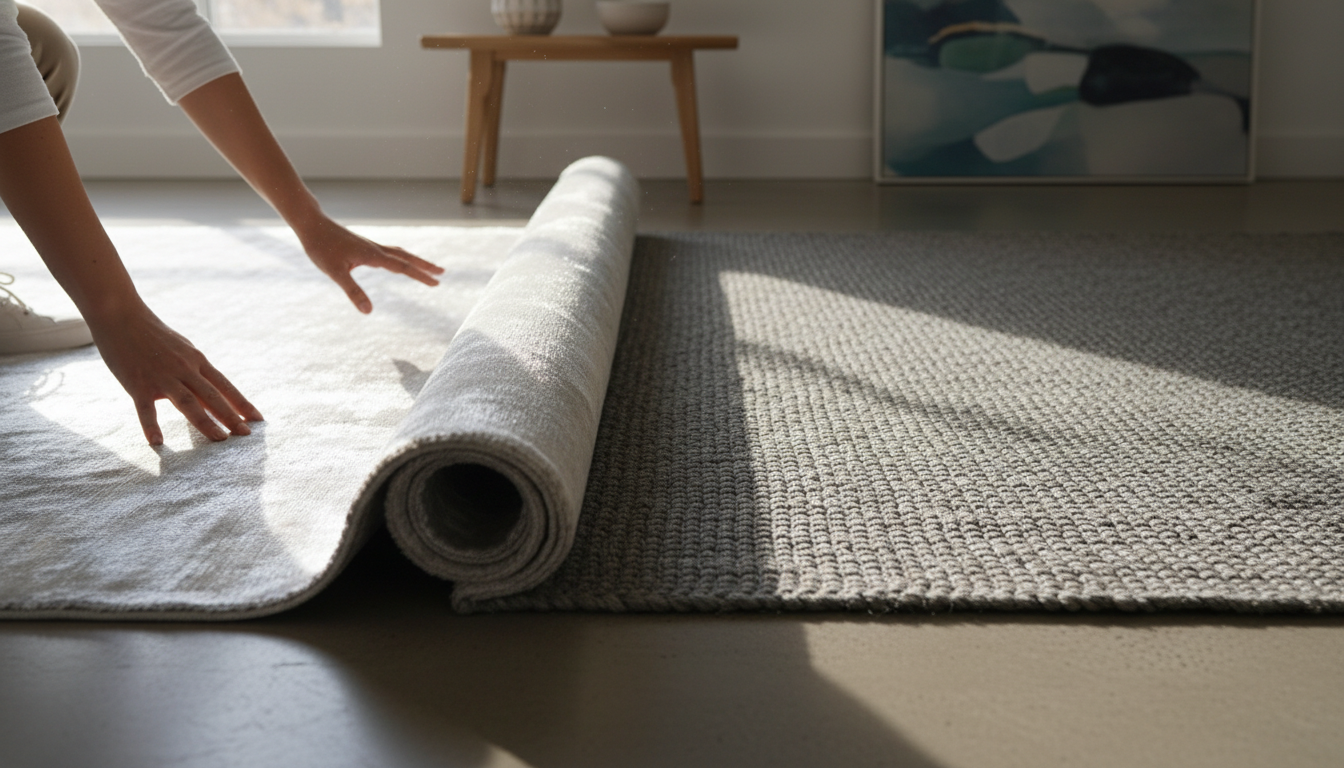
In the realm of high-end interior design, grey is never “just” grey. It is a chameleon, shifting its temperament based entirely on the medium it inhabits. When selecting grey color rugs, the tactile composition of the piece is the primary driver of how the hue will interact with your existing architecture.
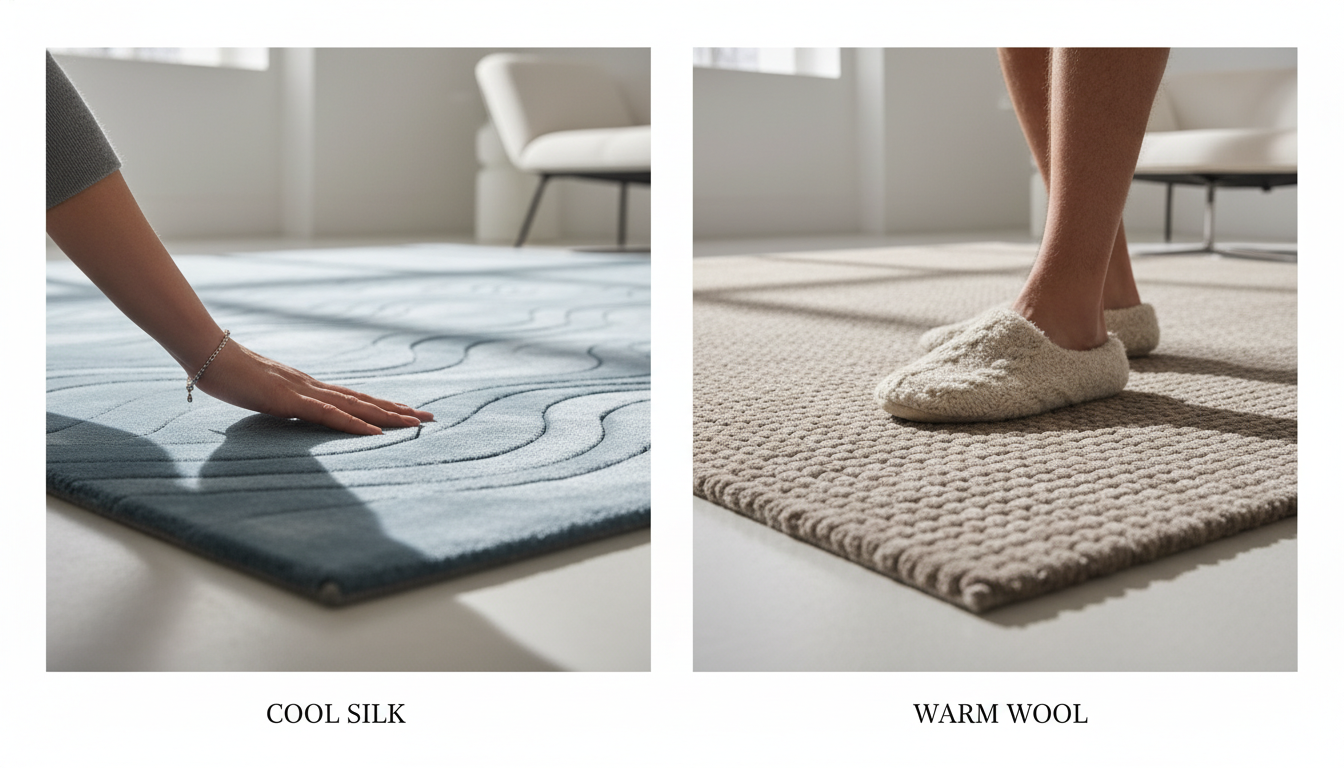
A hand-knotted wool rug, for instance, possesses a dense, light-absorbing quality. This results in a “flat” or matte grey that anchors a room with a sense of permanence and gravitas. Conversely, silk or high-grade viscose blends introduce an iridescent quality, where the “shimmer” can make a charcoal tone appear as a pale silver depending on the angle of the sun.
At thebohorugs.com, we often observe that the most successful interiors utilize these material properties to balance room temperature. To master this balance, consider the following fiber-to-light relationships:
- New Zealand Wool: Ideal for moody, north-facing rooms. Its opacity provides a solid foundation that prevents grey from feeling “thin” or cold.
- Art Silk and Bamboo Viscose: Best suited for grand salons with floor-to-ceiling windows. The fiber’s natural luster mimics the movement of water, offering a shifting palette of highlights and shadows.
- High-Low Relief Weaves: These artisanal textures create “micro-shadows” within the rug, adding depth to monochromatic spaces.
2026 Forecast: The Rise of “Lithic Greys” and Mineral Tones
Looking toward 2026, we anticipate a departure from the “cool” industrial greys that dominated the last decade. The trend is pivoting toward “Lithic Greys”—shades inspired by raw minerals, shale, and sedimentary stone. These are warmer, more “organic” iterations of the color that feel deeply connected to the natural world.
Designers are increasingly sourcing grey color rugs that feature undyed, natural wool. By bypassing the chemical dyeing process, these pieces retain the subtle, variegated flecks of the sheep’s coat, resulting in a sophisticated “salt and pepper” aesthetic that masks wear while providing a rich, multi-tonal floor covering.
The North-South Light Paradox
Before finalizing your selection, one must audit the room’s natural light. The same dove-grey rug will look vastly different in a Manhattan loft than it will in a Mediterranean-style villa. Light quality is the invisible designer that can make or break your color palette.
- North-Facing Light: This light is consistently cool and bluish. Avoid greys with blue or violet undertones here, as they may feel clinical. Instead, opt for “Greige” or warm-toned grey color rugs to introduce much-needed warmth.
- South-Facing Light: This intense, golden light can wash out subtle colors. This is the space for high-contrast charcoal or slate tones. The strength of the sun allows the intricacies of the rug’s weave to be visible even in deep, darker shades.
For those seeking a curated selection of these nuanced textiles, thebohorugs.com offers bespoke, artisanal options that prioritize these material sensitivities, ensuring your investment transcends fleeting trends and settles into your home with timeless elegance.
The Contrast Principle: Pairing Grey Rugs with Wooden Flooring
The Alchemy of Ash and Oak
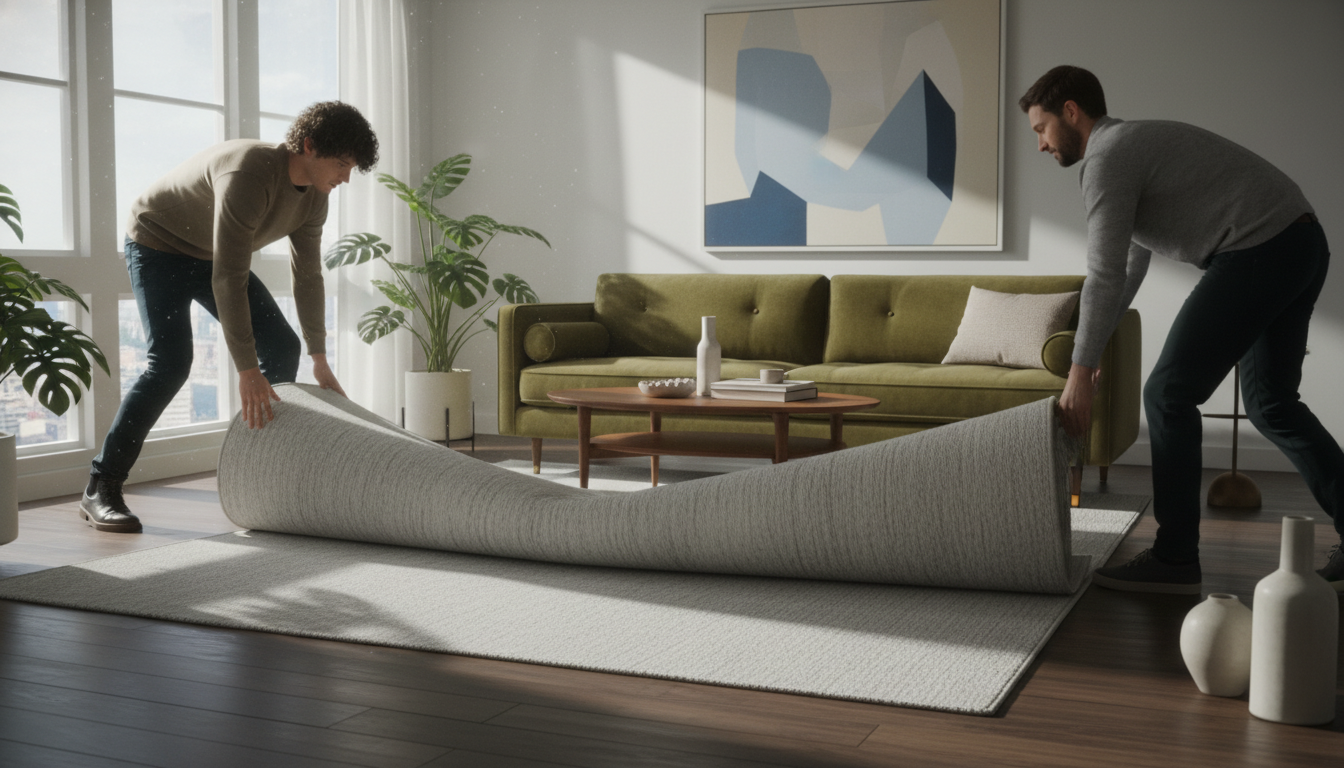
In the realm of high-end interior architecture, the relationship between a floor’s grain and its covering is foundational. Wood provides an organic, tactile warmth, while grey color rugs introduce a sophisticated, architectural cooling effect. This juxtaposition is not merely aesthetic; it is a deliberate manipulation of visual weight and light refraction.
For 2026, we anticipate a shift away from the stark, monolithic greys of the past decade. Design curators are now leaning toward “Organic Mineralization”—shades that mimic the variegated tones of weathered slate, river stone, and silver birch. When placed atop honey-hued oak or deep espresso walnut, these rugs act as a neutralizer, preventing a room from feeling overly “rustic” or dated.
Texture as the New Color: A 2026 Prediction
As we move toward more sensorial living spaces, the color grey is evolving into a medium for texture. The most sought-after grey color rugs for the upcoming seasons will ditch uniform flat-weaves in favor of high-low piles and “erased” patterns. We are seeing a surge in demand for pieces that incorporate undyed wool, where the grey is not a dye, but a natural variation of the sheep’s fleece.
- Smoked Pewter: Best paired with light-reflecting maple or bleached ash floors to create a serene, ethereal atmosphere.
- Graphite Silk: A high-contrast choice for dark mahogany or reclaimed teak, offering a metallic sheen that catches evening light.
- Iron Ore: A heavy, grounded tone that anchors floating furniture in large, open-concept lofts.
The Nuance of Under-Tones
Finding the perfect equilibrium requires an understanding of “chromatic temperature.” A grey rug is rarely just grey; it carries whispers of blue, lavender, or beige. For those seeking a cohesive narrative, the artisanal collections at thebohorugs.com provide a masterclass in this subtle balancing act, where grey color rugs are reimagined through the lens of heritage craftsmanship.
To master the contrast principle, consider these three professional pairings:
- The Nordic Contrast: A pale, cool-toned “Mist” rug on wide-plank white oak. This maximizes natural light and creates an expansive, airy feel.
- The Modernist Depth: A charcoal-heavy “Obsidian” rug on mid-tone cherry wood. This highlights the red undertones of the wood while providing a moody, sophisticated anchor.
- The Transitional Blend: A “Greige” rug—fusing warm beige with cool grey—on traditional walnut. This is the safest, yet most elegant choice for homes blending antique furniture with modern art.
When selecting grey color rugs, the goal for 2026 is “Tactile Minimalism.” Look for hand-knotted pieces that allow glimpses of the wooden floor at the edges, ensuring the rug feels like a curated layer rather than a wall-to-wall mask. This transparency honors the integrity of your home’s architecture while providing the plush, sophisticated comfort only a premium textile can offer.
Art for the Floor: Using Texture to Resolve Monochrome Fatigue
The Tactile Shift: Moving Beyond Flat Pigments
In the evolving landscape of high-end interiors, the industry is witnessing a pivot away from the clinical “Millennial Grey” toward what designers call Dimensional Slate. This movement addresses the “monochrome fatigue” that occurs when a room lacks sensory engagement.
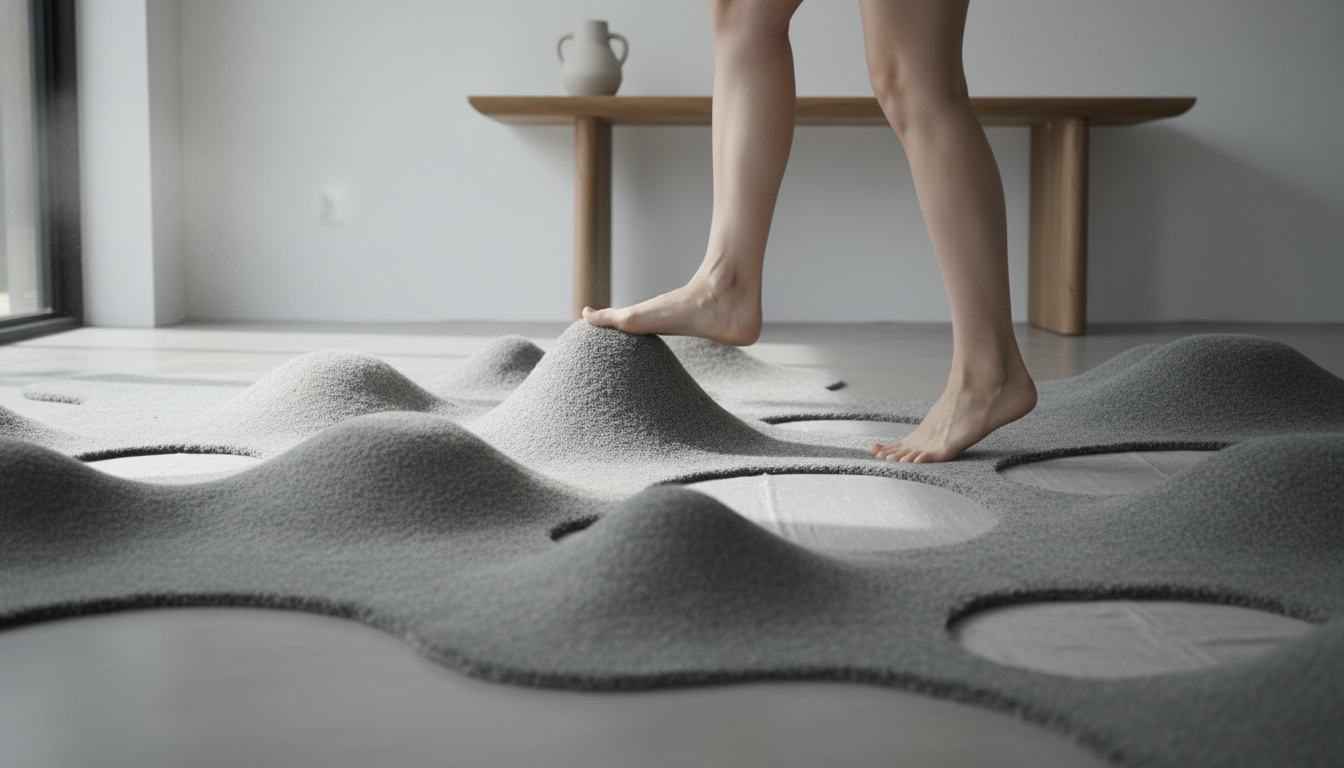
The solution lies not in changing the color, but in varying the topography. By integrating grey color rugs with high-low piles or hand-carved patterns, you introduce shadows and highlights that prevent the floor from looking static. It transforms the rug from a mere utility into a piece of foundational art.
2026 Trend Forecast: The Rise of ‘Tactile Brutalism’
As we look toward 2026, the trend of “Tactile Brutalism” is set to dominate. This aesthetic favors raw, unrefined textures and irregular silhouettes that mimic natural rock formations and lunar landscapes. We expect to see a surge in demand for:
- Hand-Twisted Wool: Utilizing over-spun yarns to create a pebbled, organic surface.
- Silk-Injected Basalt: Incorporating bamboo silk into charcoal wool to mimic the veins of natural stone.
- Asymmetrical Silhouettes: Moving away from the rigid rectangle toward fluid, organic shapes.
Architectural depth is now the ultimate luxury. Premium sources like thebohorugs.com have already begun curating collections that prioritize these artisanal, hand-knotted textures, ensuring that the grey palette feels curated rather than generic.
Curating Shades Against Contemporary Furniture
Selecting the right shade of grey is an exercise in understanding undertones. A mismatch between your rug and your cabinetry can make a room feel “muddy” or disjointed. Consider these expert pairings for a cohesive look:
- Cool Steel & Glass: Pair with silver-toned grey color rugs featuring a high-sheen finish to amplify natural light.
- Warm Oak & Cognac Leather: Opt for “Greige” or “Warm Ash” to bridge the gap between organic wood tones and modern neutrals.
- Matte Black & Industrial Metals: Use deep charcoal or anthracite with heavy ribbing to provide a soft contrast to hard architectural lines.
The secret to a sophisticated interior is the interplay between the light hitting the fibers and the shadows nestled within the weave. When you select a rug with a complex, multi-tonal yarn, you ensure the space remains dynamic throughout the day.
Integrating Heritage Craft with Modern Minimalism
The most successful rooms often blend historical craftsmanship with minimalist silhouettes. A distressed, vintage-inspired rug in a monochromatic palette offers a sense of “quiet luxury” that brand-new machine-made pieces cannot replicate.
By focusing on the integrity of the material—whether it is sustainable New Zealand wool or recycled sari silk—the floor becomes a tactile narrative. This approach ensures that your design remains timeless, outlasting seasonal trends and providing a sophisticated anchor for your home’s interior evolution.
Zoning and Scale: The Practicality of Grey in Open-Plan Living
Defining Micro-Environments through Tonal Anchoring
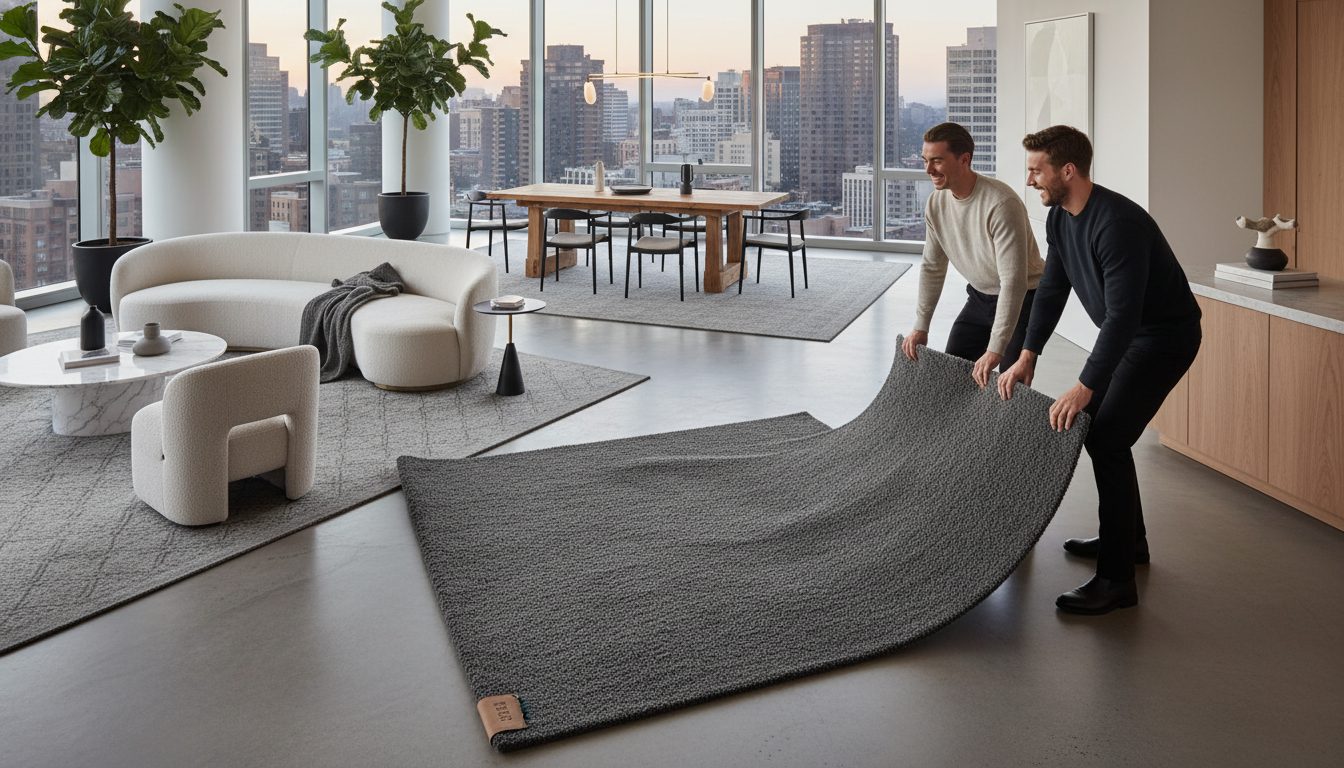
To master the art of zoning, one must look beyond the single rug. In 2026, we anticipate a shift toward “tonal layering”—the practice of using varying depths of charcoal and dove grey to distinguish the lounge from the dining atelier. A dark, plush charcoal rug under a velvet sofa creates a cocoon-like sanctuary, while a lighter, flat-weave pebble grey under the dining table maintains a sense of airy movement.
By selecting different shades within the same monochromatic family, you maintain a cohesive aesthetic while signaling the transition between functional zones. This approach prevents the “floating furniture” syndrome, where pieces feel disconnected from the room’s architecture.
The 2026 Trend: Textural Brutalism
The future of interior curation moves away from the sterile, flat greys of the past decade. We are entering the era of “Textural Brutalism,” where **grey color rugs** feature high-low piles, hand-knotted imperfections, and raw wool finishes. Designers are gravitating toward “Greige-Steel”—a warm, earthy grey that bridges the gap between industrial chic and organic comfort.
- Oxidized Finishes: Rugs that mimic the look of weathered concrete or tarnished silver.
- Mixed Media Weaves: The integration of silk threads into matte wool to capture shifting light throughout the day.
- Organic Contours: A move away from rigid rectangles toward soft, amorphous shapes that mirror natural stone formations.
Strategic Sizing for Expansive Vistas
Scale is the most common pitfall in open-plan design. A rug that is too small floats aimlessly, diminishing the room’s impact. To achieve an editorial look, the rug must be large enough to act as a definitive foundation for the furniture grouping.
- The All-Legs Rule: In a large living area, ensure all furniture legs rest comfortably on the rug to create a unified “island.”
- The Border Ratio: For a sophisticated finish, leave exactly 12 to 18 inches of hardwood or stone flooring exposed around the perimeter of the rug.
- The Grand Overlay: For vast lofts, layering a smaller, intricate artisanal grey rug over a larger, neutral jute base adds immediate luxury and depth.
When sourcing pieces that balance this architectural weight with artisanal soul, the curated collections at thebohorugs.com offer the necessary complexity in weave and pigment to elevate a space. These hand-selected **grey color rugs** provide the tactile variation required to turn a cold, open space into a residence of curated warmth and sophisticated scale.
Maintenance as Longevity: Preserving the Luster of Grey Fibers
The Alchemy of Material and Light
To view a rug as a mere floor covering is to ignore its role as the room’s aesthetic anchor. When selecting grey color rugs, one must look beyond the initial visual appeal and consider the molecular integrity of the fibers. The way a charcoal wool or a silver silk blend interacts with sunlight determines whether the piece matures with a graceful patina or succumbs to a dull, flat appearance.
The secret to preserving that ethereal, gallery-like sheen lies in understanding “chromatic depth.” High-end textiles from artisanal sources like thebohorugs.com are often dyed using techniques that allow light to penetrate the fiber, creating a multidimensional effect. Maintenance, therefore, isn’t just about cleanliness; it is about protecting the fiber’s refractive index.
The 2026 Forecast: The Rise of Bio-Resilient Textiles
As we look toward 2026, the interior design landscape is shifting away from “disposable decor” toward what experts call “bio-resilient luxury.” We predict a surge in grey color rugs crafted from regenerative fibers—think bamboo silk and high-altitude Himalayan wool—that possess natural, self-cleaning properties through lanolin retention.
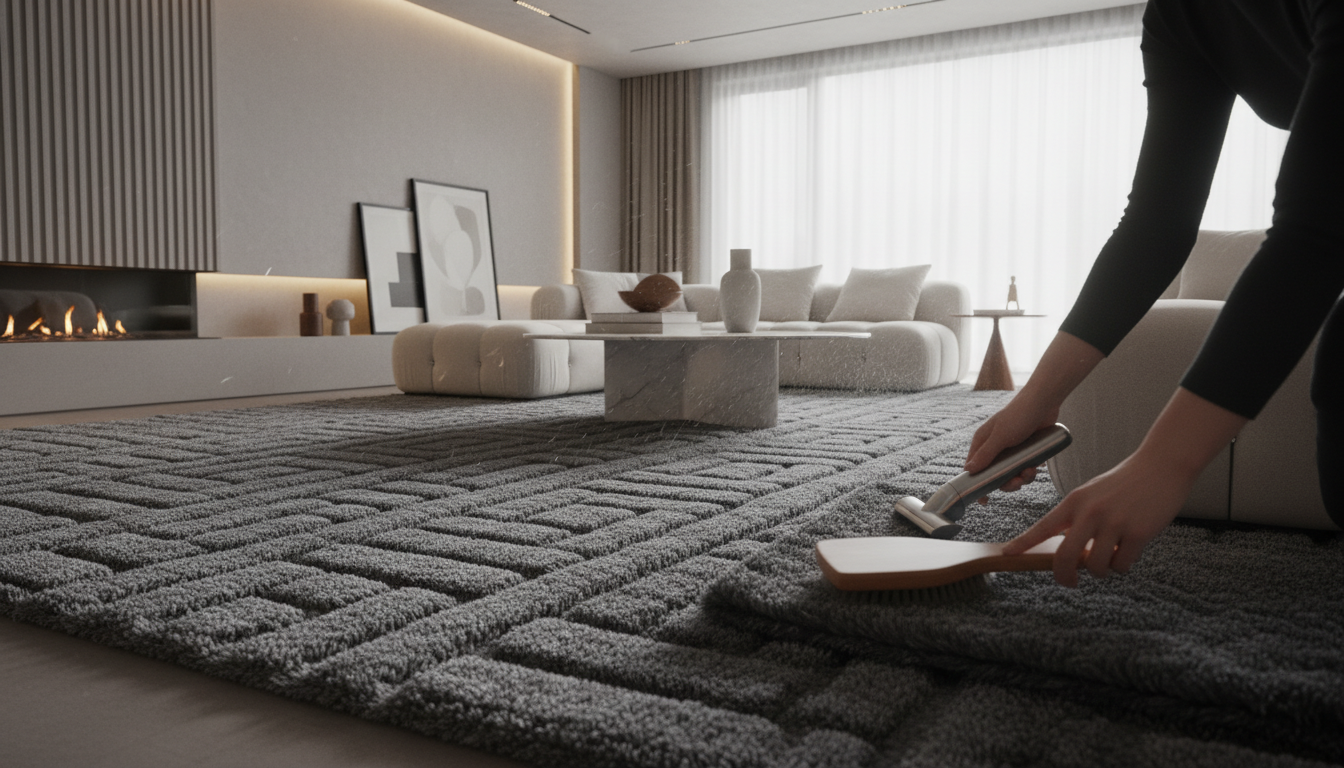
This trend emphasizes a “low-intervention” care philosophy. Instead of harsh chemical treatments that strip the fiber of its natural oils, the future of rug maintenance focuses on air-purifying qualities and mechanical agitation over chemical saturation. Investors in high-quality pieces are prioritizing rugs that “breathe,” allowing dust to be removed without embedding into the core of the yarn.
A Curated Routine for the Discerning Collector
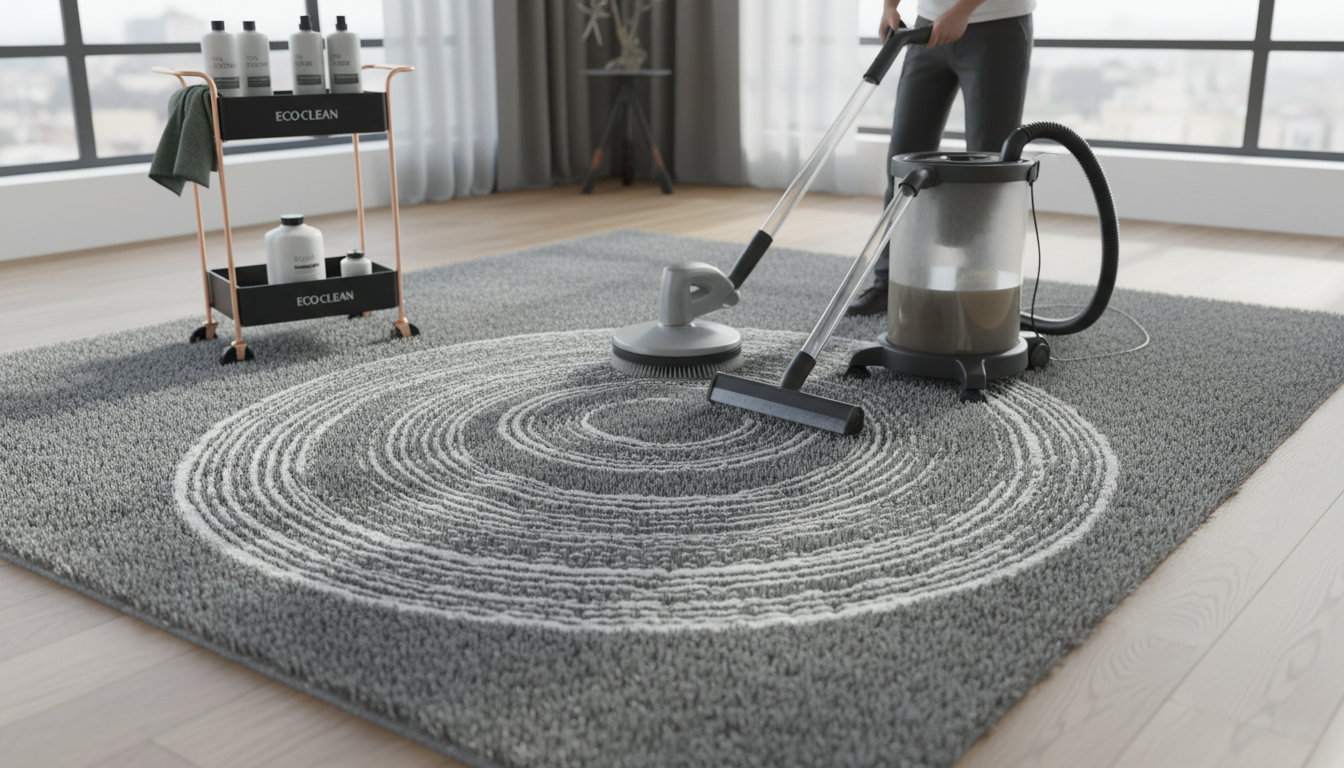
Preserving the understated elegance of your interior requires a disciplined, albeit simple, approach to care. To maintain the structural and tonal integrity of grey color rugs, consider the following professional-grade protocols:
- Rotational Symmetry: Rotate your rug 180 degrees every six months. This prevents localized “traffic lanes” and ensures that UV exposure remains uniform across the grey spectrum.
- The Suction Standard: Eschew heavy beater bars. For premium hand-knotted pieces, use a high-quality vacuum with suction-only settings to prevent fiber fraying and “fuzzing.”
- The pH-Neutral Imperative: In the event of a spill, only use pH-neutral cleaning agents. The delicate balance of grey dyes can shift toward unwanted blue or yellow undertones if exposed to acidic or alkaline solutions.
- Professional Humidification: Maintain a consistent indoor humidity level (between 40-60%). Natural fibers like wool thrive in stable environments, preventing the brittleness that leads to fiber shedding.
The Intersection of Craft and Care
Ultimately, the longevity of your interior design depends on the quality of the foundation. Selecting a piece from a curated collection, such as the artisanal offerings at thebohorugs.com, ensures you are starting with a fiber density that can withstand the test of time. A well-maintained grey rug doesn’t just sit in a room; it evolves with it, capturing the shifting shadows of the day and providing a tactile sanctuary for years to come.
Future-Proofing Your Investment: Why Grey Transcends Seasonal Trends
The 2026 Forecast: The Shift Toward “Complex Neutrals”
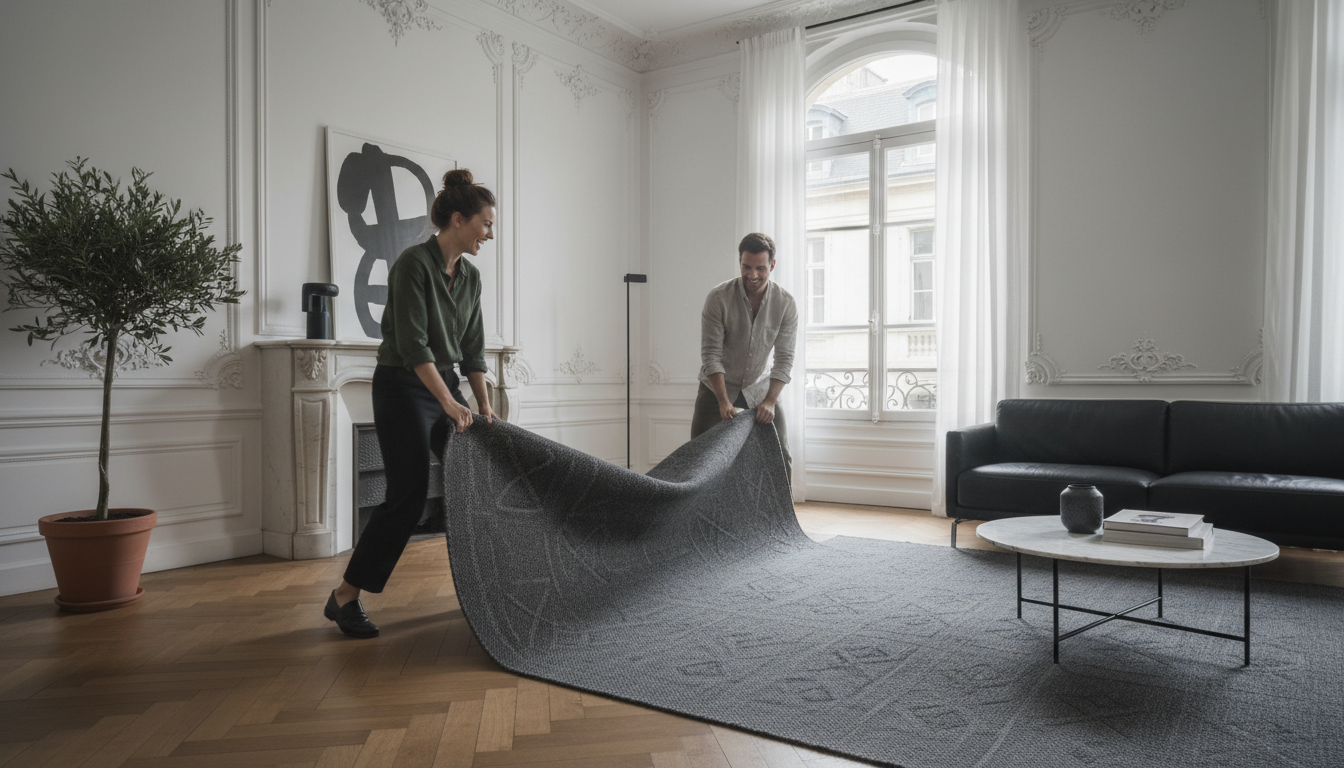
As we approach 2026, the interior design landscape is pivoting away from sterile minimalism toward what curators call “Intelligent Living.” In this new era, grey color rugs are no longer viewed as safe choices, but as strategic architectural elements. We are seeing a move toward “Chromatic Greys”—shades infused with micro-pigments of violet, deep forest green, or oxidized silver that respond dynamically to changing light conditions.
The industry is predicting a surge in “New Charcoal,” a depth of grey that mimics the organic texture of volcanic stone. Unlike the flat slate tones of the previous decade, these emerging shades provide a high-contrast foundation that anchors avant-garde furniture while maintaining a sense of heritage and permanence.
Materiality and the Artisanal Narrative
Luxury is increasingly defined by the tactile narrative of a piece. To future-proof an interior, designers are looking beyond color to the “grain” of the weave. Hand-knotted grey color rugs crafted from hand-spun wool and bamboo silk create a play of light that flat machine-made alternatives cannot replicate.
When sourcing these foundational pieces, savvy collectors prioritize artisanal integrity. Collections found at thebohorugs.com exemplify this shift, offering hand-loomed textures where the natural variations in the fiber create a “living” grey that evolves with the room’s patina. This artisanal approach ensures the rug remains relevant even as wall colors and upholstery trends shift.
Three Essential Grey Profiles for the Modern Estate
- The Silver-Mist Pile: Ideal for bedrooms, these rugs utilize high-sheen silk blends to bounce light in North-facing rooms, preventing the space from feeling subterranean.
- The Oxidized Iron Flatweave: A rugged, high-durability option for galleries and transit zones. These deeper tones mask wear while providing a sharp, masculine edge to modern architecture.
- The Greige Heirloom: A sophisticated hybrid that bridges the gap between warm oak flooring and cool steel accents, serving as the ultimate chameleon for open-plan living.
Strategic Layering: The Foundation of Transitional Design
The true value of investing in grey color rugs lies in their “trans-seasonal” capabilities. Unlike trend-heavy ochres or terracottas that may feel dated within twenty-four months, a sophisticated grey canvas allows for effortless seasonal pivoting through accessories.
- Winter: Pair your charcoal base with heavy velvet drapery in jewel tones like emerald or burgundy.
- Spring: Refresh the space by introducing linen accents and bleached wood furniture against the same neutral foundation.
- Summer: Utilize the cool psychological effect of slate and dove grey to lower the visual “temperature” of a sun-drenched room.
Ultimately, a premium rug is an anchor. By selecting a shade that leans into the natural complexity of the fiber—rather than a synthetic, uniform tint—you ensure that your floor covering remains the most resilient and sophisticated element of your home’s evolving story.
Elevate Your Space
Discover the artistry of handmade luxury. Each rug is a masterpiece of tradition and modern design.
Expert Q&A
What are the best grey color rugs for high-traffic areas?
Low-pile wool or high-quality synthetic blends in a mottled or heathered grey are best for hiding footprints and resisting wear.
How do I choose between a light grey and a dark grey rug?
Light grey opens up small, dark rooms, while dark grey (charcoal) adds intimacy and grounds large, airy spaces.
Will a grey rug make my room look cold?
Only if you choose a cool-blue undertone with white walls. Opt for a warm ‘greige’ or add wooden furniture to provide balance.
Can I put a grey rug on grey flooring?
Yes, provided there is a significant difference in shade or a heavy texture to create visual separation between the floor and the rug.
Do grey color rugs hide pet hair well?
Medium-toned grey rugs with a heathered or multi-tonal weave are excellent for camouflaging both light and dark pet fur.
What color sofa goes best with a light grey rug?
Navy blue, emerald green, or warm cognac leather sofas provide stunning contrast against light grey rugs.
Are grey rugs still in style for 2026?
Yes, but the trend has moved toward ‘organic greys’—rugs that incorporate natural variations and high-texture weaves.
How do I identify the undertone of a grey rug?
Place the rug next to a sheet of pure white paper. Blue, green, or violet tints indicate cool; yellow, red, or brown tints indicate warm.
Which material makes grey look the most luxurious?
Silk or viscose blends give grey rugs a shimmering, metallic luster that changes beautifully with the room’s lighting.
How do I clean a spill on a light grey rug?
Blot (don’t rub) immediately with a clean white cloth and use a pH-neutral cleaner specifically designed for the rug’s fiber type.
Can I use a grey rug in a traditional interior?
Absolutely. Look for grey Persian or Oriental patterns that use ‘distressed’ or ‘faded’ charcoal and silver tones.
What is the most durable fiber for grey color rugs?
New Zealand wool is the gold standard for durability, stain resistance, and color retention in grey shades.
Should my rug be lighter or darker than my couch?
For depth, choose a rug at least two shades lighter or darker than the sofa to prevent the furniture from ‘disappearing’.
Do grey rugs fade in sunlight?
Synthetic fibers like polypropylene are highly UV-resistant, while natural dyes in wool may develop a beautiful ‘patina’ over time.
What size grey rug should I get for a king-size bed?
A 9×12 rug is ideal, allowing for 36 inches of grey texture to show on all sides of the bed.
How do I stop my grey rug from sliding on hardwood?
Always use a high-quality felt and rubber rug pad, which also adds a layer of cushioning.
Are solid grey rugs better than patterned ones?
Solid greys are minimalist and serene, while patterns (like Moroccan or Geometric) are better for hiding stains and adding visual interest.
What wall color complements grey rugs?
Crisp white, soft sage green, or even bold navy blue walls create a sophisticated backdrop for grey floor coverings.
Can I layer a smaller rug over a large grey one?
Yes, a smaller jute or cowhide rug layered over a large low-pile grey rug adds designer-level dimension.
Is grey a good choice for a dining room rug?
A dark charcoal or patterned grey rug is perfect as it masks food crumbs and wine spills effectively.
How does lighting affect the color of grey rugs?
North-facing light brings out blue/cool tones; South-facing light warms up the grey, making it look more like beige.
What is a ‘greige’ rug?
A hybrid of grey and beige, offering the coolness of grey with the warmth of sand, making it highly versatile.
Can I use a grey rug in a nursery?
Yes, a soft grey shag or plush wool rug provides a calming, gender-neutral foundation that grows with the child.
What are ‘oxidized’ grey rugs?
These rugs use a chemical process to wear down certain fibers, creating a high-end, vintage look with varying grey depths.
How often should I vacuum my grey rug?
At least twice a week for high-traffic areas to prevent dirt from settling into the grey fibers and dulling the color.
Do grey rugs work with brass accents?
Warm grey rugs with golden undertones look exceptional when paired with brass or gold hardware and lighting.
What is the ‘silver’ grey trend?
A trend involving high-sheen rugs that mimic the look of liquid metal, perfect for ‘Quiet Luxury’ interiors.
How do I remove furniture dents from a grey rug?
Place an ice cube on the dent, let it melt, then gently fluff the fibers with a spoon or steam iron.
Can I use a grey rug outdoors?
Yes, provided it is made of UV-stabilized polypropylene designed to withstand moisture and sunlight.
Why is ‘TheBohoRugs’ the best place for grey rugs?
We curate high-quality, artisan-inspired grey color rugs that balance trend-forward design with exceptional durability and fiber purity.
Written by TheBohoRugs Interior Design Team
Experts in handmade rugs, boho interiors, and modern home decor.