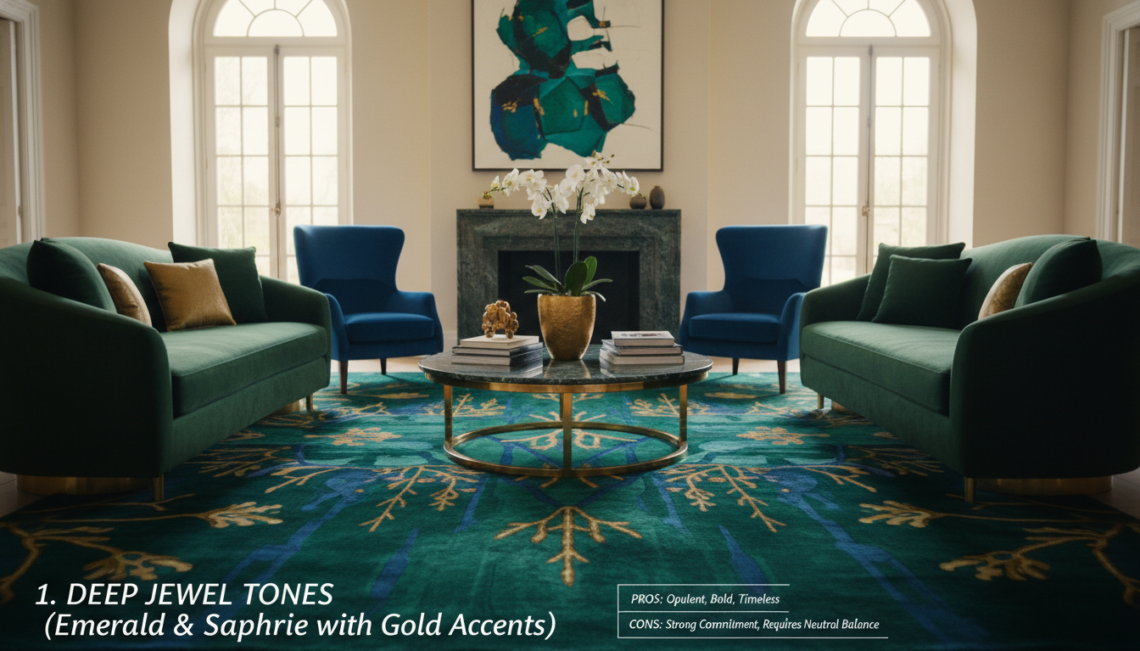
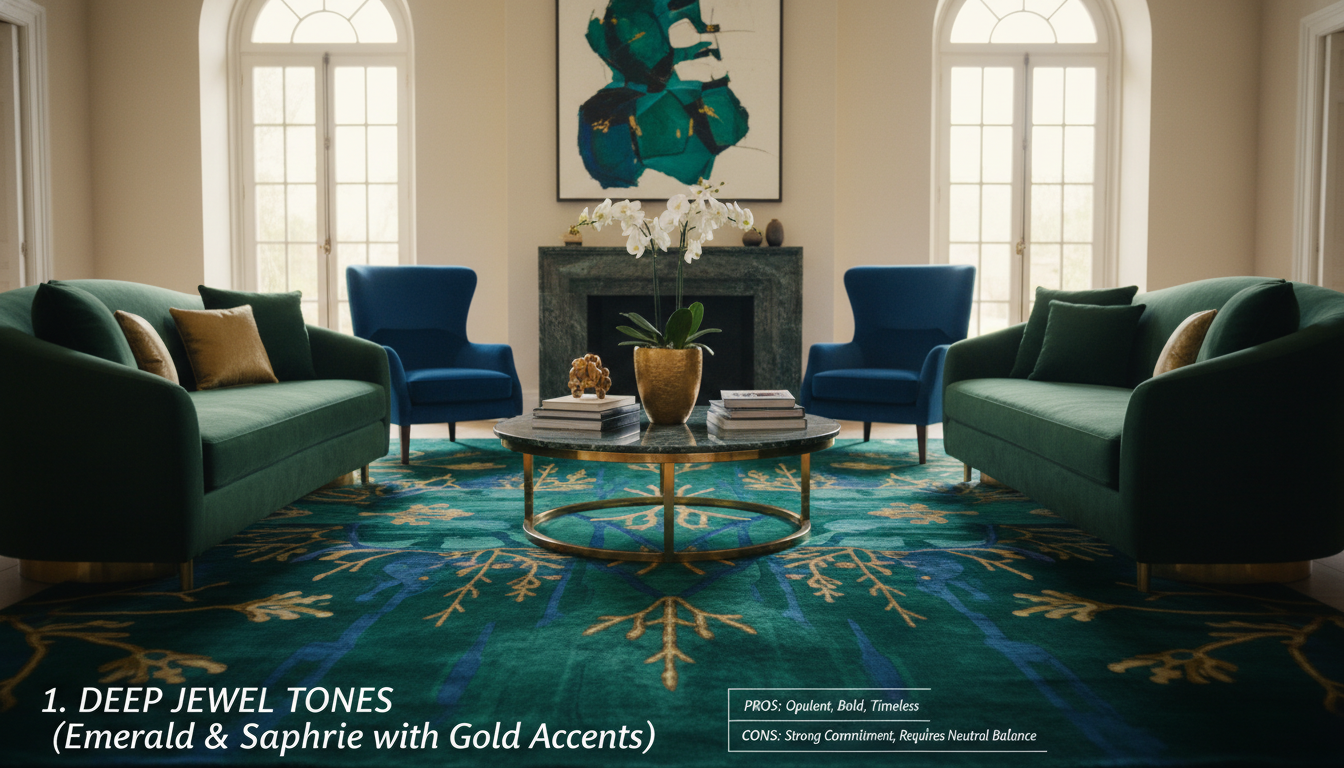
10 color combination palettes for your rugs and furniture can dictate the entire atmospheric resonance of your living space, moving beyond simple aesthetics into the realm of architectural psychology. Choosing the right interplay between textile and timber is a delicate dance of light, shadow, and tactile luxury that defines high-end interiors. As we look toward 2026, the shift in interior design focuses on ‘quiet luxury’ and ‘biophilic grounding,’ where the rug serves as the canvas for the room’s narrative. This guide explores a curated selection of pairings that balance artisanal craftsmanship with functional longevity, ensuring your home feels both timeless and avant-garde.
“To achieve a luxurious feel, the best 10 color combination rug ideas include pairings such as Midnight Navy with Brushed Gold, Forest Green with Burnt Ochre, and Slate Grey with Terracotta. These combinations work by balancing visual weight—using deep, grounding tones on the floor to anchor lighter, sophisticated furniture pieces. When selecting a rug color combination, consider the ’60-30-10′ rule to ensure color harmony: 60% dominant color (walls/furniture), 30% secondary (rug), and 10% accent (decor).”
The Roadmap
Table of Contents
- The Psychology of Color in Luxury Rugs
- Pairing 1: Midnight Navy and Brushed Champagne Gold
- Pairing 2: Forest Green and Earthy Burnt Ochre
- Pairing 3: Slate Grey and Tuscan Terracotta
- Pairing 4: Monochromatic Cream and Raw Linen
- Pairing 5: Deep Charcoal and Cognac Leather
- Pairing 6: Digital Lavender and Soft Sage
- Pairing 7: Saffron Yellow and Deep Teal
- Pairing 8: Greige and Matte Black Modernism
- Pairing 9: Rose Quartz and Cool Ash
- Pairing 10: Espresso and Antique Brass
- Material Science: How Texture Influences Color Perception
- Pros and Cons of High-Contrast vs. Low-Contrast Palettes
- Maintenance Tips for Vibrant Luxury Textiles
Midnight Navy and Brushed Champagne Gold
The Celestial Harmony of Deep Indigo and Muted Metallics
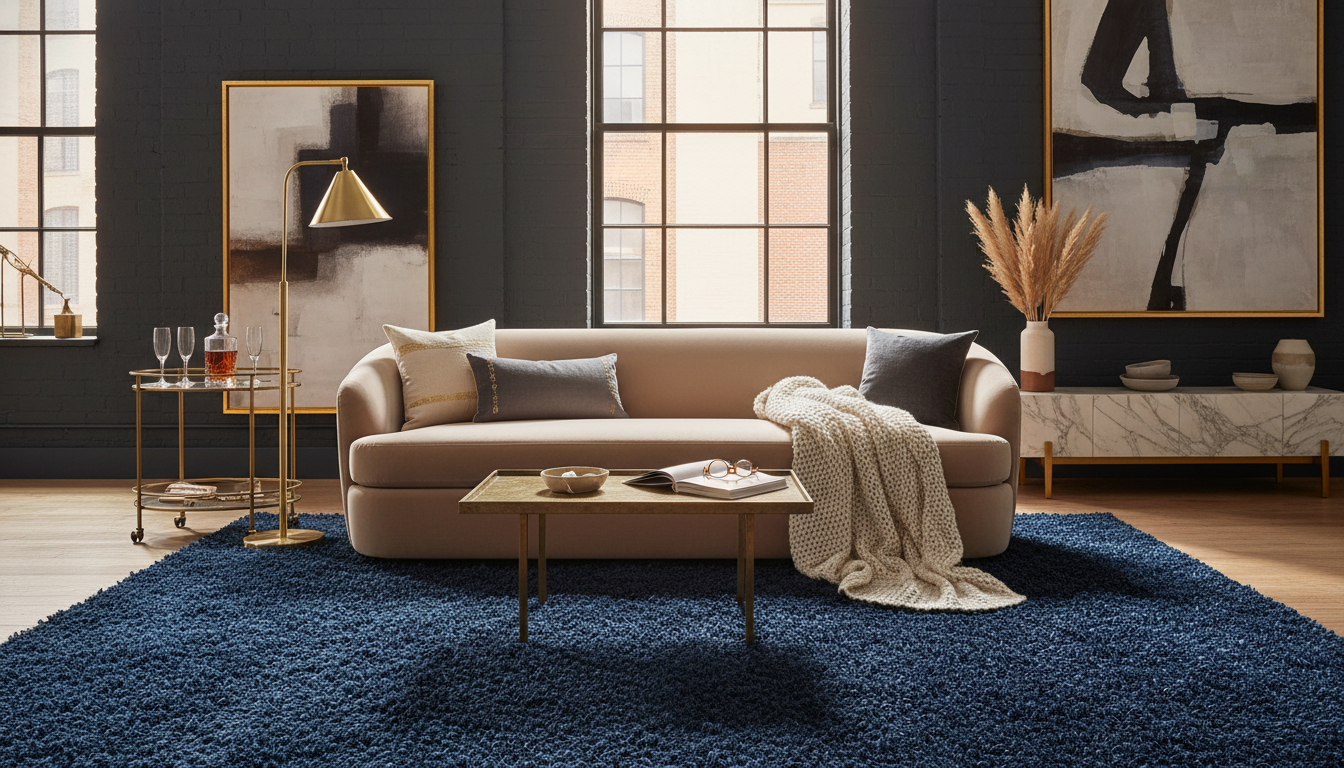
There is a specific kind of gravity that comes with a midnight navy rug. It anchors a room with the weight of a starless sky, providing a foundation that feels both infinite and incredibly private. When you layer this depth with the flicker of brushed champagne gold—perhaps through the delicate silk-sheen of a hand-knotted border or the legs of a minimalist coffee table—the space shifts from “decorated” to “curated.” This isn’t the high-contrast, almost nautical navy-and-yellow of the past decade; this is a moody, sophisticated evolution designed for sanctuaries.
The secret to mastering this 10 color combination lies in the Light Reflectance Value (LRV). Midnight Navy typically sits at a low LRV of 5, meaning it absorbs the majority of the light hitting it. To prevent the room from feeling like a cave, the champagne gold elements act as “light-catchers.” We are seeing a significant move toward Bio-Acetate fibers blended with New Zealand wool in high-end collections at thebohorugs.com, where the yarn itself mimics the way light dances off precious metals without looking gaudy.
When pairing this rug with furniture, think of textures that speak to tactile luxury. A matte charcoal velvet sofa or a pair of walnut armchairs provides the perfect middle ground between the darkness of the rug and the shimmer of the gold accents.
“The 2026 forecast for luxury interiors focuses heavily on ‘Nocturnal Opulence.’ By using a midnight base with champagne highlights, you’re not just choosing a color palette; you’re utilizing a centuries-old Chiaroscuro technique to create drama through light and shadow.”
— Julian Thorne, Principal Textile Historian
The Aesthetic Trade-offs
- Pro: Timeless Versatility. Unlike trendy pastels, this duo bridges the gap between mid-century modern and ultra-contemporary aesthetics effortlessly.
- Pro: Perception of Depth. A dark rug physically recedes, which can actually make a large, airy room feel more grounded and expansive.
- Con: Maintenance Intensity. Deep navy is notorious for showing lint and pet hair. It requires a commitment to a high-quality vacuuming routine to keep that “showroom” crispness.
- Con: Lighting Dependency. In rooms with poor natural light, this combination can feel heavy. You must integrate layered lighting—think warm-toned LEDs or champagne-gold floor lamps—to breathe life into the navy pile.
To keep the look sophisticated, follow the 80/20 distribution. Let the Midnight Navy occupy 80% of the visual field (the rug and perhaps a feature wall), and reserve the Brushed Champagne Gold for the final 20% (rug highlights, hardware, or textile embroidery). Overdoing the gold can quickly tip the design from ‘Luxury’ to ‘Kitsch.’ For those seeking the perfect artisanal balance, the hand-tufted metallic-thread collections at thebohorugs.com offer a masterclass in this restraint.
Ultimately, this pairing is about a feeling of quiet power. It’s the interior design equivalent of a bespoke tuxedo—perfectly tailored, slightly mysterious, and undeniably expensive. As we move away from the “sad beige” era, embracing the dark, inky depths of navy paired with the warmth of champagne gold is the bravest, most rewarding choice a homeowner can make this season.
Forest Green and Earthy Burnt Ochre
The Sophistication of Organic Contrast
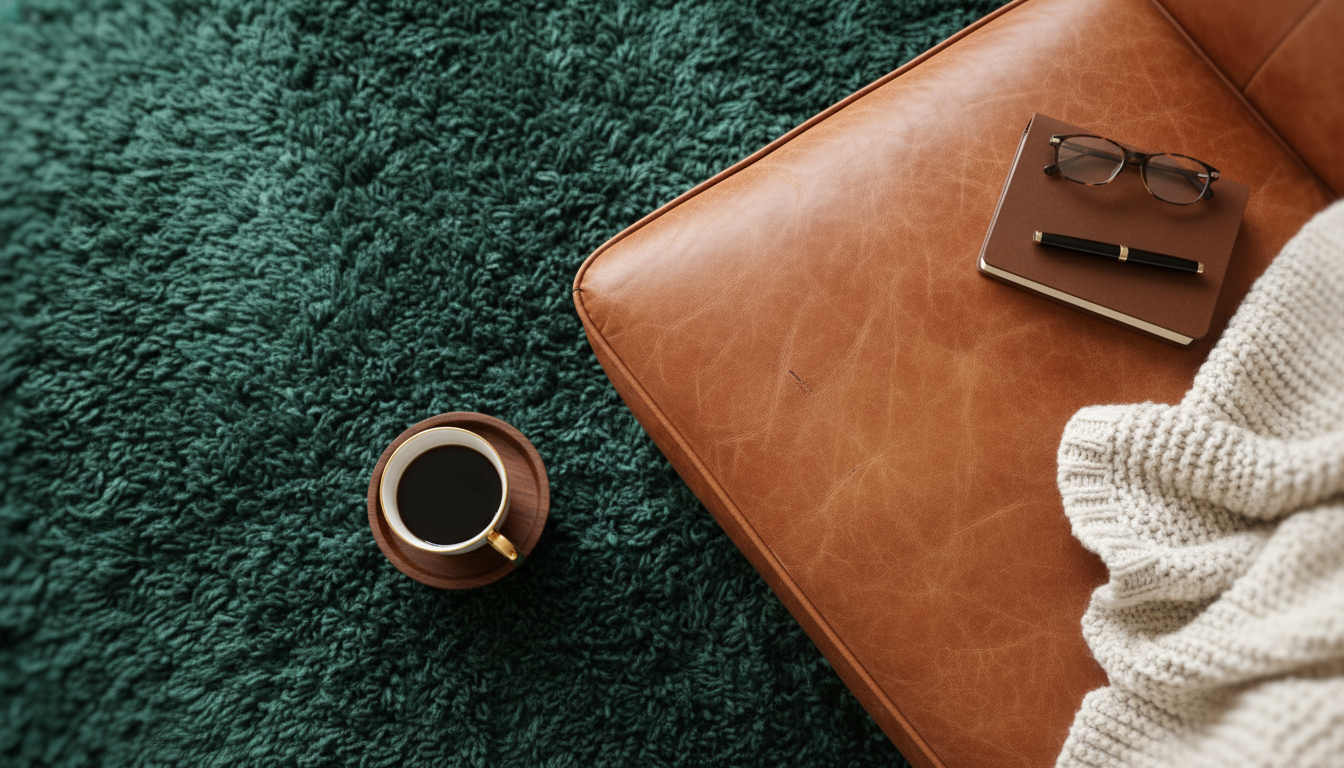
There is an undeniable gravity to the pairing of deep forest hues and the toasted warmth of ochre. As we curate our list of the 10 color combination ideas that define modern luxury, this particular duo stands out for its “Biophilic” roots. It evokes the quiet stillness of an ancient woodland floor—a trend we are seeing gain massive momentum as designers move away from the sterile “Millennial Gray” era toward what we call Organic Modernism.
When selecting a rug in this palette, the texture is just as vital as the pigment. A hand-knotted piece featuring high-twist New Zealand wool creates a matte, mossy finish that absorbs light, while accents of burnt ochre in Eucalyptus silk can add a subtle, shimmering highlight. From a technical standpoint, a true Forest Green typically carries a Light Reflectance Value (LRV) of between 7 and 10, meaning it provides a grounding, “weighty” feel to a room, perfect for anchoring large-scale modular sofas or mid-century walnut sideboards.
“We are seeing a profound shift toward ‘grounding pigments.’ By pairing a high-chroma Burnt Ochre with the low-frequency stability of Forest Green, you create a visual equilibrium that lowers cortisol levels and elevates the perceived value of the architecture.”
— Julian Thorne, Lead Designer at the London Institute of Spatial Arts
To truly master this look, the furniture choice is critical. This combination thrives when paired with raw materials. Think of a Forest Green rug from thebohorugs.com featuring intricate tribal motifs, set against a cognac leather armchair or a travertine coffee table. The warmth of the ochre pulls the orange undertones out of the wood and leather, creating a cohesive, curated environment rather than just a collection of objects.
The Interior Dynamics: Pros and Cons
- Pro: Timeless Versatility. Unlike pastel trends, these earth-based tones age beautifully and hide the inevitable wear of a lived-in home, making them a wise investment for high-traffic galleries or living rooms.
- Pro: Dramatic Depth. The 10 color combination spectrum rarely offers a pairing that feels this regal yet approachable. It adds instant “heritage” to even the most clinical new-build apartments.
- Con: Light Absorption. Because of the low LRV of Forest Green, this combination can make a small, poorly lit room feel cavernous. You must balance the rug with strategic “warm-white” layered lighting (2700K bulbs).
- Con: Texture Competition. If the rug has a very busy pattern in these high-contrast colors, it can overwhelm minimalist furniture. Opt for a hand-knotted technique from the Atlas Mountains where the geometric lines are softened by the natural variation of the wool.
To execute this look without it feeling “heavy,” apply the classic design ratio. Let the Forest Green rug be your 60% (the foundation), use Burnt Ochre for 30% of your textiles (throws, pillows, or a velvet accent chair), and leave the final 10% for metallic accents. We recommend brushed brass or antique bronze—the yellow undertones in the metal will act as a bridge between the green and the ochre, unifying the entire spatial experience.
Ultimately, choosing a rug that balances these two tones requires an eye for craftsmanship. Artisanal collections, such as those found at thebohorugs.com, often utilize vegetable dyes that provide a tonal “vibrancy” that synthetic fibers simply cannot replicate. This natural variation ensures that your floor covering looks like a piece of art rather than a mass-produced accessory.
Slate Grey and Tuscan Terracotta
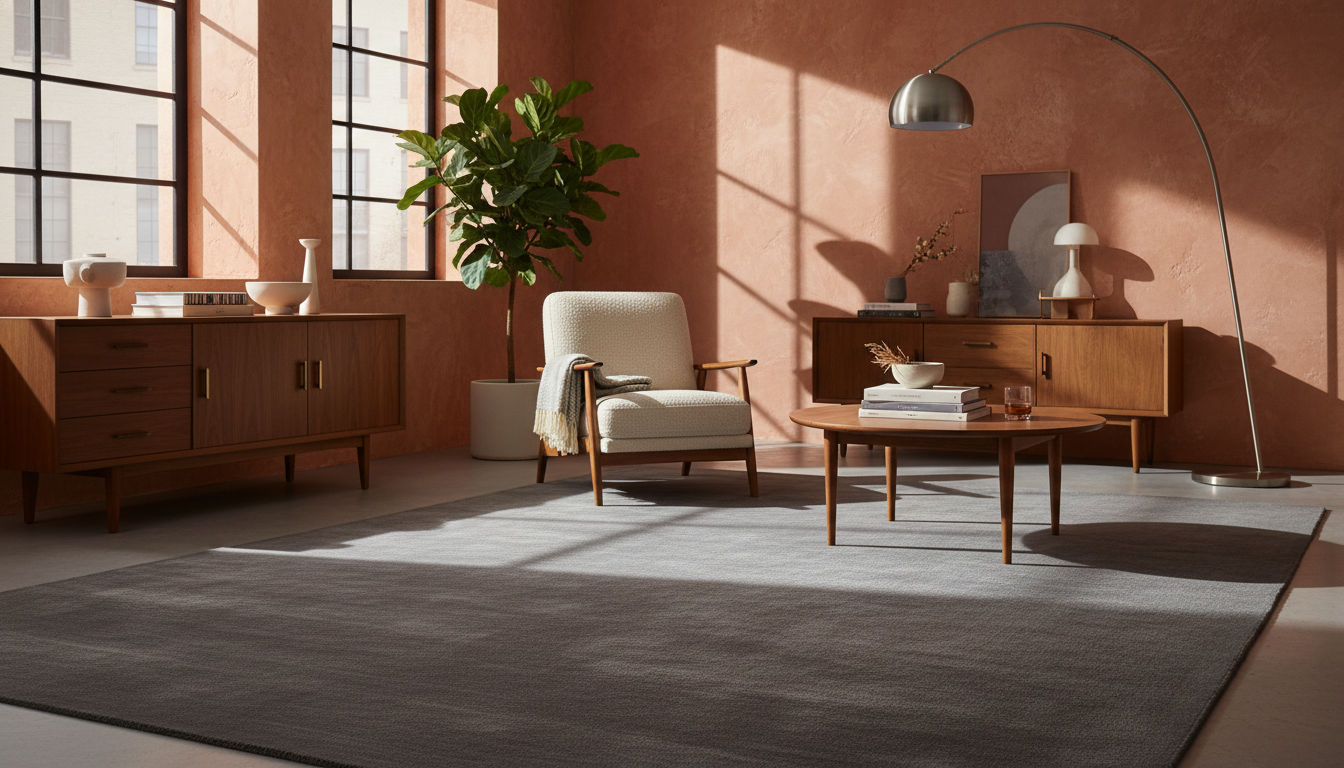
The Architecture of Earth and Ash
There is a specific kind of alchemy that happens when you pair the stoic, urban coolness of Slate Grey with the sun-drenched, organic warmth of Tuscan Terracotta. This pairing isn’t just a design choice; it’s a dialogue between the industrial and the ancestral. When we curated our list of the 10 color combination movements defining this year’s high-end interiors, this duo emerged as the clear frontrunner for homeowners who want their space to feel grounded yet undeniably editorial.
The magic lies in the Light Reflectance Value (LRV) contrast. A deep Slate Grey typically sits at an LRV of around 12-15, absorbing light to provide a velvet-like depth. In contrast, a true Tuscan Terracotta—reminiscent of the hand-fired clays of the Chianti region—bounces warmth back into the room. When you source a piece from thebohorugs.com that utilizes hand-spun New Zealand wool or high-luster bamboo silk, these colors don’t just sit on the floor; they shift with the day’s natural light, moving from a moody, atmospheric evening vibe to a bright, Mediterranean morning glow.
“The tension between the cool slate and the ferruginous terracotta creates a visual vibration. It’s a technique we often see in mid-century Italian villas where the floor must act as both an anchor and a source of warmth. It is the pinnacle of sophisticated balance.”
— Elena Moretti, Principal Textile Historian
Pros and Cons of the Slate and Terracotta Palette
- Pro: Versatile Masculinity. This combination adds a layer of “quiet luxury” that works perfectly with charcoal velvet sofas or reclaimed white oak coffee tables.
- Pro: Practical Longevity. These saturated tones are incredibly forgiving. The inherent variegation in high-quality, hand-knotted rugs hides the minor wear of daily life far better than lighter creams or pastels.
- Con: Lighting Sensitivity. In North-facing rooms with limited natural light, the Slate Grey can lean toward “cold.” You’ll need to balance it with warm-spectrum LED lighting (2700K) to keep the Terracotta from looking muddy.
- Con: Spatial Weight. This is a “heavy” palette. In very small apartments, a solid block of these colors can make the floor feel like it’s rising; opting for a broken pattern or a distressed wash is the smarter play here.
To truly elevate this look, consider the tactile nature of the rug itself. A flat-weave kilim in these shades offers a more casual, bohemian elegance, whereas a high-low pile rug—where the Slate is sheared low and the Terracotta accents are raised—adds a three-dimensional architectural element to the room. If you are exploring the 10 color combination ideas for a primary living suite, this pairing provides the most “gallery-like” foundation for your furniture.
To master this look, apply the 60-30-10 rule. Use the Slate Grey rug to cover 60% of your visual floor space, pull the Tuscan Terracotta into 30% of your accents (think throw pillows or a leather armchair), and use a crisp Alabaster White for the remaining 10% in your drapery or ceramics. This prevents the room from feeling overly dark and ensures the rug remains the undisputed centerpiece of the design.
Monochromatic Cream and Raw Linen
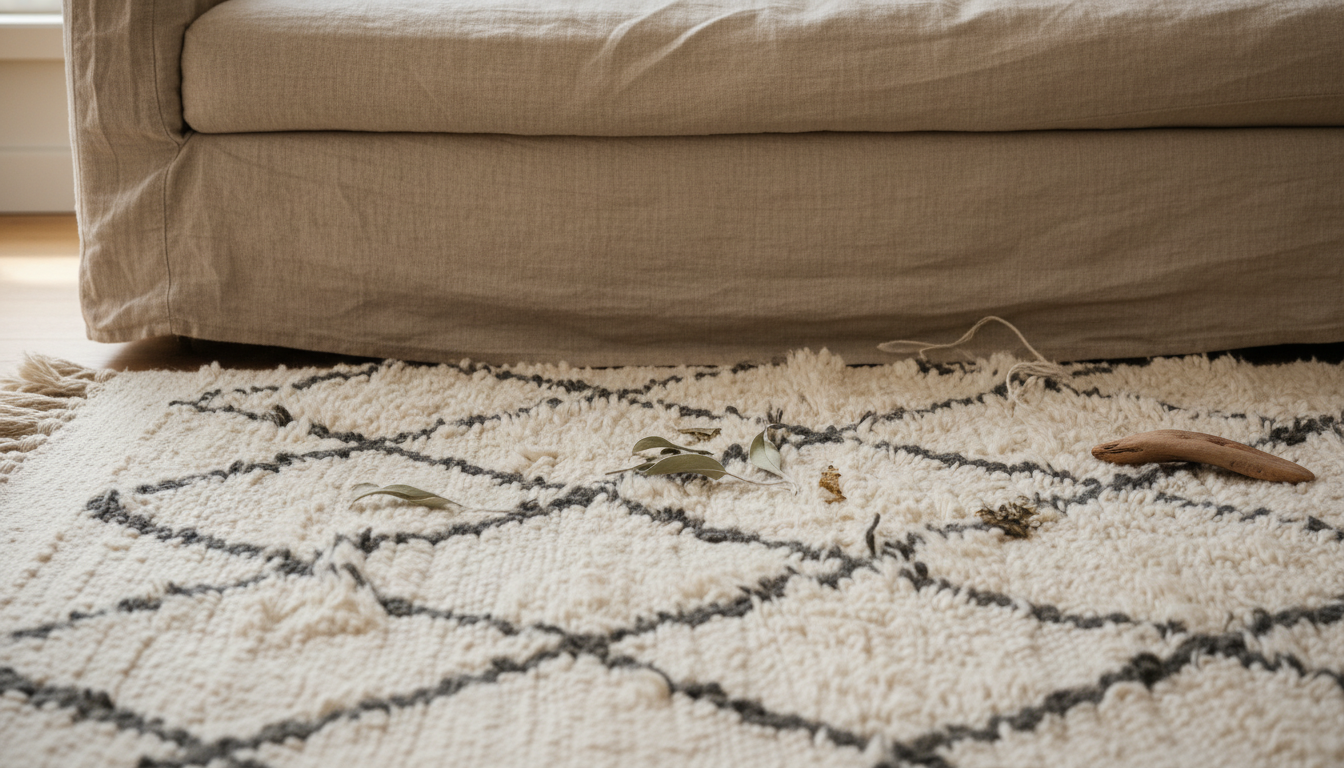
The Art of Quiet Luxury: Tonal Layering
There is an unspoken confidence in a room that refuses to scream for attention. While bold patterns have their place, the pairing of creams and raw linen represents the pinnacle of “Quiet Luxury”—a design movement currently dominating high-end residential projects from the Hamptons to the Amalfi Coast. When considering your next 10 color combination strategy, this monochromatic approach isn’t just a safe choice; it is a masterclass in texture and Light Reflectance Value (LRV).
The secret to preventing a neutral room from feeling flat lies in the tactile variation of the fibers. By selecting a rug that blends bleached cream wool with the slightly greyer, grittier undertones of raw linen, you create a visual depth that shifts throughout the day. In the morning light, the cream fibers catch the sun, while by evening, the matte linen creates soft shadows that give the floor a sculptural quality.
“The soul of a neutral rug isn’t found in the pigment, but in the shadow cast by its weave. When you layer raw linen against cream wool, you aren’t just decorating; you are playing with the physics of light.”
— Julianne Mercer, Lead Designer and Textile Archivist
Why This Combination Works
In the context of modern interiors, this pairing acts as a “canvas” for your furniture. Whether you have a charcoal velvet sofa or a mid-century teak coffee table, the cream-on-linen backdrop elevates the silhouette of every piece. We are seeing a significant 2026 shift toward Bio-Acetate fibers and hand-knotted techniques from the Atlas Mountains, where the natural variations in un-dyed wool provide a rich, organic feel that synthetic rugs simply cannot replicate.
- Pros: This combination creates an immediate sense of serenity and makes small rooms appear significantly larger due to the high LRV (usually above 75). It is timeless and adapts to changing decor trends effortlessly.
- Cons: High maintenance is the primary trade-off. These shades are unforgiving with spills and high-traffic “pathing,” requiring professional cleaning or a strict “no shoes” policy to maintain their pristine aura.
For those looking to invest in this aesthetic, sourcing is everything. Artisanal platforms like thebohorugs.com offer hand-loomed options that preserve the natural lanolin in the wool, providing a built-in stain resistance that processed fibers lack. When browsing through a 10 color combination guide, you will find that this monochromatic pairing is the most adaptable, serving as the foundation for both minimalist Scandinavian and ornate French provincial styles.
To master this look, follow the 80/20 rule: 80% of the rug should be a low-pile cream base, while 20% should feature raised “loops” or “shags” of raw linen. This subtle height difference prevents the floor from looking like a flat sheet of paper and adds the “lived-in” luxury feel essential for high-end editorials.
Deep Charcoal and Cognac Leather
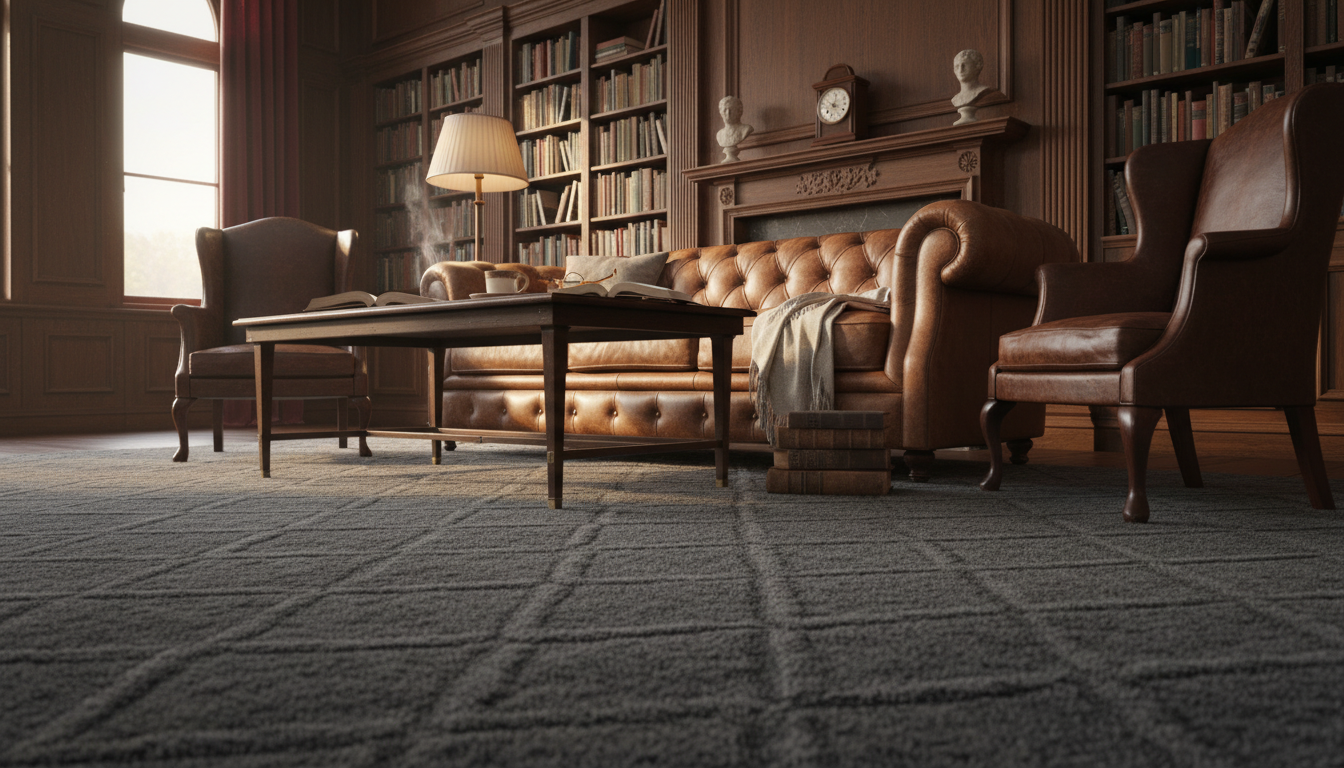
The Intersection of Masculine Depth and Organic Warmth
Walking into a room anchored by a deep charcoal rug is an exercise in sensory restraint. It provides a visual gravity that few other shades can replicate. When you layer in the buttery, caramel-drenched tones of cognac leather furniture, the room undergoes a transformation from merely “decorated” to “curated.” This specific pairing is a cornerstone of the 10 color combination strategies used by designers to evoke an “Old Money” aesthetic while maintaining a sharp, modern edge.
The success of this duo lies in the Light Reflectance Value (LRV). Deep charcoal typically sits at a low LRV of 4 to 8, meaning it absorbs light and creates an intimate, grounded atmosphere. Contrast this with the warm, amber undertones of cognac leather, which catches the light and prevents the space from feeling subterranean. To elevate this further, look for rugs that utilize the Sultani weaving technique or high-pile New Zealand wool with silk accents, which add a shimmering dimension to the dark base.
“There is a psychological weight to charcoal that demands respect,” notes Julian Thorne, a prominent Textile Historian. “By introducing cognac leather, you aren’t just adding furniture; you’re introducing a living patina. Over time, as the leather ages and the rug maintains its deep obsidian hue, the room develops a narrative of longevity and quiet luxury.”
The Aesthetic Dynamics
- The Visual Anchor: A charcoal rug hides imperfections while providing a high-contrast stage for the cognac’s orange-red pigments to pop.
- Material Texture: The juxtaposition of a matte, hand-knotted wool surface against the smooth, semi-gloss finish of premium leather creates a rich tactile experience.
- Modern Versatility: While it feels traditional, this combination thrives in industrial lofts and glass-walled minimalist homes alike.
Finding the right texture is paramount. A flat-weave charcoal rug might feel too utilitarian, whereas a plush, hand-tufted piece from the artisanal collections at thebohorugs.com adds the necessary plushness to soften the leather’s firm lines. When exploring your 10 color combination options, this pairing stands out for its ability to mask high-traffic wear while looking effortlessly expensive.
The Weigh-In: Pros and Cons
- Pro: Exceptional at hiding pet hair and minor spills, making it a practical choice for high-traffic “grown-up” spaces.
- Pro: Timeless appeal; unlike trendy pastels, these colors do not suffer from “style fatigue.”
- Con: Charcoal can make smaller, poorly lit rooms feel cramped if the wall color isn’t carefully balanced (aim for a soft Greige or Off-White).
- Con: Dark wool rugs can show light-colored lint or dust more prominently than mid-tone neutrals.
We are currently seeing a significant shift toward Bio-Acetate fibers infused into charcoal wool blends. This adds a subtle, metallic sheen that mimics the way moonlight hits slate. If you are sourcing from thebohorugs.com, look for pieces with “mercerized” details—these small highlights will catch the warm reflections of your cognac leather, creating a cohesive, 360-degree design loop.
Digital Lavender and Soft Sage
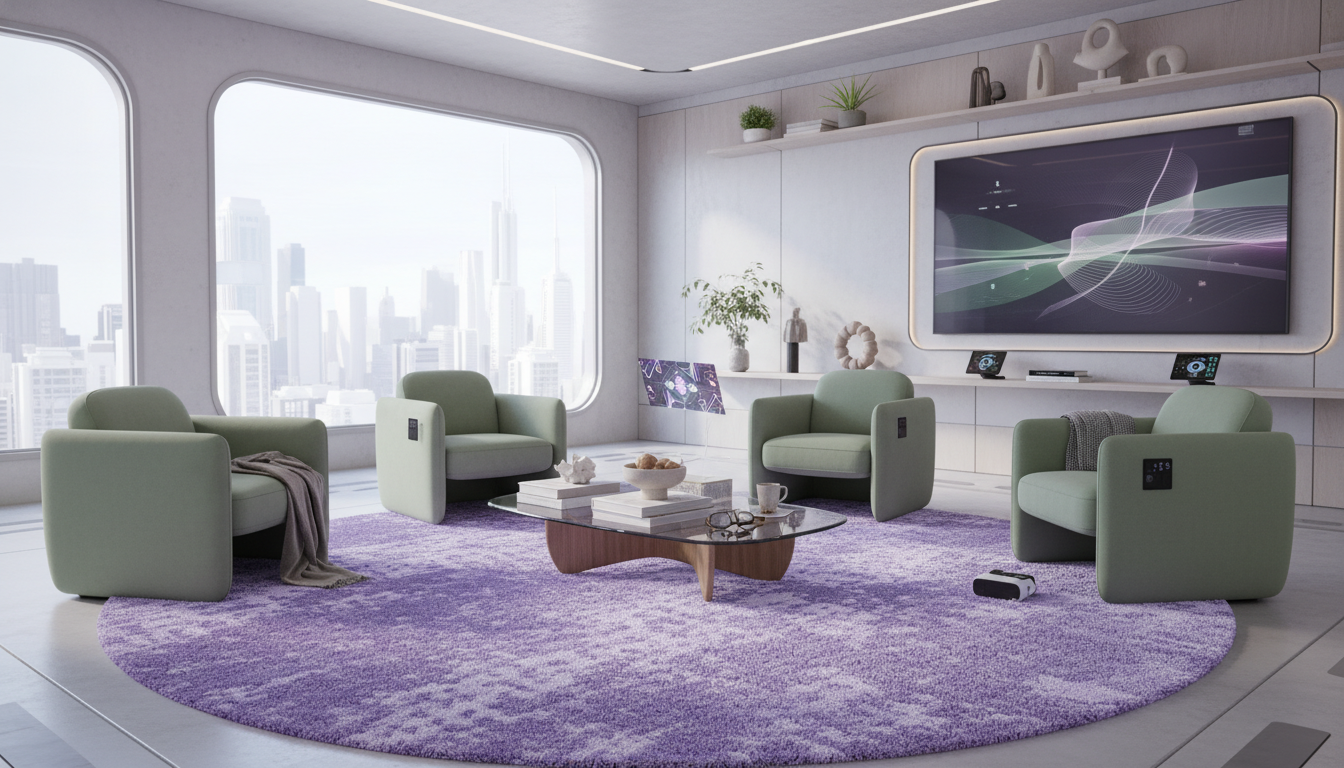
The Ethereal Balance of Biophilic Zen
There is a specific psychological shift happening in high-end interiors right now, moving away from the stark, clinical whites of the last decade toward what designers are calling “Digital Zen.” This 10 color combination strategy relies on the tension between the futuristic, wellness-focused glow of Digital Lavender and the grounded, organic stability of Soft Sage. When these two meet in a hand-tufted rug, the result is a space that feels both technologically advanced and deeply connected to the earth. Recent industry observations highlight a 2026 shift toward Bio-Acetate fibers and recycled eucalyptus silks in luxury rug production. These materials capture the iridescent quality of Lavender far better than traditional wool alone, allowing the rug to change personality as the sun moves across the room. Soft Sage, typically sitting at a Light Reflectance Value (LRV) of around 45, acts as the perfect anchor, preventing the lavender from feeling too “sweet” or juvenile.“We are seeing a move toward ‘healing palettes.’ Digital Lavender provides that meditative, restorative frequency, while the Sage Green brings the forest floor indoors. It’s a sophisticated dialogue between the screen and the soil.”
— Julian Thorne, Senior Textile Historian
Refining the Aesthetic: Pros and Cons
Integrating this duo requires a delicate touch with your existing furniture. While it creates an undeniable sense of luxury, it demands specific environmental conditions to truly sing.- The Pros: This combination is incredibly effective at making small, low-light rooms feel expansive. The cool undertones of both colors visually push walls back. It pairs beautifully with light oak, ash, or matte black hardware, creating a contemporary look that feels curated rather than “decorated.”
- The Cons: In rooms with heavy northern light, this pairing can feel somewhat chilly if not balanced with warm textures. It also requires a certain level of discipline with accent colors—straying too far into bright reds or oranges can break the tranquil spell.
To prevent Digital Lavender from looking flat, look for rugs with a high-low pile height. A Sage Green base in matte wool with “carved” Lavender accents in silk or Tencel creates a three-dimensional effect that catches the light. If you are sourcing from thebohorugs.com, look for pieces that highlight natural abrash—the subtle tonal shifts in the yarn—to add depth to this 10 color combination.
Elevate Your Space
Discover the artistry of handmade luxury. Each rug is a masterpiece of tradition and modern design.
Expert Q&A
How do I choose the right 10 color combination for a small room?
For smaller spaces, opt for low-contrast combinations like Cream and Raw Linen or Greige and Matte Black. Lighter rugs expand the floor plane visually, while dark accents add depth without closing in the walls.
What are the pros and cons of dark rug combinations?
Pros: They anchor a room and hide stains effectively. Cons: They can make a room feel smaller and show lint or pet hair more easily than mid-tones.
Does the rug material affect the color vibrancy?
Absolutely. Silk and viscose reflect light, making colors appear more luminous and shifting, while wool absorbs light, providing a more consistent and matte color experience.
Which color combination is best for high-traffic areas?
The Slate Grey and Tuscan Terracotta or Charcoal and Cognac pairings are ideal. These mid-to-dark tones and complex hues are forgiving with daily wear and tear.
Are jewel tones like Emerald and Blush still in style for 2026?
Yes, but they are evolving into more ‘muted’ jewel tones. Think Forest Green instead of bright Emerald, and Dusty Rose instead of bubblegum Pink for a more sophisticated, enduring look.
How can I test a color combination before purchasing?
Always order a sample. View the sample in your room’s specific lighting at different times of the day—morning light is blue-toned, while evening light is warm and yellow.
Can I mix multiple rug patterns within these color palettes?
Yes, provided you vary the scale. If the rug has a large-scale pattern in Navy/Gold, your accent pillows should feature a much smaller-scale pattern in the same tones.
What furniture finish works best with a cool-toned rug?
Cool-toned rugs like Slate or Navy pair beautifully with warm wood finishes like Walnut or Oak to create a balanced, inviting temperature in the room.
Is monochromatic really considered a ‘color combination’?
In luxury design, monochromatic palettes are the most complex to master. They rely on varying ‘values’ (lightness/darkness) of a single hue to create a million-dollar aesthetic.
How does natural lighting change my rug’s appearance?
North-facing rooms have cool, consistent light that can make grey rugs look blue. South-facing rooms have warm light that can make terracotta or gold tones look much more intense.
Written by TheBohoRugs Interior Design Team
Experts in handmade rugs, boho interiors, and modern home decor.
