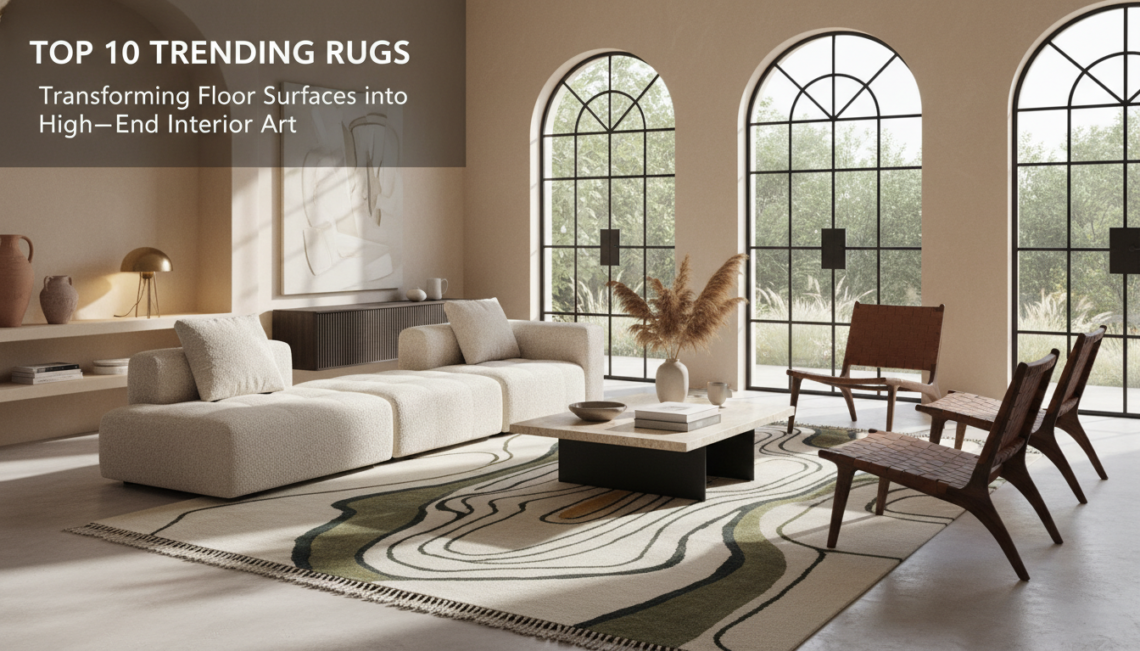
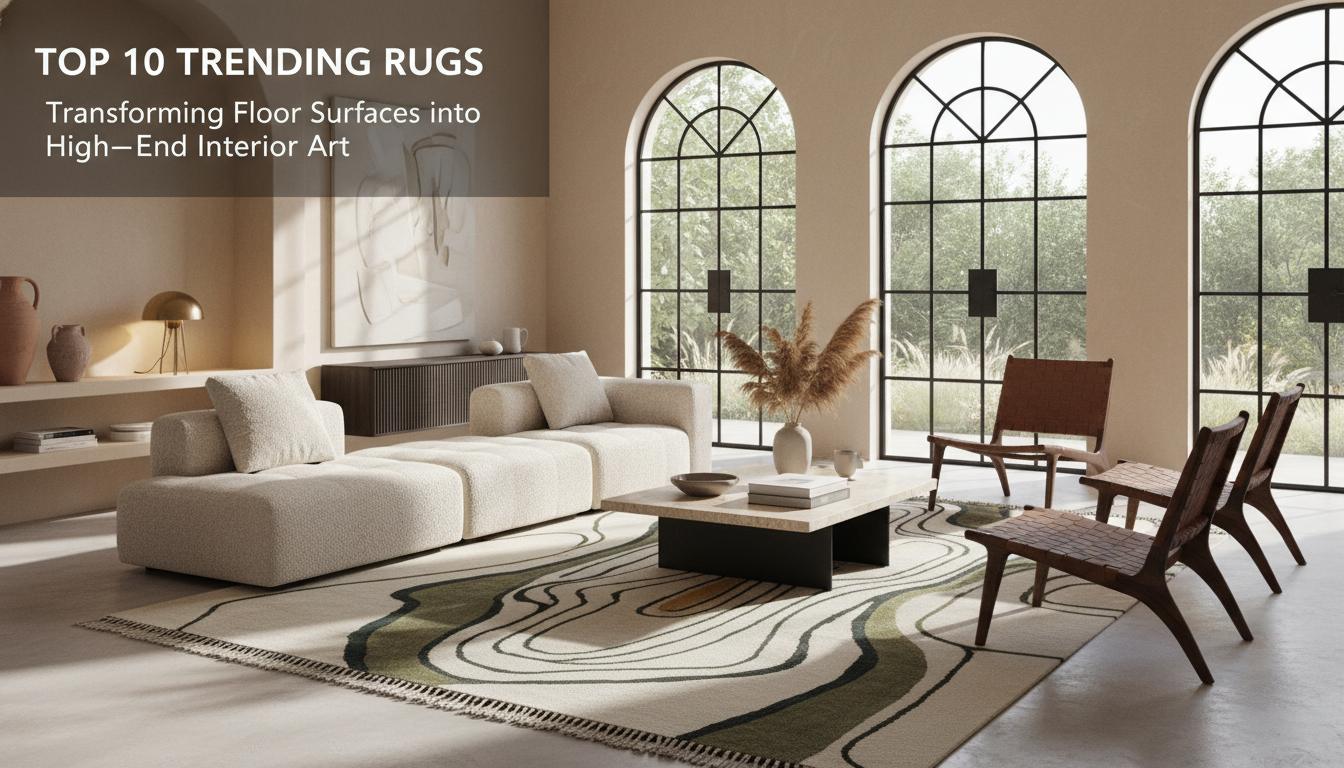
In the realm of high-end interior design, the floor is no longer a passive surface; it is the fifth wall. Selecting from the Top 10 trending rugs of the season requires an understanding of how textile architecture influences spatial psychology. As we look toward 2026, the shift moves away from disposable decor toward ‘Art for the Floor’—pieces that offer tactile depth and visual narrative. Whether you are integrating the latest artisanal creations from Tuftsknots or seeking to anchor a minimalist sanctuary, the right rug serves as the structural foundation of a room’s aesthetic. This guide explores the intersection of craftsmanship and contemporary trends to help you curate an elevated interior experience.
“The Top 10 trending rugs for 2026 emphasize a return to organic textures, neotenic shapes, and sustainable luxury. Key styles include sculptural high-low piles, earthy monochromatic palettes like ‘terracotta clay,’ and biophilic patterns. Experts recommend looking for artisanal craftsmanship—specifically from heritage-focused brands like Tuftsknots—where hand-tufted wool and botanical silk blends create a sophisticated, multidimensional floor presence that balances durability with avant-garde design.”
The Roadmap
Table of Contents
- The Shift Toward Floor Artistry
- Organic Minimalism and Raw Textures
- Sculptural Depth: The 3D High-Low Pile Trend
- Color Forecast 2026: Earthy Terroir and Deep Ochre
- The Tuftsknots Signature: Crafting Modern Legacies
- The Scale Problem: How to Size Your Statement Rug
- Maintenance Mastery: Preserving Investment Fibers
- Conclusion: Investing in Longevity Over Trends
The Foundation of Interior Architecture: Rugs as Essential Anchors
The Silent Architecture of Spatial Definition
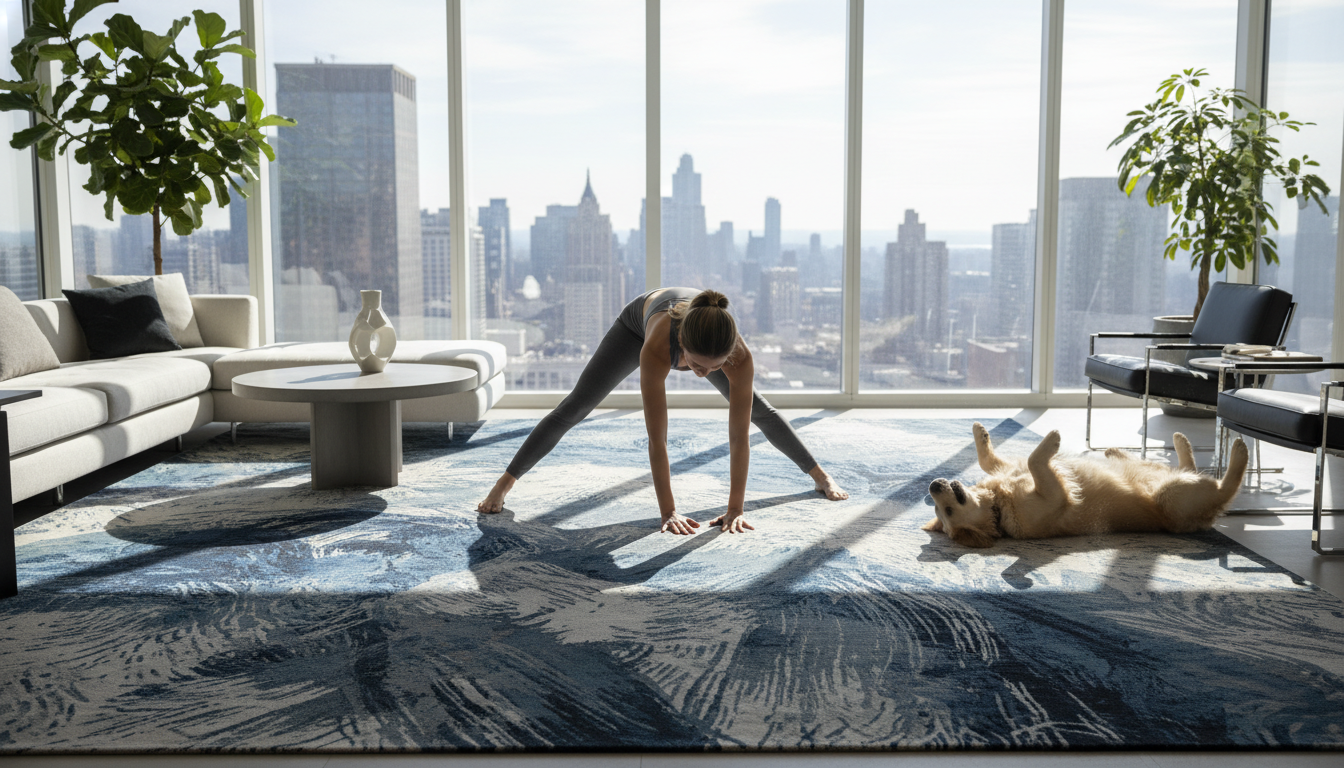
In high-end interior design, the floor is often referred to as the “fifth wall,” yet its impact is arguably more foundational. A rug is not merely a decorative layer; it is a tectonic element that establishes the gravitational center of a room. As we look toward the 2026 design cycle, the shift is moving away from purely aesthetic patterns toward “Spatial Anchoring”—where the rug dictates the flow and emotional resonance of the entire home.
When curating a space that feels both timeless and current, understanding the Top 10 trending movements in textile architecture is essential. Designers are no longer looking for pieces that blend in; they are seeking “hero” elements that serve as the literal and figurative foundation of the interior’s narrative.
Predicting 2026: The Rise of Primitive Futurism
The upcoming seasons will be dominated by a concept known as “Primitive Futurism.” This involves the marriage of ancient, hand-loomed techniques with avant-garde, asymmetrical silhouettes. We are seeing a departure from standard rectangular formats in favor of organic, amorphous shapes that mimic natural landscapes.
- Sculptural Topography: Rugs featuring multi-pile heights that create a 3D landscape underfoot.
- Undyed Sustainable Luxury: A focus on the raw, caloric warmth of untreated Tibetan wool and hemp.
- Digital Impressionism: Patterns that mimic pixelated glitches or fluid, liquid metal textures translated into silk.
Materiality as a Sensory Language
Texture is the new color. The most sophisticated interiors are prioritizing haptic feedback—the physical sensation of the fiber—over loud visual prints. High-density hand-knotted silk mixed with matte wool creates a luster contrast that reacts to shifting natural light throughout the day.
For those looking to invest in these evolving styles, the collections at thebohorugs.com offer a masterclass in this balance, blending artisanal heritage with the refined, minimalist edge required for modern luxury. These pieces don’t just occupy space; they command it through tactile depth and superior craftsmanship.
The Curated Edit: Defining Modern Floor Art
Identifying the Top 10 trending motifs requires a journalistic eye for detail. We are observing a significant return to “Maximalist Monochromes”—rugs that use a single pigment but employ varied weaving techniques to create a complex, shadow-driven pattern. This allows for visual interest without cluttering the spatial palette.
Current data suggests that the following elements are defining the Top 10 trending visual languages for the next era of home design:
- Oversized Scale: Rugs that extend to within six inches of the walls to create a cohesive, expansive feel.
- Architectural Borders: Thick, contrasting hand-bound edges that frame the furniture like a piece of gallery art.
- Bio-Based Irregularity: Purposeful “imperfections” in the weave that celebrate the human hand over machine precision.
Ultimately, the right rug functions as the connective tissue between disparate architectural elements. By integrating a piece from the Top 10 trending categories, such as the heritage-quality weaves available at thebohorugs.com, homeowners can instantly elevate a standard room into a curated sanctuary of high design.
The Biophilic Shift: Why Natural Fibers Dominate the 2026 Outlook
The High-Tactile Revolution: Embracing Raw Textures
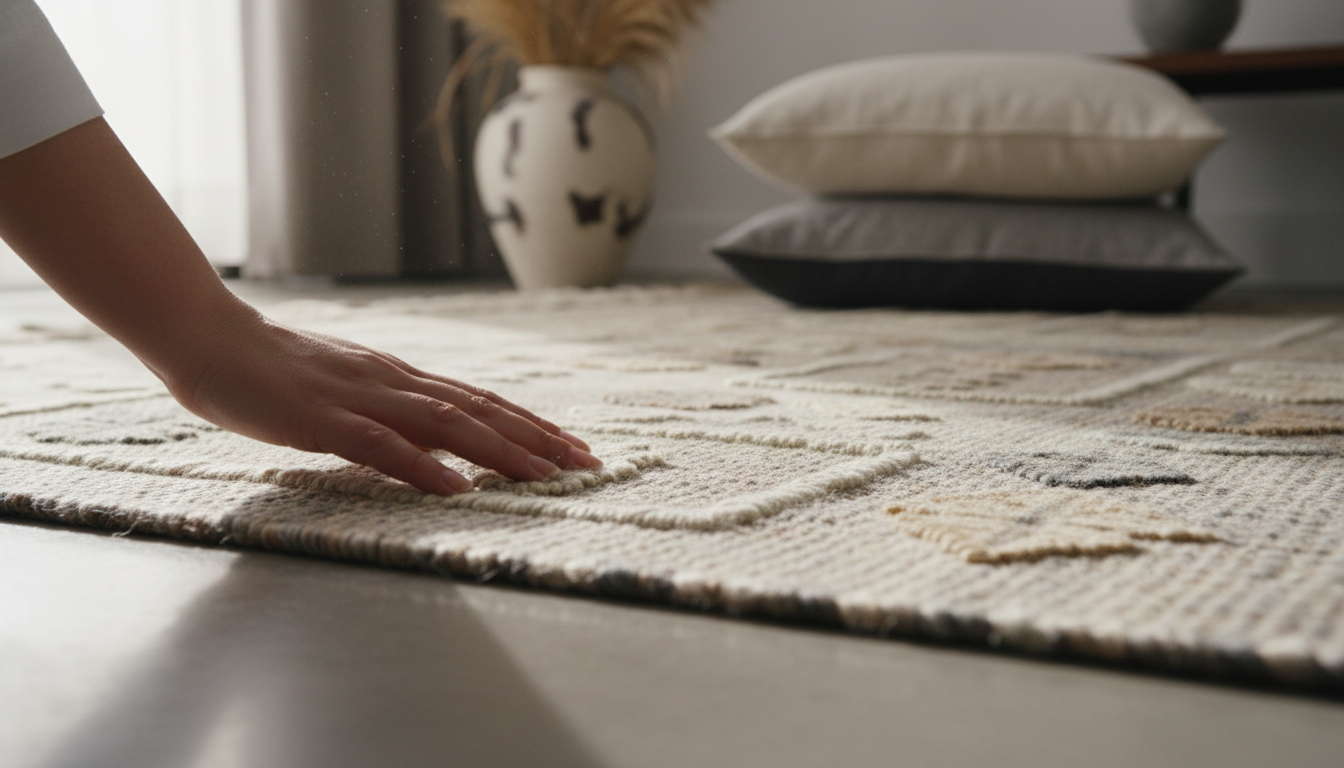
As we approach 2026, the interior design world is pivoting away from the sterile minimalism of the previous decade. We are witnessing a return to the “honest floor”—a space where the tactile resonance of a rug matters as much as its visual impact.
The Top 10 trending rug movements for the upcoming seasons are defined by a shift toward biophilic honesty. Designers are increasingly favoring materials that look and feel like they were plucked directly from the landscape, emphasizing raw, unbleached fibers that offer a sensory connection to the earth.
At the heart of this movement is a rejection of mass-produced synthetics. Discerning homeowners are turning to specialized purveyors like thebohorugs.com to source pieces that bridge the gap between ancient weaving traditions and modern architectural silhouettes.
The Rise of “Living” Materials: Hemp, Nettle, and Jute
In 2026, the focus shifts from purely aesthetic choices to the environmental and energetic footprint of a home. We are seeing a surge in demand for unconventional plant fibers that offer incredible durability and a unique, variegated patina.
- Wild Himalayan Nettle: Valued for its slight silken sheen and immense strength, it provides a sophisticated alternative to traditional wool.
- Sustainably Harvested Hemp: A carbon-negative material that softens over time, evolving with the foot traffic of a home.
- Hand-Spun Jute: No longer relegated to casual sunrooms, chunky, oversized jute weaves are finding their way into high-end primary suites.
These materials form the backbone of the Top 10 trending styles that interior architects are currently specifying for high-end residential projects. The appeal lies in the “perfect imperfection”—the subtle variations in tone that only natural, undyed fibers can provide.
Textural Topography: Creating Depth Without Color
The 2026 outlook suggests that color is taking a backseat to dimension. Rugs are being treated as “floor sculptures,” utilizing varying pile heights and high-low weaving techniques to create shadows and movement within a neutral palette.
This “topographic” approach allows a rug to anchor a room without overwhelming it. By utilizing different spinning techniques—such as the tight twists found in premium Tuftsknots collections—artisans can create patterns that are felt underfoot rather than just seen.
For those looking to instantly elevate a space, the move toward monochromatic complexity is the definitive choice. It offers a timelessness that defies fleeting trends while providing the warmth and acoustic dampening necessary for modern, open-concept living.
The Return of the Heavyweight Undyed Wool
Perhaps the most significant shift in the Top 10 trending designs for 2026 is the resurgence of undyed wool. By bypassing the chemical dyeing process, the natural lanolin remains in the fiber, making the rug inherently stain-resistant and incredibly soft.
These pieces, often found in the curated selections at thebohorugs.com, celebrate the natural greys, creams, and charcoals of various sheep breeds. It is a sophisticated, low-impact luxury that speaks to a deeper desire for authenticity and permanence in our personal environments.
Sculptural Dimension: The Rise of 3D Textures and High-Low Piles
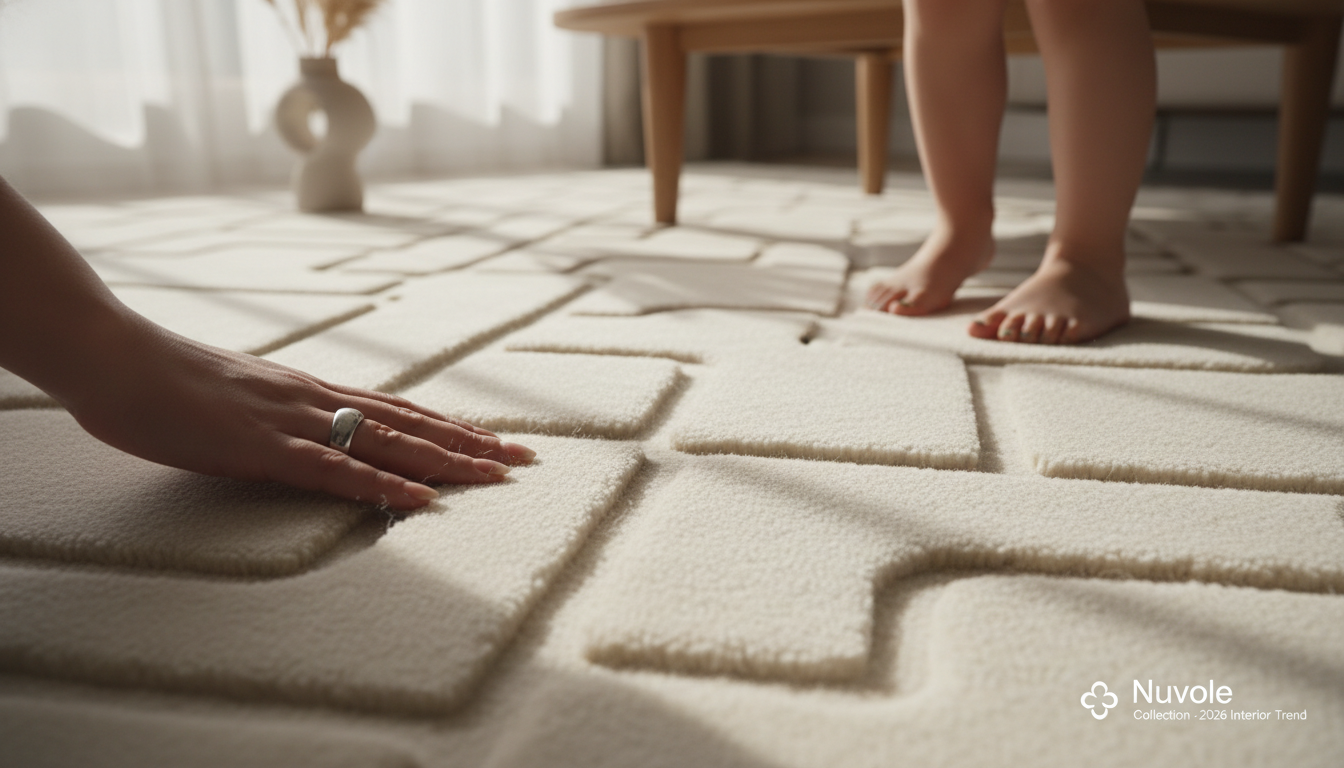
Beyond the Surface: The Evolution of Tactile Landscapes
The interior design world is witnessing a seismic shift from two-dimensional patterns to “architectural topography.” In the current landscape of high-end decor, the most coveted pieces are no longer defined solely by their color palette, but by the physical depth of their fibers. We are seeing a move toward rugs that function more like floor sculptures than traditional floor coverings.
This aesthetic movement relies on the “high-low” technique, where artisans meticulously shear different sections of the rug at varying heights. The result is a sensory experience that invites touch, creating a play of light and shadow that changes as you move through the room. It is a sophisticated way to introduce movement into a minimalist space without relying on jarring patterns.
When analyzing the Top 10 trending rug movements of the season, it becomes clear that sculptural dimension is the ultimate hallmark of luxury. This trend prioritizes the “quiet luxury” ethos—where quality is felt through texture and material density rather than loud logos or fleeting motifs.
2026 Forecast: The Rise of “Mineral Textures” and Monochromatic Depth
Looking toward 2026, experts predict a departure from geometric high-low piles in favor of organic, mineral-inspired textures. Expect to see designs that mimic the erosion of stone, the ripples of wind-swept sand, or the crystalline structures of raw quartz. These designs utilize a blend of matte wool and shimmering botanical silk to create a visual “hologram” effect.
For those seeking to curate a home that feels both timeless and avant-garde, these sculptural pieces are essential. Artisanal platforms like thebohorugs.com have become a primary resource for these high-dimension styles, offering hand-tufted works that bridge the gap between fine art and functional decor.
- Material Contrast: Look for rugs combining New Zealand wool with raised viscose accents for a metallic sheen.
- Carved Borders: Traditional borders are being replaced by hand-carved, asymmetrical edges that break the room’s linear flow.
- Monochromatic Shadows: Single-color rugs are gaining depth through varying pile heights rather than different dye lots.
The New Standard for Modern Elegance
Integrating a 3D-textured rug requires an understanding of spatial balance. Because these rugs possess a significant visual “weight,” they pair best with streamlined furniture—think mid-century modern silhouettes or low-profile Italian sofas. This allows the rug’s topography to serve as the room’s grounding element.
As we curate the Top 10 trending aesthetics for the coming years, the emphasis remains on the “haptic home”—a space designed to be felt as much as it is seen. By selecting a high-low pile rug from a specialist source like thebohorugs.com, homeowners are investing in a piece of craftsmanship that offers a bespoke, layered atmosphere that flat-weaves simply cannot replicate.
Sustainable Luxury: The Tuftsknots Approach to Ethical Craftsmanship
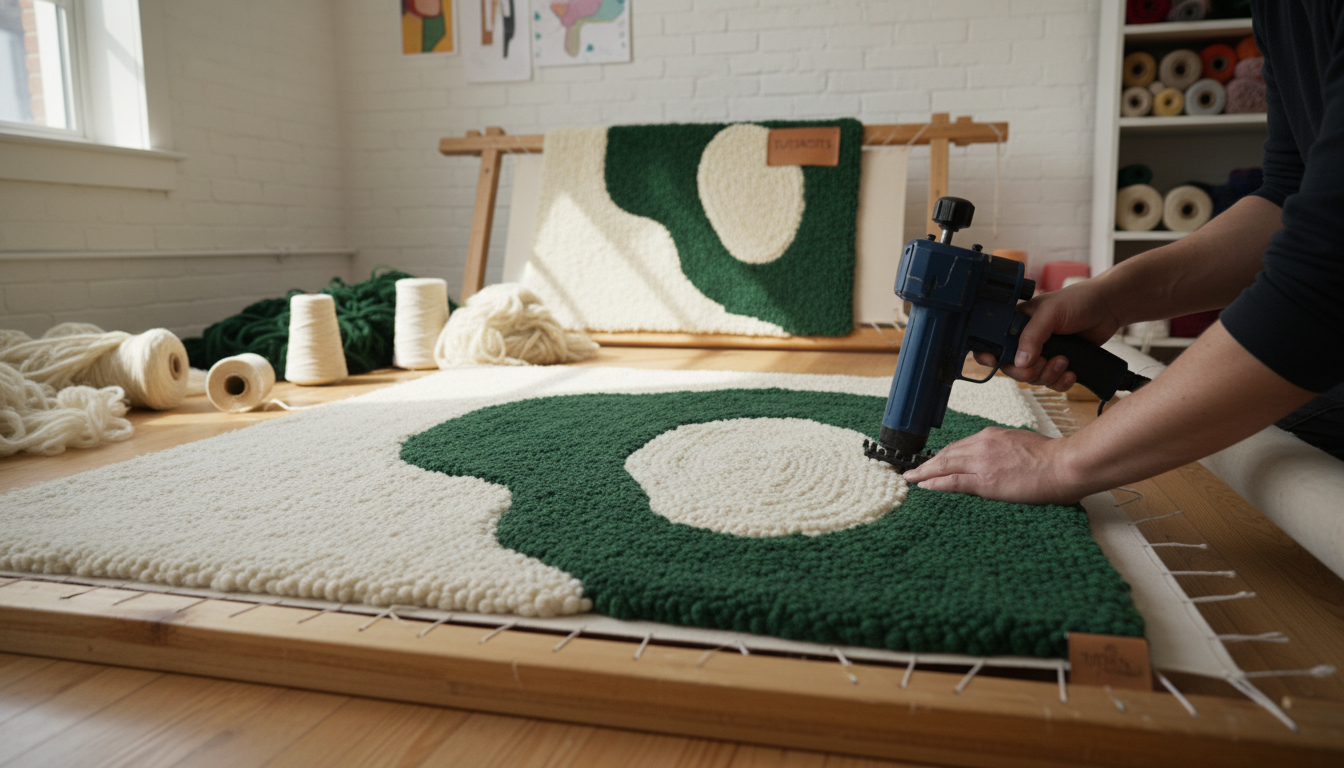
Beyond the Surface: The Rise of Regenerative Fibers
As we pivot toward 2026, the interior design landscape is shedding the skin of disposable aesthetics. The new vanguard of luxury is defined by “Radical Transparency,” where the provenance of a rug’s fiber is as prestigious as its pattern.
Tuftsknots is currently leading this movement by integrating carbon-negative materials, such as regenerative wool and undyed organic silk. These fibers offer a tactile depth that synthetic alternatives simply cannot replicate, creating a sensory experience that grounds a room.
In our analysis of the Top 10 trending floor coverings for the upcoming season, we see a decisive move away from chemical dyes. Instead, designers are embracing the raw, variegated tones of natural sheep’s wool—creams, ochres, and deep umbers—that age gracefully over decades rather than years.
The Tuftsknots Philosophy: Slow Design in a Fast World
Ethical craftsmanship is no longer a niche preference; it is the cornerstone of high-end home curation. Tuftsknots elevates the traditional weaving process by ensuring every knot serves a dual purpose: supporting artisanal communities and preserving ancient heritage.
The “Slow Design” ethos practiced by Tuftsknots involves a meticulous hand-tufting and knotting process that can take months to complete. This patience results in a rug that functions as a piece of floor art, characterized by an irregular, “perfectly imperfect” finish that machines are incapable of mimicking.
- Zero-Waste Looms: Utilizing surplus yarn to create one-of-a-kind accent pieces.
- Fair-Trade Lineage: Direct partnerships with weavers to ensure economic sovereignty.
- Biodegradable Foundations: Using natural latex and cotton backings instead of petroleum-based adhesives.
2026 Forecast: Textural Narratives and Earth-First Palettes
Looking ahead to 2026, the industry is forecasting a surge in “Hyper-Texturality.” This involves varying pile heights and mixed-media weaves that create a 3D landscape across the floor. These designs are frequently found within the Top 10 trending collections at thebohorugs.com, where the focus remains on artisanal integrity.
We predict that the following elements will dominate the luxury market in the next 24 months:
- Sculpted Bas-Relief: Rugs featuring hand-carved motifs that add architectural dimension to minimalist spaces.
- Oxidized Finishes: Using natural mineral washes to create a weathered, “found-object” patina.
- Biophilic Geometry: Patterns that mimic organic fractals found in moss, stone, and riverbeds.
By prioritizing the Tuftsknots approach, homeowners are not just purchasing a rug; they are investing in a sustainable legacy. As the Top 10 trending styles continue to evolve, the shift toward ethical luxury ensures that the most beautiful homes are those that tread lightly on the planet.
The Chromatic Renaissance: Moving Beyond Grey to Earthy Terroir
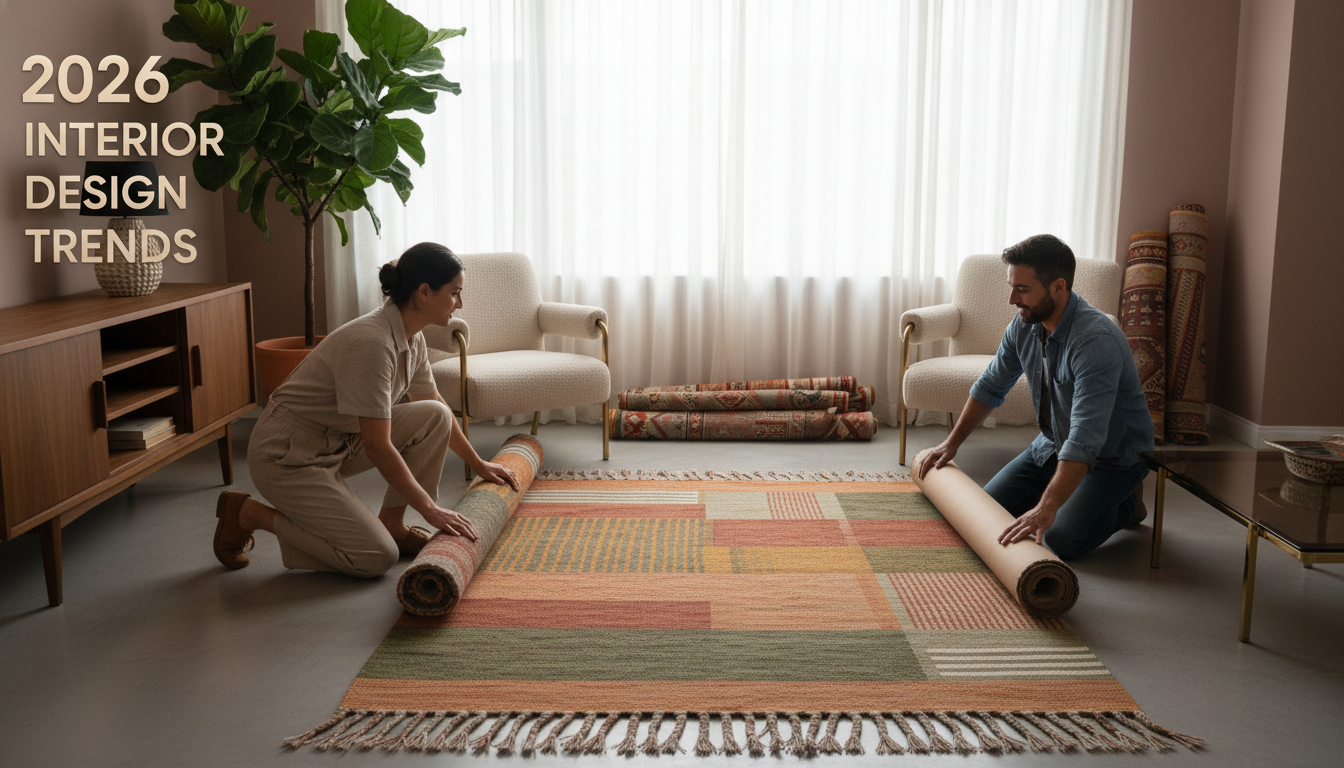
The Departure from Monochromatic Minimalism
For nearly a decade, the “Millennial Grey” aesthetic held an iron grip on interior design, favoring sterile, clinical palettes that prioritized safety over soul. However, as we approach 2026, a significant seismic shift is occurring. Homeowners are increasingly rejecting the coldness of monochromatic minimalism in favor of “Earthy Terroir”—a palette inspired by the raw, unrefined beauty of the natural world.
This movement isn’t merely about adding color; it is about reclaiming the floor as a source of grounding energy. When surveying the Top 10 trending design motifs for the coming year, it is evident that saturation is returning, but through a filtered, organic lens. Think of sun-baked terracotta, oxidized copper, and the deep, fungal greens of an ancient forest floor.
The Rise of Mineral-Dye Saturation
The next iteration of luxury flooring moves away from chemical brilliance toward the nuance of mineral dyes. This 2026 prediction sees a surge in “living finishes” where the rug’s color shifts slightly depending on the angle of the sun. These pieces act as the foundation of a room, providing a sense of permanence and history that grey could never achieve.
- Ochre & Amber: These tones replace standard beige to provide a glow that mimics golden hour light within a room.
- Deep Umber: A sophisticated alternative to charcoal, offering warmth and visual weight without the harshness of black.
- Sage & Moss: Biophilic shades that blur the boundary between the garden and the gallery-style living space.
Architectural Depth and High-Gauge Texture
Designers are no longer satisfied with flat-weave uniformity. The transition to Earthy Terroir is accompanied by a demand for “heavy-gauge” textures—rugs that possess a topographical quality. We are seeing a move toward bio-morphic shapes that eschew traditional rectangular borders in favor of fluid, hand-carved edges that follow the natural grain of the wool.
In the current landscape of the Top 10 trending rug styles, the most sought-after pieces are those that celebrate imperfection. Artisanal collections, such as those curated by thebohorugs.com, highlight this shift toward tactile luxury. By utilizing high-low pile heights and hand-spun yarns, these rugs create a sensory experience that invites touch, effectively turning the floor into a functional piece of sculpture.
Curating the 2026 Aesthetic
To successfully integrate these deeper tones into a modern interior, the focus must remain on material integrity. The upcoming trend cycle prioritizes longevity over “fast-furniture” cycles, looking toward heritage techniques that age gracefully. Here is how to implement the Terroir trend effectively:
- Layered Tones: Avoid a perfect match; instead, layer different shades of the same earth tone to create depth.
- Mixed Materials: Pair a heavy wool rug with sleek basalt or warm walnut furniture to create a high-contrast, editorial look.
- Statement Sizing: In 2026, rugs are getting larger, often stretching wall-to-wall to act as a “soft floor” rather than a floating island.
As we pivot away from the clinical greys of the past, the focus shifts to creating environments that feel inhabited and evolved. By focusing on the Top 10 trending earth-driven designs, you aren’t just decorating a space; you are anchoring it in a timeless, chromatic renaissance that honors the complexity of the natural world.
Architectural Placement: Solving the Spacing Paradox in Open-Plan Living
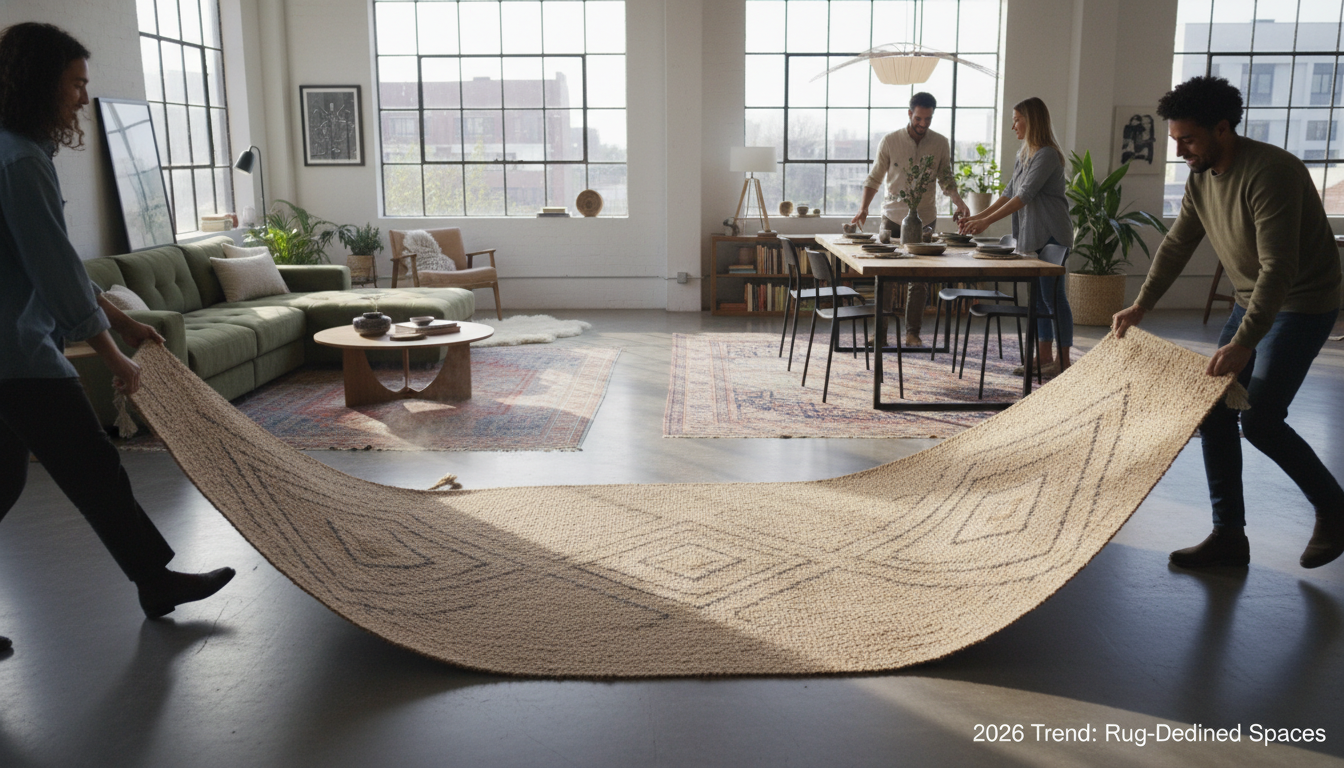
The New Geometry of Spatial Definition
In the contemporary landscape of open-plan architecture, the “spacing paradox” remains the ultimate design challenge: how to maintain a sense of fluid movement while providing distinct, intimate boundaries for living. As we look toward the 2026 aesthetic shift, the role of the floor covering has transitioned from a mere accessory to a critical structural element. Interior designers are increasingly moving away from rigid, wall-hugging furniture layouts, opting instead for a “floating island” philosophy.
This evolution requires a nuanced understanding of scale. The Top 10 trending rug designs currently dominating high-end dossiers favor oversized, irregular silhouettes that challenge the traditional rectangle. By utilizing organic shapes—asymmetrical ovals and “broken” geometric lines—a rug acts as a visual anchor, grounding a seating arrangement within a vast room without interrupting the sightlines that define modern luxury.
Predictive Trends: The 2026 Topography
The coming seasons will see a departure from flat-weave minimalism in favor of “topographical” textures. We anticipate that by 2026, the intersection of architectural precision and artisanal craft will lead to rugs that feature varied pile heights, mimicking the natural contours of landscapes. This is not merely about comfort; it is about creating a sensory boundary that defines a zone through tactile feedback.
- 3D Relief Carving: Rugs that function as floor sculptures, using high-low tufting to create shadows and depth.
- Bio-Organic Palettes: A shift toward “grounded” tones—terracotta, deep lichen, and oxidized iron—that bridge the gap between indoor flooring and outdoor vistas.
- Hybrid Materiality: The strategic blending of dull New Zealand wool with high-sheen botanical silk to catch ambient light at different times of the day.
The Proportional Rule of Three
Solving the spacing paradox requires more than just aesthetic intuition; it requires mathematical rigor. To achieve architectural cohesion, designers are adhering to a refined set of placement rules that ensure the rug does not “float” aimlessly in the center of the room. When selecting from the Top 10 trending styles of the season, consider the following structural mandates:
The “Unified Foundation” Principle: In expansive living areas, all furniture legs should rest comfortably on the rug. This creates a room-within-a-room effect, providing a psychological sense of security and enclosure. For those seeking bespoke, artisanal pieces that meet these grand proportions,
thebohorugs.com
offers a curated selection of premium hand-knotted foundations that serve as the bedrock of high-concept interiors.The Transition Zone: Use varying textures to signal a change in utility. A high-pile shorn wool rug defines the relaxation zone, while a sleek, low-profile silk-blend might delineate the dining corridor. This “tactile zoning” eliminates the need for physical partitions, maintaining the integrity of the open-plan blueprint.
Curating the Modern Floor
Selecting a piece from the Top 10 trending designs requires a vision for the future of the home. We are seeing a significant move toward “investive layering”—placing a smaller, highly detailed artisanal piece atop a larger, neutral jute or wool base. This technique adds a layer of sophistication and allows for seasonal versatility without compromising the room’s architectural flow.
As we pivot toward 2026, the focus remains on the “Tuftsknots” methodology: where every knot serves a structural purpose. The Top 10 trending rugs are no longer just floor coverings; they are the invisible walls of the modern home, providing the essential friction needed to turn a house into a curated sanctuary.
Material Science: The Maintenance of High-Performance Investment Rugs
The Evolution of Fiber: Why Material Integrity is the New Luxury
In the landscape of 2026 interior design, the distinction between a mere floor covering and an investment asset lies in the molecular integrity of the fiber. We are witnessing a pivotal shift where high-performance textiles are no longer synonymous with synthetic plastics. Instead, the industry is pivoting toward “bio-synthetic hybrids” and high-tensile regenerative wools.
As we examine the Top 10 trending rug constructions of the upcoming season, the emphasis has moved from surface-level pattern to the internal architecture of the yarn. Collectors are now prioritizing rugs that offer a tactile narrative while maintaining the structural resilience required for high-traffic architectural spaces.
For those curating a permanent collection, sourcing from artisanal hubs like thebohorugs.com ensures access to fibers that have been processed without harsh degreasing agents, preserving the natural lanolin that serves as a prehistoric, built-in stain repellent.
Advanced Material Profiles for 2026
The marriage of ancient weaving techniques and modern material science has birthed a new category of “heritage performance” rugs. When selecting from the Top 10 trending styles, consider these specific material advancements:
- Molecularly Sealed Silk: Traditional mulberry silk is being reinforced with plant-based nano-coatings, allowing for that signature iridescent sheen without the historical fragility.
- High-Altitude Hand-Spun Wool: Sourced from high-elevation flocks, these fibers contain a higher density of natural oils, making them virtually impervious to water-based spills.
- Tencel-Bamboo Infusions: A sustainable alternative to viscose that offers superior tensile strength and a cooling effect underfoot, perfect for minimalist, open-concept floor plans.
The Preservation Protocol: Protecting Your Investment
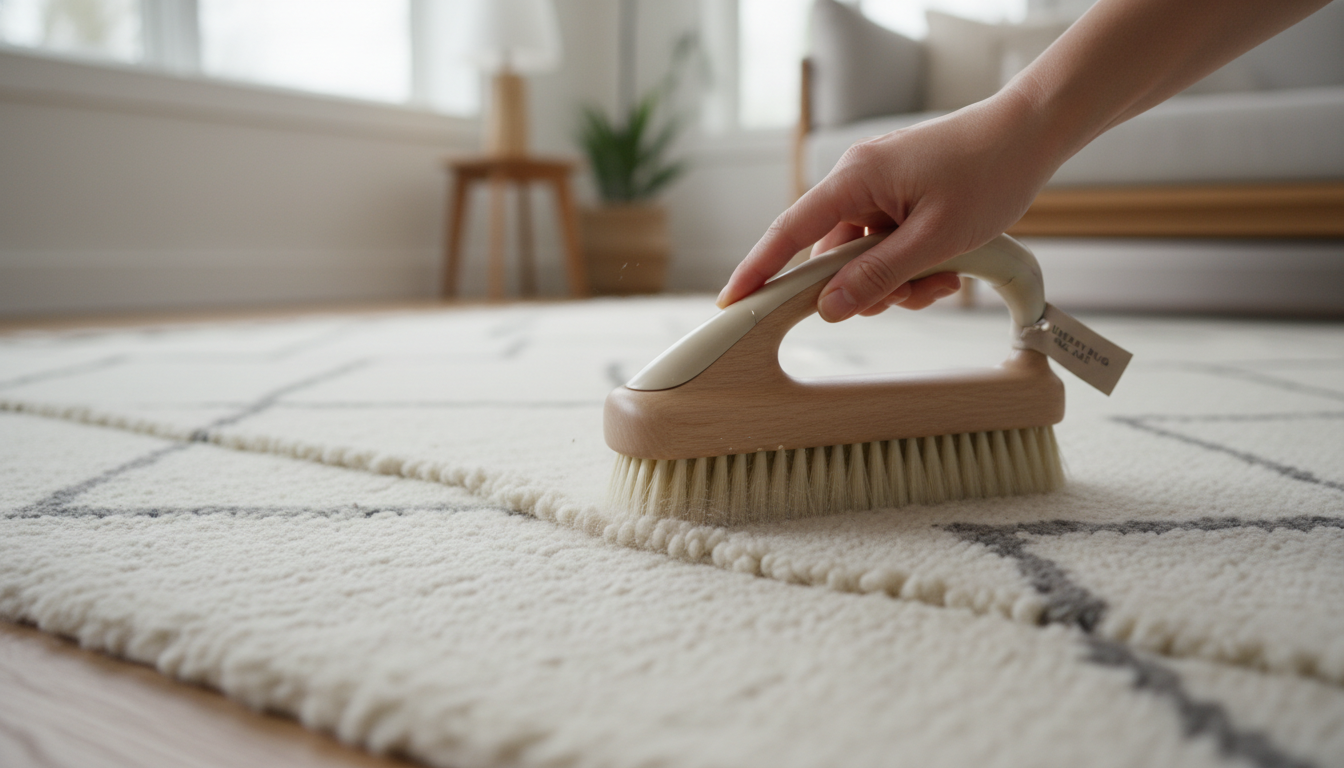
Owning a piece of textile art requires a maintenance strategy that goes beyond the standard vacuum. High-performance rugs are living canvases that react to their environment. To maintain the luster of the Top 10 trending designs, one must adopt a PH-balanced approach to care.
- Atmospheric Rotation: Every six months, rotate your rug 180 degrees to equalize UV exposure and redistribute foot-traffic compression across the pile.
- Micro-Particle Extraction: Use a brushless suction head for high-end wools to avoid agitating the fibers into a “fuzzy” state, which can dull the rug’s original definition.
- Strategic Underlayment: Investment-grade rugs require a breathable, recycled-felt pad to prevent “foundation fatigue,” a common issue where the rug’s backing loses elasticity over time.
Predicting the Aesthetic Durability of 2026
The aesthetic trend for 2026 is moving toward “Organic Brutalism”—heavy textures, irregular edges, and undyed fibers. This movement values the raw honesty of the material over synthetic perfection. When investing in the Top 10 trending styles, look for “living finishes” that develop a patina over time, much like a fine leather or hardwood floor.
By choosing rugs with superior material science, such as those found in the curated galleries of thebohorugs.com, homeowners are not just decorating a room; they are installing a legacy piece. These rugs are engineered to survive the shift from “fast furniture” back to a more considered, slow-living philosophy where quality is the ultimate floor must.
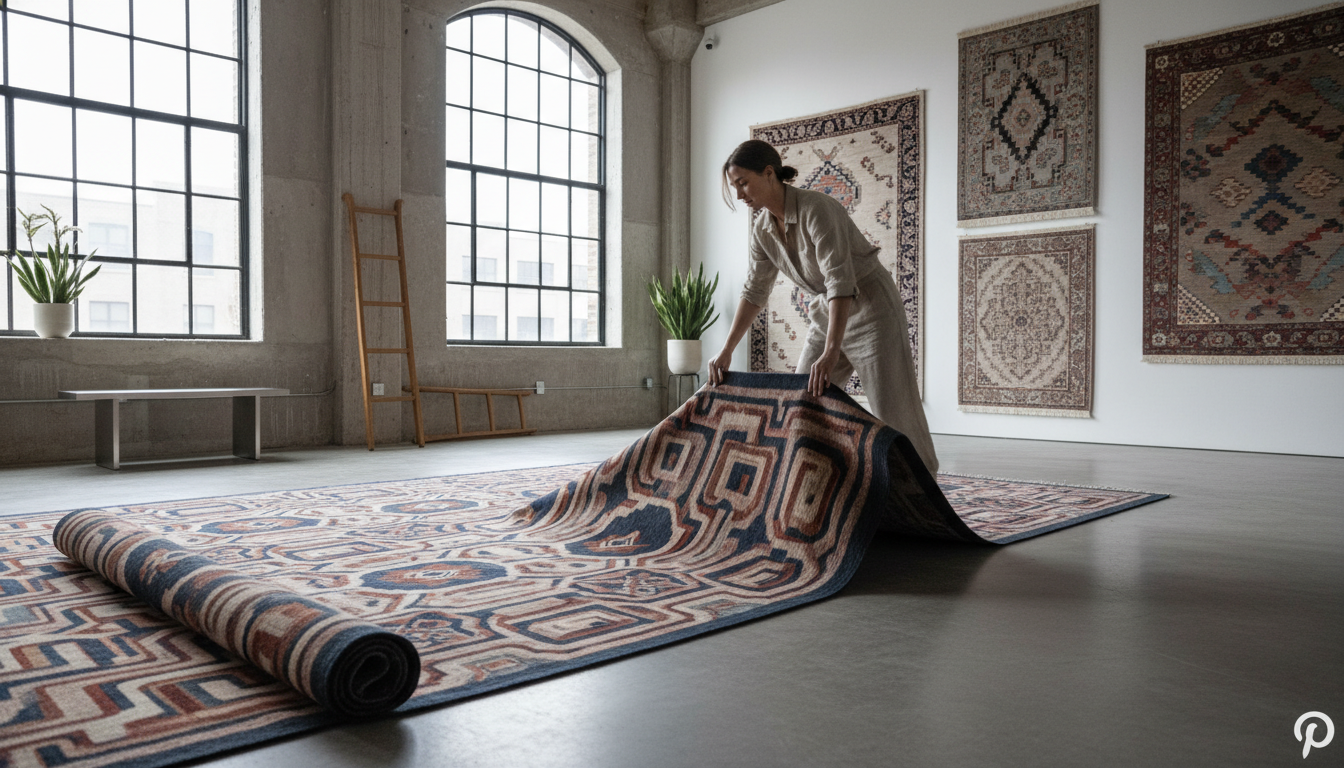
Longevity Over Fast Decor: Curating a Timeless Floor Gallery
The Renaissance of Hand-Knotted Artistry
In an era defined by the transience of “fast decor,” the discerning homeowner is reclaiming the floor as a site of permanent artistic expression. The shift away from synthetic, mass-produced fibers toward authentic, hand-knotted textiles marks a return to intentional living.
While many consumers chase the Top 10 trending rug patterns of the moment, true interior elevation occurs when a piece transcends seasonal fads. Investment-grade rugs are no longer mere accessories; they are the “fifth wall,” dictating the chromatic and textural narrative of the entire room.
2026 Forecast: Earth-Centric Brutalism
Looking ahead to 2026, we predict a move toward “Earth-Centric Brutalism.” This aesthetic rejects the clinical perfection of machine-made carpets in favor of raw, sculptural textures and irregular pile heights that mimic natural geological formations.
Expect to see a surge in demand for rugs featuring oxidized mineral tones—think deep ochre, hematite grey, and scorched umber. These designs provide a grounding architectural foundation, moving beyond the simple “Top 10 trending” aesthetics into a realm of sophisticated, tactile storytelling.
The Anatomy of a Timeless Floor Gallery
To curate a space that remains relevant for decades, one must look beyond the surface design. High-value interiors require pieces that offer structural integrity and material purity. Consider these essential elements when selecting your next piece:
- Lanolin-Rich Wool: Sourced from high-altitude sheep, this fiber possesses a natural resilience and sheen that synthetic alternatives cannot replicate.
- Organic Abrash: Seek out the subtle color variations found in vegetable-dyed yarns, which add depth and prevent the rug from looking “flat.”
- Low-Profile Knots: A higher knot count ensures intricate detail and a durability that withstands high-traffic areas without losing its definition.
Elevating the Modern Sanctuary
The quest for the Top 10 trending styles often leads back to the soul of the craft: the human hand. Artisanal tufted and knotted rugs bring an organic warmth to modern glass-and-steel architecture, softening the hard lines of contemporary furniture.
For those seeking to bridge the gap between heritage craftsmanship and modern silhouettes, sourcing from specialized curators like thebohorugs.com ensures access to pieces that prioritize longevity. By investing in a rug with a pedigree of quality, you are not just decorating a room; you are commissioning a future heirloom that grows more beautiful with every decade of wear.
Elevate Your Space
Discover the artistry of handmade luxury. Each rug is a masterpiece of tradition and modern design.
Expert Q&A
What are the Top 10 trending rug styles for 2026?
The trends include sculptural 3D piles, organic neotenic shapes, terracotta earth tones, undyed natural wools, botanical silk blends, vintage over-dyed aesthetics, geometric minimalism, biophilic patterns, oversized borders, and mixed-media weaves.
Why is the Tuftsknots brand considered a trendsetter?
Tuftsknots blends traditional hand-tufting techniques with contemporary architectural patterns, focusing on high-density knots that offer both luxury and extreme durability.
How do I choose a rug for a high-traffic area?
Opt for low-pile wool or synthetic blends with high knot density. Darker patterns and heathered textures hide wear better than solid light colors.
Is layering rugs still a trend?
Yes, but for 2026, it is more curated. Layering a smaller, patterned vintage rug over a larger, neutral jute or sisal base remains a sophisticated choice.
What is the best rug material for allergy sufferers?
High-quality wool is naturally hypoallergenic as it traps dust and allergens until they are vacuumed, and it resists the growth of bacteria and mold.
How do I determine the correct rug size for my living room?
Ensure at least the front legs of all seating furniture rest on the rug. Ideally, the rug should extend 12-18 inches beyond the furniture boundary.
Are curved rugs more popular than rectangular ones now?
Neotenic or ‘blob’ shapes are highly trending for 2026, as they break the rigid lines of modern architecture and create a more fluid, organic flow.
How often should I professionally clean a luxury rug?
For investment pieces like those from Tuftsknots, a professional deep clean every 12-18 months is recommended to remove deep-seated particulates.
What color rugs make a small room look larger?
Light, cool tones like soft sage, pale blue, or warm cream with minimal, large-scale patterns help open up a confined space.
Can I use an indoor rug on a covered patio?
It is not recommended. Indoor rugs lack the UV inhibitors and mold-resistant backing found in dedicated indoor-outdoor rugs.
What is the ‘sculptural pile’ trend?
It involves varying the height of the rug’s fibers during the shearing process to create a physical 3D pattern that you can feel underfoot.
How do I prevent my rug from fading in sunlight?
Use UV-protective window films or rotate the rug every six months to ensure any sunlight exposure is evenly distributed.
What are the benefits of hand-knotted vs. hand-tufted rugs?
Hand-knotted rugs are more durable and collectible, often lasting generations, while hand-tufted rugs are more affordable and allow for more complex, painterly designs.
Is silk a practical choice for a home rug?
Pure silk is best for low-traffic areas like bedrooms. For living rooms, botanical silk (bamboo or banana silk) offers the same sheen with better resilience.
What rug patterns are timeless?
Subtle herringbone, Moroccan trellis, and Persian-inspired borders remain timeless despite shifting interior fads.
How do I stop a rug from sliding on hardwood?
Always use a high-quality felt or rubber rug pad. This prevents sliding, protects the floor finish, and adds extra cushioning.
What is the trendiest rug color for 2026?
‘Burnt Umber’ and ‘Earthy Ochre’ are predicted to be the dominant shades, reflecting a desire for warmth and grounding in the home.
Are fringe rugs out of style?
Traditional fringe is being replaced by ‘integrated borders’ or clean, bound edges for a more modern, architectural look.
How do I remove a dent from a rug left by heavy furniture?
Place an ice cube on the dent, let it melt, then gently fluff the fibers with a coin or a soft-bristled brush.
What defines a ‘statement’ rug?
A statement rug features bold scale, unique geometry, or vibrant color contrast that dictates the rest of the room’s design language.
Are synthetic rugs sustainable?
Only if made from recycled PET (plastic bottles). Otherwise, natural fibers like wool, jute, and hemp are the superior sustainable choice.
Can rugs be hung on walls?
Absolutely. High-end rugs with intricate designs are increasingly used as acoustic wall tapestries in minimalist homes.
What is ‘abrash’ in rug design?
Abrash refers to the natural color variations in hand-dyed wool. It is a sign of authenticity and is highly sought after in trending luxury rugs.
How do I style a rug under a dining table?
The rug should be large enough that when chairs are pulled out, all four legs remain on the rug—usually 36 inches beyond the table edge.
What is the best rug for a mid-century modern interior?
Geometric patterns with high-contrast colors or plush shags in muted tones complement the clean lines of MCM furniture.
How does rug pile height affect room acoustics?
Higher pile heights and denser materials like wool absorb more sound, reducing echoes in rooms with hard surfaces.
Are animal print rugs still trending?
Abstracted or ‘stylized’ animal prints in neutral tones are trending, rather than literal interpretations, providing a subtle touch of luxury.
Should I choose a rug before or after buying furniture?
Ideally before. It is much easier to find furniture that complements a rug’s palette than to find a rug that matches existing furniture perfectly.
What makes Tuftsknots rugs unique in the market?
Their use of high-micron wool and artisan-led design ensures that every piece has a unique ‘hand’ and superior rebound capacity.
What is the ‘Quiet Luxury’ rug trend?
It focuses on ultra-high-quality materials and impeccable construction in neutral, monochromatic tones where the texture is the only ornament.
Written by TheBohoRugs Interior Design Team
Experts in handmade rugs, boho interiors, and modern home decor.
