
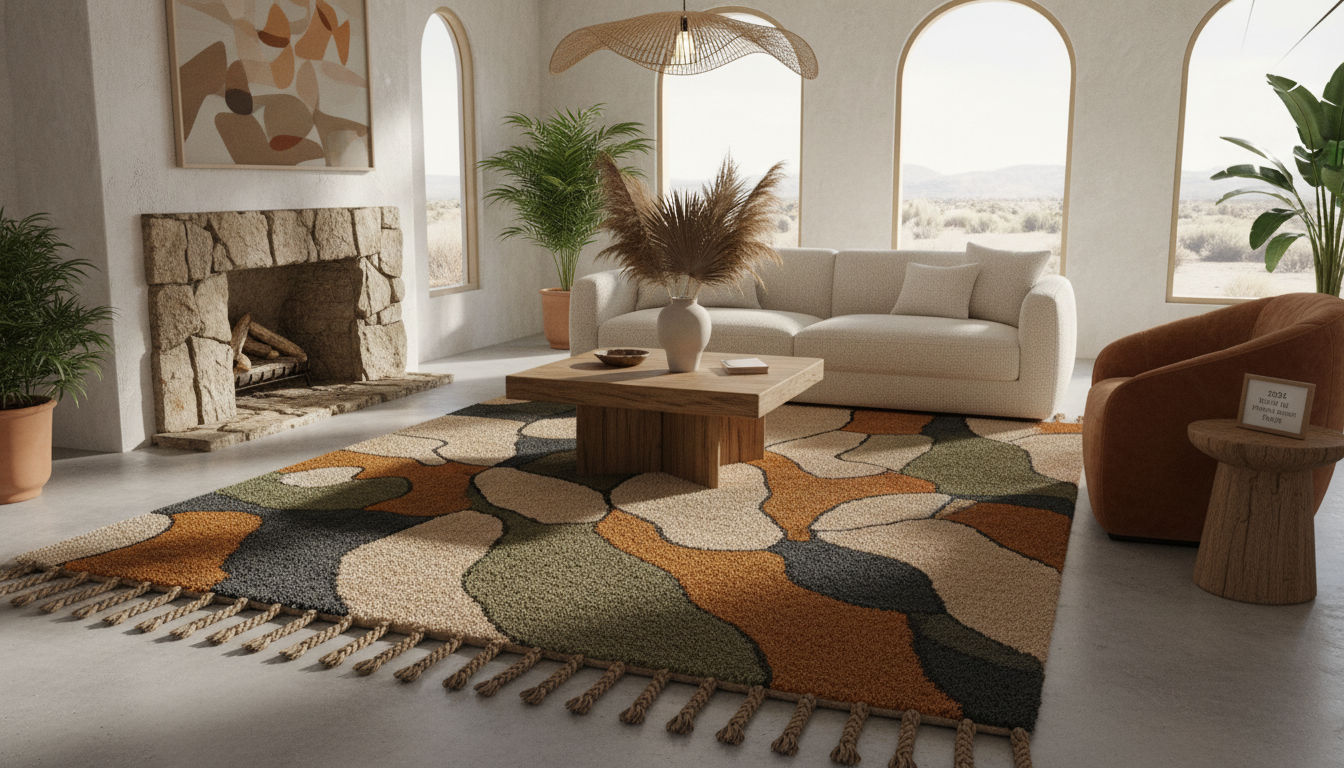
In the evolving landscape of high-end interior design, 2026 marks a definitive shift away from the clinical perfections of the digital age toward something more visceral and grounded. We call this movement Primitive-Modern. It is an aesthetic that marries the raw, unrefined energy of ancient weaving traditions with the sophisticated silhouettes of contemporary architecture. For ‘TheBohoRugs’ connoisseur, a rug is no longer a mere floor covering; it is ‘Art for the Floor’—a foundational masterpiece that dictates the soul of a room. This report explores how earthy textures and calculated asymmetry are redefining luxury, turning our living spaces into galleries of tactile history.
“Primitive-Modern rug trends for 2026 focus on ‘found-object’ aesthetics, characterized by irregular edges, hand-spun organic fibers, and a return to ancestral weaving techniques. These rugs prioritize high-low pile textures and ‘oxidized’ earth-tone palettes, moving away from symmetry to embrace wabi-sabi imperfections that serve as a focal point for luxury minimalist and organic modern interiors.”
The Roadmap
Table of Contents
- The Philosophy of Primitive-Modernism: Rugs as Found Objects
- Raw Textures: The Tactile Revolution of 2026
- Embracing the Irregular: Asymmetry as a New Design Standard
- The Oxidized Palette: Earth Tones Beyond Beige
- Ancestral Craftsmanship: Ancient Techniques for Modern Spaces
- Sustainability as Luxury: The Rise of Undyed Fibers
- Curating the Gallery: Styling Your Primitive-Modern Rug
- The Future of Artisanal Floor Art: Beyond 2026
The Philosophy of Primitive-Modernism: Rugs as Found Objects
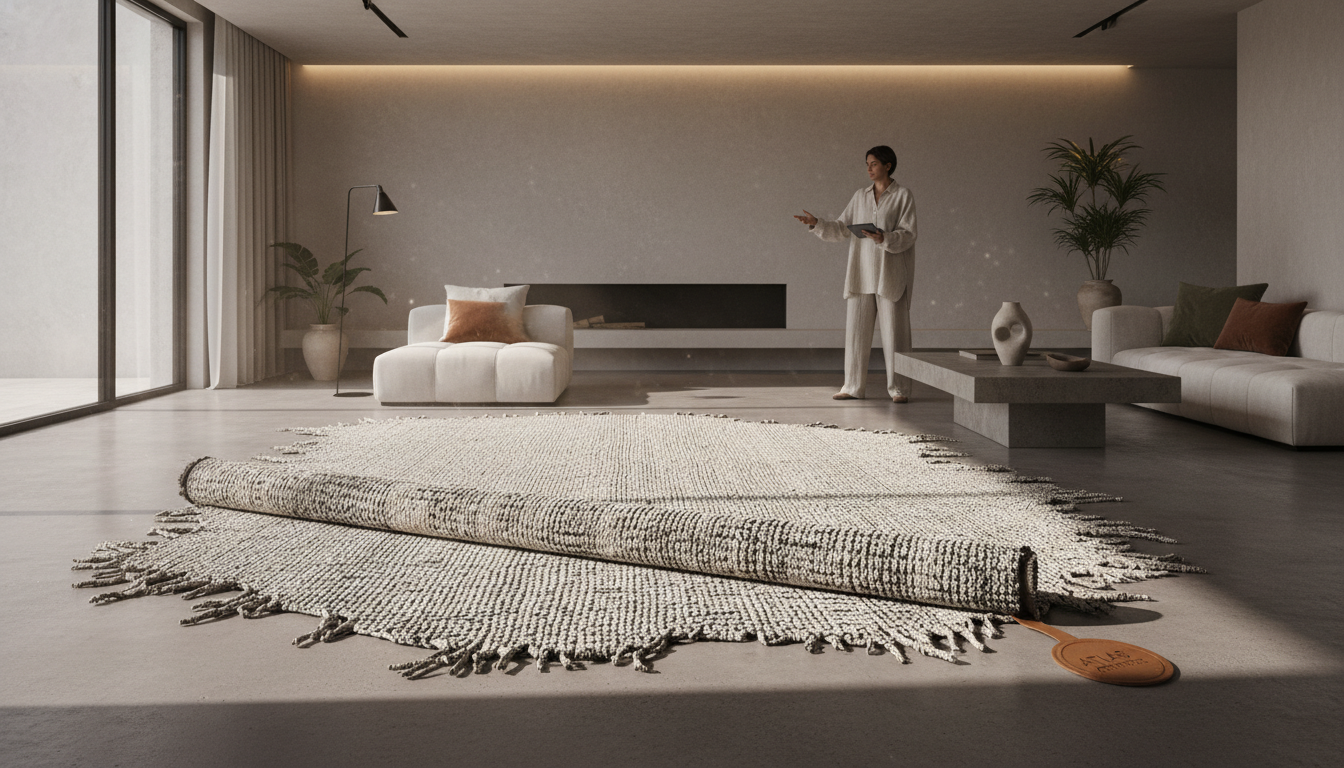
As we navigate the evolving landscape of interior design, the shift toward “Primitive-Modernism” marks a significant departure from the polished, mass-produced aesthetics of the last decade. At the heart of this movement is a return to the tactile and the authentic. When exploring Primitive-Modern rug trends 2026, we see a deliberate celebration of the “found object”—pieces that look as though they were unearthed rather than manufactured.
This design philosophy treats the rug not as a mere floor covering, but as a piece of textile art with a history. The aesthetic relies on the tension between ancient weaving techniques and contemporary minimalist spaces. This juxtaposition creates a sense of grounded luxury that feels both grounded in the earth and elevated for a modern high-end home.
The core of Primitive-Modern rug trends 2026 is the rejection of clinical perfection. Instead, designers are seeking out rugs that tell a story through their physical structure. These rugs act as anchors, grounding a room with their weight, depth, and unapologetic presence, making them the defining feature of the “new rustic” luxury era.
The Materiality of the Unrefined
In 2026, materiality is the primary driver of value. The defining characteristic of Primitive-Modern rug trends 2026 is the reliance on raw, minimally processed fibers that maintain their natural oils and variegated tones. This focus on “honest” materials ensures that every rug provides a unique sensory experience underfoot.
We are seeing a move away from synthetic blends in favor of high-lanolin wool, sun-bleached hemp, and wild silk. These materials are chosen specifically because they age gracefully, gaining a beautiful patina over time. The Primitive-Modern rug trends 2026 movement emphasizes that the beauty of a rug should increase with use, rather than degrade.
- Hand-Carded Wool: Retains natural color variations and a thick, chunky texture.
- Organic Jute and Hemp: Provides a coarse, earthy foundation that contrasts with smooth furniture.
- Oxidized Dyes: Creates a “weathered” look that mimics the natural erosion of ancient artifacts.
- Unshorn Piles: High-low textures that create a three-dimensional topographic map on the floor.
For those looking to embrace this aesthetic, sourcing is key. You can find a curated collection of these artisanal pieces by exploring the handmade selections at thebohorugs.com, where the focus remains on traditional craftsmanship meeting modern design sensibilities. Investing in a rug from thebohorugs.com ensures that your space reflects the authentic spirit of this upcoming trend.
Asymmetry and the Luxury of Imperfection
The move toward asymmetry is perhaps the most striking element shaping the Primitive-Modern rug trends 2026 movement. Traditional symmetry is being replaced by “visual weight” and organic flow. This means rugs may feature uneven borders, varying pile heights, or patterns that seem to dissolve into the natural field of the wool.
This asymmetrical luxury is about confidence. It suggests that a room doesn’t need to be perfectly balanced to be harmonious. In the context of Primitive-Modern rug trends 2026, an irregular shape or a “broken” pattern is a sign of bespoke quality. It proves the piece was made by human hands, subject to the creative whims of the weaver rather than a computer-guided loom.
Designers are using these rugs to break up the rigid lines of modern architecture. A rug with a jagged, hand-cut edge or a wandering charcoal line on a cream background adds a necessary soul to a room. This approach is vital to understanding Primitive-Modern rug trends 2026, as it prioritizes emotion and character over strict geometric repetition.
The Rug as a Curated Artifact
Conceptualizing rugs as “found objects” changes how we shop for them. Rather than looking for a rug that matches the curtains, homeowners are now looking for a rug that feels like a discovery. Incorporating Primitive-Modern rug trends 2026 into luxury spaces involves choosing pieces that look like they could have been discovered in a nomadic camp or a centuries-old villa.
This curation process is about finding a “soul mate” for your room. A rug from thebohorugs.com serves this purpose perfectly, offering the kind of premium, hand-knotted quality that feels like a rare find. By treating the rug as an artifact, you elevate the entire room, turning the floor into a gallery space for textile history.
The essence of Primitive-Modern rug trends 2026 is longevity. In a world of fast fashion, these rugs stand as a testament to the slow-living movement. They are durable, sustainable, and culturally rich. When you choose a rug that follows these trends, you aren’t just following a fad; you are adopting a philosophy of “fewer, better things.”
Future Outlook: A Return to the Earth
As we move closer to 2026, expect to see even more experimentation with “earthy” luxury. The colors will remain grounded—terracotta, slate, ochre, and sand—but the textures will become even more exaggerated. The enduring appeal of Primitive-Modern rug trends 2026 lies in their ability to make a house feel like a home through warmth and history.
Whether you are designing a sleek urban loft or a quiet coastal retreat, these rugs provide the necessary friction to make a modern space feel human. By embracing the Primitive-Modern aesthetic, you are choosing a path of timelessness. The focus remains on the raw, the real, and the radically simple, ensuring your home remains a sanctuary of style for years to come.
Raw Textures: The Tactile Revolution of 2026

As we look toward the interior landscapes of tomorrow, the Primitive-Modern rug trends 2026 reflect a deep-seated desire for sensory grounding. In an increasingly digital world, homeowners are pivoting away from flat, factory-perfect surfaces in favor of floor coverings that offer a visceral, haptic experience.
The tactile revolution of 2026 is defined by “touchability.” Designers are moving beyond visual patterns to focus on the physical sensation of the fiber underfoot. This shift marks a departure from the mid-century minimalism of previous years, embracing a rugged, unrefined elegance that celebrates the “hand of the maker.”
By prioritizing raw textures, the Primitive-Modern rug trends 2026 movement transforms the rug from a decorative accessory into a foundational architectural element. These pieces act as the “anchor” of a room, providing a sense of permanence and history through their thick, irregular weaves and natural imperfections.
The Rise of Topographical Weaving
One of the most striking developments in the Primitive-Modern rug trends 2026 is the use of varying pile heights to create 3D landscapes. Rather than a uniform surface, these rugs feature “craters,” ridges, and valleys that mimic the natural erosion of stone or the shifting of desert sands.
This topographical approach is achieved through a mix of techniques, such as combining high-pile shag with low-loop flatweaves. The result is a rug that changes appearance based on the time of day and the angle of the sun, casting soft shadows across the floor that enhance the room’s depth.
Key examples of this textured approach include:
- Carved Wool: Hand-sheared patterns that create a subtle, embossed effect without the need for high-contrast colors.
- Eroded Borders: Edges that appear naturally worn or frayed, suggesting a piece that has survived for generations.
- Multi-Fiber Blending: Mixing coarse jute with soft highland wool to create a “scratchy-soft” contrast that stimulates the feet.
Earth-First Materials and Undyed Fibers
Sustainability is no longer an afterthought but the primary driver of the Primitive-Modern rug trends 2026. Designers are opting for materials in their most “honest” state, utilizing undyed wools that showcase the natural variations in sheep’s fleece, from creamy oatmeal to deep charcoal.
If you are looking to integrate these organic elements into your own space, exploring the curated collections at thebohorugs.com is an excellent starting point. Their commitment to premium handmade rugs ensures that each piece carries the authentic weight and texture central to the Primitive-Modern aesthetic.
In 2026, the luxury lies in the purity of the source. We are seeing a resurgence in resilient, ancient fibers like hemp, nettle, and mohair. These materials are chosen for their durability and their ability to age gracefully, developing a unique patina over years of use.
Asymmetric Luxury and Irregular Forms
The Primitive-Modern rug trends 2026 reject the rigid symmetry of traditional rug-making. Instead, we see a move toward “asymmetric luxury,” where the shapes are organic, wobbly, and intentionally imperfect. Rectangles are replaced by “amoeba” shapes and jagged, hand-cut perimeters.
This irregularity serves a functional purpose in modern open-plan living. An asymmetric rug can define a seating area without the harsh lines that make a room feel boxy. It allows the furniture to sit “within” the texture rather than simply on top of it, creating a more cohesive and lived-in atmosphere.
Common hallmarks of this trend include:
- Live Edges: Rugs that follow the natural shape of the hide or the loom’s tension, avoiding straight machine-cut lines.
- Off-Center Motifs: Patterns that bleed off the edge of the rug, suggesting that the design is part of a larger, unseen whole.
- Mixed Geometry: The intentional blending of a structured grid with chaotic, hand-tufted overlays.
The New Neutral: Deep Earth Tones
While texture is the hero, the color palette of the Primitive-Modern rug trends 2026 remains deeply rooted in the soil. We are moving away from cool grays toward “warm shadows.” Think of the colors found in sun-baked clay, dried moss, and weathered basalt.
These tones provide a sophisticated backdrop that allows the raw textures to shine. When a rug is monochromatic but highly textured, it creates a “quiet luxury” that doesn’t scream for attention but commands it through quality and craftsmanship. It is about creating a sanctuary that feels safe, warm, and timeless.
For those seeking to master the Primitive-Modern rug trends 2026, focusing on “low-sheen” finishes is vital. The goal is a matte, chalky appearance that feels ancient. This is often achieved through hand-spinning the wool, which keeps the natural lanolin intact and provides a soft, matte glow rather than a synthetic shine.
Integrating Primitive-Modernism into Your Home
Adopting the Primitive-Modern rug trends 2026 doesn’t require a full home renovation. Because these rugs are so tactile and neutral, they pair beautifully with existing contemporary furniture. A raw, high-pile wool rug can soften the hard lines of a glass coffee table or a mid-century leather sofa.
When shopping for these pieces, look for “heirloom quality.” A genuine Primitive-Modern rug is an investment in artistry. Platforms like thebohorugs.com specialize in these types of premium handmade rugs, offering the authentic textures and asymmetric designs that define this new era of interior design.
Ultimately, the Primitive-Modern rug trends 2026 represent a return to our roots. By bringing the raw, unrefined beauty of the outdoors inside, we create spaces that feel less like “showrooms” and more like true homes—textured, imperfect, and deeply personal.
Embracing the Irregular: Asymmetry as a New Design Standard
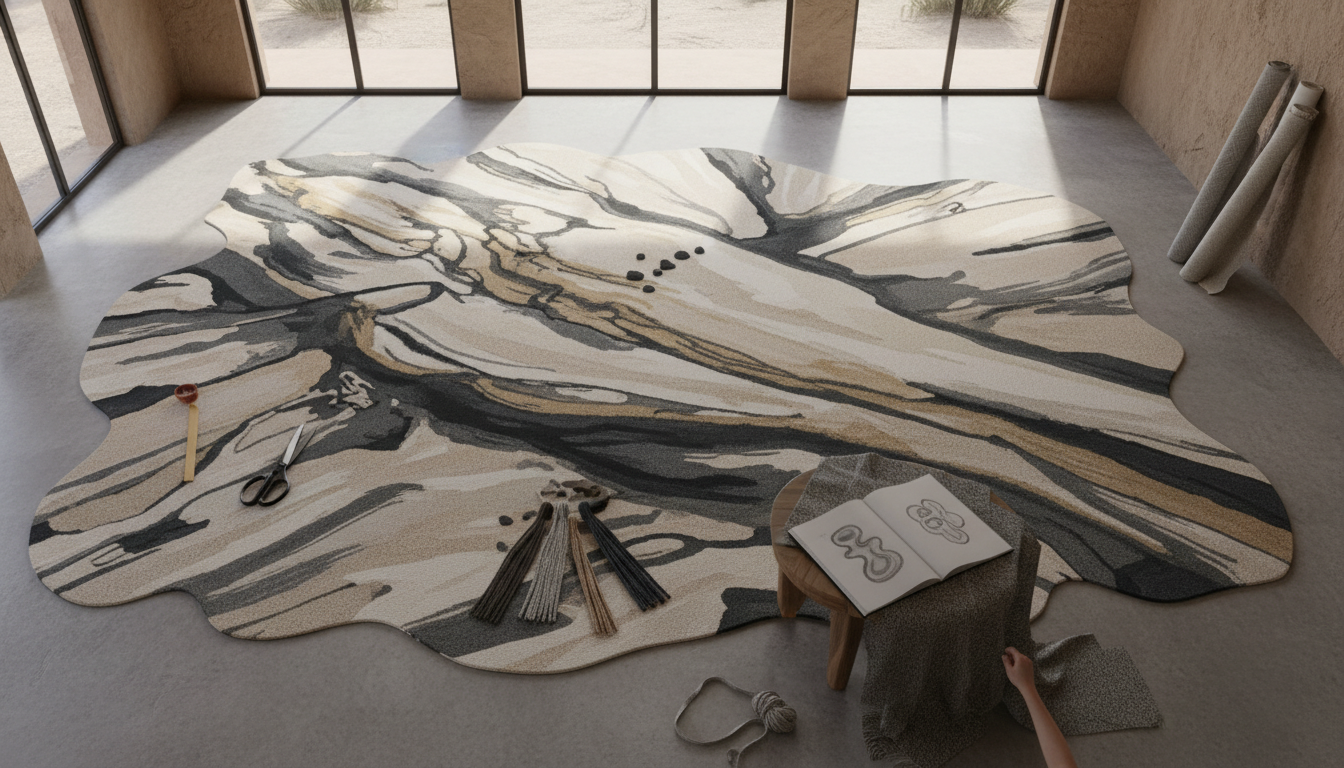
In the landscape of interior design, the year 2026 marks a definitive departure from the clinical precision of the past decade. We are witnessing a bold shift toward imperfection, where the beauty of a home is measured by its soul rather than its symmetry. At the heart of this movement is the emergence of Primitive-Modern rug trends 2026, a style that marries ancient weaving techniques with a contemporary, high-fashion lens.
Designers are increasingly rejecting the “cookie-cutter” look of mass-produced, perfectly rectangular floor coverings. Instead, the focus has shifted toward asymmetry. This design standard celebrates the organic line, the uneven border, and the hand-knotted variation that only a human artisan can produce. These rugs act as the “anchor” for a room, providing a sense of grounded luxury that feels both ancient and futuristic.
For those looking to curate a space that feels personal and curated, the collections at thebohorugs.com offer a perfect entry point. Their premium handmade rugs embody the very essence of these Primitive-Modern rug trends 2026, featuring the raw textures and irregular shapes that are currently dominating high-end interior galleries across the globe.
The Philosophy of Controlled Chaos: Why Asymmetry Works
Asymmetry in rug design isn’t about lack of balance; it is about achieving a more complex, visual equilibrium. Unlike traditional rugs that mirror patterns across a central axis, the Primitive-Modern rug trends 2026 utilize “weighted” designs. This means one corner might feature a heavy, saturated pile of wool, while the opposite side tapers into a delicate, flat-weave fringe.
This approach mimics the natural world, where no two stones or trees are identical. By bringing these irregular forms into the home, we create an environment that feels less like a showroom and more like a sanctuary. The 2026 aesthetic is rooted in “primitive” shapes—circles that aren’t quite round and rectangles with “living edges” that fluctuate in width.
Some of the key characteristics of this asymmetric movement include:
- Live Borders: Edges that ripple or curve rather than following a straight 90-degree angle.
- Displaced Motifs: Traditional tribal symbols placed off-center to create a sense of movement.
- Variable Pile Heights: Using high-low shearing techniques to create three-dimensional landscapes underfoot.
- Organic Color Bleeding: Utilizing “abrash” or natural dye variations to highlight the handmade nature of the piece.
Sculptural Silhouettes: Moving Beyond the Four Corners
One of the most exciting aspects of Primitive-Modern rug trends 2026 is the total reimagining of rug silhouettes. We are no longer confined to the standard 8×10 rectangle. The new standard involves sculptural forms that interact with furniture in unexpected ways. Imagine a rug that “puddles” around the leg of a heavy oak dining table or a runner that winds like a river through a hallway.
These irregular shapes serve a functional purpose in modern architecture. With the rise of open-concept living, asymmetric rugs act as “zoning tools.” Because they don’t have rigid borders, they allow the eye to flow naturally from the living area to the dining space without the harsh visual “stop” of a traditional rug border. This fluidity is a hallmark of the Primitive-Modern rug trends 2026.
If you are searching for a piece that breaks the mold, exploring the curated selections at thebohorugs.com is a must. Their commitment to sourcing authentic, hand-knotted pieces ensures that every rug possesses that distinct, one-of-a-kind silhouette that defines today’s luxury standards.
The Role of Earthy Textures in Asymmetric Design
Texture is the secret ingredient that makes asymmetry feel intentional rather than accidental. In the context of Primitive-Modern rug trends 2026, texture is used to create “visual weight.” A rug might feature a section of shaggy, un-dyed highland wool contrasted against a smooth, silk-infused flat weave. This contrast draws the eye and creates a focal point within the room.
The materials being used in 2026 are deeply connected to the earth. We are seeing a resurgence of:
- Raw Jute and Hemp: Providing a gritty, foundational texture for high-traffic areas.
- Mohair and Alpaca: Adding a soft, luminous sheen to the “modern” side of the primitive aesthetic.
- Unprocessed Sheep’s Wool: Retaining natural lanolin for a tactile, waxy feel that improves with age.
These materials are foundational to Primitive-Modern rug trends 2026 because they celebrate the “primitive” origins of weaving. When combined with modern, asymmetric layouts, they create a piece of floor art that is both rugged and refined. This “earthy luxury” is exactly what modern homeowners are seeking—a connection to nature within an urban environment.
How to Style the Asymmetric Look in Your Home
Integrating an irregular rug into your current decor requires a bit of bravery but offers a massive payoff. The key is to let the rug be the “hero” of the room. When styling Primitive-Modern rug trends 2026, avoid overcrowding the rug with too much furniture. Allow the irregular edges to be visible, as these are the details that communicate luxury.
Consider these examples for your next redesign:
- The Offset Living Room: Place an asymmetric rug slightly off-center under a modular sofa. Let the jagged edge of the rug extend toward a fireplace or a large window.
- The Layered Approach: Place a smaller, highly textured primitive rug on top of a larger, neutral flat-weave. This adds depth and emphasizes the irregular shape of the top layer.
- The Minimalist Gallery: In a room with white walls and simple furniture, an asymmetric rug from thebohorugs.com acts as the primary piece of art, grounding the space with its earthy tones and unique form.
Ultimately, the Primitive-Modern rug trends 2026 are about more than just home decor; they are about a lifestyle shift toward authenticity. By embracing asymmetry, we acknowledge that life isn’t perfect, and our homes shouldn’t be either. Whether you are looking for a bold statement piece or a subtle, textured accent, the move toward “irregular luxury” is a trend that is here to stay for the long haul.
To start your journey into this aesthetic, visit thebohorugs.com and discover how a single, hand-knotted asymmetric rug can redefine your entire design perspective. The future of flooring is irregular, earthy, and undeniably sophisticated.
The Oxidized Palette: Earth Tones Beyond Beige

As we look toward the interior landscape of the mid-2020s, the design world is witnessing a dramatic departure from the sterile, monochromatic neutrals that dominated the previous decade. The “greige” movement has officially reached its expiration date, making room for a more visceral and grounded aesthetic. This shift is most evident in the emerging Primitive-Modern rug trends 2026, where the focus has pivoted toward an “oxidized” palette—a collection of colors that feel as though they were pulled directly from the earth’s crust.
Oxidized tones go far beyond the safety of beige or cream. These colors evoke a sense of geological time, utilizing shades that mimic the natural weathering of stone, metal, and soil. By incorporating these deep, mineral-rich hues, homeowners can create spaces that feel both ancient and incredibly sophisticated. This balance of raw history and contemporary refinement is the defining characteristic of the Primitive-Modern rug trends 2026 movement.
Designers are increasingly using these rugs as the “anchor” of a room rather than a background element. An oxidized palette provides a sense of visual weight and permanence. Instead of a flat, synthetic brown, you will find rugs featuring “living” colors—shades that change depth depending on the light, much like the surface of a canyon or a piece of rusted iron. This complexity is why the Primitive-Modern rug trends 2026 are gaining such traction among high-end collectors and interior enthusiasts alike.
The Evolution of Organic Color: Moving Beyond the Basics
The 2026 palette is defined by its “dirty” undertones. This doesn’t mean the rugs look unkept; rather, they possess a richness that only natural, vegetable-based dyes can provide. When we discuss Primitive-Modern rug trends 2026, we are looking at colors that have been intentionally layered to create a sense of oxidation and age. This process results in a rug that looks like a curated artifact rather than a mass-produced textile.
Key colors defining this upcoming season include:
- Sienna and Burnt Ochre: These provide a warm, fiery base that feels more energetic than traditional tan.
- Oxidized Copper and Verdigris: Muted greens with hints of blue that mimic weathered metal surfaces.
- Charred Umber: A deep, near-black brown that adds incredible contrast and modern edge.
- Sedimentary Slate: Multi-tonal greys that incorporate flecks of violet and blue.
This rejection of “perfect” color is a hallmark of the Primitive-Modern rug trends 2026. In previous years, uniformity was the goal. Now, the goal is “abrash”—the natural and beautiful variation in color that occurs when wool is dyed in small batches. This technique ensures that no two rugs are exactly alike, reinforcing the luxury of the unique and the handmade.
Textural Mastery and the Asymmetric Edge
Color is only half of the story. To truly understand the Primitive-Modern rug trends 2026, one must look at how these oxidized tones interact with texture. The most sought-after rugs for 2026 feature “eroded” piles. This involves varying the height of the wool or silk to create a high-low effect that mimics a landscape view from above. When combined with an asymmetric design, the rug becomes a piece of floor art that defies traditional boundaries.
Asymmetry is vital here because it reflects the organized chaos of nature. A rug might feature a heavy concentration of deep “iron-rust” tones on one corner, which then bleeds into a lighter “sandstone” shade across the center. This lack of symmetry is foundational to Primitive-Modern rug trends 2026 because it breaks the rigid formality of traditional interior layouts, allowing for a more organic flow within the home.
To truly capture this essence, sourcing high-quality, authentic pieces is vital. If you are looking to elevate your interior with these specific aesthetics, you can explore a curated collection of these artisanal masterpieces at thebohorugs.com, where heritage weaving meets contemporary design. Investing in a hand-knotted piece ensures that the “oxidized” look is achieved through traditional craftsmanship rather than digital printing.
Why Oxidized Tones Define 2026 Luxury
Luxury in 2026 is no longer about “newness” or “shine.” Instead, it is about “patina” and “soul.” The Primitive-Modern rug trends 2026 embrace the idea that a rug should feel as though it has a story to tell. An oxidized palette suggests a connection to the elements, providing a calming, biophilic effect that is essential in our increasingly digital world. These rugs offer a tactile experience that grounds us in our physical environment.
Furthermore, these earthy, darker tones are incredibly practical for the modern home. Unlike the high-maintenance white rugs of the past, the complex, mottled colors of the oxidized palette are forgiving and age gracefully. This longevity is a core component of Primitive-Modern rug trends 2026, emphasizing sustainable consumption over “fast furniture” cycles. A rug from thebohorugs.com is built to last generations, gaining character as the fibers naturally settle over time.
Examples of successful styling with this palette include:
- Pairing a rust-toned primitive rug with sleek, black steel furniture for a “Brutalist-Modern” look.
- Placing an asymmetric, moss-green rug under a raw-edge wooden dining table to emphasize organic shapes.
- Using a deeply oxidized, charcoal-base rug in a minimalist bedroom to add warmth and sensory depth.
Incorporating the Trend into Your Home
Transitioning your space to reflect the Primitive-Modern rug trends 2026 doesn’t require a full renovation. It starts with the floor. By replacing a standard, geometric rug with one that features asymmetrical patterns and earth-toned “stains,” you immediately shift the room’s energy from “catalogue-perfect” to “artist-curated.” The rug acts as the bridge between your modern architecture and the raw beauty of the natural world.
As we move further into the decade, the demand for authenticity will only grow. The Primitive-Modern rug trends 2026 represent a return to the roots of textile art—using the earth as a muse and the loom as a medium. Whether you are drawn to the fiery warmth of oxidized iron or the cool calm of weathered stone, these rugs provide a timeless foundation that transcends fleeting fashion cycles.
Ultimately, the Primitive-Modern rug trends 2026 are an invitation to embrace imperfection. By choosing rugs with oxidized palettes and asymmetric luxury, you are not just following a trend; you are curating an environment that feels deeply personal, incredibly durable, and undeniably sophisticated. Explore the future of floor coverings and discover how these earthy textures can transform your living space today.
Ancestral Craftsmanship: Ancient Techniques for Modern Spaces

The interior design landscape of 2026 is witnessing a profound shift away from the sterile, mass-produced aesthetics of previous decades. Homeowners and designers are increasingly gravitating toward pieces that tell a story of human touch and historical depth. This movement is epitomized by the rising Primitive-Modern rug trends 2026, which blend ancient weaving traditions with the clean lines of contemporary luxury.
At the heart of this trend is a celebration of imperfection. Unlike machine-made alternatives, these rugs embrace the slight variances in color and texture that only hand-craftsmanship can provide. This “perfectly imperfect” quality makes every piece a unique work of art, transforming a simple floor covering into a focal point of ancestral heritage.
As we delve deeper into the Primitive-Modern rug trends 2026, it becomes clear that the value lies in the slow-made process. By utilizing techniques passed down through generations of artisans, these rugs offer a sensory experience that synthetic materials simply cannot replicate, anchoring modern rooms with a sense of grounded permanence.
The Resurgence of Hand-Knotted Textures
One of the most significant aspects of the Primitive-Modern rug trends 2026 is the return to high-low pile heights and varied knotting styles. Artisans are moving beyond uniform surfaces to create topographical landscapes underfoot. This tactile variety adds a layer of “asymmetric luxury” that complements minimalist furniture by providing necessary visual weight.
Modern spaces often struggle with feeling “cold” or “echoey.” The thick, hand-spun wool used in primitive-modern designs naturally dampens sound and provides unmatched thermal insulation. These rugs aren’t just decorative; they are functional investments in the comfort and acoustics of a high-end home.
Key techniques currently dominating the market include:
- Hand-Carving: Artisans manually trim the pile to create 3D patterns that shift with the light.
- Soumak Weaving: A decorative technique that creates a braided, cord-like texture for added durability.
- Oxidized Wool: A process that creates a “eroded” look, making a new rug feel like a reclaimed artifact.
Earthy Pigments and Living Colors
The color palettes defined by the Primitive-Modern rug trends 2026 are deeply rooted in the natural world. We are seeing a departure from vibrant synthetics toward “living colors” derived from vegetable dyes, minerals, and insects. These pigments age gracefully over time, developing a soft patina that enhances the rug’s character.
Terracotta, deep ochre, raw umber, and charcoal are the primary pillars of this movement. These shades are designed to harmonize with natural building materials like reclaimed wood, honed marble, and lime-wash walls. The goal is to create a seamless transition between the built environment and the organic world.
If you are looking to bring this level of authenticity into your home, you can find a curated selection of these artisanal masterpieces at thebohorugs.com. Their collection focuses on the intersection of ancient Moroccan techniques and modern design sensibilities, ensuring every piece meets the 2026 standard for luxury.
Asymmetry as a Design Philosophy
In the world of Primitive-Modern rug trends 2026, symmetry is no longer the gold standard. Instead, designers are embracing irregular borders, off-center medallions, and “glitch” patterns that mimic natural erosion or geological formations. This asymmetry reflects a more honest representation of nature’s chaotic beauty.
These rugs work exceptionally well in open-concept living areas where they can define “zones” without the need for rigid walls. An asymmetric rug breaks the monotony of rectangular rooms, drawing the eye across the floor in a way that feels fluid and intuitive rather than forced or mathematical.
Consider these examples of asymmetric primitive-modern styles:
- The Eroded Border: Where the design appears to “fade” or disappear on one side of the rug.
- Organic Shapes: Rugs that ditch the rectangle entirely for pebble-like or flowing silhouettes.
- Varying Line Weights: Hand-drawn geometric patterns that maintain the “wobble” of the artist’s hand.
Materiality and Sustainability in 2026
The Primitive-Modern rug trends 2026 are inseparable from the global push for sustainability. Ethical sourcing is no longer a luxury; it is a requirement. High-end rugs in 2026 prioritize renewable fibers like organic Highland wool, cultivated silk, and untreated hemp, which are biodegradable and free from toxic off-gassing.
By investing in a rug from thebohorugs.com, you are supporting a circular economy that empowers weaving communities while protecting the environment. These rugs are built to last for generations, standing in stark contrast to the “fast furniture” culture that has dominated the last decade.
Furthermore, the use of unbleached wools allows the natural oils (lanolin) to remain in the fiber. This provides a natural stain resistance and a subtle sheen that synthetic fibers try to mimic with chemicals. It is this raw materiality that defines the Primitive-Modern rug trends 2026 and makes them the ultimate choice for the conscious connoisseur.
Integrating Ancient Craft into Modern Interiors
Successfully styling the Primitive-Modern rug trends 2026 requires a balance between the old and the new. These rugs act as the “soul” of a room, providing a warm counterpoint to sleek glass coffee tables or industrial steel accents. The contrast between a rugged, ancient-looking textile and a high-tech modern home creates a compelling narrative of time.
For a sophisticated look, try layering a smaller, highly textured primitive rug over a larger, neutral jute base. This adds depth and allows you to introduce the bold patterns of the 2026 trends without overwhelming the space. The result is a home that feels curated, traveled, and deeply connected to the history of human craftsmanship.
Ultimately, the Primitive-Modern rug trends 2026 remind us that our homes are more than just shelters; they are galleries of our values. By choosing rugs that honor ancestral techniques, we bring a piece of history into our daily lives, ensuring that the art of the loom continues to thrive in our modern, fast-paced world.
Sustainability as Luxury: The Rise of Undyed Fibers
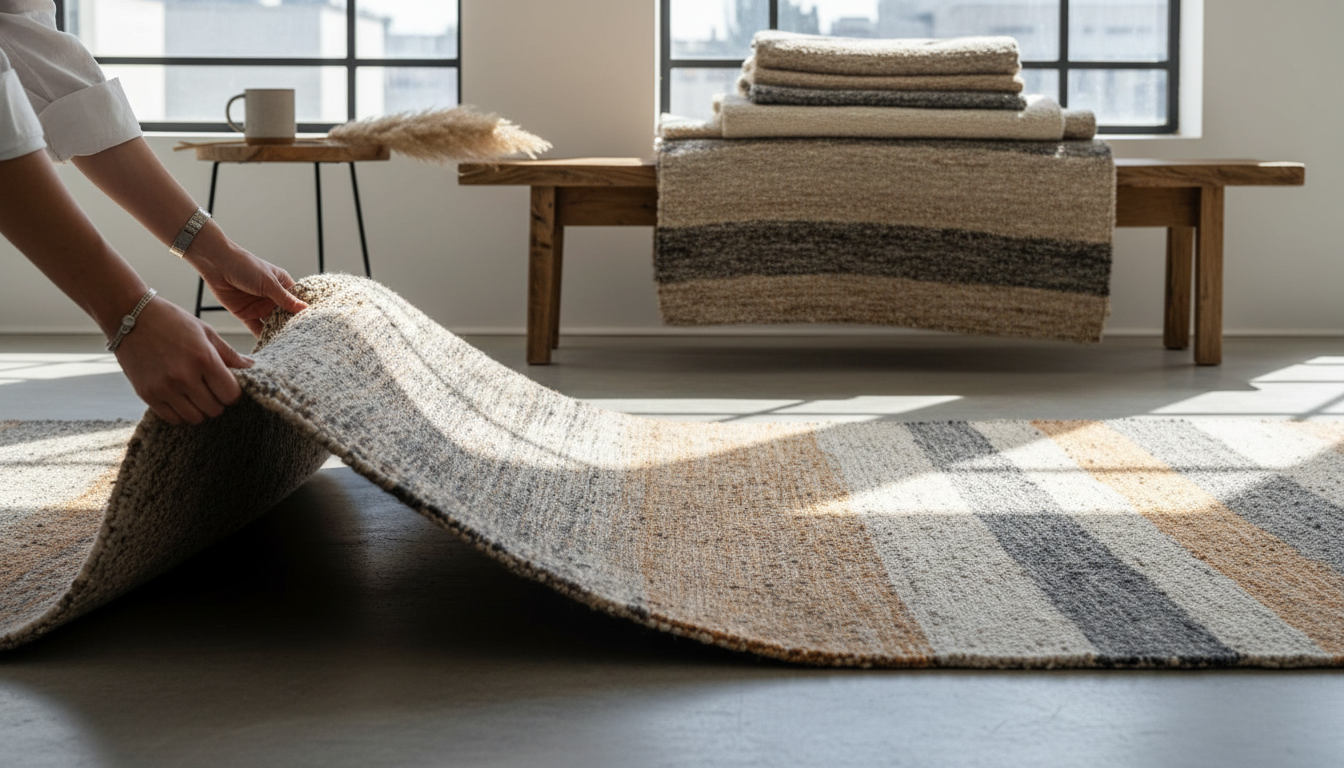
As we move into a new era of interior design, the definition of luxury is undergoing a radical transformation. No longer defined by ostentatious displays of wealth or overly polished finishes, the focus has shifted toward authenticity, soul, and environmental stewardship. This shift is most evident in the Primitive-Modern rug trends 2026, where the industry is seeing a massive surge in the popularity of undyed, raw fibers that celebrate the earth’s natural palette.
The core of this movement lies in the rejection of synthetic interventions. Designers and homeowners are increasingly favoring rugs that retain the original hue of the sheep’s wool or the plant’s stalk. By eliminating the dyeing process, these textiles maintain a “living” quality that synthetic alternatives simply cannot replicate. This “raw luxury” is the cornerstone of Primitive-Modern rug trends 2026, bridging the gap between ancient weaving traditions and contemporary minimalist aesthetics.
When you step onto an undyed rug, you are experiencing the fiber in its most resilient and tactile state. Chemical dyes often strip wool of its natural lanolin, the protective oil that keeps fibers soft and stain-resistant. In the context of Primitive-Modern rug trends 2026, the preservation of these natural properties is seen as the ultimate indulgence, offering a sensory experience that is both grounding and sophisticated.
The Aesthetic Power of Natural Variation
The beauty of undyed fibers lies in their inherent imperfection. In the world of Primitive-Modern rug trends 2026, uniformity is traded for “abrash”—the natural color variations found within a single batch of wool. These subtle shifts from oatmeal to charcoal or sandy beige to deep taupe create a visual depth that gives a room character without overwhelming the senses.
This organic variation is particularly effective in asymmetric designs. Because the colors are dictated by nature rather than a laboratory, the resulting patterns feel spontaneous and rhythmic. If you are looking to incorporate this look into your home, you can find a curated selection of these raw, tactile pieces at thebohorugs.com, where the focus remains on premium handmade quality and traditional integrity.
Consider the following examples of how undyed fibers are being utilized in current high-end projects:
- High-Pile Cream Wool: Using several shades of undyed white and cream to create a plush, cloud-like texture that feels modern yet ancient.
- Salt-and-Pepper Grays: Mixing dark sheep wool with lighter fibers to create a stony, architectural look that anchors a minimalist living room.
- Unrefined Jute and Hemp: Utilizing the golden and mossy tones of raw plant fibers to add a rugged, “primitive” edge to sleek, glass-heavy interiors.
- Camel and Yak Hair: Introducing warm, earthy browns that provide a rich, toasted aesthetic typical of the Primitive-Modern rug trends 2026.
Environmental Integrity as a Design Choice
In 2026, sustainability is no longer an optional “add-on” for luxury goods; it is a foundational requirement. The rise of undyed fibers is a direct response to the ecological footprint of the textile industry. By removing the dyeing stage, artisans significantly reduce water consumption and eliminate the release of toxic chemicals into local ecosystems. This ecological mindfulness is a primary driver behind the Primitive-Modern rug trends 2026.
For the discerning collector, knowing that a rug has been crafted with minimal environmental impact adds a layer of “invisible luxury.” It is a quiet statement of values. These rugs are often biodegradable and free from the off-gassing associated with synthetic pigments, making them the healthiest choice for modern homes. At thebohorugs.com, each piece reflects this commitment to sustainable craftsmanship, ensuring that your home’s centerpiece is as kind to the planet as it is to your feet.
The Primitive-Modern rug trends 2026 emphasize that true sustainability isn’t about making sacrifices in style. Instead, it’s about discovering that the most beautiful colors are those that have existed for millennia, produced by the sun, the soil, and the rain. This return to basics allows the texture of the weave to take center stage, highlighting the skill of the weaver over the capabilities of a machine.
Tactile Sophistication and Asymmetric Layouts
Texture is the new color in 2026. Because undyed rugs rely on a limited palette, the “primitive” aspect of the design is expressed through innovative weaving techniques. We are seeing a rise in “hi-lo” piles, where undyed wool is carved into varying heights to create topographical maps underfoot. This play on shadow and light is a key element of the Primitive-Modern rug trends 2026.
Asymmetry plays a vital role here as well. Rather than traditional centered medallions, these rugs often feature “scattered” designs or frayed edges that look purposefully weathered. The goal is to make the rug feel like a discovered artifact rather than a mass-produced item. This intentional “irregularity” is what gives thebohorugs.com pieces their distinctive edge, catering to those who appreciate the hand of the artist in every knot.
Why is this specific aesthetic dominating 2026? It provides a much-needed contrast to our increasingly digital lives. The Primitive-Modern rug trends 2026 offer a physical connection to the natural world. A rug that hasn’t been touched by chemicals or bleached into submission serves as a reminder of the physical earth, providing a sense of permanence and peace in a fast-paced world.
Incorporating the Trend into Your Space
Integrating these pieces into your home requires an appreciation for “warm minimalism.” The Primitive-Modern rug trends 2026 work best when paired with other natural materials like reclaimed wood, blackened steel, and linen upholstery. The key is to let the undyed rug act as the “connective tissue” that brings the various elements of the room together.
To master this look, consider these styling tips:
- Layering: Place a smaller, textured undyed rug over a larger, flat-weave natural jute rug to create a multi-dimensional foundation.
- Monochromatic Contrast: Use a dark, charcoal undyed wool rug in a bright, white-walled room to create a striking “primitive” focal point.
- Mixing Fibers: Look for rugs that blend undyed silk with undyed wool; the difference in how these fibers reflect light adds a sophisticated shimmer to the Primitive-Modern rug trends 2026 aesthetic.
As we look toward the future of home decor, it is clear that the Primitive-Modern rug trends 2026 are more than just a passing fad. They represent a long-term shift toward valuing the raw, the real, and the rugged. By choosing undyed fibers, you are investing in a piece that will age gracefully, developing a unique patina over time that only adds to its story and value. If you are ready to embrace this evolution of luxury, explore the authentic collections at thebohorugs.com and bring the spirit of 2026 into your home today.
Curating the Gallery: Styling Your Primitive-Modern Rug
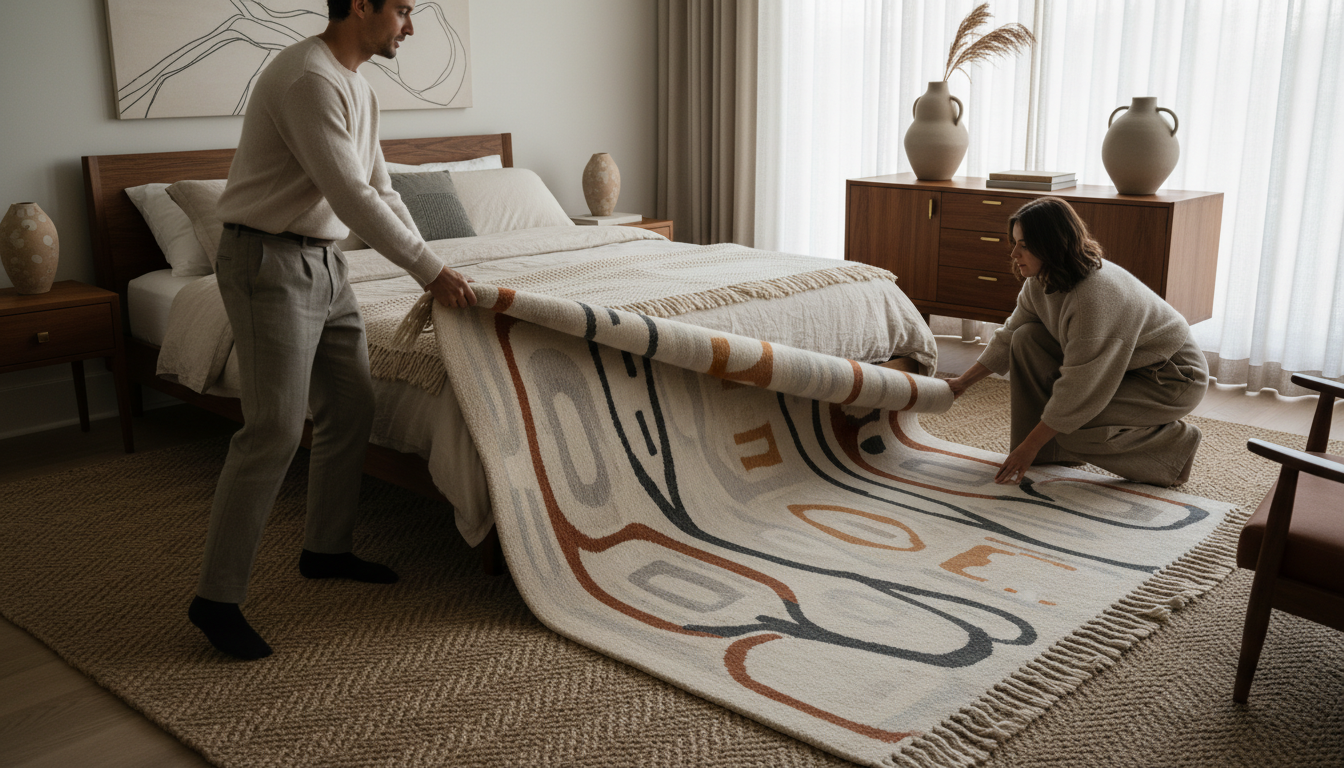
As we navigate the design landscape of the coming years, the shift toward tactile, grounded interiors has solidified. The Primitive-Modern rug trends 2026 movement represents a departure from the sterile, perfectly symmetrical patterns of the past decade. Instead, designers are embracing “honest” materials—wool that feels like wool, jute that retains its botanical grit, and silk that reflects light unevenly. These rugs serve as the foundation of a room, transforming a simple living space into a curated gallery of sensory experiences.
Styling these pieces requires a delicate balance between the raw and the refined. Because Primitive-Modern rugs often feature high-low piles and irregular edges, they act as functional art. To truly master the Primitive-Modern rug trends 2026 aesthetic, one must treat the floor not as an afterthought, but as the primary architectural element of the room. This means choosing furniture that complements the rug’s organic silhouette rather than competing with its visual weight.
When you invest in a piece from thebohorugs.com, you are bringing a slice of ancient craftsmanship into a contemporary setting. Their collection of premium handmade rugs perfectly captures this 2026 shift toward asymmetric luxury. By pairing a rugged, hand-knotted texture with sleek, mid-century modern furniture, you create a “tension of opposites” that defines the modern high-end home.
Mastering the Art of Asymmetric Placement
The core of the Primitive-Modern rug trends 2026 philosophy is the rejection of the “perfect center.” Traditional design dictates that a rug must be perfectly centered under a coffee table or bed. However, the new luxury focuses on off-kilter placements that highlight the rug’s unique shape. If your rug features an uneven fringe or a hand-carved border, let those elements breathe by keeping them clear of heavy furniture legs.
Consider these placement strategies for an updated look:
- The Diagonal Float: Position a medium-sized primitive rug at a 15-degree angle to the sofa to create a sense of movement.
- Negative Space Focus: Leave one edge of the rug completely exposed, showcasing the raw, unfinished weave that is a hallmark of 2026 styles.
- The Overlap Technique: Use a larger, neutral jute base and layer a smaller, high-texture Primitive-Modern rug on top, slightly off-center.
This approach highlights the “primitive” aspect of the design—the idea that the piece was born from nature and human hands rather than a calibrated machine. When shopping at thebohorugs.com, look for pieces with varying pile heights, as these create natural shadows that enhance the room’s depth throughout the day.
Color Palettes: From Earthy Ochre to Raw Charcoal
The Primitive-Modern rug trends 2026 color story is deeply rooted in the geological. We are seeing a move away from “millennial grey” and toward pigments derived from minerals and plants. Think of the deep sienna of sun-baked clay, the cool slate of a mountain stream, and the creamy, unbleached whites of raw sheep’s wool. These colors provide a neutral yet warm backdrop that supports a wide range of interior styles.
In 2026, the trend is to use “monochrome texture.” This means using a single color—like a deep forest green or a sandy beige—but varying the texture within the rug to create a pattern. A rug might use looped wool in one section and sheared silk in another, all in the same shade. This subtle complexity is what makes the Primitive-Modern rug trends 2026 so captivating for luxury homeowners who prefer “quiet luxury” over loud, neon patterns.
To style these colors effectively, try the following:
- Tone-on-Tone: Match your rug to the wall color but use a Primitive-Modern texture to provide the necessary visual break.
- Contrasting Earth Tones: Pair a terracotta-toned rug with sage green velvet upholstery for a grounded, botanical feel.
- The Raw Wood Connection: Style a cream-colored, shaggy primitive rug against dark walnut or charred oak flooring to emphasize the fiber’s purity.
Synthesizing Materials: Why Quality Matters
As we look deeper into the Primitive-Modern rug trends 2026, the material composition becomes the most important factor. Synthetic fibers like polyester or polypropylene simply cannot mimic the way natural fibers age and react to light. To achieve the asymmetric luxury look, you need materials that possess “soul.” This is why handmade, artisanal rugs are seeing a massive resurgence in 2026.
Authentic wool, for instance, contains natural lanolin, which gives the rug a slight sheen and incredible durability. When you source a rug from thebohorugs.com, you are prioritizing these natural properties. Their rugs are designed to endure for generations, becoming more beautiful as the fibers settle and develop a unique patina. In the world of Primitive-Modern rug trends 2026, a little bit of wear and tear is actually considered a design asset, adding to the “primitive” story of the piece.
Consider these material-specific styling tips:
- High-Pile Wool: Best for bedrooms or “low-traffic” zones where the comfort of the fiber can be fully appreciated.
- Hemp and Jute Blends: Ideal for dining rooms where a flatter, more durable surface is required without sacrificing the organic look.
- Silk-Injected Wool: Use these in entryways or formal seating areas to add a touch of “modern” shimmer to the “primitive” base.
The Final Touch: Accentuating the Rug with Decor
To fully integrate the Primitive-Modern rug trends 2026 into your home, your accessories must follow the same ethos. Avoid plastic or highly polished chrome. Instead, look for matte ceramics, hand-carved wooden bowls, and linen textiles. The goal is to create a cohesive environment where every object feels like it was found or fashioned by hand.
Lighting also plays a critical role. Because the Primitive-Modern rug trends 2026 rely so heavily on texture and pile variation, “grazing” light is your best friend. Use low-level floor lamps or recessed lighting that hits the rug at an angle. This will highlight the peaks and valleys of the weave, emphasizing the asymmetric luxury that makes these rugs so special. When your home features a premium handmade rug from thebohorugs.com, the right lighting transforms the floor into a living landscape of shadow and light.
Ultimately, the 2026 revival is about reconnecting with the earth through our interior choices. By selecting rugs that celebrate raw textures and irregular beauty, we create spaces that feel less like showrooms and more like sanctuaries. Whether you are redesigning a high-rise loft or a coastal retreat, the Primitive-Modern rug trends 2026 offer a timeless way to anchor your home in comfort and sophisticated style.
The Future of Artisanal Floor Art: Beyond 2026

As we look toward the mid-2020s, the interior design landscape is undergoing a tectonic shift. Homeowners and designers are collectively rejecting the sterile, machine-perfected aesthetics of the past decade. Instead, Primitive-Modern rug trends 2026 point toward a future where “perfect imperfection” is the ultimate signifier of luxury. This movement is not merely a fleeting style; it is a return to tactile storytelling.
The core of this trend lies in the marriage between ancient tribal weaving traditions and sleek, contemporary architectural lines. It is no longer just about covering a floor; it is about installing a piece of textile history that grounds a modern room in organic warmth. These pieces act as a bridge between our digital-heavy lives and the raw, physical world.
In the coming years, we expect to see a move away from standard geometric patterns toward designs that feel “found” rather than “manufactured.” The Primitive-Modern rug trends 2026 emphasize the human touch, celebrating the slight variations in color and weave that only a master artisan can produce. These rugs are designed to be heirloom pieces that age gracefully alongside a home’s architecture.
The Rise of Asymmetric Luxury and Organic Silhouettes
One of the most striking developments in Primitive-Modern rug trends 2026 is the abandonment of the traditional rectangular frame. Asymmetric luxury is taking center stage, with rugs featuring “living edges” and non-linear boundaries. These shapes mimic the natural world—think of the silhouette of a weathered stone or the jagged edge of a coastline.
This shift toward asymmetry allows for more fluid furniture arrangements. Instead of being confined by the “four corners” of a rug, designers are layering these organic shapes to create visual interest and movement. These rugs function more like floor-bound sculptures than simple floor coverings, breaking the rigidity of modern apartment living.
Examples of this asymmetric approach include:
- Hand-knotted pieces with intentionally uneven fringes and selvages.
- Curvilinear forms that wrap around sectional sofas or hearths.
- Abstract “islands” of high-pile wool that contrast with bare concrete or hardwood floors.
- Overlapping textures where two rugs of different shapes create a new, third silhouette.
Tactile Storytelling Through Raw Earthy Textures
Texture is the primary language of the Primitive-Modern rug trends 2026. We are seeing a move toward heavy, high-relief textures that demand to be felt. The focus is on raw, undyed wools and hand-spun silks that retain the natural oils and “grit” of the original fibers. This creates a sensory experience that machine-made rugs simply cannot replicate.
Color palettes are also shifting toward the elemental. Expect to see deep terracottas, charred umber, sage greens, and the creamy whites of unprocessed sheep’s wool. These tones are grounding and sophisticated, offering a sense of calm in an increasingly chaotic world. The luxury here is found in the depth of the dye and the variation of the yarn.
When looking to incorporate these elements, many connoisseurs are turning to specialized boutiques like thebohorugs.com. Buying premium handmade rugs from thebohorugs.com ensures that your space is anchored by authentic craftsmanship that aligns with these evolving Primitive-Modern rug trends 2026. Their collection focuses on the intersection of ancient Berber techniques and modern minimal design, which is the heartbeat of this revival.
Integrating Primitive Aesthetics in Contemporary Interiors
Successfully styling Primitive-Modern rug trends 2026 requires a balance between the old and the new. The goal is to create a dialogue between the ruggedness of the rug and the crispness of modern furniture. For instance, a chunky, high-pile primitive rug provides the perfect textural foil to a glass-topped coffee table or a brushed steel chair frame.
To master this look, consider these styling tips:
- Contrast the Pile: Pair a low-profile, flat-weave rug with a plush, high-pile shaggy rug in the same room to create zones.
- Embrace Neutrality: Let the texture do the talking by sticking to a tonal palette of beiges, ochres, and grays.
- Focus on Lighting: Use low-level floor lamps to cast shadows across the high-relief textures of the rug, emphasizing its 3D qualities.
- Negative Space: Don’t be afraid to leave large areas of the rug exposed; the rug itself is the artwork.
The Sustainable Future of Artisanal Floor Art
Sustainability is no longer an optional feature; it is the foundation of Primitive-Modern rug trends 2026. Because these rugs rely on traditional hand-knotted techniques and natural materials, they are inherently more eco-friendly than synthetic alternatives. Consumers are increasingly willing to invest in one high-quality, handmade piece that will last fifty years rather than five.
The longevity of these rugs is a key component of their luxury status. As they wear, they develop a patina that adds to their character. This “slow design” philosophy is at the heart of why Primitive-Modern rug trends 2026 are gaining such momentum. We are seeing a global appreciation for the weaver’s signature—the small, intentional “errors” that signify a piece was made by hand over several months.
As we move beyond 2026, the demand for these soulful pieces will only grow. By choosing rugs that prioritize raw materials and asymmetric beauty, you are not just following a trend; you are participating in a movement that values human heritage. Whether you are looking for a bold statement piece or a subtle, grounding foundation, the artisanal rugs of the future are designed to bring us back to our roots.
For those ready to elevate their interiors with these specific Primitive-Modern rug trends 2026, exploring the curated selections at thebohorugs.com is the best first step. Their dedication to sourcing rugs that embody asymmetric luxury and earthy textures makes it easy to find a centerpiece that feels both timeless and ahead of the curve.
Elevate Your Space
Discover the artistry of handmade luxury. Each rug is a masterpiece of tradition and modern design.
Expert Q&A
What defines the Primitive-Modern rug trend for 2026?
The trend is defined by a synthesis of ancient, tribal-inspired textures and minimalist, modern silhouettes, focusing on organic imperfections and tactile depth.
How does ‘Art for the Floor’ differ from standard rug design?
Art for the Floor treats the rug as a primary focal point or a unique piece of craftsmanship, much like a painting or sculpture, rather than a background element.
Why is asymmetry becoming popular in high-end rugs?
Asymmetry challenges the rigid lines of modern architecture, adding a human, organic touch that feels more authentic and less mass-produced.
What are the trending colors for Primitive-Modern rugs in 2026?
We are seeing a move toward ‘oxidized’ earth tones, including deep terracotta, mossy greens, burnt sienna, and various shades of charcoal and sand.
Are these rugs suitable for high-traffic areas?
Yes, because they utilize robust, hand-spun fibers like wool and hemp, their inherent textures hide wear and tear better than flat, synthetic options.
What materials are central to this 2026 trend?
Organic wool, raw silk, processed cactus fiber, and industrial hemp are the primary materials used to create the required tactile richness.
Can a Primitive-Modern rug fit into a minimalist home?
Absolutely. It provides the necessary ‘soul’ and warmth to a minimalist space, preventing it from feeling cold or sterile.
What is a ‘high-low’ pile?
It is a weaving technique where different areas of the rug have different heights, creating a 3D sculptural effect on the surface.
How do I clean a rug with raw, uneven textures?
Professional cleaning is recommended, but for daily care, suction-only vacuuming is best to avoid snagging the varied pile heights.
Are these rugs eco-friendly?
Most Primitive-Modern rugs prioritize sustainability by using undyed wools, vegetable dyes, and traditional hand-knotting techniques that avoid harsh chemicals.
Is layering rugs still in style for 2026?
Yes, layering a smaller, highly-textured Primitive-Modern rug over a larger, neutral flatweave is a key styling technique for 2026.
What are ‘oxidized’ colors?
Oxidized colors refer to dyes that look aged or weathered by the elements, giving the rug a sense of history and depth.
How can I tell if a rug is truly artisanal?
Look for slight variations in color (abrash) and minor irregularities in the weave, which indicate hand-made processes rather than machine precision.
What size should I choose for an asymmetrical rug?
Go larger than you think. Asymmetrical pieces should anchor the furniture, with the irregular edges extending beyond the main seating group.
Do these rugs work with Mid-Century Modern furniture?
Yes, the organic shapes of Primitive-Modern rugs complement the curved lines and wooden textures of Mid-Century Modern design perfectly.
What is the role of hemp in modern rug trends?
Hemp adds a rugged, matte texture and extreme durability, aligning with the 2026 focus on raw, grounded materials.
How do Primitive-Modern rugs affect room acoustics?
Their thick, varied pile heights are excellent for sound absorption, making them ideal for large, open-plan architectural spaces.
What is ‘abrash’ in rug terminology?
Abrash refers to the natural and intentional variations in color within a single dye lot, common in hand-dyed tribal and primitive rugs.
Can I use these rugs in a bedroom?
The tactile nature of these rugs makes them perfect for bedrooms, providing a sensory, grounding experience when stepping out of bed.
Are geometric patterns out of style for 2026?
Traditional, sharp geometry is fading in favor of ‘soft’ or ‘deconstructed’ geometry—lines that look hand-drawn or eroded.
What is the ‘Wabi-Sabi’ influence?
It is the Japanese aesthetic of finding beauty in imperfection, which is the foundational philosophy of the Primitive-Modern movement.
How do I choose between wool and silk?
Wool is better for matte, earthy textures and durability; silk adds a subtle luster and softness to the ‘primitive’ look.
Are these rugs a good investment?
High-quality, hand-knotted rugs made from natural fibers traditionally appreciate or hold their value better than machine-made alternatives.
How do I style a rug that isn’t a perfect rectangle?
Position it so the most unique ‘irregular’ edge is visible, perhaps protruding into a walkway or under a glass-topped coffee table.
Are vegetable dyes better than synthetic ones?
For this specific trend, yes. Vegetable dyes produce the ‘living’ colors and soft transitions required for a Primitive-Modern look.
Can these rugs be used as wall hangings?
Yes, many Primitive-Modern rugs are designed with such detail and texture that they are frequently used as tapestries.
What is ‘Tibetan knotting’?
A specific hand-knotting technique that allows for thick, plush piles and complex textures, often used in high-end primitive designs.
Does the trend support bright colors?
While the focus is on earth tones, muted pops of ‘ancient’ colors like ochre or indigo are seen in more eclectic Primitive-Modern collections.
Where should I start when decorating with a Primitive-Modern rug?
Start with the rug as your ‘anchor’ and pull colors and textures from its weave to select your upholstery and wall finishes.
Why is TheBohoRugs focusing on this trend?
Because it represents the pinnacle of craftsmanship and soulful design, which has always been at the heart of our curation.
Written by TheBohoRugs Interior Design Team
Experts in handmade rugs, boho interiors, and modern home decor.
