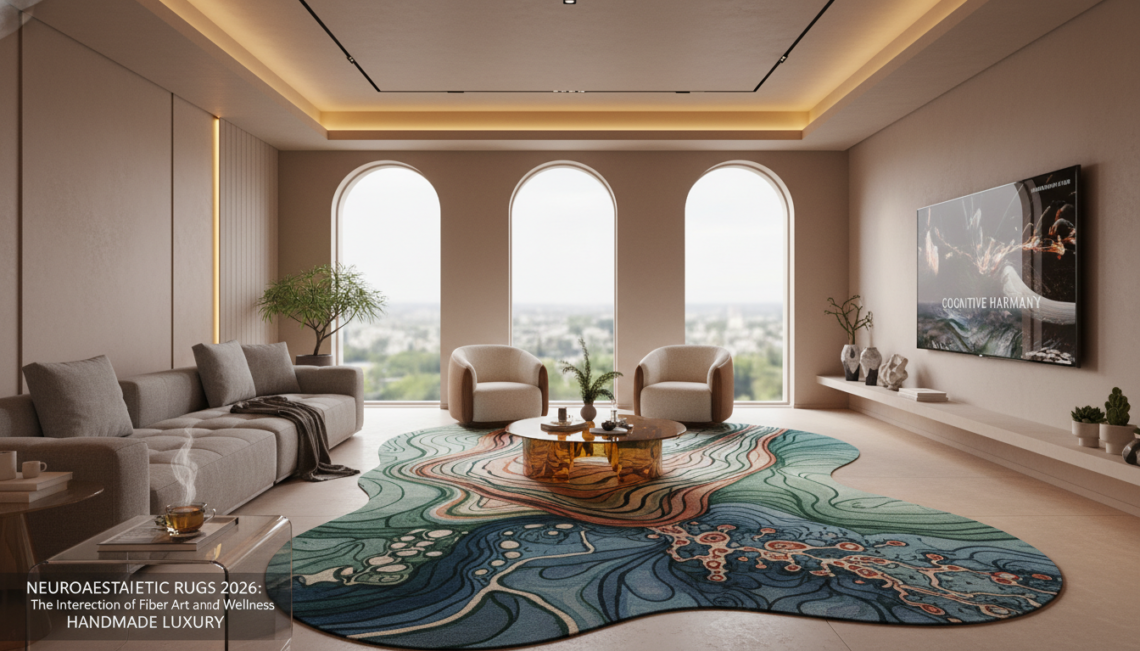
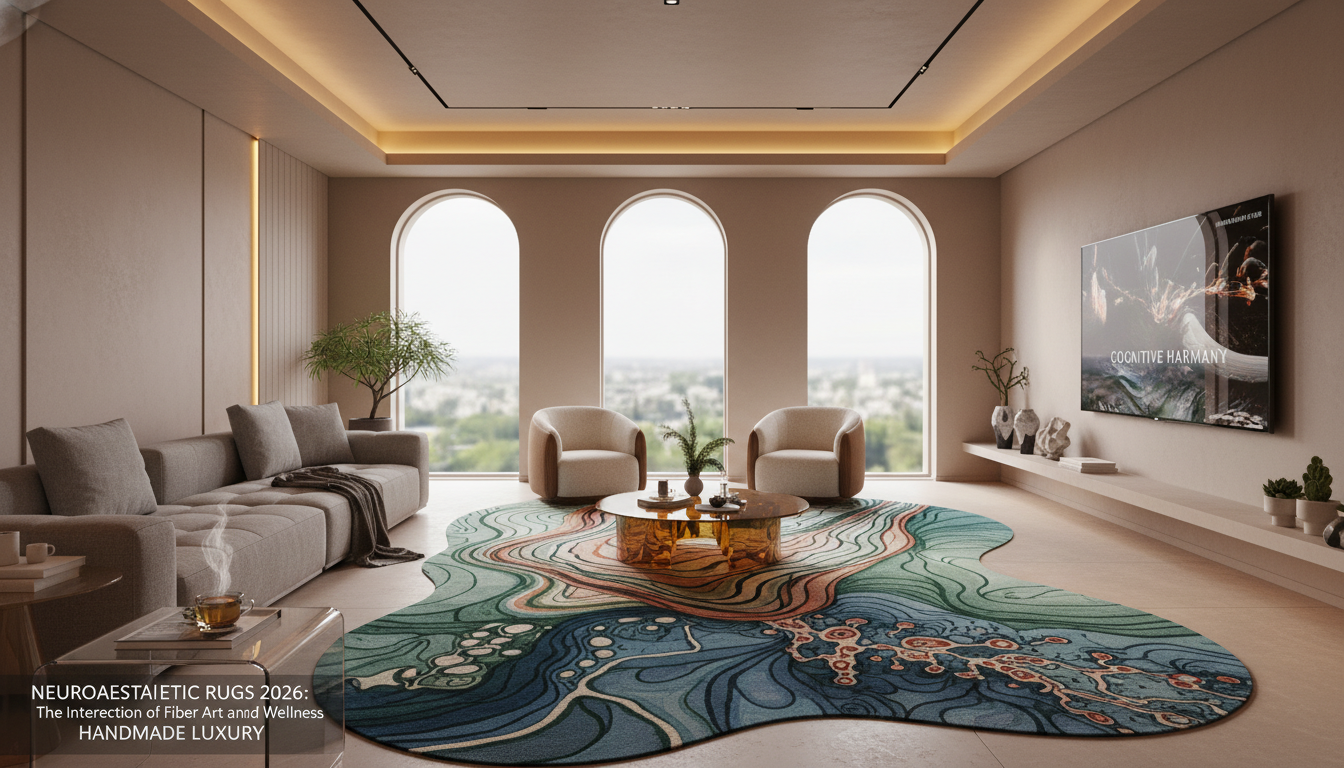
As we approach the mid-decade, the interior design landscape is undergoing a profound metamorphosis. No longer content with purely visual appeal, the design world is pivoting toward neuroaesthetics—the scientific study of how environmental aesthetics impact the human brain. At the heart of this movement is the ‘Neuroaesthetic Rugs 2026’ trend, where rugs are reimagined as ‘Art for the Floor.’ This trend blends the tactile richness of fiber art with the psychological boost of Dopamine-Boho, creating spaces that serve as active participants in our mental well-being. This report explores how textural topography, intentional color theory, and biophilic patterns are transforming the modern home into a sanctuary for the mind.
“Neuroaesthetic Rugs 2026 represent a design paradigm where floor coverings are engineered to elicit specific neurological responses, such as stress reduction and creative stimulation. Characterized by high-tactility fiber art, complex organic geometries, and the ‘Dopamine-Boho’ color palette, these rugs transcend decoration to become tools for cognitive wellness. Key elements include haptic-rich textures that trigger sensory grounding and biophilic motifs that lower cortisol levels, positioning fiber art as a foundational element of health-centric interior architecture.”
The Roadmap
Table of Contents
- The Evolution of the Floor: From Utility to Cognitive Catalyst
- Defining Dopamine-Boho: Sensory Maximalism in 2026
- Chromotherapy Underfoot: Palette Shifts for Emotional Regulation
- Textural Topography: The Neuroscience of Haptic Feedback
- Biophilic Geometry: Nature-Inspired Patterns and Stress Reduction
- Sustainable Serotonin: Ethical Materials and Mental Clarity
- Curation Strategies: Integrating Fiber-Art in Modern High-End Interiors
- The Future Horizon: Bio-responsive Fibers and Sensory Environments
The Evolution of the Floor: From Utility to Cognitive Catalyst
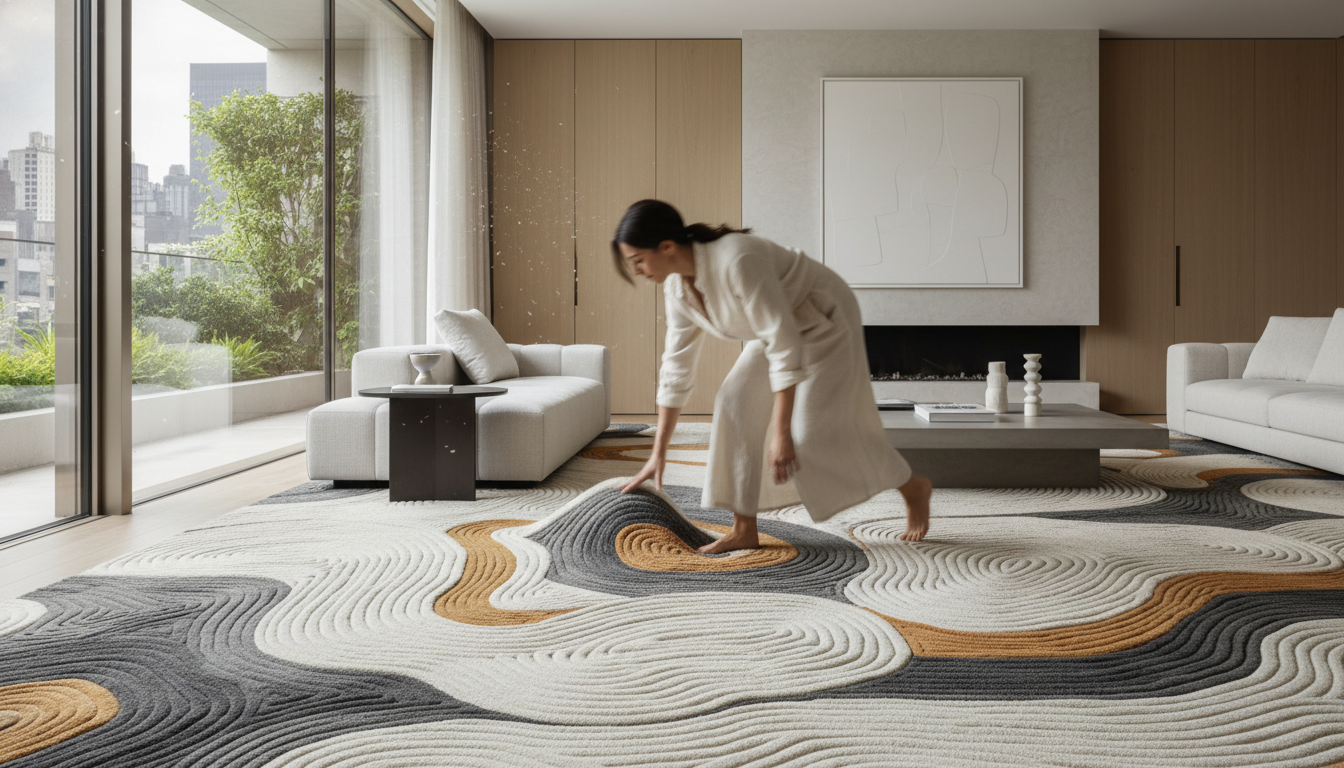
Beyond the Surface: Interior Design as Emotional Regulation
For decades, the rug was the quiet observer of the room—a functional foundation designed to dampen sound and anchor furniture. By 2026, this passive role is being discarded in favor of active sensory engagement.
We are entering an era where the floor acts as a cognitive catalyst. The rise of Neuroaesthetic Rugs 2026 marks a pivot toward “Dopamine-Boho,” a movement that marries the eclectic freedom of Bohemianism with the rigorous science of how our brains process visual and tactile stimuli.
In high-end residential design, the focus has shifted from “how a room looks” to “how a room feels to the nervous system.” This isn’t merely about comfort; it is about curated neurological triggers that facilitate transitions from high-stress work to deep, restorative rest.
The 2026 Aesthetic Profile: Fractals, Flora, and Felt
The 2026 iteration of the fiber-art rug is characterized by its unapologetic complexity. Unlike the sterile minimalism of the previous decade, these pieces utilize biophilic fractals—naturally occurring patterns that the human brain is evolutionarily hardwired to find soothing.
Key design elements defining this shift include:
- Topographical Weaving: High-low pile heights that mimic the uneven terrain of a forest floor, stimulating the mechanoreceptors in the feet.
- Chromatic Therapy: A move away from “sad beige” toward palettes of electric indigo, burnt saffron, and moss green, designed to stimulate dopamine production.
- Sustainable Artistry: A preference for raw, undyed wools and silk-blends that retain the “energy” of the natural world.
Forward-thinking collectors are increasingly looking toward artisanal hubs like thebohorugs.com to source pieces that function as both investment art and wellness tools, ensuring their living spaces are as cognitively stimulating as they are visually stunning.
The Rise of the “Sensory Grounding” Ritual
As digital fatigue reaches its zenith, the physical environment must compensate. Neuroaesthetic Rugs 2026 are being utilized by interior architects to create “grounding zones”—dedicated spaces where the texture of a rug serves as a tactile anchor for mindfulness practices.
- Tactile Intelligence: Using felted wool “pebbles” to provide micro-massages during transition periods of the day.
- Visual Rhythms: Incorporating rhythmic, hand-knotted patterns that encourage the eye to wander in a state of “soft fascination,” a known reducer of cortisol.
- Acoustic Softening: Leveraging dense, multi-layered fiber art to create “quiet luxury” in the literal sense, stripping away the jarring echoes of modern life.
The evolution is clear: the floor is no longer just a surface to walk upon. It is a sophisticated instrument of mental well-being, a canvas of fiber that dictates the emotional frequency of the home.
Defining Dopamine-Boho: Sensory Maximalism in 2026
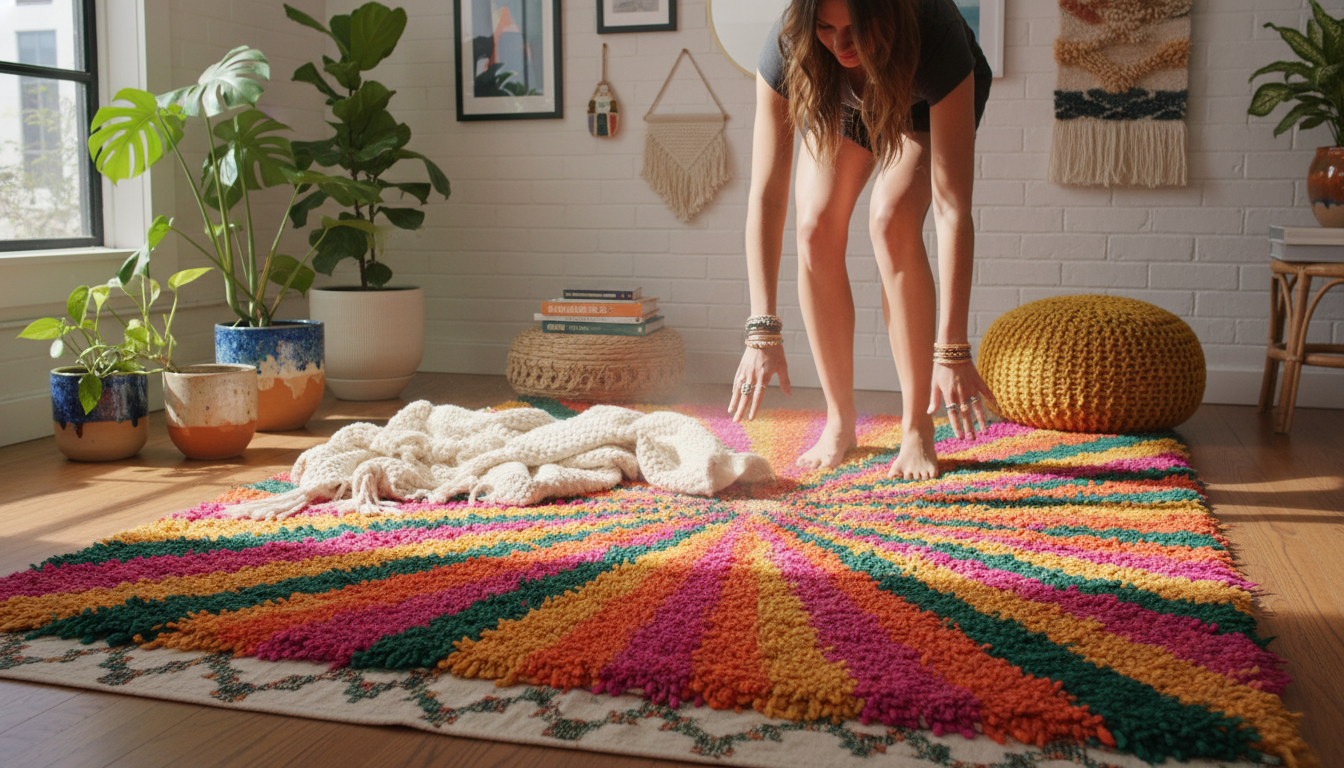
The Shift from Aesthetic to Affective Design
In 2026, the home ceases to be a static gallery and evolves into a sensory sanctuary. We are witnessing the death of “sad beige” minimalism, replaced by a sophisticated movement known as Dopamine-Boho.
Unlike the chaotic maximalism of previous decades, this 2026 iteration is grounded in neuroaesthetics—the scientific study of how design impacts our brain chemistry. Neuroaesthetic Rugs 2026 are at the forefront of this shift, acting as the foundation for environments that actively lower cortisol and stimulate serotonin.
This design language prioritizes “haptic joy,” where the tactile sensation of a fiber-art piece is as vital as its visual composition. It is a curated rebellion against the digital flatness of our lives, grounding us through organic textures and intentional color theory.
The Topography of Touch: 3D Fiber Art
Traditional flat-weaves are taking a backseat to topographical rugs that mimic the uneven terrain of the natural world. These pieces utilize varying pile heights and fiber densities to create a physical “landscape” underfoot.
The 2026 aesthetic is defined by several key tactile elements:
- Hyper-Textured Tufting: Using unspun roving and high-twist wool to create “cloud” zones within a single piece.
- Somatic Sculpting: Rugs designed with pressure-point relief in mind, utilizing high-density New Zealand wool to provide a massage-like response during barefoot transit.
- Irregular Silhouettes: A move away from rigid rectangles toward biomorphic shapes that mirror flowing water or cellular structures.
As collectors seek out pieces that offer more than just visual appeal, artisanal platforms like thebohorugs.com have become essential resources for sourcing hand-knotted works that balance these complex, high-piled textures with refined bohemian sensibilities.
Visual Synesthesia: The 2026 Color Language
Dopamine-Boho in 2026 isn’t about neon saturation; it is about “sophisticated vibrance.” Neuroaesthetic research suggests that specific fractal patterns and “glow” gradients can induce a state of relaxed alertness, or “soft fascination.”
The trend for Neuroaesthetic Rugs 2026 focuses on three specific palettes predicted to dominate the high-end market:
- The Earthen Neon Palette: Terracotta, deep ochre, and moss green punctuated by “electric” accents of cobalt or magenta.
- Chroma-Gradient Transitions: Rugs that use ombre techniques to mimic the shifting light of a “golden hour,” proven to regulate circadian rhythms.
- Bio-Digital Fractals: Patterns that replicate the self-repeating geometry found in ferns and Romanesco broccoli, which the brain processes with significantly less cognitive load.
Curating for Mental Longevity
The ultimate goal of Dopamine-Boho is to create a “living rug”—a piece of fiber art that evolves with the light and movement of the room. This is not fast fashion; it is an investment in emotional infrastructure.
By integrating Neuroaesthetic Rugs 2026 into the home, interior designers are no longer just filling space. They are engineering atmospheres that facilitate recovery. A rug is no longer a textile; it is a neurological tool used to ground the inhabitant in a world that feels increasingly untethered.
Whether it is the plush, artisanal depth of a Moroccan-inspired shag or the intricate storytelling of a hand-tufted mural, the focus remains on the marriage of craft and cognition. For those looking to anchor their spaces in this movement, the curated collections at thebohorugs.com provide the necessary bridge between avant-garde fiber art and functional mental well-being.
Chromotherapy Underfoot: Palette Shifts for Emotional Regulation
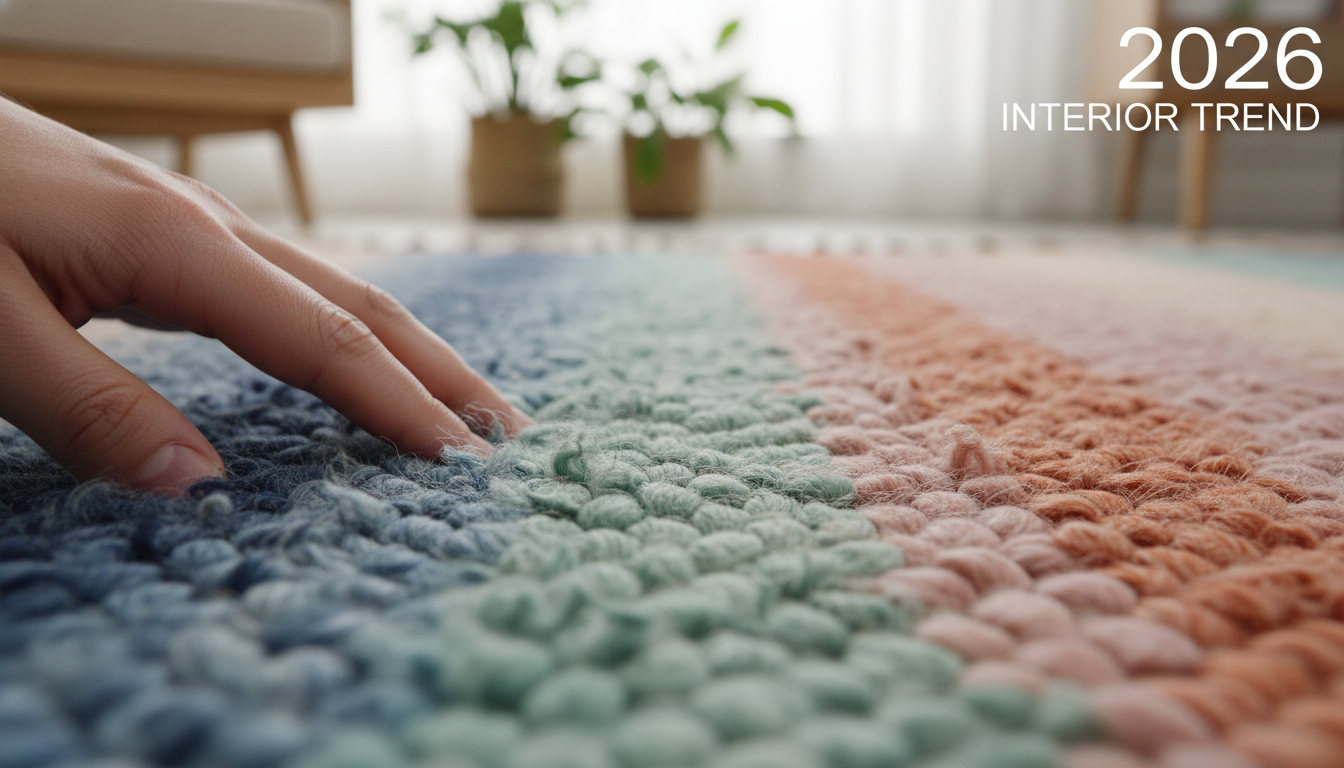
The New Spectrum: Beyond Visual Satisfaction
As we approach the 2026 design cycle, the industry is pivoting from purely aesthetic “lifestyle” choices toward what neurologists call biophilic sensory integration. The floor is no longer just a surface; it is a cognitive foundation designed to mitigate the stressors of an increasingly digital world.
The rise of Neuroaesthetic Rugs 2026 marks a departure from the “Sad Beige” era, ushering in a sophisticated “Dopamine-Boho” movement. This shift prioritizes high-saturation pigments and rhythmic patterns that communicate directly with the limbic system to induce calm or invigorate the spirit.
In this new landscape, color is utilized as a tool for emotional regulation. We are seeing a move toward palettes that mimic the “Blue Hour” or the “Golden Hour,” utilizing light-refractive fibers to simulate the biological benefits of natural sunlight within the home.
The 2026 Palette: Bio-Reflective Pigments
The upcoming season’s fiber arts focus on specific wavelengths of color known to influence cortisol levels. Designers are moving away from flat, synthetic dyes in favor of nuanced, multi-tonal weaves that provide “visual rest” for the eyes.
- Oxidized Ochre and Terracotta: Grounding earth tones that provide a sense of stability and historical permanence.
- Digital Lavender and Cobalt: High-frequency cool tones designed to lower heart rates in home office environments.
- Hyper-Chroma Citrine: Strategically placed accents within Neuroaesthetic Rugs 2026 to stimulate cognitive focus and creative output.
Curating these palettes requires an understanding of how light interacts with natural wool and silk. Artisans at thebohorugs.com have begun integrating these bio-reflective properties into their latest collections, ensuring that each piece functions as both a focal point and a therapeutic tool.
Haptic Feedback and Neural Grounding
Chromotherapy is most effective when paired with tactile variety. The 2026 trend emphasizes “topographical weaving,” where varying pile heights create a physical landscape underfoot. This encourages mindful movement—a practice known as sensory grounding.
- Variable Pile Heights: Mimicking the uneven terrain of the natural world to stimulate proprioception.
- Material Fusion: Combining matte wool with high-sheen botanic silk to create a “shimmer effect” that captures the eye’s attention without overstimulating the brain.
- Fractal Patterns: Utilizing mathematically inspired bohemian designs that the human brain is evolutionarily wired to find soothing.
By investing in Neuroaesthetic Rugs 2026, homeowners are doing more than updating their decor; they are installing a sophisticated system for mental hygiene. These rugs act as a soft interface between the chaos of the outside world and the sanctuary of the domestic interior.
The future of fiber art lies in this intersection of beauty and biology. As we move further into the decade, the most coveted pieces will be those that prioritize the occupant’s neurological health as much as their stylistic sensibilities.
Textural Topography: The Neuroscience of Haptic Feedback
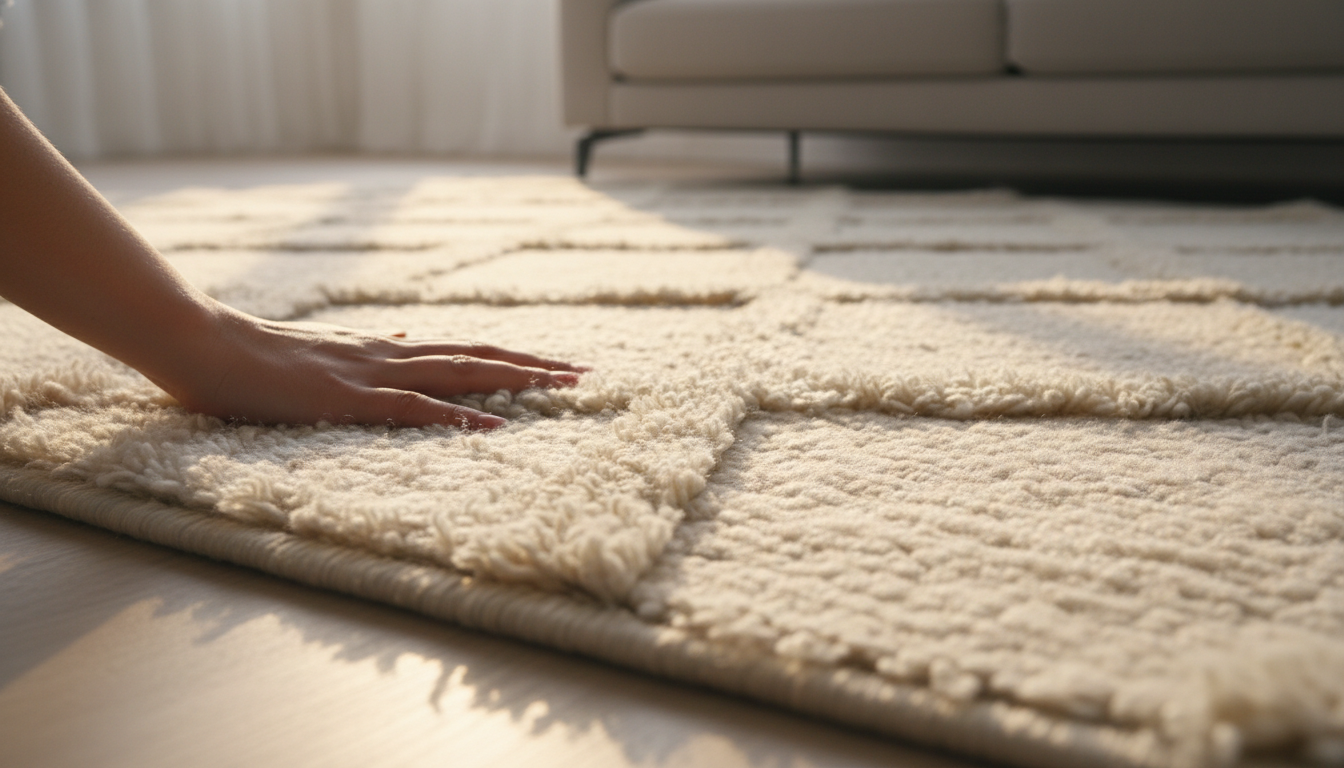
The Somatosensory Connection: Beyond the Visual
By 2026, the definition of luxury in home design will shift from how a space looks to how it “feels” to the nervous system. The science of haptics—our sense of touch—reveals that the soles of our feet are among the most densely packed sensory zones in the human body.
When we interact with varied pile heights and natural fibers, we trigger the somatosensory cortex. This process releases oxytocin and reduces cortisol, effectively turning a living room floor into a tool for emotional regulation and grounding.
The emergence of Neuroaesthetic Rugs 2026 marks a departure from the flat-weave dominance of the past decade. We are seeing a move toward “sensory-first” textiles that prioritize biological feedback over mere aesthetic symmetry.
2026 Design Forecast: Sculpted Landscapes and Biomimicry
The 2026 aesthetic is defined by “Textural Topography.” This trend utilizes irregular shearing techniques and hand-knotted elevations to mimic the uneven, healing surfaces of the natural world, such as mossy forest floors or weathered riverbeds.
- Hyper-Varied Pile Heights: Rugs featuring 10mm to 30mm transitions that challenge and engage the foot’s arch.
- Material Juxtaposition: The intentional pairing of coarse organic wool with lustrous botanical silk to create “sensory friction.”
- Biomimetic Mapping: Patterns designed to stimulate the brain’s recognition of fractal shapes found in nature.
Artisanal collections, such as those curated by thebohorugs.com, are already leading this shift. By focusing on high-quality natural fibers, these pieces provide the authentic haptic feedback that synthetic alternatives simply cannot replicate.
The Dopamine-Boho Evolution
While the “Dopamine Decor” of previous years focused on chaotic color, the 2026 “Dopamine-Boho” movement is more sophisticated. It pairs vibrant, mood-boosting hues with sophisticated textures to create a multi-sensory “micro-environment.”
- Cognitive Refresh: Stepping onto a textured surface after a day of “flat” digital screens provides an immediate neurological reset.
- Intentional Zoning: Using distinct haptic zones to separate high-energy social areas from low-energy meditation nooks.
- Ancestral Comfort: Utilizing hand-spun fibers that reconnect the modern dweller with ancient, tactile traditions.
Integrating Neuroaesthetic Rugs 2026 into a floor plan is no longer about matching a color palette. It is about engineering a space that actively supports the mental well-being of its inhabitants through the silent, powerful language of touch.
Biophilic Geometry: Nature-Inspired Patterns and Stress Reduction
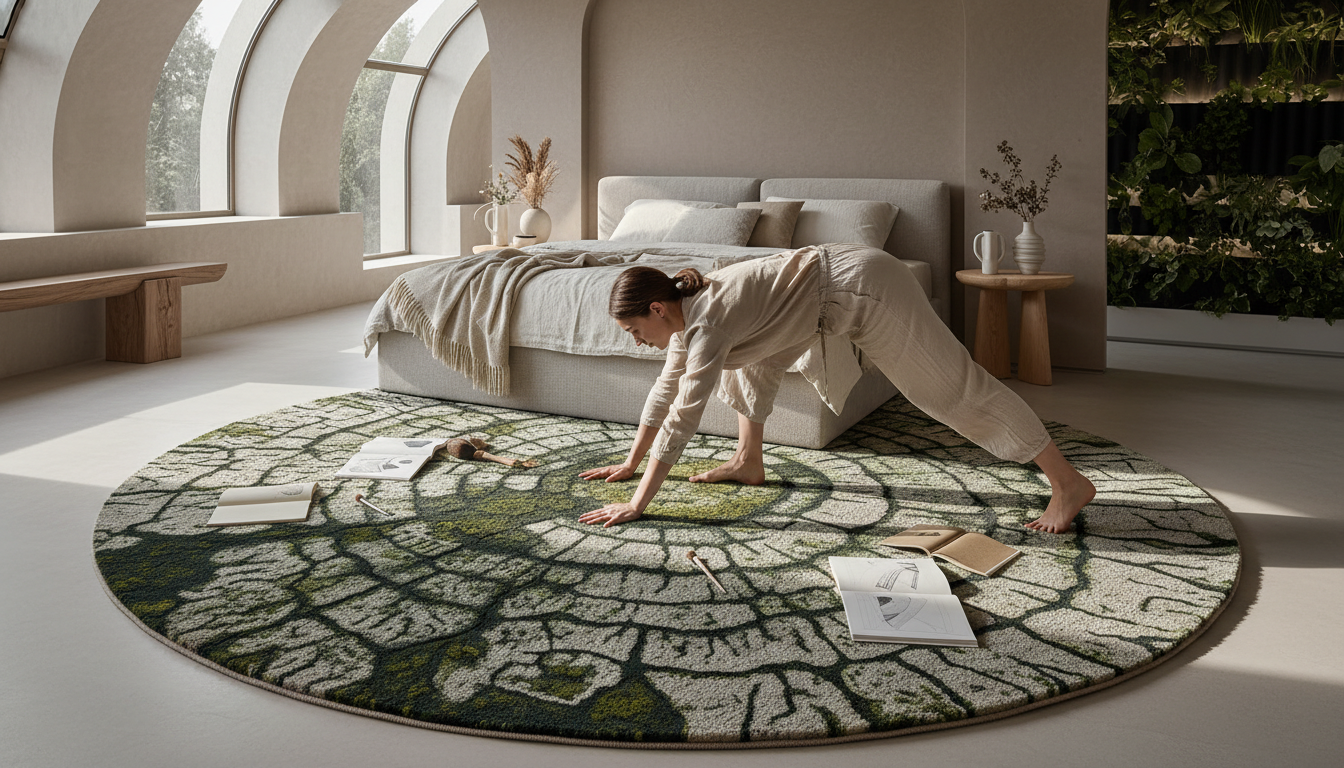
The Fractal Shift: Why Geometry Mimics Serenity
In the evolving landscape of interior design, 2026 marks the year we stop decorating merely for the eye and start designing for the central nervous system. The emergence of Neuroaesthetic Rugs 2026 reflects a sophisticated transition from static floor coverings to cognitive tools that actively lower cortisol levels through visual rhythm.
At the heart of this movement is “fractal fluency”—the brain’s innate ability to process specific geometric repetitions found in nature with effortless ease. When a rug mimics the organized chaos of a forest canopy or the crystalline structures of salt flats, it triggers a parasympathetic response, offering a tactile sanctuary in an increasingly digital world.
The 2026 Palette: From Earth-Tones to “Dopamine-Boho”
The upcoming season moves beyond the muted minimalism of the past decade. We are seeing a surge in what critics call “Dopamine-Boho,” a trend that marries high-contrast, nature-inspired geometries with a vibrant, mood-lifting color theory. This isn’t just about brightness; it is about the strategic use of saturation to stimulate neural pathways associated with joy and safety.
- Topographic Tufting: Rugs that utilize varying pile heights to mimic the physical contours of mountain ranges or riverbeds, encouraging sensory grounding.
- Mycelium-Inspired Filaments: Patterns that replicate the underground networks of fungi, symbolizing connectivity and organic resilience.
- Chromatic Gradients: Soft transitions from deep moss greens to sunrise ochres, designed to align with the body’s natural circadian rhythms.
Curating High-Frequency Spaces
Integrating these pieces requires an understanding of spatial resonance. A high-value fiber art piece acts as the “visual anchor” of a room, dictating the emotional frequency of the inhabitants. By prioritizing artisanal craftsmanship over mass production, homeowners can ensure their environment feels curated rather than consumed.
For those looking to lead this shift, sourcing is paramount. Collections found at thebohorugs.com exemplify this marriage of ancient weaving techniques and modern neurological insights. These rugs don’t just fill a space; they define the mental atmosphere of a home.
Strategic Implementation for Well-being
- Focus Zones: Use sharper, rhythmic geometric patterns in home offices to promote “alpha-state” deep work and mental clarity.
- Restorative Nooks: Deploy softer, asymmetrical biophilic shapes in bedrooms to signal the brain that it is time to decompress.
- Tactile Contrast: Combine high-pile wool with flat-weave silk to create a sensory landscape that encourages “barefoot grounding.”
As we look toward the mid-decade, the role of Neuroaesthetic Rugs 2026 will be defined by their ability to bridge the gap between high-end editorial aesthetics and functional mental health. The floor is no longer a passive surface; it is a canvas for biological harmony.
Sustainable Serotonin: Ethical Materials and Mental Clarity
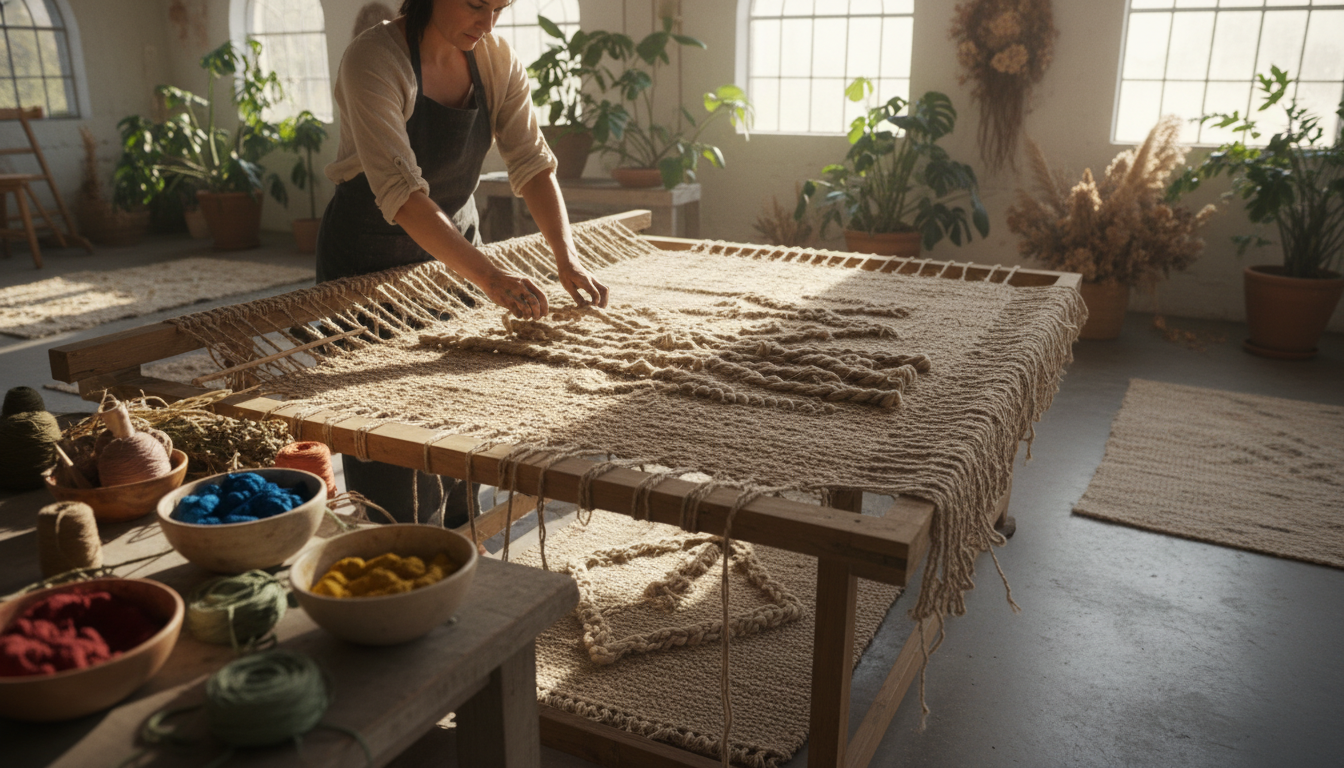
The Somatosensory Connection: Why Texture Governs Mood
By 2026, the interior design world will move past visual minimalism toward a visceral engagement with the home. This evolution is driven by the somatosensory cortex—the part of the brain that processes touch. Neuroaesthetic Rugs 2026 are no longer just floor coverings; they are intentional tools for sensory grounding.
High-relief textures, such as exaggerated loop piles and “architectural” tufting, create a tactile feedback loop that signals safety to the nervous system. When the bare foot engages with irregular, natural surfaces, it triggers a subtle release of oxytocin, effectively lowering resting cortisol levels after a day of digital overstimulation.
Materiality as Medicine: The 2026 Fiber Forecast
The quest for mental clarity is intrinsically linked to the purity of the materials we inhabit. In 2026, we see a definitive shift away from synthetic polymers toward regenerative organic fibers that breathe and age with the home. These materials provide a “clean” olfactory environment, essential for cognitive focus and respiratory health.
The industry is observing a surge in three specific materials that define the premium Neuroaesthetic Rugs 2026 movement:
- Regenerative Highland Wool: Rich in lanolin and naturally flame-retardant, offering a weight and density that provides “grounding” weight to a room’s energy.
- Organic Himalayan Hemp: Valued for its high-friction surface, which provides a micro-massage to the soles of the feet, stimulating nerve endings.
- Botanical Silk: Derived from eucalyptus or bamboo, these fibers offer a cooling effect that aids in thermal regulation and sleep hygiene when used in bedroom spaces.
The Synergy of Ethical Craft and Serotonin
There is a documented psychological “glow” associated with ethical consumption. Knowing that a fiber-art piece was created under fair-trade conditions adds a layer of moral satisfaction that enhances the user’s relationship with their space. This “ethical serotonin” is a cornerstone of the 2026 Dopamine-Boho aesthetic.
Designers are increasingly sourcing from artisanal hubs like thebohorugs.com, where the preservation of traditional weaving techniques ensures each piece possesses “soul”—a non-quantifiable but deeply felt quality that mass-produced items lack. This connection to human heritage provides a sense of continuity and calm in an increasingly automated world.
Curating for Cognitive Longevity
Looking ahead, the integration of biophilic colors—deep forest ochres, terracotta, and soft sage—into these high-texture rugs will be paramount. The 2026 palette is designed to mimic the “fractal fluency” found in nature, which the brain processes with significantly less effort than geometric, high-contrast patterns.
To implement this trend effectively, consider the following spatial strategies:
- Zonal Texturing: Use high-pile “cloud” rugs in areas of rest to signal the brain to enter a parasympathetic state.
- Color Drenching: Match the rug’s primary organic hue to the wall treatment to create a “cocooning” effect that reduces peripheral visual noise.
- Fiber Layering: Combine a flat-weave jute base with a plush, neuro-targeted center to create a sensory journey across the room.
Curation Strategies: Integrating Fiber-Art in Modern High-End Interiors
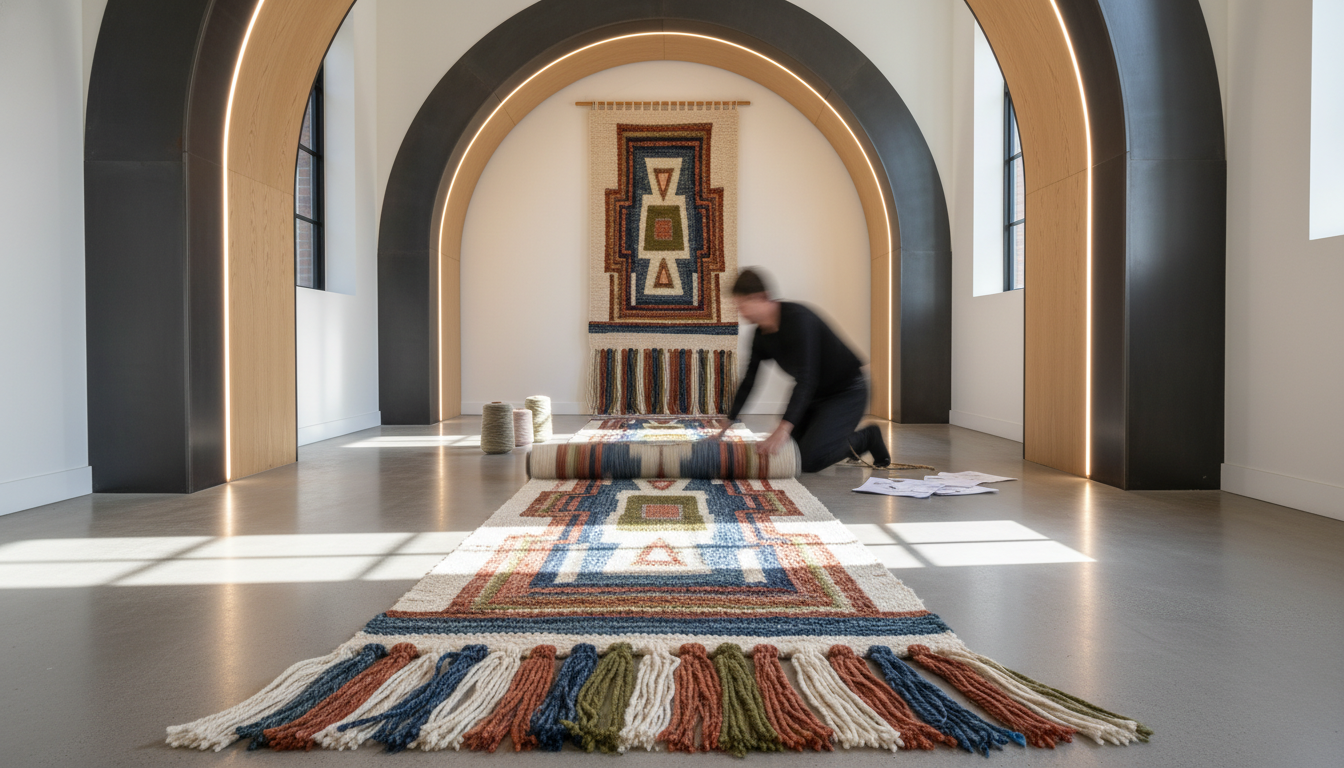
The Rise of Sensory Architecture
By 2026, the luxury residential market will pivot from purely visual aesthetics toward “sensory architecture.” This shift acknowledges that a room’s success is measured by how it makes the inhabitant feel, rather than how it looks on a screen. Neuroaesthetic Rugs 2026 represent the vanguard of this movement, acting as grounded focal points that regulate the nervous system through tactile feedback and chromotherapeutic color palettes.
Integrating these pieces requires a curatorial eye that balances high-end minimalism with the soulful energy of “Dopamine-Boho.” The goal is to create a space that feels both curated and viscerally comforting, avoiding the coldness of traditional ultra-modernism.
The New Tactile Topography
Modern interiors are embracing variable pile heights to create what designers call “tactile topography.” In 2026, fiber-art is no longer flat; it is a three-dimensional landscape underfoot. This physical depth encourages mindfulness by forcing a subtle awareness of movement across a space.
When sourcing for high-end projects, look for specific fiber-art characteristics that define this era:
- Sculptural Tufting: Look for rugs that utilize hand-carved wool to create organic, flowing ridges that mimic natural geological formations.
- Mixed-Media Weaving: The integration of silk, sustainable jute, and high-twist wool provides a complex haptic experience.
- Irregular Silhouettes: Moving away from rigid rectangles toward biophilic, amorphous shapes that soften the hard angles of contemporary architecture.
For designers seeking to anchor a room with these specific artisanal qualities, sourcing from specialists like thebohorugs.com ensures that the rugs maintain the integrity of traditional craftsmanship while meeting the bold aesthetic demands of 2026.
Palettes for Emotional Resilience
The “Dopamine-Boho” trend of 2026 is a sophisticated evolution of maximalism. It moves beyond chaotic color toward “intentional vibrance.” Curating Neuroaesthetic Rugs 2026 involves selecting palettes that trigger specific cognitive responses. We are seeing a move toward “Healing Earth” tones—saturated terracottas, deep lapis lazuli, and moss greens that feel grounded yet luxurious.
To integrate these vibrant fiber-arts into a high-end interior, follow these professional curation strategies:
- The 70-20-10 Rule: Keep 70% of the room in neutral, architectural tones, 20% in tonal textures, and let the neuroaesthetic rug provide the final 10% of high-impact, mood-boosting color.
- Zone Definition: Use fiber-art as a psychological boundary. A plush, high-pile rug in a deep ochre can instantly designate a “low-tech” sanctuary within an open-concept penthouse.
- Material Contrast: Pair the organic warmth of a hand-knotted rug with “cold” materials like brushed steel, fluted marble, or smoked glass to create a sophisticated tension.
The Future of Bespoke Comfort
The 2026 shift is ultimately about the democratization of well-being within high-end design. A rug is no longer a peripheral accessory; it is the emotional foundation of the home. As we move toward more personalized interiors, the demand for unique, artisanal fiber-art continues to grow, prioritizing the human touch over mass-produced perfection.
By prioritizing the visceral connection between the inhabitant and their environment, designers can utilize thebohorugs.com to find pieces that serve as functional art—elevating the mental well-being of the home through the sophisticated lens of neuroaesthetic design.
The Future Horizon: Bio-responsive Fibers and Sensory Environments
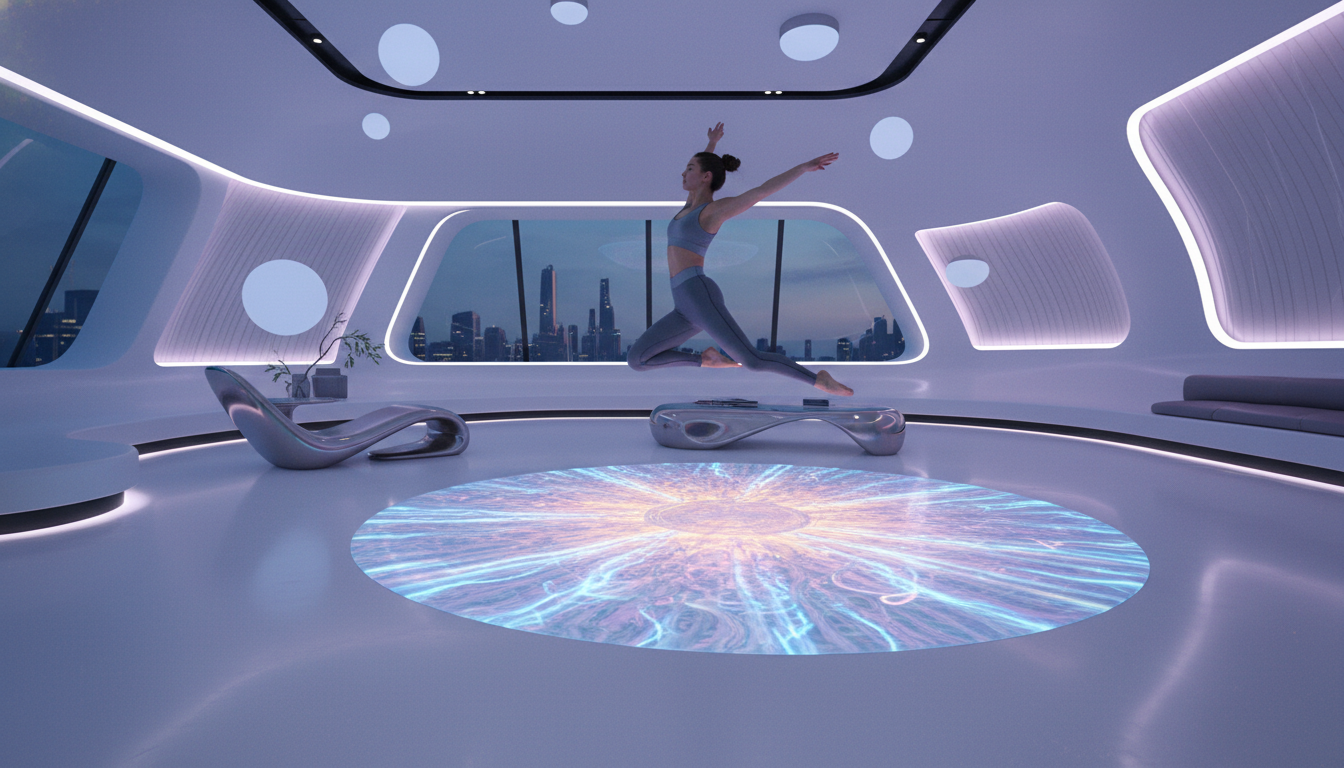
The Haptic Revolution: Textiles as Somatic Therapy
As we pivot toward 2026, the interior design landscape is moving beyond mere visual appeal to embrace the “tactile budget” of the human brain. The emergence of Neuroaesthetic Rugs 2026 marks a sophisticated evolution where floor coverings are engineered to regulate the nervous system.
By utilizing varying pile heights—ranging from shorn wool to exaggerated loop piles—these pieces stimulate the mechanoreceptors in the feet. This somatic feedback loop reduces cortisol levels, transforming a standard living room into a high-functioning recovery zone for the modern professional.
Artisans at thebohorugs.com are already pioneering this shift, focusing on high-contrast textures that provide the proprioceptive input necessary for deep relaxation and mental clarity.
Bio-responsive Fibers and the New Materiality
The 2026 horizon introduces “responsive materiality,” where fiber art meets biological necessity. We are seeing a move away from synthetic uniformity toward materials that mimic the irregular, fractal patterns found in nature. Key innovations include:
- Photo-luminescent Wool Blends: Fibers that subtly absorb daytime light to emit a soft, circadian-friendly glow in the evening.
- Fractal Topography: Rugs designed with non-repeating geometric patterns that the brain processes with less “computational” effort, leading to instant calm.
- Hygroscopic Flax Weaves: Natural fibers that interact with room humidity to maintain a perfect sensory micro-climate.
These Neuroaesthetic Rugs 2026 are not merely decorative; they are cognitive tools. They bridge the gap between the eclectic freedom of Bohemian style and the rigorous science of environmental psychology.
Designing for the Dopamine-Boho Aesthetic
The transition into “Dopamine-Boho” represents a disciplined form of maximalism. It’s no longer about clutter, but about the strategic use of saturated color and organic silhouette to trigger neurotransmitter release. This aesthetic relies on three pillars of sensory curation:
- Chromatic Saturation: Using deep ochres, terracottas, and botanical greens to evoke a sense of evolutionary safety and abundance.
- Irregular Silhouettes: Moving away from rigid rectangles toward “puddle” shapes and amorphous edges that soften the architectural “hard lines” of urban living.
- Artisanal Authenticity: Incorporating pieces from collections like those found at thebohorugs.com, where the hand-knotted imperfections serve as a visual reminder of human connection and heritage.
In this new era, Neuroaesthetic Rugs 2026 act as the foundation for “Sensory Sanctums”—dedicated spaces within the home designed specifically for digital detoxification and emotional recalibration. The floor is no longer the bottom of the room; it is the beginning of the experience.
Elevate Your Space
Discover the artistry of handmade luxury. Each rug is a masterpiece of tradition and modern design.
Expert Q&A
What exactly are Neuroaesthetic Rugs 2026?
They are rugs designed specifically to influence brain activity and mood through tactile, visual, and spatial stimuli based on neuroscientific principles.
How does Dopamine-Boho differ from traditional Bohemian style?
Dopamine-Boho focuses more on intentional color splashes and high-energy patterns that trigger dopamine release, rather than just the eclectic layering of the past.
Can a rug really improve mental well-being?
Yes, research in neuroaesthetics suggests that specific textures and patterns can lower cortisol levels and promote sensory grounding.
What are the key materials for 2026 fiber art rugs?
Natural, high-tactility fibers like undyed wool, recycled silk, hemp, and high-quality jute are leading the trend.
How do I identify a neuroaesthetic pattern?
Look for fractal patterns, organic curves, and non-repetitive geometries that mimic the complexity found in nature.
Is the Neuroaesthetic trend only for colorful homes?
Not at all; while Dopamine-Boho is vibrant, neuroaesthetics also includes ‘Calm-core’ palettes of neutrals that promote relaxation.
What role does ‘Art for the Floor’ play in modern design?
It elevates the rug from a functional accessory to a central focal point of the room’s artistic and emotional narrative.
How does texture impact the brain?
Variable textures provide haptic feedback which helps in grounding the individual and reducing anxiety through the sense of touch.
Are these rugs suitable for high-traffic areas?
Many 2026 designs utilize durable natural fibers like wool and sisal, making them both beautiful and resilient for daily use.
What colors define the 2026 palette?
Expect ‘Restorative Teal,’ ‘Sunset Ochre,’ and ‘Earthen Clay’ alongside the vibrant pops characteristic of Dopamine-Boho.
How do I style a large fiber-art rug?
Treat it as the anchor of the room; keep furniture legs minimal to let the rug’s ‘topography’ shine.
What is ‘Textural Topography’ in rug design?
It refers to rugs with varying pile heights and weaving techniques that create a 3D, landscape-like surface.
Are Neuroaesthetic rugs eco-friendly?
The 2026 movement heavily emphasizes ethical sourcing and biodegradable materials as part of a holistic wellness approach.
Can I hang these rugs on the wall?
Absolutely; many neuroaesthetic rugs are designed as fiber art that is equally effective as a tactile wall hanging.
What is the ‘Dopamine’ element in Dopamine-Boho?
It refers to the use of ‘happy’ colors and playful patterns that are scientifically proven to stimulate the brain’s reward system.
How do fractals in rugs help with stress?
Human brains are hardwired to find fractal patterns—common in nature—soothing and easy to process, which reduces mental fatigue.
Are these rugs handmade?
The most prestigious pieces in the 2026 trend are artisan-crafted, emphasizing the ‘slow design’ movement.
What is the difference between neuroaesthetics and biophilic design?
Biophilic design focuses on our connection to nature; neuroaesthetics is a broader field studying how all aesthetic experiences affect the brain.
How do I clean a high-texture fiber-art rug?
Professional cleaning is recommended for high-end pieces, but regular gentle vacuuming with a brushless attachment preserves the fibers.
What is ‘Sensory Maximalism’?
It is a design approach that uses a variety of textures, colors, and shapes to provide a rich sensory experience without feeling cluttered.
Will the Neuroaesthetic trend last?
Unlike fleeting fads, this trend is backed by cognitive science and the growing focus on mental health in architecture, suggesting long-term relevance.
How can I incorporate this trend on a budget?
Look for smaller accent rugs or runners that feature high-contrast textures or bold, nature-inspired colors.
What rug shapes are trending for 2026?
Irregular, organic, and ‘puddle’ shapes are replacing the traditional perfect rectangle to create a more natural flow.
Do these rugs work in minimalist interiors?
Yes, a single, high-texture neuroaesthetic rug can provide the necessary warmth and visual interest in a minimalist ‘Warm-Modern’ space.
What is ‘Haptic Feedback’ in the context of flooring?
It is the sensory information we receive through our feet and hands when interacting with the rug’s surface.
How does lighting affect neuroaesthetic rugs?
Directional lighting is crucial to highlight the ‘topography’ and shadows of fiber art, enhancing the 3D effect.
Can neuroaesthetic rugs improve sleep?
When used in the bedroom, rugs with low-saturation colors and soft, plush textures can help signal the brain to enter a state of relaxation.
What is the 2026 ‘Boho’ evolution?
The 2026 evolution is more sophisticated, moving away from ‘shabby chic’ toward ‘art-gallery boho’ with a focus on high-quality craft.
Are synthetic fibers used in these rugs?
While some high-performance blends exist, the trend strongly favors natural fibers for their superior tactile and eco-friendly qualities.
Where can I find ‘Art for the Floor’ pieces?
Specialized boutiques like TheBohoRugs and independent fiber artists are the primary sources for these trend-leading designs.
Written by TheBohoRugs Interior Design Team
Experts in handmade rugs, boho interiors, and modern home decor.
