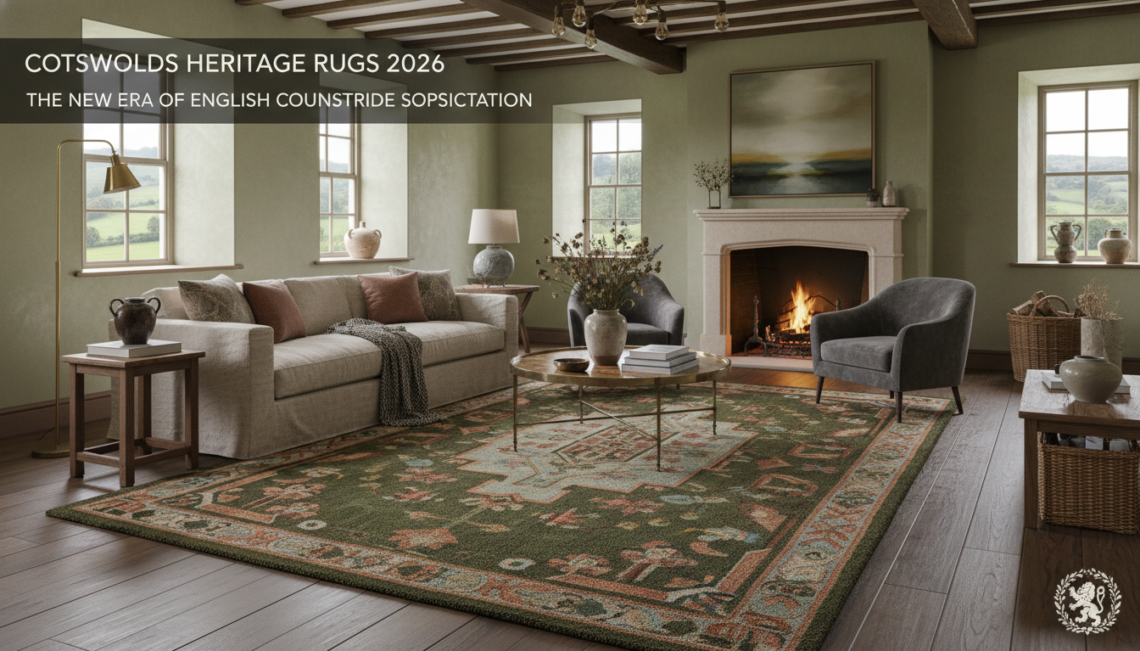
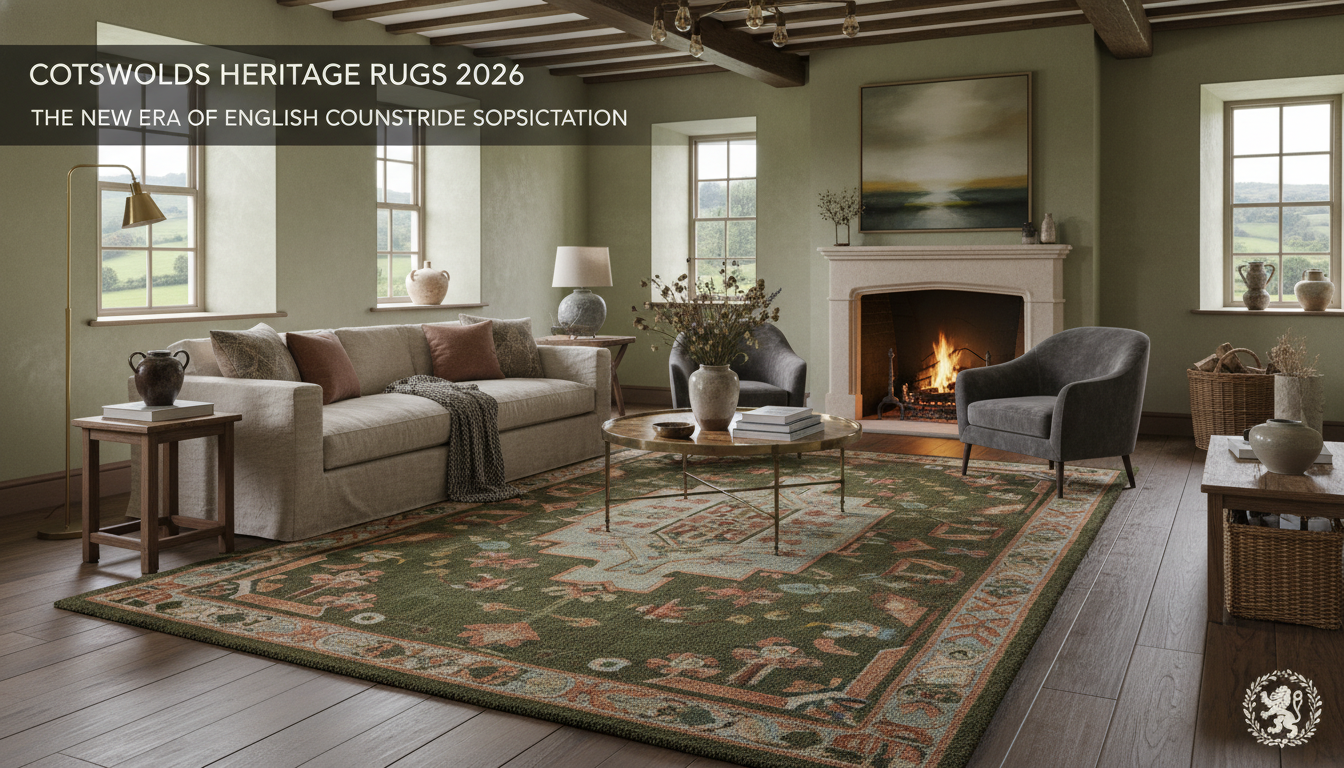
As we approach 2026, the interior design landscape is witnessing a profound departure from the sterile minimalism of the previous decade. In its place, a ‘New Heritage’ movement has emerged, led by the quiet luxury of the English countryside. Cotswolds-inspired heritage rugs 2026 are not merely floor coverings; they are historical narratives woven into the fabric of modern living. This trend report explores how the rugged beauty of the Gloucestershire hills and the artisanal integrity of traditional weaving are converging to redefine the ‘Boho’ aesthetic for a more discerning, longevity-focused audience.
“Cotswolds-inspired heritage rugs 2026 represent a design shift toward ‘New Heritage’ aesthetics, combining the warmth of English rural life with bohemian textile traditions. These rugs are characterized by undyed wools, muted botanical palettes of moss and lichen, and motifs inspired by 19th-century arts-and-crafts movements. They serve as the foundation for the ‘English Countryside Boho’ style, emphasizing sustainability, hand-knotted quality, and a rejection of fast-furniture culture.”
The Roadmap
Table of Contents
- The Evolution of Rural Aesthetics: Why 2026 Belongs to the Cotswolds
- Materiality and Craft: The Return to English Wool and Natural Dyes
- Color Palettes: Moss, Ochre, and the Misty Mornings of Gloucestershire
- The Intersection of Boho and Heritage: A New Design Dialectic
- Room-by-Room Guide: Grounding Your Space with Heritage Foundations
- The Longevity Investment: Why Heritage Rugs are the Antidote to Trend Fatigue
- Styling with Antiques: Layering Modern Boho with Cotswolds Texture
- The Future of Sustainability: Regenerative Sourcing in 2026 Rug Trends
The Evolution of Rural Aesthetics: Why 2026 Belongs to the Cotswolds
Beyond the Cottagecore Cliché: The New Ruralism
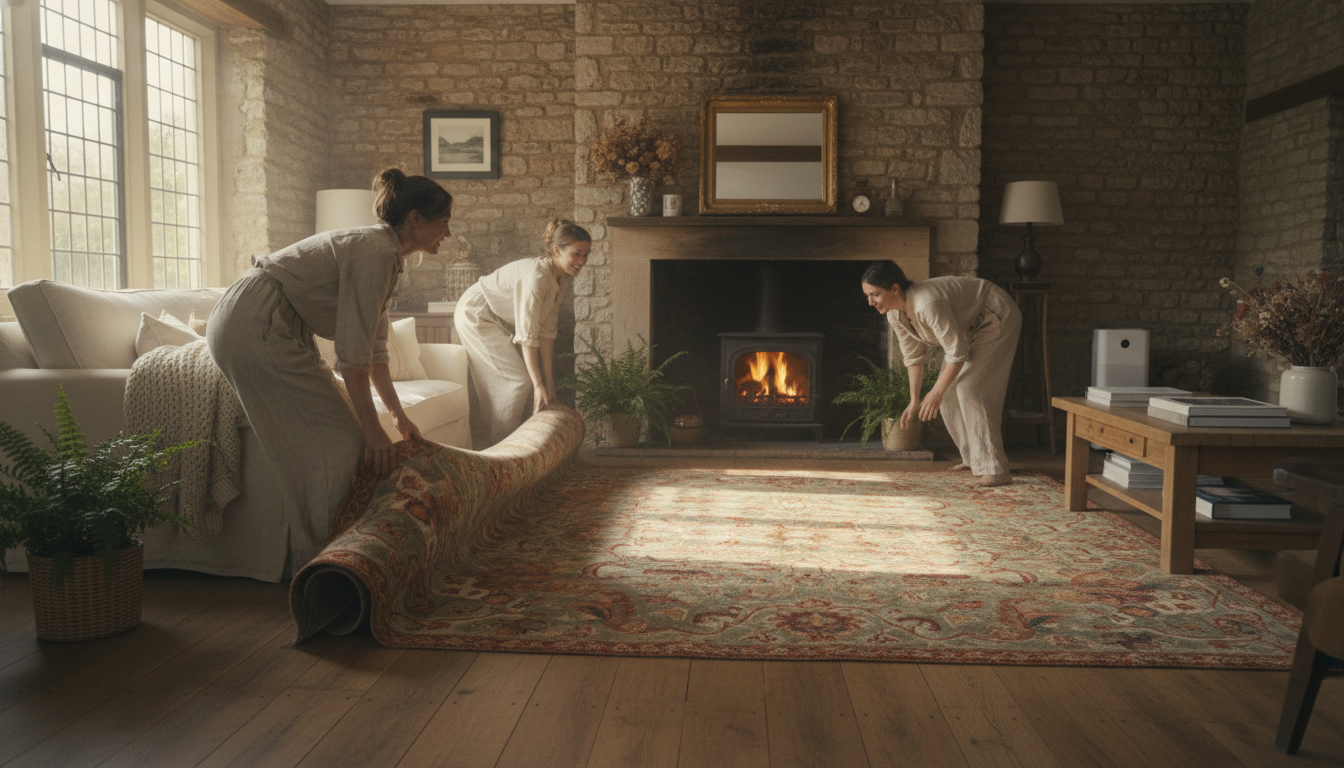
The design world is witnessing a definitive pivot. While the “cottagecore” movement of the early 2020s leaned into a whimsical, almost theatrical interpretation of rural life, 2026 demands something more grounded. It is a shift from the performative to the permanent.
Designers are trading frantic maximalism for “Cotswolds-Chic”—an aesthetic that borrows from the weathered limestone manors of Gloucestershire. This look is defined by a curated tension between high-end architectural lines and the raw, untamed textures of the English countryside.
At the center of this movement are Cotswolds-inspired heritage rugs 2026, which serve as the “visual anchor” for rooms that value history over trends. These pieces aren’t just floor coverings; they are heirlooms designed to absorb the light of a room and soften the edges of modern life.
The Palette of the Shire: Moss, Stone, and Ochre
The color theory for the upcoming season moves away from sterile grays and into a “muddy” sophisticated spectrum. We are seeing a resurgence of vegetal dyes that mimic the natural landscape of the United Kingdom’s AONB (Areas of Outstanding Natural Beauty).
- Oxidized Copper & Moss: Deep, desaturated greens that bring the outdoor garden inside.
- Honeyed Limestone: Warm, sandy neutrals that reflect the iconic Cotswold stone.
- Worn Terracotta: A nod to traditional potting sheds, providing a grounded warmth to minimalist spaces.
This tonal shift is particularly evident in the curated collections at thebohorugs.com, where artisanal craftsmanship meets this specific, weathered color palette, allowing homeowners to achieve an aged patina without the decade-long wait.
The Materiality of 2026: Why Heritage Matters
In 2026, luxury is measured by provenance. Discerning collectors are looking for “slow-made” textiles that prioritize high-altitude wool and hand-knotted precision. The appeal of Cotswolds-inspired heritage rugs 2026 lies in their intentional imperfections—asymmetrical motifs and abrash color variations that suggest a story.
These rugs provide a tactile counterpoint to the digital saturation of our daily lives. Industry experts predict three key structural trends for the coming year:
- The Low-Pile Revival: Moving away from shag toward dense, low-pile wool that showcases intricate, faded Persian patterns.
- The “Lived-In” Border: Rugs featuring intentionally distressed or frayed edges to mimic centuries of foot traffic.
- Organic Blending: Utilizing undyed wool to celebrate the natural variation of the sheep’s fleece.
Curating the “English Boho” Layout
To master this look, the placement is as critical as the piece itself. The 2026 interior rejects the “showroom” look in favor of layered, soulful compositions. High-end designers are increasingly layering thin, antique-wash heritage rugs over larger, natural jute or sisal bases.
This layering technique creates a sense of “inherited luxury”—as if the home has been furnished over generations rather than a single weekend. By integrating Cotswolds-inspired heritage rugs 2026 into a modern setting, you bridge the gap between historic English elegance and the effortless cool of contemporary bohemian design.
As we move deeper into the decade, the home becomes a sanctuary of substance. Finding a rug that embodies this spirit—such as the hand-selected pieces found at thebohorugs.com—is the first step in building a space that feels both timelessly noble and radically current.
Materiality and Craft: The Return to English Wool and Natural Dyes
The Sovereign Status of British Wool
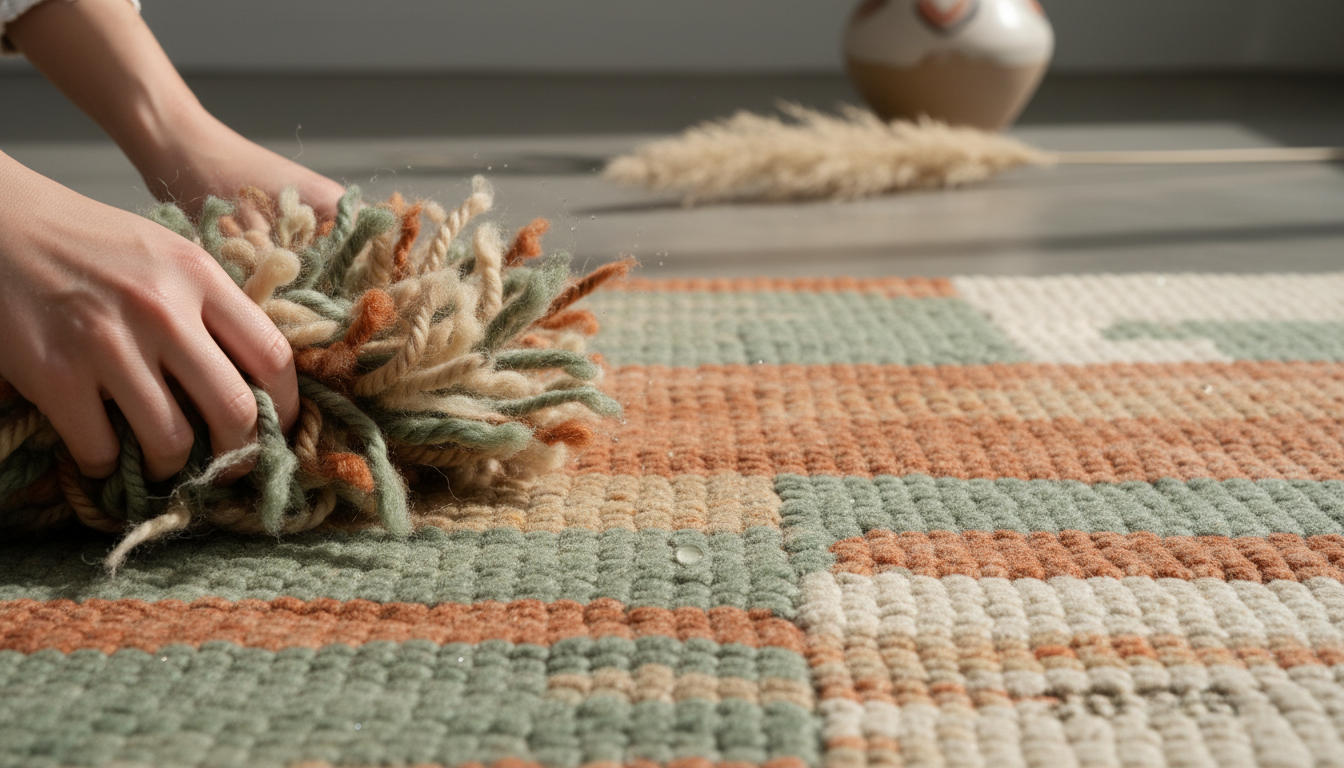
In the high-end interiors market of 2026, luxury is no longer defined by the flash of silk or the uniformity of synthetic blends. Instead, the focus has pivoted toward the tactile honesty of raw, undyed British wool. Designers are favoring the robust, lanolin-rich fibers of the Cotswold Lion and Herdwick breeds for their inherent resilience and “crunchy” texture.
As we look toward the interior landscapes of 2026, the movement is defined by a rigorous return to source, specifically through the medium of Cotswolds-inspired heritage rugs 2026 collections. These pieces prioritize a low-shear finish, allowing the natural variation of the fleece to create a visual depth that machine-made alternatives simply cannot replicate.
The allure lies in the material’s “living” quality. High-quality English wool contains a natural elasticity and stain resistance that ensures these rugs don’t just occupy a room—they age with it, developing a sophisticated patina over decades of use.
The Alchemical Shift: Botanical Pigments as the New Luxury
The 2026 palette moves away from the sterile perfection of chemical dyes, embracing the “perfectly imperfect” hues derived from ancient botanical sources. This sophisticated shift toward English Countryside Boho relies on a specific earthy spectrum that mimics the rolling hills of Gloucestershire.
- Madder Root: Creating a “Sun-Drenched Terracotta” that feels grounded and historic.
- Weld and Dyer’s Broom: Producing soft, buttery yellows that catch the morning light in a conservatory or drawing room.
- Oak Gall and Iron: Achieving the “Stormy Cotswold Grey” that serves as the perfect neutral anchor for maximalist furniture.
- Indigo over Weld: Resulting in the deep “Lincoln Green” that defines the heritage aesthetic.
These natural pigments are reactive to light, meaning a rug will subtly evolve its tone over the years. This “slow-color” movement is a cornerstone of the Cotswolds-inspired heritage rugs 2026 trend, appealing to collectors who value a home that feels curated over time rather than purchased in a season.
Modern Vernacular: Why Craft Matters Now
The resurgence of heritage weaving techniques represents a rejection of the “fast-furniture” cycle. We are seeing a hybrid of traditional English motifs—think scrolling acanthus and understated floral borders—reinterpreted with the relaxed, nomadic spirit of bohemian design. It is a dialogue between the manor house and the artist’s studio.
For those seeking to anchor their spaces with these artisanal foundations, sourcing becomes the most critical step. Discerning collectors are turning to specialized curators like thebohorugs.com, where the emphasis remains on hand-knotted integrity and the preservation of traditional weaving communities. This focus on provenance ensures that each piece is not merely a floor covering, but a narrative of craftsmanship.
By 2026, the integration of these rugs will be the hallmark of the “New English Interior.” It is a look that is unapologetically cozy yet intellectually rigorous, making Cotswolds-inspired heritage rugs 2026 an investment in both aesthetic and ethical longevity. The result is a space that feels quiet, confident, and deeply connected to the earth.
Color Palettes: Moss, Ochre, and the Misty Mornings of Gloucestershire
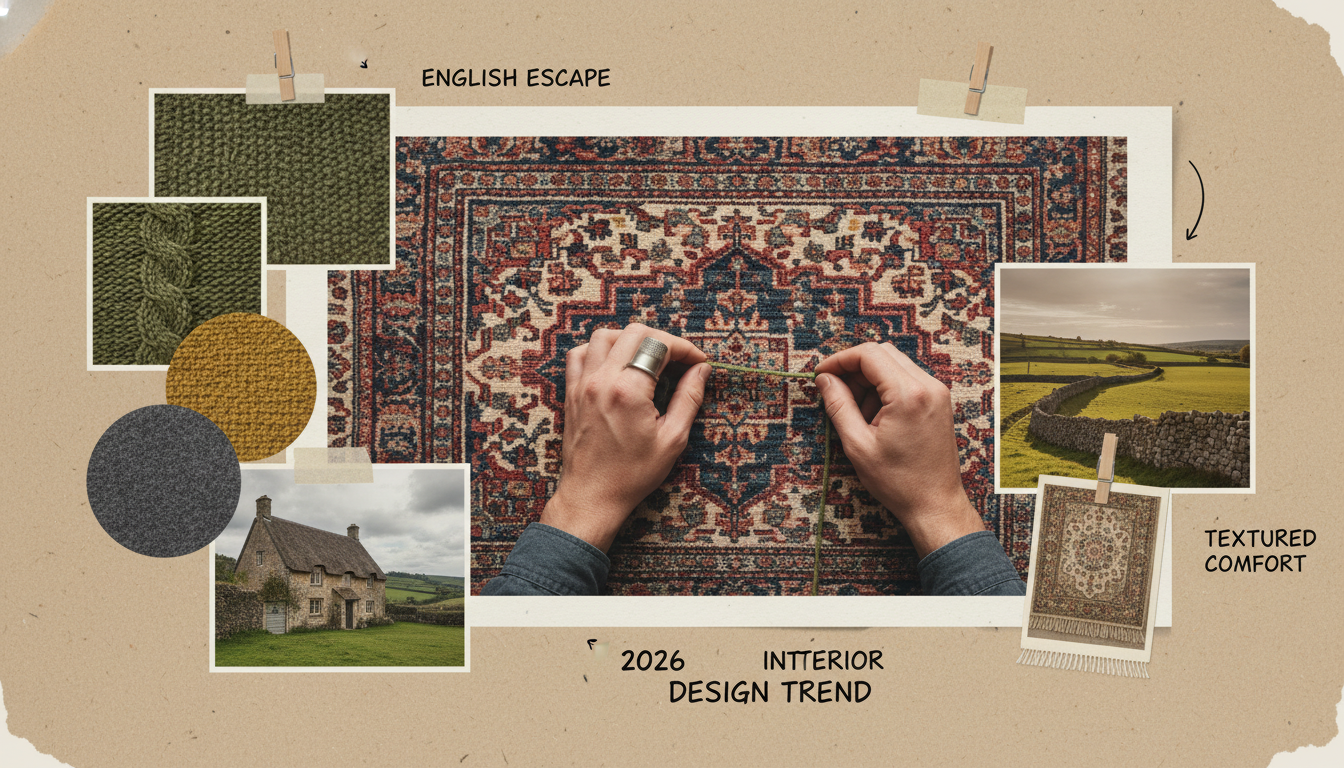
The Desaturated Greens of the High Wolds
As we look toward the 2026 design horizon, the aesthetic pivot is clear: homeowners are trading sterile, high-contrast minimalism for a “weathered-patina” look that feels both historic and soulful. The foundation of this movement lies in a palette of desaturated, organic greens.
Think beyond standard emerald or forest. The 2026 trend leans into the muted tones of damp moss clinging to dry-stone walls and the silver-grey lichen found in the deeper valleys of Gloucestershire. These shades offer a grounded, neutral base that allows for complex furniture layering.
When sourcing Cotswolds-inspired heritage rugs 2026 collections, look for these specific botanical undertones:
- Lichen Grey-Green: A chameleon shade that shifts between sage and silver depending on the afternoon light.
- Verdigris Wool: A cool-toned green that mimics the oxidation of historical estate hardware.
- Damp Fern: A deep, shadowed green used in rug borders to provide visual weight and architectural structure.
Mineral Earth and the Glow of Honeyed Stone
The defining characteristic of the Cotswolds is its Oolitic limestone. For 2026, this translates into interior textiles through a range of “Honey and Earth” tones. This isn’t the bright orange-terracotta of past seasons, but a more sophisticated, sun-bleached ochre.
These warmer hues provide the necessary “glow” to a room, preventing the muted greens from feeling too somber. Designers are increasingly using these earth-mineral tones to bridge the gap between traditional English country style and modern bohemian sensibilities.
The “Misty Morning” Gradient: A 2026 Prediction
A specific innovation we anticipate for Cotswolds-inspired heritage rugs 2026 is the “atmospheric gradient” technique. Rather than static patterns, these rugs use silk-and-wool blends to mimic the visual effect of the Gloucestershire fog rolling over a valley at dawn.
- Soot and Slate: Using dark, charcoal-blue accents to ground the perimeter of the rug.
- Mist and Parchment: A center-field wash of creamy off-white that creates a sense of spatial expansion.
- Oxidized Ochre: Small, hand-knotted flecks of gold that appear like flickering light through the haze.
This tonal chiaroscuro is what separates a generic floor covering from a piece of floor art. For those seeking this specific balance of rugged provenance and refined luxury, the curated selections at thebohorugs.com offer a masterclass in how these heritage palettes can be adapted for contemporary living.
Textural Authenticity: The New Luxury
In 2026, color cannot be divorced from texture. The “Cotswolds-Chic” movement demands a tactile experience that feels lived-in. This is achieved through high-low piles and intentional “abrash” (natural color variations in the dye).
The goal is to find pieces that look as though they have been inherited from a centuries-old manor, yet possess the structural integrity of modern craftsmanship. It is this marriage of historical reverence and artisanal precision that defines the sophisticated shift into the English countryside boho era.
The Intersection of Boho and Heritage: A New Design Dialectic
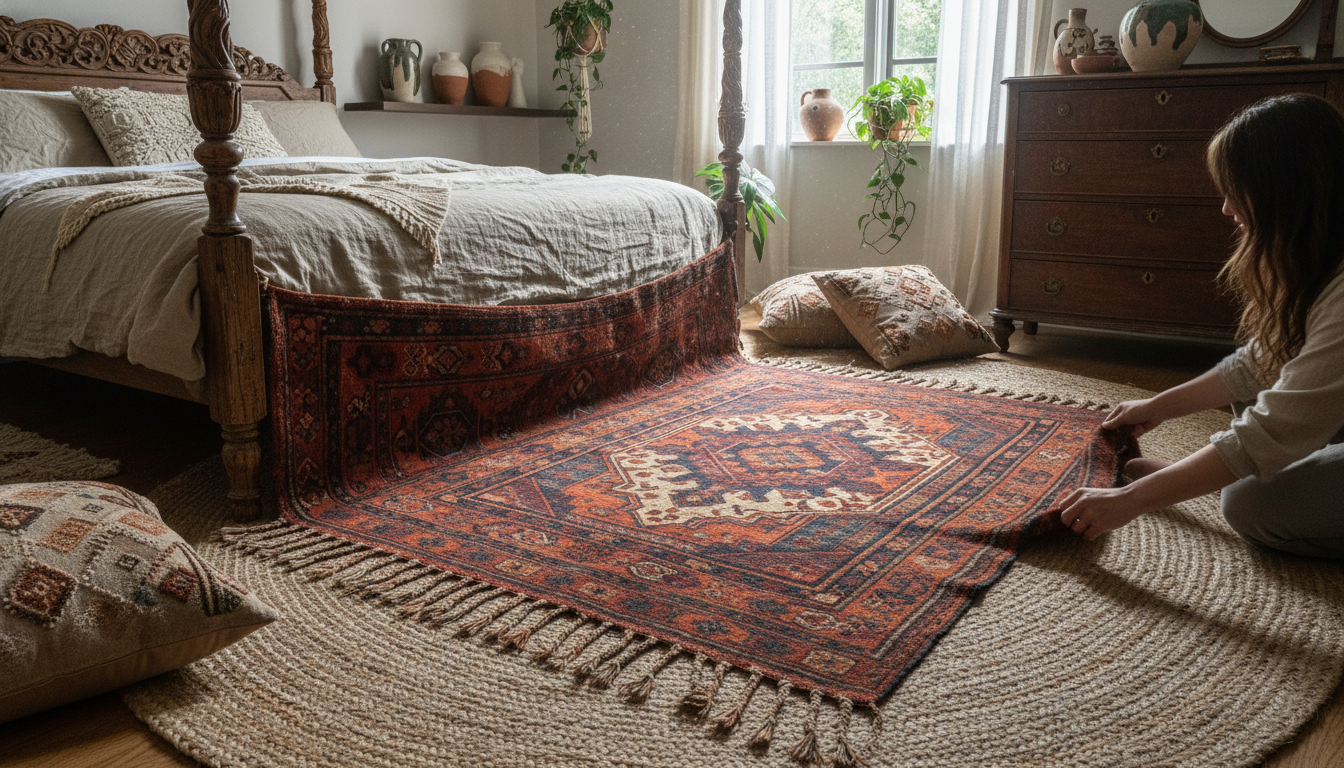
Beyond the Minimalism: The Return to Textural Gravitas
As we approach the mid-twenties, the pendulum of interior design is swinging away from the sterile and toward the storied. We are witnessing a departure from the “fast-furniture” ethos, replaced by a yearning for pieces that carry the weight of history without the stiffness of a museum. The 2026 aesthetic is defined by “Liveable Antiquity”—a philosophy where high-end Bohemian comfort meets the enduring structural integrity of the English countryside.
Central to this evolution is the floor. No longer a backdrop, the rug has become the narrative anchor of the room. Specifically, Cotswolds-inspired heritage rugs 2026 are predicted to dominate the high-end market, offering a tactile bridge between the uninhibited spirit of global boho and the disciplined elegance of British manor house styling.
The 2026 Palette: Pigments of the Wold
The color stories for the upcoming seasons are moving away from synthetic vibrancy toward “reclaimed earth” tones. Designers are increasingly looking to the limestone walls and rolling hills of Gloucestershire for inspiration. This shift is not merely about color; it is about the depth of the dye and the way it interacts with natural light.
- Lichen & Stone: Muted greens and chalky greys that mimic the weathered exterior of a centuries-old cottage.
- Woad Blue & Madder Red: Traditional botanical dyes that provide a soft, “faded-by-time” saturation.
- Oxidized Ochre: A deep, metallic yellow that adds warmth to modern-industrial lofts and traditional barns alike.
Materiality and the “Boho-Heritage” Synthesis
The defining characteristic of Cotswolds-inspired heritage rugs 2026 lies in their intentional imperfection. While the patterns draw from classic Persian or William Morris-era English florals, the execution is decidedly artisanal. We are seeing a move toward high-pile wool blended with organic jute, creating a rugged texture that feels grounded yet luxurious underfoot.
This “design dialectic” creates a fascinating tension. A rug might feature a formal heraldic border, but the edges are hand-frayed, and the wool is low-sheared to suggest decades of foot traffic. It is this marriage of high-status motifs with low-maintenance, bohemian textures that makes these pieces so relevant for modern living. For those seeking to curate this specific look, collections found at thebohorugs.com offer a masterclass in how to balance these two seemingly disparate worlds.
Three Predictions for the 2026 Countryside Aesthetic
- The Oversized Overlay: Instead of a single rug, 2026 will see homeowners layering large-scale Cotswolds-inspired heritage rugs 2026 over wall-to-wall seagrass or sisal to add a layer of “stately comfort.”
- Deconstructed Borders: The traditional rug border will be interrupted by asymmetrical bohemian motifs, signaling a break from rigid formality.
- Heritage Performance: There will be a surge in “heritage-look” rugs crafted from high-durability, sustainable fibers like hemp and recycled silk, allowing the countryside look to survive in high-traffic urban environments.
In essence, the rise of Cotswolds-Chic is a response to our digital exhaustion. By grounding our spaces with rugs that feel inherited rather than bought, we create environments that prioritize “slow living.” Whether placed in a glass-walled penthouse or a thatched-roof cottage, these pieces provide the soul and architectural permanence that the modern home often lacks.
Room-by-Room Guide: Grounding Your Space with Heritage Foundations
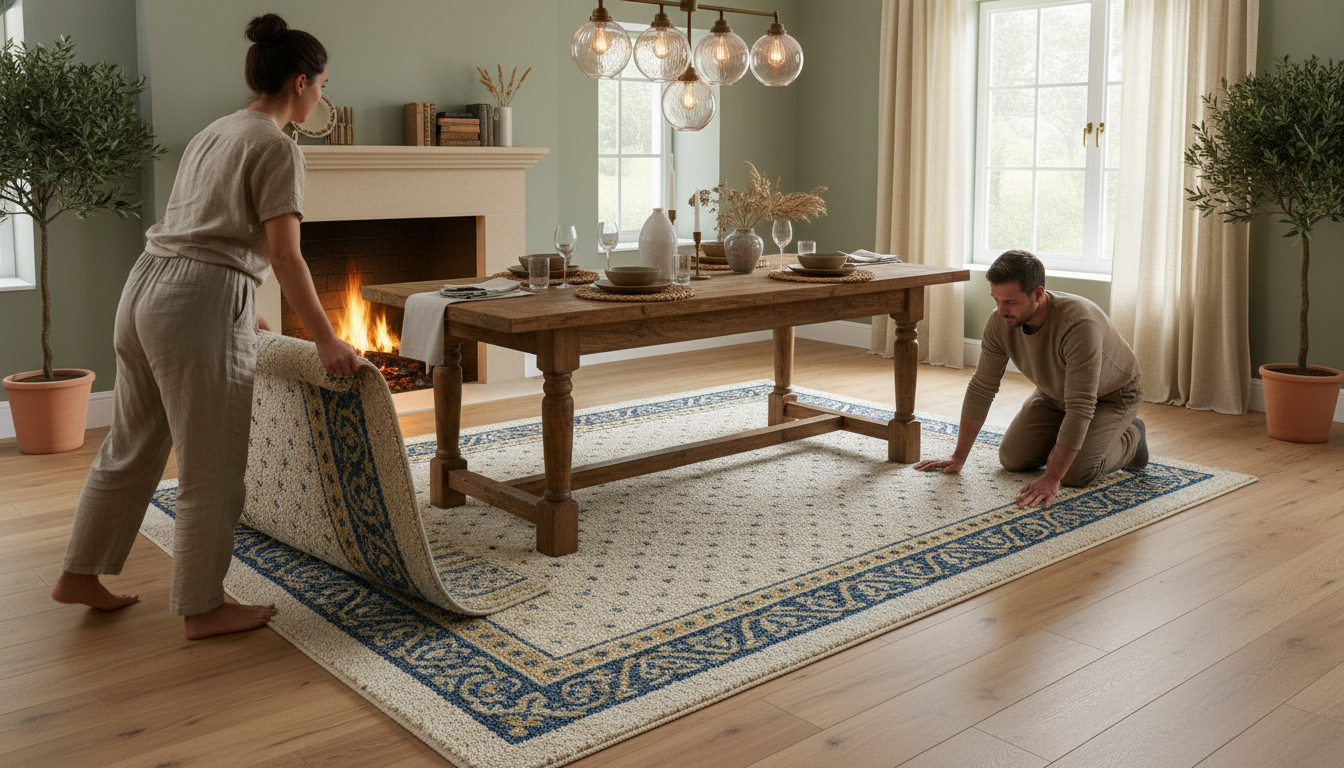
The Drawing Room: Orchestrating Conversation Through Texture
In 2026, the formal living area is shedding its sterile, showroom identity in favor of something far more evocative. It is no longer merely about the silhouette of a sofa; it is about the textile foundation that anchors the room’s narrative. The shift toward Cotswolds-inspired heritage rugs 2026 signifies a move away from “fast-interiors” toward pieces that feel inherited rather than purchased.
Designers are predicting a preference for oversized scales where every piece of furniture—from the heavy velvet armchair to the reclaimed oak coffee table—sits entirely on the rug. This “island effect” creates an intimate perimeter within larger, open-plan homes, providing the psychological grounding that modern homeowners crave.
- The 2026 Palette: Look for “oxidized” tones—muted ochres, sun-bleached terracottas, and deep lichen greens that mimic the mossy stone walls of the English countryside.
- The Texture: Low-pile, hand-knotted wool with intentional “abrash” (natural color variation) provides that coveted lived-in patina.
The Refectory Dining Space: Balancing Rustic and Refined
The dining room is undergoing a transformation from a ceremonial space to a high-traffic hub of domestic life. To achieve the 2026 “Boho-Heritage” look, the rug must bridge the gap between rugged durability and artisanal luxury. A hand-loomed piece from thebohorugs.com offers the necessary lanolin-rich wool that naturally repels the spills of a lively dinner party while maintaining a soft, matte finish.
The 2026 aesthetic leans heavily into “Visual Weight.” Rather than delicate silks, we are seeing a resurgence of heavy-gauge wools that can withstand the friction of pulled chairs. The design focus shifts from intricate, busy centers to wide, ornate borders that frame the dining table like a piece of fine art.
- Strategic Sizing: Ensure the rug extends at least 30 inches beyond the table edge to prevent “chair-catch.”
- Pattern Mixing: Pair a traditional floral-bordered heritage rug with modern, minimalist wishbone chairs for a sophisticated temporal contrast.
The Primary Suite: Cultivating Visual Silence
In the bedroom, the 2026 trend moves toward “Visual Silence”—a design philosophy where the floor serves as a soft landing for both the feet and the eyes. Integrating Cotswolds-inspired heritage rugs 2026 into a bedroom suite allows for a seamless transition between contemporary architecture and old-world comfort.
We are seeing a departure from the “shag” textures of previous seasons. Instead, 2026 embraces high-definition, low-profile weaves that showcase the craftsmanship of the weaver. These rugs act as a neutralizer, softening the sharp lines of modern built-in wardrobes and smart-home technology.
The “Artisanal Layering” Technique for 2026: For those seeking a more curated, bohemian edge, consider layering a smaller, highly detailed heritage rug over a larger, wall-to-wall jute or sisal base. This adds depth and acoustic insulation, transforming a standard bedroom into a sanctuary reminiscent of a high-end boutique inn in the heart of Gloucestershire.
By prioritizing provenance over-processed materials, the 2026 home becomes a collection of stories. Whether sourced for their historical motifs or their sustainable production, these rugs are the definitive foundation of the new English Countryside aesthetic.
The Longevity Investment: Why Heritage Rugs are the Antidote to Trend Fatigue
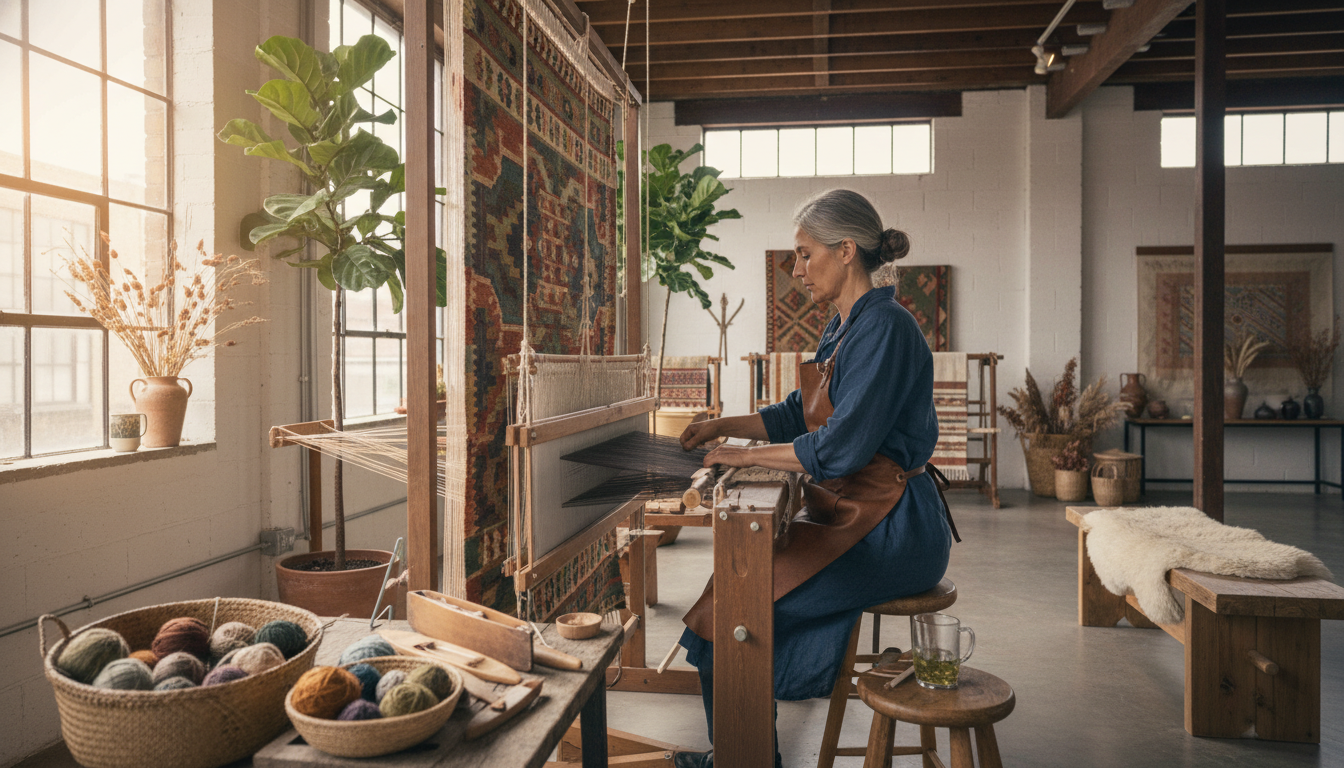
The Curatorial Shift Toward ‘Lived-In’ Luxury
In the evolving landscape of interior design, the frantic cycle of “micro-trends” is finally losing its luster. As we look toward the mid-decade, the market for Cotswolds-inspired heritage rugs 2026 represents a pivotal turn toward “slow decor”—a philosophy that prioritizes provenance over pace.
This movement, often described as the “English Countryside Boho” aesthetic, moves away from the stark minimalism of previous years. It embraces a weathered, layered look that suggests a home has been curated over generations rather than purchased in a single weekend.
The 2026 consumer is increasingly immune to the allure of synthetic, mass-produced textiles. Instead, they are seeking “soul-pieces” that carry the weight of history, favoring the muted palettes of honey-colored limestone and mossy lowlands found in Britain’s most iconic pastoral region.
Materiality and Provenance: The 2026 Standard
Investing in Cotswolds-inspired heritage rugs 2026 is as much about environmental ethics as it is about elevated style. These pieces serve as a rejection of the “fast-furniture” culture that has dominated the digital age, offering a tactile connection to traditional craftsmanship.
Architectural insiders are predicting a 2026 dominated by “patina-first” interiors. This means choosing floor coverings that are designed to age gracefully, absorbing the stories of a household rather than fraying under the pressure of daily life.
- Hand-Spun High-Altitude Wool: Naturally high in lanolin, providing a built-in resistance to staining and a lustrous, organic sheen.
- Vegetable-Dye Alchemy: A shift toward soft ochres, deep madder reds, and woad blues that fade beautifully into a “distressed” heirloom look.
- Low-Pile Precision: Moving away from shag textures toward tight, hand-knotted weaves that showcase intricate, historical motifs.
Bridging the Gap Between Boho and British Heritage
What distinguishes Cotswolds-inspired heritage rugs 2026 from their mass-produced counterparts is their ability to bridge the gap between bohemian eccentricity and structured British tradition. This “New Heritage” look allows for a more relaxed, eclectic approach to luxury.
For those looking to anchor a room in this aesthetic, the key lies in the juxtaposition of textures. A finely woven heritage rug provides the perfect foundation for velvet sofas, reclaimed oak tables, and contemporary art, grounding the space in a sense of permanence.
As the definitive source for these artisanal treasures, thebohorugs.com continues to curate collections that embody this shift. Their selection focuses on pieces that transcend seasonal fads, offering the kind of durability and timelessness that makes a rug a true financial and aesthetic investment.
Why ‘Quiet Longevity’ is the Ultimate 2026 Flex
Ultimately, the rise of this trend reflects a deeper psychological need for stability within our living environments. A heritage rug acts as a visual and physical anchor, muting the noise of an increasingly digital world.
- Generational Value: Unlike machine-made alternatives, these rugs often appreciate in value as they become authentic antiques.
- Acoustic Warmth: The dense knotting of premium wool provides superior sound dampening, essential for the “sanctuary home.”
- Authenticity: In an era of AI-generated “perfection,” the slight irregularities of a hand-woven rug are the ultimate mark of luxury.
As we transition into 2026, the home is becoming a gallery of our values. Choosing a heritage piece is a declaration that quality, history, and craftsmanship are the only trends worth following.
Styling with Antiques: Layering Modern Boho with Cotswolds Texture
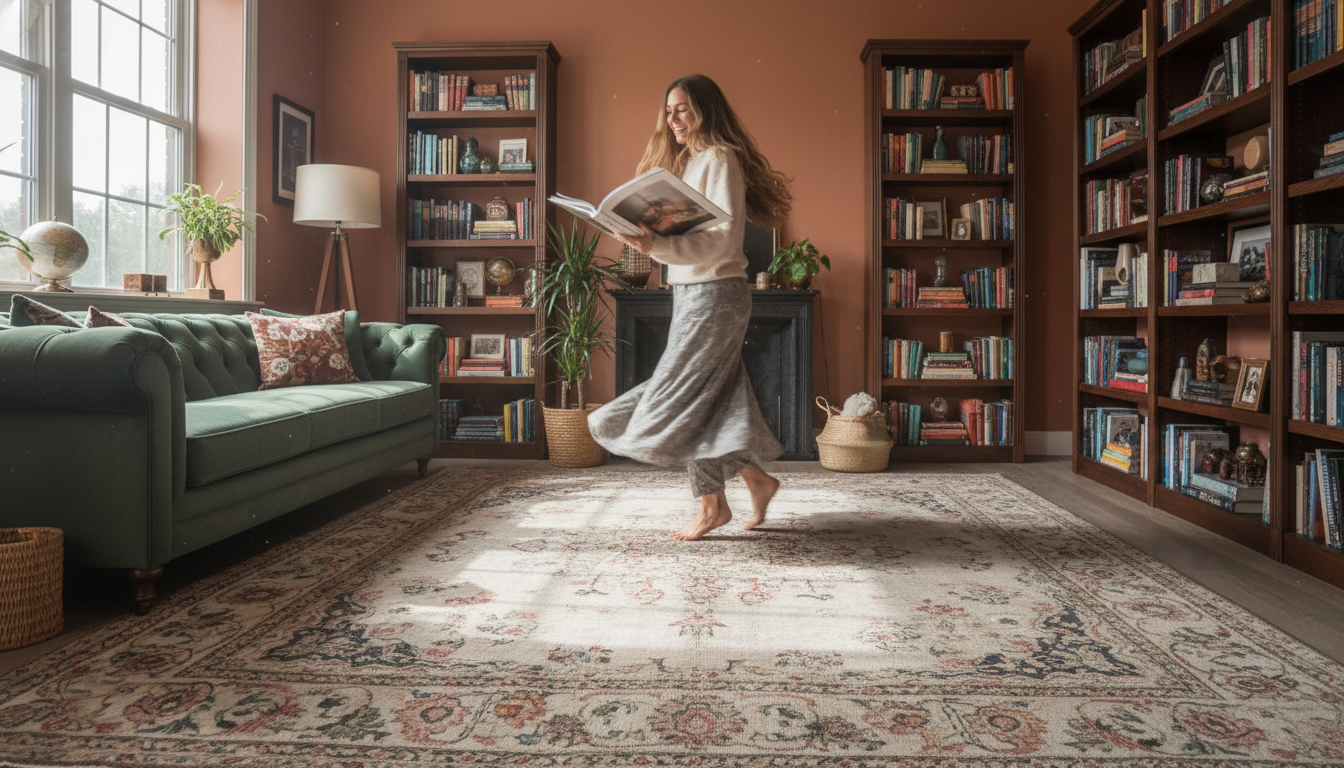
The New Pastoral: Balancing Provenance and Comfort
In 2026, the global design pendulum is swinging away from the sterile lines of “quiet luxury” toward a more lived-in, soulful aesthetic. This evolution, often termed ‘English Countryside Boho,’ relies heavily on the tension between curated antiques and soft, organic textiles. It is a movement that favors the heirloom over the ephemeral.
Central to this shift is the foundational role of the floor. Designers are increasingly looking to Cotswolds-inspired heritage rugs 2026 as the “fifth wall” of a room. These pieces provide a tactile anchor for a space where a 19th-century French farmhouse table might sit comfortably alongside a low-slung, velvet Bohemian sofa.
The key to mastering this look is the rejection of the “matching set.” Instead, the focus is on a collected atmosphere that suggests a home has evolved over decades rather than being assembled in a weekend. By integrating high-pile wool textures with weathered wood and patinated metals, homeowners can achieve a space that feels both grounded and ethereal.
Curating the Layered Aesthetic for 2026
Styling with antiques requires a discerning eye for contrast. To avoid a room feeling like a museum, Cotswolds-inspired heritage rugs 2026 serve as the bridge between eras. Their muted, vegetable-dyed palettes—think moss greens, faded ochres, and dampened clays—soften the austerity of dark wood antiques.
- The High-Low Mix: Pair a distressed Persian-style rug from thebohorugs.com with a sharp, mid-century modern credenza to create visual friction.
- Scale and Silhouette: Use oversized heritage motifs to ground delicate, spindly antique chairs, preventing the furniture from “floating” in the room.
- Tonal Symmetry: Match the secondary color in your rug’s weave to the patina of a brass lamp or a gilded frame for a cohesive, professional finish.
Materiality and the ‘Worn-In’ Luxury
The 2026 iteration of the Cotswolds trend prioritizes sensorial experience. We are seeing a move toward hand-knotted wools and organic jute blends that offer a heavy, substantial drape. These are not merely decorative items; they are investments in “slow design” that improve with age and foot traffic.
When sourcing Cotswolds-inspired heritage rugs 2026, look for intentional “abrash”—the natural variation in color found in hand-dyed yarns. This mimics the sun-faded elegance of a centuries-old manor house, providing a sense of history even in a modern build. When these textures are layered over reclaimed wide-plank flooring, the result is a sophisticated retreat that feels sheltered from the digital world.
2026 Design Pairings: A Stylist’s Cheat Sheet
- The Entryway: A narrow, high-traffic heritage runner paired with a minimalist stone console and a single, oversized artisanal ceramic vase.
- The Library: A deep-pile, earth-toned rug grounding a pair of leather club chairs and floor-to-ceiling walnut shelving.
- The Bedroom: Layering a smaller, intricately patterned artisanal rug from the curated collections at thebohorugs.com atop a larger, neutral sisal base for ultimate Bohemian comfort.
Ultimately, the rise of Cotswolds-chic is a celebration of character. By prioritizing the rugged charm of heritage textiles, the 2026 interior becomes a sanctuary of texture, history, and effortless British-inspired sophistication.
The Future of Sustainability: Regenerative Sourcing in 2026 Rug Trends
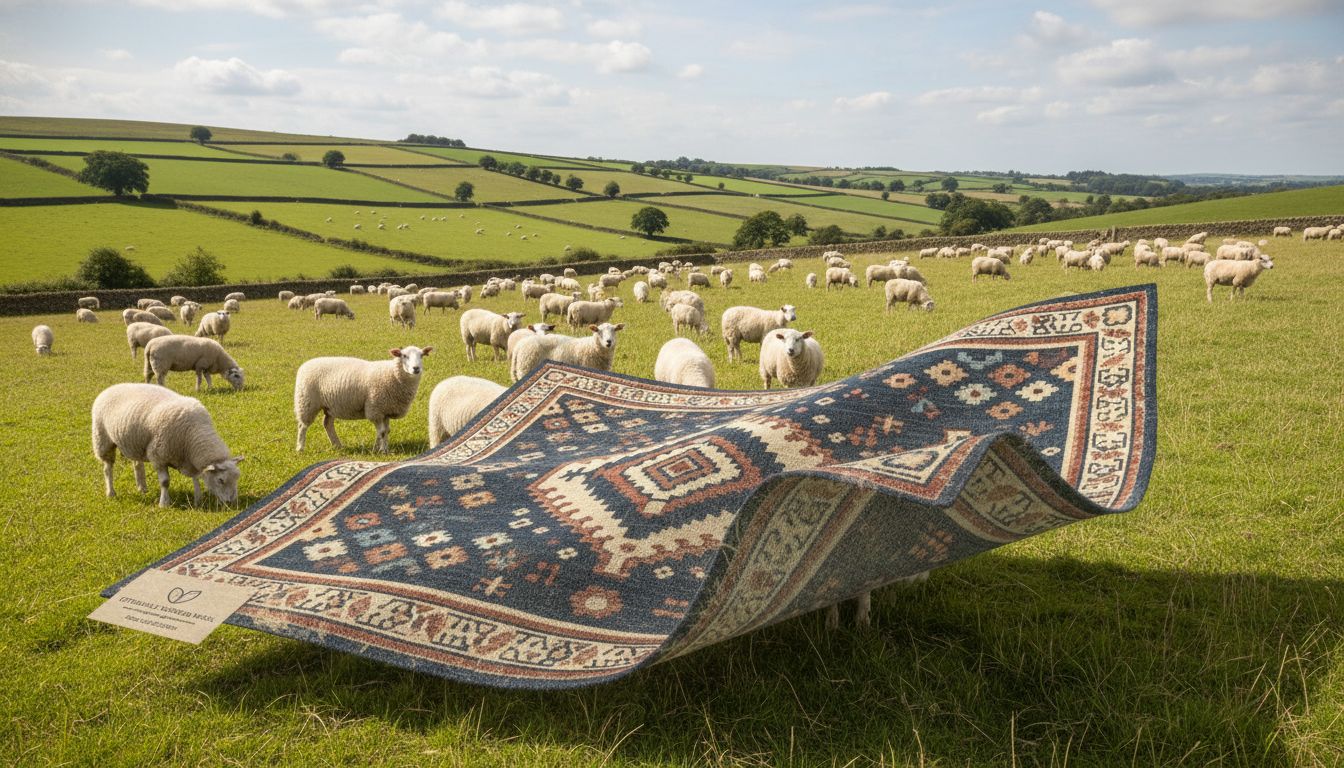
Beyond “Eco-Friendly”: The Era of Regenerative Luxury
By 2026, the interior design industry is undergoing a profound transformation, moving past the surface-level labels of “recycled” toward the more ambitious goal of regenerative sourcing. This shift is particularly evident in the world of high-end textiles, where the demand for Cotswolds-inspired heritage rugs 2026 is being driven by a desire for radical transparency and soil-to-loom ethics.
Designers are no longer just looking for a specific palette; they are seeking pieces that tell a story of land restoration. This means sourcing wool from farms that employ holistic grazing practices, which sequester carbon and improve biodiversity in the very landscapes that inspire the rugs’ pastoral motifs.
The curation found at thebohorugs.com reflects this transition, emphasizing artisanal pieces that bridge the gap between ancestral weaving techniques and modern environmental stewardship.
The Provenance of Fiber: Herdwick Wool and Carbon-Negative Weaves
In 2026, the tactile quality of a rug is inextricably linked to its origin. We are seeing a surge in “hyper-local” sourcing, where heritage British wool breeds—such as the sturdy Herdwick or the lustrous Romney—are being utilized for their natural resilience and distinctive textures.
- Carbon Sequestration Credits: Luxury rugs are beginning to carry “Soil-to-Studio” certifications, verifying that the wool was sourced from regenerative estates.
- Unprocessed Pigments: A move away from synthetic dyes in favor of raw, undyed wool gradients that mimic the misty mornings of the English countryside.
- Traceable Blockchains: High-end heritage pieces now often come with digital passports, allowing homeowners to trace their rug’s journey from a specific flock to the final knot.
The Alchemy of Botanical Dyes and Bio-Based Finishes
The 2026 aesthetic is defined by a “lived-in” patina that can only be achieved through natural processes. The vibrant yet muted tones of Cotswolds-inspired heritage rugs 2026 are increasingly derived from regenerative dye gardens—using madder root, weld, and even fungal pigments to create depth without toxic runoff.
Sophisticated homeowners are gravitating toward these bio-based pigments because they age gracefully, developing a soft luster that synthetic alternatives cannot replicate. This “slow-color” movement ensures that every rug is a living document of the season in which it was created.
Designing for Longevity: The 100-Year Rug
Sustainability in 2026 is ultimately defined by durability. The English Countryside Boho trend rejects the “disposable decor” cycle, favoring hand-knotted constructions that are designed to be passed down through generations.
- High-Lanolin Content: Utilizing wool with natural oils intact to provide inherent stain resistance without chemical coatings.
- Modular Restoration: A rise in artisanal repair services that treat these rugs as appreciating assets rather than floor coverings.
- Circular End-of-Life: Ensuring every component, from the cotton warp to the vegetable-dyed weft, is fully biodegradable.
This commitment to permanence is what sets the modern heritage movement apart. By investing in pieces from specialists like thebohorugs.com, collectors are securing a piece of design history that respects the past while safeguarding the future of the planet.
Elevate Your Space
Discover the artistry of handmade luxury. Each rug is a masterpiece of tradition and modern design.
Expert Q&A
What defines Cotswolds-inspired heritage rugs 2026?
These rugs are defined by a focus on high-quality natural wool, muted botanical palettes, and patterns that reference English arts-and-crafts traditions while maintaining a bohemian, lived-in feel.
How do heritage rugs differ from standard boho rugs?
While standard boho rugs often use vibrant colors and synthetic materials, heritage rugs focus on heirloom quality, natural dyes, and a more sophisticated, understated color story.
Are these rugs suitable for high-traffic areas?
Yes, because they are typically hand-knotted or high-density woven with natural wool, they are incredibly durable and hide wear beautifully.
Which color schemes are most popular for 2026?
Expect to see a rise in ‘muted forest’ tones: lichen green, muddy ochre, weathered terracotta, and deep slate blue.
Can I layer a heritage rug over existing carpet?
Absolutely. Layering a heritage rug over a low-pile neutral carpet or a jute base is a hallmark of the English Countryside Boho look.
What materials should I look for in an authentic heritage rug?
Look for 100% New Zealand or British wool, organic cotton foundations, and ideally, natural vegetable dyes.
How do I maintain the color of a naturally dyed rug?
Avoid direct, prolonged sunlight and use professional cleaning services that specialize in natural fibers and organic dyes.
Is the Cotswolds look compatible with modern minimalist furniture?
Yes, the rug provides the ‘soul’ and warmth that minimalist furniture often lacks, creating a sophisticated tension in the design.
What rug size is best for a Cotswolds-inspired living room?
Generous sizing is key. The rug should ideally sit under all four legs of your furniture to ground the space effectively.
Are these rugs considered sustainable?
When sourced from reputable makers using natural fibers and fair-trade practices, they are among the most sustainable flooring options available.
What patterns are trending in 2026 for this style?
Subtle floral lattices, oversized acanthus leaves, and weathered geometric borders inspired by stone masonry.
Do heritage rugs hold their value?
High-quality hand-knotted heritage rugs often appreciate in value or maintain it, much like fine art or antique furniture.
Can I use these rugs in a kitchen?
Yes, a low-pile heritage runner can add warmth to a farmhouse kitchen, though wool’s natural lanolin makes it somewhat stain-resistant.
What is ‘English Countryside Boho’?
It is a design style that blends the cozy, historical charm of English cottages with the relaxed, global textures of bohemian decor.
How do I spot a low-quality imitation?
Imitations often use printed patterns rather than woven ones and utilize shiny synthetic fibers like polyester which lacks the depth of wool.
What role does texture play in the 2026 trend?
Texture is paramount. We are seeing a move toward ‘tactile history’ with varying pile heights and high-low weaving techniques.
Are fringe details still in style for 2026?
Yes, but they are more restrained—short, hand-tied wool fringes rather than long, synthetic tassels.
Can a heritage rug work in a nursery?
Definitely. Wool is naturally hypoallergenic and flame-retardant, making it an excellent and safe choice for children’s rooms.
Where can I find authentic Cotswolds-inspired designs?
Look for boutique rug galleries and specialized retailers like TheBohoRugs that curate heritage-focused collections.
How does the 2026 trend handle rug aging?
The trend celebrates ‘patina.’ Rugs that look slightly weathered or have intentional ‘abrash’ (color variation) are highly sought after.
Is the Cotswolds trend just for country homes?
Not at all. This style is increasingly popular in urban apartments to provide a ‘sanctuary’ feel and a connection to nature.
What is the best way to clean a wool heritage rug?
Regular vacuuming without a beater bar and immediate spot cleaning with a damp cloth and mild wool-safe detergent.
How do I choose between a floral or geometric heritage pattern?
If your furniture is clean-lined, a floral pattern adds softness; if you have many antiques, a geometric border can provide structure.
Why is the 2026 trend focusing on English heritage specifically?
It’s a reaction to the digital age; people are craving the perceived stability, history, and ‘slow’ nature of English pastoral life.
Can I mix different heritage rugs in one open-plan space?
Yes, as long as they share a similar color palette or ‘visual weight,’ mixing patterns creates a curated, collected look.
What is the typical price point for a 2026 heritage rug?
Prices vary by size and craft, but expect to invest more in these pieces than mass-market options due to the artisanal labor involved.
Are there vegan alternatives for heritage rugs?
High-quality organic cotton or Tencel rugs can mimic the look, though they lack the specific durability and bounce-back of wool.
How does lighting affect the look of these rugs?
Natural dyes can ‘shift’ throughout the day, looking warmer in the evening and cooler in morning light, which adds to their charm.
Is the ‘Cotswolds-Chic’ trend a fleeting fad?
No, it is rooted in ‘New Traditionalism,’ which prioritizes timeless design over rapid-cycle trends.
How do I style a heritage rug for a modern ‘Boho’ look?
Pair it with oversized indoor plants, handmade ceramics, and a mix of vintage and contemporary textiles for a balanced aesthetic.
Written by TheBohoRugs Interior Design Team
Experts in handmade rugs, boho interiors, and modern home decor.
