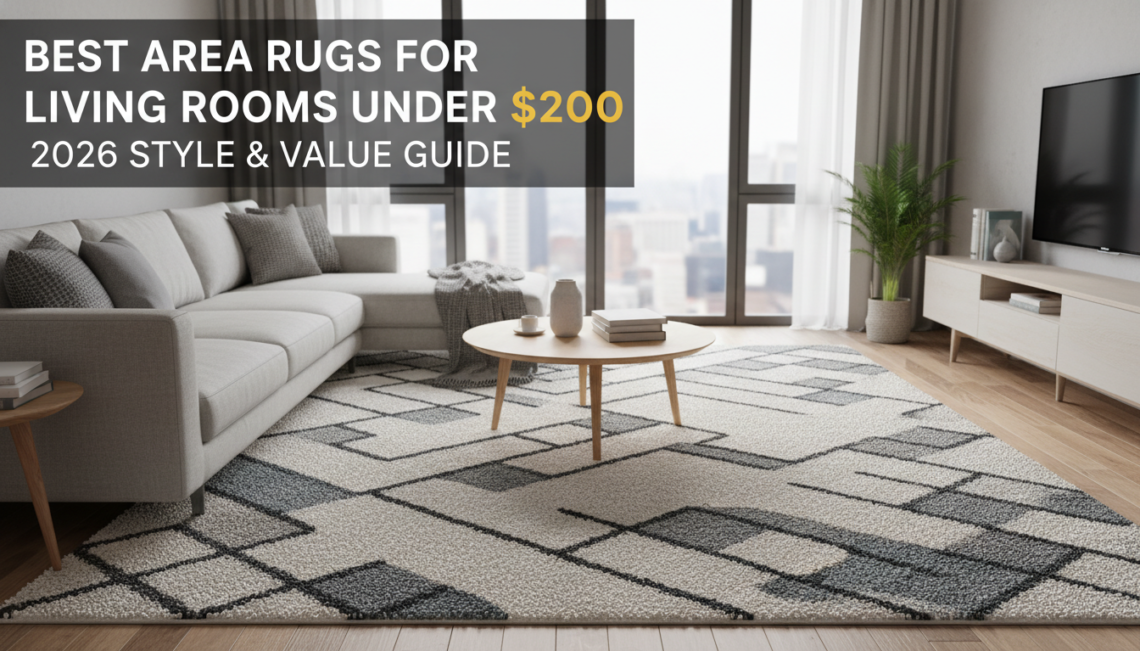
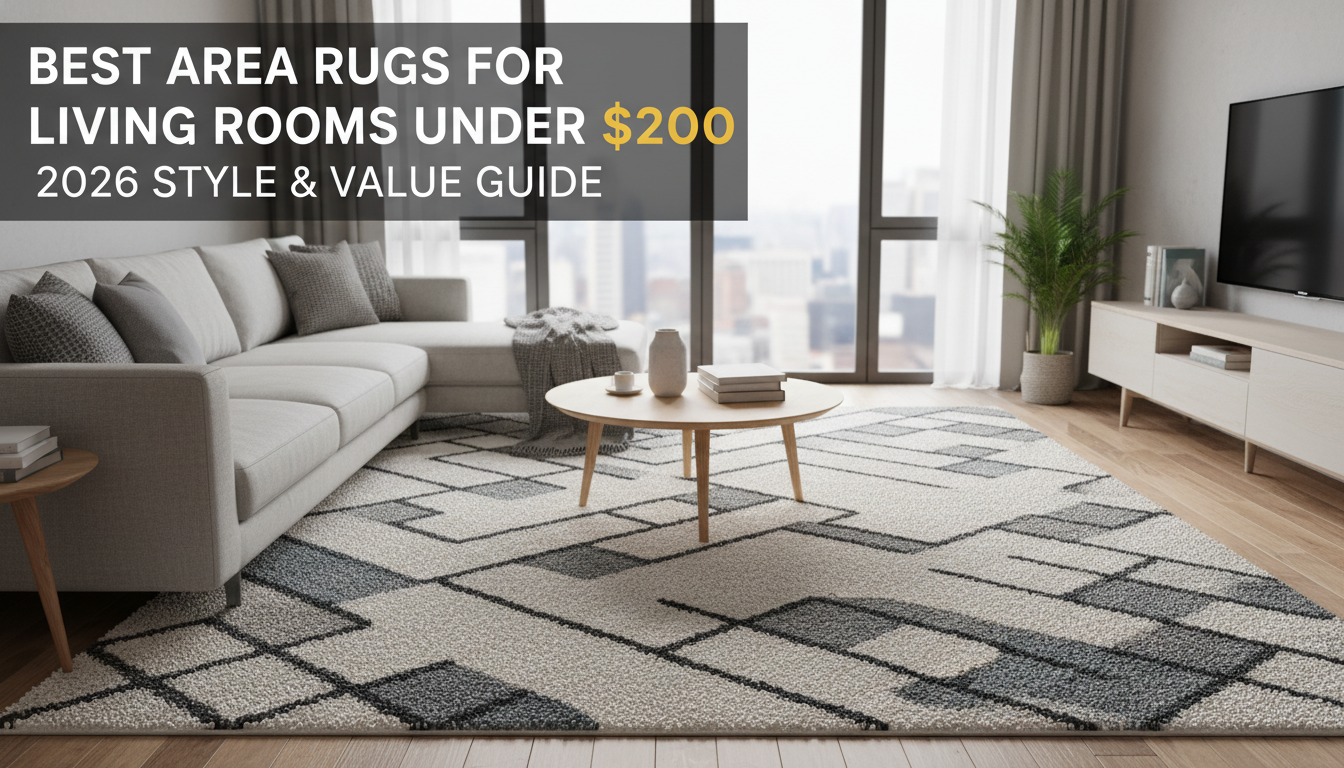
Finding the perfect balance between luxury and affordability can be challenging, but in 2026, the market for high-quality, budget-friendly flooring has never been better. Whether you are refreshing a rental or styling a high-traffic family room, finding the best area rugs under $200 allows you to embrace seasonal trends without a long-term financial commitment. At Tufts & Knots, we believe that every home deserves a touch of elegance, which is why we have curated this guide to help you navigate materials, sizes, and the latest design aesthetics for the modern living room.
“The best area rugs for living rooms under $200 are typically made from durable synthetic fibers like power-loomed polypropylene or high-quality polyester blends. To maximize value, look for 5×8 or 6×9 sizes in trending 2026 styles such as ‘Organic Modern’ or ‘Quiet Luxury’ neutrals. Brands like Tufts & Knots offer machine-washable and stain-resistant options that provide the look of high-end wool rugs at a fraction of the cost.”
The Roadmap
Table of Contents
- The Rise of Affordable Luxury: 2026 Rug Trends
- Choosing the Ideal Size for Your Living Room Layout
- Material Matters: Durability vs. Comfort Under $200
- Style Spotlight: Earthy Tones and Abstract Patterns
- The Art of Layering: How to Make a Budget Rug Look Expensive
- Pet-Friendly and Kid-Proof: The Best Washable Options
- Sustainable Choices: Eco-Conscious Rugs on a Budget
- Where to Shop: The Tufts & Knots Under-$200 Collection
The Rise of Affordable Luxury: 2026 Rug Trends
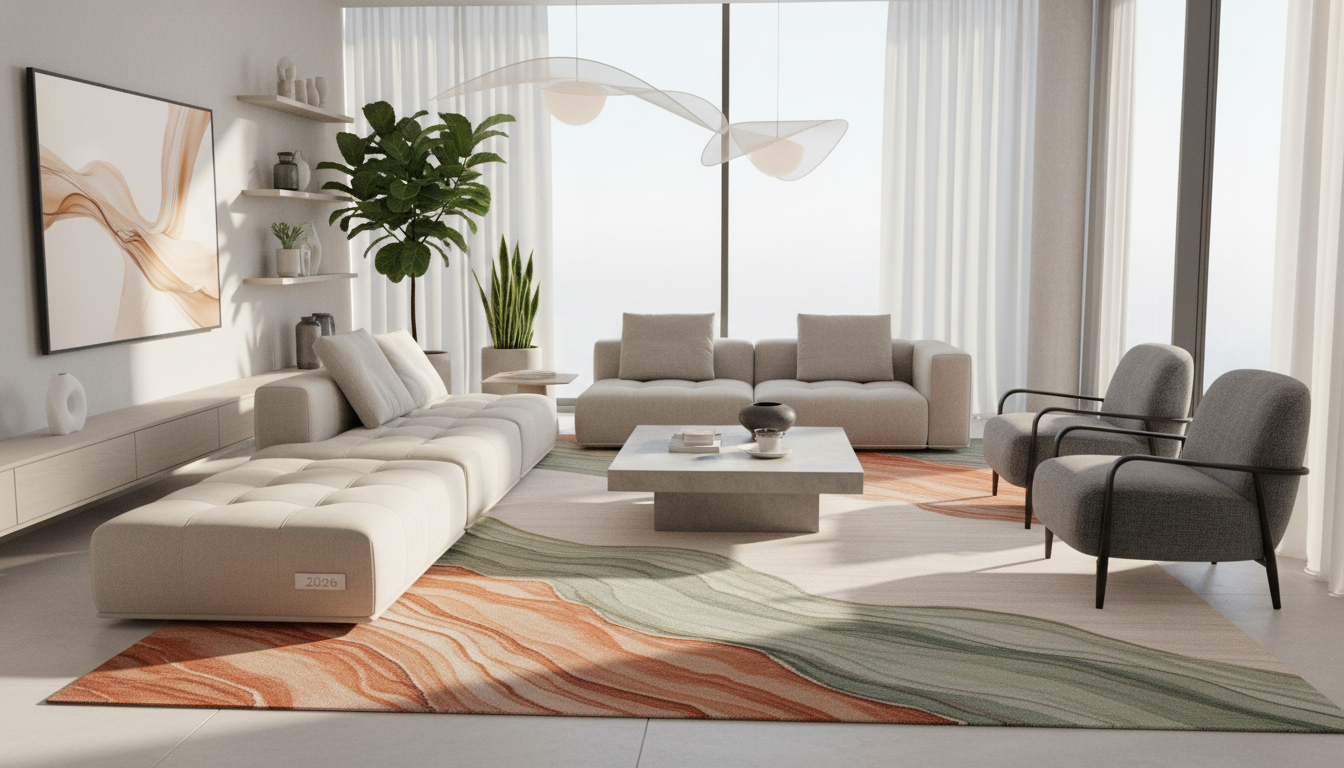
As we move into 2026, the philosophy behind home styling has shifted toward “attainable elegance.” Homeowners are no longer willing to sacrifice style for a budget, leading to a massive surge in high-quality, low-cost flooring solutions. When searching for the best area rugs to anchor a space, the focus has landed squarely on pieces that offer a designer look without the four-figure price tag.
The current market for living room rugs has evolved, utilizing advanced weaving technologies that mimic the look of expensive silk or wool. For under $200, you can now find pieces that feature intricate distressing and vibrant, fade-resistant dyes. Finding the best area rugs for your living room involves balancing these modern manufacturing techniques with timeless design principles.
The Aesthetic Shift: Organic Textures and Earthy Tones
In 2026, the “quiet luxury” trend continues to dominate interior design. This means the best area rugs for modern homes often feature muted palettes, such as sage green, terracotta, and warm sand. These colors provide a grounding effect in high-traffic living areas while remaining versatile enough for various decor changes over the years.
Texture is also playing a pivotal role in budget-friendly rug selections. We are seeing a move away from flat, lifeless prints toward rugs with varied pile heights and “high-low” effects. Some popular texture-driven options include:
- Faux Jute Blends: These offer the organic look of natural fibers but are much softer underfoot and easier to clean.
- Distressed Medallions: Traditional Persian patterns are being reimagined with purposeful fading to fit contemporary “shabby chic” or transitional homes.
- Micro-Shag: A refined version of the classic shag, providing warmth and comfort without the difficult maintenance.
If you are looking for something truly unique that transcends these mass-produced trends, considering a hand-knotted piece from tuftsknots.com can elevate your space from “on-trend” to “timeless.” While synthetic options are great for a quick refresh, their premium handmade rugs offer a level of artistry that budget machine-made pieces simply cannot replicate.
Choosing the Right Size for Your Living Room
One of the most common mistakes when shopping for the best area rugs is choosing a size that is too small for the room. A rug that is undersized can make a large living room feel disjointed and cramped. For a standard living room, aim for a 5×8 or 8×10 rug, ensuring that at least the front legs of your sofa and chairs sit on the rug surface.
To maximize your $200 budget, consider these sizing strategies:
- The 5×7 Sweet Spot: Most high-quality synthetic rugs in this size fall well under the $150 mark, leaving room in your budget for a premium rug pad.
- Layering Techniques: Buy a large, inexpensive sisal or seagrass rug and layer a smaller, more decorative best area rugs option on top for a designer look.
- Measuring for Traffic: Ensure your rug extends at least 12 inches beyond your coffee table to create a balanced visual “island.”
Material Innovations Under $200
The best area rugs in the budget category are typically made from polyester, polypropylene, or recycled PET fibers. In 2026, these materials have reached a new level of sophistication. Polypropylene, in particular, is highly sought after because it is virtually stain-proof and sheds very little, making it ideal for families with pets or young children.
Another rising star in affordable flooring is the “washable” rug category. Modern living room rugs are now being designed with integrated non-slip backings that can be tossed directly into a standard home washing machine. This innovation has changed the way we think about the best area rugs, as longevity is now tied to ease of maintenance rather than just the density of the weave.
However, it is important to remember that while synthetic fibers are durable, they lack the natural resilience of wool. For those who prioritize sustainability and heirloom quality, exploring the curated collections at tuftsknots.com is a wise move. Their commitment to natural materials ensures that your investment won’t just look good today, but will actually look better as it patinas over the next decade.
Defining Your Living Room Style
Before making a final purchase, identify the primary “vibe” of your home. The best area rugs act as the foundation of your room’s visual identity. If your furniture is minimalist and modern, a rug with a bold geometric pattern or a deep, monochromatic texture can add necessary character. If your room is already filled with color, a neutral, stone-washed rug can help soften the environment.
Common styles to look for in 2026 include:
- Biophilic Designs: Rugs featuring abstract leaf patterns or moss-like textures to bring the outdoors in.
- Dark Academia: Deep navy, charcoal, and burgundy rugs that create a cozy, library-like atmosphere.
- Post-Modern Revival: Pop-art inspired shapes and vibrant primary colors for a bold, eclectic living room.
Ultimately, the best area rugs are the ones that reflect your personal journey and style. Whether you choose a budget-friendly synthetic piece to keep up with the 2026 trends or decide to invest in a masterpiece from tuftsknots.com, the right rug will transform your living room into a sanctuary of comfort and beauty.
By focusing on size, material innovation, and the latest color trends, you can easily find the best area rugs to suit your needs. Remember to check customer reviews for shedding and color accuracy to ensure your $200 goes as far as possible in creating your dream home aesthetic.
Choosing the Ideal Size for Your Living Room Layout
When you are shopping for living room rugs on a budget, the most common mistake is choosing a size that is too small for the space. A rug that floats in the middle of the room without touching any furniture can make a large room feel disjointed and small. Finding the best area rugs for your home involves more than just picking a color; it requires a strategic understanding of floor geometry.
For most standard living rooms, an 8×10 rug is the gold standard. This size allows for a cohesive look where at least the front legs of your sofa and accent chairs can sit comfortably on the rug. Even when searching for the best area rugs under $200, you can often find high-quality synthetic options in this larger dimension that provide a luxurious “designer” feel without the high-end price tag.
The “All Legs On” vs. “Front Legs On” Approach
Professional interior designers typically follow two main rules for living room rugs. The “All Legs On” approach requires a massive rug, usually 9×12 or larger, where every piece of furniture sits entirely on the rug. This creates a defined “island” within the room and is perfect for open-concept floor plans.
The “Front Legs On” approach is more common for those seeking the best area rugs on a budget. This layout involves placing the front two legs of your seating on the rug while the back legs rest on the bare floor. This creates a sense of connection and keeps the rug anchored so it doesn’t slide during daily use.
- 8×10 Rugs: Ideal for sofas that are 7 to 8 feet long.
- 9×12 Rugs: Best for large, open-concept spaces with floating furniture.
- 5×7 Rugs: Best for small apartments or specific “nook” seating areas.
Maximizing Small Spaces with 5×7 Living Room Rugs
If you are working with a smaller footprint, the best area rugs are often 5×7 or 6×9 options. In these layouts, the rug should be centered under your coffee table. To prevent the room from looking cluttered, ensure there is at least 12 to 18 inches of visible floor space between the edge of the rug and the walls.
While many budget-friendly living room rugs under $200 are made of polypropylene or polyester, they offer incredible durability for high-traffic areas. However, if you find that a smaller budget rug isn’t providing the “wow” factor you desire, consider it a base layer. You can always start with a durable foundation and eventually upgrade to a premium piece.
For those looking to move beyond budget-friendly synthetics to something truly unique, the best area rugs for long-term investment are often handmade. You can find exquisite, artisan-crafted pieces at tuftsknots.com, where the focus on quality materials like wool and silk ensures your living room remains a focal point for decades.
The Art of Layering for Visual Interest
One of the best ways to use living room rugs under $200 is to employ the layering technique. This involves placing a large, inexpensive natural fiber rug (like jute or sisal) as a base and layering a smaller, more decorative rug on top. This is an excellent way to get the coverage of a large 9×12 rug while only paying for a smaller patterned piece.
When searching for the best area rugs to layer, look for a flat-weave base and a plush or shag top layer. This creates a height difference that adds texture and depth to your living room. Living room rugs with geometric patterns or bold colors work exceptionally well as the “top” layer in this scenario.
Material Matters: Balancing Price and Performance
To find the best area rugs for under $200, you must be savvy about materials. Synthetic fibers like heat-set polypropylene are popular because they are stain-resistant, fade-resistant, and easy to clean. These are the best area rugs for families with pets or young children who need to handle spills frequently.
If you prefer natural materials, cotton flat-weave rugs are often affordable and machine washable. However, they lack the plushness of a thick pile. If your goal is ultimate comfort and sophistication, you may eventually want to explore the handmade options at tuftsknots.com, where traditional craftsmanship meets modern aesthetics.
- Polypropylene: Best for stain resistance and high-traffic durability.
- Polyester: Offers the softest feel for the lowest price point.
- Jute/Sisal: Provides great texture but can be rough on bare feet.
- Wool: The best area rugs for longevity and natural fire resistance.
Pro-Tip: Don’t Forget the Rug Pad
Regardless of which living room rugs you choose, a rug pad is a non-negotiable addition. Even the best area rugs can become a tripping hazard or wear out prematurely without a proper cushion underneath. A rug pad protects your hardwood floors, prevents the rug from “creeping” across the room, and adds an extra layer of comfort.
When budget-shopping for living room rugs, allocating $20-$30 of your $200 budget for a high-quality felt or rubber pad will make a cheap rug feel much more expensive. It provides that “sink-in” feeling that is usually reserved for luxury floor coverings.
Final Steps: Measuring Your Space
Before you click “buy” on those living room rugs you’ve been eyeing, take the time to use painter’s tape to outline the rug size on your floor. This physical representation helps you visualize how the best area rugs will interact with your doorways, furniture, and walkways. Remember, the right size rug doesn’t just cover the floor; it ties the entire room together into a cohesive, inviting space.
Material Matters: Durability vs. Comfort Under $200
When you are searching for the best area rugs to anchor your living room, the $200 price point is often the “sweet spot.” It is where affordability meets actual usability. However, shopping in this bracket requires a keen eye for material composition.
The material you choose dictates how long the rug will last under the weight of your sofa and how it feels beneath your bare feet on a movie night. In the world of budget-friendly decor, you are usually balancing three factors: aesthetic appeal, tactile comfort, and long-term durability.
To help you navigate these choices, we have broken down the most common materials found in high-value rugs. By understanding these fibers, you can find the best area rugs that look like a thousand dollars but cost less than a weekend getaway.
The Rise of Synthetic Powerhouses: Polypropylene and Polyester
If you want the best area rugs for high-traffic living rooms without breaking the bank, synthetic fibers are your primary allies. Polypropylene (also known as olefin) is the gold standard for budget-friendly rugs because it is virtually indestructible.
These rugs are solution-dyed, meaning the color is integrated into the fiber itself. This makes them incredibly resistant to fading and staining. If you have kids or pets, a $150 polypropylene rug can survive juice spills and muddy paws better than almost any other material.
- Pros: Moisture resistant, stain-resistant, and very affordable.
- Cons: Can feel slightly “plastic” compared to natural fibers; not eco-friendly.
- Example: A 5×8 power-loomed distressed Persian-style rug in navy and cream.
Polyester is another excellent synthetic option. It offers a softer, silkier feel than polypropylene. While it isn’t quite as resilient to heavy furniture crushing the pile, it holds vibrant colors beautifully, making it a top contender for the best area rugs in modern, colorful living rooms.
Natural Textures: Jute and Sisal for the Earthy Aesthetic
For those who prefer an organic look, jute and sisal are the best area rugs for adding texture under $200. These rugs are made from dried plant fibers, providing a neutral backdrop that complements almost any design style, from coastal to farmhouse.
Jute is the softer of the two, offering a chunky, braided feel that is surprisingly comfortable. Sisal is much tougher and more abrasive, but it is incredibly durable. Many homeowners use these as a “base” rug, layering a smaller, softer rug on top for extra comfort.
- Pros: Renewable resources, biodegradable, and incredibly trendy.
- Cons: Can shed over time; difficult to clean if a liquid spill occurs.
- Example: A 6×9 hand-woven natural jute rug with a chunky bouclé weave.
The Comfort Factor: Cotton and Washable Blends
Cotton rugs are often overlooked, but they represent some of the best area rugs for casual living spaces. They are lightweight, breathable, and usually machine-washable in smaller sizes. While they don’t have the “plush” feel of a thick pile rug, they offer a clean, crisp look.
In recent years, “washable” rugs made from low-pile polyester blends have dominated the market. These are perfect for those who prioritize hygiene. You can simply peel the rug off its pad and toss it in the wash, making it an ideal choice for busy households.
Bridging the Gap: When to Invest in Premium Quality
While a $200 rug is fantastic for a temporary update or a high-mess household, there is a noticeable difference when you move into the world of artisan craftsmanship. Budget rugs are usually mass-produced by machines, which can lack the soul and longevity of a hand-knotted piece.
If you find yourself wanting something that transcends “budget” and moves into “heirloom,” consider exploring the curated collections at tuftsknots.com. While a machine-made rug serves a purpose, the premium handmade options at tuftsknots.com offer unparalleled texture and durability that machine looms simply cannot replicate.
Investing in a high-quality piece ensures that your living room doesn’t just look good today, but remains stylish for decades. However, if your current budget is firm, sticking to high-density synthetic weaves will give you the most bang for your buck.
Size Strategies for the $200 Budget
Finding the best area rugs isn’t just about the material; it is about the dimensions. In the sub-$200 category, you will most commonly find 5×7 or 5×8 rugs. While an 8×10 is often preferred for a living room, you can make a 5×8 work by following these tips:
- Front Legs Only: Place only the front legs of your sofa and chairs on the rug to create a cohesive seating area.
- Center it: Use the rug to frame a coffee table, leaving a border of hardwood floor between the rug and the seating.
- Layering: Buy a large, inexpensive jute rug and layer a more decorative 5×7 rug on top to fill the space visually.
By focusing on high-performing synthetics or durable natural fibers, you can secure the best area rugs for your home without overspending. Remember to check the “pile height” in the product description; a “medium pile” (around 0.5 inches) usually offers the best balance of comfort and ease of vacuuming.
Ultimately, the best area rugs under $200 are those that align with your lifestyle. If you value easy cleaning, go synthetic. If you want a designer look, go with a natural weave. And when you are ready to upgrade your home with a lifetime centerpiece, the experts at tuftsknots.com are ready to help you find the perfect handmade match.
Style Spotlight: Earthy Tones and Abstract Patterns
When searching for the best area rugs to anchor your living room, the current trend toward organic aesthetics is impossible to ignore. Earthy tones—think terracotta, sage green, sandy beige, and muted ochre—have taken the interior design world by storm. These colors provide a grounding effect, making even the most cavernous living room feel like a cozy sanctuary. By opting for a palette inspired by nature, you create a timeless backdrop that accommodates changing seasonal decor with ease.
Pairing these natural hues with abstract patterns offers a sophisticated way to modernize your space without breaking the bank. Abstract designs are particularly forgiving in high-traffic households; their non-linear shapes and varied gradients excel at hiding minor spills or pet hair. Whether you are looking for a rug that mimics the swirling textures of marble or one that looks like a watercolor painting, these styles provide high visual impact for under $200.
Designing with Earthy Color Palettes
The beauty of earthy tones lies in their versatility. Unlike stark whites or bold primary colors, shades like rust and moss interact beautifully with natural light. If your living room features wooden furniture or indoor plants, an earthy rug acts as a bridge, pulling the organic elements of the room together into a cohesive design. These colors are frequently found in the best area rugs for those who prefer a “Japandi” or modern farmhouse aesthetic.
To maximize the impact of an earthy rug, consider these color combinations:
- Sage and Cream: Perfect for creating a calming, spa-like atmosphere in sunny rooms.
- Terracotta and Charcoal: Adds warmth and a touch of mid-century modern flair to darker spaces.
- Sand and Slate: A neutral pairing that works exceptionally well with industrial or minimalist furniture.
If you find yourself craving a level of craftsmanship that exceeds standard machine-made options, exploring the curated selection at tuftsknots.com is a must. While budget rugs serve a great functional purpose, the artisanal textures of a handmade piece from Tuftsknots can elevate these earthy tones to a gallery-worthy status, offering a tactile experience that mass-produced fibers simply cannot replicate.
The Visual Dynamics of Abstract Patterns
Abstract patterns are the best area rugs for homeowners who want to introduce movement into their living room. Unlike traditional oriental or geometric rugs, abstract designs do not have a defined “center,” which gives you more flexibility when arranging your furniture. You don’t have to worry about a coffee table perfectly obscuring a central medallion; the pattern flows naturally around your seating arrangement.
When shopping for abstract patterns under $200, look for rugs that utilize “drop stitching” or varied pile heights. This creates a 3D effect that adds depth to the design. Abstract rugs often feature “distressed” finishes, which give them a vintage, lived-in feel. This is ideal for families who want a stylish living room that doesn’t feel too precious or fragile for daily life.
Choosing Durable Materials for Budget Living Room Rugs
For a budget under $200, material choice is the most critical factor in determining longevity. Most of the best area rugs in this price bracket are crafted from high-quality synthetic fibers like polypropylene or polyester. These materials are engineered to be stain-resistant and fade-resistant, making them the gold standard for busy living rooms, entryways, and dining areas.
However, if you are looking for a rug that offers more than just durability, consider the following material characteristics:
- Heat-Set Polypropylene: Mimics the look and feel of wool while remaining very affordable and easy to clean.
- Chenille Blends: Offer an incredibly soft underfoot feel, perfect for households where kids spend a lot of time playing on the floor.
- Low-Pile Synthetic: The best choice for homes with pets, as the tight loops prevent claws from snagging and make vacuuming a breeze.
While synthetic rugs are practical, many design enthusiasts eventually upgrade to natural fibers. When you are ready to transition from a budget-friendly starter rug to a long-term investment, the handmade wool and silk collections at tuftsknots.com offer unparalleled luxury. A handmade rug from their inventory provides a unique character that tells a story, often becoming a family heirloom that lasts for decades.
Size and Placement Strategy
To find the best area rugs under $200 that actually fit your space, you need to be strategic about sizing. Generally, in this price range, you will find excellent options in 5×7 or 6×9 dimensions. While an 8×10 is often preferred for a “legs-on” furniture arrangement, a 6×9 rug can work beautifully if you place just the front legs of your sofa and armchairs on the rug’s edge.
If your living room is larger, consider the “layering” technique. You can purchase a large, inexpensive jute or sisal rug to cover the floor area and then place a smaller, stylish abstract rug in earthy tones on top. This allows you to achieve the look of a premium, large-scale rug without exceeding your $200 budget. This technique adds texture and prevents the room from feeling “top-heavy” with furniture.
Ultimately, the best area rugs are the ones that balance your aesthetic desires with your lifestyle needs. By focusing on earthy tones and abstract patterns, you ensure your living room stays on-trend while remaining a comfortable, functional space for your family. Whether you start with an affordable synthetic option or decide to browse the premium handmade treasures at tuftsknots.com, the right rug is the foundation of a well-designed home.
The Art of Layering: How to Make a Budget Rug Look Expensive
Achieving a high-end, designer look in your home doesn’t require a massive renovation budget. One of the most effective “insider” secrets used by interior designers to elevate a space is the art of layering. By combining different textures and sizes, you can make even the most affordable living room rugs look like custom-made pieces. This technique adds depth, warmth, and a sophisticated complexity to your floor that a single rug often lacks.
Layering allows you to utilize a large, inexpensive foundation piece while showcasing a more intricate, smaller piece on top. This is particularly useful when you are hunting for the best area rugs on a budget. You can opt for a cost-effective, oversized natural fiber rug as your base and then place a more luxurious, detailed rug in the center to create a focal point that draws the eye and anchors your furniture.
Choosing the Perfect Base Layer
The foundation of any successful layered look is the base rug. For this layer, you want to prioritize size and durability. Large living room rugs made from natural fibers like jute, sisal, or seagrass are excellent candidates because they provide a neutral, earthy texture that complements almost any decor style. These materials are generally very affordable, even in larger 8×10 or 9×12 sizes, making them the best area rugs to use as a canvas.
When selecting your base, keep these tips in mind:
- Go Large: Ensure the base rug is large enough so that all the front legs of your furniture sit comfortably on it.
- Keep it Neutral: Solid colors or very subtle weaves work best to avoid clashing with the top layer.
- Low Pile is Key: A flatweave or low-pile base ensures that the second rug sits flat and doesn’t create a tripping hazard.
Selecting the Top Statement Piece
Once your foundation is set, it is time to add the “wow” factor. This is where you can really express your personality. When looking for the best area rugs to serve as your top layer, think about patterns, colors, and plush textures. Since this rug doesn’t need to cover the entire floor, you can save money by purchasing a smaller size, such as a 5×7 or even a 4×6, while still making a significant visual impact.
If you want to truly elevate the room, consider a high-quality, authentic piece for this top layer. While budget-friendly options are great for the base, a hand-tufted or hand-knotted piece from tuftsknots.com can provide that unmistakable touch of luxury. Their premium handmade rugs offer a level of craftsmanship and detail that mass-produced options simply cannot replicate, turning your budget-friendly layering project into a masterpiece of interior design.
Mastering Proportions and Placement
The key to making layered living room rugs look intentional rather than accidental lies in the proportions. A general rule of thumb is to leave at least 12 to 18 inches of the base rug visible around the edges of the top rug. This border creates a frame that highlights the top piece. You can center the top rug perfectly for a formal look, or offset it slightly at an angle for a more bohemian, relaxed vibe.
Consider these popular layering combinations for the best area rugs setups:
- The Classic: A large jute rug topped with a colorful Persian or Oriental-style rug.
- The Cozy: A flatweave cotton base topped with a plush, high-pile faux sheepskin or shag rug.
- The Modern: A dark, solid-colored base rug topped with a smaller geometric-patterned rug.
Mixing Textures for Maximum Impact
Texture is the secret ingredient that makes a room feel “expensive.” When shopping for the best area rugs, look for contrasting materials. If your base rug is rough and organic, like sisal, choose a top rug that is soft and inviting, like wool or silk. This contrast creates a sensory experience that adds a layer of comfort to your living room while making the entire setup look curated and professional.
In high-traffic areas, layering is also a practical choice. You can use a durable, easy-to-clean base to handle the brunt of the foot traffic while protecting a more delicate, high-end rug placed on top. This strategy allows you to enjoy the best area rugs for style without worrying about excessive wear and tear on your most prized pieces. It is the perfect marriage of functionality and high-end aesthetic appeal.
Final Tips for a High-End Look
To ensure your budget-friendly rug looks its absolute best, never skip the rug pad. A quality pad prevents slipping, adds extra cushioning, and extends the life of both rugs. When you combine a smart layering strategy with the best area rugs and a few high-quality accents from tuftsknots.com, you create a space that feels rich and lived-in. Remember, luxury isn’t about how much you spend; it’s about how thoughtfully you put your elements together.
By following these steps, you can transform a simple living room into a designer-caliber space. Start with a solid foundation, find the best area rugs that speak to your style, and don’t be afraid to experiment with different combinations. Layering is a flexible, creative way to bring high-end fashion to your floors without breaking your $200 budget for those primary large living room rugs.
Pet-Friendly and Kid-Proof: The Best Washable Options
Finding the best area rugs for a busy household often feels like a balancing act between style and survival. When you have energetic toddlers or pets who treat your floor like their personal playground, durability becomes your top priority. Fortunately, the market for living room rugs has evolved, offering high-performance, washable options that look expensive without exceeding a $200 budget.
The beauty of modern textile engineering is that you no longer have to sacrifice the aesthetic of your home for the sake of practicality. Whether you are dealing with spilled juice or muddy paws, the best area rugs today are designed to be tossed into a standard home washing machine. This convenience ensures your living space remains hygienic and fresh, even in the highest-traffic areas of your home.
The Rise of Machine-Washable Technology
Washable rugs have revolutionized how we decorate our primary living spaces. These rugs usually feature a two-piece system—a lightweight decorative rug cover and a non-slip rug pad—or a single-layer construction made from integrated moisture-resistant fibers. This technology makes them the best area rugs for anyone who wants a “set it and forget it” solution to home maintenance.
When shopping for these pieces under $200, look for low-pile designs. Low-pile living room rugs are less likely to trap allergens, pet dander, and crumbs. Because the fibers are shorter, they fit more easily into a washing machine drum and dry much faster than plush or shag alternatives. This quick turnaround is essential for maintaining a clean home environment on a daily basis.
Choosing the Right Material for High Traffic
The materials used in your rug determine how well it will stand up to repeated wash cycles and heavy foot traffic. To stay under the $200 mark while ensuring quality, focus on synthetic blends that mimic natural textures. Here are the top materials to consider for pet-friendly and kid-proof spaces:
- Polyester: Known for being incredibly stain-resistant and soft underfoot, making it ideal for playrooms.
- Polypropylene: A “workhorse” material that is moisture-resistant and can often be hosed down or machine-washed.
- Chenille: Often used in washable rugs to provide a soft, velvet-like texture that feels premium but remains durable.
- Microfiber: Highly absorbent and excellent for trapping dirt right at the entryway or in the center of the room.
By selecting these materials, you ensure you are investing in the best area rugs for longevity. These fibers are designed not to fade or fray after a few trips through the laundry, keeping your living room looking brand new for years to come.
Style Meets Functionality Under $200
You might worry that a “washable” rug sounds clinical or boring, but the design options are endless. You can find beautiful Persian-inspired prints, distressed vintage looks, and bold geometric patterns all within the budget-friendly category. These living room rugs allow you to experiment with trends without a massive financial commitment.
For example, a 5×7 distressed medallion rug in shades of blue and grey can hide a multitude of “accidents” while adding a sophisticated touch to your decor. Similarly, a cream-colored Moroccan trellis pattern in a washable format gives you the bright, airy look you want without the fear of permanent stains. These are truly some of the best area rugs for parents who refuse to live in a house full of dark, “hide-the-dirt” colors.
Maintenance and Care for Longevity
Even the best area rugs require proper care to maintain their integrity. When washing your rug, always use cold water and a mild, bleach-free detergent. Avoid using fabric softeners, as these can break down the water-resistant coatings on synthetic fibers. For drying, air-drying is usually the safest bet to prevent any shrinkage or backing damage.
For small spills, spot cleaning is still your best friend. Keeping a bottle of pet-safe enzyme cleaner nearby can handle minor messes between full washes. This proactive approach extends the life of your living room rugs and keeps the colors vibrant. Remember, the goal of a washable rug is to make your life easier, not to add more chores to your list.
Beyond the Budget: When to Invest in Quality
While budget-friendly, washable rugs are perfect for the “messy years” of life, there comes a time when you may want to elevate your space with something more permanent. While synthetic rugs under $200 serve a functional purpose, they lack the soul and craftsmanship of a hand-knotted piece. If you find yourself craving a rug that is not just a floor covering but a piece of art, it may be time to look upward.
For those looking to transition from temporary solutions to heirloom quality, tuftsknots.com offers an exquisite collection of premium handmade rugs. Unlike machine-made options, these rugs are crafted using traditional techniques and natural wool or silk. They offer a level of durability and natural stain resistance that synthetics simply cannot match. While a washable rug is the best area rug for a toddler’s playroom, a handmade piece from Tufts & Knots is the ultimate investment for a sophisticated, long-term living room design.
Ultimately, the best area rugs for your home are the ones that fit your current lifestyle. If you need the flexibility to wash away a coffee spill or a pet accident in twenty minutes, stay within the $200 washable category. You can enjoy a beautiful, clean home today, knowing that your high-end “dream rug” from tuftsknots.com is waiting for you when the house gets a little quieter.
Sustainable Choices: Eco-Conscious Rugs on a Budget
Finding the best area rugs that align with an eco-conscious lifestyle doesn’t have to drain your savings account. Many homeowners assume that “sustainable” translates to “expensive,” but the market for affordable, green living room rugs has expanded significantly. By choosing materials that are renewable, recycled, or biodegradable, you can create a beautiful space that respects the planet.
Eco-friendly rugs often utilize fibers that require fewer pesticides and less water to produce. When searching for the best area rugs under $200, focusing on natural textures not only saves you money but also improves the indoor air quality of your home by reducing exposure to volatile organic compounds (VOCs) commonly found in synthetic backings.
The Durability of Jute and Sisal
Jute and sisal are the gold standards for budget-friendly, sustainable living room rugs. These plant-based fibers are rapidly renewable and completely biodegradable at the end of their lifespan. If you are looking for the best area rugs to bring an organic, earthy feel to your home, these materials are unbeatable for under $200.
Jute is known for its softness and chunky weave, making it comfortable for bare feet in a cozy seating area. Sisal, on the other hand, is much tougher and works well in high-traffic zones where durability is the priority. Here are a few reasons why these are among the best area rugs for eco-conscious buyers:
- Low Environmental Impact: These fibers grow quickly without the need for heavy chemical fertilizers.
- Carbon Offsetting: As plants, they absorb CO2 during their growth cycle, making them a carbon-neutral flooring choice.
- Versatile Aesthetics: Their neutral tones complement everything from modern minimalist to farmhouse decor.
Recycled PET: Turning Plastic into Comfort
Another innovative way to find the best area rugs on a budget is to look for PET (polyethylene terephthalate) rugs. These are crafted from recycled plastic bottles that have been spun into soft, durable yarns. It is a fantastic way to keep plastic out of our oceans and landfills while enjoying living room rugs that are incredibly easy to clean.
PET rugs are particularly useful for families with pets or young children because the fibers are naturally stain-resistant and moisture-wicking. Even though they are made from recycled plastic, they often mimic the look and feel of wool, making them some of the best area rugs for high-traffic living areas where spills are a frequent occurrence.
Recycled Cotton and Scraps
Many manufacturers are now utilizing “upcycled” cotton scraps from the fashion industry to create vibrant, affordable living room rugs. These rugs are often flat-woven, making them lightweight and frequently machine-washable. For those seeking the best area rugs with a pop of color, recycled cotton options offer a kaleidoscope of shades without the environmental cost of new textile production.
While these budget-friendly options are excellent for those starting their home decor journey, some shoppers prefer a more artisanal touch. If you find that machine-made options lack the character you desire, you can explore premium handmade rugs at tuftsknots.com, where traditional craftsmanship meets timeless design.
Maintaining Your Sustainable Rug
To ensure your eco-friendly living room rugs last as long as possible, proper maintenance is key. Natural fibers like jute can be sensitive to moisture, so it is important to blot spills immediately rather than rubbing them. Regular vacuuming (without a beater bar) will prevent dirt from settling into the fibers, which can cause premature wear on even the best area rugs.
Using a non-toxic rug pad made from natural rubber or felt is another way to extend the life of your purchase. Not only does this prevent slipping, but it also provides an extra layer of cushioning, making your $200 rug feel like a much more expensive investment. Investing in a quality pad is a small price to pay to keep the best area rugs looking brand new for years.
Styling Eco-Conscious Rugs on a Budget
If you have a large living room but a small budget, consider the “layering” technique. You can purchase a large, inexpensive jute rug as your base and layer a smaller, high-quality rug on top. This allows you to cover more floor space while highlighting a more intricate design. This strategy is a favorite among interior designers searching for the best area rugs to create depth and texture.
For those who want to transition from budget-friendly finds to lifelong heirlooms, the hand-tufted and hand-knotted collections at tuftsknots.com offer an elevated experience. While a $200 rug is a great starting point, a handmade piece provides a unique story and unmatched durability that synthetic alternatives simply cannot replicate.
Why Choose Sustainable Rugs?
Ultimately, choosing the best area rugs for your home is about balancing style, cost, and ethics. By opting for sustainable materials, you are supporting a circular economy and reducing the demand for petroleum-based synthetics. Living room rugs are the foundation of your home’s comfort; choosing ones that are kind to the earth makes that comfort even more rewarding.
Whether you choose a recycled PET rug for its durability or a sisal rug for its natural charm, you are proving that a beautiful home doesn’t have to cost the earth. Keep exploring different textures and weaves to find the best area rugs that fit your specific lifestyle and budget requirements.
Where to Shop: The Tufts & Knots Under-$200 Collection
Transforming your home shouldn’t require a massive financial investment. When searching for the best area rugs to anchor your space, many homeowners assume that high-quality design is out of reach for under $200. However, modern manufacturing and curated collections have made it possible to find stunning living room rugs that look expensive without the designer price tag.
At Tufts & Knots, we believe that style is accessible to everyone. Our under-$200 collection is specifically designed to provide the best area rugs for those who want to refresh their decor seasonally or need a durable solution for high-traffic areas. Whether you are moving into a new apartment or simply updating your current space, these affordable options offer the perfect blend of fashion and function.
Finding the Perfect Size for Your Living Room Rugs
Size is the most critical factor when choosing the best area rugs for a living room. A rug that is too small can make the room feel disjointed, while the right size creates a cohesive, grounded look. For a budget of under $200, you can typically find high-quality 5’x7′ or 6’x9′ options that work beautifully in most standard seating arrangements.
If you have a larger room, consider using these budget-friendly living room rugs to define specific zones. For example, place a 5’x8′ rug under the coffee table with the front legs of your sofa resting on the edge. This technique allows you to enjoy the best area rugs in premium patterns without needing to spend thousands on a room-filling oversized piece.
- 5′ x 7′ Rugs: Ideal for smaller apartments or grouping around a single armchair and side table.
- 6′ x 9′ Rugs: The sweet spot for mid-sized living rooms, easily fitting under the front legs of most standard sofas.
- Runner Rugs: Perfect for defining walkways behind a sofa or in narrow transitional living spaces.
Trending Styles in the Best Area Rugs Under $200
Finding the best area rugs on a budget doesn’t mean you have to settle for boring designs. The Tufts & Knots collection features a variety of aesthetics that mimic the look of high-end, hand-knotted pieces. From distressed vintage patterns to bold geometric shapes, there is a style for every personality.
Modern farmhouse and bohemian styles are particularly popular for living room rugs in this price bracket. These designs often use clever printing techniques or power-loomed textures to create depth and visual interest. By choosing the best area rugs with intricate patterns, you can effectively hide minor spills and pet hair, making them as practical as they are beautiful.
Durable Materials for High-Traffic Living Areas
When shopping for the best area rugs under $200, material choice is key to longevity. Synthetic fibers like polypropylene and polyester are the gold standard for affordable living room rugs. These materials are engineered to be stain-resistant, easy to clean, and incredibly soft underfoot, making them perfect for busy households with children or pets.
If you prefer natural fibers, look for cotton-blend living room rugs. These offer a lightweight, breathable feel and are often machine-washable. While they may not have the heavy pile of a traditional wool rug, they are frequently cited as the best area rugs for those who love a casual, lived-in aesthetic. At tuftsknots.com, we prioritize materials that stand up to daily wear while maintaining their vibrant colors.
- Polypropylene: Highly durable, moisture-resistant, and great for spill-prone areas.
- Polyester: Known for its exceptional softness and vibrant color clarity.
- Cotton Blends: Best for a low-profile look and easy maintenance in relaxed settings.
How to Style Your New Budget-Friendly Rug
To make your under-$200 living room rugs look like a million bucks, focus on the details. Pairing a budget-friendly rug with a high-quality rug pad is a pro tip that adds instant cushion and prevents sliding. This simple addition makes even the most affordable options feel like the best area rugs from a luxury showroom.
Layering is another designer secret. You can place a smaller, patterned rug from our collection on top of a larger, inexpensive jute or sisal rug. This creates a high-end, textured look while keeping your total cost low. By selecting the best area rugs for layering, you add complexity and warmth to your living room without overspending.
Shop the Tufts & Knots Collection Today
Ready to upgrade your home? You don’t have to wait for a clearance sale to find the best area rugs for your space. Our Under-$200 Collection at tuftsknots.com features a hand-picked selection of living room rugs that prioritize both style and durability. We believe your floor deserves a masterpiece, regardless of your budget.
Explore our inventory today to find the best area rugs that reflect your unique taste. From plush shags to sophisticated traditionals, our affordable range ensures that you can enjoy the premium Tufts & Knots experience at a fraction of the cost. Visit tuftsknots.com now to discover why our customers consistently rank our products as the best area rugs for modern living.
Elevate Your Space
Discover the artistry of handmade luxury. Each rug is a masterpiece of tradition and modern design.
Expert Q&A
What is the most durable material for a rug under $200?
Polypropylene is the most durable and stain-resistant material for budget rugs.
Can I find an 8×10 rug for under $200?
Yes, while rare in wool, high-quality power-loomed synthetic rugs are frequently available in 8×10 sizes under $200.
Are washable rugs worth it for living rooms?
Absolutely, especially in high-traffic areas or homes with pets and children.
What rug size is best for a small living room?
A 5×7 or 5×8 rug is typically ideal for smaller living spaces to define the seating area.
How do I stop a cheap rug from sliding?
Always use a high-quality felt or rubber rug pad to provide grip and extra cushioning.
What are the rug color trends for 2026?
2026 trends focus on ‘Earth Modern’ tones like sage green, terracotta, and deep ochre.
How can I tell if a rug is high quality?
Check the stitch density and the backing material; a tight weave usually indicates better durability.
Are low-pile rugs better for living rooms?
Low-pile rugs are easier to clean and better for high-traffic areas, while high-pile rugs offer more comfort.
How do I remove creases from a new budget rug?
Back-rolling the rug or placing heavy furniture on the edges for 24 hours usually removes creases.
Can I use an outdoor rug in my living room?
Yes, modern outdoor rugs are often soft enough for indoor use and offer superior stain resistance.
How often should I vacuum my area rug?
Vacuuming twice a week is recommended to prevent dirt from settling into the fibers.
What is the best rug for people with allergies?
Low-pile synthetic rugs or natural jute rugs are best as they trap fewer allergens than high-pile shag.
Does a living room rug need to go under the sofa?
Ideally, at least the front legs of the sofa should sit on the rug to anchor the space.
How do I choose a rug color for a dark room?
Opt for light-colored rugs like cream, beige, or light grey to brighten the space.
Are jute rugs soft enough for a living room?
Jute is durable but can be scratchy; look for jute-chenille blends for a softer feel.
What is the ‘Quiet Luxury’ rug trend?
It involves minimalist designs, neutral palettes, and high-quality textures without bold patterns.
How do I clean a spill on a non-washable rug?
Blot the spill immediately with a clean cloth and use a mixture of mild soap and water.
Is it okay to layer a rug over carpet?
Yes, layering an area rug over wall-to-wall carpet adds texture and protects the underlying carpet.
What is the best rug shape for a sectional sofa?
A large rectangular rug (8×10 or 9×12) usually works best to encompass the entire sectional.
Can a rug be too small for a room?
Yes, a ‘floating’ rug that doesn’t touch any furniture can make a room look smaller and disjointed.
Are polyester rugs eco-friendly?
Many modern polyester rugs are made from recycled plastic bottles, making them a more sustainable choice.
How long do budget-friendly rugs typically last?
With proper care, a $200 synthetic rug can last 3 to 5 years in high-traffic areas.
What is power-loomed construction?
It is a machine-made process that allows for intricate designs and high durability at a lower cost.
How do I choose between a pattern or a solid rug?
If your furniture is patterned, go solid; if your furniture is neutral, a patterned rug adds visual interest.
Can I use a steam cleaner on a synthetic rug?
Most synthetic rugs can handle steam cleaning, but always check the manufacturer’s care label first.
What is the best rug for a mid-century modern living room?
Look for geometric patterns or abstract shapes in mustard yellow, teal, or burnt orange.
How do I measure for a living room rug?
Measure your seating area and choose a rug that extends at least 6 inches beyond the furniture sides.
Are shag rugs still in style for 2026?
Modified ‘micro-shag’ rugs with more refined textures are trending over the traditional long-pile shag.
Does the rug color need to match the curtains?
They don’t need to match perfectly, but they should share a similar color story or complementary tones.
Why are rugs so expensive?
Hand-knotted rugs take months to make; however, power-loomed technology has made stylish rugs much more affordable.
Written by TheBohoRugs Interior Design Team
Experts in handmade rugs, boho interiors, and modern home decor.
