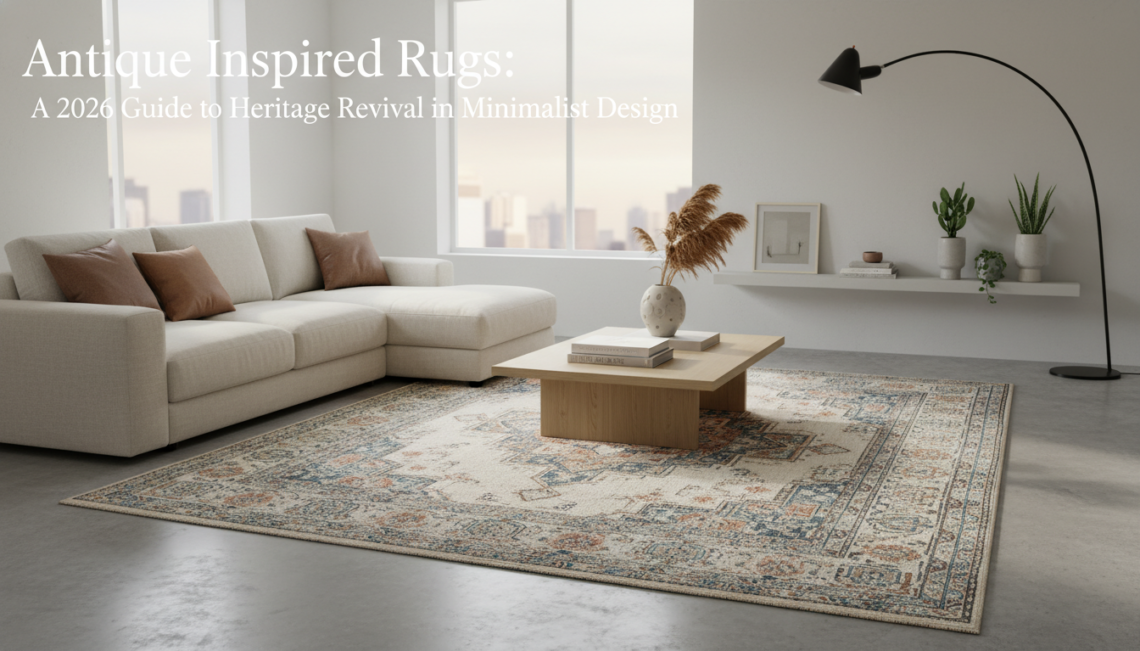
As we move into 2026, the stark, clinical aesthetic of early minimalism is evolving into ‘Heritage Minimalism.’ This trend prioritizes soul and story over sterile surfaces. At the heart of this movement is the antique-inspired rug—a piece that bridges the gap between centuries-old craftsmanship and the clean lines of contemporary architecture. For the luxury homeowner, these rugs provide the necessary warmth, texture, and historical weight required to ground a modern space without cluttering it. This guide explores how to integrate these timeless treasures into the sleek, high-end interiors of tomorrow.
“To style antique-inspired rugs in a modern minimalist home for 2026, focus on ‘Warm Minimalism’ by choosing rugs with muted, earth-toned palettes (terracotta, sage, or ochre) and distressed patterns. Position the rug as the singular focal point in a room with neutral furniture and architectural lighting. Layering a thin, hand-knotted antique-style piece over a larger jute or sisal base provides the textural depth essential for 2026’s luxury aesthetic while maintaining a clean, uncluttered profile.”
The Roadmap
Table of Contents
- The Evolution of 2026 Minimalism: Why Heritage Matters
- Defining the Antique-Inspired Aesthetic: Weaves and Textures
- Color Theory: Matching Vintage Motifs with Modern Palettes
- The Art of Rug Layering in Minimalist Spaces
- Room-by-Room: Curating Heritage for Every Space
- Sustainability and the Longevity of Heirloom-Style Rugs
- Care and Maintenance for Luxury Hand-Knotted Pieces
- Sourcing the Perfect Antique-Inspired Rug for Your Home
The Evolution of 2026 Minimalism: Why Heritage Matters
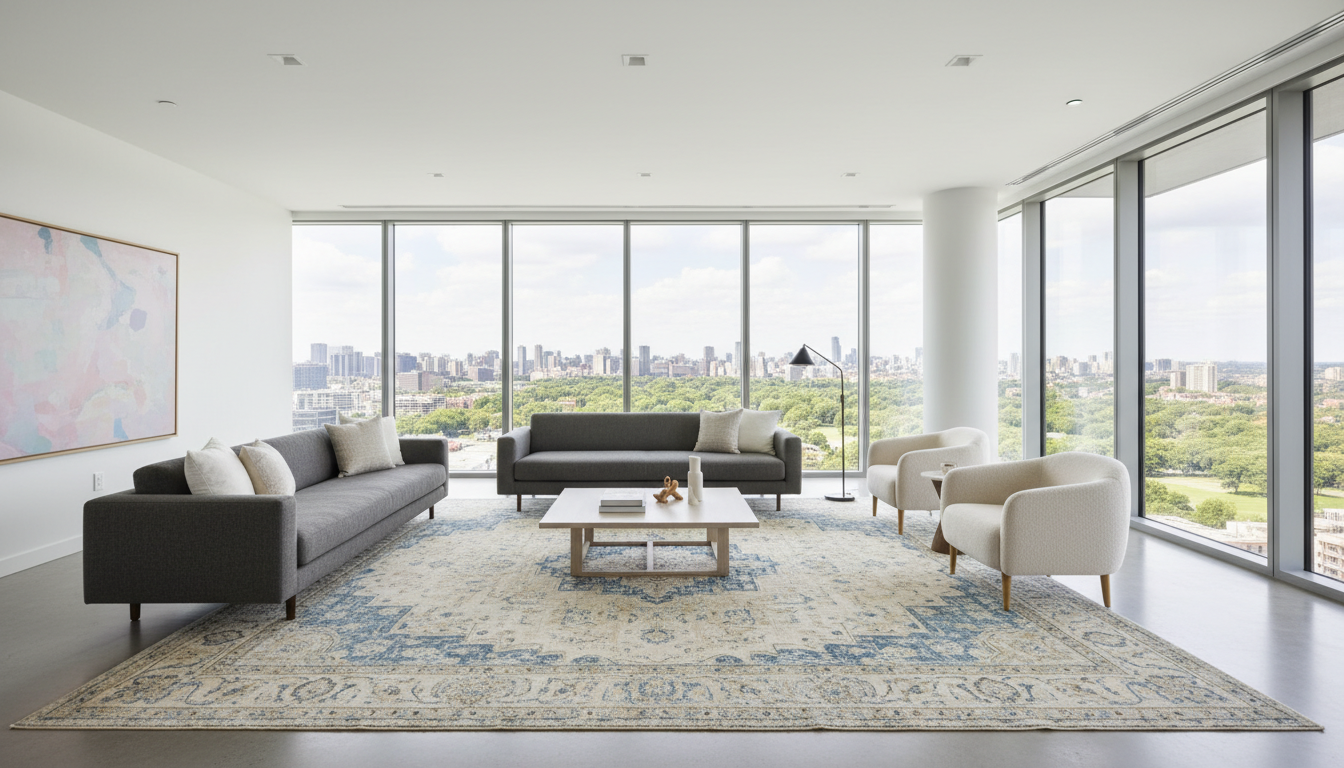
As we navigate the design landscape of 2026, the concept of minimalism has undergone a radical transformation. The “sterile white box” aesthetic that dominated the early 2020s has matured into a movement focused on curated intentionality and soulful living. In this new era, antique inspired rugs have emerged as the essential bridge between the sleek precision of modern architecture and the timeless warmth of historical craftsmanship.
Modern homeowners are no longer satisfied with interiors that feel like showrooms. Instead, there is a growing desire for “lived-in luxury,” where every object tells a story. This shift toward heritage revival is driven by a psychological need for grounding in an increasingly digital world. By incorporating antique inspired rugs, designers can introduce a sense of permanence and narrative to a minimalist room without cluttering the physical space.
The 2026 minimalist philosophy is rooted in the “Less, but Better” mantra. It focuses on high-quality, artisanal pieces that serve as functional art. This evolution means that while furniture remains streamlined and low-profile, the floor becomes a canvas for subtle patterns and faded patinas that evoke the grandeur of past centuries.
The Sensory Shift: Why Texture Outranks Color
In 2026, the visual impact of a room is measured by its tactile depth. Minimalist homes often utilize smooth surfaces like polished concrete, glass, and brushed metal. To prevent these spaces from feeling cold, designers are turning to antique inspired rugs to provide a necessary sensory counterpoint. These rugs offer a low-pile, distressed texture that mimics the natural wear of a hundred-year-old heirloom.
The beauty of a premium handmade rug lies in its irregularities. When you source a piece from tuftsknots.com, you are bringing home a product that honors traditional weaving techniques. These rugs offer a sophisticated “softness” that balances the hard angles of modern Italian sofas or Scandinavian cabinetry. The goal is to create a home that feels soft to the touch while looking visually sharp.
Consider these texture-first styling examples for 2026:
- The Ghost Pattern: Choosing a rug where the traditional motif is barely visible, appearing like a faint memory against a neutral background.
- Shorn Wool Finishes: Opting for low-pile wool that provides the durability of an antique without the heaviness of a traditional shag.
- Natural Abrash: Embracing the subtle color variations (abrash) found in high-quality wool, which adds movement to a monochromatic room.
Balancing Heritage Patterns with Clean Modern Lines
The secret to successfully styling antique inspired rugs in a minimalist environment is the interplay between complexity and simplicity. A common mistake is thinking an ornate rug will overwhelm a quiet room. In reality, the intricate borders and central medallions of a vintage-style rug provide a focal point that allows the rest of the room to remain sparse.
For example, a large-scale Heriz or Oushak pattern in muted tones can anchor a dining room featuring a simple oak table and wire-frame chairs. The rug provides the “soul,” while the furniture provides the “structure.” This juxtaposition is the hallmark of 2026’s Heritage Revival trend. It allows for a sophisticated dialogue between the past and the future.
When shopping for these pieces, look for antique inspired rugs that utilize “subtracted color.” This refers to rugs where the vibrant reds and deep blues of traditional Persians have been washed out or desaturated. These muted palettes—think sage greens, dusty terracottas, and weathered indigos—integrate seamlessly into the neutral color schemes favored by modern minimalists.
Sustainability and the Investment in Hand-Knotted Artistry
Environmental consciousness is a primary driver of the 2026 design ethos. Minimalists are moving away from “fast decor” in favor of pieces that last decades. This is why tuftsknots.com has become a go-to destination for those looking to invest in premium handmade rugs. A hand-knotted rug is not just a floor covering; it is a sustainable investment that avoids the landfill cycles associated with machine-made synthetic options.
The process of creating antique inspired rugs involves using natural fibers like hand-spun wool and organic silk. These materials are naturally stain-resistant and incredibly durable. In a minimalist home, where every item is scrutinized, the authenticity of the material matters. A genuine wool rug ages gracefully, developing a unique character that synthetic alternatives simply cannot replicate.
Why heritage craftsmanship wins in 2026:
- Durability: Hand-knotted rugs can withstand high-traffic areas in modern open-plan layouts.
- Artisanal Value: Supporting the continuation of ancient weaving traditions in a modern market.
- Timeless Aesthetic: Unlike trendy geometric prints, heritage motifs never go out of style.
The New Neutral: Muted Palettes for Modern Living
In the coming years, we will see a shift away from the “all-grey” palette toward warmer, earthier neutrals. Antique inspired rugs are the perfect tool for introducing these tones. A rug with a sun-faded terracotta base can bring warmth to a room with cool-toned walls. This creates a “glow” within the space that feels inviting rather than clinical.
If you are looking to refresh your living space, consider how antique inspired rugs can define different zones in an open-concept home. A rug under the bed can define the sleeping area as a sanctuary of history and comfort, while a different heritage piece in the home office provides a sense of prestige and focus. At tuftsknots.com, the collection of premium handmade rugs offers a variety of these “new neutral” options that cater to the discerning eye of the 2026 minimalist.
Ultimately, the revival of heritage in modern homes is about balance. It is about acknowledging that while we live in a high-tech, fast-paced world, our homes should remain a sanctuary of timeless beauty. By choosing antique inspired rugs, you are not just decorating a room; you are honoring a legacy of design that has comforted humanity for centuries, reimagined for the modern age.
Defining the Antique-Inspired Aesthetic: Weaves and Textures
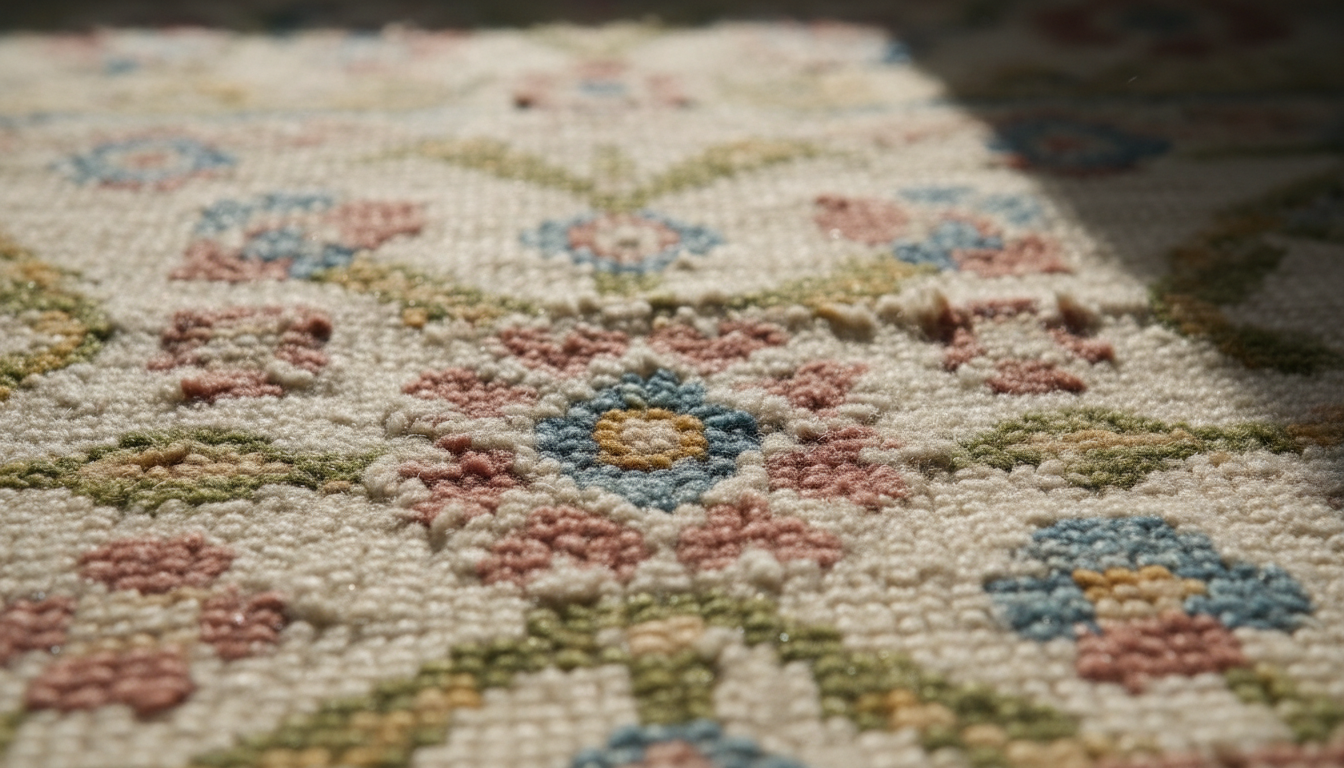
In the evolving landscape of 2026 interior design, antique inspired rugs have emerged as the primary bridge between historical grandeur and the “Quiet Luxury” movement. These pieces are not merely floor coverings; they are tactile narratives that ground a room.
The modern minimalist home often risks feeling sterile or cold due to its emphasis on clean lines and monochromatic palettes. High-quality antique inspired rugs provide the necessary counter-balance, offering warmth through complex weaves and storied textures without cluttering the visual field.
Understanding the specific weaves and textures of these rugs is essential for any homeowner looking to achieve a sophisticated, curated look. It is the subtle variation in the thread and the density of the knot that separates a generic rug from a true piece of textile art.
The Evolution of Hand-Knotted Traditions
The structural integrity of antique inspired rugs often relies on the density of the knots. In 2026, we are seeing a shift toward lower knot counts that emulate the relaxed, organic feel of village-style Oushak or Khotan rugs.
Hand-knotted techniques allow for a slight irregularity in the pattern. This “perfect imperfection” is what gives these rugs their soul, making them feel like a discovered treasure rather than a mass-produced item. This authenticity is a cornerstone of modern minimalist philosophy.
When you are looking for a piece that embodies this heritage, the collection at tuftsknots.com offers an exceptional range of premium handmade rugs that prioritize traditional craftsmanship over speed of production. Their pieces reflect the deep textures required for a luxury revival.
Understanding Low Pile and Zero Pile Textures
Modern variations of antique inspired rugs utilize a “zero pile” or “low pile” construction. This technique involves shearing the wool close to the foundation, mimicking the natural wear and tear of a rug that has survived for a century.
This texture is particularly effective in 2026 minimalist homes because it prevents the floor from feeling too heavy or bulky. It allows furniture legs to sit flush and maintains the sleek, aerodynamic flow of the room while providing a soft, matte finish.
- Distressed Finishes: Many rugs are stone-washed to soften the fibers and mute the dyes.
- Shorn Wool: A low-profile weave that highlights the intricate “skeleton” of the design.
- Flat Weaves: Kelims and Soumaks that offer a geometric, textured alternative to plush piles.
The Beauty of Natural Abrash and Tonal Depth
The tonal depth found in antique inspired rugs is often achieved through a technique known as abrash. This refers to the natural color variations that occur when wool is dyed in small batches, resulting in horizontal stripes of slightly different shades.
In a minimalist setting, abrash acts as a “visual neutral.” It provides enough movement to hide dust and wear, yet remains subtle enough not to overwhelm the room’s color story. This organic shading is a hallmark of high-end, antique inspired rugs.
Examples of common abrash-heavy styles include:
- Oushak: Known for large-scale floral patterns and soft, terracotta or sage hues.
- Tabriz: Often featuring a central medallion with a highly textured, aged appearance.
- Peshawar: Characterized by golden undertones and a soft, lived-in feel.
Material Selection: Wool, Silk, and Sustainable Fibers
When sourcing antique inspired rugs, the tactile sensation of hand-spun wool cannot be overstated. Authentic wool contains natural lanolin, which provides a soft sheen and a natural resistance to stains, making it perfect for high-traffic minimalist living rooms.
Some premium pieces incorporate silk or bamboo silk highlights. These fibers catch the light differently, creating a “shimmer” effect that adds a layer of sophistication to a room featuring concrete or hardwood floors. This play of light is a key element in 2026 design trends.
If you are ready to elevate your home with these materials, consider investing in a heritage piece. You can find a curated selection of premium, ethically sourced handmade rugs at tuftsknots.com, where the focus is on quality and longevity.
Incorporating Texture into the 2026 Minimalist Framework
Incorporating antique inspired rugs into a modern minimalist home is about more than just aesthetics; it is about sensory contrast. The rough, organic texture of a hand-woven rug provides a beautiful juxtaposition against smooth glass or polished metal furniture.
In 2026, designers are moving away from “matching” everything. Instead, they use the rug as the “anchor” of the room. A rug with a faded, distressed texture can make a brand-new sofa feel grounded and permanent rather than temporary.
Key styling tips for textured rugs in 2026:
- Layering: Place a smaller, highly textured antique-inspired rug over a larger jute or sisal base.
- Negative Space: Leave at least 18 inches of floor visible around the rug to let the textures breathe.
- Color Balance: Choose a rug with “faded” colors to complement a neutral, monochromatic room.
Ultimately, high-quality antique inspired rugs serve as heirlooms for the next generation. By selecting a rug with a rich weave and an authentic texture, you aren’t just decorating a room; you are investing in a piece of history that enhances the modern living experience.
By focusing on hand-knotted quality and natural materials, you ensure that your home remains a sanctuary of style and comfort. Explore the artistry of the past made for the homes of today at tuftsknots.com.
Color Theory: Matching Vintage Motifs with Modern Palettes
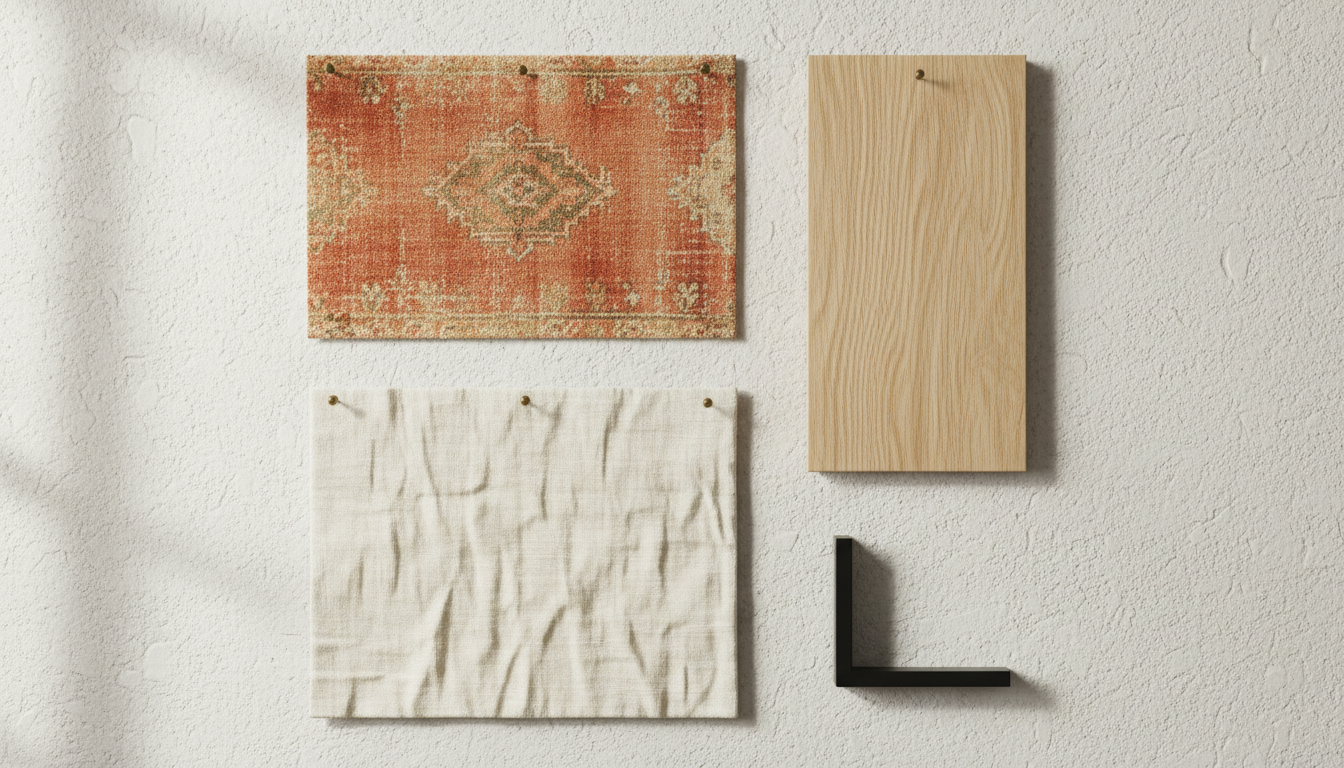
The successful integration of antique inspired rugs into a 2026 minimalist home hinges entirely on the mastery of color theory. In previous decades, minimalism was synonymous with stark whites and clinical grays, but the “New Minimalist” movement prioritizes warmth, history, and soul. By understanding how to bridge the gap between centuries-old motifs and contemporary color palettes, you can create a space that feels curated rather than cluttered.
Color theory in this context is about finding a “common thread” between your furniture and your floor covering. Instead of matching colors exactly, look for shared undertones. If your modern sofa has a cool, blue-gray undertone, look for antique inspired rugs that feature hints of slate, indigo, or soft lavender to create a visual dialogue between the pieces.
The goal is to use the rug as a grounding element that dictates the room’s energy. In a minimalist setting, the rug often serves as the only source of intricate pattern. By choosing a rug with a weathered or “faded” patina, you introduce a sense of “Quiet Luxury” that defines the interior design trends of 2026.
The Power of Desaturated Pigments and Muted Earth Tones
Modern minimalism in 2026 is moving toward an organic, biophilic aesthetic. This shift makes antique inspired rugs in earthy, desaturated tones the perfect foundation for any room. Think of colors like terracotta, sage green, ochre, and sand. These hues feel grounded and timeless, reflecting the natural dyes used in authentic heritage pieces.
When working with a muted palette, the complexity of the rug’s motif provides the “visual weight” that a minimalist room often lacks. Because the colors are soft, the pattern doesn’t overwhelm the eye. Instead, it adds a layer of sophisticated texture that invites the viewer to look closer without disrupting the overall sense of calm.
- Example: Pair a faded rust-toned rug with a cream bouclé sofa and light oak coffee tables.
- Example: Use an olive-green antique motif rug to anchor a dining room featuring black matte metal chairs.
- Example: Mix a sand-colored rug with “Greige” walls for a monochromatic, textured look.
Balancing Intricate Motifs with Negative Space
One of the biggest challenges when styling antique inspired rugs is ensuring the pattern doesn’t clash with the clean lines of modern furniture. To solve this, focus on the concept of negative space. A minimalist room needs areas where the eye can rest; if the rug is highly detailed, keep the surrounding walls and surfaces largely unadorned.
In 2026, designers are increasingly using rugs as “floor art.” A high-quality, hand-tufted rug from tuftsknots.com can serve as the centerpiece of a room, allowing you to keep the rest of your decor functional and sparse. The intricate linework of a vintage-style medallion or floral border provides enough interest that you won’t need heavy drapes or excessive wall art.
Consider the scale of the pattern as well. Large-scale motifs in antique inspired rugs often feel more modern and less “busy” than tiny, repetitive patterns. These larger designs stretch the visual dimensions of the room, making a small apartment feel more expansive while maintaining that cozy, heritage-rich atmosphere.
Crafting a Cohesive Palette via Materiality
Color doesn’t exist in a vacuum; it is deeply influenced by the material it is dyed into. For 2026, the preference is for natural fibers like wool and silk blends. These materials take dye in a way that creates natural variations, often called “abrash” in the rug world. This variation ensures that antique inspired rugs look authentic and high-end.
At tuftsknots.com, the focus is on premium handmade rugs that capture this organic color movement. When you choose a rug with these natural shifts in hue, it becomes much easier to match with modern furniture. A single rug might contain five different shades of blue, allowing you to pull any of those tones for your throw pillows, upholstery, or accent pieces.
By investing in handmade quality, you ensure that the colors have depth. Cheaply printed rugs often look flat and synthetic, which can make a minimalist room feel “cold.” In contrast, the rich, layered colors found in antique inspired rugs add a sense of history and craftsmanship that elevates the entire home’s aesthetic.
Practical Palette Pairings for 2026 Minimalist Homes
To help you visualize these concepts, here are three trending color combinations for styling antique inspired rugs in the coming year. These pairings emphasize the “Heritage Revival” look while keeping the overall vibe fresh and contemporary.
- The “Midnight & Stone” Palette: A deep navy rug with silver and charcoal motifs paired with light gray concrete floors and brushed steel accents.
- The “Desert Modern” Palette: A sun-bleached apricot or terracotta rug paired with white walls, tan leather seating, and plenty of indoor greenery.
- The “Ethereal Sage” Palette: A soft sage and cream rug paired with light-toned wood furniture and translucent linen curtains for a bright, airy feel.
Ultimately, antique inspired rugs act as a bridge between the past and the future. By leaning into sophisticated color theory—focusing on desaturated tones, respecting negative space, and prioritizing high-quality materials—you can create a 2026 minimalist home that feels warm, lived-in, and exceptionally stylish. Remember that your rug is the soul of the room; choose a piece that resonates with your personal palette and provides the comfort your modern life demands.
The Art of Rug Layering in Minimalist Spaces
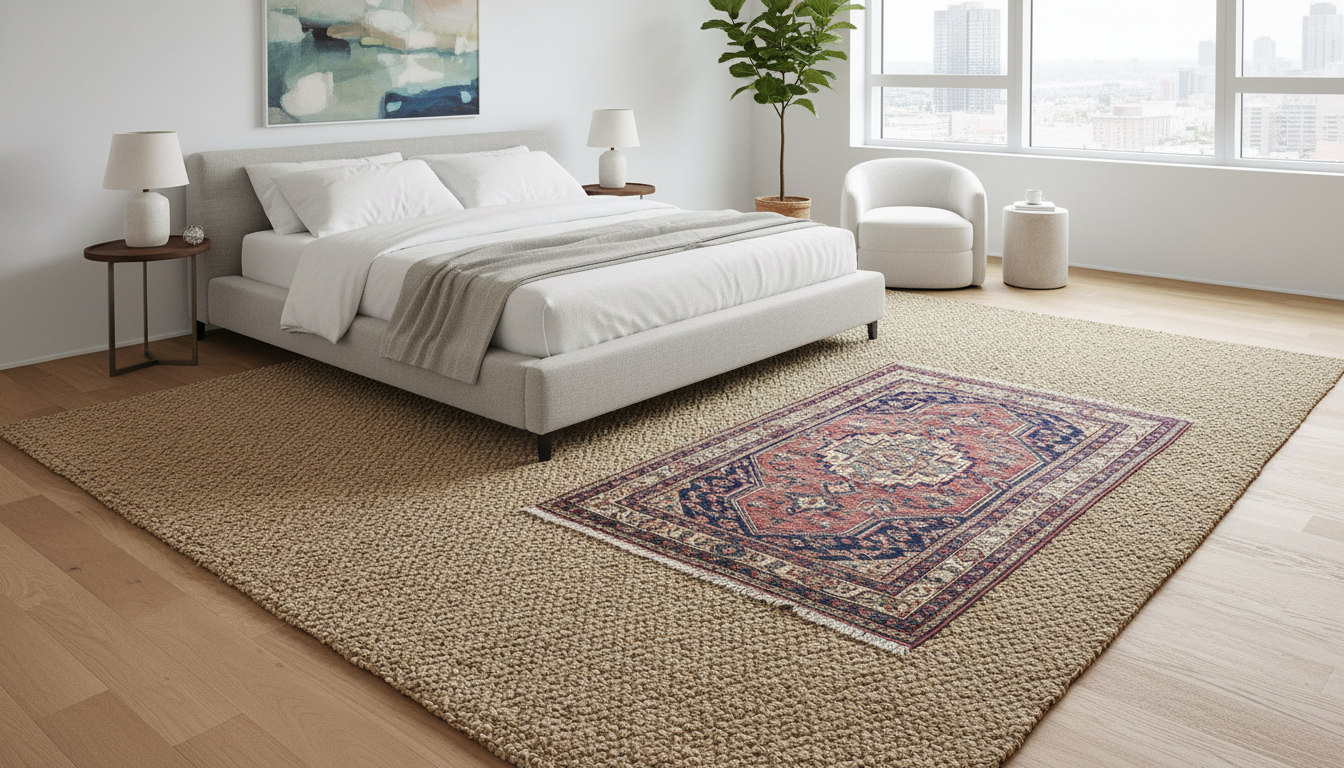
In the design landscape of 2026, the shift toward “Warm Minimalism” has redefined how we perceive empty space. No longer is minimalism about cold, stark surfaces; instead, it focuses on curated comfort and historical depth. Layering antique inspired rugs has emerged as the premier technique for adding this necessary warmth without compromising the clean lines of a modern home.
The practice of rug layering involves placing a smaller, more decorative rug over a larger, more neutral foundation. This technique allows homeowners to introduce the intricate storytelling of traditional motifs into a contemporary setting. By using antique inspired rugs as the focal point of a layered arrangement, you create a visual anchor that draws the eye and grounds the furniture.
When executed correctly, layering prevents a minimalist room from feeling clinical. It adds a physical and visual weight to the floor, providing a sense of permanence and heritage. The key to mastering this in 2026 is balancing the rugged, organic textures of natural fibers with the refined elegance of hand-knotted wool patterns found in premium antique inspired rugs.
Choosing the Perfect Base Layer
The foundation of your layered look should typically be a large, low-profile rug that covers a significant portion of the floor. In minimalist spaces, neutral materials like jute, sisal, or flat-weave wool in shades of oatmeal, sand, or charcoal work best. This base acts as a canvas, providing a consistent texture that allows the top layer to shine.
Ensure that the base rug is large enough to touch all major pieces of furniture in the seating area. A common mistake is choosing a base that is too small, which can make the room feel disjointed. By extending the neutral base, you create a cohesive zone that prepares the stage for the detailed artistry of antique inspired rugs placed on top.
For those looking to elevate this foundation, consider the selection at tuftsknots.com. Their collection of premium handmade rugs provides the perfect high-quality starting point for any layering project, ensuring that your home feels both luxurious and authentic.
Creating Contrast with Antique Inspired Rugs
Once your base is set, the second layer is where the “Heritage Revival” truly comes to life. This is your opportunity to introduce color, pattern, and soul. When selecting antique inspired rugs for the top layer, look for “faded” or “distressed” aesthetics that mimic the natural wear of a century-old textile. These muted palettes integrate seamlessly with minimalist decor.
Contrast is not just about color; it is about texture and shape. Consider these layering combinations for a 2026 aesthetic:
- The Geometric Blend: Place a rectangular Heriz-style rug at a slight angle over a larger, circular jute rug for a dynamic, modern look.
- The Tonal Approach: Layer a sage green Oushak-patterned rug over a dark olive wool flat-weave to create depth through monochromatic layering.
- The High-Low Texture: Use a thick, plush pile rug featuring antique inspired rugs motifs over a very thin, woven seagrass base to play with sensory heights.
The goal is to make the top rug feel like a piece of art. Because 2026 minimalism prizes “quality over quantity,” investing in a hand-tufted or hand-knotted piece from a reputable source like tuftsknots.com ensures that the intricate details of your rug stand the test of time and trend cycles.
Defining Zones in Open-Concept Spaces
Modern minimalist homes often feature open-concept floor plans that can feel cavernous or poorly defined. Layering antique inspired rugs is an architectural tool used to “zone” specific areas without the need for walls. A layered arrangement under a dining table or a coffee table instantly signals the purpose of that specific space.
In a large living area, you might use a massive neutral rug to cover the entire seating section, then place a smaller, vibrant rug directly under the coffee table. This creates a “nesting” effect that feels intimate and intentional. It directs the flow of traffic and gives the eye a place to rest amidst the simplicity of the surrounding modern architecture.
When zoning, pay attention to the orientation of the top rug. Aligning antique inspired rugs with the longest side of your sofa creates a sense of order, while a diagonal placement can soften the rigid lines of modern furniture, making the room feel more lived-in and approachable.
Maintenance and Safety for Layered Rugs
To ensure your layered rugs look intentional rather than accidental, maintenance is crucial. Because you are stacking materials, there is a higher risk of slipping or tripping if the rugs aren’t secured. Always use a high-quality rug pad between the floor and the base rug, and consider a thin adhesive grip between the base and the top layer.
- Vacuuming: Use a vacuum without a beater bar for antique inspired rugs to preserve the delicate fibers and prevent fraying.
- Rotation: Rotate the top rug every six months to ensure even wear, especially if one side is exposed to more sunlight than the other.
- Spot Cleaning: Treat spills immediately on handmade rugs to prevent dyes from setting into the foundation of the base rug.
By choosing antique inspired rugs that are crafted with traditional techniques, you are choosing longevity. The rugs found at tuftsknots.com are designed to handle the weight of furniture and the friction of layering, making them a practical yet beautiful choice for the modern minimalist homeowner who values both form and function.
Ultimately, layering rugs is about personal expression. In the minimalist home of 2026, it is the bridge between the past and the future, allowing you to honor historical craftsmanship while maintaining a clean, uncluttered lifestyle.
Room-by-Room: Curating Heritage for Every Space
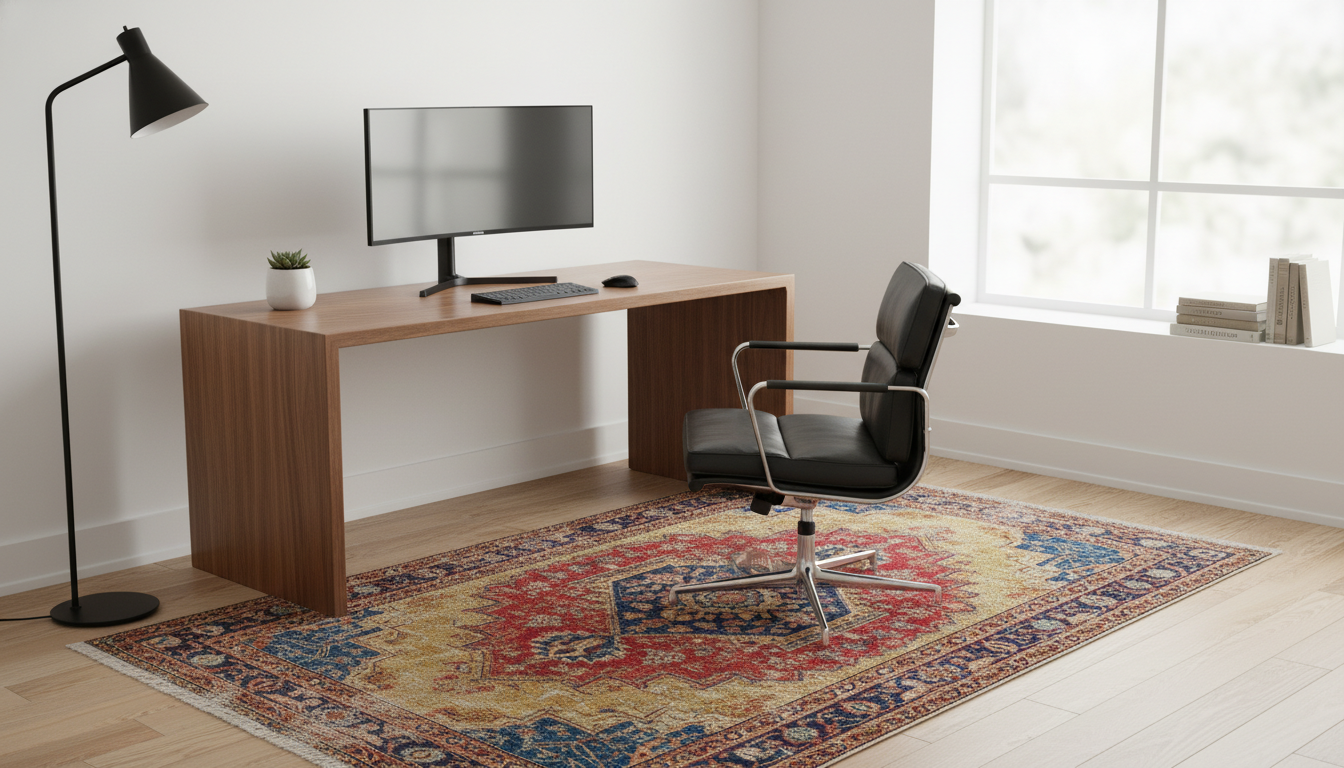
The 2026 design landscape is shifting away from the stark, clinical aesthetics of the early 2020s toward a movement known as “Warm Minimalism.” This evolution prioritizes comfort, history, and tactile richness without sacrificing the clean lines of modern architecture. At the heart of this movement are antique inspired rugs, which serve as the bridge between the precision of contemporary furniture and the soulful imperfection of the past.
Integrating these pieces into a modern home requires a delicate balance. You aren’t aiming for a museum look; rather, you are seeking a curated juxtaposition. By layering the time-worn patterns of antique inspired rugs against smooth surfaces like polished concrete, white oak, or matte marble, you create a visual dialogue that makes a minimalist room feel like a home rather than a showroom.
The Living Room: Grounding Open-Concept Spaces
In a minimalist living room, the rug is often the largest single decorative element. This makes it the primary tool for defining the mood. When selecting antique inspired rugs for this space, consider the “anchoring” effect. A large-format rug with a faded Oushak or Heriz pattern can ground a floating sofa arrangement, providing a sense of permanence in a room filled with light, airy furniture.
To master the 2026 look, follow these styling tips for the living room:
- Negative Space: Ensure at least 12 to 18 inches of bare floor is visible between the rug and the walls to maintain a minimalist feel.
- Tone-on-Tone: Choose a rug where the primary colors echo the upholstery of your furniture. If you have a charcoal sofa, look for antique inspired rugs with deep slate or oxidized blue undertones.
- The Leg Rule: Place at least the front legs of all seating on the rug to create a unified conversation zone.
The Dining Area: Defining Geometry and Function
Minimalist dining rooms often feature sharp angles—rectangular tables, slim-profile chairs, and linear lighting. Softening these hard edges is where antique inspired rugs truly shine. A low-pile, high-knot-density rug provides a sophisticated contrast to the sleekness of a glass or metal dining table. In 2026, the trend is moving toward “quiet luxury,” where the quality of the material speaks louder than the boldness of the pattern.
For high-traffic dining areas, durability is essential. Premium handmade options, such as those found at tuftsknots.com, offer the resilience of natural wool, which is inherently stain-resistant. When a rug features an intricate, time-worn pattern, it also becomes highly forgiving of the occasional spill or foot traffic mark, making it as practical as it is beautiful.
The Bedroom: A Sanctuary of Muted Textures
In the bedroom, the goal of minimalism is to reduce visual “noise” to promote rest. However, a room with too little texture can feel cold. Antique inspired rugs with a distressed or “abrash” effect—the natural variation in dye color—add depth without being distracting. Look for rugs in a palette of sage green, soft terracotta, or warm sand to maintain a serene environment.
Consider these placement examples for the bedroom:
- The Full Wrap: A 9×12 rug placed horizontally under a queen or king bed, extending significantly on both sides for a soft landing every morning.
- Asymmetric Layering: Placing a smaller, rectangular rug slightly off-center under the bed to break up the rigid symmetry of a minimalist room.
- Runner Pairings: Using two matching antique inspired rugs as runners on either side of the bed if you prefer to showcase a beautiful hardwood floor.
Transitional Spaces: Entryways and Hallways
The entryway is your home’s first narrative beat. In a minimalist home, you don’t have much room for clutter, so the floor must do the heavy lifting. A runner-style rug with a traditional Persian or Turkish motif creates an immediate sense of “Heritage Revival” as soon as guests step through the door. Because hallways are often narrow, antique inspired rugs provide the necessary color and pattern to make these transitional zones feel intentionally designed.
When sourcing these pieces, quality is the most important variable. At tuftsknots.com, the focus is on premium handmade rugs that replicate the soul of genuine antiques through traditional weaving techniques. These rugs are built to last generations, fitting perfectly into the 2026 ethos of “buying less, but buying better.”
The Art of Layering Patterns
A common misconception in modern minimalism is that patterns must be avoided. On the contrary, antique inspired rugs provide a “structured chaos” that complements flat surfaces. The key is scale. If you have a large-scale floral pattern on your rug, keep your throw pillows in solid colors but varied textures, such as linen or bouclé.
For those looking to push the boundaries of 2026 trends, try layering a small, highly detailed rug over a larger, neutral jute or sisal base. This creates a “frame” for the heritage piece, making it look like a work of art on the floor. This technique works exceptionally well in home offices or reading nooks where you want to highlight a specific area of the room.
Ultimately, styling antique inspired rugs is about celebrating the friction between the old and the new. Whether you are grounding a sprawling living room or adding a touch of warmth to a sleek hallway, these pieces provide the character that modern minimalism often lacks. By investing in high-quality, handmade foundations from tuftsknots.com, you ensure that your home feels both timeless and perfectly on-trend for years to come.
Sustainability and the Longevity of Heirloom-Style Rugs
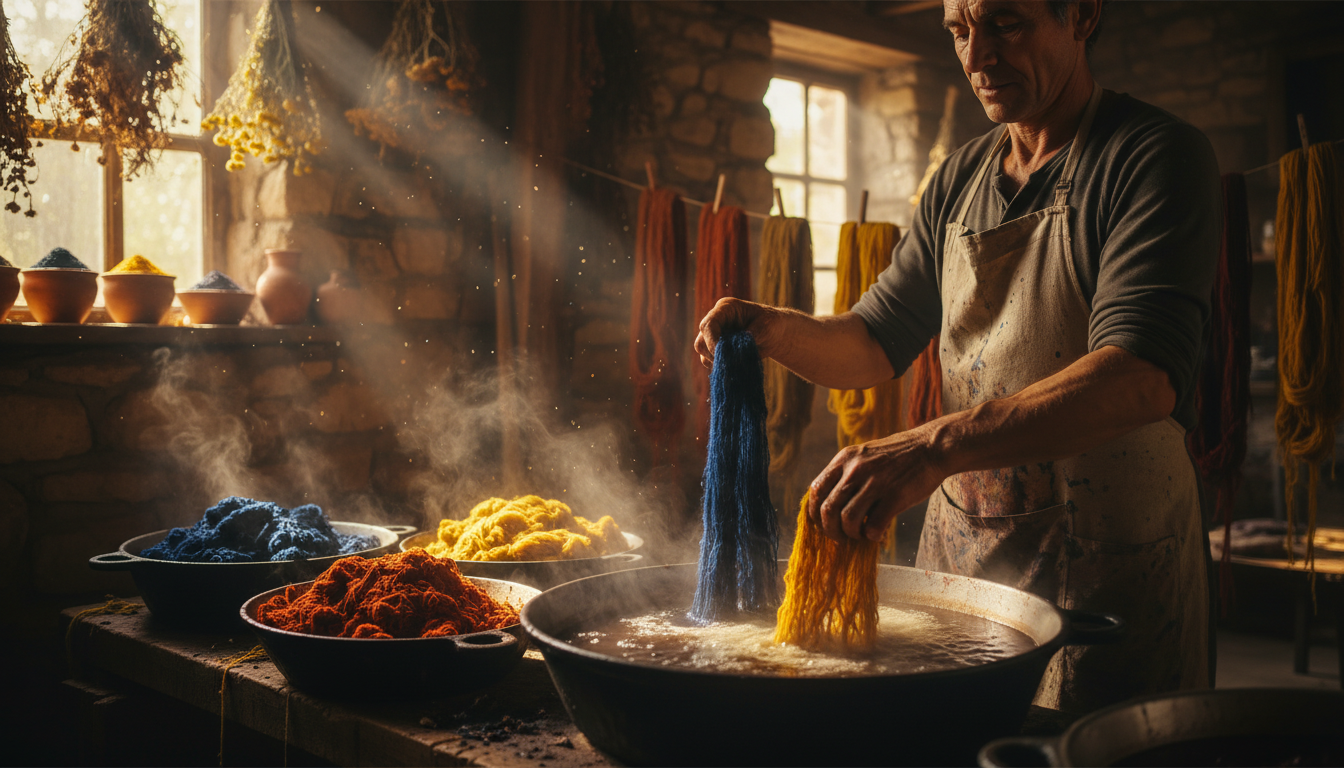
In the landscape of 2026 interior design, the “Heritage Revival” movement has emerged as a direct response to the era of disposable furniture. Modern minimalism is no longer about cold, empty spaces; it is about intentionality. Homeowners are increasingly seeking pieces that tell a story, leading to a significant surge in the popularity of antique inspired rugs as the cornerstone of the sustainable home.
Choosing an heirloom-style piece is more than a stylistic preference; it is a commitment to ecological responsibility. By prioritizing quality over quantity, you reduce the cycle of waste that defines “fast decor.” These rugs bridge the gap between historical artistry and future-proof durability, ensuring that your floor covering remains relevant for decades rather than seasons.
The Shift Toward Conscious Craftsmanship
Sustainability in 2026 is defined by the longevity of the materials we bring into our living rooms. Unlike synthetic, machine-made alternatives that lose their luster within a few years, antique inspired rugs are often crafted using techniques perfected over centuries. This dedication to craft ensures that the rug can withstand high-traffic areas while maintaining its structural integrity.
The materials used in these premium pieces are naturally biodegradable and renewable. For instance, high-quality wool contains natural lanolin, which acts as a built-in stain repellent. This means fewer harsh chemicals are needed for cleaning, further lowering the environmental footprint of your home maintenance routine.
When you invest in antique inspired rugs from specialized artisans like those at tuftsknots.com, you are supporting a supply chain that values slow production. These rugs are designed to be “forever pieces,” moving with you from one home to the next, adapting to different architectural styles while gaining character with age.
Natural Fibers and the Heirloom Standard
The durability of a rug is dictated by its foundation. In the context of 2026 modern minimalism, the focus has shifted toward “quiet luxury”—the idea that true wealth lies in items that do not need to be replaced. High-quality antique inspired rugs utilize traditional fibers that offer unparalleled longevity:
- Hand-Spun Wool: Provides resilience and a unique texture that machine-spun fibers cannot replicate.
- Organic Silk: Adds a subtle sheen and incredible tensile strength to intricate patterns.
- Cotton Foundations: Ensures the rug lies flat and resists stretching or warping over time.
- Vegetal Dyes: Derived from plants and minerals, these dyes fade gracefully into a “patina” rather than bleaching out.
By opting for these natural components, you avoid the off-gassing of Volatile Organic Compounds (VOCs) often found in synthetic backings and glues. This creates a healthier indoor air environment, which is a primary pillar of modern minimalist living.
Cost-Per-Use: The Economic Case for Quality
While the initial investment in antique inspired rugs may be higher than a mass-produced alternative, the cost-per-use over time is significantly lower. A budget rug may last three years before looking frayed and dull, whereas a premium handmade rug can last eighty years or more with proper care. This makes the “heirloom” choice the more economical path in the long run.
Consider the lifecycle of a typical minimalist living room. You might update your sofa or change your wall art, but a timeless rug provides a constant anchor. The aesthetic flexibility of antique inspired rugs allows them to complement a mid-century modern aesthetic just as easily as a futuristic, tech-integrated 2026 smart home.
For those looking to curate a space that feels both grounded and sophisticated, tuftsknots.com provides a curated selection of premium handmade rugs. Their collection focuses on the intersection of ancient motifs and contemporary durability, offering the perfect solution for the eco-conscious decorator.
Integrating Heritage Pieces into Minimalist Aesthetics
Styling antique inspired rugs in a minimalist environment requires a balance of “old-world” warmth and “new-world” simplicity. The goal is to let the rug act as the “soul” of the room, providing visual interest without cluttering the space. In 2026, we see this manifested through specific design choices:
- Tone-on-Tone Layering: Placing a faded Persian-style rug over a neutral jute base for added depth.
- Negative Space: Allowing the intricate borders of antique inspired rugs to breathe by keeping furniture legs slender and elevated.
- Textural Contrast: Pairing the soft, hand-knotted pile of a traditional rug with sleek, cold materials like glass, steel, or polished concrete.
This design approach celebrates the imperfections of hand-woven textiles. Small variations in the weave or the slight abrash (color variation) in the yarn are not seen as flaws, but as marks of authenticity. These details provide a tactile experience that mass-produced items simply cannot mimic.
Building a Legacy through Interior Design
Ultimately, the move toward antique inspired rugs is a move toward building a legacy. In an era where digital fatigue is high, the physical touch of a hand-knotted rug provides a much-needed connection to human history and artistry. These rugs are more than floor coverings; they are functional pieces of art that carry the weight of tradition into the modern era.
By choosing antique inspired rugs, you are participating in a circular economy. You are purchasing a product that was made to last, can be repaired if damaged, and will eventually return to the earth without leaving a trail of microplastics. It is the ultimate expression of the 2026 design philosophy: beauty that respects the past and protects the future.
If you are ready to elevate your home with a piece that transcends trends, explore the artisan collections at tuftsknots.com. Discover how the right handmade rug can transform a minimalist house into a warm, sustainable home filled with heritage and style.
Care and Maintenance for Luxury Hand-Knotted Pieces
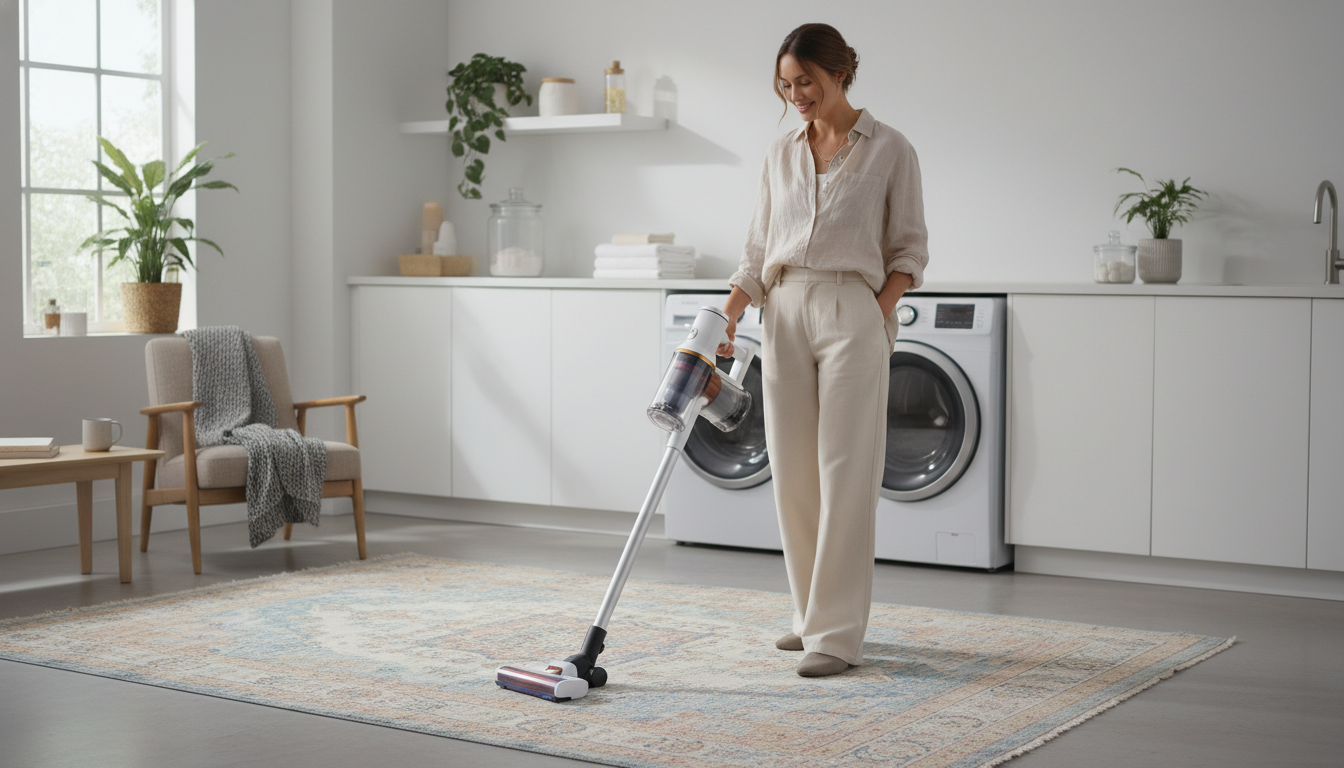
Investing in high-quality antique inspired rugs is an investment in the soul of your home. These pieces are not merely floor coverings; they are heirlooms that bridge the gap between historical craftsmanship and 2026’s “quiet luxury” aesthetic. To ensure your hand-knotted treasure survives the test of time, a dedicated maintenance routine is essential.
The beauty of a hand-knotted piece lies in its organic imperfections and the resilience of natural fibers. Unlike machine-made alternatives, these rugs are designed to last for generations if handled with respect. Proper care preserves the structural integrity of the knots and the vibrancy of the dyes, ensuring the rug remains a focal point in your minimalist sanctuary.
Establishing a Regular Vacuuming Routine
The foundation of rug longevity starts with how you handle daily debris. For antique inspired rugs, dust and grit are the primary enemies. Fine particles settle deep into the pile and act like sandpaper, slowly grinding away at the delicate wool or silk fibers every time you walk across the surface.
Always use a vacuum cleaner without a beater bar. The spinning brushes of a traditional vacuum can snag the hand-tied knots and cause premature fraying of the fringe. Instead, use the suction-only setting or a handheld attachment to gently lift surface dust. Consider the following vacuuming tips:
- Direction Matters: Always vacuum in the direction of the pile (the “nap”) rather than against it to avoid stress on the fibers.
- Frequency: In high-traffic minimalist living rooms, vacuum once a week. In low-traffic areas like bedrooms, once every two weeks is sufficient.
- The Underside: Twice a year, flip the rug and vacuum the back to remove dust that has settled through the foundation.
Managing Spills and Stains with Precision
Accidents are inevitable, even in the most curated modern homes. However, the way you react to a spill determines whether your rug remains a masterpiece or becomes a permanent reminder of a mishap. When liquids touch your antique inspired rugs, time is of the essence.
Never rub or scrub a stain, as this friction pushes the liquid deeper into the core of the fibers and can distort the pile. Instead, use a clean, white cotton cloth to blot the area repeatedly. Pressure is your friend; friction is your enemy. Blot from the outside of the spill toward the center to prevent the liquid from spreading.
For common household spills, follow these examples:
- Red Wine or Juice: Blot immediately, then use a mixture of lukewarm water and a tiny drop of pH-neutral detergent.
- Pet Accidents: Blot thoroughly and use a specialized enzyme cleaner that is safe for natural wool.
- Mud: Let it dry completely before gently scraping it off and vacuuming the residue.
The Importance of Professional Deep Cleaning
While home maintenance is vital, your antique inspired rugs require a professional touch every three to five years. The industrial cleaning methods used for synthetic carpets are far too harsh for the natural vegetable dyes and hand-spun wool found in premium pieces. A professional ensures the rug is cleaned without the risk of color bleeding.
Seek out specialists who offer traditional “immersion” washing. This process involves gently soaking the rug in a specialized bath to remove embedded pollutants, allergens, and microscopic dust that a vacuum simply cannot reach. This process rejuvenates the natural lanolin in the wool, ensuring the “antique” sheen remains vibrant for decades.
Rotation and Sunlight Management
Modern minimalist homes in 2026 often feature expansive floor-to-ceiling windows. While natural light highlights the intricate patterns of antique inspired rugs, prolonged UV exposure can cause uneven fading over time. This is particularly true for rugs using traditional organic dyes.
To combat this, rotate your rug 180 degrees every six months. This ensures that any sun exposure or foot traffic patterns are distributed evenly across the surface. This simple step prevents “pathways” from forming in the pile and keeps the color palette balanced across the entire room. If possible, use UV-filtering window films or sheer curtains to soften the midday sun.
Choosing Quality from the Start
True longevity begins with the quality of the construction and the materials used. When you source your pieces from a reputable curator like tuftsknots.com, you are guaranteed a foundation of hand-knotted excellence. Premium wools and authentic dyes used in their collections are naturally more resilient than mass-produced alternatives.
By purchasing from tuftsknots.com, you receive more than just a decor item; you get a piece designed to handle the rigors of modern life while maintaining its heritage charm. Their antique inspired rugs are crafted to develop a beautiful patina over time rather than simply wearing out, making them the perfect anchor for a 2026 minimalist interior.
Protective Measures for Heavy Furniture
Modern minimalist furniture often features slim, tapered legs that can exert significant pressure on a small area. To protect your antique inspired rugs, use furniture coasters made of felt or rubber. These small discs distribute the weight and prevent the permanent crushing of the hand-knotted pile.
If you decide to rearrange your room and notice indentations, you can often “revive” the crushed fibers. Lightly mist the area with a small amount of distilled water and gently brush the pile upward with a soft-bristled brush or the edge of a coin. This maintains the three-dimensional texture that makes antique inspired rugs so visually and tactilely compelling in a simplified space.
Finally, always use a high-quality rug pad. A rug pad acts as a shock absorber, protecting the knots from being crushed between the floor and heavy footsteps. It also provides essential airflow, preventing moisture buildup and keeping your antique inspired rugs in pristine condition for the years to come.
Sourcing the Perfect Antique-Inspired Rug for Your Home
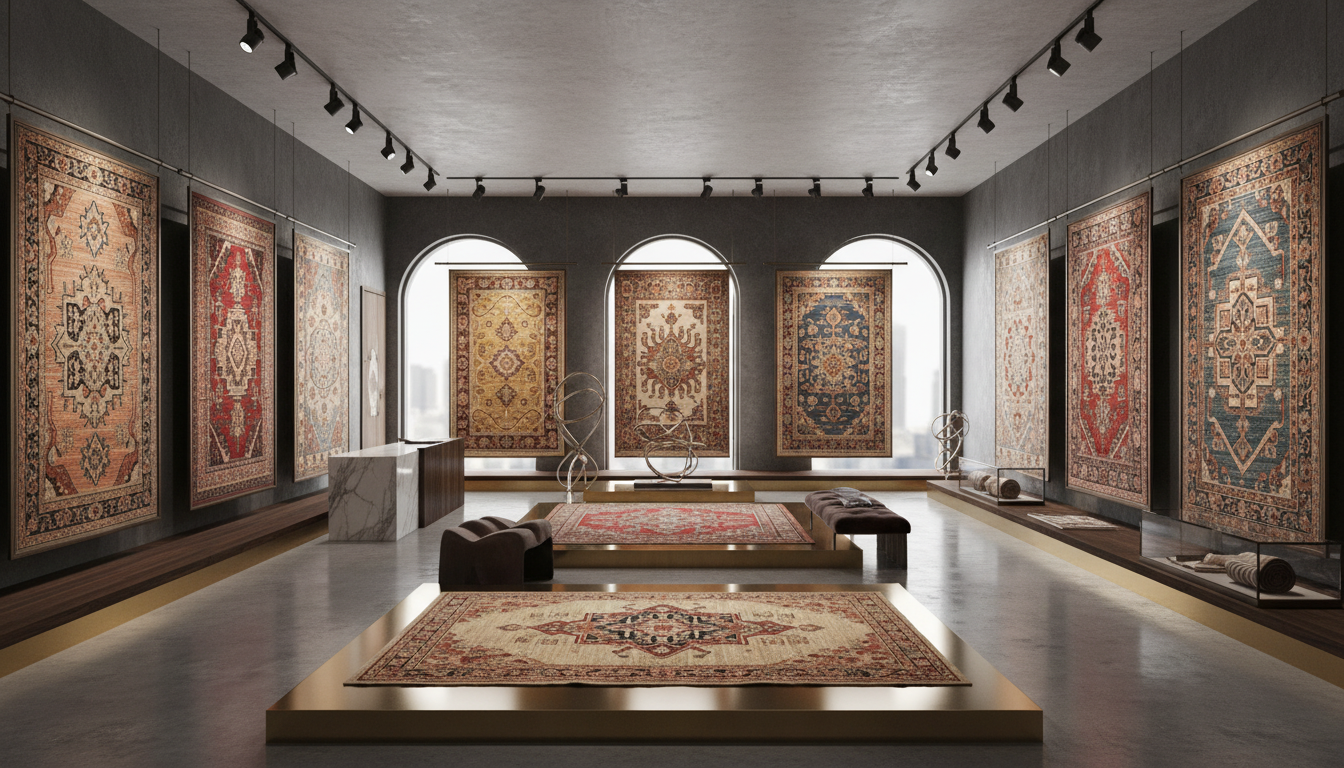
Finding the right balance between historical charm and contemporary simplicity requires a discerning eye for detail. As we move into 2026, the “Heritage Revival” movement has transitioned from a niche trend to a foundational element of modern minimalist interior design.
The journey begins with identifying antique inspired rugs that possess the soul of a century-old heirloom while maintaining the structural integrity of a modern masterpiece. This search is about more than just aesthetics; it is about finding a piece that grounds a room through texture and narrative.
In a minimalist home, every object must justify its presence. Choosing antique inspired rugs allows you to introduce complex visual interest without cluttering the physical space, creating a focal point that feels both curated and timeless.
Prioritizing Materiality and Texture
The hallmark of a high-quality rug is the fiber from which it is woven. In 2026, the focus has shifted away from synthetic blends toward natural, sustainable materials that age gracefully over time, much like the originals they emulate.
When sourcing antique inspired rugs, look for materials that offer a tactile experience. Hand-spun wool, for instance, retains natural lanolin, making it stain-resistant and incredibly soft. Bamboo silk is another popular choice for those seeking a subtle sheen that mimics the wear of aged silk.
- Hand-Spun Wool: Offers a matte finish and exceptional durability for high-traffic minimalist living rooms.
- Art Silk Accents: Provides a “high-low” texture effect that catches the light differently throughout the day.
- Organic Cotton Foundations: Ensures the rug lies flat and maintains its shape against sleek, modern flooring.
High-end options, such as those found at tuftsknots.com, prioritize these premium fibers. Their collection of premium handmade rugs ensures that your antique inspired rugs feel as luxurious as they look, providing a sensory experience that synthetic alternatives simply cannot match.
Decoding Heritage Patterns for Modern Spaces
Minimalist homes often rely on neutral palettes, which can sometimes feel cold. The right pattern can inject warmth and history into a space. When browsing for antique inspired rugs, look for motifs that have been simplified or “deconstructed” for the modern era.
Oushak patterns, known for their larger-scale floral motifs and soft color palettes, are particularly effective in 2026 interiors. Unlike the dense, busy patterns of traditional Persian rugs, these offer a sense of “breathability” that complements open-plan living and sparse furniture arrangements.
Consider these popular styles for your source list:
- Faded Medallions: Central motifs that appear “erased” or distressed to prevent the pattern from overwhelming the room.
- Borderless Heriz: Traditional geometric shapes reimagined without a formal border to make a small room feel larger.
- Monochromatic Kilims: Flat-weave antique inspired rugs that use texture rather than color to tell a story.
The Art of “Lived-In” Color Palettes
The color story of 2026 is rooted in “New Neutrals”—shades like sage green, terracotta, and slate blue. When sourcing antique inspired rugs, the goal is to find pieces that utilize vegetable dyes or specialized washing techniques to achieve a muted, sun-faded look.
A vibrant, brand-new rug can often clash with the understated elegance of a minimalist home. Instead, look for antique inspired rugs that feature “chromatic abrasion,” where subtle shifts in yarn color create a variegated effect. This mimics the natural fading that occurs over decades of use.
For example, a charcoal-grey rug with hints of faded indigo can bridge the gap between a modern black leather sofa and light oak flooring. This layering of “history” through color prevents a minimalist room from feeling like a sterile showroom.
Sizing and Proportions for Minimalist Layouts
One of the most common mistakes when sourcing antique inspired rugs is choosing a size that is too small. In a heritage-minimalist fusion, the rug acts as the “island” upon which your furniture lives. It defines the zone and provides a sense of enclosure.
In 2026, the trend is toward oversized rugs that allow for at least 12 to 18 inches of floor space around the perimeter. This creates a “frame” of hardwood or polished concrete, highlighting both the craftsmanship of the rug and the architecture of the home.
If you find a pattern you love but the size isn’t quite right, consider the bespoke services at tuftsknots.com. Buying premium handmade rugs from a dedicated atelier allows you to customize dimensions to fit your specific floor plan, ensuring your antique inspired rugs sit perfectly within your design vision.
Sustainability and the Investment Mindset
True minimalism is about buying less but buying better. When you source antique inspired rugs that are hand-knotted rather than machine-made, you are investing in a piece of functional art that can last for generations.
Machine-made rugs often use glues and synthetic backings that off-gas chemicals and degrade within a few years. In contrast, authentic antique inspired rugs are often biodegradable and crafted using ancient techniques that support artisan communities.
By choosing to purchase from reputable sources like tuftsknots.com, you are opting for a sustainable lifestyle choice. These rugs don’t just mimic the look of the past; they respect the slow-craft traditions of the past, making them the perfect addition to a conscious, modern home.
Ultimately, sourcing the perfect rug is a balance of patience and intuition. Whether you are looking for a muted Oushak for a bedroom or a bold, distressed Tabriz for a dining area, antique inspired rugs provide the essential soul that turns a house into a curated sanctuary.
Elevate Your Space
Discover the artistry of handmade luxury. Each rug is a masterpiece of tradition and modern design.
Expert Q&A
What exactly are antique inspired rugs?
They are newly manufactured rugs designed to replicate the aesthetic, patterns, and patina of traditional Persian, Turkish, or Oriental antiques using modern techniques and materials.
How do antique inspired rugs fit into minimalist decor?
They provide a ‘textural anchor’ and visual warmth, preventing minimalist rooms from feeling too cold or empty by adding a layer of historical depth.
Are these rugs durable for high-traffic areas?
Yes, especially if they are hand-knotted or made from high-quality wool, which is naturally resilient and stain-resistant.
What colors are trending for these rugs in 2026?
Muted earth tones like sage green, sun-bleached terracotta, and soft ‘greige’ are the top choices for modern heritage homes.
Should I choose wool or synthetic fibers?
For a luxury look and longevity, wool is superior. It ages gracefully and mimics the look of true antiques better than synthetic alternatives.
How do I choose the right size for a minimalist living room?
Ensure all furniture legs sit on the rug, or at least the front legs, to create a cohesive ‘island’ of comfort within the open space.
Is the ‘distressed’ look still in style for 2026?
Yes, but it has evolved toward a more subtle, natural-looking fade rather than the heavy, artificial ‘power-distressing’ of previous years.
Can I use antique-inspired rugs in a kitchen?
Absolutely. Low-pile, hand-knotted versions work beautifully as runners to add warmth to sleek cabinetry and stone countertops.
How do I clean a luxury antique-inspired rug?
Regular vacuuming without a beater bar and professional cleaning every 3-5 years is recommended to maintain the fiber integrity.
Do these rugs shed?
New wool rugs may shed slightly for the first few months, but this subsides with regular vacuuming and is a sign of natural fiber quality.
What is the difference between hand-knotted and hand-tufted?
Hand-knotted rugs are made by tying individual knots, offering superior durability. Hand-tufted rugs use a glue backing and are generally less expensive.
Are antique-inspired rugs eco-friendly?
If made from natural fibers like wool and silk with vegetable dyes, they are biodegradable and much more sustainable than petroleum-based synthetics.
How can I tell if a rug is high quality?
Check the back; a visible weave pattern (rather than a canvas backing), knot density, and the use of natural materials like wool or silk are key indicators.
Will an antique-inspired rug work with industrial style?
Yes, the softness and traditional patterns provide a perfect contrast to raw concrete, exposed brick, and metal accents.
How do I prevent my rug from fading in sunlight?
Use UV-protectant window films or rotate the rug every six months to ensure any natural fading occurs evenly across the piece.
Do I need a rug pad for these rugs?
Yes, a high-quality rug pad prevents slipping, protects the floor, and adds an extra layer of cushioning for a more luxurious feel.
Can I layer an antique-style rug over carpet?
Yes, but use a specific ‘carpet-to-carpet’ rug pad to prevent the rug from crawling or wrinkling on the soft surface.
What patterns are most common in these rugs?
Medallions, floral motifs, Herati prints, and Oushak patterns are the most popular choices for heritage revival styles.
Are these rugs suitable for homes with pets?
Wool is excellent for pets because it contains lanolin, which naturally repels liquids and makes it easier to clean up accidents.
How do I match a rug to my wall color?
In 2026, the trend is either monochromatic (matching the rug’s secondary color to the walls) or high contrast (a dark rug against white walls).
What is ‘Oushak’ style?
Oushak rugs are known for their large-scale floral patterns and soft, pastel-like color palettes, making them ideal for light, airy minimalist homes.
How does pile height affect the look?
Low-pile rugs look more authentically aged and ‘minimal,’ while high-pile rugs feel more plush and cozy.
Are vintage-inspired rugs a good investment?
While they don’t appreciate like true antiques, high-quality hand-knotted versions hold their value and aesthetic appeal for decades.
Can I mix multiple antique-inspired rugs in one open space?
Yes, as long as they share a common color thread or have varying pattern scales to prevent visual competition.
Where should the medallion be placed in a room?
Ideally, center the medallion under a coffee table or in the open center of a seating arrangement to ground the furniture.
How do I deal with rug creases after shipping?
Lay the rug flat and weight the corners down; most creases disappear within 48-72 hours as the fibers relax.
What makes a rug look ‘authentic’?
Variation in color (abrash), slightly irregular patterns, and a soft, natural luster rather than a shiny, plastic look.
Are these rugs okay for people with allergies?
Wool is naturally hypoallergenic and traps dust until it can be vacuumed, making it better for air quality than many synthetics.
Can I use a traditional rug in a very futuristic home?
Absolutely. The juxtaposition of a centuries-old design against 2026 smart-home technology creates a sophisticated, curated atmosphere.
Why is Tufts & Knots the best choice for these rugs?
We specialize in sourcing ethically made, artisan-crafted rugs that combine historical soul with the durability and color palettes required for modern luxury living.
Written by TheBohoRugs Interior Design Team
Experts in handmade rugs, boho interiors, and modern home decor.

