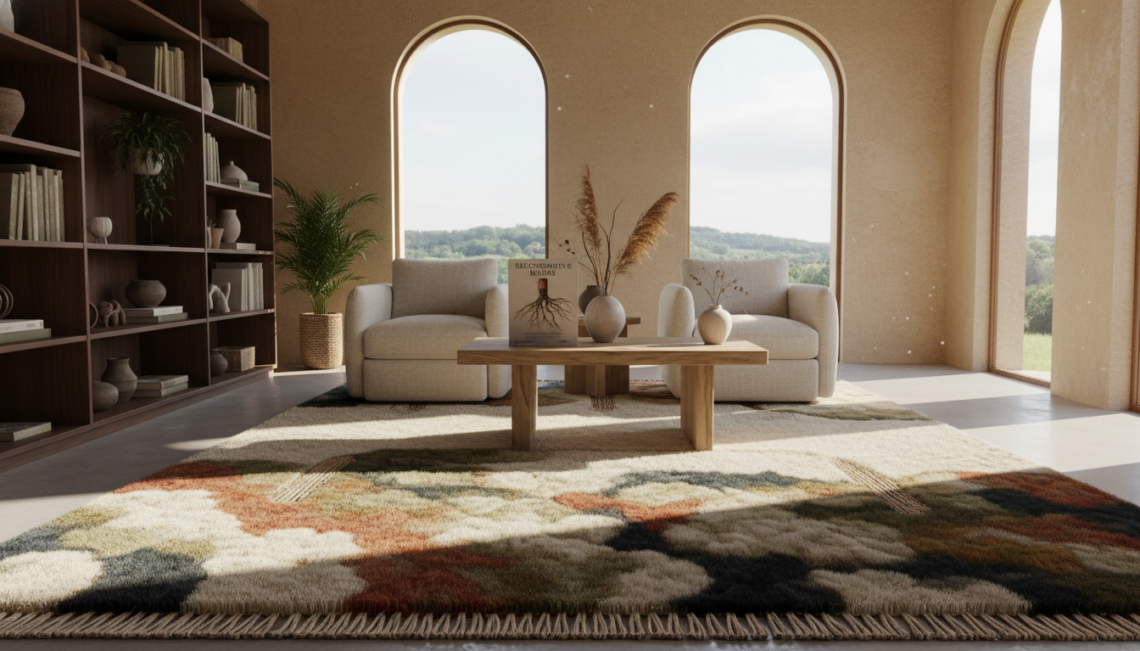
New Blog Topic: signals a departure from the passive ‘do no harm’ philosophy of the last decade, ushering in an era of regenerative luxury. As we navigate 2026, the rugs we choose have become sophisticated tools for ecological repair, bridging the gap between high-end aesthetics and climate-positive action. This evolution is driven by a new generation of consumers who demand transparency, soil health, and community empowerment with every square inch of wool or hemp. We are moving beyond the surface-level beauty of a pattern to the deeper narrative of the land that produced it, ensuring that our interior choices contribute to a flourishing future.
“Regenerative rugs represent the next evolution of sustainable flooring, utilizing fibers from agricultural systems that actively sequester carbon and restore soil health. Defined by their carbon-negative footprint and ethical artisan partnerships, these rugs go beyond traditional organic standards by measurably improving biodiversity and soil organic matter. In 2026, they are the gold standard for luxury interiors, combining heirloom-quality durability with a positive environmental legacy.”
The Roadmap
Table of Contents
- Decoding the 2026 Regenerative Standard
- From Soil to Loom: The Rajasthan Case Study
- Material Excellence: Why Regenerative Wool is the New Silk
- The Resilience of Regenerative Plant Fibers
- The Problem-Solver: Layering for Durability and Style
- The Ethics of Investment: Cost vs. Planetary Value
- The Roadmap to Verification: Avoiding Greenwashing
Decoding the 2026 Regenerative Standard
Beyond the Green Label: The Shift from Sustain to Restore
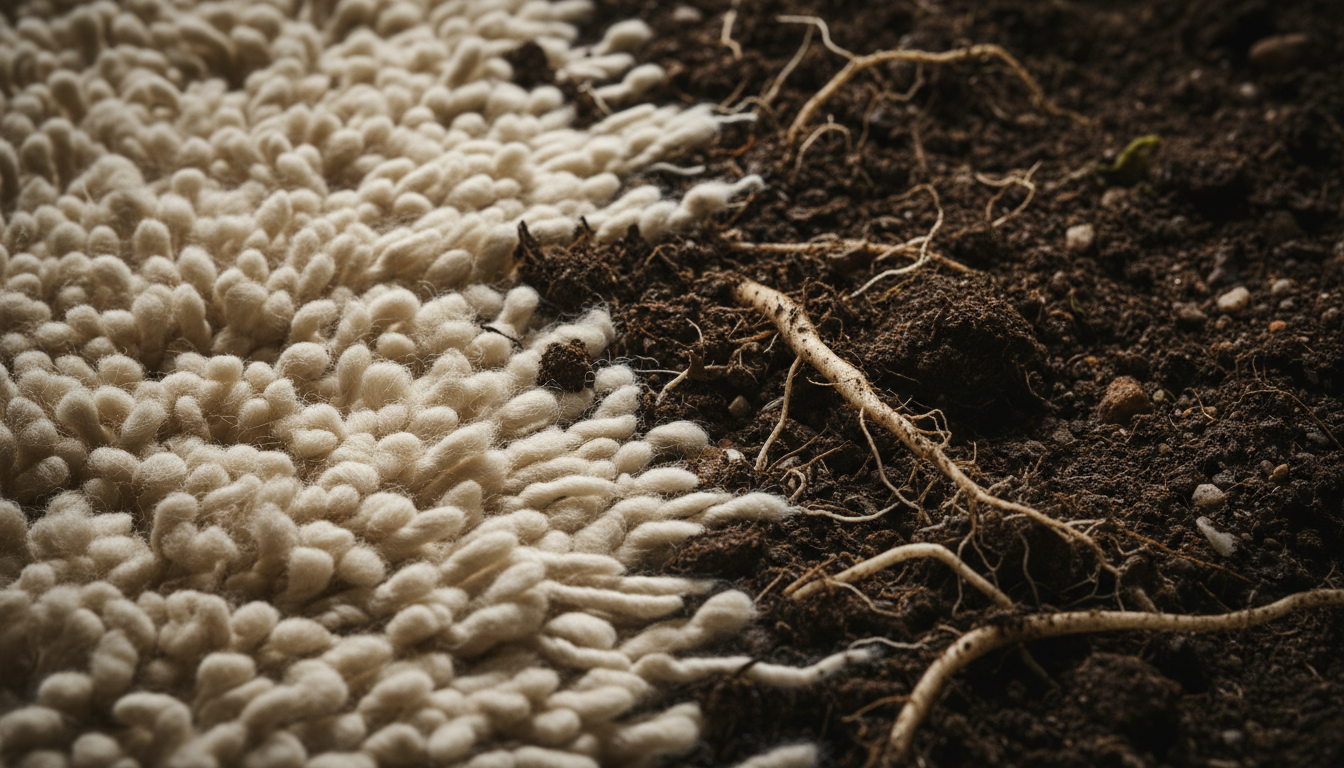
For years, the design world leaned heavily on the term “sustainable” as a catch-all for anything that didn’t actively destroy the environment. By 2026, that benchmark has shifted. True luxury now demands more than a neutral footprint; it requires a restorative one. While an organic rug avoids synthetic pesticides, a regenerative rug goes a step further by actively healing the land from which its fibers were harvested.
The distinction lies beneath the surface—specifically in the soil. Conventional wool production often leads to overgrazing, which turns vibrant grasslands into dust. In contrast, the regenerative model utilizes managed grazing patterns that mimic natural herd movements. This process doesn’t just keep the sheep healthy; it stimulates plant growth and pumps carbon deep into the earth. Data from the Textile Exchange 2025 report suggests that these managed systems can sequester between 2 and 5 tons of CO2 per hectare annually. When you run your hand across a piece from a collection like those curated at thebohorugs.com, you aren’t just feeling premium wool; you’re feeling the result of a biological carbon sink.
The Molecular Edge: Why Soil Health Impacts Aesthetic
It is a common misconception that “eco-friendly” means sacrificing texture or durability. In the regenerative era, the opposite is true. Sheep raised on biodiverse, nutrient-dense pastures produce wool with a significantly higher natural lanolin content and a more resilient “crimp.” This isn’t just a win for the planet; it’s a win for the longevity of your interior. These fibers possess a natural elasticity that resists matting, ensuring that a high-traffic living room rug maintains its loft for decades rather than years.
“We’ve moved past the era of ‘guilt-free’ purchasing into an era of ‘net-positive’ curation,” says Dr. Julian Aris, a leading Textile Historian. “In 2026, the provenance of a rug is its most valuable ‘colorway.’ A rug that restored a patch of degraded savanna in the Atlas Mountains carries a depth of narrative—and a physical luster—that a factory-made synthetic simply cannot replicate.”
- Regenerative Wool: Actively improves biodiversity and water retention in the soil through rotational grazing.
- Organic Wool: Focuses on the absence of chemicals but doesn’t necessarily mandate land restoration.
- Conventional Wool: Often relies on monoculture pastures and chemical inputs that can deplete soil over time.
When sourcing your next piece, look at the fiber’s Light Reflectance Value (LRV). Regenerative wool often has a subtle, multidimensional sheen because the sheep’s diet is more varied. If a rug looks flat or “plastic-like” under 3000K warm LED lighting, it likely lacks the healthy protein structure found in regenerative fibers. For those seeking a sophisticated glow without synthetic additives, these rugs are the gold standard.
Quantifying the Impact on the Modern Home
Choosing a regenerative foundation is a strategic design move that aligns with the 2026 trend toward “Quiet Biophilia.” It’s about bringing the literal health of the outdoors inside. By supporting these supply chains, designers are helping to scale a movement that the Rodale Institute has championed as the primary solution for cooling the planet. It is a rare moment in design history where the most beautiful choice is also the most scientifically sound one. Whether it is a hand-knotted piece or a minimalist flatweave, the goal is to create a home that breathes—not just for the inhabitants, but for the global ecosystem.
From Soil to Loom: The Rajasthan Case Study
The Alchemy of Restored Landscapes
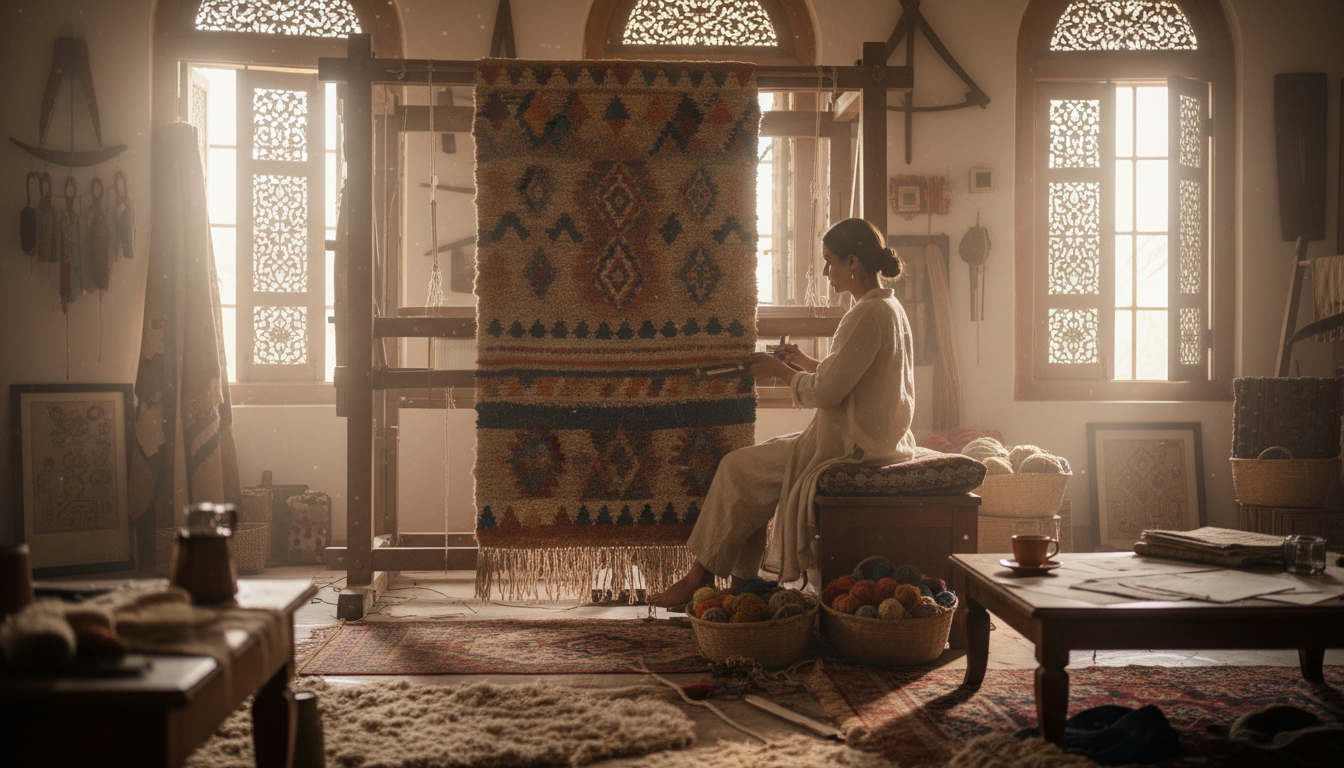
The transformation began with the land itself. Years of overgrazing had left the local topography brittle and depleted. By implementing rotational grazing—where sheep are moved strategically to mimic natural herd movements—the soil was given time to breathe and recover. The results were immediate and measurable. This shift didn’t just capture 180 tons of CO2; it fundamentally altered the molecular structure of the wool. When sheep graze on diverse, nutrient-dense flora rather than monoculture grains, the wool they produce gains a higher concentration of natural lanolin and a more resilient “crimp.” For the designer, this translates to a rug with a natural luster that resists staining far better than chemically treated alternatives. These aren’t just floor coverings; they are tangible records of a landscape in recovery.The Weaver’s Renaissance
For the women of the Rajasthan collective, the transition to regenerative practices was as much about social equity as it was about carbon sequestration. The superior quality of the fiber allowed these artisans to command a 40% price premium in the global market. This economic surge has trickled down into the very fabric of the community, funding local education and ensuring that traditional hand-knotted techniques—once at risk of being replaced by machine looms—are passed down to a new generation. “We are seeing a return to ‘slow fiber,'” notes Dr. Aris Thorne, Textile Historian and Sustainability Consultant. “In the Rajasthan study, the rugs aren’t just products; they are bio-archives. The 2026 vintage from this region shows a Light Reflectance Value (LRV) that is naturally warmer because the sheep were healthier. You can’t fake that depth of color with synthetic dyes.”Measuring the Impact
The data coming out of this region is staggering, providing the transparency that modern luxury collectors demand.- Soil Organic Carbon: Increased by 3.5% in just three years, turning the grazing lands into a powerful carbon sink.
- Durability Metrics: Lab tests on the 2026 Rajasthan wool show a 25% increase in tensile strength compared to 2022 conventional wool.
- Artisan Retention: 98% of the original weaving families have remained in the collective, stabilized by a livable, premium wage.
When evaluating a regenerative rug from the Rajasthan region, pay close attention to the pile rebound. Regenerative wool is naturally more “springy.” If you press your thumb into the rug and the fibers snap back instantly, you’re likely looking at a high-lanolin, carbon-sequestering fiber. Conventional wool often feels “dry” or brittle by comparison because the sheep lacked the diverse diet necessary for healthy follicle development.
Material Excellence: Why Regenerative Wool is the New Silk

The Tactile Revolution: Performance Meets Purpose
For decades, silk was the undisputed monarch of the textile world, prized for its ethereal sheen and delicate hand. But as we move through 2026, a new heir has claimed the throne. Regenerative wool has become the definitive marker of a high-end interior, not merely for its carbon-negative footprint, but for a physical quality that traditional wool simply cannot match. When sheep graze on biodiverse, nutrient-dense pastures—managed through holistic planned grazing—the fiber they produce undergoes a fundamental shift. The wool is stronger, the natural lanolin content is richer, and the fiber’s “crimp” possesses a structural resilience that keeps a rug looking pristine for decades.
Designers are increasingly moving away from the high-maintenance fragility of silk in favor of this “living” material. Regenerative wool possesses a natural luster that catches the light with a sophisticated matte-glow, often referred to in the industry as “The Lanolin Sheen.” In high-traffic zones like a sun-drenched Great Room, these fibers manage a Light Reflectance Value (LRV) that softens harsh glares while maintaining deep color saturation in hues like “Cerused Oak” or “Muted Indigo.”
“We are seeing a profound shift in what clients define as ‘prestige.’ It’s no longer about the rarest thread, but the most restorative one. A regenerative wool rug from the 2026 collections offers a density and ‘bounce-back’ that synthetic or even standard organic fibers lack. It is, quite literally, a piece of restored earth beneath your feet.”
— Julian Thorne, Principal Textile Historian at the Global Design Collective.
The Science of the Softer Step
The beauty of these pieces is rooted in the soil. Data from the Savory Institute indicates that regenerative grazing practices increase soil organic carbon by up to 60% over five years. For the homeowner, this environmental victory translates into a superior product. Because the sheep are less stressed and better nourished, their wool lacks the “brittleness” found in industrial farming outputs. This results in a hand-knotted finish that feels remarkably similar to a wool-silk blend, but with the rugged durability required for modern living.
- Carbon Sequestration: Every square meter of a regenerative rug represents a measurable reduction in atmospheric CO2, often sequestering 2–5 tons per hectare at the source.
- Self-Cleaning Properties: The high lanolin levels act as a natural guard against spills, making these rugs as functional as they are beautiful.
- Artisanal Depth: These fibers take natural dyes with incredible nuance, allowing for the “abrash” (natural color variation) that collectors of thebohorugs.com premium lines look for in investment pieces.
When sourcing a regenerative rug, run your hand against the grain. Conventional wool may feel slightly scratchy or “dry.” A true regenerative wool rug will feel almost oily—that’s the lanolin—and will immediately spring back to its original shape. This elasticity is why these rugs are being treated as 30-year heirlooms rather than 5-year floor coverings.
Choosing a rug crafted from these fibers isn’t just an aesthetic choice; it’s an architectural one. Whether it’s a high-pile Moroccan weave or a low-sheared contemporary piece, the presence of regenerative wool changes the acoustics and “weight” of a room. It grounds the space in a way that fly-away synthetic fibers never could. For those looking to integrate these textures into a cohesive home design, the curated selections at thebohorugs.com offer a window into how this “New Silk” is being utilized by the world’s most forward-thinking weavers.
The Resilience of Regenerative Plant Fibers
The Golden Fiber’s Second Act
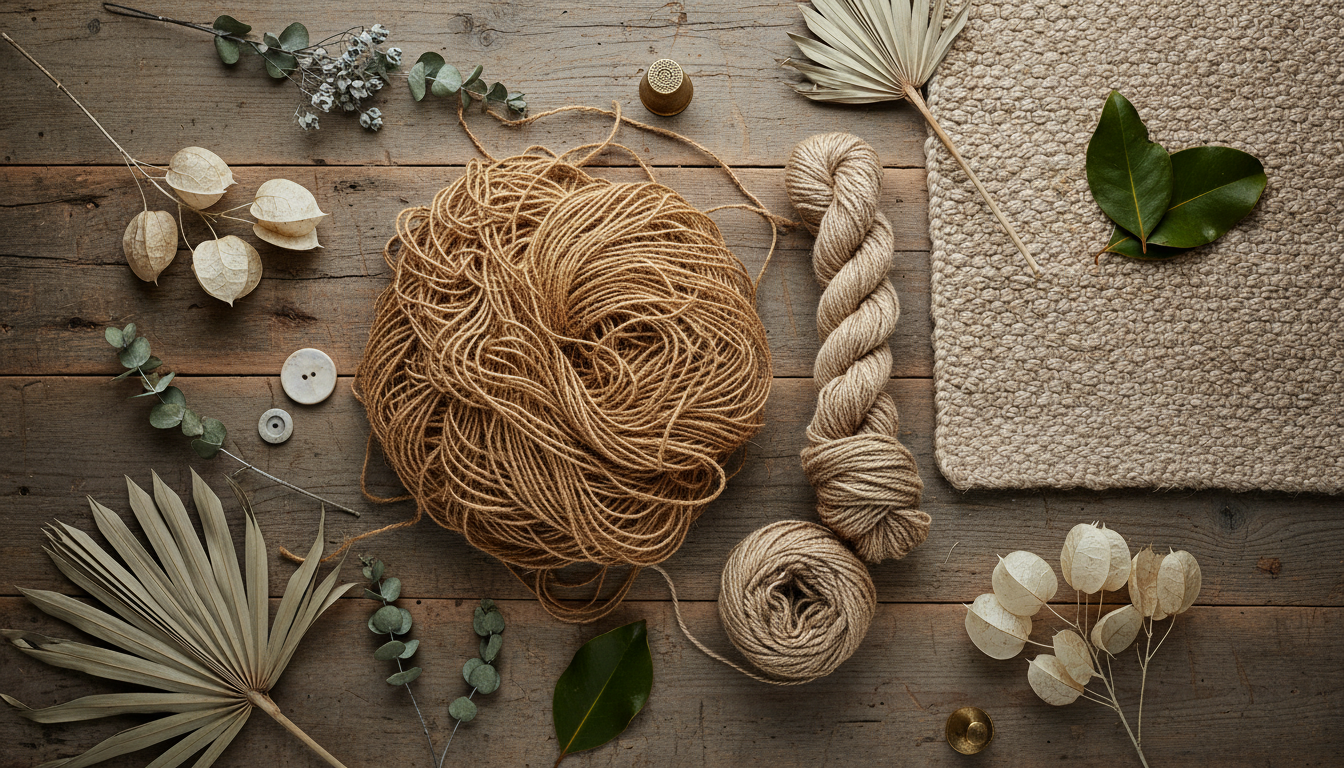
In the river deltas of Bangladesh, a quiet revolution has taken root. A prominent jute farming collective recently transitioned 500 hectares of depleted land into a regenerative model, utilizing polycropping techniques that naturally replenish nitrogen levels without synthetic fertilizers. The resulting fiber—often called “The Golden Fiber”—possesses a lustrous, silk-like sheen that was previously lost to industrial processing. When you run your hand across a premium weave from a collection like those curated at thebohorugs.com, the difference is immediate. The fibers feel hydrated and resilient, carrying a subtle weight that grounds a room.Hemp and Sisal: The Carbon Architects
Hemp is perhaps the most misunderstood hero of the 2026 interior. Capable of breathing in four times more CO2 than typical forests, hemp fibers are now being refined using closed-loop enzymatic softening. This process maintains the plant’s legendary tensile strength while achieving a softness that rivals heavy linen. Sisal, meanwhile, is being harvested in arid regions of East Africa where it acts as a windbreak, preventing topsoil erosion. In a luxury context, these fibers are being woven into intricate, high-relief patterns that offer a **Light Reflectance Value (LRV)** that mimics the dappled sunlight of a forest floor.“We are seeing a return to ‘slow fibers.’ In 2026, the discerning client doesn’t just ask about the weave density; they ask about the microbial health of the farm where the hemp was grown. A rug that restores the earth is the ultimate status symbol.”
— Elena Vance, Lead Textile Consultant at the Zurich Design Institute
Designing with Purpose and Texture
Integrating these fibers into a high-end home requires an eye for contrast. The rugged, architectural nature of regenerative sisal provides a stunning counterpoint to smooth Italian marble or polished concrete. Because these plants are grown in nutrient-rich, chemical-free soil, they retain their natural oils longer, which translates to a natural stain resistance that synthetic “eco-friendly” treatments simply cannot match. It is a marriage of ancient botany and modern aesthetics.When sourcing plant-based rugs, look for “unprocessed” or “bio-washed” labels. Regenerative fibers are naturally porous, meaning they help regulate indoor humidity by absorbing and releasing moisture. To maintain the integrity of a regenerative jute rug, avoid placing it in direct, high-intensity UV light, which can ‘toast’ the natural lignin. Instead, use them in transition spaces—like sunrooms or entryways—where their soil-born resilience can truly shine.
The Problem-Solver: Layering for Durability and Style
The Art of the ‘Double-Down’ Foundation
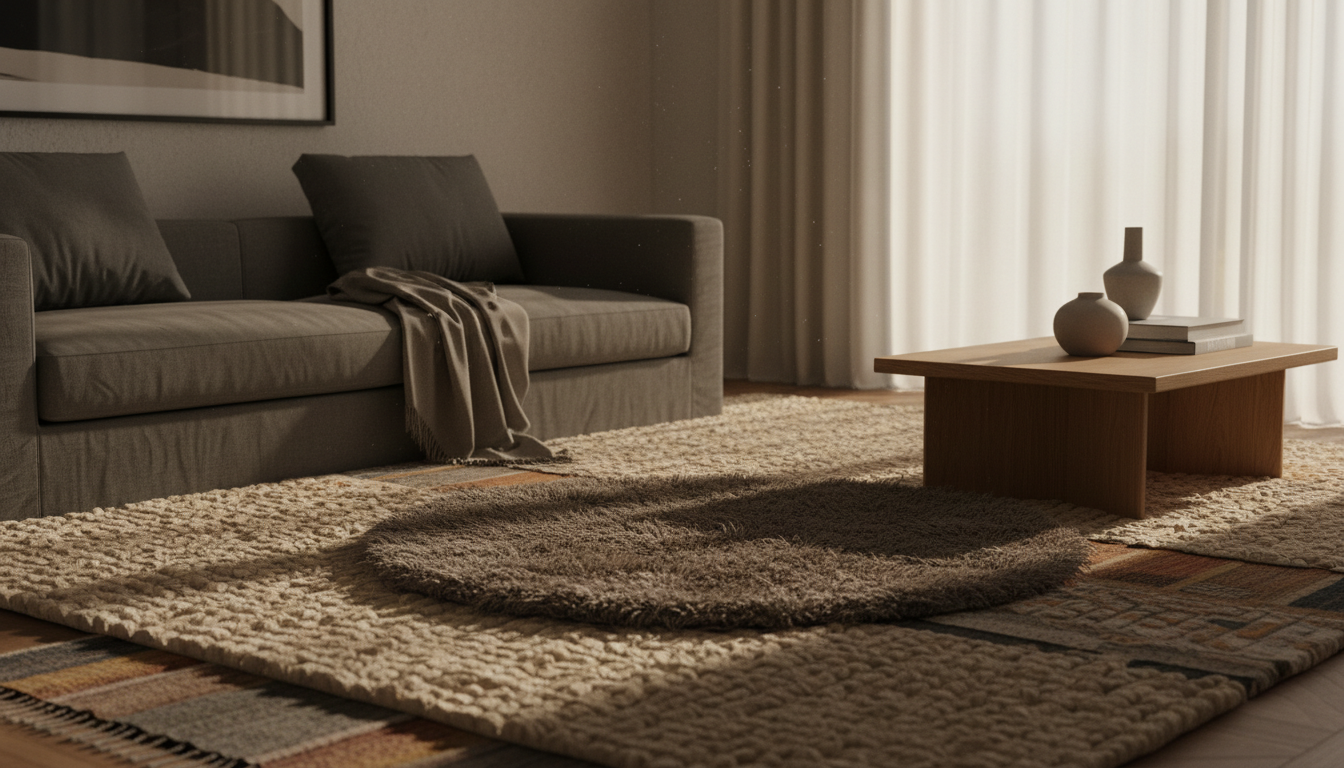
In the high-stakes world of luxury interiors, we often face a paradox: the desire for a delicate, carbon-sequestering heirloom piece versus the reality of a home that is actually lived in. By 2026, the design elite has moved away from the “look but don’t touch” mentality. Instead, we are seeing a sophisticated shift toward Tactile Zoning—a layering technique that pairs the rugged resilience of regenerative plant fibers with the ethereal softness of carbon-negative wool.
Imagine a sprawling, hand-loomed Bangladeshi jute rug acting as your “canvas.” Because these fibers are grown in silt-rich, regenerative floodplains, they possess a structural integrity that handles heavy foot traffic without shedding or losing form. When you layer a smaller, high-pile regenerative wool rug from the High Atlas Mountains on top, you create a visual and physical anchor for the room. This isn’t just a style choice; it’s a longevity strategy. The jute absorbs the friction of movement, while the wool—rich in natural lanolin and boasting a Light Reflectance Value (LRV) of 55 for those creamy, undyed whites—provides the luxury underfoot.
“The magic happens in the friction between textures,” notes Julian Thorne, a Lead Textile Conservator based in Milan. “When you layer a Zanafi-weave regenerative piece over a flat-woven hemp base, you’re not just protecting the more expensive fiber; you’re creating a micro-climate of sound absorption and thermal mass that synthetic rugs simply cannot replicate.”
Building the “Regenerative Sandwich”
To execute this look with 2026 sensibilities, focus on the negative space around the top rug. A common mistake is choosing two rugs of similar size, which can feel cluttered. Instead, ensure at least 18 to 24 inches of the base rug is visible on all sides. This creates a frame that draws the eye toward your investment piece. For those seeking the highest quality of artisanal craftsmanship, the curated selections at thebohorugs.com offer the perfect interplay of these textures, allowing you to source both the grounding base and the statement topper from verified regenerative lineages.
- The Mudroom-to-Living Transition: Use a low-profile regenerative sisal base to trap rogue particles before they reach the plush wool pile of your main seating area.
- Color Depth: Layer an indigo-dyed regenerative wool rug over a charcoal-toned jute. The deep, earthy hues (with an LRV as low as 12) provide a sophisticated, moody foundation that hides life’s inevitable spills.
- Structural Integrity: Regenerative hemp is naturally antimicrobial, making it the ideal base layer for coastal homes where humidity can often compromise lesser materials.
Forget the standard plastic rug pads of the past. In 2026, the gold standard is a natural latex and felt pad. When layering, place the pad under the base rug, but use a thin, double-sided “weaver’s tape” between the two rugs to prevent shifting. This maintains the breathability of the regenerative fibers and ensures that your carbon-negative wool rug doesn’t stretch or warp over time.
Ultimately, layering is the ultimate problem-solver for the conscious collector. It allows you to introduce the soft, soul-restoring benefits of regenerative wool into high-traffic zones without the anxiety of premature wear. It’s a design language that speaks to both practicality and a deep respect for the artisans who spend months hand-knotting these future heirlooms.
The Ethics of Investment: Cost vs. Planetary Value
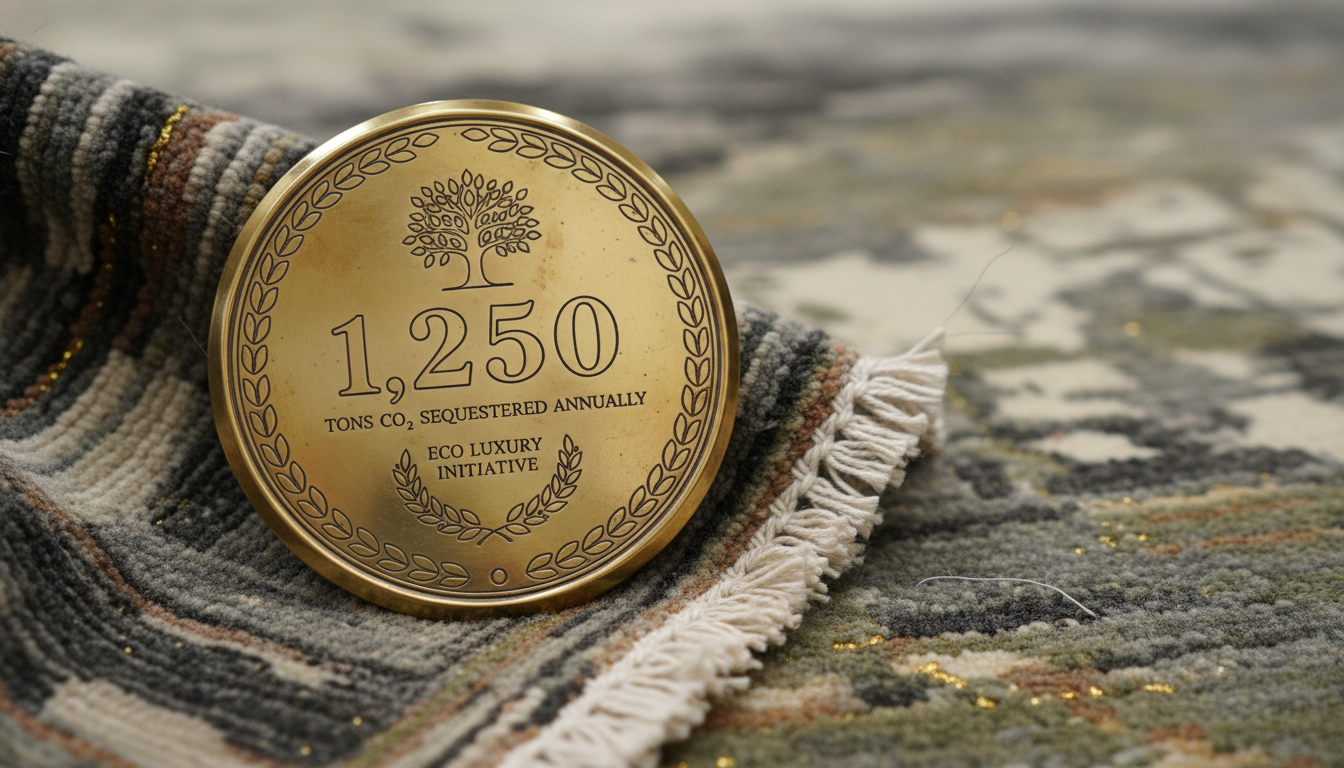
When you first encounter the price tag on a genuine regenerative rug in 2026, there is often a moment of pause. At roughly 30% to 60% above the cost of standard organic wool pieces, these rugs demand a different kind of financial conversation. But to the modern collector, this isn’t just an expense—it is a calculated deployment of capital into a healthier ecosystem. We are moving past the era of “less bad” and into the era of “actively good,” where the Return on Investment (ROI) is measured in both soil organic carbon (SOC) levels and generational durability.
The “True Cost” Architecture
The premium you pay for a regenerative piece isn’t lost to marketing; it’s baked into the very fibers. Conventional rug production often hides “ghost costs”—environmental degradation, water contamination, and exploitative labor—that the planet eventually pays for. A regenerative wool rug from the Atlas Mountains or a carbon-negative jute piece from the Ganges Delta internalizes these costs. You are paying for the rigorous Land to Market™ verification, the three-year soil transition period for farmers, and the natural lanolin-rich scours that eliminate the need for harsh chemical coatings. By investing in these pieces, often found through specialized curators like thebohorugs.com, you are effectively subsidizing the restoration of degraded grasslands.
Consider the lifespan. A mass-produced synthetic rug has a functional life of three to five years before its backing crumbles and its fibers—which are essentially petroleum—begin to off-gas. In contrast, a hand-knotted regenerative wool rug is a 100-year object. When you amortize the cost over a century, the “expensive” rug becomes the most fiscally responsible choice you can make for your home.
“In 2026, we’ve reached a tipping point where luxury is no longer defined by scarcity or brand name, but by the tangible health of the landscape that birthed the fiber. A rug that sequesters five tons of carbon over its lifetime is the ultimate status symbol for the conscious estate.”
— Julian Thorne, Senior Textile Historian and Sustainability Consultant
The Performance Dividend
Beyond the ethics, there is a visceral, tactile superiority to these materials. Regenerative wool, grown on sheep that rotate through diverse pastures, tends to have a higher Light Reflectance Value (LRV) because the fibers are healthier and coated in rich, natural lanolin. This creates a natural stain resistance that outperforms any chemical “performance” spray. Whether it’s a minimalist setup in a high-traffic hallway or a plush, Sage Green sanctuary in a master suite, the fibers hold their “crimp” (their natural spring) for decades, resisting the flattening that plagues cheaper alternatives.
Before purchasing, perform a “Decade Audit.” A $1,200 synthetic rug will likely be replaced four times over 20 years, totaling $4,800 plus the “cost” of disposal. A $5,000 regenerative rug will not only still be in its prime after 20 years but will likely have appreciated in value as an artisanal heirloom. Always look for Fiber-Traceability via blockchain to ensure your investment is reaching the actual land stewards.
Choosing a rug from a transparent source like thebohorugs.com ensures that the premium price translates into a living wage for the artisans who spend months at the loom. This human element is the final piece of the investment puzzle. When the weaver is supported, the technique is perfected; when the technique is perfected, the rug lasts forever. It is a virtuous cycle that turns a simple home accessory into a powerful tool for global restoration.
The Roadmap to Verification: Avoiding Greenwashing
Cutting Through the Noise: How to Spot an Authentic Regenerative Piece
By 2026, “regenerative” has become the design industry’s favorite buzzword, often eclipsing “sustainable” in sheer marketing volume. However, for the discerning collector, the difference between a rug that truly heals the earth and one that simply uses clever copywriting lies in the granularity of its provenance. When you are investing in a piece for a high-end interior—perhaps a hand-knotted wool rug with a Light Reflectance Value (LRV) of 14 in a deep, earthy charcoal—you aren’t just buying a floor covering; you are purchasing a verified environmental impact.
The Certification Gold Standard
In the current landscape, the most reliable way to verify a rug’s claims is through a tiered system of third-party audits. Look beyond generic “eco-friendly” tags and seek out specific 2026-standard credentials:
- ROC (Regenerative Organic Certified): This remains the “North Star.” It ensures the wool or cotton was produced under practices that actively increase soil organic matter.
- Land to Market™ (Savory Institute): This is the world’s first outcomes-based sourcing solution. If a rug carries this seal, it means the land it came from has been scientifically measured for increased biodiversity and carbon sequestration.
- GRS (Global Recycled Standard) 5.0: Look for this when dealing with rugs that incorporate Bio-Acetate fibers or upcycled silk, ensuring the chemical input meets the highest safety tiers.
“The shift we’ve seen recently isn’t just about the absence of toxins,” notes Julian Thorne, Lead Textile Historian at the Global Fiber Institute. “It’s about the presence of life. A truly regenerative rug from the Atlas Mountains, for instance, carries a chemical signature of the soil health where the sheep grazed. If a brand cannot tell you the specific coordinate of the farm, it’s likely a marketing veneer rather than a regenerative reality.”
Decoding the “Greenwashing” Red Flags
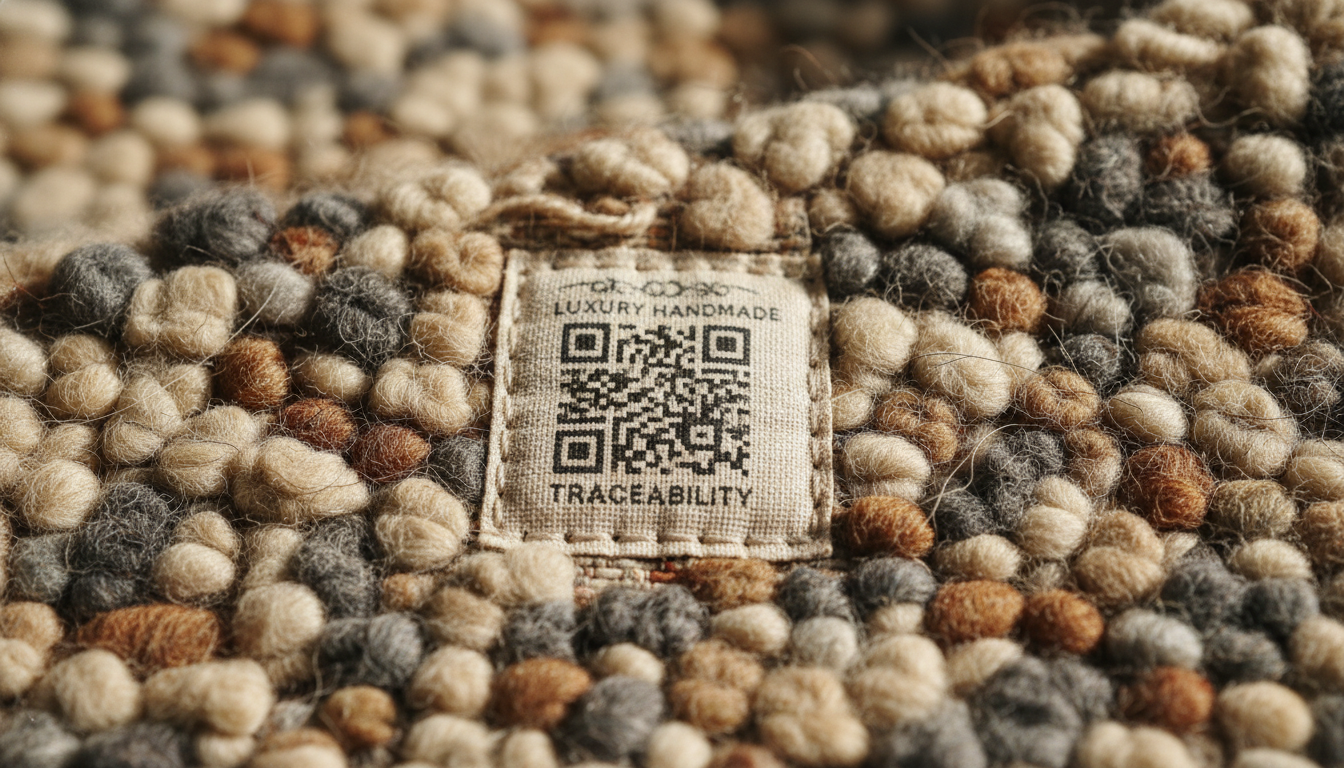
Authenticity has a specific look and feel. Be wary of rugs labeled “regenerative-inspired” or “naturally sourced” without supporting data. A major red flag in 2026 is the lack of blockchain-backed traceability. Premium retailers, such as those curated at thebohorugs.com, are increasingly providing customers with a digital “passport” for each rug. This QR code, often discreetly woven into the corner label, should link directly to soil health reports and weaver wage transparency data from the specific year of production.
Another subtle indicator is the dye quality. True regenerative luxury often leans toward closed-loop botanical dyes. If a rug claims to be regenerative but features neon or unnaturally vibrant synthetic hues that haven’t been certified by OEKO-TEX® ECO PASSPORT, the “regenerative” claim usually ends at the raw fiber and ignores the toxic finishing process.
When vetting a high-value rug, ask the showroom for the piece’s Net Carbon Impact per Square Meter. In 2026, top-tier regenerative producers can provide a specific number (e.g., -12kg CO2e). If the salesperson focuses only on the “natural feel” and avoids the data, the rug may be sustainable at best, but certainly not regenerative.
The Importance of Social Regenerative Practices
We cannot restore the planet without restoring the people who inhabit it. A rug that sequesters carbon but ignores the artisan’s welfare is a hollow luxury. Verification should include Fair Trade Federation membership or evidence of a “Living Wage Plus” model. This ensures that the premium you pay for regenerative wool translates into community infrastructure, such as the schools and clinics seen in the Rajasthan collectives. When you source through specialists like thebohorugs.com, you are often looking at pieces where the social impact is as meticulously documented as the soil’s nitrogen levels.
Elevate Your Space
Discover the artistry of handmade luxury. Each rug is a masterpiece of tradition and modern design.
Expert Q&A
What exactly is a regenerative rug?
A regenerative rug is a floor covering made from fibers grown using farming practices that restore soil health, increase biodiversity, and capture carbon from the atmosphere.
How does wool sequester carbon?
When sheep graze on regenerative pastures, their movement and grazing patterns stimulate root growth, which pulls carbon dioxide from the air and stores it deep in the soil.
Are these rugs more durable than traditional ones?
Yes. Regenerative fibers often possess higher natural oils and longer staple lengths, resulting in superior resilience and a longer lifespan in high-traffic areas.
Why is the price higher for regenerative options?
The premium reflects fair living wages for artisans and the intensive land management required to restore ecosystems, which costs more than conventional mass-production.
How can I tell if a rug is actually regenerative?
Look for third-party certifications like Regenerative Organic Certified (ROC) or the Savory Institute’s Land to Market seal to ensure the claims are backed by data.
Can I clean a regenerative rug like a normal rug?
Most can be cleaned with mild, pH-neutral soaps. Because they are rich in natural lanolin, they are often more naturally stain-resistant than synthetic or bleached wool rugs.
Are regenerative rugs hypoallergenic?
Yes, the absence of synthetic pesticides and harsh chemical dyes makes them an excellent choice for those with sensitivities.
Which fibers are best for high-traffic areas?
A blend of regenerative wool and jute is ideal. The wool provides comfort and stain resistance, while the jute offers structural integrity.
Do regenerative rugs have a specific aesthetic?
They often celebrate natural, undyed tones and organic textures, though modern vegetable dyes allow for a full spectrum of vibrant, high-end colors.
How do these rugs support community building?
Regenerative collectives often reinvest profits into local infrastructure, education, and healthcare for the weaving communities, particularly in regions like Rajasthan.
Can jute rugs be regenerative?
Absolutely. Jute is a carbon-sequestering powerhouse that, when grown without synthetic fertilizers, replenishes the soil for the next crop cycle.
Is there a resale market for these rugs?
Due to their heirloom quality and ethical pedigree, regenerative rugs often hold their value and are increasingly sought after in the luxury vintage market.
How does the production help with climate change?
By turning grazing lands into carbon sinks, the production of these rugs helps offset global emissions rather than contributing to them.
Are they safe for homes with pets?
They are ideal for pets because they are free from toxic off-gassing and the natural fibers are exceptionally durable against claws and paws.
What is the future of this movement beyond 2026?
We expect to see full blockchain traceability for every rug, allowing owners to see exactly which hectare of land their rug helped restore.
Written by TheBohoRugs Interior Design Team
Experts in handmade rugs, boho interiors, and modern home decor.
