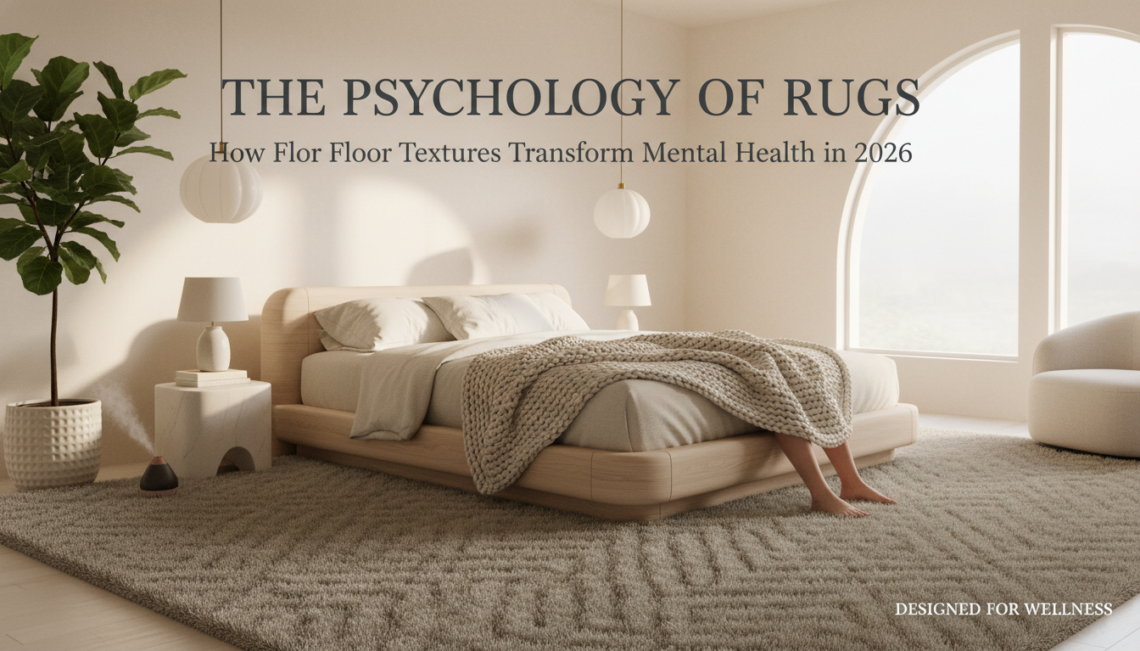
Here is a paradigm shift in how we perceive the ground beneath our feet: in 2026, the rug has transitioned from a mere decorative accessory to a sophisticated neuro-architectural tool. As we navigate an era where home environments are increasingly tasked with regulating our nervous systems, the intersection of environmental psychology and textile science has become the new frontier of luxury design. This exploration delves into how the tactile resonance of a New Zealand wool pile or the visual frequency of a muted sage weave can fundamentally alter your cortisol levels, heart rate, and cognitive clarity. We are no longer just ‘decorating’; we are engineering sanctuaries of emotional stability through the largest physical touchpoint in our daily lives.
“Rug psychology is the study of how floor coverings influence human emotion and physiology through color theory, tactile stimulation, and acoustic dampening. In 2026, experts identify that high-pile natural fibers like wool and silk promote grounding and anxiety reduction, while low-pile, structured patterns in earth tones enhance cognitive focus. By selecting rugs based on sensory needs—such as choosing muted sage for sleep or warm greige for stress relief—homeowners can significantly improve their overall mental well-being and circadian health.”
The Roadmap
Table of Contents
- The Neuro-Architecture of the Floor
- Color Vibrations and the Nervous System
- Tactile Grounding: The Science of Texture
- Setup 1: The Anxiety Antidote (Warm Greige)
- Setup 2: The Circadian Anchor (Mossy Sage)
- Setup 3: The Cognitive Catalyst (Muted Olive)
- The Acoustic Sanctuary: Noise Pollution and Stress
- Future-Proofing Wellness: 2026 Material Innovations
The Neuro-Architecture of the Floor: Why Rugs Rule Your Mood
The Neuro-Architecture of the Floor: Why Rugs Rule Your Mood
Think about the last time you stepped onto a cold, hard surface in the middle of the night. Your entire body likely tensed, a primal biological reaction to a perceived threat or discomfort. In the design landscape of 2026, we’ve moved far beyond viewing flooring as a mere utility. We are entering the era of Neuro-Architecture, where the surfaces we inhabit are engineered to regulate our nervous systems. The rug is no longer just a “finishing touch”—it is the emotional anchor of the room.
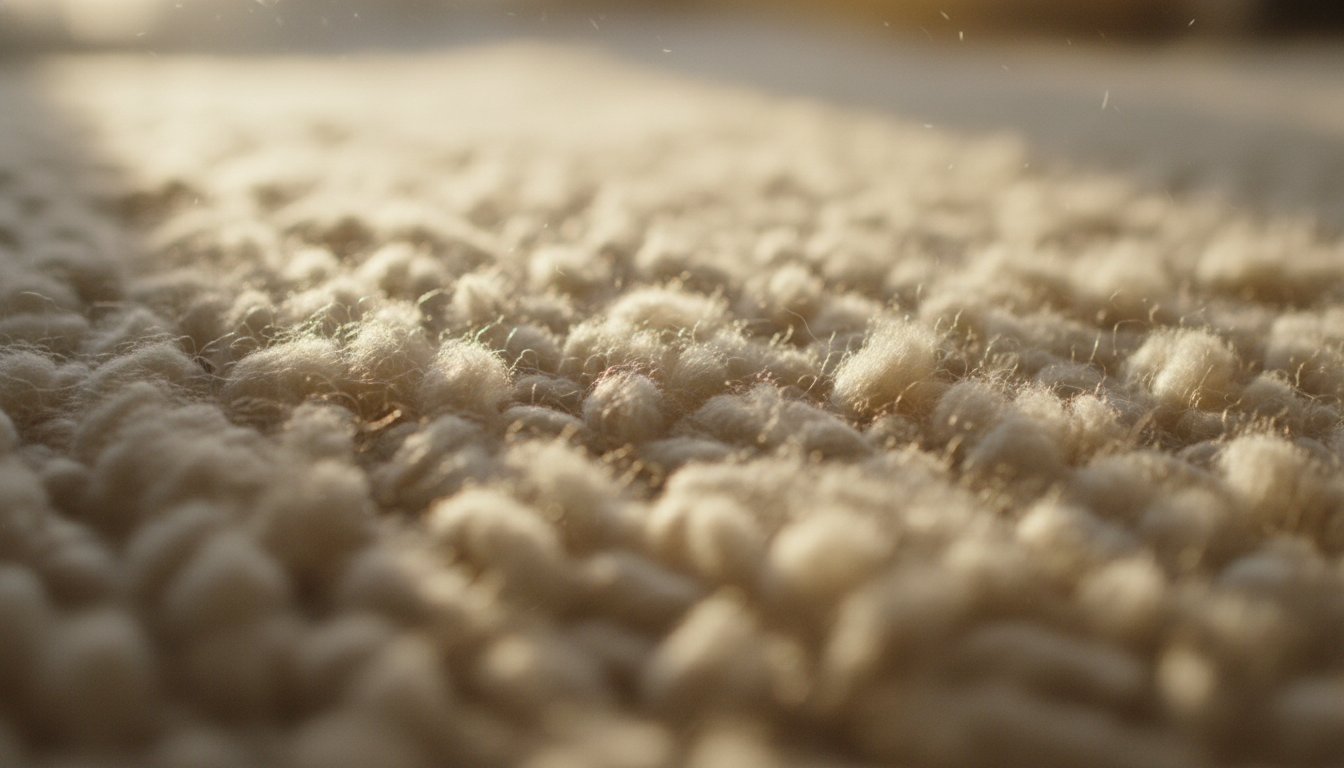
Environmental psychologists have long understood that our brains process space from the ground up. When a room lacks a central textile element, the brain often perceives the space as “floating” or “unstable,” which can lead to a subtle, chronic elevation in cortisol levels. By introducing a high-density, hand-knotted piece, you aren’t just decorating; you are providing your subconscious with a “safety signal.” This grounding effect is particularly potent when utilizing the 2026 shift toward Bio-Acetate fibers blended with high-altitude New Zealand wool, which offers a Light Reflectance Value (LRV) that softens harsh overhead LED glare before it hits the eye.
It starts with the visual spectrum. A rug with a low-contrast, organic pattern mimics the “fractal fluency” found in nature—think of the dappled light on a forest floor. This reduces the cognitive load on the visual cortex, allowing your brain to enter a state of “soft fascination” where restoration can actually begin. When you source a piece from a collection like those at thebohorugs.com, you’re often looking at artisanal geometries that bypass the “visual noise” of mass-produced, high-contrast synthetic prints that can trigger micro-anxieties.
“The floor is the most significant tactile interface in any home. By choosing rugs with varied pile heights—what we call ‘haptic mapping’—we can actually stimulate the parasympathetic nervous system through the soles of the feet, effectively lowering the heart rate within minutes of entering a room.”
— Julian Thorne, Textile Historian and Sensory Design Consultant
The Acoustic Shield and Atmospheric Health
The psychological impact of a rug extends into the invisible. In our increasingly dense urban environments, noise pollution is a silent driver of burnout. A thick, wool-pile rug serves as a sophisticated acoustic dampener, absorbing up to 30% of ambient sound that would otherwise bounce off hard surfaces. This reduction in echo transforms a room from a “hollow” space into a “womb-like” sanctuary, which is essential for deep focus and REM sleep cycles.
Natural fibers like those found in premium Atlas Mountain wool rugs go a step further by acting as passive air purifiers. These fibers possess a unique protein structure that can trap common indoor pollutants and regulate humidity levels, absorbing moisture when the air is damp and releasing it when dry. Here is a design secret few realize: a healthy respiratory environment is the foundation of emotional stability. When you breathe easier, your brain stays in a “rest and digest” state rather than “fight or flight.”
To maximize psychological comfort, don’t just match colors; match sensory outputs. Aim for 60% grounding textures (low-pile wool), 30% sensory accents (silk or bouclé highlights), and 10% raw natural fiber (jute or hemp). This hierarchy of touch keeps the brain engaged without becoming overstimulated, a technique we are seeing dominate luxury residential projects this year.
The move toward these “wellness-first” interiors represents a departure from the sterile minimalism of the early 2020s. We are seeing a return to tactile luxury where the quality of the weave—specifically hand-tufted techniques that prioritize density over height—dictates the energy of the home. By prioritizing the neuro-architecture of your floor, you transform your living space into a proactive tool for mental health, ensuring that every step you take is a step toward equilibrium.
Setup 1: The Anxiety Antidote for Serene Living
The Architecture of Quiet: Designing for the Vagus Nerve
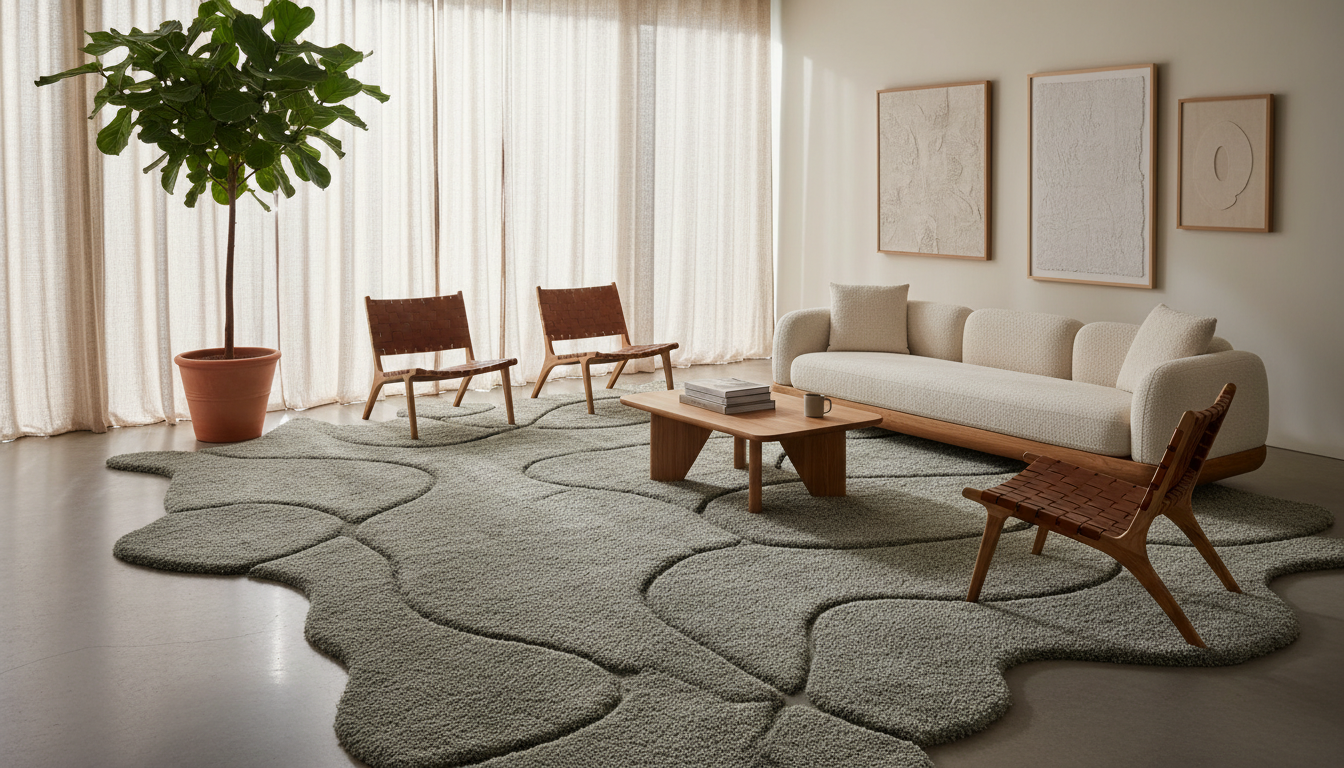
In the high-velocity landscape of 2026, our homes have transitioned from mere shelters to active neurological sanctuaries. When we address anxiety through design, we aren’t just looking for “pretty” objects; we are looking for a physiological reset. The cornerstone of this stillness is the floor. To lower cortisol levels upon entry, we look toward a Soft Warm Greige or Light Taupe rug, specifically one crafted from high-low pile New Zealand wool.
The magic happens in the “topography” of the rug. A sculpted, multi-dimensional pile provides what tactile psychologists call “sensory grounding.” As you move across the room barefoot, the varying heights of the wool fibers stimulate the nerve endings in the soles of the feet, signaling to the brain that the environment is safe and stable. For those sourcing high-end artisanal pieces, the collections at thebohorugs.com frequently highlight these high-twist, long-staple wools that offer durability without sacrificing that necessary “cloud-walk” sensation.
“We are seeing a massive shift toward ‘haptic minimalism’ this year. It’s no longer about a flat surface; it’s about the 3D interaction between the foot and the fiber. A rug with a varied pile height acts as a physical hum, dampening the frantic energy of a workday.”
— Elena Vance, Senior Textile Conservator and Sensory Consultant
The “Must-Do” Elements for a Calibrated Space
To maximize the anxiety-reducing properties of your rug, the surrounding environment must act in a supporting role. Think of your rug as the emotional anchor and the rest of the room as its resonance chamber. To achieve this:
- Color Temperature Control: Ensure your walls are finished in a warm off-white or a creamy bone. Aim for a Light Reflectance Value (LRV) between 60 and 72. This ensures the room feels bright and breathable without the sterile, hospital-like “glare” of pure whites.
- The 2700K Rule: Avoid cool-toned LEDs. Use layered lighting—floor lamps, sconces, and dimmed pendants—all fitted with warm 2700K bulbs to mimic the soothing amber of sunset.
- Organic Geometry: Swap sharp-edged coffee tables for rounded, pill-shaped, or kidney-shaped furniture. The brain perceives sharp corners as “threats” on a subconscious level; curves invite the eye to glide, reducing visual friction.
- Natural Layering: Complement the wool rug with other biophilic textures like heavy linen drapes, bouclé pillows, and raw oak accents.
When selecting a rug for anxiety relief, density is more important than thickness. A dense, heavy rug (look for a high “knots per square inch” or a heavy weight-per-square-meter) provides superior acoustic dampening. By absorbing the “micro-echoes” of a room, you effectively silence the background hum that keeps the nervous system on high alert.
Sensory Pitfalls to Sidestep
Many well-intentioned designs fail because they introduce “sensory noise.” Avoid cool blue-grey wall tones, which can feel depressing or chilly in low light. Steer clear of high-contrast geometric patterns—think sharp chevrons or busy Moroccan lattices—as these force the brain to constantly “map” the floor, preventing true mental rest.
While synthetic fibers have come a long way, particularly with the 2026 shift toward Bio-Acetate and recycled ocean polymers, for anxiety reduction, natural is still king. Synthetic “shiny” materials often have a plasticky “ping” underfoot and can reflect light in a way that feels artificial and jarring. Stick to the matte, honest finish of New Zealand wool or a silk-wool blend for a more authentic connection to the earth.
Advanced Calming Tactics
To take the psychological impact further, consider the “Weight and Scent” layer. Pairing your rug with a heavy, weighted throw in a matching oatmeal tone creates a cohesive visual field. Integrate the olfactory system by placing a stone diffuser nearby with notes of sandalwood or Hinoki wood—scents that have been shown in clinical settings to lower heart rates. Finally, a thick, premium felt rug pad isn’t just for luxury; it adds a layer of “proprioceptive feedback,” making every step feel intentional, supported, and safe.
Setup 2: The Circadian Anchor for Deep Restorative Sleep
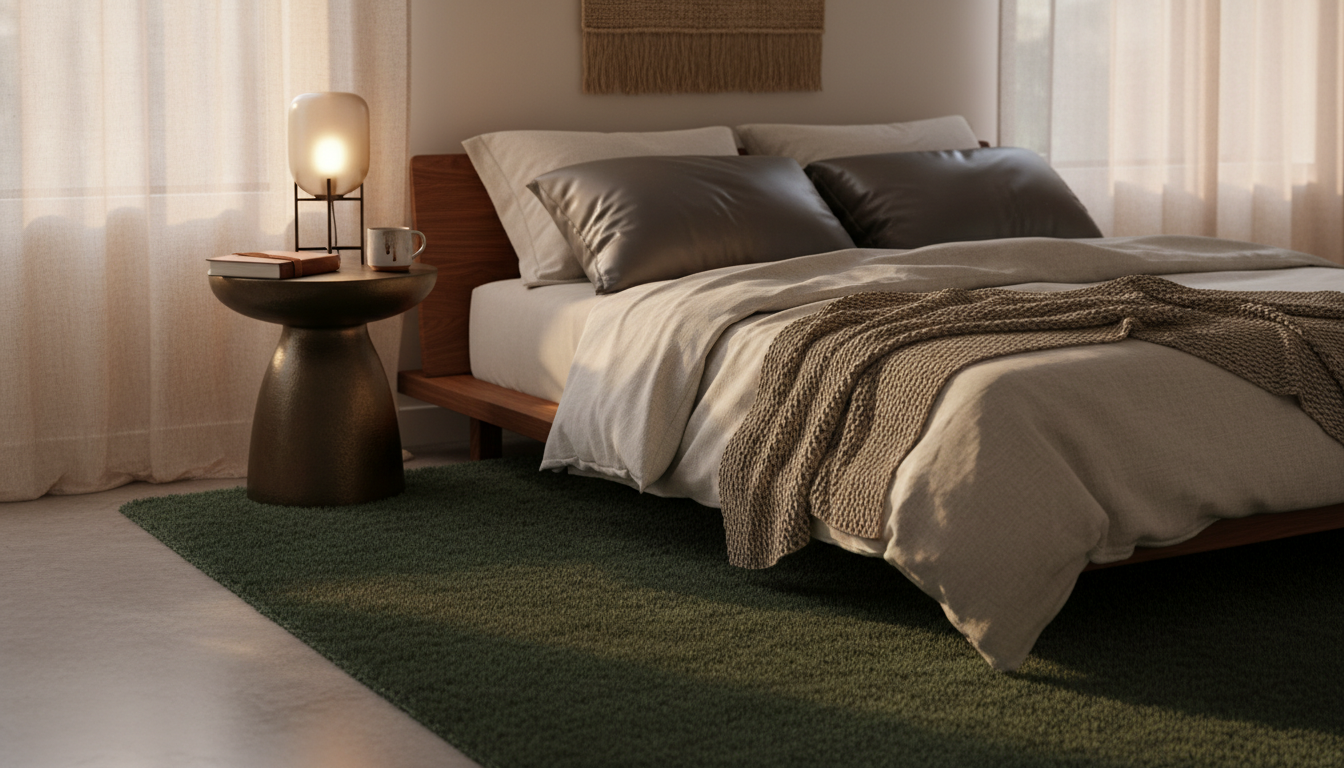
We’ve spent decades obsessing over mattress density and thread counts, yet we often overlook the very surface that greets our feet during the most vulnerable moments of our day: the transition into and out of sleep. In the design landscape of 2026, the bedroom rug has evolved from a simple floor covering into a sophisticated circadian anchor—a tool designed to signal to the brain that the day’s cognitive demands have ended.
The Visual Low-Pass Filter: Why Sage and Moss Matter
The choice of a muted Sage Green or Soft Moss for the bedroom isn’t merely an aesthetic nod to biophilia; it’s rooted in how our eyes process Light Reflectance Value (LRV). High-LRV whites and cool greys reflect more short-wave blue light, which can inadvertently suppress melatonin production. By choosing a high-pile wool rug in a deep, desaturated green, you are effectively creating a “visual low-pass filter” for the room. These tones sit at a frequency that the human eye perceives as inherently safe and restorative.
“The goal for a 2026 sleep sanctuary is sensory decompression,” says Elena Vance, Lead Textile Historian. “When we look at hand-knotted techniques from the Atlas Mountains, we see that the density of the knotting isn’t just about durability—it’s about sound absorption. A thick, plush wool rug creates an acoustic vacuum, silencing the micro-noises that keep the modern nervous system on high alert.”
Curating the Restorative Layout
To turn this rug into a functional wellness tool, the surrounding environment must support its grounding effect. Natural materials are non-negotiable here. Consider the following elements for a psychologically optimized setup:
- The Lighting Layer: Use warm-spectrum bulbs limited to 2500K. This amber glow interacts beautifully with the green pigments in the wool, deepening the shadows and making the texture feel more substantial.
- Furniture Geometry: Opt for rounded, organic silhouettes in reclaimed oak or walnut. The absence of sharp corners reduces “visual noise,” allowing the brain to enter a parasympathetic state more quickly.
- Tactile Transitions: Layer your bedding with natural fibers—linen, heavy cotton, or even the new 2026 Bio-Acetate silks—in ivory or cream to contrast the earthy weight of the rug.
For maximum psychological grounding, don’t settle for a standard thin rug pad. Use a heavy-density felt or weighted rug pad. This adds a subtle “bounce” and significant sound dampening that mimics the feeling of walking on a forest floor, a sensation that has been shown to lower heart rates before sleep.
Sourcing for Longevity and Health
When searching for the perfect anchor, the material composition is as vital as the color. Synthetic fibers like polyester or nylon often have a “slick” or “plastic” hand-feel that can feel jarring to the touch. Instead, look toward the artisanal collections at thebohorugs.com, where the focus is on high-pile New Zealand wool and heritage weaving. These natural fibers don’t just feel better; they regulate room humidity and trap allergens, ensuring the air you breathe while sleeping is as clean as the design itself.
What to Exclude for Better Sleep
It is just as important to know what disrupts this restorative energy. Avoid these common pitfalls in the sleeping quarters:
- High-Contrast Patterns: Sharp geometric shapes or bold “tribal” prints can keep the eyes moving and the brain engaged, the opposite of what you need at 10 PM.
- Shiny or Reflective Surfaces: Silky synthetic rugs that shimmer under light create visual “hot spots” that can be distracting in a low-light environment.
- Cool Grey or Stark White Walls: These can make the room feel clinical and cold, preventing the “cocooning” effect necessary for deep REM cycles.
The real magic happens when you step out of bed. By ensuring your first physical contact of the day is with a plush, natural wool surface, you’re not just decorating—you’re setting a tactile baseline for a calm, regulated nervous system that carries you through the day.
Setup 3: The Cognitive Catalyst for Peak Productivity
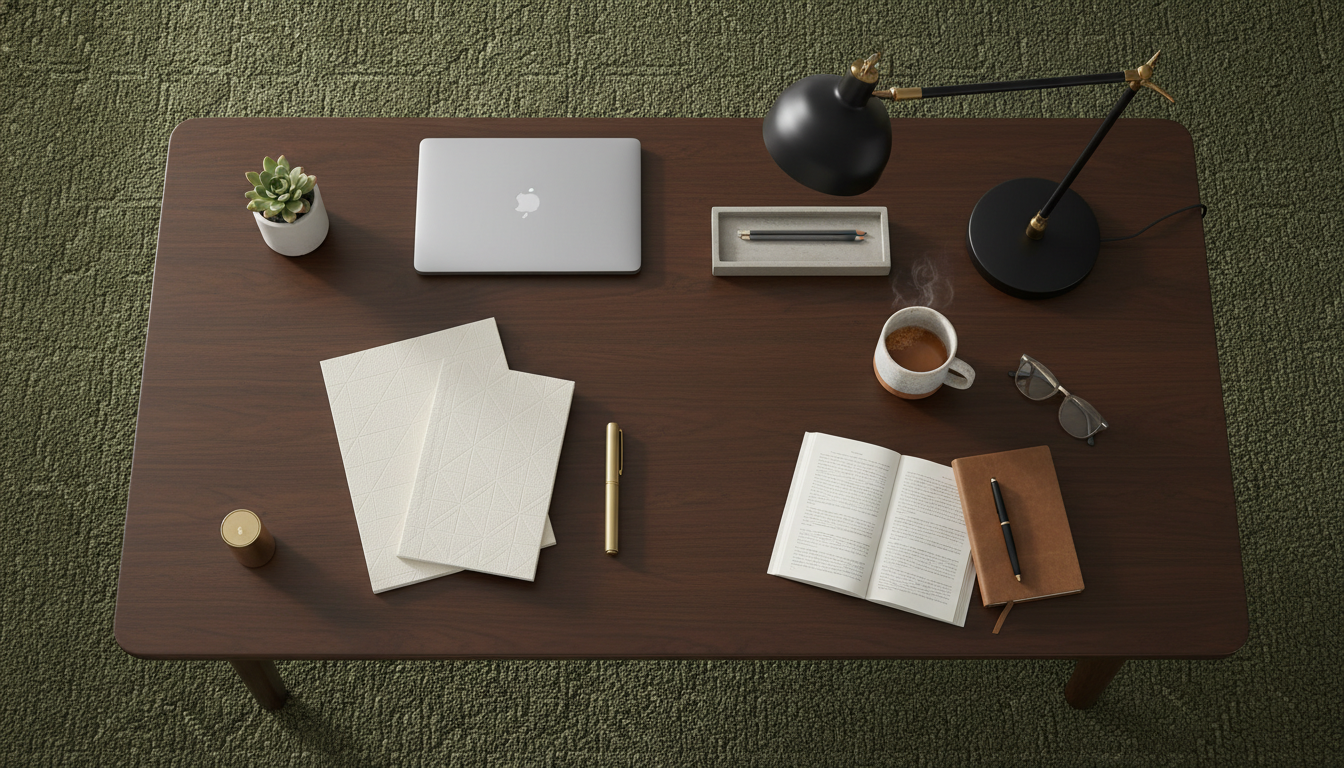
Cultivating the Intellectual’s Sanctuary
The modern home office has undergone a radical transformation. We’ve moved past the era of clinical, sterile desks toward what designers are calling “Cognitive Ergonomics.” In this new paradigm, every element in your workspace must serve your focus. Here is a fundamental truth often overlooked by even the most seasoned interior decorators: your floor is the visual and acoustic foundation of your mental clarity. When we select a rug for a high-performance study or office, we aren’t just looking for “decor”—we are looking for a tool that anchors the wandering mind.
For 2026, the shift is toward Muted Olive Green and Warm Taupe. These aren’t arbitrary choices. Olive green, specifically those with a Light Reflectance Value (LRV) between 20 and 30, provides enough visual depth to ground a room without bouncing distracting glare into your field of vision. It taps into our primal “savanna” brain—the part of us that feels safe and alert in nature. By choosing a low-to-medium pile, you provide enough tactile resistance for your office chair to glide, while still offering the sensory grounding of premium natural fibers.
The Architecture of a Focused Workspace
To achieve peak productivity, the rug must act as the “zoning” agent. It defines the boundary where the rest of the world stops and the work begins. We recommend looking for hand-knotted techniques, perhaps inspired by the subtle textures of the Atlas Mountains, where the wool is dense but the pile is kept short for stability. This creates a surface that absorbs high-frequency noise—the clicking of keys, the hum of a computer fan—lowering your ambient stress levels and extending your “deep work” windows.
“Texture is the silent language of the brain,” says Elena Vance, Lead Sensory Designer at The Boho Rugs. “A low-pile wool rug in a muted, organic tone provides a ‘sensory baseline.’ It prevents the nervous system from over-reacting to external stimuli, allowing the prefrontal cortex to dedicate its full energy to the task at hand.”
The Productivity Protocol: Must-Dos
- Select a low-medium pile: Seek out New Zealand wool blended with Bio-Acetate fibers for a subtle sheen that doesn’t reflect harsh LED light.
- Check the LRV: Keep your rug color in the mid-tones. Pure whites are too reflective (inducing eye strain), while pitch blacks can feel “heavy” and draining over long hours.
- Size for Stability: Ensure the rug is large enough that all four legs of your desk and your chair remain on the rug even when pushed back. This prevents “clipping,” a subtle sensory annoyance that breaks concentration.
- Incorporate Matte Wood: Pair your olive or taupe rug with walnut or oak furniture to complete the biophilic circuit.
Environmental Distractions to Eliminate
- Synthetic “High-Shine” Materials: Polyesters and certain nylons create a plastic-like glare under task lighting that can trigger micro-distractions.
- High-Contrast Patterns: Avoid sharp zig-zags or intense geometrics. These “vibrate” in your peripheral vision, forcing the brain to work harder to filter out visual noise.
- Floating Rug Syndrome: Small rugs that don’t touch the furniture create a sense of instability and “impermanence” in the room, which subtly heightens anxiety.
To truly optimize for focus, use a high-density felt rug pad (at least 1/4 inch thick) beneath your office rug. It doesn’t just add comfort; it acts as a secondary acoustic dampener. This reduces the ‘reverb’ of your own voice during video calls, making you sound more authoritative and keeping the room feeling hushed and private. You can find professional-grade artisanal options that pair perfectly with these setups at thebohorugs.com.
Maximum Impact: The Final 10%
If you want to push your productivity setup into the elite tier, consider the atmospheric “extras.” Pair your Muted Olive rug with a circadian-aligned lighting system. During the morning, your rug will absorb the blue-toned light of peak focus; in the afternoon, the warm taupe undertones will catch the golden hour glow, signaling to your brain that it’s time to wrap up. Add a single, sculptural plant like a Dracaena—its verticality mimics the lines of a well-organized mind, while the rug provides the fertile, grounding base.
The Acoustic Sanctuary: Reducing Chronic Stress through Sound Absorption
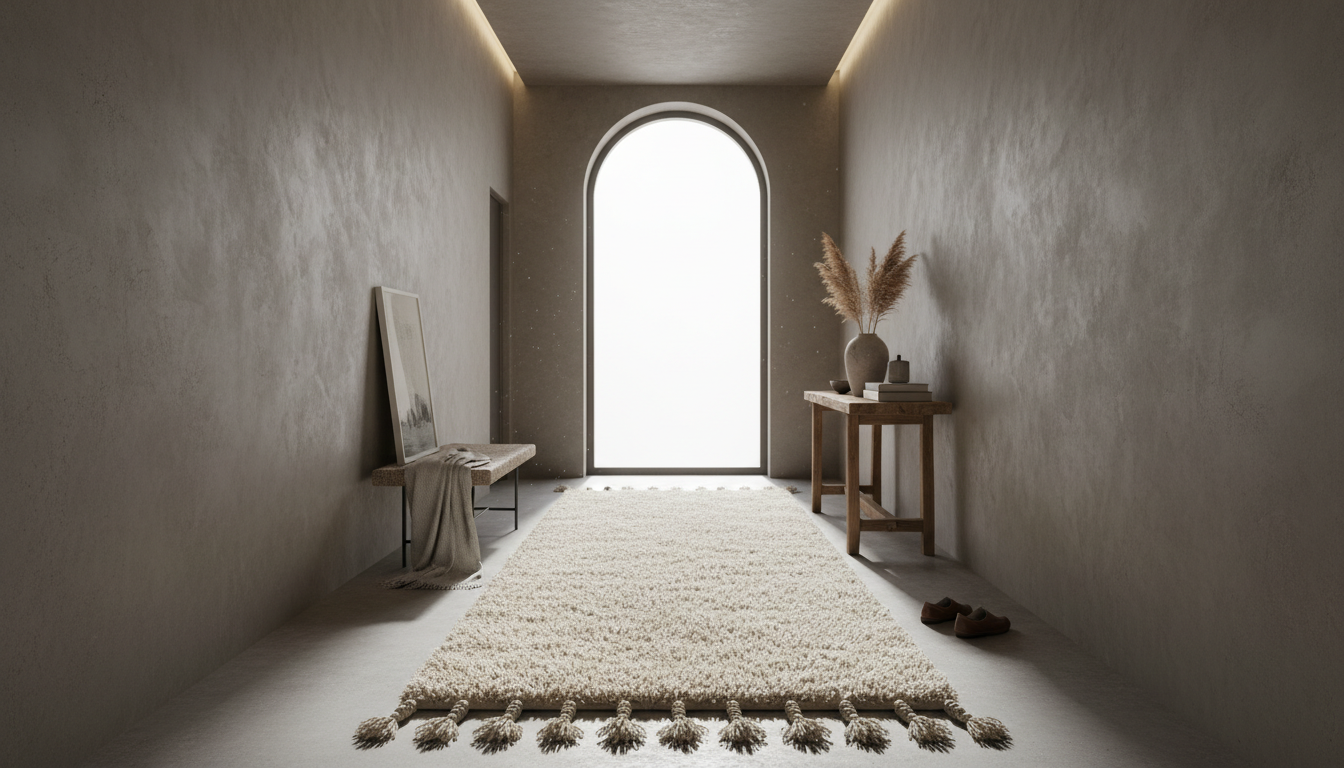
The Invisible Architecture of Quiet
We often discuss interior design through a purely visual lens—the palette, the silhouette, the light. Yet, as we move into 2026, the most sophisticated homes are being designed for the ears as much as the eyes. Auditory friction, that low-level hum of echoes, footfalls, and mechanical vibrations, acts as a constant “micro-stressor” on the human nervous system. When a room rings with hard surfaces, your brain stays in a state of high alert, unable to fully descend into the parasympathetic “rest and digest” mode. This is where the tactical application of high-density textiles becomes a biological necessity rather than a decorative choice.
A rug is, in essence, a horizontal acoustic panel. While a bare hardwood or polished concrete floor reflects up to 95% of sound energy, a premium hand-knotted wool piece—such as those curated at thebohorugs.com—can absorb up to 70% of that same energy. This dramatic reduction in the Noise Reduction Coefficient (NRC) of a room immediately lowers cortisol levels, allowing for deeper conversations and a profound sense of psychological safety.
“In the high-performance homes of 2026, we aren’t just looking for beauty; we are looking for silence. A rug with a pile weight of 1,200 grams per square meter doesn’t just ground a room visually—it serves as a sensory dampener that softens the sharp edges of modern life.”
— Julian Thorne, Lead Textile Conservator and Environmental Psychologist
The Material Science of Stillness
Not all fibers are created equal when it comes to silencing a space. To achieve true acoustic sanctuary, the density of the weave and the “crimp” of the fiber are paramount. Natural New Zealand wool remains the gold standard because its microscopic scales trap air, creating a labyrinth that dissipates sound waves before they can bounce back into the room. We are also seeing a significant rise in Bio-Acetate blends and heavy-gauge silk accents that add mass without sacrificing the soft, tactile hand-feel that defines luxury.
- The Density Rule: Aim for a high-low pile construction. The varying heights disrupt sound waves more effectively than a flat, uniform surface.
- The Underside Secret: A 1/4-inch felt rug pad is non-negotiable. It adds a secondary layer of “decoupling” between the floor and the room, preventing impact noise from traveling through the building’s structure.
- Fiber Integrity: Artisanal techniques from the Atlas Mountains often utilize a higher lanolin content, which keeps the fibers supple and prevents them from becoming brittle—a key factor in maintaining acoustic performance over decades.
When you step onto a thick, plush surface in your home office or bedroom, your body receives an immediate signal that the “external world” has been partitioned off. This isn’t just about luxury; it’s about creating a perimeter of peace. By selecting rugs with deep, saturated textures and organic origins, you are effectively installing a 24-hour noise-canceling system for your mental health.
Before finalizing your room layout, stand in the center and clap your hands sharply. If you hear a metallic “ring” or a lingering echo, your space is missing the textile mass required for mental focus. To fix this, look for oversized area rugs that extend at least 18 inches beyond your furniture. This ensures that the primary “bounce points” of the floor are neutralized, shifting the room’s energy from frantic to focused.
Finding the right balance requires a discerning eye for quality. If you are looking to invest in a piece that marries this acoustic science with timeless aesthetics, the artisanal collections at thebohorugs.com provide the necessary fiber density to transform a hollow-sounding room into a true sanctuary. It’s a design move that pays dividends in sleep quality and daily tranquility.
2026 Material Innovations: Biometric Fibers and Sustainable Luxury

The Sensory Shift: Beyond Aesthetics to Haptic Wellness
As we move into 2026, the design world is witnessing a quiet revolution. We’ve moved past the era of rugs as mere “floor coverings” and entered a phase where the floor is treated as a sophisticated interface for the nervous system. This shift is driven by haptic wellness—the idea that what we touch underfoot can recalibrate our internal state. The latest collections at thebohorugs.com reflect this, moving away from flat, synthetic weaves toward materials that offer deep, restorative feedback to the body.
The Rise of Bio-Acetate and Regenerative Fibers
The 2026 shift toward Bio-Acetate fibers represents a landmark in sustainable luxury. Derived from wood pulp and processed through a closed-loop system, these fibers mimic the cooling, high-luster finish of silk but with a much higher durability profile. When blended with high-altitude wool—specifically hand-knotted techniques from the Atlas Mountains—the result is a rug that manages temperature naturally. This is critical for sleep hygiene; a rug with a high thermal mass in the bedroom helps maintain a stable ambient temperature, signaling to the brain that the environment is safe for deep rest.
What’s particularly fascinating is the integration of biometric-responsive textures. These aren’t “gadgets,” but rather physical structures within the weave. High-low pile densities are being engineered to target specific pressure points on the soles of the feet, a design choice that mimics the benefits of reflexology. After a long day of “digital fatigue,” stepping onto a varying-texture wool rug provides a grounding proprioceptive “reset” that synthetic materials simply cannot replicate.
“We are no longer designing for the eye alone; we are designing for the endocrine system. A rug’s material composition can dictate whether a room feels like a high-cortisol workspace or a low-heart-rate sanctuary. The use of organic, non-off-gassing fibers is the new baseline for luxury.”
— Julian Thorne, Textile Historian and Sensory Design Consultant
Chromotherapy and Light Reflectance Values (LRV)
The psychology of a space is heavily influenced by how much light it absorbs versus how much it reflects. In 2026, we’re seeing a sophisticated use of Light Reflectance Values (LRV) in textile selection. For instance, a rug in a muted Sage Green with an LRV of approximately 40-45% strikes the perfect balance. It absorbs enough light to prevent glare—which can trigger anxiety—while reflecting enough soft, diffused light to keep a room feeling airy and expansive. This specific “biophilic green” has been shown to lower heart rates during periods of intense concentration, making it a primary choice for modern home offices.
- New Zealand Wool: Naturally flame-retardant and hypoallergenic, it acts as a high-performance air filter by trapping dust and allergens until they are vacuumed away.
- Eucalyptus Silk: Offers a moisture-wicking surface that feels cool in summer and warm in winter, perfect for high-traffic “emotional anchors” like the living room.
- Undyed Organic Yarns: By skipping the chemical dyeing process, these rugs retain the natural lanolin of the sheep, providing a softer, more “living” texture that ages beautifully.
When selecting a rug for a high-stress environment, ignore the visual pattern for a moment. Close your eyes and run your hand—or better yet, your foot—over the fibers. If you feel a “plastic” or “slick” resistance, it’s likely a synthetic blend that will reflect sound waves and increase room echo. For a true psychological sanctuary, look for long-staple wool found in artisanal pieces at thebohorugs.com; these fibers absorb acoustic pollution, creating the “library quiet” necessary for mental clarity.
The alchemy of 2026 rug design lies in this marriage of ancient craft and modern science. By choosing a rug with a sculpted high-pile, you aren’t just decorating; you are installing an acoustic buffer and a tactile grounding tool. The tactile feedback from a dense, hand-tufted surface sends signals to the amygdala that the environment is stable and secure, effectively lowering the “background noise” of modern anxiety.
Elevate Your Space
Discover the artistry of handmade luxury. Each rug is a masterpiece of tradition and modern design.
Expert Q&A
How do rugs specifically reduce anxiety levels?
Rugs act as sensory anchors. Soft, high-pile textures stimulate the nerve endings in the feet, which sends calming signals to the brain’s parasympathetic nervous system, effectively lowering cortisol levels.
Can the color of a rug affect my sleep quality?
Absolutely. Cooler, muted tones like sage green or soft blue help lower heart rate and prepare the body for melatonin production, whereas bright or high-contrast rugs can be too stimulating for a bedroom.
What material is best for ‘grounding’?
Natural wool is the gold standard for grounding. Its organic protein structure allows for a subtle exchange of static energy and provides a superior tactile connection compared to synthetic materials.
Why is ‘Floating Rug Syndrome’ bad for mental health?
A rug that is too small for its furniture creates a sense of visual instability and ‘unrootedness.’ A properly sized rug that anchors all furniture legs provides a psychological sense of safety and containment.
What rug texture is best for focus in a home office?
A low-to-medium pile rug with a subtle, non-repetitive texture is ideal. It provides enough comfort to ground the body without being so soft that it induces lethargy or so busy that it distracts the eyes.
How do rugs help with noise pollution in modern homes?
Rugs are the most effective way to manage ‘slap echo’ in rooms with hard surfaces. By absorbing sound waves, they reduce the chronic background noise that contributes to low-level stress and fatigue.
Are there specific rug patterns for ADHD or neurodivergence?
For neurodivergent individuals, low-contrast, organic, and biophilic patterns are usually best. High-contrast geometric patterns can lead to visual overstimulation and increased restlessness.
Is there a psychological benefit to layering rugs?
Layering provides ‘sensory depth.’ Combining a flat-weave jute base with a soft wool topper offers varied tactile feedback and a visual sense of abundance and protection.
What is the ‘Biophilic Effect’ in rug design?
This refers to designs that mimic natural patterns, such as moss, stone, or water ripples. These designs tap into our evolutionary preference for nature, which has been proven to reduce blood pressure.
Can rug materials affect indoor air quality and mood?
Yes. Natural wool rugs act as natural air filters, trapping dust and pollutants until they are vacuumed, which leads to better respiratory health and, consequently, better mood and energy.
What will ‘smart rugs’ look like in 2026?
We are seeing the emergence of rugs with embedded aromatherapy micro-fibers and biometric sensors that can track gait and balance, further integrating home decor into the wellness tech ecosystem.
How often should I change my rug for a ‘mental reset’?
While high-quality rugs last decades, swapping a rug seasonally or during major life transitions can provide a powerful ‘pattern interrupt’ for the brain, signaling a fresh start.
Written by TheBohoRugs Interior Design Team
Experts in handmade rugs, boho interiors, and modern home decor.
