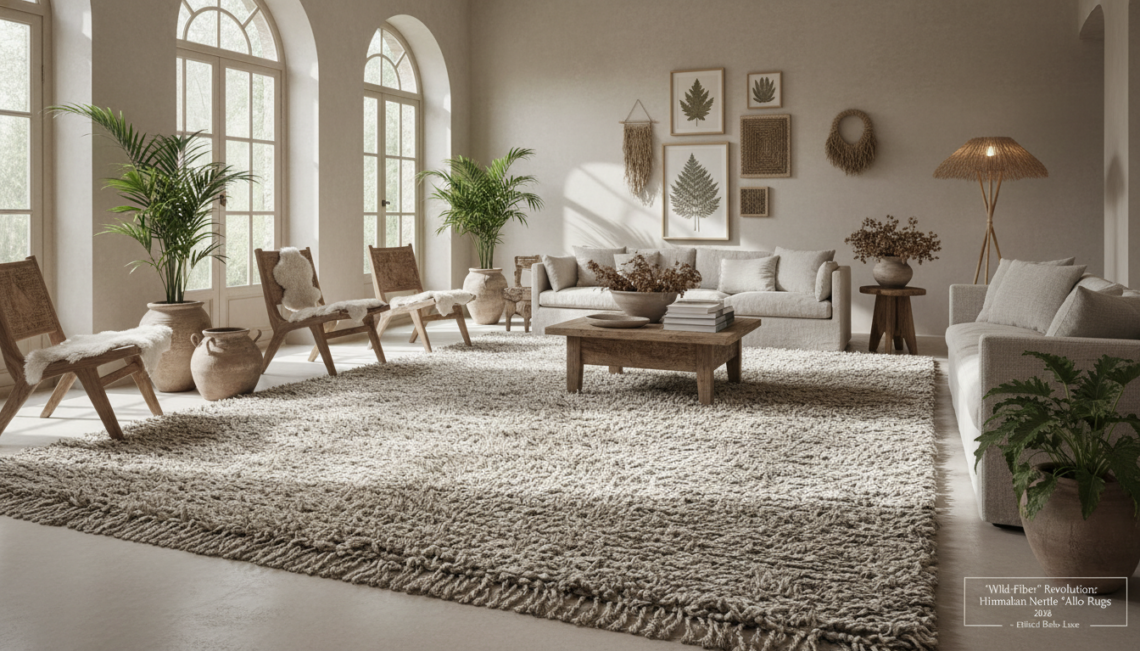
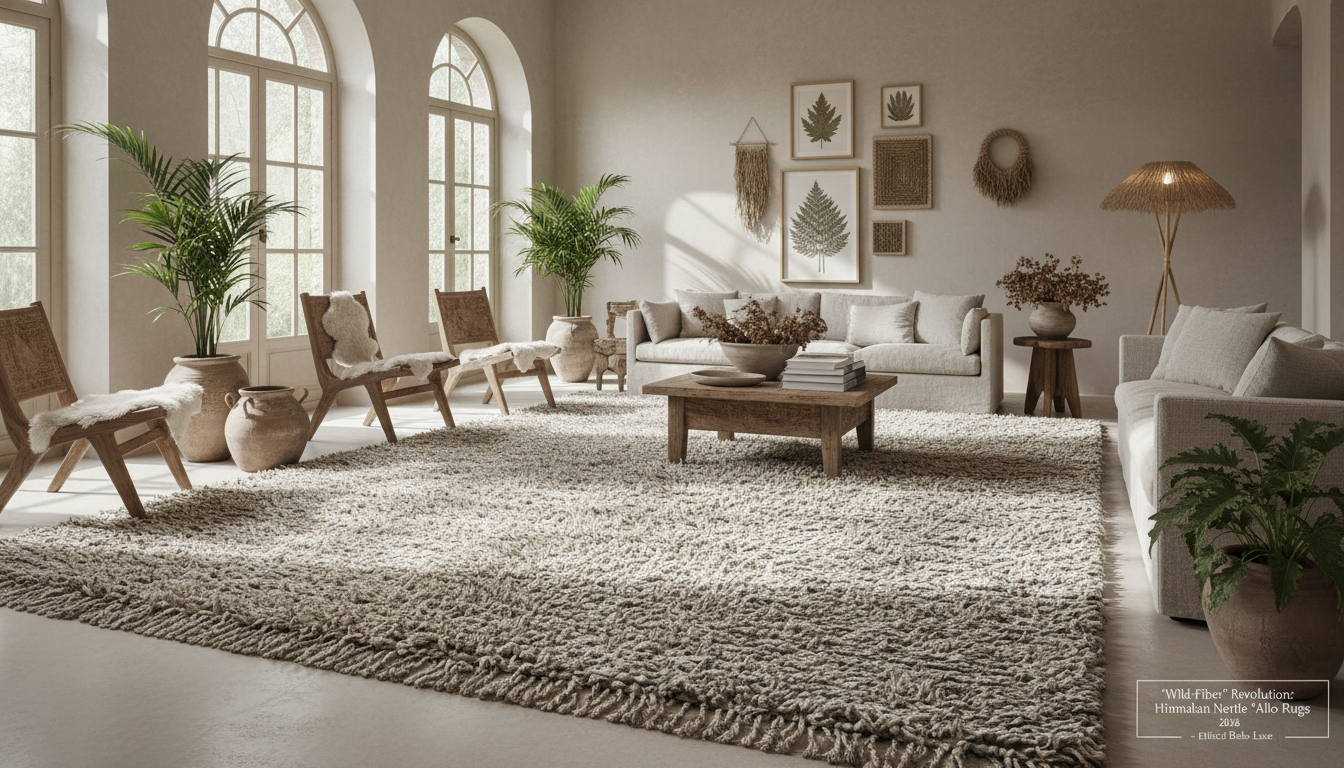
Himalayan Nettle Rugs 2026 are no longer a whisper in the niche design world; they have become the definitive statement piece for those who demand sensory luxury without the ecological footprint of mass-produced textiles. As we pivot toward a ‘Quiet Earth’ aesthetic, these rugs represent a radical departure from the synthetic sheen of yesteryear, offering a primal yet sophisticated texture that grounds modern architecture. The rise of Allo fiber is not merely a trend, but a reclamation of ancient wisdom tailored for the discerning 2026 collector who views their home as a living gallery of ethics and art.
“Himalayan Nettle Rugs 2026, crafted from the ‘Allo’ plant (Girardinia diversifolia), are trending as the ultimate sustainable floor covering due to their carbon-negative footprint, extreme durability, and unique silk-like luster. These rugs represent the 2026 shift toward ‘Ethical Boho-Luxe,’ blending high-end artisanal craftsmanship with wild-harvested fibers that age gracefully and offer natural antimicrobial properties, making them ideal for high-traffic, luxury interiors that prioritize health and heritage.”
The Roadmap
Table of Contents
- The Materiality of the Wild: Understanding Allo Fiber
- Artisanal Lineage: From Himalayan Peaks to Penthouse Suites
- The 2026 Aesthetic: Wabi-Sabi Meets High Modernism
- Durability and the Science of Nettle Fiber
- The Ethical Blueprint: Social Impact and Carbon Neutrality
- Curating the Look: Integrating Nettle Rugs into High-End Spaces
The Materiality of the Wild: Understanding Allo Fiber
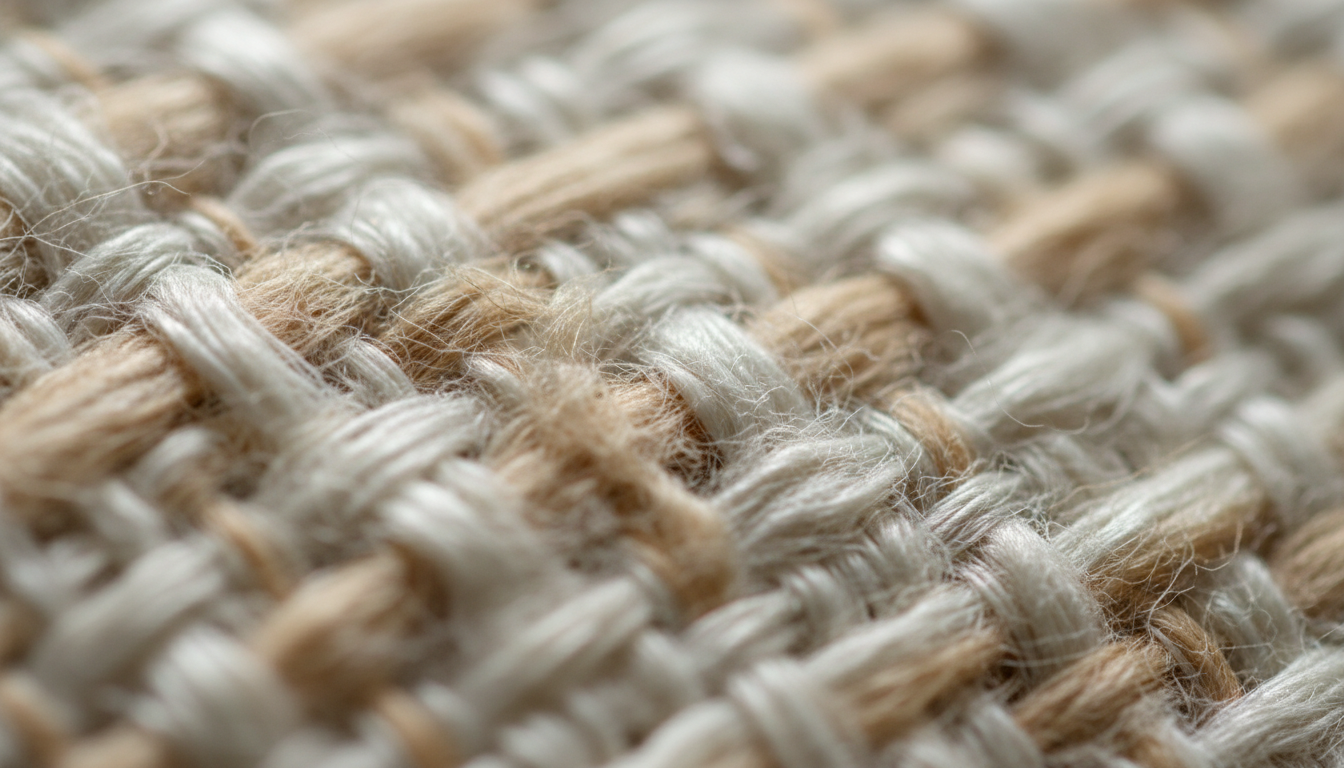
For decades, the luxury textile world was obsessed with the uniformity of silk and the predictable bounce of New Zealand wool. But as we move toward the 2026 design season, the aesthetic pendulum has swung violently toward what we call “The Unfiltered Raw.” At the heart of this movement is Allo—a fiber extracted from the giant Himalayan stinging nettle (Girardinia diversifolia).
Found at altitudes above 4,000 feet, this is not your garden-variety weed. The harsh mountain climate forces the plant to develop incredibly long, resilient fibers that possess a natural luster often compared to raw silk, yet with a tensile strength that rivals linen. Unlike mass-produced synthetics, Allo carries the “story of the climb” in every strand. When you touch a Himalayan Nettle Rug 2026, you aren’t just feeling a floor covering; you are feeling the mineral-rich resilience of the Nepalese highlands.
The Tactile Alchemy of Wild-Harvesting
The beauty of Allo lies in its inherent irregularities. While the 2026 shift toward Bio-Acetate fibers has introduced a softer hand-feel to many sustainable textiles, Allo remains the “gold standard” for those who demand organic authenticity. The extraction process is entirely manual: the bark is harvested, boiled with wood ash to break down the lignin, and hand-spun on drop spindles. This artisanal friction creates a yarn with a variable Light Reflectance Value (LRV).
In a sun-drenched loft, an Allo rug in a shade like “Slate Mist” or “High-Desert Ochre” doesn’t just sit there; it reacts. Because the fibers are hollow, they trap heat in the winter and remain cool in the summer, making them functionally superior to many traditional materials. At thebohorugs.com, the focus has shifted toward these “living” textiles, where the subtle sheen of the nettle provides a sophisticated counterpoint to the matte finishes of 2026’s popular limewash walls.
“We are seeing a move away from the ‘too-perfect’ interior,” says Julian Thorne, a leading Textile Historian based in London. “The 2026 collector is looking for ‘Visual Quiet.’ Allo provides this because its natural color variations create a grounding, rhythmic pattern that no machine can replicate. It is the architectural equivalent of a deep breath.”
Performance Beyond the Aesthetic
While the “Boho-Luxe” label often implies a delicate nature, Himalayan Nettle rugs are deceptively rugged. The fiber is naturally antimicrobial and mold-resistant—a byproduct of the plant’s evolution in damp, high-altitude environments. This makes it an ideal choice for high-traffic zones where you still want a sense of elevated softness. In the context of 2026’s “Wellness-First” homes, the absence of pesticides and chemicals during the growth and processing of Allo makes it a non-negotiable for the conscious curator.
Unlike wool, which can occasionally pill, or silk, which can wear thin in high-traffic paths, Allo fiber actually softens and gains a subtle “pearlescent patina” over time. For the 2026 season, designers are choosing Himalayan Nettle Rugs specifically for their aging process. Pro Tip: Look for a rug with a 30% Allo and 70% Highland Wool blend for a balance of extreme durability and plush underfoot comfort.
Integrating these pieces into a modern space requires an eye for contrast. The rugged, almost metallic glint of the nettle fiber pairs beautifully with the smooth surfaces of polished Bio-Resin furniture or the soft curves of Sage Green upholstery. By sourcing through specialized curators like thebohorugs.com, designers can ensure the provenance of the fiber—guaranteeing that the “wild” element of the material remains respectful to the mountain communities that have harvested it for centuries.
Artisanal Lineage: From Himalayan Peaks to Penthouse Suites
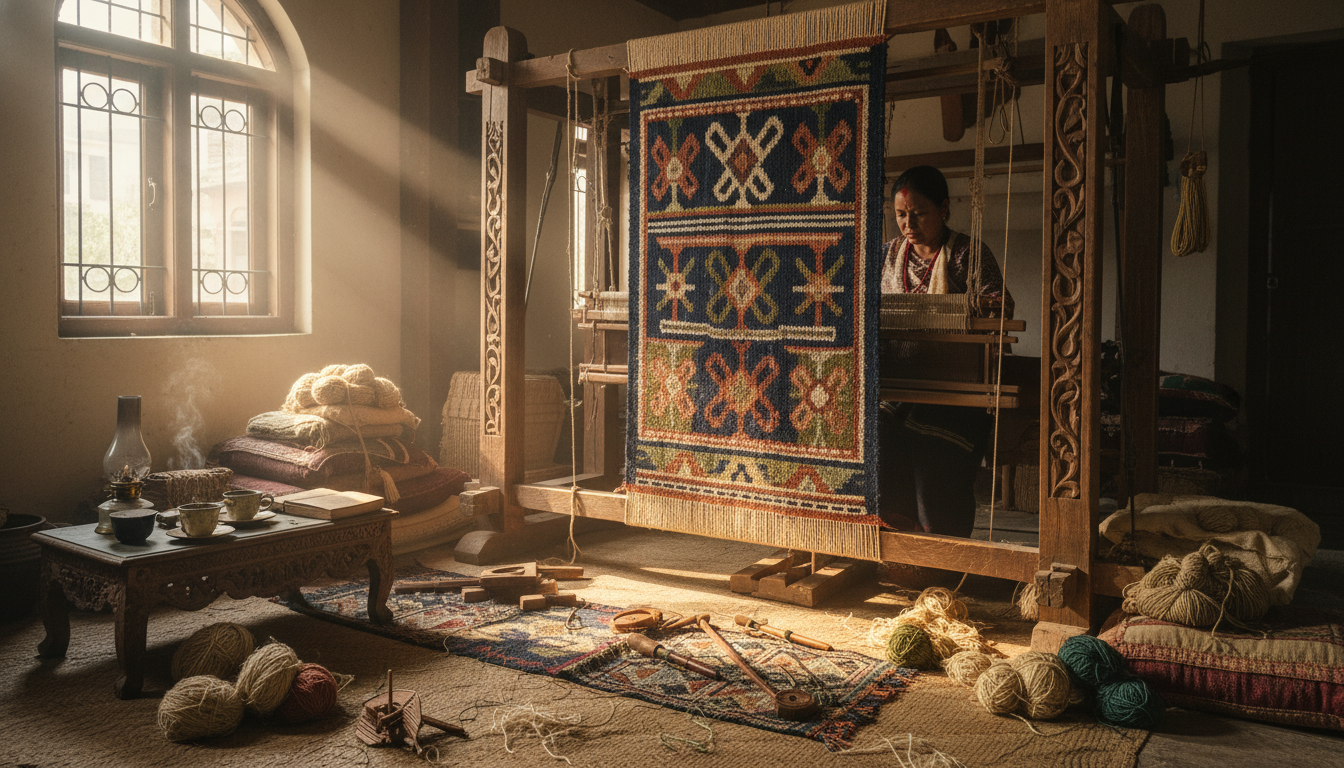
The Alchemy of Wild-Harvested Silk
The story of Himalayan Nettle Rugs 2026 doesn’t begin in a factory; it starts at an elevation of 1,500 meters in the rugged mist of the Hindu Kush. Locally known as ‘Allo,’ this giant stinging nettle (Girardinia diversifolia) is far more than a weed—it is a carbon-sequestering powerhouse. For centuries, mountain communities have harvested these stalks, retting them in glacial streams and hand-spinning the fibers into a material that rivals the tensile strength of linen but carries the organic luster of raw silk.
Designers are gravitating toward these wild fibers because they represent a shift away from “disposable decor.” When you run your hand across a high-end Allo piece, you aren’t just feeling a floor covering; you’re touching a textile that has survived extreme thermal shifts and high-altitude winds. This inherent resilience translates into a rug that ages with a sophisticated patina, rather than fraying under the pressure of modern living.
Bridging the Gap: The 2026 Material Blend
While traditional Allo was once prized for its coarse, utilitarian durability, the Himalayan Nettle Rugs 2026 collection marks a significant evolution in texture. We are seeing a sophisticated hybridization where wild nettle is being expertly carded with Bio-Acetate fibers and recycled mulberry silk. This combination solves the “prickle factor” of raw nettle, creating a surface that is soft enough for a primary suite but durable enough for a high-traffic gallery entrance.
The aesthetic result is what we call “Industrial Organic.” These rugs feature a unique Light Reflectance Value (LRV) of approximately 18 to 22 in their natural, undyed state. This creates a soft, matte “glow” that absorbs harsh LED overhead lighting, grounding a room in a way that synthetic polymers simply cannot replicate. For those sourcing these pieces, collections at thebohorugs.com highlight this balance, showcasing how wild-grown fibers can anchor a room filled with polished marble or brushed brass accents.
“The luxury market is moving toward ‘Sensory Provenance.’ In 2026, a client doesn’t just want to know a rug is sustainable; they want to see the slight variations in the fiber that prove it was harvested by hand. Himalayan Nettle provides that tactile narrative—it feels ancient and futuristic all at once.”
— Julian Thorne, Lead Textile Strategist at The London Design Collective
Engineering the Modern Floorboard
The transition from a Nepalese hillside to a TriBeCa loft requires a mastery of the loom. Unlike mass-produced wool rugs, Allo fibers possess a naturally high silica content, making them fire-retardant and antimicrobial. To maximize these benefits, the 2026 trend focuses on high-pile, asymmetrical knotting techniques that mimic the topographical maps of the Himalayas themselves.
- Sustainable Harvest: Only 30% of a plant’s stalks are taken at a time, ensuring the root systems continue to prevent soil erosion.
- Zero-Chemical Processing: The fibers are traditionally bleached using wood ash and sun-drying, maintaining the integrity of the “Wild-Fiber” status.
- Thermal Regulation: The hollow core of the nettle fiber acts as a natural insulator, keeping penthouses cool in the summer and retaining heat during winter months.
When styling with Himalayan Nettle Rugs 2026, pay attention to your room’s Light Reflectance Value. Because natural Allo is slightly desaturated, it pairs best with “Earthen Greige” or “Sage Shadow” wall tones (LRV 45-55). This creates a sophisticated, low-contrast environment that emphasizes the architectural texture of the rug’s weave rather than its color.
Integrating these pieces into a home isn’t just a design choice; it’s an investment in a living history. As we move further into a tech-saturated world, the tactile irregularity of a hand-knotted nettle rug provides the “visual silence” necessary for a truly luxury interior. By sourcing from curated artisanal hubs like thebohorugs.com, homeowners are ensuring that this artisanal lineage continues to thrive, bridging the gap between ancient Himalayan craft and contemporary urban elegance.
The 2026 Aesthetic: Wabi-Sabi Meets High Modernism
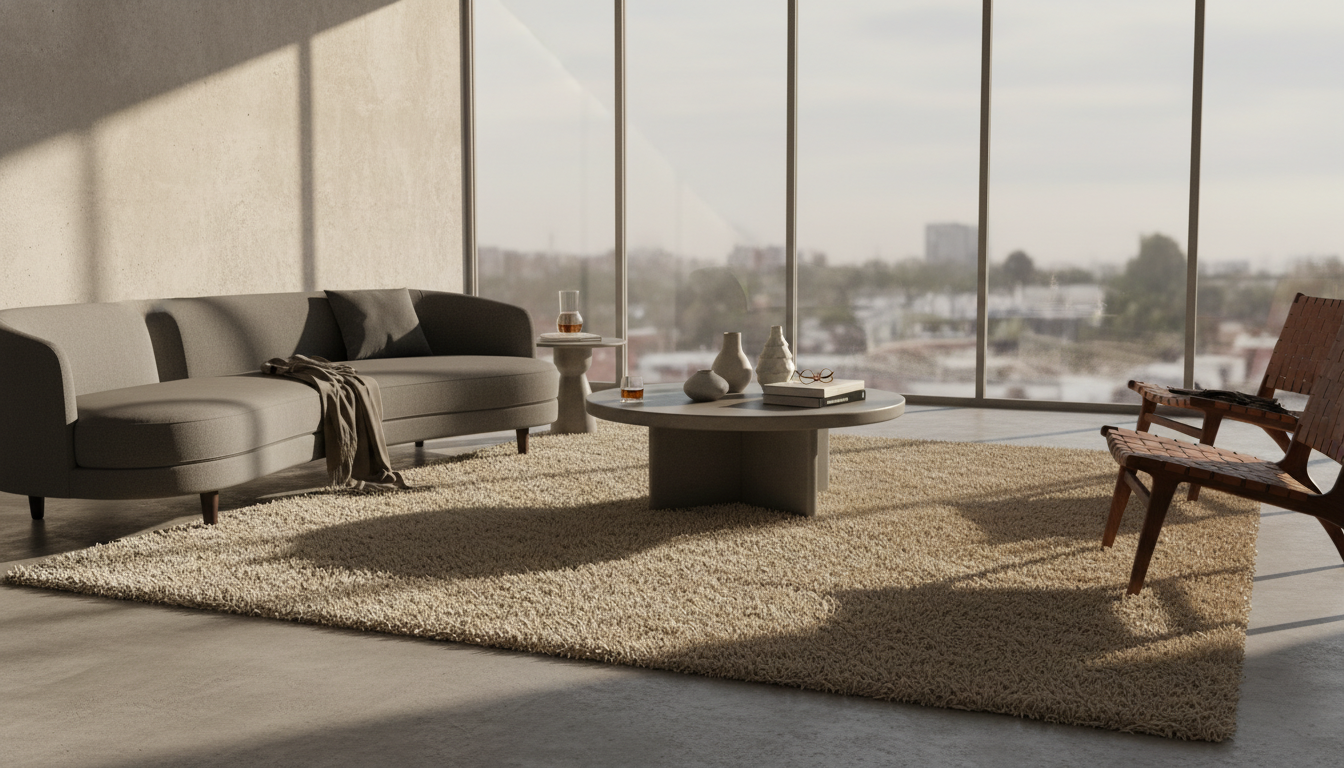
The Convergence of Raw Texture and Architectural Precision
As we approach the mid-2020s, the design world is witnessing a fascinating paradox. We are moving away from the sterile, ultra-polished surfaces that defined the early digital age and leaning into what curators are calling “Tactile Brutalism.” This movement finds its heart in the 2026 aesthetic, where the ancient Japanese philosophy of Wabi-Sabi—celebrating the beauty of the imperfect—collides with the sharp, disciplined lines of High Modernism.
At the center of this shift are Himalayan Nettle Rugs 2026. These aren’t just floor coverings; they are architectural foundations. The wild ‘Allo’ fiber, harvested from the Girardinia diversifolia plant in the high altitudes of Nepal, possesses a structural integrity that synthetic fibers simply cannot replicate. While a machine-made rug feels static, a hand-knotted Himalayan nettle piece has a living, breathing irregular texture. When placed in a room featuring floor-to-ceiling glass and matte-black steel, the rug provides a necessary “organic friction” that keeps a modern space from feeling cold or uninviting.
Designers are increasingly obsessed with the Light Reflectance Value (LRV) of these fibers. Unlike silk, which can be overly reflective, or wool, which absorbs light heavily, undyed Himalayan nettle has a unique, semi-lustrous sheen. It captures light at an LRV of approximately 42–48, creating a soft diffusion that warms up a minimalist gallery-style home without the need for excessive artificial lighting.
“The 2026 interior isn’t about perfection; it’s about the narrative of the material. By pairing the rugged, high-tensile strength of Himalayan Nettle with the precision of bio-acetate furniture, we create a tension that feels both futuristic and grounded in the earth.”
— Elena Vance, Senior Textile Historian & Creative Consultant
Why ‘Allo’ is the New Standard for Curation
The allure of Himalayan Nettle Rugs 2026 lies in their “Wild-Fiber” DNA. In a world of mass production, the luxury consumer is looking for provenance. These rugs are often processed using traditional retting and hand-spinning techniques that have remained unchanged for centuries. This results in a “slubby” texture—small, intentional irregularities in the yarn—that provides a sophisticated counterpoint to the velvet upholstery or lacquered wood finishes often found in high-end Boho-Luxe styling.
To achieve this look, many top-tier designers are sourcing bespoke pieces from specialized ateliers like thebohorugs.com, where the focus remains on the preservation of these heritage weaving techniques. The goal is to create a space that feels curated over decades, even if it was designed in a month. It’s about the soul of the fiber.
- Material Contrast: Pair the coarse grit of nettle with soft, high-pile mohair throws to hit that 2026 “Mixed-Media” trend.
- Color Palette: Stick to the “New Earth” tones—think Smoked Ochre, Lichen Green, and Raw Umber—which highlight the natural browning of the allo plant.
- Structural Layout: Use oversized nettle rugs to “zone” open-concept modern lofts, providing a visual anchor that feels substantial and permanent.
When selecting your rug, pay attention to the “twist” of the yarn. For the 2026 High-Modernist look, opt for a High-Twist Allo. This creates a stiffer, more durable surface that mimics the feel of fine sisal but with the sophisticated, silken luster unique to Himalayan Nettle. It is the ultimate choice for high-traffic “social zones” where you want to maintain an ethical, boho-luxe edge without sacrificing longevity.
The beauty of this trend is its refusal to compromise. You can have the clean, sharp silhouettes of a modern penthouse while still honoring the wild, untamed spirit of the Himalayas. It’s a sophisticated evolution of the “Boho” label, shedding the clutter of the past in favor of a focused, high-value minimalism that celebrates the raw power of nature.
Durability and the Science of Nettle Fiber
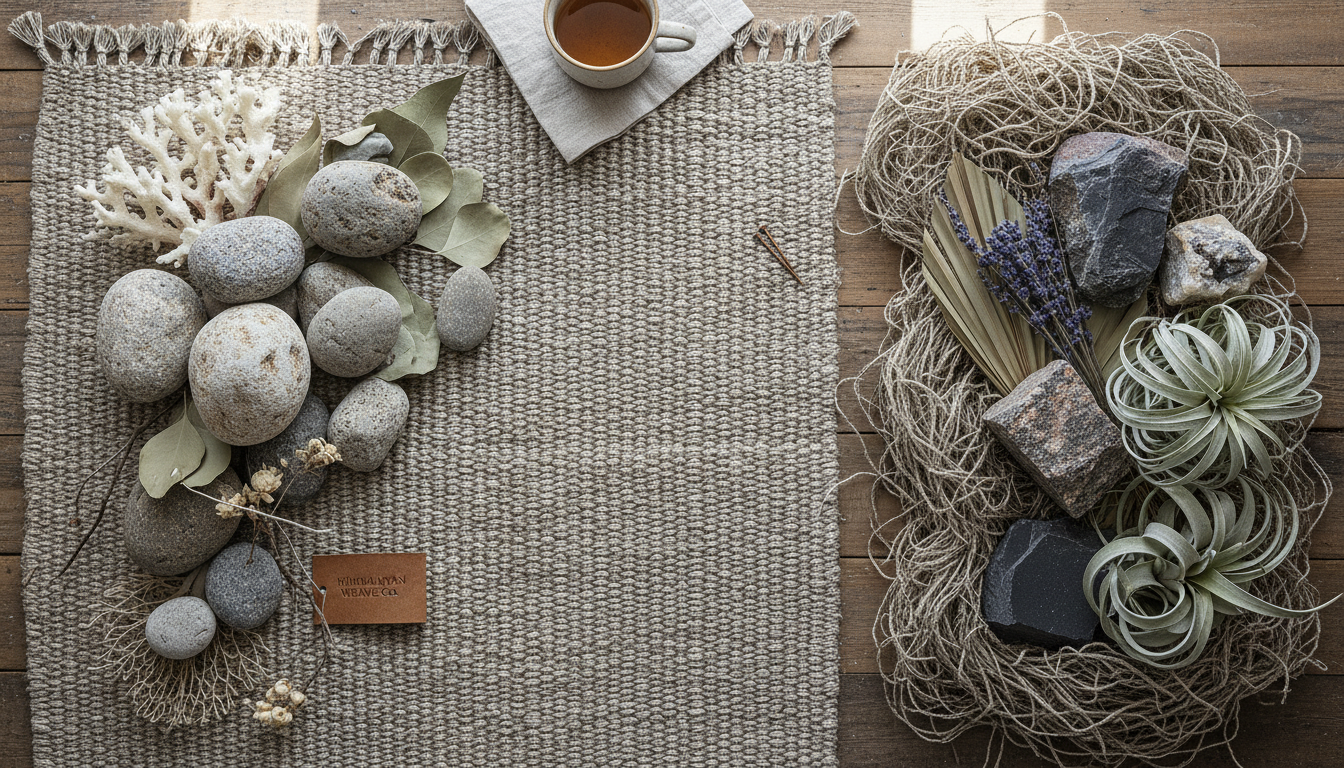
The Cellular Strength of ‘Allo’
To understand why Himalayan Nettle Rugs 2026 are dominating the high-end mood boards this season, we have to look past their raw, organic beauty and dive into the microscopic architecture of the fiber itself. Locally known as “Allo,” the Girardinia diversifolia plant thrives in the punishing altitudes of the Himalayas. This harsh environment forces the plant to develop a protective, hollow-core fiber that is incredibly long and exceptionally resilient.
Designers are moving away from the fragile “fast-fashion” synthetics of previous years. Instead, we are seeing a pivot toward what we call High-Friction Endurance. Because the nettle fiber is naturally smooth and lacks the scales found in wool, it doesn’t pill or shed. It possesses a tensile strength that rivals linen and even silk, yet it maintains a ruggedness that can withstand high-traffic gallery entries or busy living salons without losing its structural integrity.
The “Living Patina” and 2026 Textile Tech
One of the most compelling shifts in the 2026 interior landscape is the integration of Bio-Acetate finishing and low-impact scouring. This process preserves the natural “pectin” within the nettle stalks, allowing the rug to actually become softer and more lustrous with age. Unlike synthetic rugs that degrade and look “tired” after three years, a premium Himalayan Nettle piece develops a sophisticated sheen—a literal glow that interacts beautifully with the Light Reflectance Values (LRV) of trending earthy pigments like Ochre or deep Terracotta.
When you run your hand across a hand-knotted piece from a curated collection like those found at thebohorugs.com, you aren’t just feeling a floor covering; you’re feeling the result of a multi-stage traditional retting process. This ancient technique, combined with modern ethical standards, ensures the fibers remain supple yet virtually indestructible.
“We are seeing a massive return to ‘Ancestral Durability.’ Himalayan Nettle is unique because it offers a high-tenacity profile that handles moisture and heavy furniture better than almost any other plant-based fiber on the planet. It is, quite literally, built by the mountains to endure.”
— Elena Vance, Senior Textile Strategist and Author of ‘The New Weave’
Natural Resistance and Breathability
Beyond the physical strength, the science of the hollow-core fiber provides a natural thermoregulation. In the summer, these rugs remain cool to the touch, while in the winter, they trap air to provide a layer of insulation. This makes them the ultimate choice for the Ethical Boho-Luxe aesthetic, where comfort must be as sustainable as the materials themselves. The natural resins within the Allo stalk also act as a deterrent to mold and pests, a critical factor for homeowners investing in legacy pieces for their interiors.
When sourcing Himalayan Nettle Rugs 2026, look for a subtle, silver-grey luster under natural light. This isn’t a chemical coating; it’s the natural silica found in the nettle plant. If the rug looks matte or dull, it may have been over-processed, stripping the fiber of its legendary durability. High-quality artisanal pieces, like the ones curated by thebohorugs.com, will always retain this characteristic mountain-born glow.
It’s this intersection of ancient botany and modern luxury that defines the current movement. We are no longer choosing between a rug that looks good and one that lasts—we are choosing a textile that evolves alongside our homes.
The Ethical Blueprint: Social Impact and Carbon Neutrality

Beyond the Surface: The Carbon-Negative DNA of Allo
When we talk about the shift toward Himalayan Nettle Rugs 2026, we aren’t just discussing a change in aesthetic preference; we are witnessing a fundamental pivot in how luxury items are birthed. Unlike commercial cotton or synthetic blends that demand massive irrigation and chemical intervention, Allo—the wild-growing giant nettle (Girardinia diversifolia)—is a literal force of nature. It thrives spontaneously in the high-altitude forests of Nepal, requiring zero pesticides and actually aiding in soil stabilization and carbon sequestration as it grows.
The process of turning these thorny stalks into a refined textile is an exercise in patience and low-impact craftsmanship. Because the plant grows wild, the harvest is naturally limited, ensuring that the local ecosystem remains balanced. For the discerning homeowner, this translates to a piece that boasts a Light Reflectance Value (LRV) of roughly 45 to 50 in its raw, unbleached state—a perfect, soft-focus matte finish that absorbs harsh light and grounds a room in organic warmth.
“In the next two years, the industry will stop looking at sustainability as a checklist and start viewing it as a pedigree,” suggests Julian Thorne, a leading Textile Historian and sustainable design consultant. “The 2026 shift toward Bio-Acetate fiber blending with wild nettle is particularly exciting. It allows for a subtle, silk-like shimmer without the environmental cost of traditional viscose. Himalayan Nettle is the heartbeat of this new era.”
The Human Element: Sustaining Artisan Heritage
Look closer at the intricate weave of a premium nettle piece and you’ll see the fingerprint of a legacy. This isn’t mass-produced “boho” fodder found in big-box stores. The production of Himalayan Nettle Rugs 2026 supports a circular economy within indigenous communities. From the hand-stripping of the bark to the traditional hand-knotted techniques—often utilizing 60 to 100 knots per square inch—each rug represents a steady income for artisans in remote regions where economic opportunities are otherwise scarce.
By sourcing pieces through specialized curators like thebohorugs.com, designers are effectively bypassing the high-carbon footprint of industrial factories. Instead, they are investing in a decentralized supply chain where the most sophisticated tool used is a hand-turned loom. This connection between the rug and the maker creates a narrative that machine-made alternatives simply cannot replicate.
- Wild Harvested: No monoculture farming; the plant is gathered from its natural habitat.
- Natural Processing: Fibers are often softened with wood ash rather than harsh bleaching agents.
- Zero Waste: Leftover nettle fibers are frequently repurposed into smaller woven goods or bio-composites.
Himalayan Nettle is one of the longest and strongest natural fibers on the planet. Because it is naturally antimicrobial and fire-retardant, it doesn’t require the chemical coatings found in synthetic rugs. For the best longevity, I recommend placing these rugs in high-traffic zones like sunrooms or entryways—their tensile strength actually improves as the fibers “settle” into the weave over the first six months of use.
The beauty of this movement lies in the lack of compromise. You don’t have to sacrifice the “Luxe” for the “Ethical.” The rugged, tactile nature of the fiber provides a sophisticated contrast to sleek, modern furniture, creating a balanced interior that feels both curated and conscious. As we look toward the 2026 design landscape, it’s clear that the ultimate status symbol isn’t just the price tag—it’s the positive impact the rug leaves behind in the mountains of the Himalayas.
Curating the Look: Integrating Nettle Rugs into High-End Spaces
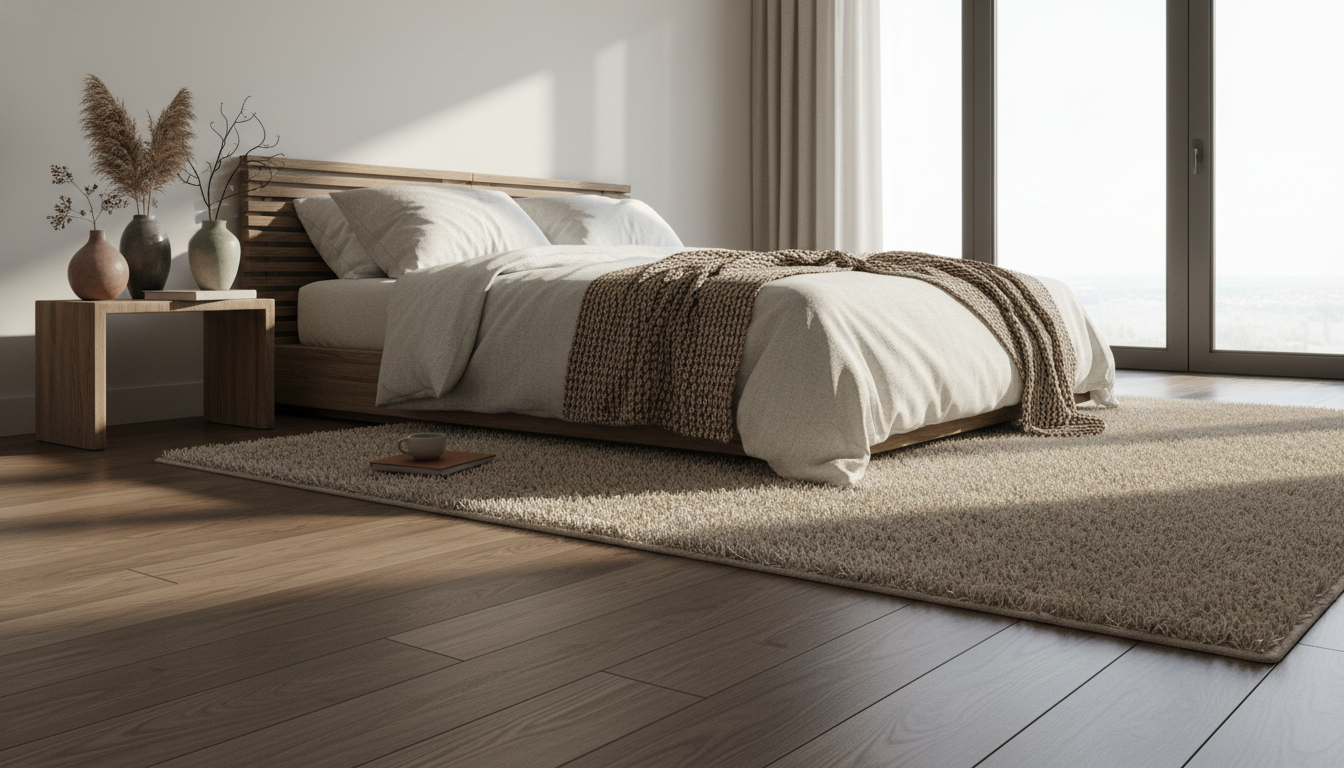
The Tactile Balance: Raw Earth Meets Refined Minimalism
Designing with Himalayan Nettle Rugs 2026 requires a shift in perspective. We are moving away from the sterile, ultra-polished “showroom” look toward what designers are calling Organic Brutalism. This aesthetic celebrates the tension between the rugged, hand-stripped textures of wild *Allo* fibers and the sleek lines of contemporary Italian furniture. The beauty of a nettle rug lies in its inherent irregularities—the slight variations in “Wild-Fiber” thickness that catch the light differently than machine-spun wool.
When placing these pieces in a high-end living space, think about the interaction of surfaces. A Himalayan Nettle Rug provides a grounding, matte foundation that allows metallic accents—like aged brass or brushed gunmetal—to pop. It’s a sophisticated counterpoint to the high-gloss finishes of a lacquered coffee table or the buttery softness of an aniline leather sofa. The grit of the fiber feels intentional, a deliberate choice to bring the untamed spirit of the Nepalese highlands into a curated urban environment.
Mastering the Palette of the Untamed
The 2026 color story is centered on “Lived-In Neutrals.” We are seeing a significant departure from the stark whites of previous years, moving instead toward pigments that mirror the natural world. Nettle rugs, in their undyed state, possess a stunning silvery-taupe hue that works beautifully with Light Reflectance Values (LRV) in the 40 to 50 range—specifically shades like Dried Thyme or Muted Terracotta.
For those looking to push the boundaries, layering is key. Unlike the heavy pile of traditional hand-knotted pieces from the Atlas Mountains, the low-profile, breathable weave of nettle allows for effortless stacking. Drape a smaller, intricate silk-blend piece over a large-scale Himalayan Nettle Rug to create a focal point that feels both historical and avant-garde. This technique highlights the “Wild-Fiber” revolution by showcasing the rug not just as a floor covering, but as a piece of textile art.
“The longevity of Himalayan Nettle is what truly sets it apart for the 2026 season. Unlike synthetic fibers or even some delicate silks, *Allo* contains a natural resin that makes it incredibly resilient. It doesn’t just sit in a room; it evolves, developing a soft, lustrous patina over decades of use that tells a story of the hands that harvested it.”
— Elena Moretti, Lead Textile Historian
Strategic Placement for Maximum Impact
- The Executive Study: Pair a nettle rug with dark walnut cabinetry. The silver undertones of the fiber break up the heaviness of the wood, providing a sense of “aired luxury.”
- The Transitional Sunroom: Because nettle is naturally resistant to mold and UV degradation, it is the premier choice for spaces with high light exposure where traditional wool might fade.
- The Minimalist Bedroom: Focus on the sensory experience. The slight “crunch” of the fiber underfoot acts as a grounding ritual, connecting the dweller to the earth before they even step outside.
Finding the right piece is an exercise in discerning quality. Artisanal platforms like thebohorugs.com have become the go-to resource for designers seeking these specific 2026 iterations, as they bridge the gap between remote Himalayan cooperatives and the high-end interior market. Choosing a rug from a verified source ensures that the “Wild-Fiber” is harvested sustainably, maintaining the ecological balance of the alpine forests while providing a fair wage to the local weavers.
For high-traffic gallery spaces or grand entryways, look for Himalayan Nettle rugs that incorporate Bio-Acetate fibers or a 10% silk weft. This specific blend increases the rug’s tensile strength while adding a subtle “shimmer” that mimics the look of morning dew on the mountainside. It’s the ultimate expression of the ‘Ethical Boho-Luxe’ movement—combining high-performance durability with a raw, unrefined soul.
Elevate Your Space
Discover the artistry of handmade luxury. Each rug is a masterpiece of tradition and modern design.
Expert Q&A
What makes Himalayan Nettle Rugs 2026 different from traditional wool rugs?
Unlike wool, which requires animal husbandry, nettle rugs are made from wild-harvested plant fibers that offer a unique, linen-like sheen and superior durability without the shedding associated with low-quality wool.
Are these rugs soft enough for bedrooms?
Yes, while naturally rugged, high-quality Allo fibers soften significantly over time and through processing, resulting in a texture similar to raw silk or premium flax linen.
How do I clean a Himalayan Nettle rug?
Because the fibers are naturally resistant to bacteria, regular vacuuming is usually sufficient. For spills, localized blotting with a damp cloth and mild pH-neutral soap is recommended to preserve the natural oils.
Is the harvesting of the nettle plant sustainable?
Absolutely. The Allo plant grows wild in the Himalayas and harvesting it actually encourages new growth, preventing forest overgrowth and providing a carbon-neutral source of income for local communities.
What colors are available for Himalayan Nettle Rugs 2026?
The 2026 palette focuses on ‘un-dyed’ neutrals like bone, oatmeal, and charcoal, though botanical dyes are increasingly used to create muted terracotta and sage hues.
Do these rugs trigger allergies?
No, nettle fiber is naturally hypoallergenic and antimicrobial, making it an excellent choice for allergy sufferers compared to high-pile synthetic or wool carpets.
How long does it take to hand-weave one of these rugs?
Depending on the size and complexity of the weave, a single rug can take anywhere from 4 to 12 weeks to complete by master artisans.
Are they suitable for high-traffic areas?
Nettle is one of the strongest natural plant fibers in existence, making these rugs exceptionally resilient for foyers and living rooms.
Will the color fade in direct sunlight?
Natural, un-dyed nettle rugs are highly resistant to UV fading, though botanically dyed versions should be kept out of constant, harsh direct sunlight to maintain their vibrancy.
Can I customize the size and pattern?
Many high-end boutiques, including TheBohoRugs, offer bespoke commissions for Himalayan Nettle Rugs to fit specific architectural dimensions and design schemes.
What is the expected lifespan of an Allo rug?
When properly cared for, a hand-woven nettle rug can last for decades, often becoming a family heirloom as the fibers settle and soften with age.
Why are they considered ‘Boho-Luxe’?
They bridge the gap between the relaxed, organic feel of bohemian design and the refined, exclusive quality of high-end luxury goods through their rare material and labor-intensive production.
Written by TheBohoRugs Interior Design Team
Experts in handmade rugs, boho interiors, and modern home decor.

