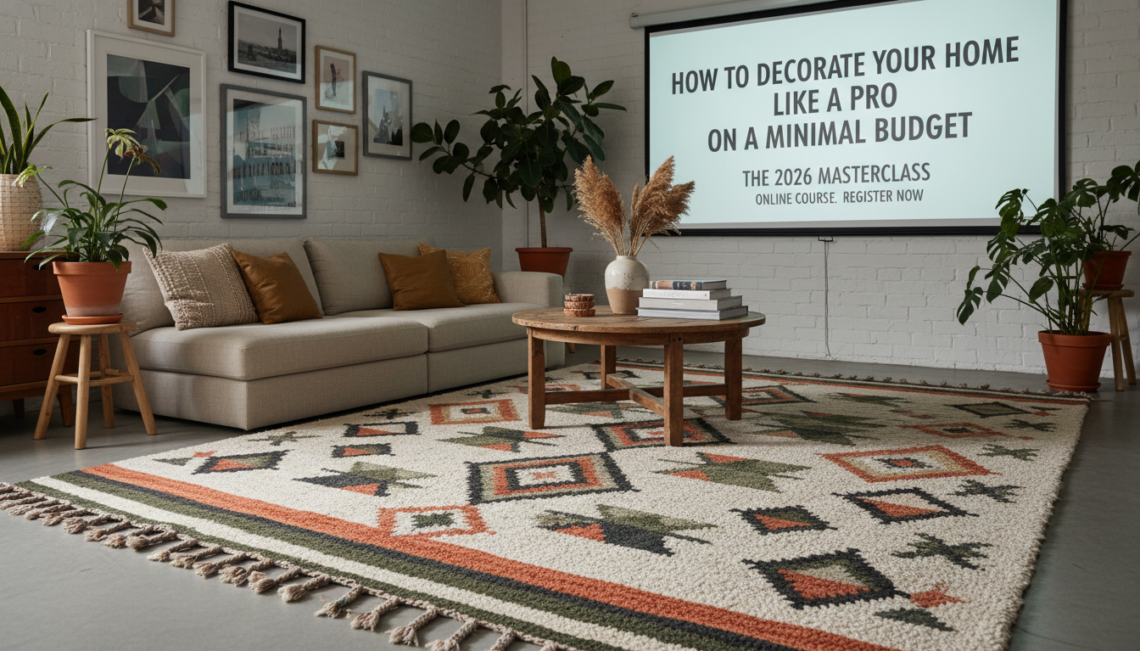
In the evolving landscape of interior design, the 2026 aesthetic is shifting toward ‘Curated Sustainability’—a movement where character outweighs cost. Many homeowners feel trapped by the misconception that sophistication requires a high-end budget. As a journalist covering the intersection of luxury and utility, I have observed that true professional styling is less about procurement and more about the strategic application of design principles. By focusing on ‘Art for the Floor’ and leveraging high-impact, low-cost modifications, you can transform a modest dwelling into a high-end editorial space. This guide dismantles the financial barriers to elite design, teaching you how to decorate with the precision of a seasoned curator.
“To decorate your home like a pro on a low budget, focus on the ’80/20 Rule’: spend 80% of your effort on high-impact areas like ‘Art for the Floor’ (rugs) and lighting. Utilize the 2026 trend of ‘Found Object Minimalism’ by repurposing vintage items, applying a cohesive monochromatic paint palette to create architectural depth, and replacing generic hardware with bespoke-style fixtures. A professional look is achieved through intentional layering, textural variety, and a strict adherence to spatial geometry rather than expensive brand names.”
The Roadmap
Table of Contents
- The Foundation: Rugs as Art for the Floor
- Architectural Illusion: The Power of Monochromatic Palettes
- Lighting Alchemy: Creating Atmosphere on a Budget
- Sustainable Curation: The 2026 Thrift-Luxe Movement
- Textural Hierarchy: Layering Textiles for Sensory Depth
- The Biophilic Blueprint: Low-Cost Botanical Integration
- Detail Mastery: Elevating Space through Hardware and Trim
- Spatial Geometry: Professional Furniture Arrangement Strategies
The Foundation: Rugs as Art for the Floor
The Shift Toward Asymmetrical Silhouettes in 2026
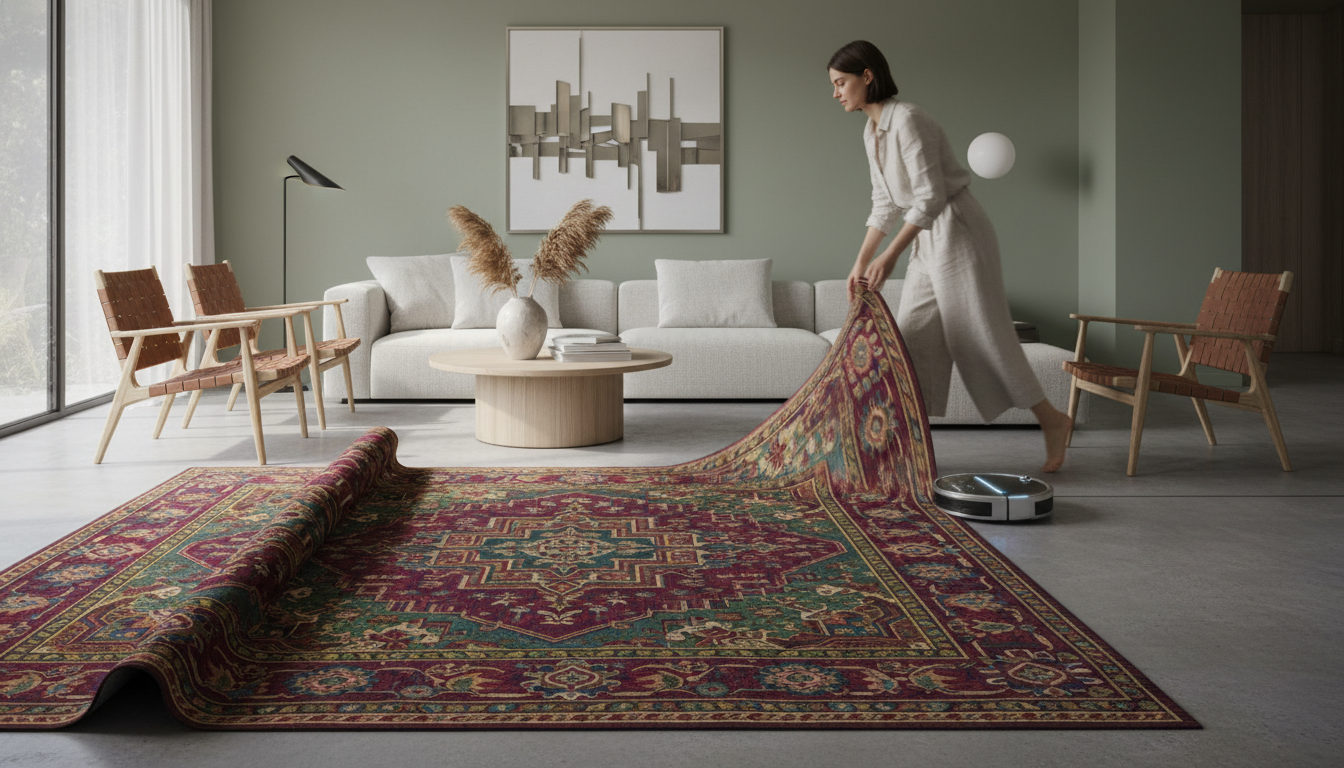
The coming design era rejects the rigid geometry of the past decade. We are witnessing a pivot toward “organic fluidity,” where the rug acts as a fluid sculpture rather than a mere floor covering. This movement prioritizes irregular shapes—think soft curves and amoebic outlines—that break the monotony of rectangular rooms.
For those exploring how to decorate with a high-end lens while maintaining a strict budget, the secret lies in scale. An oversized, irregular rug creates the illusion of architectural intent in a standard rental or a developer-grade home, making the floor the primary canvas of the residence.
Designers are increasingly moving away from synthetic lusters, favoring matte, raw textures that absorb light rather than reflecting it. This creates a sense of grounded luxury that feels both ancient and futuristic.
Mastering the Art of Low-Cost Layering
Professional designers rarely rely on a single, expensive textile to fill a room. Instead, they utilize a technique known as “The Foundation Stack,” which maximizes visual weight without the premium price tag of a custom wall-to-wall carpet.
- The Base: Deploy an oversized, natural fiber rug like bleached jute or sisal. These are incredibly affordable and provide a textural, neutral stage.
- The Focal Point: Layer a smaller, high-pile artisanal piece on top. This allows you to focus your budget on one singular point of luxury rather than trying to cover 300 square feet in silk.
- The Contrast: Pair a rough-hewn base with a soft, high-contrast textile to create tactile tension—a hallmark of professional curation.
By understanding how to decorate using this tiered approach, you achieve the visual depth typically found in high-end galleries. A hand-knotted vintage piece or a geometric tribal rug from thebohorugs.com serves as the perfect “jewelry” for the room, instantly elevating the humbler fibers beneath it.
The 2026 Materiality Prediction: Reclaiming Vernacular Weaves
We predict that 2026 will be defined by a return to “vernacular weaving”—styles that tell a specific regional story. Minimalist interiors are becoming warmer, shedding the cold “scandi-grey” for terracotta, ochre, and deep indigo dyes sourced from plant-based pigments.
Investing in the right textile is the most efficient strategy for how to decorate because a singular, soul-filled rug can carry the design burden of an entire room. This allows you to keep your furniture minimalist and affordable, as the floor provides all the necessary character and color theory.
- Prioritize low-pile wool in high-traffic zones to ensure a decade of patina rather than wear.
- Look for “distressed-on-loom” techniques that mimic antique wear without the five-figure auction price.
- Choose fringe-less edges for a cleaner, more contemporary silhouette that feels sophisticated rather than cluttered.
Ultimately, the rug is not an accessory; it is the anchor. When the foundation is curated with an eye for texture and heritage, the rest of the room falls into place with effortless, low-cost precision.
Architectural Illusion: The Power of Monochromatic Palettes
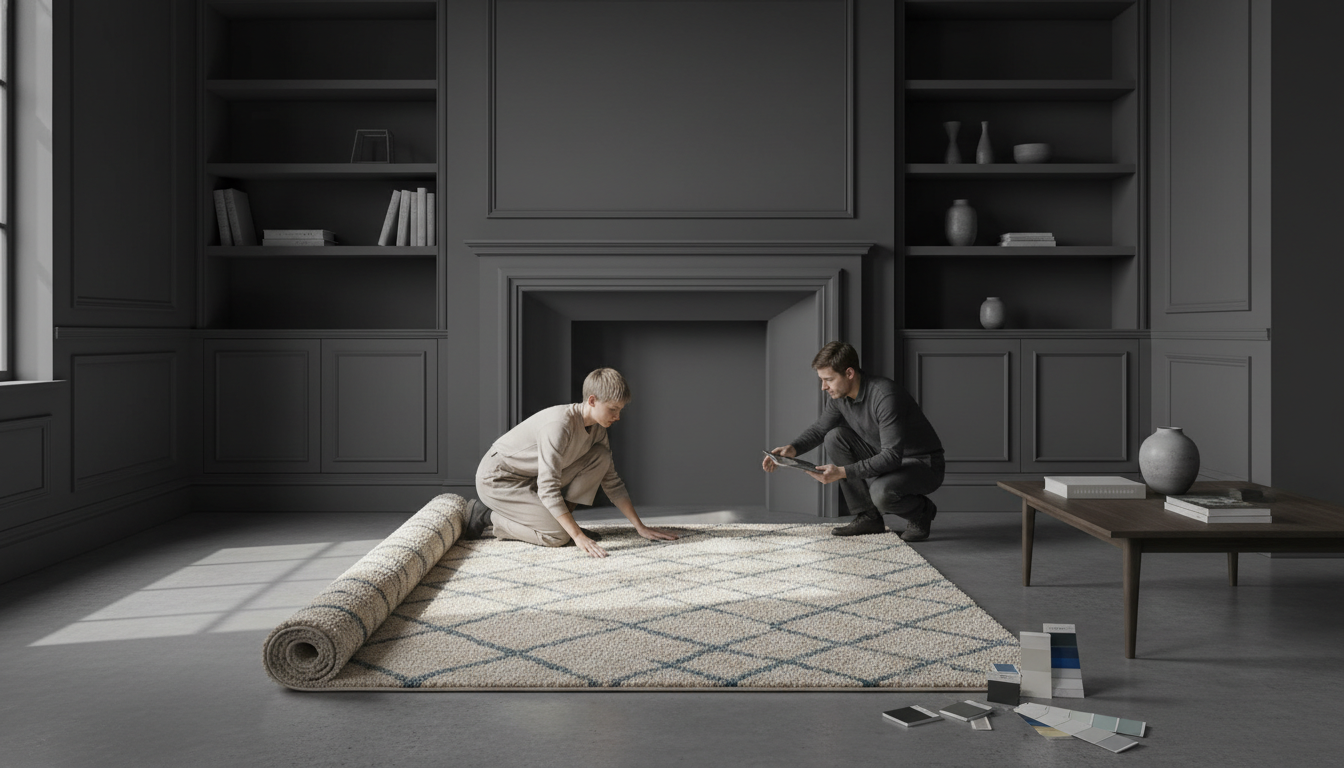
Mastering the art of elevated interiors on a restrained budget requires a shift in perspective. Instead of viewing a room as a collection of expensive objects, consider it a canvas of light and shadow. The most effective way to achieve a high-end look without the architectural price tag is through the strategic application of a monochromatic palette.
When you understand how to decorate with a singular color family, you eliminate the visual clutter that often defines “budget” DIY projects. By layering various tones, tints, and shades of a single hue, you create a sense of cohesion that mimics the intentional design of a luxury estate.
The Rise of Desaturated Pigments in 2026
Looking toward 2026, the design world is pivoting away from sterile greys and moving toward “Saturated Earth Monochromes.” Think bruised plums, bone-whites, and deep, desiccated clay. These colors possess a natural depth that hides imperfections in inexpensive furniture and uneven wall textures.
Applying this trend involves more than just paint. It requires a disciplined eye for “visual weight.” To execute this like a pro, follow these layering principles:
- Wall-to-Trim Continuity: Paint your baseboards, crown molding, and walls the exact same shade. This “color-drenching” technique elongates the walls, creating an architectural illusion of height.
- Material Contrast: In a monochromatic room, texture is your only currency. Pair a matte-finished wall with a high-gloss ceramic lamp or a velvet cushion in the same tone.
- Light Refraction: Use mirrors and metallic accents in the same color family (e.g., champagne gold for beige rooms) to bounce light and add a “expensive” shimmer.
Sculpting Space with Low-Cost Texture
The secret to how to decorate a home that feels curated rather than cluttered lies in the floor plan. A monochromatic room risks feeling flat if it lacks a grounding element. Designers often use a singular, high-quality textile to anchor the entire tonal experiment.
By sourcing a hand-woven piece, such as those found at thebohorugs.com, you introduce an artisanal organic texture that makes the surrounding affordable elements feel more intentional. A cream wool rug on a cream floor, for instance, adds a layer of “quiet luxury” that paint alone cannot achieve.
Three Rules for Monochromatic Mastery
- The 80/20 Rule: Keep 80% of the room within your chosen color family, and use the remaining 20% for subtle tonal shifts—not contrasting colors.
- Avoid the “Showroom” Trap: Do not buy everything at once. The most sophisticated monochromatic homes look “collected” because the various textures have slightly different ages and origins.
- Focus on Shadows: Before finalizing your color, observe how the sun moves through the room. A single color will look like five different shades throughout the day, providing free architectural movement.
Ultimately, learning how to decorate like a professional is about restraint. By stripping away the distraction of multiple colors, you allow the silhouettes of your furniture and the quality of your light to take center stage, proving that true luxury is a matter of composition, not capital.
Lighting Alchemy: Creating Atmosphere on a Budget
The Science of Visual Hierarchy
Lighting is the invisible architecture of a room. While high-end designers command six-figure fees to master luminosity, the secret to how to decorate like a professional lies in the strategic layering of “warmth” rather than the price tag of the fixture. In the coming seasons, we are seeing a move away from static, overhead “big lights” toward a more kinetic, three-dimensional approach to illumination.
To achieve an editorial-grade look on a budget, one must treat light as a medium to highlight textures and create zones of intimacy. By utilizing diverse light sources at varying heights, you can effectively mask architectural flaws while drawing the eye to curated vignettes.
The 2026 Shift: Adaptive Biophilic Glow
Looking ahead to 2026, the trend of “Biological-Centric Lighting” is transitioning from luxury hotels into the savvy home. This involves mimicking the natural progression of daylight to enhance mood and aesthetic. You don’t need a smart-home overhaul to achieve this; it is simply about intentionality in your bulb selection and placement.
- Amber-Toned Layering: Replace standard “cool white” bulbs with 2700K warm LEDs to instantly soften a room’s edges.
- The Kinetic Shadow: Use floor-level uplighting behind large plants to cast dramatic, organic shadows across the ceiling, providing a sense of height.
- Sculptural Thrift: Focus on oversized, second-hand ceramic bases paired with new, high-quality linen shades for a bespoke, archival feel.
Elevating the Floor Plane
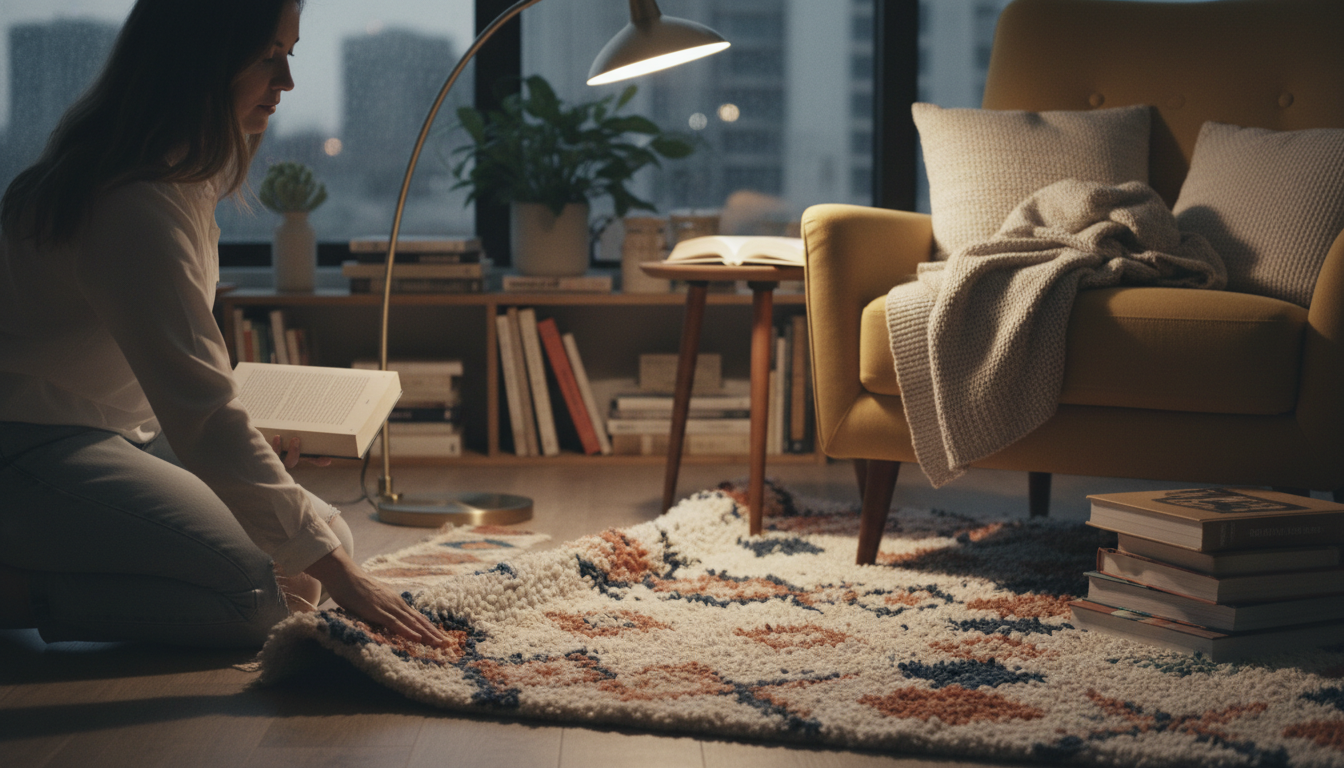
When considering how to decorate a space for maximum impact, the floor is often overlooked. Low-level lighting—such as a slim, cordless LED lamp placed on a stack of art books—creates a sophisticated “pool” of light that anchors the room. This technique is particularly effective when used to highlight the intricate textures of handcrafted textiles.
For instance, a warm glow grazing across the organic wool fibers of premium artisanal pieces from thebohorugs.com adds a tactile depth that looks significantly more expensive than it is. This interplay between soft light and natural weave is a hallmark of high-end editorial styling.
Three Professional Hacks for Immediate Impact
- The Gallery Method: Use battery-operated, brass-finish picture lights over thrifted oil paintings or even high-quality digital prints.
- Negative Space Lighting: Instead of lighting the center of the room, light the corners. This visually pushes the walls outward, making small rooms feel expansive.
- Bespoke Dimming: If you cannot install dimmer switches, utilize smart bulbs with mobile apps. This allows you to master how to decorate with “scenes” that shift from bright morning clarity to a moody, velvet-lit evening.
Ultimately, the alchemy of light is about what you choose to hide as much as what you choose to reveal. By embracing shadows and focusing on localized warmth, you master the art of how to decorate with an air of quiet luxury that transcends its modest cost.
Sustainable Curation: The Rise of 2026 Thrift-Luxe
The Architectural Pivot Toward Found Objects
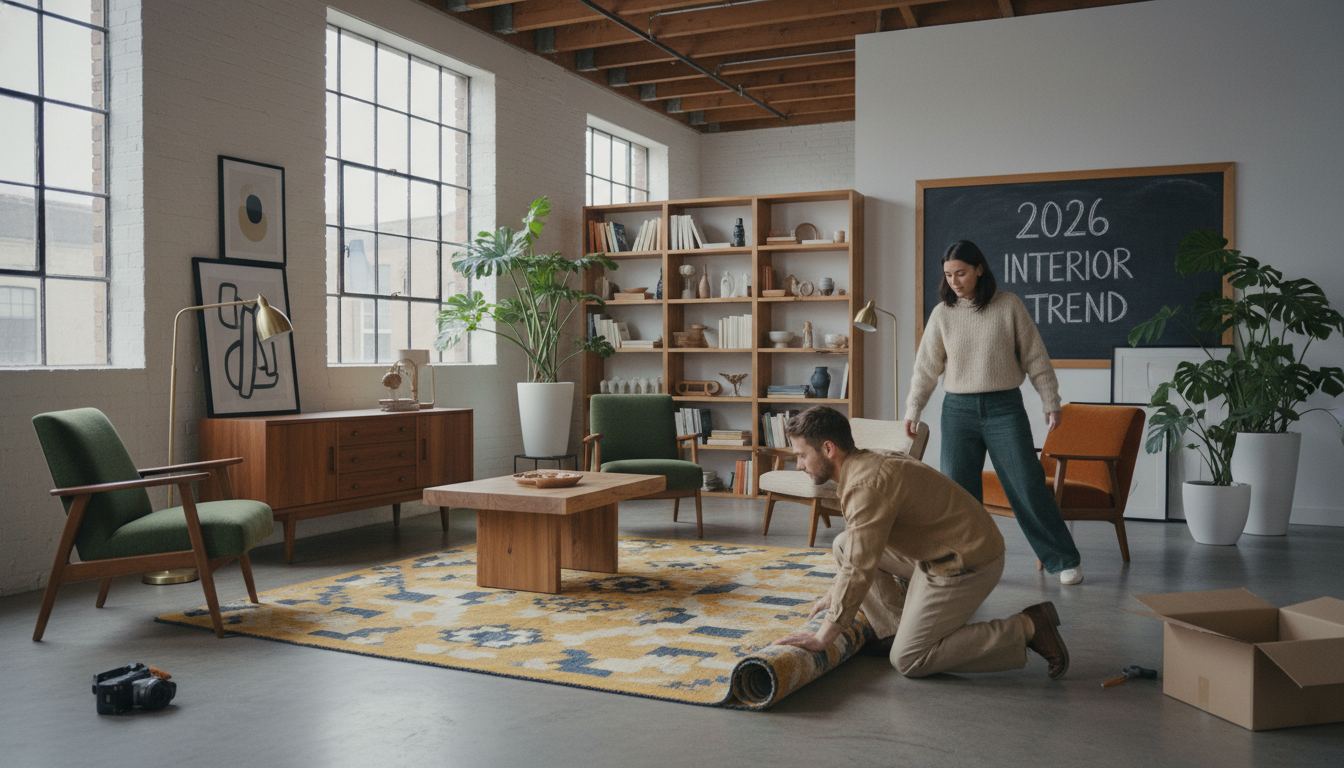
In 2026, the global design consciousness shifts decisively away from the disposability of the past decade. The “Thrift-Luxe” movement is defined by a sophisticated alchemy: blending high-design principles with the grit of historical discovery. Learning how to decorate with a limited budget no longer implies a compromise on quality, but rather an exercise in archival curation.
This aesthetic prioritizes “The Hunt” over the “Add to Cart” culture. Designers are increasingly looking toward 1970s brutalist silhouettes and mid-century textures found in estate sales, recognizing that a piece with a history carries a weight that flat-pack furniture cannot replicate. It is about finding soul in the weathered and value in the forgotten.
Investing in the “Anchor Piece” Strategy
To prevent a room of vintage finds from appearing cluttered or accidental, the eye requires a singular point of luxury to rest upon. This is the professional secret of the high-low mix. Mastering how to decorate like a pro involves allocating a small portion of your budget to one authentic, handcrafted element that grounds the entire vision.
For instance, an artisanal, hand-knotted wool foundation from thebohorugs.com can instantly elevate a space, providing a tactile richness that masks the modest price tags of surrounding secondhand furniture. By grounding the room in organic materials—like jute, silk, or wool—you create a sensory experience that feels intentionally high-end rather than merely “budget-friendly.”
The 2026 Design Forecast: Materiality Over Ornamentation
The upcoming trend cycle favors raw, unrefined finishes that celebrate imperfection. As we move into 2026, the focus shifts from buying “decor” to curating “materiality.” Consider these high-impact, low-cost shifts to transform your home’s DNA:
- Monochromatic Layering: Use varied textures—linen, velvet, and stone—within the same color family to create depth without visual noise.
- The “New Patina”: Opt for unlacquered brass hardware and raw wood surfaces that age gracefully, gaining character over time rather than losing luster.
- Negative Space: A hallmark of luxury is the refusal to overfill. Use fewer, larger items to create a sense of architectural scale.
Elevating the Ordinary through Curated Vignettes
When considering how to decorate for maximum impact, focus on the “Vignette.” A collection of mismatched stoneware or a series of framed architectural sketches can serve as a sophisticated focal point. The goal is to tell a story where the cost of the items is secondary to the narrative they create when grouped together.
By treating your home as an evolving gallery rather than a finished showroom, you embrace the sustainable luxury of 2026. This approach ensures your space remains timeless, avoiding the pitfalls of fleeting trends while maintaining a high-fashion edge on a mindful budget.
Textural Hierarchy: Layering Textiles for Sensory Depth
The Foundation: Grounding the Room with Kinetic Weaves
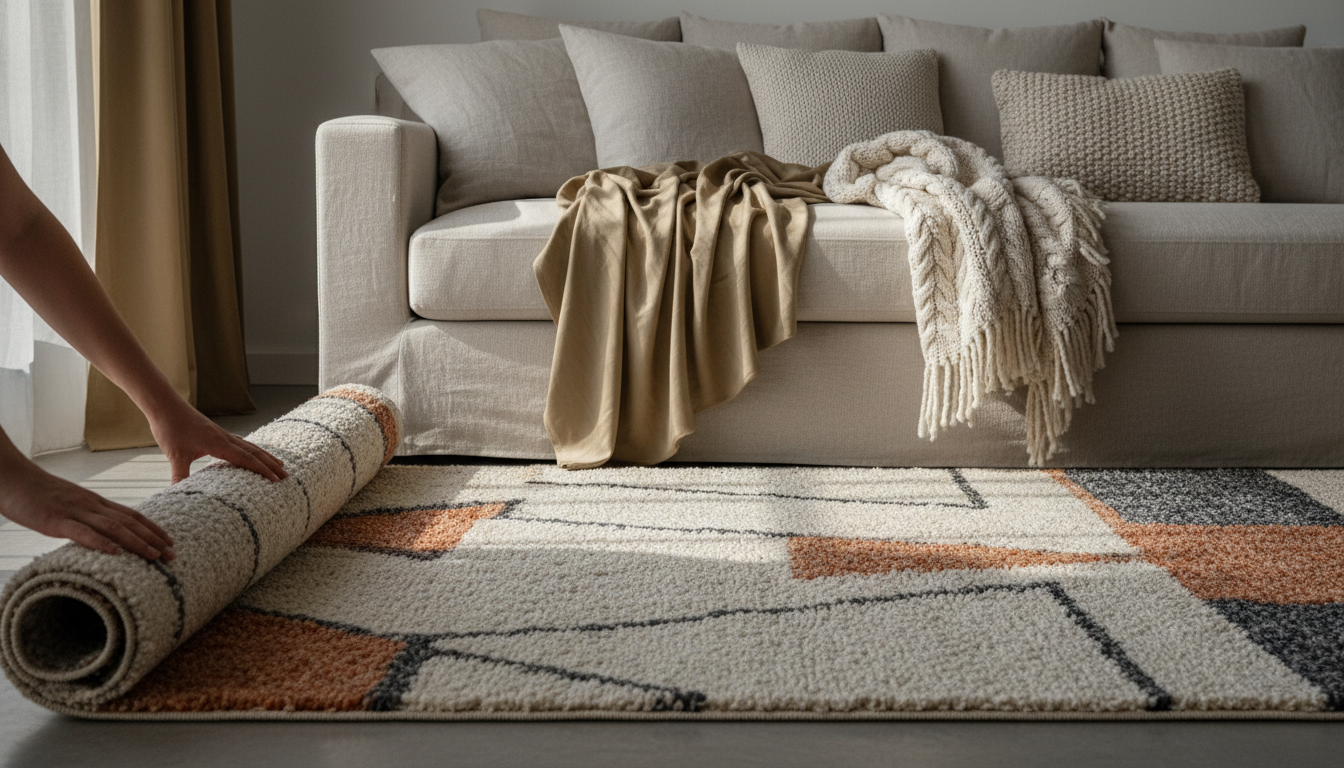
Luxury is often mistaken for a price tag, but in the world of high-end editorial design, luxury is a feeling—specifically, the friction and flow of materials. When mastering how to decorate with a discerning eye, the floor serves as your primary canvas. A common mistake is choosing a rug that matches the room too perfectly; instead, professional designers look for “kinetic weaves” that offer depth through irregularity.
By 2026, we predict a move away from the flat, mass-produced aesthetics of the last decade toward “Tactile Brutalism.” This involves layering a smaller, high-character piece over a larger, neutral jute or sisal base. This “double-grounding” technique provides an architectural weight to the room without requiring a total renovation.
- The Anchor: Seek out hand-knotted textures that tell a story of provenance.
- The Contrast: Pair a rugged, thick-pile wool with the sleekness of a polished concrete or hardwood floor.
- The Source: For those seeking that authentic, artisanal edge, the curated collections at thebohorugs.com offer the necessary patina to elevate a budget-friendly space into a gallery-like environment.
The 2026 Shift: Organic Irregularity over Machine Perfection
Visual fatigue from digital screens is driving a 2026 trend toward “Hyper-Physicality.” Understanding how to decorate in this upcoming era means embracing the “perfectly imperfect.” Look for textiles that feature slubbed silks, raw linens, and unrefined bouclés. These materials catch the light differently throughout the day, creating a living atmosphere that evolves with the sun.
To achieve this look on a budget, focus on the “Touch Points”—the areas your skin actually contacts. Invest in two high-quality oversized linen pillows and pair them with thrifted velvet cushions. The contrast between the cool, crisp linen and the heavy, light-absorbing velvet creates a sensory hierarchy that mimics the work of high-end interior firms.
Strategic Juxtaposition: Mixing Heavy Weights and Gossamer Finishes
The secret to a professional finish is the “Weight Delta”—the difference in perceived heaviness between your fabrics. If your sofa is a heavy tweed, your throw should be a light, open-weave mohair. This tension prevents a room from feeling “flat” or “showroom-stiff.”
- Sheer Versatility: Replace heavy drapes with floor-to-ceiling sheer panels in a soft oatmeal hue to diffuse light.
- Found Objects: Drape a vintage textile or a high-quality artisanal rug over the back of a structural chair to soften its silhouette.
- Sustainable Edge: Expect to see more “Bio-Digital” fabrics in 2026—recycled synthetics that mimic the cooling properties of stone.
Ultimately, learning how to decorate with textural hierarchy allows you to bypass the need for expensive furniture. When the surfaces of a room invite touch and exploration, the cost of the individual items becomes secondary to the richness of the experience.
The Biophilic Blueprint: Low-Cost Botanical Integration
The Emergence of Quiet Biophilia
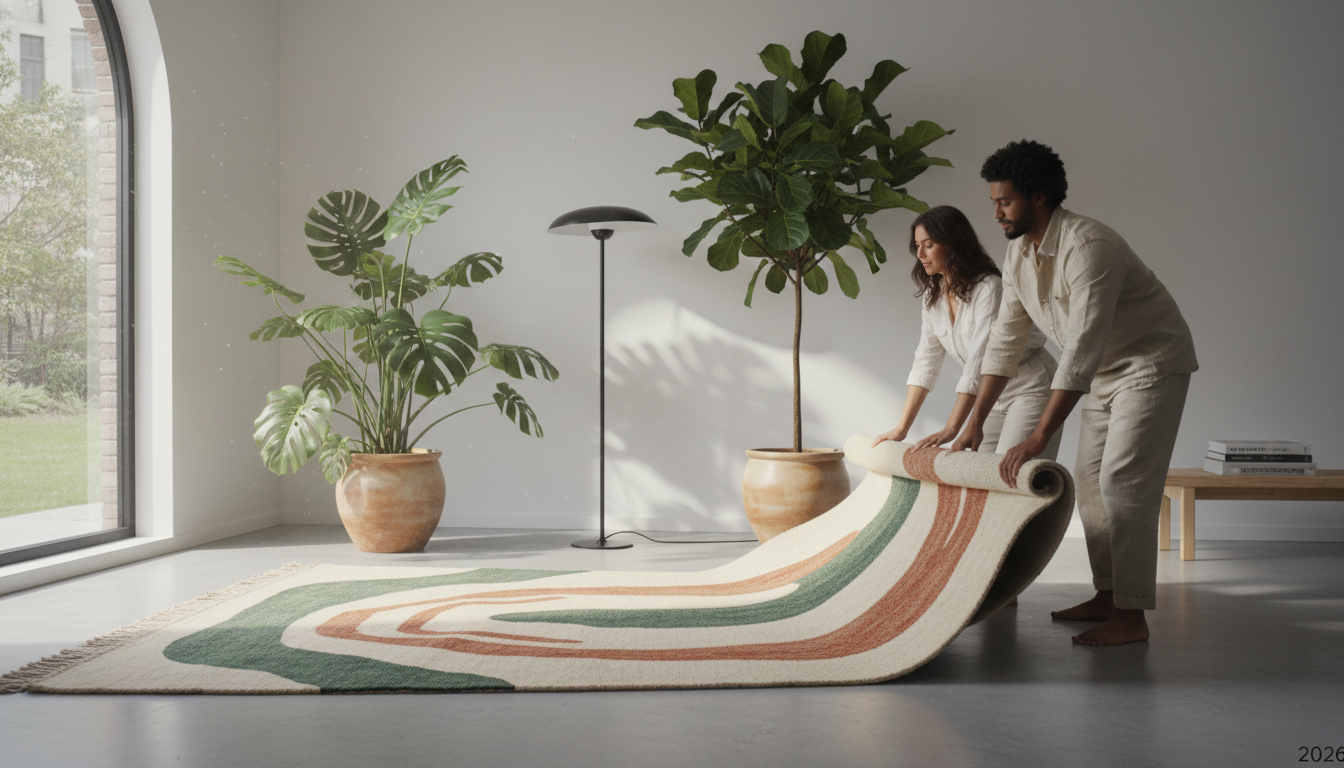
As we approach 2026, the industry is pivoting away from “jungle maximalism” toward a more refined concept known as Quiet Biophilia. This movement prioritizes intentionality over sheer volume, focusing on how a single, well-placed botanical element can transform a room’s energy without the financial burden of a greenhouse.
Understanding how to decorate with nature involves more than just purchasing a plant; it requires an eye for negative space and architectural form. In the coming seasons, expect to see a rise in “monochromatic greenery,” where homeowners choose plants with specific leaf textures that mimic the structural lines of their furniture.
To achieve this look on a budget, consider the following structural shifts:
- The “Hero” Branch: Instead of expensive arrangements, use a single oversized, foraged branch (like Magnolia or Eucalyptus) in a tall, thrifter ceramic vessel.
- Living Partitions: Use fast-growing climbers like Pothos, trained on thin, nearly invisible wires to create a natural room divider for the cost of a single pot.
- Micro-Terrariums: Reutilize vintage glassware to create self-sustaining ecosystems that act as living art pieces on coffee tables.
Textural Grounding and the Earth-Tone Base
A common mistake when learning how to decorate with plants is neglecting the surface they sit upon. For a space to feel professionally curated, there must be a tactile dialogue between the foliage and the flooring.
In 2026, the trend of “Earth-Cored Design” predicts a heavy reliance on raw, untreated fibers. An artisanal rug with deep, organic textures—like those found in the curated collections at thebohorugs.com—serves as the perfect visual anchor for botanical elements. These hand-loomed pieces bridge the gap between the outdoors and your interior, providing a high-end foundation that makes even a $10 plant look like a gallery acquisition.
Functional Foliage: The 2026 Olfactory Shift
Future-forward design is moving beyond the visual to embrace the olfactory landscape. We predict that “functional foliage”—plants chosen specifically for their scent and air-purification properties—will dominate low-cost home styling. This is a sensory-first approach to aesthetics.
When mastering how to decorate for the senses, focus on these affordable botanical additions:
- Dried Lavender Bunches: Tucked into linen baskets to provide a permanent, calming aroma and a pop of muted purple.
- Potted Culinary Herbs: Integrating Rosemary or Thyme into kitchen windowsills combines utility with the “chef’s kitchen” aesthetic.
- Eucalyptus Steam Bundles: Hanging fresh eucalyptus in the shower—a low-cost luxury that brings a spa-like atmosphere to the most functional room in the house.
By focusing on these specific, high-impact botanical choices, you can bypass the cycle of disposable decor. The key lies in selecting items that grow with your home, supported by timeless textiles that add warmth and sophistication to every corner.
Detail Mastery: Elevating Space through Hardware and Trim
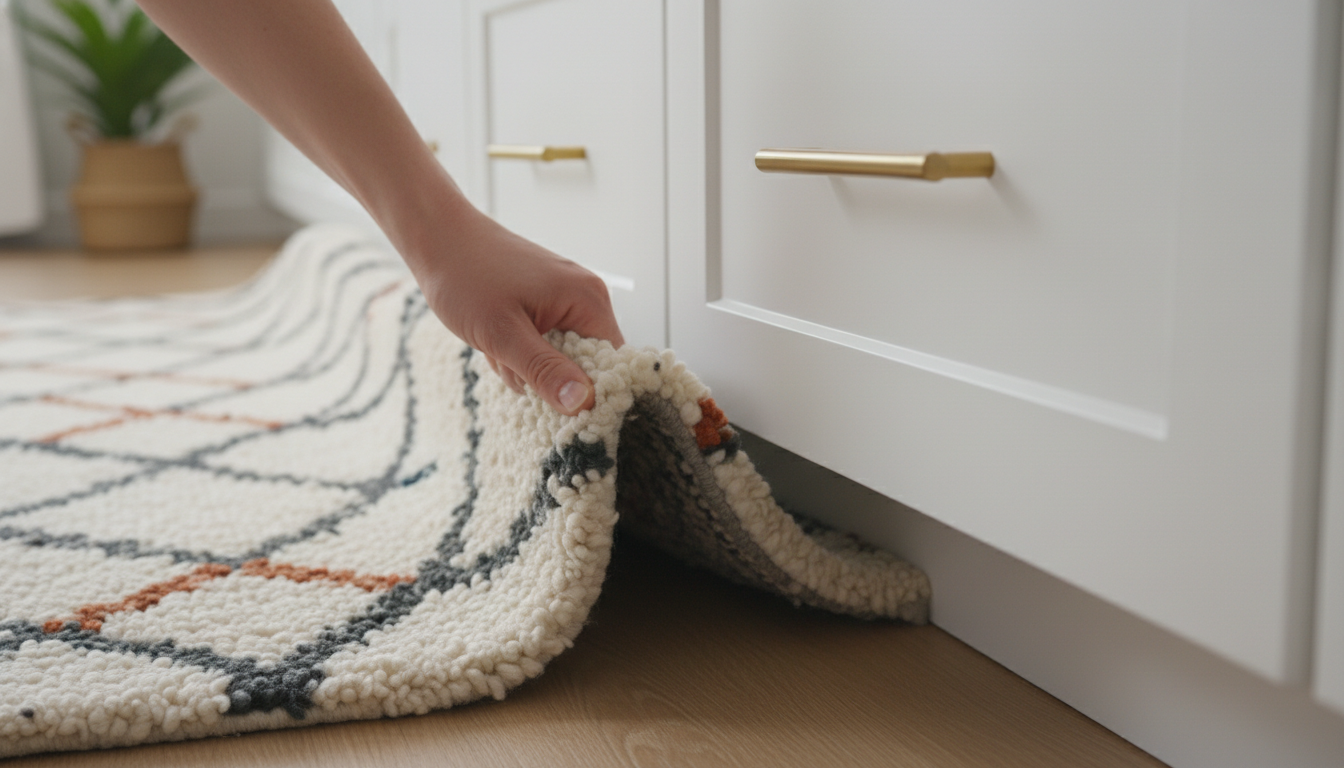
The Subtle Art of Sculptural Hardware
True luxury is rarely about the volume of a space; it is found in the tactile resistance of a solid brass handle or the weighted click of a toggle switch. By 2026, we anticipate a shift toward “Living Finishes”—materials like unlacquered brass and blackened steel that develop a unique patina over time. Replacing builder-grade knobs with oversized, sculptural hardware is perhaps the most efficient way to master how to decorate with a bespoke sensibility.
Consider these hardware upgrades to elevate standard cabinetry:
- Asymmetric Placement: Install long, slender pulls vertically on lower cabinets and horizontally on uppers for a contemporary, European aesthetic.
- Mixed Textures: Pair knurled metal knobs with smooth leather pulls to create sensory depth in a kitchen or dressing room.
- Vintage Sourcing: Scour architectural salvage yards for 1920s Art Deco plates; the juxtaposition of antique metal on a modern door is a hallmark of high-end curation.
Architectural Millwork: The Framework of Elegance
If hardware is the jewelry of the home, trim is its bone structure. Most modern interiors lack the “gravitas” of historical estates simply because the baseboards and casings are too thin. To understand how to decorate like a professional, one must embrace the power of shadow lines. Adding picture frame molding (wainscoting) using inexpensive pine strips can transform a flat wall into a gallery-worthy backdrop.
The 2026 trend forecast suggests a move toward “Monochromatic Enveloping.” This technique involves painting your walls, baseboards, and crown molding in the exact same hue—preferably in a rich, saturated matte finish. This eliminates visual clutter, making the ceilings appear infinitely taller while masking the humble origins of the trim material itself.
Textural Transitions and the Grounding Element
No amount of refined hardware can compensate for a room that feels ungrounded. The transition between your hard surfaces—your newly trimmed walls and metallic accents—requires a softening element to feel complete. Professionals often look to foundational pieces that bridge the gap between architectural rigor and livable comfort.
When considering how to decorate a room for longevity, the floor serves as your primary canvas. Artisanal, hand-knotted pieces, such as those curated by thebohorugs.com, offer a high-low balance that anchors a space. A vintage-inspired rug provides the necessary grit and history to balance the “newness” of fresh hardware, ensuring the room feels inherited rather than merely bought.
Refining the Final Polish
The mastery of detail often requires a “less but better” philosophy. In the coming years, we expect to see “Integrated Trim,” where door frames are hidden or plastered over to create a seamless, minimalist flow. For those on a budget, this can be replicated by using high-quality caulk and sanding techniques to ensure every joint is invisible before painting.
- Focus on Touchpoints: Prioritize the items you touch daily—front door handles and kitchen faucets.
- Scale Up: When in doubt, choose a slightly larger profile for your crown molding to command more presence.
- Contrast Finishes: Use a high-gloss finish on your trim against a dead-matte wall to create a subtle, expensive-looking light play.
Learning how to decorate with this level of intentionality ensures that your home transcends fleeting trends. It is the meticulous attention to the “small” things—the weight of a handle, the height of a baseboard, and the weave of an artisanal rug—that defines the professional edge.
Spatial Geometry: Professional Furniture Arrangement Strategies
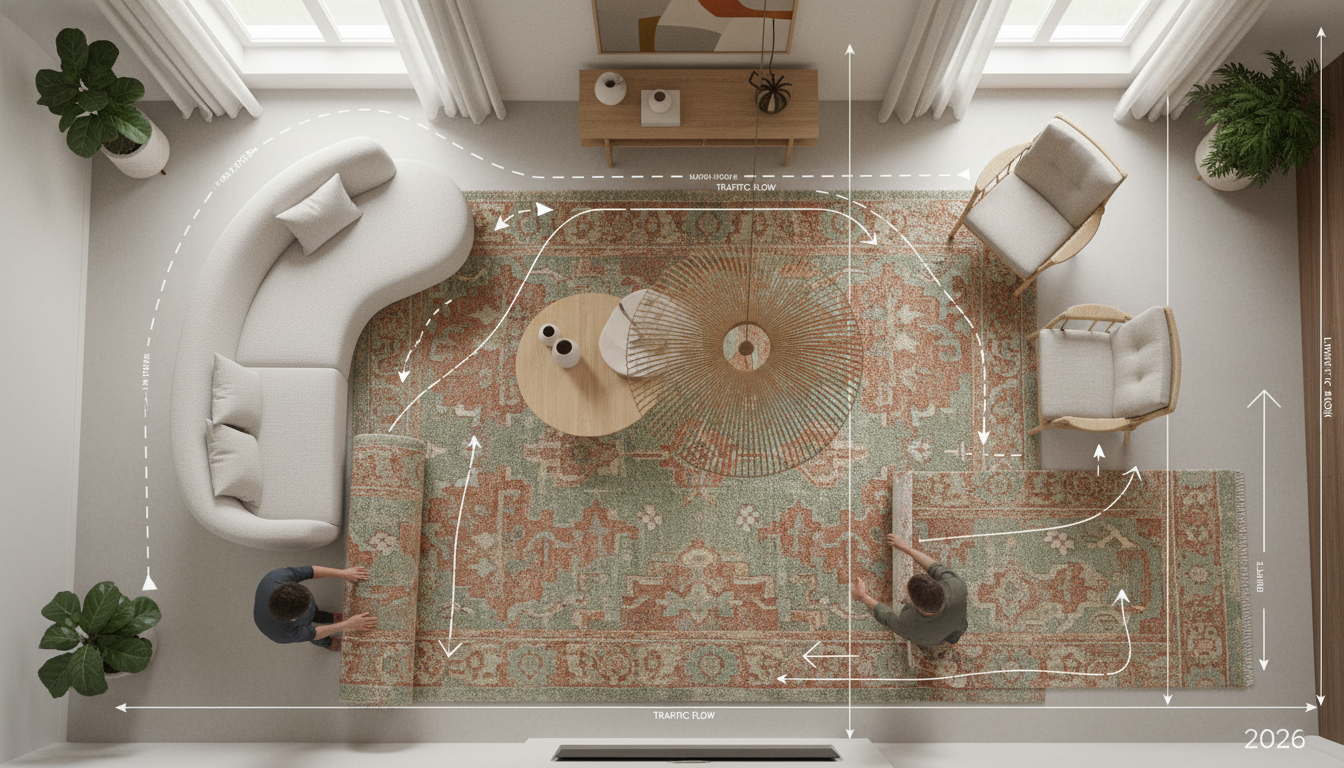
The Golden Ratio of Negative Space
Professional interior design is less about the acquisition of objects and more about the mastery of the void. To understand how to decorate with a high-end sensibility on a lean budget, one must first respect the “interstitial space”—the breathing room between your furniture pieces.
By pulling your seating away from the walls, even by a mere six inches, you create a sense of architectural depth. This simple shift suggests a room so expansive that its contents need not cling to its perimeter for stability, instantly elevating the perceived value of your existing layout.
Establishing Sightline Hierarchies
Every room requires a visual narrative. Designers use spatial geometry to guide the eye toward a “hero” element, whether that is a fireplace, a large window, or a curated gallery wall. When considering how to decorate a challenging layout, follow these professional axioms:
- The 60-30-10 Rule of Volume: Devote 60% of the floor space to primary furniture, 30% to walking paths, and 10% to accent pieces.
- The Rule of Three: Group objects in odd numbers to create a natural visual tension that feels organic rather than staged.
- Verticality: Use tall, slender lamps or floor-to-ceiling drapery to draw the eye upward, tricking the brain into perceiving higher ceilings and greater luxury.
The Anchor Strategy: Defining Zones
In open-concept living, furniture can often feel “afloat” without a physical anchor. This is where the geometry of the floor becomes paramount. A large, high-quality rug acts as a frame for your furniture “vignette,” signaling to the brain that this specific area is a dedicated sanctuary.
To achieve this look without the designer markup, seek out artisanal foundations that offer tactile richness. Sourcing from specialized curators like thebohorugs.com allows you to introduce organic textures—such as hand-knotted wool or jute—that ground your furniture arrangement in authentic craftsmanship rather than mass-produced uniformity.
2026 Forecasting: The Kinetic Layout
Looking toward 2026, we anticipate a shift away from static “showroom” arrangements in favor of Kinetic Flow. This movement prioritizes modularity and “soft brutalism,” where heavy, geometric furniture is balanced by curved, flowing pathways that mimic the movement of water through a canyon.
- Circular Conversation Pits: Expect a return to inward-facing, circular seating arrangements that foster intimacy over television-centric layouts.
- Multi-Sensory Zoning: Using scent and varied floor textures to delineate the “office” from the “lounge” without the need for physical partitions.
- Low-Profile Landscapes: A trend toward lower furniture heights to maximize the “uninterrupted horizon” across a home, creating a feeling of infinite space.
Learning how to decorate through the lens of spatial geometry allows you to bypass the need for expensive renovations. By manipulating light, shadow, and the physical path of a guest, you transform a standard room into a curated experience that feels both deliberate and timeless.
Elevate Your Space
Discover the artistry of handmade luxury. Each rug is a masterpiece of tradition and modern design.
Expert Q&A
How to decorate a small living room with no money?
Focus on declining clutter and rearranging existing furniture to improve flow. Use ‘Art for the Floor’ concepts by cleaning and centering your best rug to ground the space.
What is the 2026 interior design trend for budget homes?
The 2026 trend is ‘Thrift-Luxe,’ which emphasizes high-quality secondhand wood furniture and handmade textiles like boho rugs over mass-produced items.
How to decorate walls without buying art?
Create a gallery wall using framed fabric scraps, vintage maps, or even dried botanical pressed between glass for a professional, low-cost look.
Does paint really make a house look expensive?
Yes, especially when using ‘color drenching’ where walls, trim, and ceilings are painted the same hue to create a seamless, high-end architectural feel.
How can I make my cheap rug look like a designer piece?
Layer it. Place a smaller, high-quality patterned rug over a larger, inexpensive jute rug to create ‘Art for the Floor’ with depth and texture.
What is the best lighting for a low-cost home makeover?
Warm LED bulbs (2700K) and a mix of floor lamps and table lamps. Avoid harsh overhead ‘big lights’ to create a pro-level ambiance.
How to decorate a bedroom for under $100?
Update the hardware on your nightstands, add a few thrifted textured pillows, and use white bedding for a clean, hotel-inspired look.
Which plants are best for budget decorating?
Pothos, Snake Plants, and ZZ Plants are affordable, hard to kill, and provide the ‘Biophilic’ aesthetic sought in high-end design.
How do I choose a rug size on a budget?
Always go larger. A small rug looks cheap. If a large rug is too expensive, look for remnant carpet rolls and have the edges bound professionally.
What colors make a room look more luxurious?
Deep forest greens, muted terracottas, and tonal greys are the preferred palettes for 2026 to achieve a high-end look.
How to decorate kitchen cabinets cheaply?
Paint them a sophisticated dark hue and swap out standard handles for matte black or brushed brass hardware.
Can I decorate my home using only thrift store finds?
Absolutely. Pro designers call this ‘Curated Curation.’ Look for solid wood, interesting shapes, and high-quality natural fibers.
How to decorate a rental without losing my deposit?
Use peel-and-stick wallpaper, command hooks for art, and focus heavily on ‘Art for the Floor’ since rugs can be moved with you.
What is ‘Art for the Floor’?
It is a design philosophy where the rug is treated as the primary masterpiece of the room, dictating the color palette and mood of the space.
How to make a room feel taller?
Hang your curtain rods higher and wider than the window frame. This draws the eye upward, creating an illusion of height.
Are boho rugs still in style for 2026?
Yes, but they are evolving into ‘Refined Boho’—less cluttered, more focused on high-quality weaving and muted, earthy tones.
How to decorate with mirrors to increase space?
Place a large mirror opposite a window. It reflects natural light and doubles the visual depth of the room instantly.
What is the most common mistake in budget decorating?
Buying too many small ‘knick-knacks.’ Professionals suggest fewer, larger items to avoid a cluttered and ‘cheap’ appearance.
How to use books as decor?
Stack them horizontally and vertically on shelves, or use them as pedestals to give height to smaller decorative objects.
How to decorate a dark room with low light?
Use glossy paint finishes to bounce light and incorporate multiple mirrors and metallic accents like brass or chrome.
What is the rule of three in interior design?
It is a principle suggesting that items arranged in odd numbers are more appealing, memorable, and effective than even-numbered groupings.
How to hide ugly flooring on a budget?
Invest in oversized, low-cost natural fiber rugs like seagrass or jute to cover the majority of the floor surface.
How to decorate a fireplace mantel?
Layer a large mirror or piece of art in the back, then add varying heights of candles and one organic element like a trailing vine.
What makes a house look messy even if it’s clean?
Visible cords, too many small rugs, and mismatched hangers. Addressing these ‘micro-clutters’ elevates a home’s professional feel.
How to choose the right throw pillows?
Mix three different scales of pattern: one large, one medium, and one solid or textured fabric to create professional contrast.
How to decorate an entryway cheaply?
A simple wooden bench, a round mirror, and a small, high-quality runner rug create an instant ‘Art for the Floor’ welcome.
Is DIY furniture worth it for a pro look?
Only if the finishing is high quality. Avoid obvious ‘craft’ looks; focus on sanding and professional-grade stains or paints.
How to decorate with candles?
Group candles of different heights on a tray. This creates a focal point of light and adds a luxury scent to the environment.
How to make a hallway look interesting?
Use a long runner rug with a bold pattern and a series of framed photos in identical frames for a gallery effect.
What is the best way to start a home makeover?
Start with a deep purge of items that don’t fit your vision, then choose one ‘Art for the Floor’ piece to set the room’s direction.
Written by TheBohoRugs Interior Design Team
Experts in handmade rugs, boho interiors, and modern home decor.