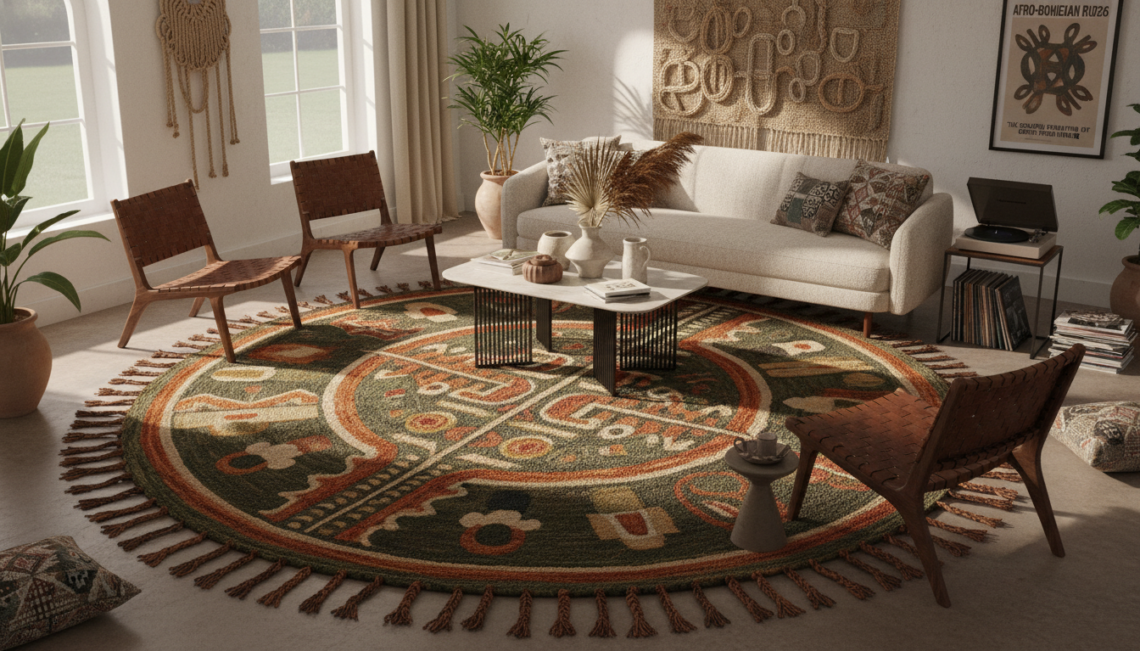
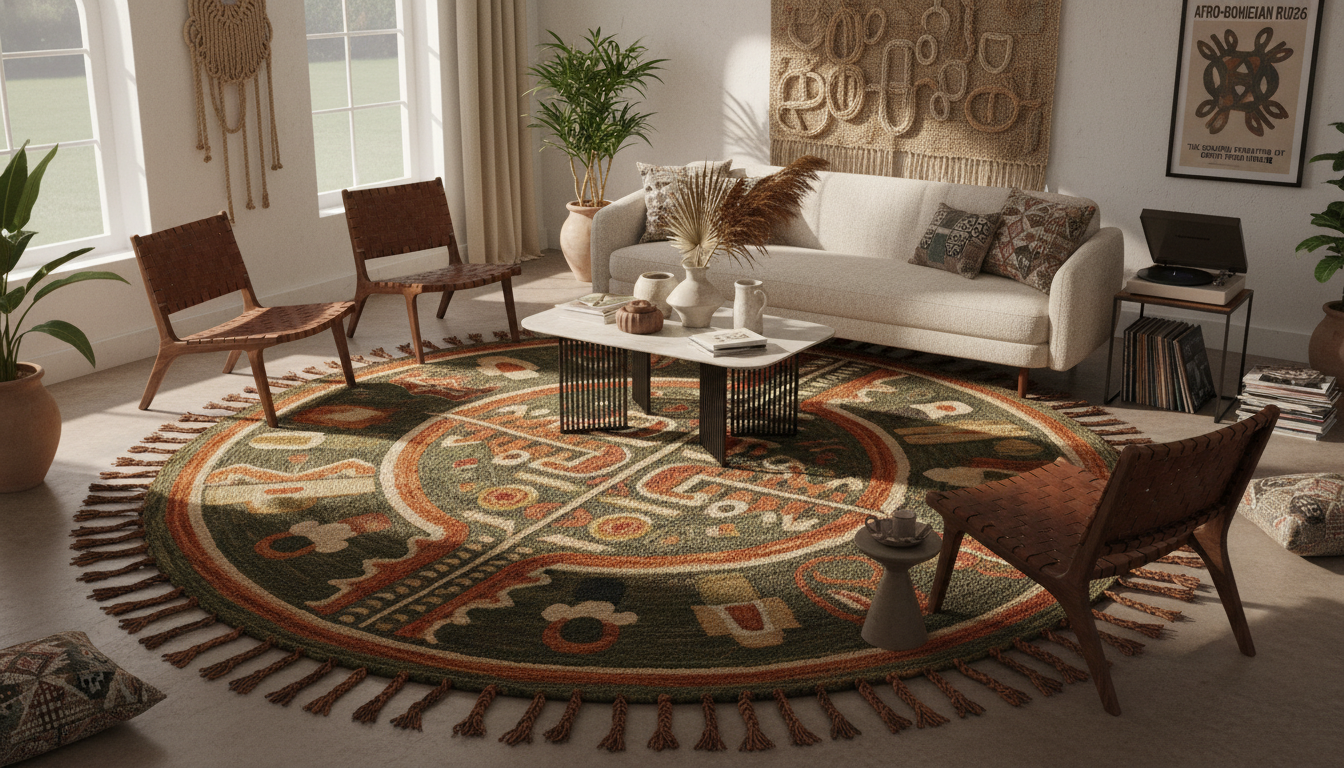
As we approach 2026, the interior design landscape is undergoing a profound shift from sterile minimalism toward a more visceral, narrative-driven aesthetic. At the heart of this movement lies the rise of Afro-Bohemian rugs 2026, a trend that marries the ancient textile traditions of the African continent with the relaxed, eclectic spirit of bohemian living. This isn’t merely a decorative choice; it is an exploration of ‘Art for the Floor,’ where mineral-based palettes and high-relief textures replace flat patterns. These pieces serve as the foundational soul of a room, grounding modern silhouettes with centuries-old geometric wisdom and raw, organic materials. In this report, we analyze the specific characteristics, color shifts, and cultural significance of the Afro-Bohemian movement as it prepares to dominate high-end interiors in the coming year.
“Afro-Bohemian rugs 2026 represent a sophisticated fusion of traditional African weaving techniques—such as Mudcloth patterns and Kuba cloth geometries—with the organic, free-spirited textures of bohemian design. Key features include high-pile wool contrasted against flat-weave jute, a palette of mineral tones like ochre, terracotta, and hematite, and a focus on ‘Art for the Floor’ that emphasizes sustainable, artisan-made craftsmanship over mass-produced textiles.”
The Roadmap
Table of Contents
- The New Aesthetic Frontier: Afro-Bohemianism Defined
- Mineral Tones: The 2026 Palette of the Earth
- Heritage Motifs: Geometry with a Narrative
- Materiality and Tactile Landscapes
- Art for the Floor: Rugs as Focal Masterpieces
- Curating the Look: Integration in Modern Interiors
- Ethical Luxury: The Artisan-Consumer Connection
- 2026 Forecast: The Longevity of Earth-Textured Design
The New Aesthetic Frontier: Afro-Bohemianism Defined
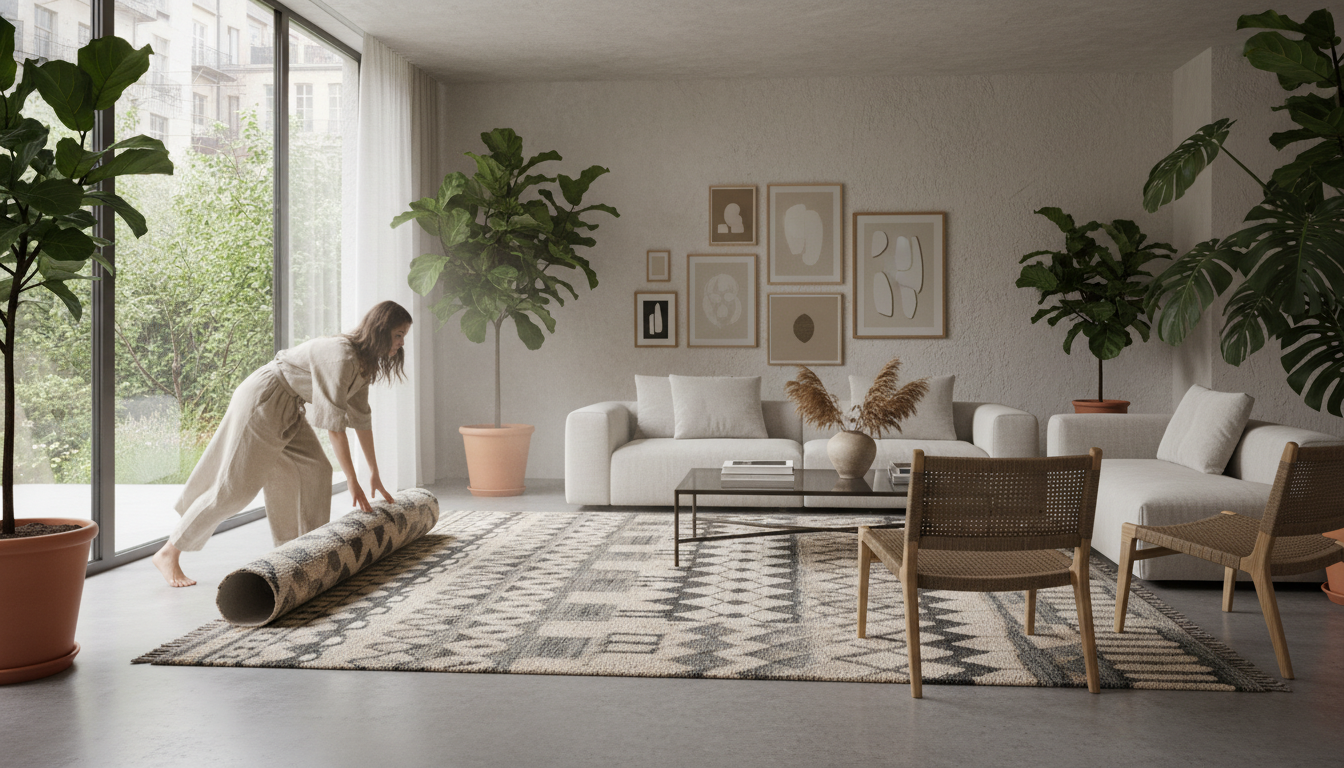
The Intersection of Ancestral Geometry and Modern Tactility
As we approach a new era of interior curation, the design world is pivoting away from the sterile constraints of industrial minimalism. In its place emerges a movement defined by “tactile ancestry.” The rise of Afro-Bohemian rugs 2026 represents a sophisticated dialogue between the rhythmic patterns of West African heritage and the unrestrained, soulful layering of modern bohemianism.
This aesthetic frontier is not merely about pattern; it is about the “weight” of the room. Unlike the flat-weave trends of the past decade, 2026 is ushering in high-relief textures where the rug serves as a sculptural foundation. We are seeing a resurgence of hand-knotted techniques that celebrate the “perfectly imperfect” nature of raw, organic materials.
For those seeking to ground their space in this evolving style, several key elements define the 2026 Afro-Bohemian direction:
- Eroded Geometrics: Traditional motifs like the Moroccan Berber or the Congolese Kuba cloth are being reinterpreted with “eroded” edges, making them feel like ancient artifacts rather than factory prints.
- Geological Pile Heights: Rugs now feature varying heights of wool and silk, mimicking the stratified layers of canyon walls or dried riverbeds.
- The “New Neutral” Palette: Moving beyond beige, the industry is embracing mineral-derived tones—think oxidized copper, burnt basalt, and deep hematite.
The Material Language of Mineral Tones
The 2026 aesthetic is deeply rooted in the earth, specifically focusing on pigments that feel extracted rather than manufactured. We are witnessing a shift toward “living finishes” in textiles. Designers are increasingly looking to heritage sources like thebohorugs.com to find pieces that utilize natural vegetable dyes, which age gracefully and develop a unique patina over time.
The color theory of the Afro-Bohemian rugs 2026 trend focuses on the “Golden Hour” spectrum. This includes ochre, terracotta, and umber, balanced by cool, stony grays. These tones provide a grounding effect in high-tech homes, offering a visual and physical softness that balances the sharp edges of modern glass and steel architecture.
Curating the Soulful Interior
Transitioning into an Afro-Bohemian space requires a departure from “matching” sets. The 2026 philosophy encourages the layering of textures to create a home that feels collected rather than decorated. To achieve this look, consider the following curation strategies:
- Asymmetrical Placement: Offset your rug to break the rigidity of a room, allowing the patterns to lead the eye toward natural light sources.
- Mixed Fibers: Look for blends of highland wool, raw jute, and sustainable cactus silk to add a multi-dimensional sheen to the floor.
- Contrast with Contemporary Art: Pair the ancient rhythms of an Afro-Bohemian rug with ultra-modern, abstract art to create a “tension of eras” that defines high-end editorial homes.
Ultimately, the prominence of Afro-Bohemian rugs 2026 signals a collective desire for homes that tell a story. It is a celebration of global craftsmanship that honors the past while remaining firmly planted in a forward-thinking, sustainable future. By focusing on artisanal quality and raw earth tones, this movement turns the floor into a canvas of cultural history.
Mineral Tones: The 2026 Palette of the Earth
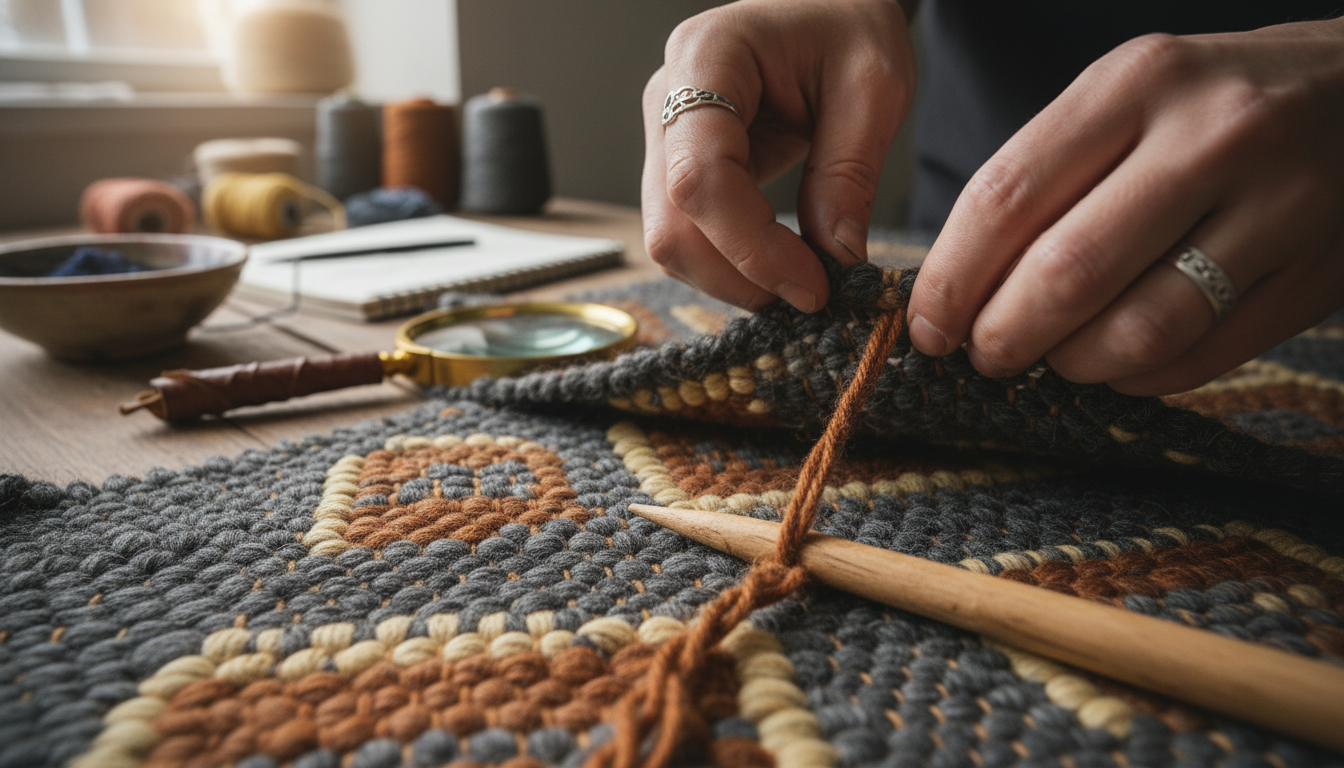
The Sedimentation of Style: A Lithic Revolution
In 2026, the interior design landscape moves beyond the superficial warmth of terracotta, pivoting toward what curators are calling “mineral realism.” This shift prioritizes the raw, unpolished hues of the earth’s crust—manganese violets, basalt greys, and the deep, oxidized greens of malachite.
The allure of Afro-Bohemian rugs 2026 lies in their ability to translate these geological wonders into textile art. Unlike the flat, synthetic dyes of previous seasons, the upcoming year focuses on the “lithic” interior—a space that feels excavated rather than decorated.
Designers are increasingly looking toward the Sahel and the Great Rift Valley for inspiration, where the soil itself serves as a pigment. These rugs serve as the foundation of a room, providing a tactile weight that grounds high-ceilinged modernism in ancient soil.
The 2026 Mineral Palette: Essential Tones
As we look toward the curated home of the future, expect to see a departure from “boho-chic” pastels in favor of a more rigorous, ancestral color story. The defining shades for Afro-Bohemian rugs 2026 include:
- Hematite Grey: A shimmering, metallic charcoal that replaces standard black for a softer, more reflective depth.
- Raw Sienna & Ochre: Deep, sedimentary yellows that evoke the sun-baked mud brick architecture of Djenne.
- Oxidized Copper: A muted, earthy teal that bridges the gap between botanical life and mineral decay.
- Shale and Slate: Neutral, layered greys that provide a quiet canvas for complex heritage motifs.
The Alchemy of Heritage and Grounded Luxury
The 2026 aesthetic is defined by “radical authenticity.” This is not merely about a visual trend; it is about the chemistry of the rug itself. Authentic Afro-Bohemian pieces utilize botanical dyes and iron-rich mud baths to achieve a chromatic depth that synthetic fibers cannot replicate.
When sourcing these pieces, the focus is on the marriage of ancient geometry—such as the rhythmic, broken lines of West African indigo cloths—and the rugged textures of organic wool and hand-spun jute. This fusion creates a visual language that feels both prehistoric and avant-garde.
For those looking to anchor a room in this soulful trend, the artisanal collections at thebohorugs.com offer a masterclass in this balance. Their selection highlights the nuanced imperfections of hand-loomed fibers, ensuring that each rug acts as a unique mineral specimen for the home.
Curating the “Earth-Textured” Room
To successfully integrate Afro-Bohemian rugs 2026 into a high-end space, one must embrace the concept of “tonal layering.” Instead of seeking contrast, designers suggest building a room’s palette around the rug’s dominant mineral tone.
- Layer Textures, Not Colors: Pair a low-pile mineral rug with raw plaster walls and brushed travertine furniture.
- Mixed Metallurgy: Use the rug’s oxidized tones to inform your choice of hardware—think unlacquered brass or blackened steel.
- Negative Space: Allow the rug’s heritage motifs to breathe by opting for low-profile, sculptural furniture that doesn’t obscure the weave.
Heritage Motifs: Geometry with a Narrative
The Evolution of Visual Orality
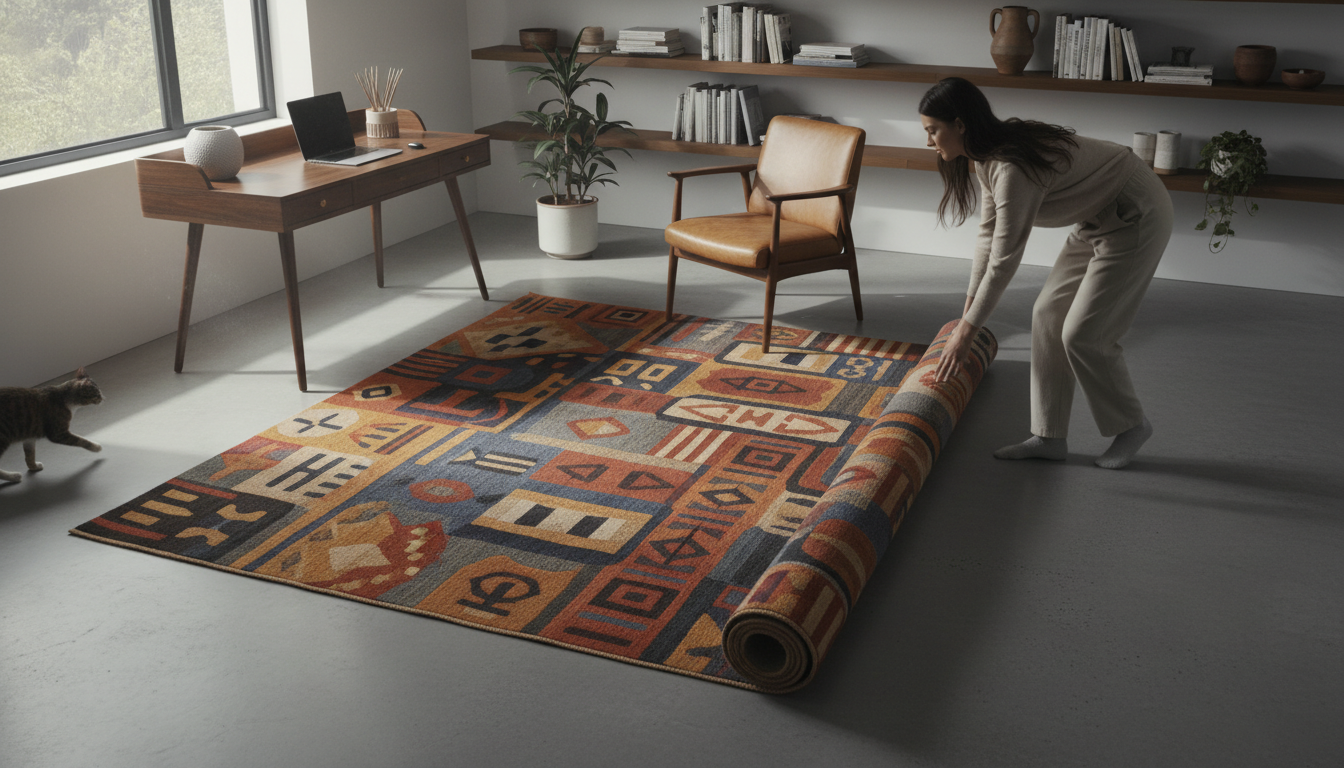
In the upcoming design cycle, the floor is no longer a silent surface; it has become a canvas for “Visual Orality.” We are witnessing a pivot toward textiles that function as ancestral cartography, where every knot and weave translates a story of kinship and migration. The 2026 aesthetic for Afro-Bohemian rugs 2026 prioritizes “broken geometry”—a deliberate move away from the sterilized, symmetrical prints of the last decade.
Instead, designers are embracing the rhythmic irregularities of West African Mudcloth and the complex raffia traditions of Central Africa. These motifs are scaled up to architectural proportions, creating a sense of movement that feels both ancient and avant-garde. It is a dialogue between the hand-loomed heritage of the past and the expansive, open-plan living of the future.
Tactile Topography: Where Mineral Meets Motif
The 2026 color story is rooted in “Geological Neutrals.” We are moving beyond simple earth tones into a palette of oxidized iron reds, manganese violets, and the chalky ochres of the Namibian landscape. These rugs feel as though they were unearthed rather than manufactured, providing a sensory anchor in an increasingly digital world.
Premium curators like thebohorugs.com are at the forefront of this shift, sourcing pieces that emphasize “relief weaving.” This technique uses varying pile heights to create a 3D topographical effect. The result is a rug that mimics the sun-baked crust of the Savannah or the cracked silt of a dried riverbed, offering a luxury that is felt as much as it is seen.
Key design elements defining this soulful fusion include:
- Staggered Lozenges: Traditional symbols of protection, reimagined in oversized, minimalist layouts.
- Linear Migration Paths: Abstracted, hand-knotted lines that represent historical journeys, often rendered in raw, undyed wool.
- Fractal Earthworks: Patterns that mirror natural erosion, where the motif fades and reappears across the rug’s surface.
The Architectural Anchor: Defining the 2026 Space
In 2026, the rug is the room’s structural foundation. The trend is shifting toward “monolithic silhouettes,” where the rug’s narrative dictates the placement of furniture rather than acting as a mere accessory. This is where the Afro-Bohemian rugs 2026 movement matures into a sophisticated interior staple.
To master this look, designers are focusing on three specific curation strategies:
- Off-Center Symbolism: Placing a single, over-scaled Adinkra-inspired motif in one corner to create visual tension and modern energy.
- Mixed-Media Weaving: Combining flat-weave sections with high-pile shag to highlight the heritage geometry through texture rather than just color.
- Tonal Juxtaposition: Using a singular mineral hue (like deep terracotta) but utilizing different yarn types—such as matte jute against lustrous wool—to reveal the pattern through light reflection.
This movement toward soulful, narrative-driven textiles reflects a global yearning for “Ouroboros design”—a philosophy where the ancient and the futuristic are inextricably linked. By investing in these heritage-heavy pieces, homeowners are not just buying a floor covering; they are acquiring a piece of global history refined for the modern eye.
Materiality and Tactile Landscapes
The Topography of the Floor: Dimensionality in Weave
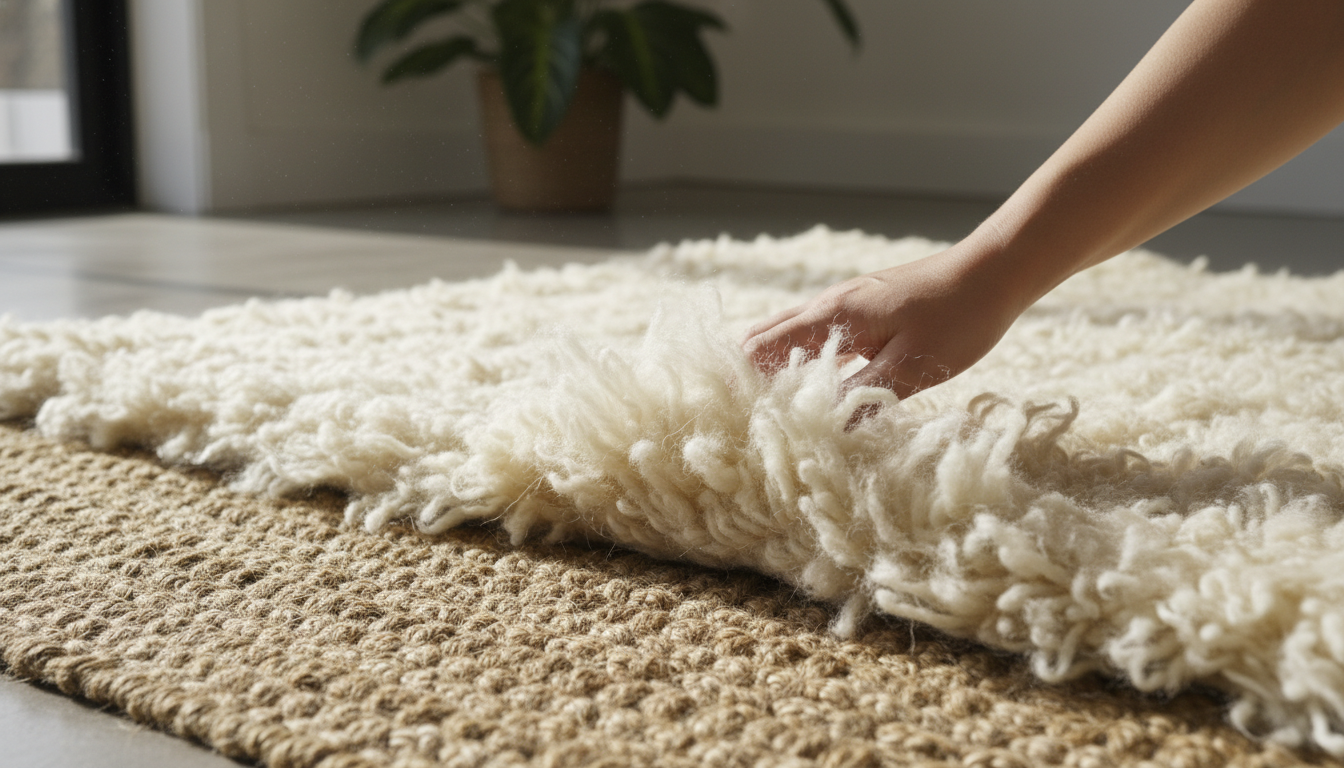
In 2026, the floor is no longer a static backdrop; it has become a “sensory topography.” We are seeing a move away from uniform surfaces toward varied pile heights that mimic the natural erosion of the Sahel or the undulating dunes of the Kalahari.
The aesthetic of Afro-Bohemian rugs 2026 is defined by this architectural relief. By mixing traditional high-pile Berber techniques with flat-woven kilim sections, designers are creating 3D landscapes that invite barefoot exploration and provide acoustic insulation for modern, open-plan living.
These tactile landscapes often feature “intentional imperfections,” such as:
- Hand-spun slub yarns that create organic variations in thickness.
- Exposed warp fringes that ground the piece in its artisanal origins.
- Structural carving, where geometric motifs are sheared into the wool to create shadow and depth.
Pigment as Narrative: The Mineral Revolution
The color story for 2026 moves beyond the “terracotta” trends of previous years into a more sophisticated, lithic palette. We are witnessing a shift toward mineral-based dyes—think crushed basalt, oxidized copper, and deep hematite. These tones offer a grounded, “weighted” feeling to a room.
As the market for Afro-Bohemian rugs 2026 matures, the demand for synthetic dyes has plummeted. Discerning collectors are looking for the “living color” found in heritage dyes like indigo, madder root, and wild pomegranate. These pigments don’t just sit on the fiber; they breathe with it.
According to design experts at thebohorugs.com, the most coveted pieces this season are those that utilize “gradient weathering.” This technique involves sun-fading specific sections of the rug during the drying process to mimic the patina of an antique heirloom found in a high-end Moroccan riad.
Regenerative Fibers and the 2026 Material Forecast
The materiality of the coming year is rooted in regenerative luxury. It is no longer enough for a rug to be “natural”; it must be traceable. We are seeing a sophisticated fusion of traditional African bast fibers—like raffia and sisal—blended with ultra-soft New Zealand wool or recycled sari silk.
Key material innovations to watch in the 2026 cycle include:
- Pineapple Silk Infusions: Adding a subtle, metallic-like sheen to earthy jute bases.
- High-Altitude Mohair: Sourced from South African angora goats, providing a lustrous, halo-like texture.
- Eucalyptus-Drenched Wool: Softening the rugged hand-feel of tribal motifs for high-traffic bedroom use.
This soulful fusion ensures that Afro-Bohemian rugs 2026 are not merely decorative accents but functional art pieces. They bridge the gap between the ancient craft of the loom and the contemporary desire for a home that feels curated, conscious, and deeply connected to the earth.
Art for the Floor: Rugs as Focal Masterpieces
The Evolution of Ancestral Modernism
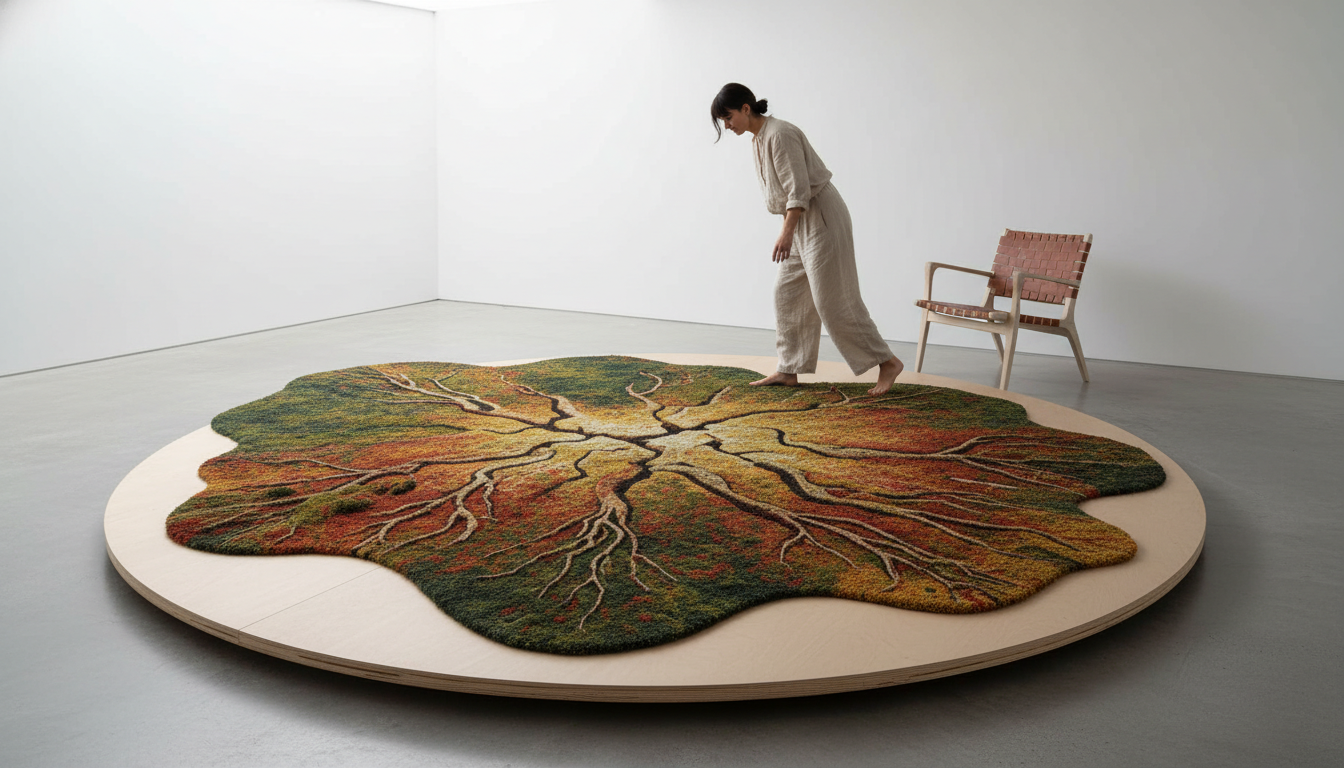
As we approach a new era of interior curation, the focus has shifted from the walls to the very foundation of the home. Designers are no longer treating the floor as a passive surface, but as a primary canvas for storytelling. The emergence of Afro-Bohemian rugs 2026 marks a pivot toward “Ancestral Modernism”—a movement that marries the raw, rhythmic geometry of West African textiles with the soulful, lived-in comfort of Bohemian luxury.
In 2026, we expect to see a departure from flat, two-dimensional prints. Instead, “visual silence” is achieved through complex monochromatic weaves and high-relief textures. These pieces function as the room’s anchor, requiring little more than a sculptural chair or a singular oversized ceramic to complete the vignette.
Mineral Palettes and Tactile Topographies
The 2026 aesthetic is defined by a deep immersion in mineral-inspired hues. We are moving beyond simple “earth tones” into a more sophisticated spectrum of basalt, weathered terracotta, and oxidized copper. This color theory is executed through innovative weaving techniques that create a three-dimensional experience underfoot.
- Basalt and Obsidian Bases: Dark, charcoal-heavy foundations that provide a grounding effect in open-concept living spaces.
- Raised Pile Geometry: Utilizing hand-spun wool to create topographic maps of heritage motifs, such as the rhythmic zig-zags of Bogolan art.
- Unprocessed Fibers: A reliance on raw jute and organic hemp to maintain a connection to the natural world.
Curating the “New Primitive” Luxury
The allure of Afro-Bohemian rugs 2026 lies in their unapologetic embrace of imperfection. The trend leanings for 2026 suggest that “luxury” is being redefined by the traceability of the craft rather than the precision of a machine. High-end collectors are seeking out the specific irregularities of hand-knotted fringe and the tonal shifts of vegetable-dyed yarns.
To achieve this look, experts suggest a “less is more” approach to furniture placement. By allowing the rug’s pattern to bleed into the negative space of a room, the floor becomes a focal masterpiece. For those looking to invest in these artisanal foundations, specialized curators like thebohorugs.com have become an essential resource for sourcing authentic, heritage-driven pieces that resonate with this soulful aesthetic.
A Shift in Living Room Architecture
Looking ahead, the “Rug-First” design philosophy will dictate the architecture of our social spaces. Rather than selecting a rug to match a sofa, the sofa will be chosen to frame the rug. Key elements to look for in the upcoming season include:
- Oversized Scale: Rugs that extend beyond the furniture to create an immersive “island” of texture.
- Asymmetrical Motifs: Patterns that break traditional borders, reflecting a sense of movement and nomadic freedom.
- Layered Materiality: The juxtaposition of sleek, modern metals against the heavy, tactile weight of a hand-loomed centerpiece.
Curating the Look: Integration in Modern Interiors
The Art of High-Low Juxtaposition
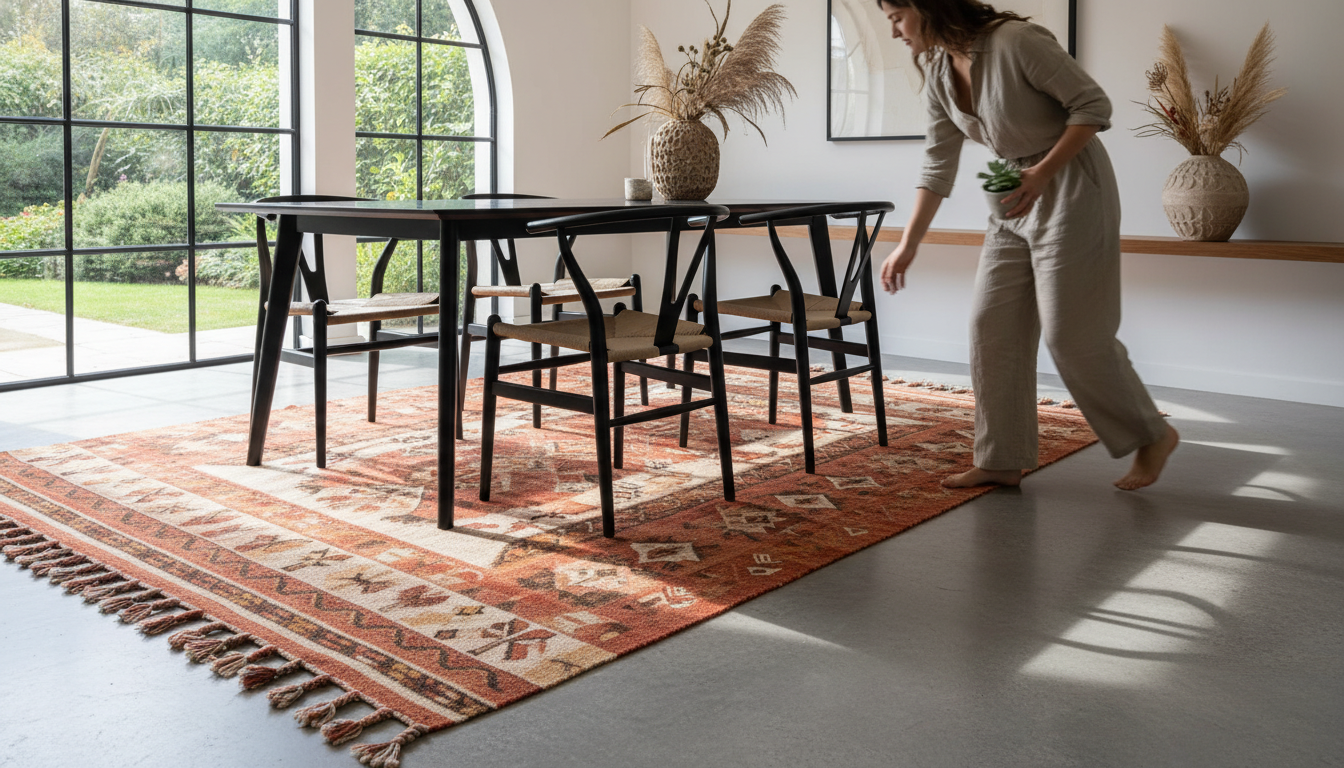
In 2026, the most sophisticated interiors will move away from monochromatic minimalism toward what designers call “tactile storytelling.” Integrating Afro-Bohemian rugs 2026 into a modern space requires a deliberate tension between industrial sharpness and ancestral warmth.
Consider a living room featuring floor-to-ceiling glass and polished concrete. The introduction of a high-pile, raw wool rug with fermented mud-cloth motifs provides a necessary organic counterpoint. This isn’t about matching styles; it is about creating a visual dialogue between the curated present and the storied past.
To master this look, focus on “The Three Pillars of Afro-Bohemian Integration”:
- Material Conflict: Pair the rough, hand-spun texture of a Berber-inspired weave against sleek velvet or brushed brass furniture.
- Negative Space: Allow the rug to breathe. Heritage patterns require a “quiet” perimeter of at least 18 inches of exposed flooring to maintain their status as a focal point.
- Architectural Anchoring: Use oversized dimensions that extend beneath all furniture legs, grounding the room in a sense of permanence and weight.
The 2026 Mineral Palette: Beyond Terracotta
While previous years leaned heavily into basic clay tones, the Afro-Bohemian rugs 2026 aesthetic shifts toward deeper, more complex geological hues. We are seeing a rise in “basalt black,” “oxidized copper,” and “hematite grey” woven into traditional diamond and chevron structures.
These mineral tones act as a new neutral. A rug featuring a deep indigo dye—sourced from natural plant resins—paired with charcoal-toned wool creates a sophisticated foundation that complements the popular walnut and charred-timber cabinetry trends of the upcoming season.
Curating the Layered Narrative
Layering is no longer just a bohemian trope; in 2026, it is a sophisticated method of acoustic and thermal curation. The “New Eclectic” standard involves layering a smaller, intricately patterned heritage rug over a larger, flat-weave sisal or jute base.
Specific placement strategies for the coming year include:
- The Asymmetrical Offset: Placing a medium-sized rug at an angle beneath a modular sofa to break the rigidity of a rectangular room.
- The Gallery Method: Utilizing narrow, runner-style rugs with high-relief textures as wall tapestries, treating the textile as a three-dimensional art piece rather than a floor covering.
- The Transitional Flow: Using varying pile heights to define zones in open-concept living spaces without the need for physical dividers.
For those seeking to anchor their space with these artisanal pieces, thebohorugs.com remains a primary resource for collectors looking to source authentic, hand-knotted textiles that bridge the gap between ancient craftsmanship and contemporary luxury.
A Shift Toward Sculptural Relief
The defining feature of Afro-Bohemian rugs 2026 is the evolution of the “high-low” weave. Designers are moving toward sculptural relief, where the heritage motifs are physically raised above the base of the rug. This creates a shadow play across the floor that changes throughout the day as natural light moves through the room.
This tactile depth is particularly effective in master suites and private dens, where the sensory experience of the home is prioritized. By selecting rugs that prioritize these raw, unfiltered textures, homeowners can cultivate an environment that feels less like a showroom and more like a soulful, curated sanctuary.
Ethical Luxury: The Artisan-Consumer Connection
Provenance as the New Prestige
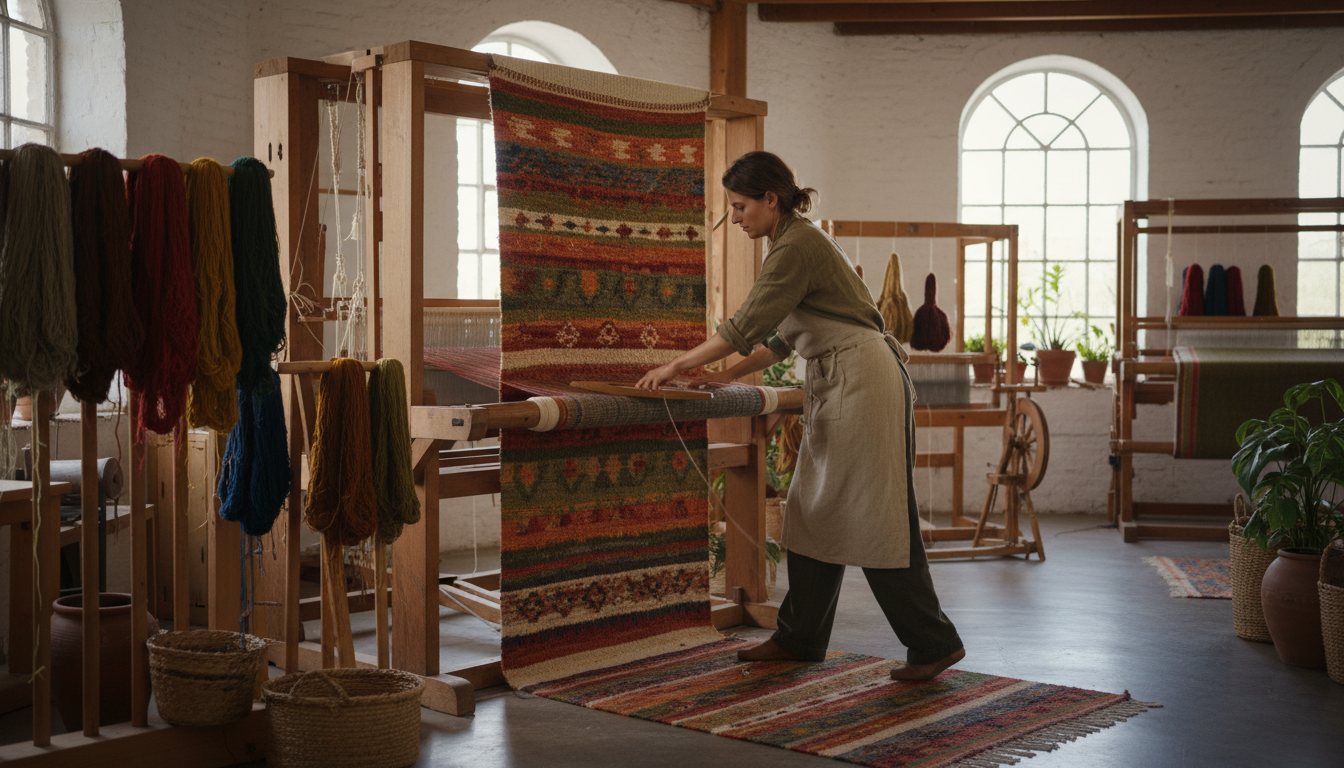
In the high-end interior landscape of the coming years, luxury is being redefined by the invisible threads of provenance. It is no longer enough for a textile to be aesthetically arresting; it must possess a pulse, a lineage, and a clear conscience. The anticipated global demand for Afro-Bohemian rugs 2026 reflects a discerning shift toward ‘human-centric’ decor, where the value of a piece is measured by the preservation of the artisan’s hand.
By 2026, we predict a move toward “radical transparency,” where collectors will prioritize pieces that serve as a direct bridge to the weaving communities of North and West Africa. This evolution transcends traditional fair trade, moving into a realm of creative partnership that honors ancestral techniques while adapting them for the contemporary, soulful home.
The 2026 Palette: Mineral Dyes and Raw Fibers
The aesthetic core of this movement lies in its rejection of synthetic uniformity. As we look toward the interior trends of the next few seasons, the focus shifts from vibrant, artificial hues to a grounded, mineral-based spectrum. Expect to see a rise in textiles that utilize ancient dyeing processes, creating a sensory experience that feels both ancient and avant-garde.
- Oxidized Ochre: Deep, rusted oranges derived from iron-rich clays.
- Soot and Charcoal: Natural blacks achieved through pomegranate skins and iron-mordanted mud.
- Botanical Indigo: Multi-tonal blues that reflect the historical significance of the “blue gold” trade.
These organic pigments do more than offer color; they provide a tactile connection to the earth. When sourcing Afro-Bohemian rugs 2026, interior architects are increasingly looking for the “imperfections” of hand-spun wool and wild silk, which provide a depth that machine-loomed alternatives simply cannot replicate.
Curating with a Conscious Lens
The modern collector views their home as a curated gallery of global narratives. This shift toward ethical luxury means that the “slow decor” movement is reaching its zenith. Waiting months for a bespoke, hand-knotted piece is no longer an inconvenience; it is a hallmark of prestige and patience in an era of mass-produced transience.
As industry leaders like thebohorugs.com continue to curate collections that emphasize the artisan-consumer connection, the rug becomes a functional archive of cultural resilience. To integrate these pieces into a 2026 interior, designers suggest focusing on “layered heritage”—mixing contemporary minimalist furniture with the heavy, earth-textured motifs of the African diaspora.
Techniques to Watch
1. Boucherouite Reimagined: The traditional rag-rug technique elevated through the use of discarded high-fashion silk scraps and organic cotton.
2. Raphia Fusion: The incorporation of hardy raphia fibers into wool warps to create architectural, three-dimensional textures.
3. Symmetry Break: A move away from repetitive patterns toward “storytelling weaves” where the motif evolves organically as the weaver progresses up the loom.
This soulful fusion ensures that Afro-Bohemian rugs 2026 are not merely a fleeting trend, but a significant milestone in the journey toward a more empathetic and environmentally conscious design industry.
2026 Forecast: The Longevity of Earth-Textured Design
The Evolution of Tactile Ancestry
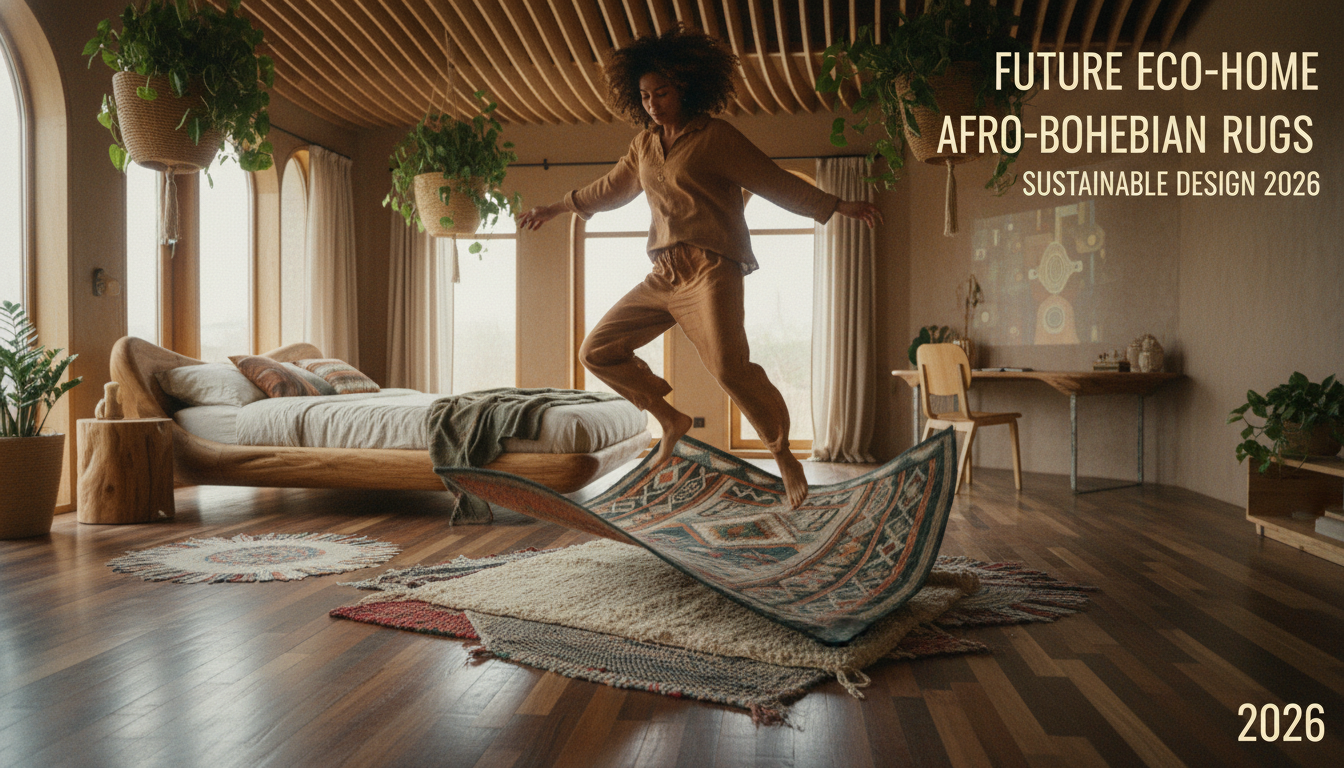
As we approach 2026, the interior design landscape is shedding its clinical, mass-produced skin in favor of a more visceral, tectonic aesthetic. The shift is defined by a move toward “soft architecture,” where the floor becomes a foundation for cultural storytelling. This is most evident in the rising dominance of Afro-Bohemian rugs 2026, which prioritize high-relief textures and ancestral geometry over flat, repetitive prints.
In 2026, luxury is no longer defined by the absence of imperfection, but by the presence of the human hand. Designers are pivoting toward rugs that utilize traditional West African weaving techniques—such as the intricate mud-cloth (Bogolan) motifs—reimagined through a contemporary, high-pile lens. These pieces act as anchors, grounding airy, modern rooms with a sense of historical weight and mineral warmth.
The Mineral Palette: Beyond Neutrality
The color forecast for 2026 departs from the “millennial beige” of the past decade. We are seeing a transition into a more saturated, earthy spectrum inspired by the African rift valley and primordial landscapes. The specific tones defining the Afro-Bohemian rugs 2026 trend include:
- Basalt and Obsidian: Deep, charcoal greys that provide a grounding contrast to light oak furniture.
- Oxidized Ochre: A weathered, golden-yellow that mimics the patina of sun-drenched clay.
- Terracotta and Raw Umber: Iron-rich reds that bridge the gap between the indoor environment and the natural world.
- Desiccated Sage: A muted green that reflects drought-resistant flora, adding a subtle organic vibrancy.
Materiality and the “Living Floor”
Future-proofing a space in 2026 requires materials that age with grace. The trend is shifting toward “living” fibers—unprocessed wools, wild silk, and sustainably harvested jute—that develop a unique character over time. This focus on materiality is a hallmark of the curated collections found at thebohorugs.com, where artisanal integrity meets the sophisticated demands of modern collectors.
The 2026 aesthetic rejects the “disposable decor” cycle. Instead, it favors pieces that offer a multisensory experience. Expect to see rugs featuring “high-low” pile heights, where geometric motifs are carved directly into the weave, creating a 3D topographical effect underfoot. This isn’t just a floor covering; it is a tactile map of heritage and craftsmanship.
Three Predictions for 2026 Afro-Bohemian Integration
- Oversized Scale: Rugs will expand to cover nearly the entire room, acting as a textured “carpet” rather than a small accent piece, creating a seamless, cocoon-like atmosphere.
- Zonal Layering: Using a large, neutral jute base topped with smaller, high-texture Afro-Bohemian rugs 2026 to define conversation pits and reading nooks.
- Wall-as-Floor: A resurgence of using smaller, highly intricate woven rugs as wall tapestries to improve acoustics and add thermal depth to minimal spaces.
Ultimately, the longevity of this movement lies in its sincerity. By sourcing authentic pieces that honor traditional African motifs while embracing mineral-inspired palettes, homeowners can create spaces that feel both globally conscious and deeply personal. The rug is no longer an afterthought; it is the soul of the room.
Elevate Your Space
Discover the artistry of handmade luxury. Each rug is a masterpiece of tradition and modern design.
Expert Q&A
What defines Afro-Bohemian rugs 2026 as a specific trend?
The 2026 trend is defined by a shift from bright, colorful boho styles to more grounded, mineral-toned palettes combined with high-relief textures and authentic African geometric motifs.
How do mineral tones differ from traditional earth tones?
Mineral tones in 2026 focus on the raw, desaturated hues of rocks and ores—like malachite, hematite, and raw ochre—rather than just standard browns and greens.
Are Afro-Bohemian rugs suitable for minimalist homes?
Absolutely. They provide the necessary ‘warmth’ and texture that prevents minimalist spaces from feeling cold or impersonal.
What materials are most common in these rugs?
Expect to see a heavy use of organic wool, hand-spun jute, sisal, and even recycled silk accents for a touch of luxury.
How can I identify authentic heritage motifs?
Authentic motifs often derive from Kuba cloth, Bogolan (mudcloth), and Berber symbols, characterized by intentional asymmetry and storytelling through geometry.
Is ‘Art for the Floor’ a specific design philosophy?
Yes, it treats the rug as the primary investment and artistic statement of a room, rather than a secondary accessory.
Can these rugs be used in high-traffic areas?
Yes, especially those made from durable fibers like jute and high-lanolin wool, which naturally repel dirt and withstand wear.
What color palette is most popular for 2026?
The ‘Dusty Terracotta and Slate’ combination is expected to be the standout palette for Afro-Bohemian rugs 2026.
How do these rugs contribute to sustainability?
Most are hand-knotted using renewable natural fibers and vegetable dyes, significantly reducing the carbon footprint compared to synthetic rugs.
Can I layer Afro-Bohemian rugs?
Layering is encouraged; try placing a smaller, highly textured wool rug over a larger, flat-weave sisal rug for a curated look.
How do I clean high-pile textured rugs?
Frequent vacuuming without a beater bar and professional ‘dry cleaning’ for wool fibers is recommended to maintain the texture.
What size rug works best for a living room?
For 2026, the trend is ‘wall-to-wall’ adjacent, meaning very large rugs that allow all furniture legs to sit comfortably on the rug surface.
Are these rugs pet-friendly?
Natural wool rugs are surprisingly pet-friendly due to their durability, though high-loop textures should be monitored for claw snagging.
What is the price point for an artisan-made Afro-Bohemian rug?
Because they are ‘Art for the Floor,’ expect to pay a premium for hand-knotted pieces, ranging from $1,500 to $8,000 depending on size and complexity.
Do Afro-Bohemian rugs work with Industrial design?
Yes, the organic textures soften the hard edges of metal and concrete found in industrial spaces.
How does the ‘Bohemian’ element manifest in 2026?
The bohemian aspect is found in the relaxed, irregular edges and the eclectic mixing of different weaving techniques within a single piece.
Where are these rugs typically sourced from?
Ethical brands source primarily from weaving cooperatives in Morocco, Ghana, Ethiopia, and South Africa.
Is the ‘Afro’ influence limited to patterns?
No, it also includes traditional weaving techniques, such as the unique loop-pile styles found in North African textiles.
Can these rugs be used as wall hangings?
Yes, many of the smaller, highly detailed Afro-Bohemian pieces are designed specifically to be hung as tactile wall art.
What is the expected lifespan of these rugs?
A high-quality, hand-knotted wool rug can last 50 years or more with proper care, making it a sustainable heirloom.
Are synthetic versions of this trend available?
While available, they lack the ‘soul’ and tactile depth of the natural fiber versions that define the 2026 movement.
How do I choose between a flat-weave and a plush rug?
Flat-weaves are better for dining rooms and entries, while plush, textured rugs are ideal for bedrooms and lounges.
What is the significance of ‘Mudcloth’ patterns in 2026?
In 2026, Mudcloth patterns are being abstracted and scaled up to create bold, modern statements.
Does this trend favor asymmetry?
Yes, intentional imperfections and asymmetrical layouts are a hallmark of the soulful, handmade aesthetic.
What lighting best complements these rugs?
Warm, layered lighting (lamps and sconces) highlights the shadows in the high-relief textures of the rug.
Can these rugs be customized?
Many high-end studios offer custom sizing and color-matching within the mineral-tone spectrum.
Why is ‘texture’ so important for 2026?
Texture provides a sensory experience that digital screens cannot replicate, fulfilling a human need for tactile connection.
Is this trend just for residential spaces?
No, high-end hospitality and boutique offices are increasingly using these rugs to create ‘residential-feeling’ professional environments.
What is the ‘mineral’ inspiration for the color blue in 2026?
Instead of navy, look for ‘Lapis’ or ‘Azurite’—deeper, grittier blues with grey undertones.
How do I verify the ethical production of my rug?
Look for certifications like GoodWeave or detailed transparency reports from the manufacturer regarding artisan wages and conditions.
Written by TheBohoRugs Interior Design Team
Experts in handmade rugs, boho interiors, and modern home decor.