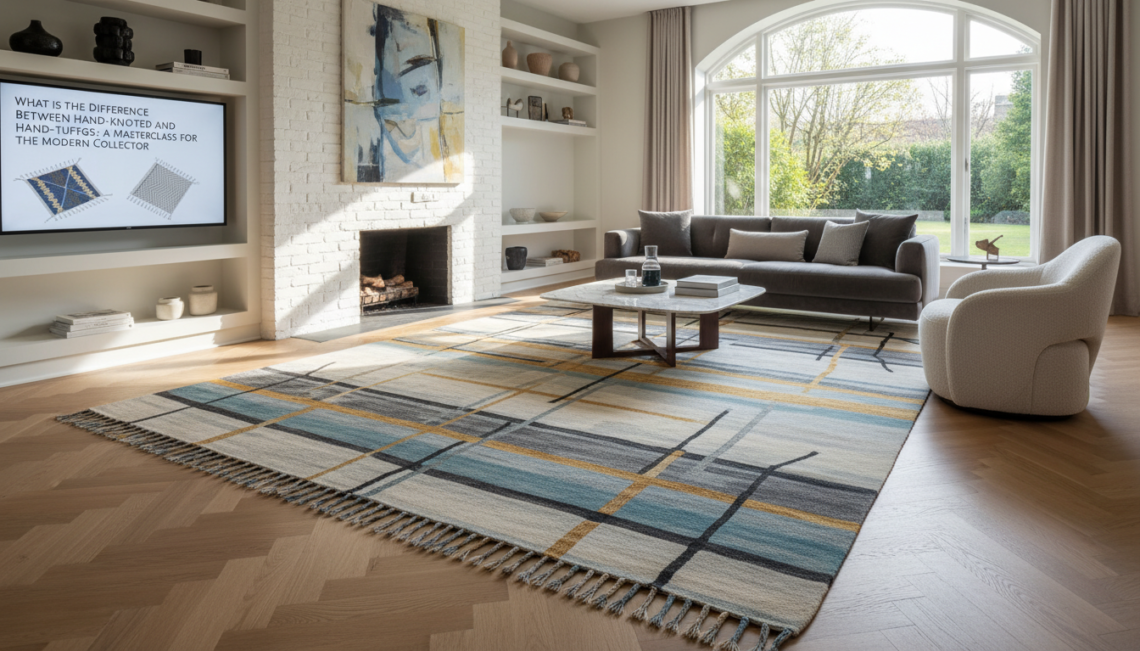
In the realm of high-end interior design, the floor is not merely a surface but a canvas. To the uninitiated, two rugs may appear identical from a distance, but the distinction between a hand-knotted masterpiece and a hand-tufted creation is the difference between an oil painting and a high-quality print. As we look toward 2026, the shift in interior aesthetics moves away from mass-produced minimalism toward ‘Art for the Floor’—pieces that tell a story of heritage, labor, and soul. Understanding the structural integrity and the artistic nuances of these two methods is essential for any homeowner or designer aiming to curate a space that balances longevity with aesthetic impact.
“The primary difference between hand-knotted and hand-tufted rugs lies in their construction: hand-knotted rugs are made by individually tying thousands of knots to a foundation, creating a durable, heirloom-quality piece with no backing, while hand-tufted rugs are made by punching yarn through a canvas using a tufting gun and securing it with a latex glue and a protective fabric backing.”
The Roadmap
Table of Contents
- The Anatomy of Craft: Understanding the Construction
- Durability and Legacy: The Heirloom vs. The Decor
- Tactile Experience: Pile Height and Texture Nuances
- Production Timelines and the Human Element
- Financial Architecture: Investment vs. Accessibility
- The 2026 Trend Forecast: Sustainability and Materiality
- Maintenance Realities: From Cleaning to Repairability
- Curation Guide: Choosing the Right Rug for Your Space
The Anatomy of Craft: Understanding the Construction
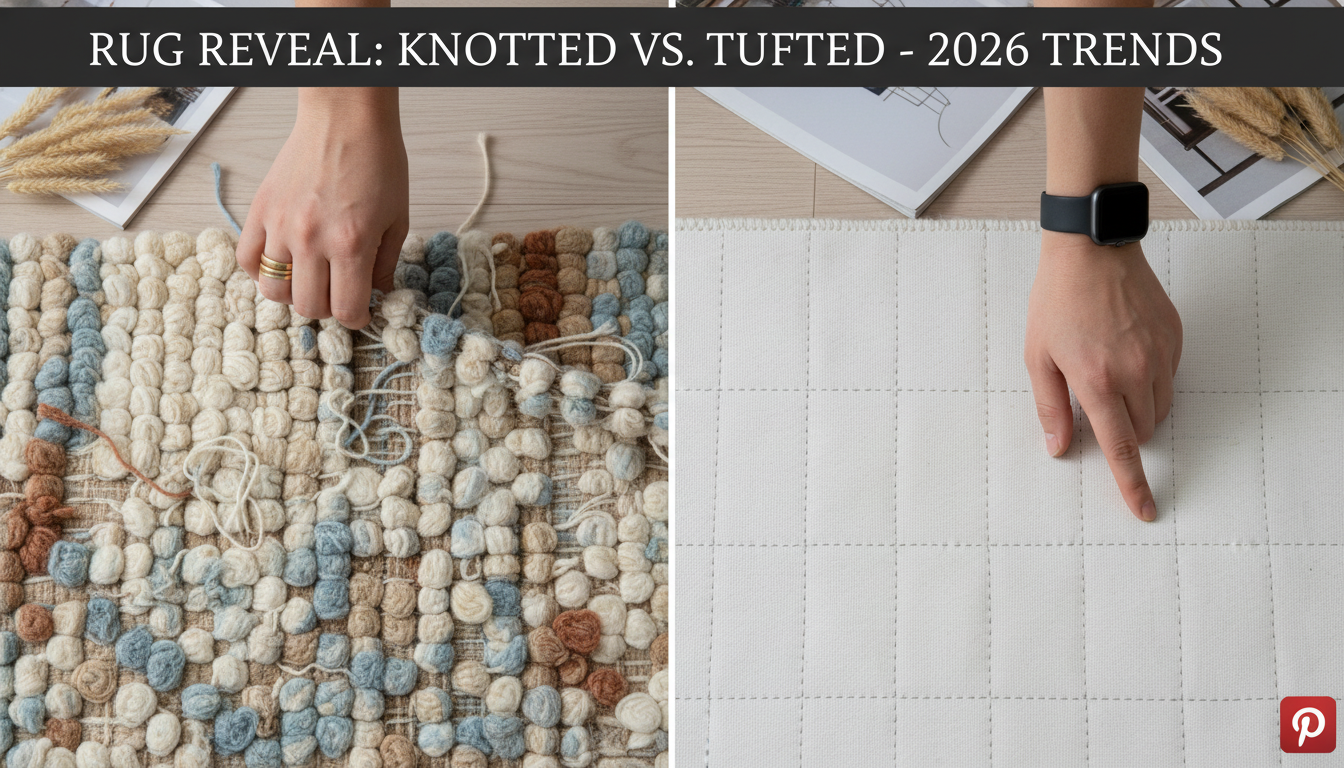
The Alchemy of the Loom: Hand-Knotted Mastery
To appreciate a hand-knotted rug is to understand the gravity of time. Each piece is born from a vertical loom where master weavers meticulously tie individual knots around warp threads. This is a labor of devotion, often taking months or even years to complete a single masterpiece.
Because every knot is tied by hand, the design is integrated into the very foundation of the rug. There is no synthetic backing, no adhesive, and no shortcut. When interior designers discuss what is difference between a legacy piece and a seasonal one, they are almost always referring to this structural integrity.
- Structural Density: Higher knot counts per square inch allow for intricate, fluid patterns that mimic fine art.
- Durability: These rugs are known to last over a century, often becoming more lustrous with age and foot traffic.
- The Reverse Side: A hallmark of the hand-knotted technique is that the pattern is visible on the back, mirroring the face of the rug perfectly.
The Modern Edge: The Mechanics of Hand-Tufted Design
While hand-knotted rugs are woven, hand-tufted rugs are constructed using a “tufting gun.” Artisans punch strands of wool through a stretched canvas backing following a pre-drawn pattern. It is a fusion of manual skill and mechanical efficiency that brings high-end aesthetics to a more accessible price point.
Once the tufting is complete, a secondary backing—usually made of heavy-duty canvas or scrim—is attached using a specialized latex adhesive to secure the yarns in place. This makes the rug thicker and softer underfoot, though it lacks the generational longevity of its knotted counterpart.
Understanding what is difference in the tactile experience is essential for high-traffic zones. Hand-tufted pieces offer a plush, uniform pile height that feels exceptionally luxurious in bedrooms or private lounges where comfort is the primary objective.
Future-Proofing Your Interior: 2026 Design Predictions
As we move toward 2026, the global design narrative is shifting toward “Biophilic Heirloomism.” We predict a surge in demand for rugs that bridge the gap between raw, organic textures and hyper-curated artisanal details. The focus is moving away from disposable decor toward “slow interiors.”
- Regenerative Fibers: Expect to see hand-knotted rugs utilizing undyed highland wool and nettle fibers for a carbon-neutral footprint.
- Modular Artisanship: Small-batch hand-tufted pieces will increasingly feature irregular, organic shapes that break the traditional rectangular boundaries of a room.
- Tactile Contrast: Mixing both styles within one home to define the energy of a space—knotted for the formal “anchor” rooms and tufted for “soft-landing” zones.
For those seeking to curate a space that reflects this level of intentionality, sourcing from dedicated purveyors like thebohorugs.com ensures that the heritage of the craft remains intact. Whether you choose the centuries-old tradition of the knot or the contemporary versatility of the tuft, the choice defines the atmosphere of your sanctuary.
Durability and Legacy: The Heirloom vs. The Decor
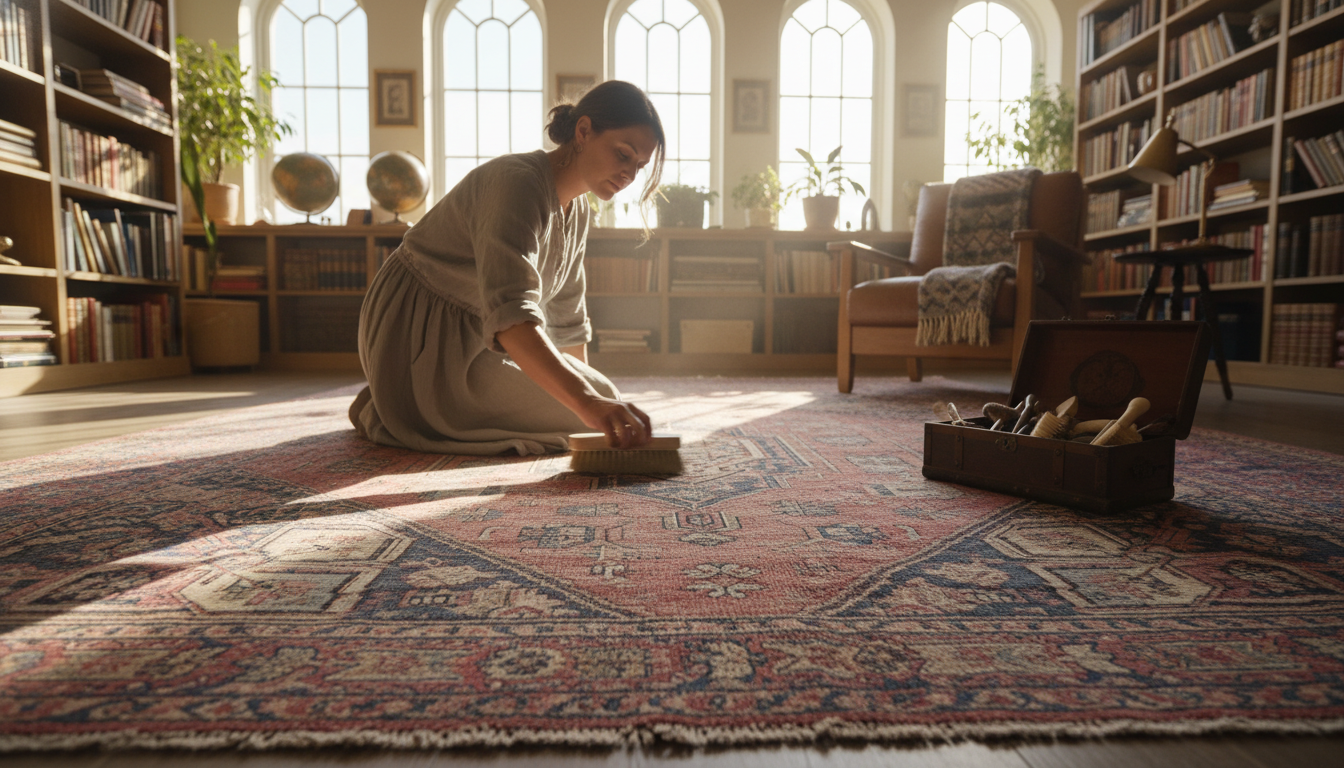
The Architectural Integrity of the Hand-Knotted Weave
In the realm of high-end interior design, the distinction between a hand-knotted and a hand-tufted rug is not merely a matter of technique; it is a question of permanence. A hand-knotted rug is a masterpiece of structural engineering, where every individual thread is meticulously tied to the warp, creating a fabric that is essentially indestructible under normal wear.
To truly grasp what is difference between these two methods, one must look past the surface aesthetic and examine the architectural foundation of the weave. Hand-knotting creates a “living” textile that breathes, moves, and gains character over decades. In contrast, hand-tufted pieces rely on a latex adhesive to secure the wool to a canvas backing—a process that is efficient but inherently finite in its lifespan.
2026 Predictions: The Pivot to “Provenance-First” Interiors
As we look toward 2026, the luxury market is shifting away from “fast-interiors” in favor of the circular economy. Discerning homeowners are increasingly viewing their flooring as a tangible asset rather than a seasonal accessory. We predict a significant surge in demand for rugs that carry a documented history and a multi-generational lifespan.
- Resale Value: Hand-knotted rugs are one of the few interior elements that can appreciate in value, often appearing in high-end auction houses like Sotheby’s after decades of use.
- Sustainability: Because hand-knotted rugs avoid the synthetic glues found in tufted varieties, they are biodegradable and contribute to a toxin-free indoor environment.
- Restoration Potential: A knotted rug can be re-piled and repaired for centuries, whereas a tufted rug begins to degrade once the internal latex backing cracks and sheds.
The Sensorial Experience: Investment vs. Utility
When designers ask what is difference in terms of long-term investment, the answer lies in the structural soul of the piece. A hand-knotted rug offers a “handle”—a tactile weight and flexibility—that tufted rugs cannot replicate. This is why curators at thebohorugs.com emphasize the knot-density as a metric of both durability and artistic expression.
For high-traffic galleries or heritage homes, the choice is clear. While hand-tufted rugs provide an excellent entry point for trend-based decor, the hand-knotted rug remains the gold standard for those building a legacy collection. By 2026, the ability to distinguish “The Heirloom” from “The Decor” will be the hallmark of a sophisticated interior enthusiast.
- Hand-Knotted: Average lifespan of 50 to 200 years. Suitable for antique status.
- Hand-Tufted: Average lifespan of 7 to 12 years. Ideal for secondary spaces or high-concept, temporary styling.
Ultimately, choosing between the two requires an honest assessment of your space’s evolution. If your goal is to anchor a room with a piece that your grandchildren will one day inherit, the complexity of the knot is your only true path. Understanding what is difference at this granular level ensures that your interior reflects a commitment to craftsmanship over convenience.
Tactile Experience: Pile Height and Texture Nuances
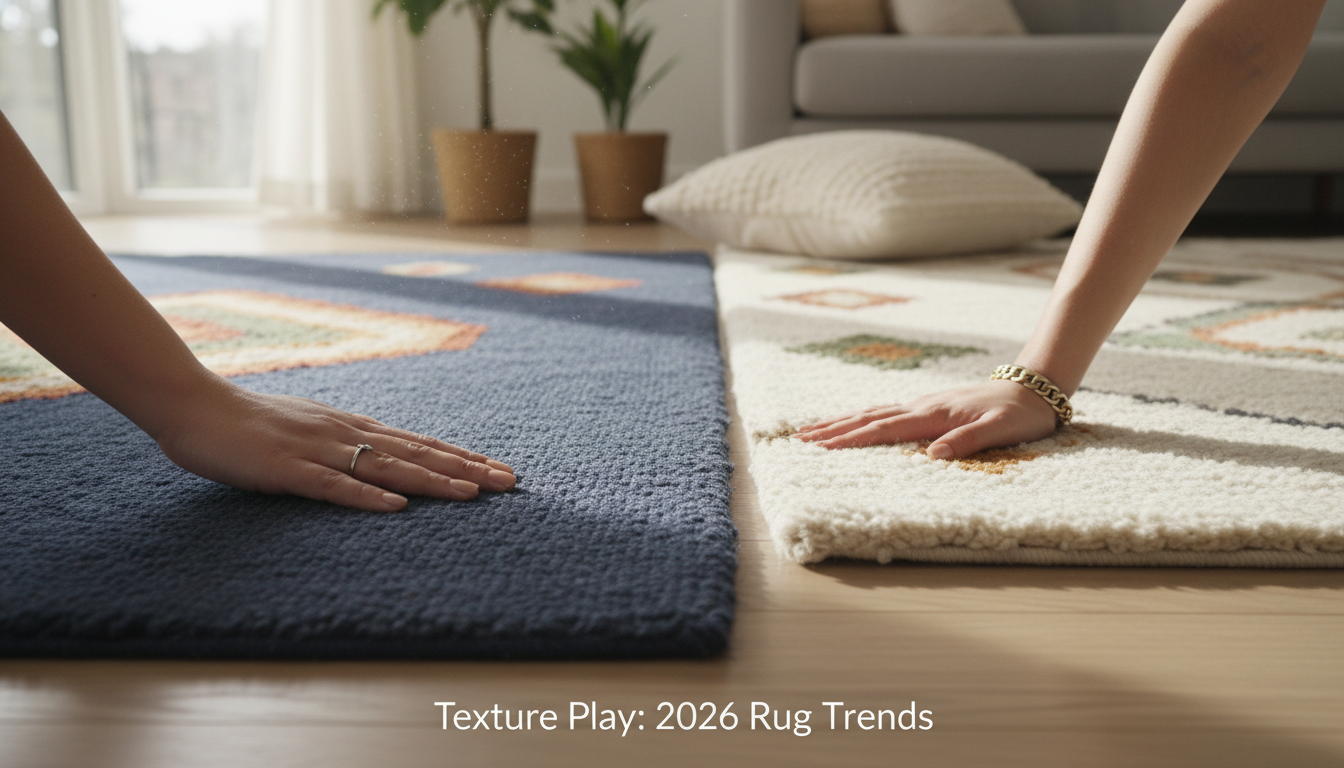
The tactile landscape of a room is often dictated by the foundation upon which it sits. To the uninitiated, a rug is simply a decorative layer; however, to the connoisseur, the choice between a knot and a tuft is a decision that impacts the very acoustics and sensory rhythm of a home. What is difference in the physical sensation of these two methods? It is the distinction between a bespoke tailored suit and a high-fashion, ready-to-wear coat—both have their place, but their weight and movement are worlds apart.
The Architectural Rigor of Hand-Knotted Piles
Hand-knotted rugs are the pinnacle of textile engineering. Because every individual strand is tied by hand to the warp, the pile can be sheared incredibly low without losing its structural integrity. This results in a “living” texture that is often thinner but significantly denser than its counterparts.
In high-traffic galleries or sophisticated dining rooms, this low-profile density is preferred. It offers a firm, grounding sensation underfoot. As we look toward the design trends of 2026, we see a resurgence in “paper-thin” antique-wash knots that prioritize the clarity of the pattern over sheer bulk. At thebohorugs.com, the focus remains on these heirloom-quality pieces where the texture actually improves as the fibers open up over decades of use.
- Pile Height: Typically ranges from 3mm to 8mm for a sleek, architectural finish.
- The “Crush” Factor: Exceptional resilience; fibers bounce back quickly after being compressed by heavy furniture.
- Hand-Feel: Often features a silky or “dry” wool texture that feels organic and sophisticated.
The Sculptural Depth of Hand-Tufted Textures
If hand-knotted rugs are about precision, hand-tufted rugs are about volume. By punching wool through a canvas backing, artisans can create varying pile heights within a single piece. Understanding what is difference in this context involves recognizing the “topographical” nature of tufted rugs. In 2026, we predict a shift toward “biomorphic” 3D carving, where the rug mimics the uneven heights of moss or stone.
Hand-tufted rugs often utilize a thicker yarn, resulting in a plush, cushion-like experience that absorbs sound beautifully in master suites or private libraries. Because these rugs require a latex backing to hold the tufts in place, they offer a heavier, more stationary feel on the floor, though they lack the fluid drape of a hand-knotted masterpiece.
Choosing Based on Your Interior Requirements
- For Minimalist Modernism: Opt for the low-profile, high-knot-count rug. Its subtle texture doesn’t compete with clean furniture lines.
- For Maximalist Comfort: Choose a hand-tufted rug with a multi-level pile. The “shaggy” or sculpted elements add a layer of cozy visual noise.
- For High-Traffic Zones: The hand-knotted rug is the superior choice. When considering what is difference in longevity, the absence of glue in knotted rugs means they can be washed and restored indefinitely.
Ultimately, the choice depends on the specific “walk-on” experience you wish to curate. Whether you seek the dense, history-laden feel of an artisanal knot or the generous, sculptural loft of a modern tuft, thebohorugs.com provides a curated selection that bridges the gap between traditional craftsmanship and contemporary aesthetic demands.
Elevate Your Space
Discover the artistry of handmade luxury. Each rug is a masterpiece of tradition and modern design.
Expert Q&A
What is difference in life expectancy between these two rugs?
Hand-knotted rugs can last for generations (50-100+ years), whereas hand-tufted rugs typically last 5 to 10 years.
Can I see the pattern on the back of a hand-tufted rug?
No, hand-tufted rugs have a fabric backing covering the construction, whereas the pattern is clearly visible on the back of a hand-knotted rug.
Why do hand-tufted rugs sometimes smell?
The latex glue used to secure the tufts can off-gas, creating a ‘burnt rubber’ or chemical scent that is absent in hand-knotted pieces.
Which type of rug is better for high-traffic areas?
Hand-knotted rugs are superior for high traffic because their structural knots don’t loosen easily under pressure.
Is there a significant price gap?
Yes, hand-knotted rugs are significantly more expensive due to the months of manual labor required for their creation.
Do hand-tufted rugs shed more?
Generally, yes. The shorter fibers in tufted rugs are held by glue and can release more easily than the interlocking knots of a knotted rug.
Can a hand-knotted rug be repaired?
Absolutely. Individual knots can be replaced by specialists, making them fully restorable.
Are hand-tufted rugs considered ‘handmade’?
They are handmade in the sense that a human operates the tufting gun, but they are not ‘hand-woven’ like knotted rugs.
What is the 2026 trend for rug materials?
The 2026 forecast emphasizes ‘raw luxury’ using undyed wools and bio-based silks in hand-knotted constructions.
Why do fringes look different on these rugs?
In hand-knotted rugs, the fringe is part of the foundation; in hand-tufted rugs, it is usually glued or sewn on as an afterthought.
Which is softer underfoot?
Hand-tufted rugs often feel more ‘cushioned’ due to the thick latex and backing, while hand-knotted rugs feel more ‘dense’.
Are there eco-friendly differences?
Hand-knotted rugs are more eco-friendly as they use no synthetic glues or secondary backings that eventually end up in landfills.
Can I use a hand-tufted rug with underfloor heating?
It is risky, as the heat can dry out and crumble the latex glue backing.
Do hand-knotted rugs increase in value?
Authentic, high-KPSI hand-knotted rugs often appreciate as antiques; hand-tufted rugs do not.
How can I tell the difference instantly?
Flip a corner over. If you see a cloth backing, it is tufted. If you see the design mirrored in knots, it is hand-knotted.
What is KPSI and why does it matter?
Knots Per Square Inch (KPSI) determines the detail and durability of a hand-knotted rug; tufted rugs do not have a KPSI rating.
Are hand-tufted rugs bad for allergies?
They can be, as the latex backing and shedding fibers can trap more dust and release VOCs compared to natural knotted wool.
Which rug is best for a dining room?
Hand-knotted is better as the low, dense pile allows chairs to slide easily and resists crushing from heavy furniture legs.
Can hand-tufted rugs have intricate designs?
Yes, but they lack the ‘pixelated’ precision and depth that individual knots provide in complex oriental patterns.
What determines the quality of a tufted rug?
The quality of the wool used and the type of backing material determine its relatively short lifespan.
How long does it take to make a hand-knotted rug?
Depending on size and KPSI, it can take anywhere from four months to several years.
How long does it take to make a hand-tufted rug?
A standard size can be completed in a few days or weeks.
Are hand-knotted rugs always made of wool?
Usually wool or silk, but they can also feature cotton foundations or bamboo silk highlights.
What happens when a tufted rug’s backing peels?
This is known as ‘delamination’ and usually signals the end of the rug’s useful life, as repair is rarely cost-effective.
Why are hand-knotted rugs called ‘Art for the Floor’?
Because each is a unique expression of the weaver’s skill, containing slight ‘abrash’ color variations that machines cannot replicate.
Which is heavier?
Hand-tufted rugs are often heavier due to the weight of the canvas and the heavy latex coating.
Do hand-knotted rugs need a rug pad?
Yes, to prevent sliding and to protect the knots from friction against the floor.
Can pets damage hand-knotted rugs?
They are more resilient to claws than tufted rugs, where a pulled loop can cause a run in the fabric.
Is ‘hand-made’ always better?
Not necessarily; a high-quality hand-tufted rug is better than a poorly made, low-knot-count knotted rug, but generally, knotted is the gold standard.
What is the best way to store a hand-knotted rug?
Cleaned, rolled (not folded), and wrapped in a breathable material like cotton sheets to prevent moths and dry rot.
Written by TheBohoRugs Interior Design Team
Experts in handmade rugs, boho interiors, and modern home decor.