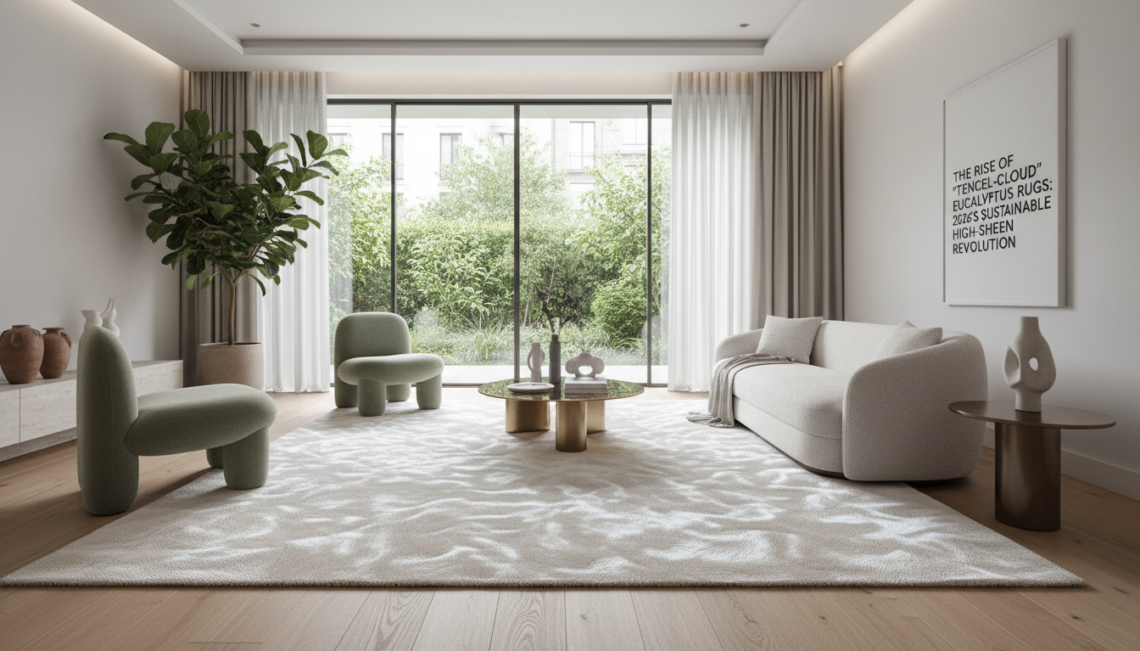
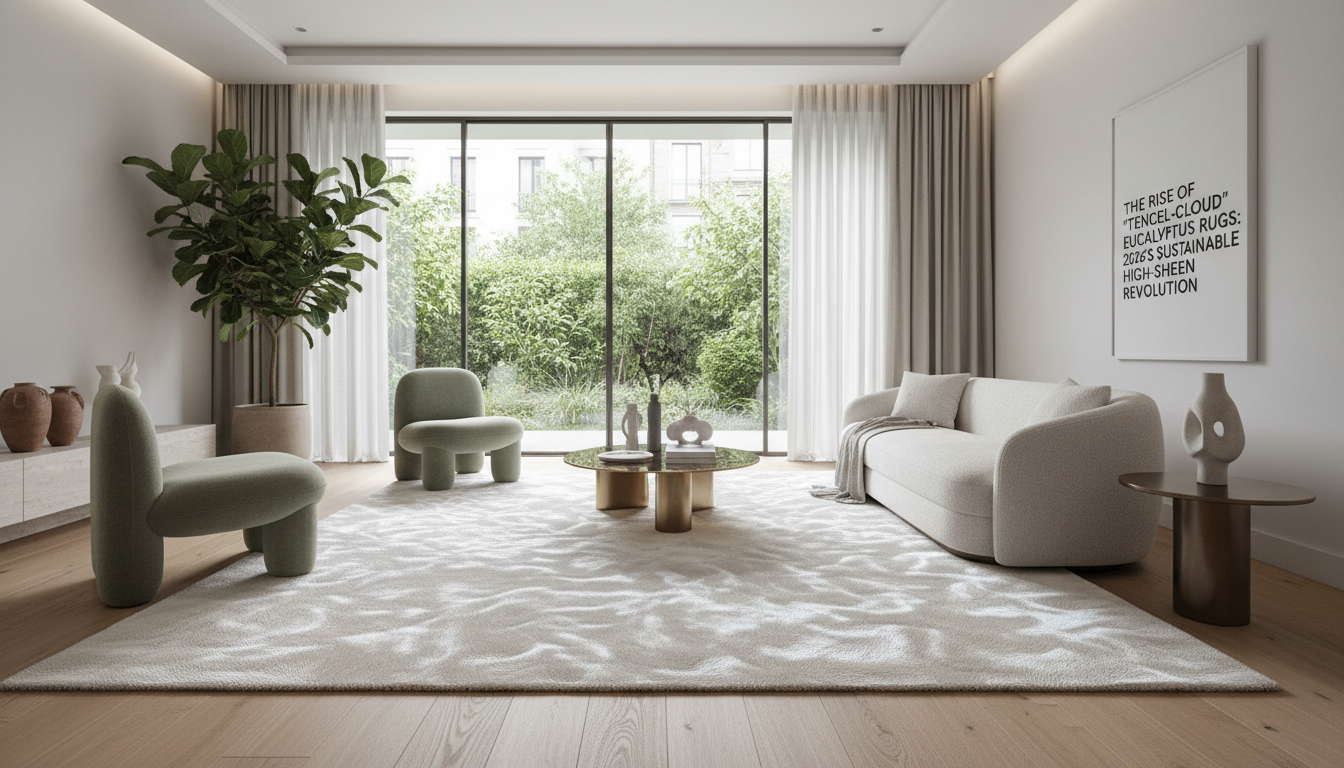
As we navigate the intersection of ecological responsibility and high-end aesthetics, a new protagonist has emerged in the world of luxury flooring. Tencel eucalyptus rugs 2026 collections represent more than just a textile trend; they signify a paradigm shift toward ‘Tencel-Cloud’ technology—a process that yields a fiber as luminous as mulberry silk but with a carbon footprint that respects the earth. In this report, we analyze why designers are abandoning traditional viscose and high-maintenance silks in favor of these botanic marvels, treating each piece as functional art for the floor.
“Tencel eucalyptus rugs 2026 are favored for their ‘Tencel-Cloud’ finish, offering a high-sheen, silk-like luster with superior durability. Unlike traditional viscose, these rugs are produced via a closed-loop eucalyptus pulp process, making them the leading sustainable luxury floor covering. They are hypoallergenic, moisture-wicking, and retain vibrant biophilic pigments better than synthetic alternatives, positioning them as the premier ‘Art for the Floor’ in 2026’s minimalist and organic modern interiors.”
The Roadmap
Table of Contents
- The Evolution of Lyocell: Beyond Utility to ‘Cloud’ Textures
- The Silk Disruptor: Comparing Luster and Performance
- Aesthetic Palettes: Muted Iridescence and 2026 Biophilic Pigments
- The Environmental Mandate: Closed-Loop Eucalyptus Production
- Tactile Luxury: The Sensory Experience of Eucalyptus Fibers
- Curating the Space: Integrating High-Sheen Rugs in Modern Interiors
- Longevity and Care: Preserving the Luster of Sustainable Lyocell
- The 2027 Outlook: The Future of Botanic Silk in Design
The Evolution of Lyocell: Beyond Utility to ‘Cloud’ Textures
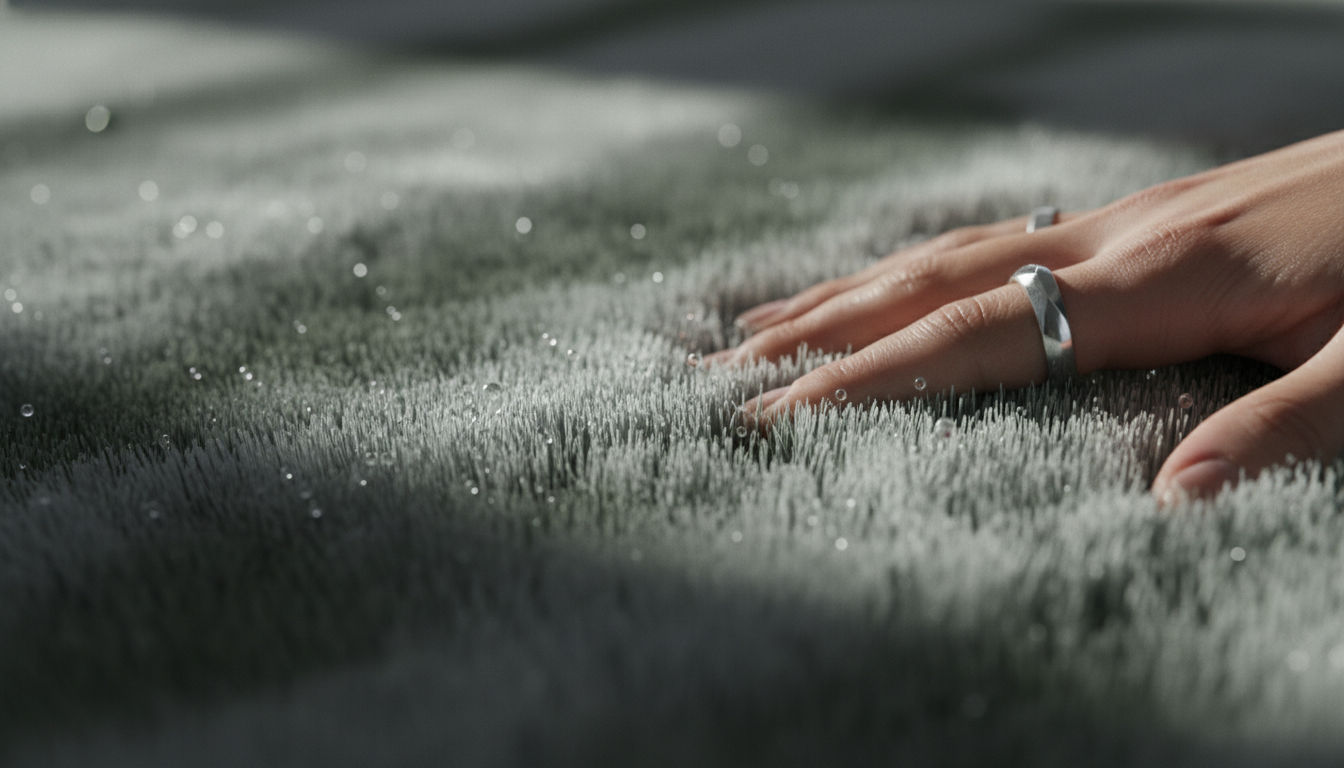
For decades, silk was the undisputed monarch of high-end floor coverings. However, as we approach the mid-2020s, the paradigm is shifting toward a bio-fabricated luxury that rivals the iridescent sheen of mulberry silk without the ethical or maintenance baggage. This is the era of Tencel eucalyptus rugs 2026, where a fiber once reserved for functional linens has been re-engineered into sophisticated “Cloud” textures.
The Nano-Fibril Revolution: Defining the ‘Cloud’ Finish
The 2026 aesthetic is defined by a specific tactile phenomenon known in design circles as the Cloud-Touch. Unlike the flat, often artificial-looking shimmer of early-generation viscose, these advanced eucalyptus fibers utilize a refined closed-loop solvent spinning process. This creates a fiber cross-section that refracts light with the same complexity as organic protein fibers.
We are witnessing a move toward high-density knotting techniques that mimic the “crushed velvet” effect found in antique Persian silks. Leading artisanal curators, including the experts at thebohorugs.com, are increasingly prioritizing these eucalyptus blends for their ability to hold deep, saturated pigments while maintaining an ethereal, feather-light hand-feel.
2026 Forecast: The Three Pillars of Eucalyptus Luxury
As the interior design landscape moves toward “sensory minimalism,” the evolution of Lyocell is categorized by three distinct shifts in high-end manufacturing:
- Bio-Digital Weaving: The use of specialized looms to create variable-pile heights that amplify the natural luminescence of Tencel eucalyptus rugs 2026.
- The Hybrid Weave: A sophisticated blending of eucalyptus fibers with raw, undyed New Zealand wool to create a “matte-meets-glow” contrast that adds architectural depth to a room.
- Molecular Traceability: Premium 2026 collections will feature blockchain-verified “fiber passports,” allowing homeowners to trace their rug back to a specific sustainably managed eucalyptus grove.
Engineering Resilience into Iridescence
The most significant breakthrough for the upcoming season is the fiber’s inherent resilience. Traditional silk is notorious for its fragility, often suffering from permanent water staining and fiber breakage. In contrast, the latest iterations of Tencel eucalyptus rugs 2026 are engineered for the high-traffic, luxury residential environment.
The natural moisture-wicking properties of eucalyptus mean these rugs remain breathable and cool to the touch, resisting the bacterial growth often associated with high-humidity climates. For the discerning collector, this represents the ultimate convergence of material science and high-artistry: a floor covering that offers the prestige of a rare textile with the durability of modern innovation.
The Silk Disruptor: Comparing Luster and Performance
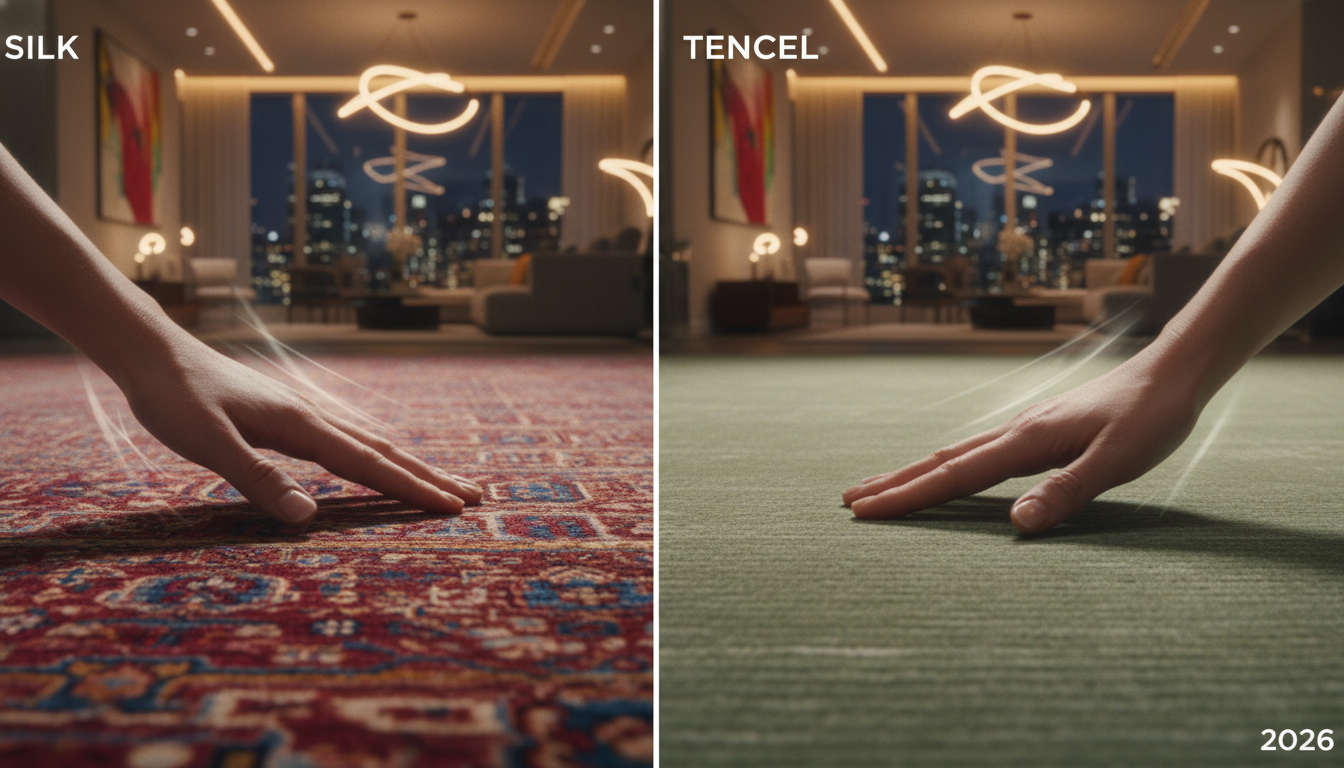
The Luminous Aesthetic: Botanical Engineering vs. Sericulture
For decades, mulberry silk held an unchallenged monopoly over the “liquid glow” required for high-end interiors. However, the 2026 design season marks a definitive pivot. As we move toward more conscious luxury, Tencel eucalyptus rugs 2026 collections are emerging as the primary disruptor to traditional silk fibers.
The visual distinction is nearly imperceptible to the untrained eye. Eucalyptus fibers, processed through a closed-loop lyocell method, possess a unique cross-section that reflects light with a soft, multidimensional brilliance. Unlike silk, which can appear overly reflective under harsh LED lighting, these botanical fibers offer a sophisticated “submerged” sheen—a trend high-end ateliers are calling “The Dew Effect.”
Curators at boutiques like thebohorugs.com are already seeing a shift in preference among interior architects. The appeal lies in the fiber’s ability to take on deep, saturated pigments while maintaining a silvery, iridescent top-note that shifts as you move through the room.
The 2026 Performance Benchmark: Durability Meets High-Sheen
Beyond the aesthetic allure, the technical superiority of eucalyptus-based fibers provides a pragmatic edge that silk simply cannot match. In 2026, the luxury market is demanding “functional opulence”—pieces that look like museum artifacts but withstand the realities of high-traffic living.
When comparing Tencel eucalyptus rugs 2026 to traditional silk or viscose alternatives, several performance metrics stand out:
- Structural Integrity: Eucalyptus fibers possess a higher tensile strength than silk, preventing the “crushing” effect often seen in delicate silk rugs after minimal foot traffic.
- Thermal Regulation: Naturally breathable, these fibers remain cool to the touch, making them the preferred choice for Mediterranean-style villas and open-concept modern lofts.
- Hypoallergenic Properties: Unlike protein-based silk, eucalyptus fibers are naturally inhospitable to bacterial growth and dust mites—a critical factor for the 2026 wellness-centric home.
A Shift in Longevity and Color Fastness
One of the most significant predictions for the 2026 textile market is the move away from “yellowing” fibers. Traditional silk is prone to oxidation, losing its crispness over time. In contrast, the eucalyptus derivatives featured in Tencel eucalyptus rugs 2026 are UV-resistant, ensuring that the silvery luster remains consistent even in sun-drenched floor-to-ceiling glass environments.
This durability does not come at the cost of texture. The hand-feel is often described as “cool velvet,” offering a sensory experience that rivals the finest hand-knotted silk pieces found at thebohorugs.com. By opting for these botanical alternatives, designers are achieving a high-gloss finish that is as sustainable as it is indestructible.
Aesthetic Palettes: Muted Iridescence and 2026 Biophilic Pigments
The Shift Toward Luminous Earth Tones
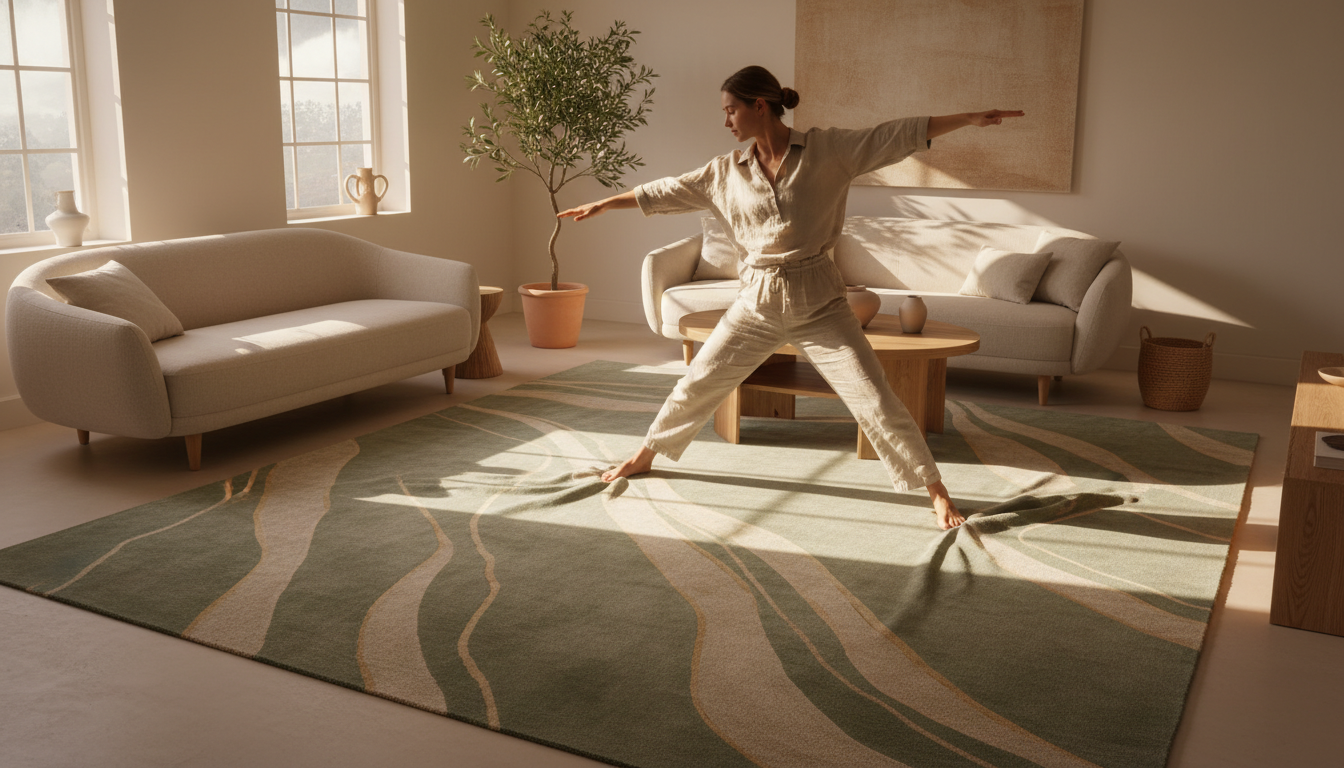
As we approach the mid-decade mark, the interior design world is distancing itself from the clinical minimalism of the early 2020s. In its place, a more nuanced “digital-nature” aesthetic is emerging, where the high-sheen finish of Tencel eucalyptus rugs 2026 serves as the canvas for a new color story. These are not the flat, earthy browns of previous eras, but rather a collection of pigments that feel alive under changing light conditions.
The 2026 palette is defined by “Muted Iridescence”—a visual phenomenon where the rug’s surface appears to change hue as you walk across the room. This is achieved through the unique cross-section of the eucalyptus fiber, which mimics the light-refractive properties of traditional mulberry silk without the ethical or maintenance baggage.
2026’s Definitive Biophilic Color Forecast
The upcoming season favors colors that evoke a sense of “technological serenity.” Designers are moving away from literal floral shades toward more atmospheric, mineral-inspired tones. Expect to see these specific palettes dominating high-end interiors:
- Oxidized Sage: A cool, silver-green that appears almost metallic in high-traffic areas where the fibers lean.
- Mushroom Luminescence: A warm taupe with violet undertones that reacts beautifully to evening ambient lighting.
- Crushed Terracotta: A desaturated, sun-bleached clay tone that provides a grounded yet sophisticated base for modern furniture.
- Cerulean Mist: A translucent, watery blue that utilizes the natural luster of eucalyptus to mimic the surface of a forest pool.
The Intersection of Light and Fiber Architecture
What sets the Tencel eucalyptus rugs 2026 collection apart is the way the fiber interacts with the “biophilic pigments.” Because Tencel absorbs dye more deeply and uniformly than wool or synthetic alternatives, the saturation remains vibrant while the surface maintains a ghostly, silk-like shimmer. This allows for deeper “shadow play” in high-low pile textures, creating a 3D effect that feels both organic and curated.
For those looking to integrate these sophisticated palettes into a contemporary home, sourcing is as critical as the color choice itself. Platforms like thebohorugs.com have become essential resources for designers seeking these specific artisanal finishes, bridging the gap between raw botanical sustainability and high-fashion floor coverings.
Styling the Iridescent Floor
- Layering Textures: Pair the high-sheen eucalyptus surface with matte materials like blackened steel or raw white oak to emphasize the rug’s luster.
- Light Positioning: Place these rugs near floor-to-ceiling windows; the eucalyptus fiber is particularly adept at diffusing natural UV light without the fading common in lesser textiles.
- Monochromatic Depth: Use a rug that is one shade darker than your walls to create a “sunken” visual effect that adds perceived square footage to a room.
Ultimately, the move toward these muted, iridescent pigments reflects a broader desire for homes that feel like sanctuaries—spaces that are not just seen, but felt. The 2026 aesthetic is one of soft power, where sustainability is whispered through the luxury of a silk-alternative sheen.
The Environmental Mandate: Closed-Loop Eucalyptus Production
Beyond Sustainability: The Closed-Loop Evolution
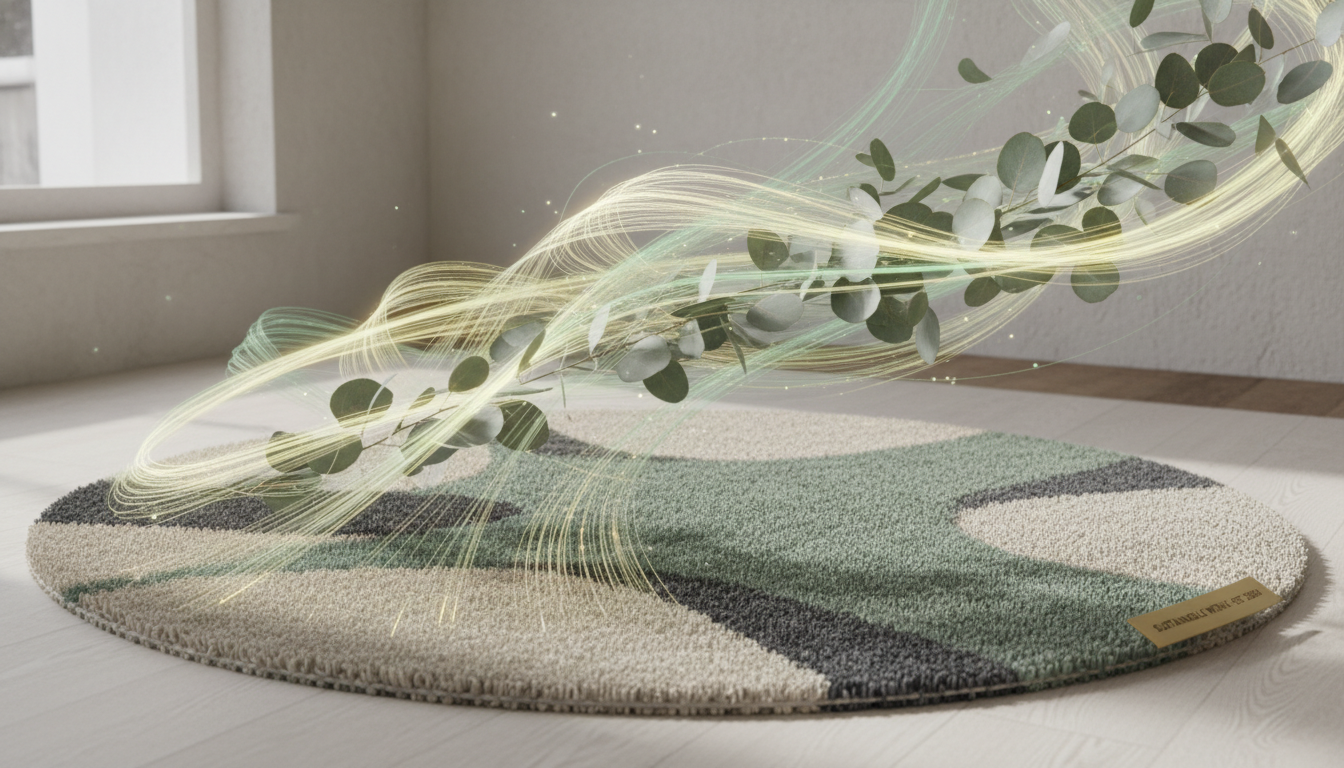
The luxury textile landscape is currently undergoing a molecular shift. As we approach the mid-decade mark, the focus has pivoted from mere “greenwashing” to a rigorous environmental mandate that demands total transparency. In this climate, the “closed-loop” production of eucalyptus fibers has emerged as the gold standard for high-end interiors.
Unlike traditional viscose—which has long been criticized for its intensive chemical runoff—the production of Tencel eucalyptus rugs 2026 utilizes a refined Lyocell process. This circular method ensures that over 99.5% of the water and non-toxic solvents used are captured, recycled, and fed back into the production cycle, leaving virtually no footprint behind.
For the discerning collector, this process represents the pinnacle of ethical opulence. By sourcing wood pulp from sustainably managed, FSC-certified eucalyptus groves, manufacturers are creating a fiber that is not only biodegradable but requires significantly less land and water than conventional cotton or silk. It is a sophisticated marriage of bio-engineering and artisanal heritage.
The 2026 Aesthetic: High-Sheen Meets Low-Impact
Designers are increasingly moving away from the “recycled” aesthetic of the past, opting instead for the “Tencel-Cloud” finish. This specific iteration of eucalyptus fiber mimics the light-refractive properties of mulberry silk, offering a liquid-like sheen that shifts beautifully under varying light conditions. The result is a rug that feels visceral and cooling to the touch, yet remains remarkably durable.
Leading the charge in this movement, thebohorugs.com has curated a selection of these high-performance pieces, bridging the gap between ancient weaving techniques and 2026’s technological advancements. Their artisanal approach ensures that the “environmental mandate” does not compromise the tactile luxury expected in high-end residential design.
The Environmental Edge: Why 2026 Favors Eucalyptus
- Carbon Neutrality: Eucalyptus trees grow rapidly without the need for pesticides or irrigation, acting as powerful carbon sinks before they are ever processed.
- Solvent Recovery: The NMMO solvent used in the 2026 closed-loop process is non-toxic and recovered at a near-perfect rate, preventing waterway contamination.
- Biodegradable Luxury: Unlike synthetic polyesters, Tencel eucalyptus rugs 2026 are fully compostable, ensuring they return to the earth at the end of their lifecycle.
The shift is definitive: the luxury consumer is no longer satisfied with beauty alone. They demand a narrative of restoration. By choosing eucalyptus-based fibers, homeowners are investing in a future where the floor coverings are as healthy for the planet as they are stunning to the eye.
As we look toward the interior trends of the coming year, the rise of these bio-engineered fibers signals a new era of “conscious decadence.” It is a world where the shimmering luster of a grand salon rug is powered by the efficiency of the forest, rather than the depletion of it.
Tactile Luxury: The Sensory Experience of Eucalyptus Fibers
The Science of Pearlescence: Mimicking Mulberry Silk
In the evolving landscape of high-end interiors, luxury is being redefined by the haptic feedback of the home. The 2026 design season marks a definitive shift away from the “scratchy” organic textures of the past decade toward a concept known as hyper-sensory biophilia.
At the center of this movement are Tencel eucalyptus rugs 2026, which utilize a proprietary closed-loop extrusion process to create fibers with a prismatic cross-section. This unique geometry allows the rug to refract light with the same liquid-like luster as Grade 6A Mulberry silk, providing a shimmering “high-sheen” finish that changes depth as you move across the room.
Unlike traditional silk, which can feel delicate or “dry” over time, these eucalyptus-derived fibers possess an inherent suppleness. Leading curators, such as thebohorugs.com, are already identifying this “liquid-metal” aesthetic as the preferred choice for master suites and formal galleries where visual drama must meet physical comfort.
Thermal Intelligence and the ‘Cool-Touch’ Phenomenon
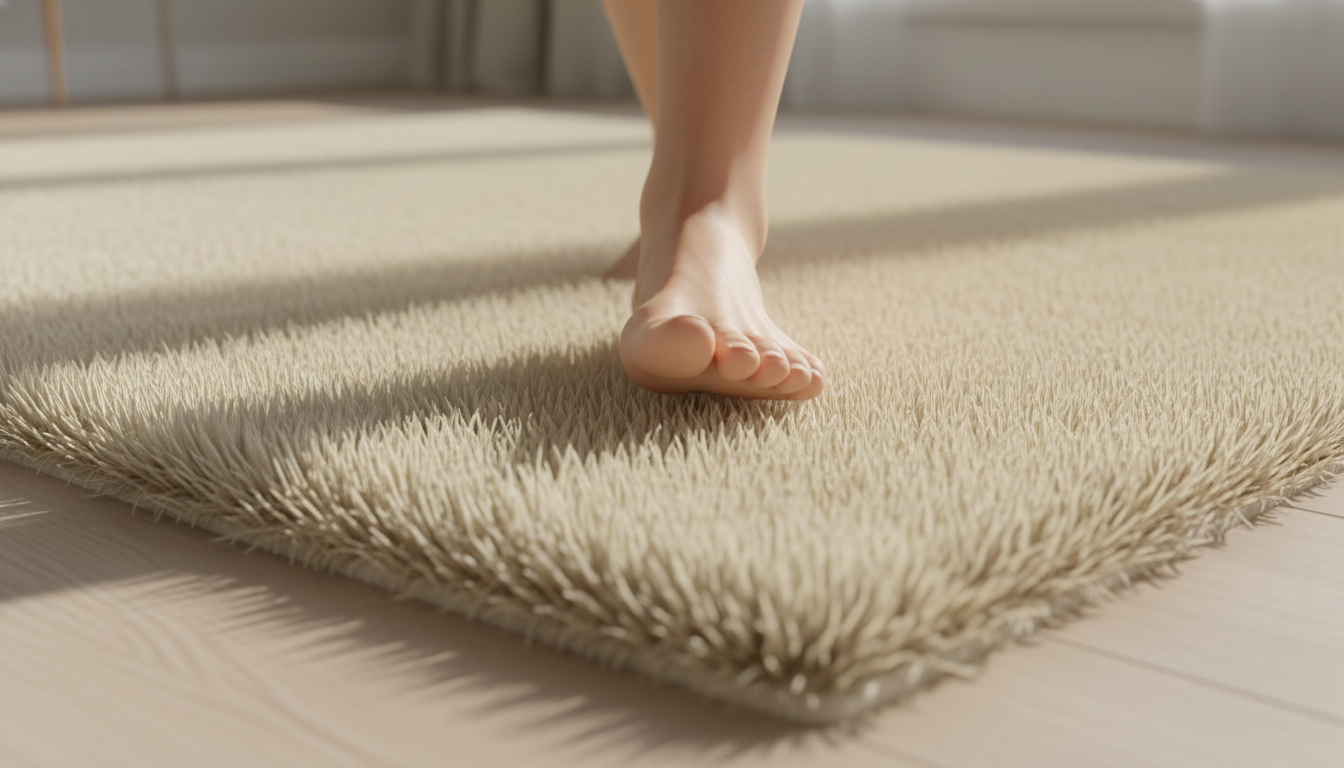
One of the most significant sensory breakthroughs for Tencel eucalyptus rugs 2026 is their natural thermoregulatory properties. Unlike synthetic nylon or heat-trapping wool, eucalyptus fibers are naturally hydrophilic, meaning they efficiently manage moisture and remain cool to the touch.
This “Cool-Touch” sensation is a hallmark of the 2026 luxury market, particularly as urban architecture leans into larger glass facades and increased natural light exposure. The sensory experience is characterized by:
- Sub-Zero Initial Contact: A refreshing, chilled sensation upon skin contact, ideal for barefoot living.
- Breathable Density: A high pile-count that offers cushion without the stifling heat of traditional carpets.
- Static Neutrality: Unlike petroleum-based alternatives, these fibers do not hold a static charge, maintaining a smooth, “floaty” texture underfoot.
The 2026 Evolution: From Fiber to ‘Cloud-Loft’
We are moving beyond the flat-weave eucalyptus rugs of previous years. The 2026 trend focuses on “Cloud-Loft” technology—a spinning technique that introduces microscopic air pockets within the eucalyptus yarn itself. This creates a rug that looks like a sleek, mirrored surface but feels like stepping onto a dense, velvet-soft cloud.
Designers are utilizing these textures to ground rooms that feature “hard” materials like honed marble or brushed steel. By sourcing artisanal pieces through platforms like thebohorugs.com, homeowners are able to balance the clinical precision of modern architecture with the visceral, soft-touch appeal of sustainable botanic fibers.
The result is a sensory paradox that defines the modern era: a floor covering that is as durable as a high-traffic synthetic, yet possesses a tactile soul that rivals the most expensive textiles in the world. For those investing in the Tencel eucalyptus rugs 2026 trend, the luxury is not just in the sustainability story, but in the unparalleled daily physical experience of the fiber itself.
Curating the Space: Integrating High-Sheen Rugs in Modern Interiors
The Architecture of Light and Luster
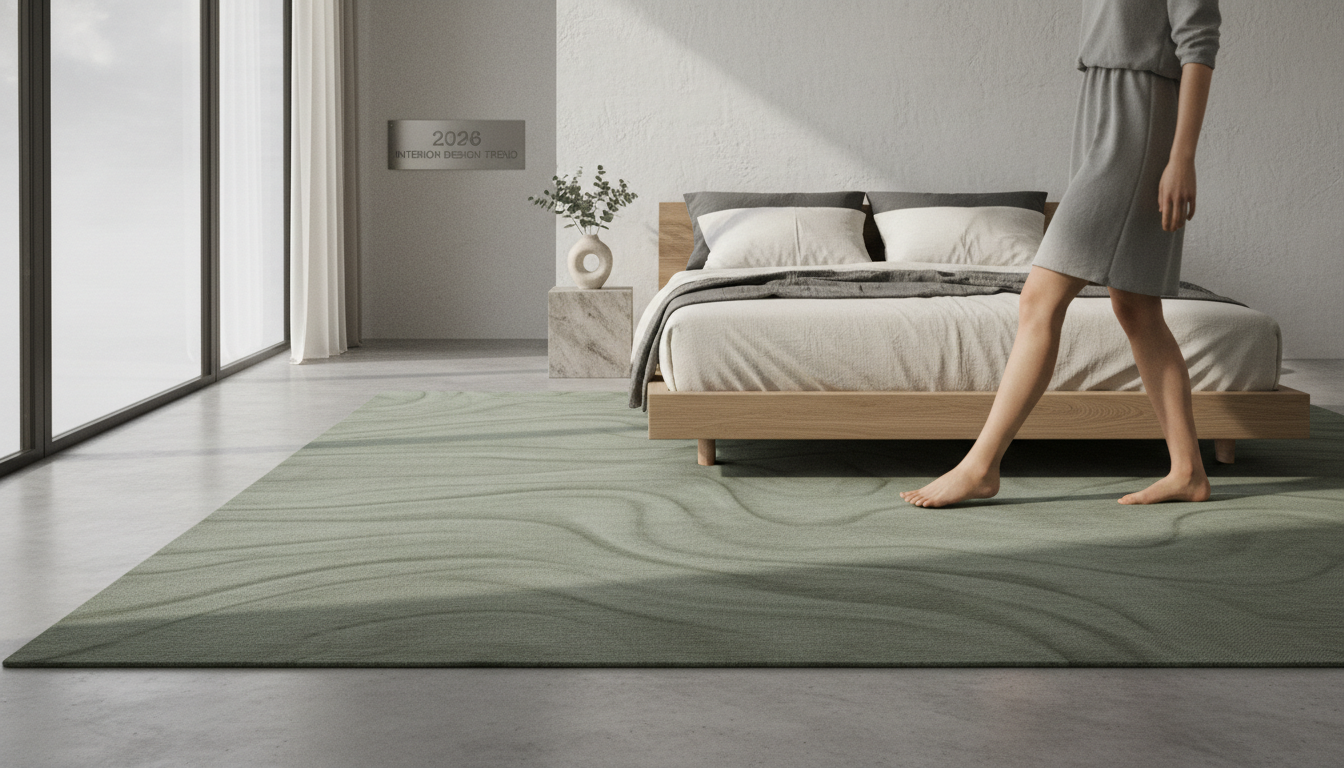
In the evolving landscape of high-end design, the year 2026 marks a decisive shift away from the stark, matte minimalism of the early 2020s. We are entering the era of “Luminous Organicism,” where interior designers prioritize materials that respond dynamically to natural light.
The defining characteristic of Tencel eucalyptus rugs 2026 is their unparalleled ability to mimic the fluid drape and prismatic sheen of heavy mulberry silk. Unlike synthetic polyesters, these fibers capture light with a soft, ethereal glow rather than a harsh, oily glare, making them the centerpiece of modern, light-filled rooms.
Designers are utilizing these rugs to “lift” rooms with low ceiling heights. By placing a high-sheen eucalyptus piece in a foyer or sunroom, the floor becomes a reflective plane, bouncing light upward and creating a sense of atmospheric depth that wool simply cannot achieve.
Textural Counterpoints: The 2026 Layering Strategy
Modern luxury is no longer about a single aesthetic; it is about the friction between different tactile sensations. To curate a sophisticated space, the high-gloss finish of eucalyptus fiber must be balanced against raw, architectural elements.
- The Concrete Contrast: Pairing a high-sheen rug with polished concrete or micro-cement flooring creates a “Liquid vs. Solid” visual dialogue.
- The Velvet Harmonic: For a monochromatic look, stylists are matching the rug’s undertones with matte velvet upholstery to create a play on light-absorbance versus light-reflection.
- Artisanal Foundations: Sourcing pieces with hand-knotted integrity, such as the curated collections found at thebohorugs.com, ensures that the sheen is grounded by authentic, human-scale craftsmanship.
Emerging Chromatic Trends for Eucalyptus Fibers
As we forecast the dominant palettes for the coming year, Tencel eucalyptus rugs 2026 are moving beyond traditional neutrals into “Bio-Pigments.” We are seeing a departure from cool grays toward colors that feel “grown” rather than manufactured.
- Crushed Celadon: A desaturated green that shifts between silver and sage depending on the angle of the pile.
- Ochre Earth: A deep, metallic gold that provides a grounded yet opulent foundation for mid-century modern furniture.
- Oxidized Copper: A complex teal-blue that mimics the patina of ancient statuary, adding a sense of history to new builds.
The key to integrating these high-sheen alternatives lies in the “Zero-Edge” philosophy. By selecting rugs with minimal or no borders, the eucalyptus fibers appear to flow across the room like a pool of water, blurring the lines between furniture and floor.
Ultimately, the move toward these sustainable fibers represents a broader sartorial shift in the home. Just as silk defines the silhouette in fashion, these rugs define the movement of a room, providing a luxury experience that is as gentle on the planet as it is striking to the eye.
Longevity and Care: Preserving the Luster of Sustainable Lyocell
The New Standard of Resilience in Fiber Engineering
As we navigate the design landscape of the mid-2020s, the prestige of Tencel eucalyptus rugs 2026 lies in their paradoxical nature: the delicate, liquid-silver aesthetic of couture silk married to an increasingly robust molecular structure. Unlike the fragile viscoses of the past, 2026’s high-grade lyocell fibers are engineered for the “active” luxury home, utilizing a high-tenacity spinning process that resists the crushing common in traditional botanical silks.
To maintain this architectural integrity, interior designers are moving away from aggressive cleaning methods. The longevity of these pieces depends on respecting the fiber’s unique moisture-wicking properties, which—while excellent for indoor air quality—require a sophisticated touch to prevent “matting” under heavy foot traffic.
Sophisticated Maintenance: Beyond the Traditional Vacuum
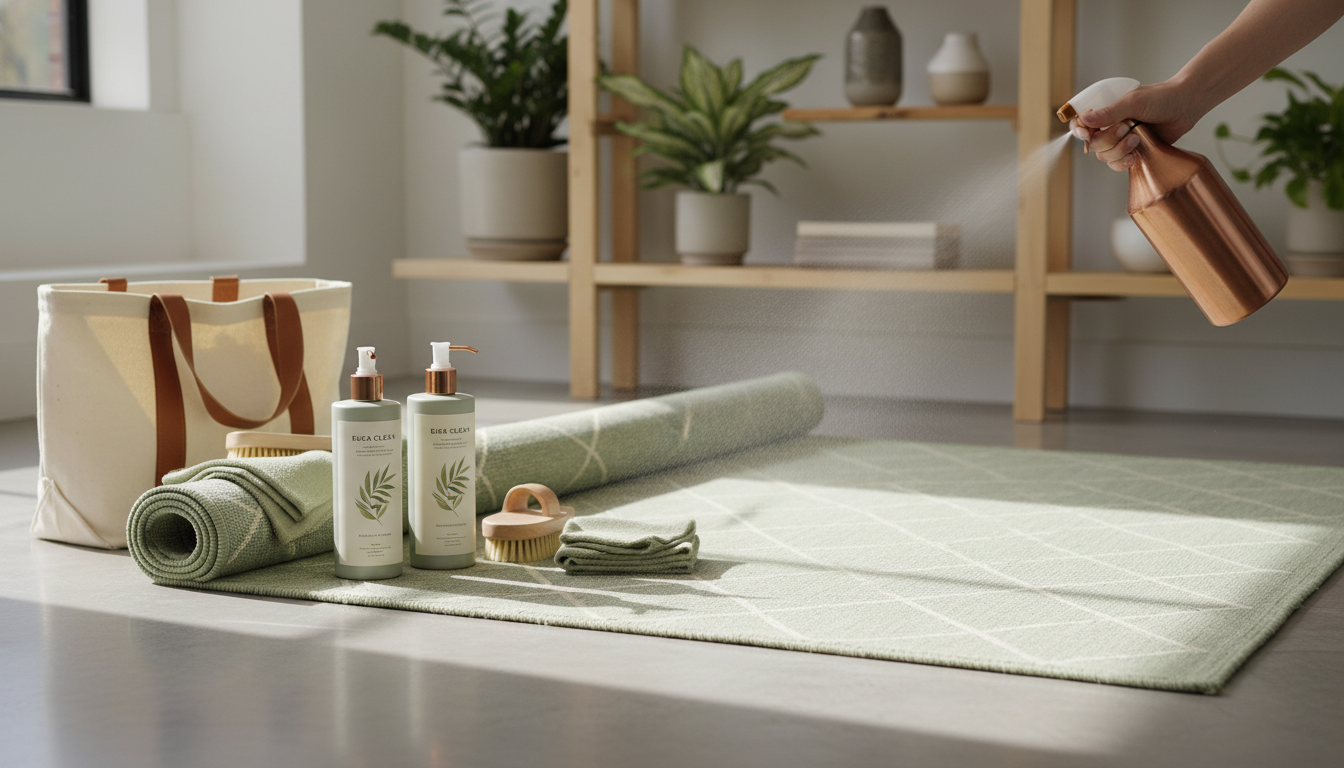
Preserving the ethereal glow of Tencel eucalyptus rugs 2026 requires a departure from standard carpet care. The microscopic smooth surface of the eucalyptus fiber is what creates its signature luster; however, this same smoothness can be compromised by stiff mechanical brushes found in standard upright vacuums.
- Suction-Only Cleaning: Always use a vacuum with the beater bar turned off. High-speed brushes can fray the delicate lyocell filaments, leading to a “fuzzy” appearance that dulls the rug’s natural sheen.
- Directional Grooming: For artisanal pieces, such as those curated by thebohorugs.com, experts recommend a velvet brush or a soft-bristled grooming rake to realign the pile once a month, ensuring light hits the fibers uniformly.
- Enzymatic Spot Treatment: Avoid harsh alkaline detergents. By 2026, specialized pH-neutral enzymatic cleaners designed specifically for bio-synthetic fibers have become the gold standard for removing organic spills without stripping the fiber’s structural proteins.
Environmental Shielding for Enduring Elegance
The 2026 forecast for high-end textiles emphasizes “preventative preservation.” While eucalyptus lyocell is naturally more UV-resistant than traditional silk, prolonged exposure to direct solar radiation in modern glass-walled residences can eventually alter the botanical dyes used in sustainable manufacturing.
- Advanced UV Filming: Pair your investment with museum-grade UV window films to protect the vibrant, earth-toned pigments of your rug.
- Strategic Rotation: Rotate your rug 180 degrees every six months. This ensures that even in high-traffic zones, the fiber compression remains balanced across the entire surface.
- Professional Hydrophobic Coatings: Many collectors are now opting for professional nano-coatings that create an invisible, breathable barrier against moisture, a must-have for maintaining Tencel eucalyptus rugs 2026 in humid or coastal climates.
The Heirloom Perspective
The shift toward sustainable luxury is not merely about the “now”; it is about creating the antiques of tomorrow. When sourced from reputable purveyors like thebohorugs.com, these rugs represent a fusion of artisanal hand-knotted heritage and cutting-edge material science. By adopting a “low-intervention” care philosophy, homeowners ensure that the luminous, cloud-like texture of their eucalyptus rugs remains a centerpiece of their interior narrative for decades to come.
The 2027 Outlook: The Future of Botanic Silk in Design
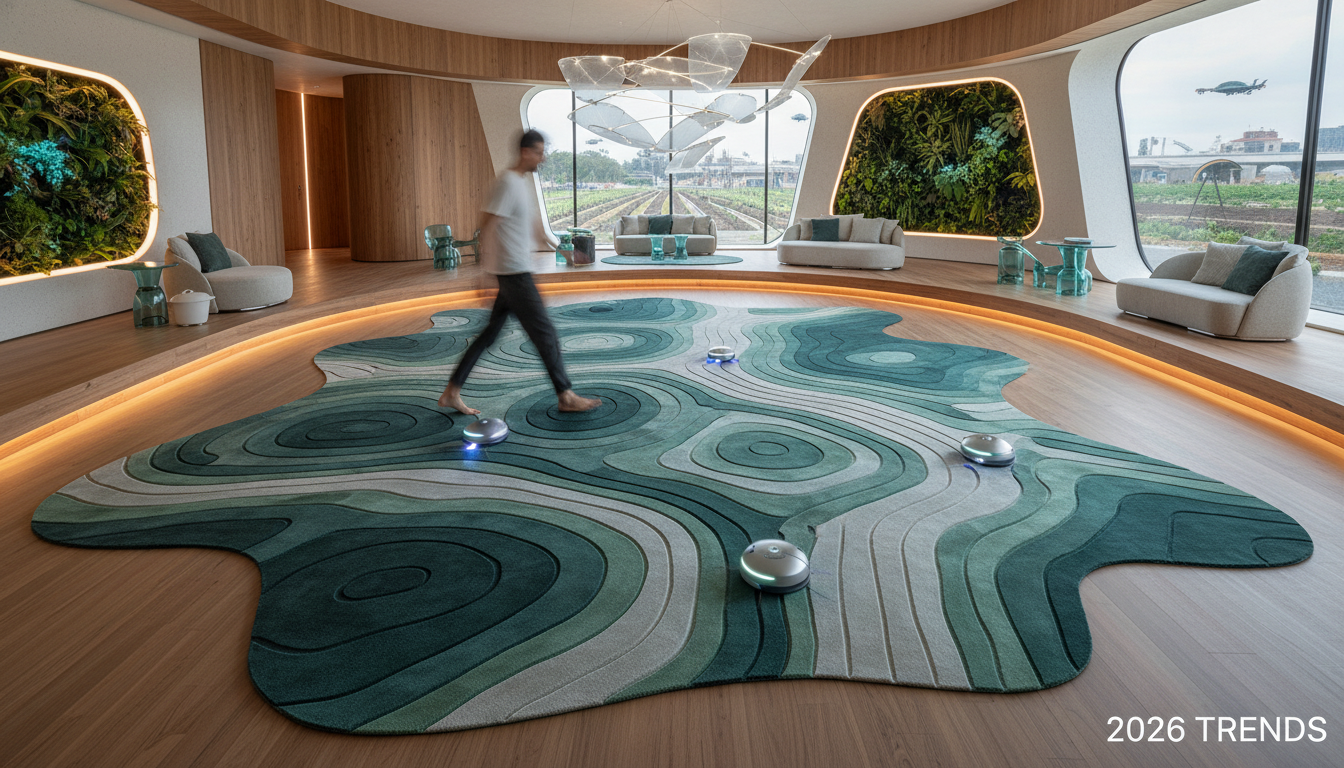
The Evolution of Bio-Luxe: Beyond the Silk Paradigm
As we transition into a new era of interior architecture, the reliance on traditional mulberry silk is being eclipsed by a more resilient, ethically superior protagonist. The market for Tencel eucalyptus rugs 2026 has moved beyond mere “eco-consciousness” into the realm of high-performance luxury, where the fiber’s natural cooling properties and luminous refraction are prized by top-tier designers.
By 2027, the industry anticipates a “Closed-Loop Renaissance.” Leading design houses are no longer viewing botanic silk as a secondary alternative but as the primary medium for high-traffic, high-fashion environments. This shift is driven by a sophisticated consumer base that demands the “Tencel-Cloud” softness without the fragility of legacy textiles.
Predicting the 2027 Aesthetic: Saturated Luster
While previous years focused on neutral, undyed fibers, the upcoming season will be defined by hyper-pigmentation. Eucalyptus fibers possess a unique cross-section that allows for deeper dye penetration than wool or viscose, leading to several key trends:
- Iridescent Monochromes: Single-color rugs that shift in hue based on light angles, mimicking the liquid-gold effect of heavy silk.
- Bio-Digital Textures: Patterns that replicate organic cellular structures, achieved through the precision of high-density Tencel weaving.
- Architectural High-Low Piles: Sculpted rugs where eucalyptus silk provides the high-sheen highlights against a matte wool base.
For collectors seeking this fusion of sustainability and avant-garde style, artisanal platforms like thebohorugs.com are already curating collections that bridge the gap between traditional hand-knotted techniques and future-proof materials.
The Durability Breakthrough of 2026
The defining characteristic of Tencel eucalyptus rugs 2026 is the “Molecular Lockdown” weaving technique. Unlike the viscose of the past—which was prone to shedding and yellowing—the latest eucalyptus iterations are engineered for longevity. This makes them suitable for residential spaces that refuse to compromise on tactile decadence.
- Enhanced Tensile Strength: Modern eucalyptus fibers are now processed to withstand higher foot traffic while maintaining their silk-like drape.
- Moisture Management: Naturally hypoallergenic and moisture-wicking, these rugs are becoming the standard for tropical and humid climates.
- Zero-VOC Footprints: Luxury is increasingly being measured by indoor air quality, a metric where botanic silk excels.
The future of design is undeniably rooted in the forest. As we look toward 2027, the “botanic silk” movement represents more than a trend; it is a permanent recalibration of what defines a premium interior investment. The sheen of the future isn’t just bright—it’s biologically intelligent.
Elevate Your Space
Discover the artistry of handmade luxury. Each rug is a masterpiece of tradition and modern design.
Expert Q&A
What exactly are Tencel eucalyptus rugs 2026 models?
These are high-end floor coverings made from Lyocell fibers derived from sustainably harvested eucalyptus trees, featuring the 2026 ‘Tencel-Cloud’ finish for maximum softness and sheen.
How does eucalyptus fiber compare to real silk?
Eucalyptus fiber mimics the iridescence and hand-feel of silk but offers greater durability and a significantly lower price point and environmental impact.
Is Tencel better than viscose for rugs?
Yes, Tencel is vastly superior to viscose as it is produced in a closed-loop system and features stronger fibers that do not lose structural integrity when wet.
Are Tencel eucalyptus rugs 2026 durable enough for high-traffic areas?
While softer than wool, the 2026 Tencel-Cloud variants are engineered for resilience, though they are best suited for medium-traffic areas like bedrooms and formal lounges.
Do eucalyptus rugs shed?
Eucalyptus rugs experience minimal shedding compared to wool, making them an excellent choice for maintaining a clean, contemporary aesthetic.
Are these rugs eco-friendly?
Yes, they are made from renewable wood pulp using non-toxic solvents in a closed-loop process that recycles 99% of the water and chemicals used.
How do I clean a Tencel eucalyptus rug?
Routine vacuuming with a brushless suction head and immediate blotting of spills is recommended. Professional dry cleaning is advised for deep maintenance.
Are Tencel eucalyptus rugs hypoallergenic?
Yes, the smooth fiber structure prevents the trapping of allergens and inhibits the growth of bacteria, making them ideal for sensitive households.
What is the ‘Tencel-Cloud’ technology mentioned?
It is a 2026 manufacturing refinement that increases the fiber’s surface area to reflect more light, resulting in a softer, more voluminous ‘cloud-like’ feel underfoot.
Can these rugs handle moisture?
Eucalyptus fibers are naturally moisture-wicking, but like all luxury fibers, they should not be saturated with water to prevent texture changes.
Do they fade in sunlight?
The 2026 collections use advanced biophilic pigments that offer higher UV resistance than traditional vegetable dyes, though direct long-term exposure should be managed.
What colors are trending for Tencel eucalyptus rugs 2026?
Muted iridescents, sage greens, warm terracottas, and ‘ethereal silver’ are the dominant color palettes for the 2026 season.
Are eucalyptus rugs soft enough for a nursery?
Absolutely. Their silk-like texture is exceptionally gentle on skin, making them a preferred luxury choice for high-end nurseries.
How do they contribute to indoor air quality?
As botanic fibers, they do not off-gas harmful VOCs, contributing to a healthier and more breathable indoor environment.
What is the price range for these rugs?
They occupy the mid-to-high luxury tier, generally more expensive than cotton or synthetic rugs but more accessible than pure hand-knotted silk.
Do eucalyptus rugs have a smell?
No, they are odorless and processed to be neutral, unlike some synthetic rugs that carry a chemical scent.
Can I use a rug pad with Tencel?
Yes, a high-quality felt or rubber pad is recommended to prevent slipping and to add an extra layer of cushioning for the delicate fibers.
Are they vegan-certified?
Most eucalyptus rugs are inherently vegan as they use zero animal by-products, aligning with the 2026 shift toward cruelty-free luxury.
How do they affect room acoustics?
The dense ‘Tencel-Cloud’ weave provides excellent sound dampening, making them ideal for large, minimalist spaces with hard surfaces.
What is the ‘Art for the Floor’ concept?
It refers to the 2026 trend of treating rugs as central aesthetic statements—comparable to fine art—rather than just functional floor coverings.
Can eucalyptus rugs be layered?
Yes, layering a high-sheen Tencel rug over a larger jute or flatweave wool rug is a key 2026 styling technique for added texture.
What is the lifespan of a Tencel eucalyptus rug?
With proper care, a high-quality eucalyptus rug can last 10-15 years, depending on the traffic and maintenance frequency.
Are they prone to static?
No, eucalyptus fibers are naturally anti-static, unlike many synthetic fibers like polyester or nylon.
Do they flatten over time?
Like all plush rugs, some compression occurs in heavy furniture spots, but the resilience of Tencel fibers allows them to be revived with gentle grooming.
Why are they called ‘Sustainable Luxury’?
Because they offer the visual and tactile opulence of silk while utilizing a regenerative, carbon-neutral manufacturing process.
Is Tencel the same as Bamboo silk?
While similar in sheen, Tencel (Lyocell) is generally considered more sustainable and durable due to the specific closed-loop eucalyptus processing method.
Can these rugs be customized?
Many boutique designers for 2026 offer bespoke Tencel eucalyptus rugs in specific dimensions and biophilic color gradients.
Do they require a special vacuum?
A vacuum without a beater bar (suction only) is essential to avoid fraying the delicate high-sheen fibers.
Are they biodegradable?
Yes, as a cellulose-based fiber, eucalyptus Tencel is fully biodegradable at the end of its life cycle.
Where is the best place to buy Tencel eucalyptus rugs 2026?
Look for specialized sustainable luxury retailers like TheBohoRugs that focus on eco-certified botanic silk and artisanal craftsmanship.
Written by TheBohoRugs Interior Design Team
Experts in handmade rugs, boho interiors, and modern home decor.