

As we approach 2026, the boundary between nature and the domestic sphere continues to dissolve, giving way to a movement we call ‘Biophilic Fiber Fusion’. This trend elevates the humble floor covering into a three-dimensional masterpiece. Sculptural organic rugs are no longer just accessories; they are tactile landscapes that mimic the irregular beauty of the natural world. In this report, we explore how hand-carved textures and sustainable fibers are redefining luxury living.
“Sculptural organic rugs are the definitive interior design trend of 2026, characterized by high-low pile heights, irregular silhouettes, and biophilic patterns that mimic natural topographies. These ‘Art for the Floor’ pieces use fiber fusion techniques—blending wool, silk, and jute—to create tactile experiences that promote wellness and aesthetic depth in modern living spaces.”
The Roadmap
Table of Contents
- The Philosophy of Biophilic Fiber Fusion
- Defining Sculptural Organic Rugs as Functional Art
- Material Innovation: Sustainable Fibers for 2026
- The Art of Layering: Creating Depth with Texture
- Color Theory: Earth-Inspired Palettes
- Spatial Curation: Where to Place Sculptural Pieces
- The Durability Factor: Caring for Multi-Dimensional Rugs
- Forecasting the Future of Organic Interior Design
The Philosophy of Biophilic Fiber Fusion

In the evolving landscape of interior design, we are witnessing a profound shift away from rigid, clinical minimalism toward a more soulful, sensory-driven aesthetic. At the heart of this movement is “Biophilic Fiber Fusion,” a concept that treats the floor not as a flat surface, but as a living topographical map. By integrating sculptural organic rugs into modern living spaces, designers are bridging the gap between raw nature and refined architecture.
This philosophy goes beyond mere decoration; it is about the visceral connection between humans and the materials they inhabit. As we look toward 2026, the demand for interiors that foster emotional well-being is skyrocketing. Sculptural organic rugs serve as the foundational element of this trend, utilizing varied pile heights and irregular silhouettes to mimic the uneven, comforting textures found in the wild.
The “fusion” aspect refers to the sophisticated blending of different sustainable fibers—such as high-luster wool, hand-spun silk, and rugged jute—to create a multi-dimensional experience. This approach transforms a room into a sanctuary, where the tactile feedback of the floor provides a grounding influence in an increasingly digital world.
A Sensory Revolution in Floor Coverings
Modern interiors are often criticized for being too “sharp” or “cold.” The rise of sculptural organic rugs addresses this by introducing soft, flowing lines that replicate the curves of riverbeds, cloud formations, and forest floors. These pieces function as functional art, breaking the monotony of rectangular rooms and providing a focal point that invites touch.
When we discuss fiber fusion, we are talking about the interplay of light and shadow on the rug’s surface. By carving patterns directly into the pile, weavers create a 3D effect that changes throughout the day as natural light moves across the room. This kinetic quality is what makes sculptural organic rugs a staple for the 2026 design season.
Consider the following examples of biophilic elements currently trending:
- Moss-Mimicry: Using variegated greens and high-low wool piles to simulate a forest floor.
- Sedimentary Layering: Rugs that feature earth tones arranged in flowing, wavy patterns like canyon walls.
- Eroded Edge Design: Forgoing traditional rectangular borders for “live edges” that bleed naturally into the hardwood or stone flooring.
The Art of Multi-Dimensional Layering
One of the most exciting developments in the biophilic fiber fusion movement is the technique of layering. Instead of using a single large carpet, designers are now stacking sculptural organic rugs of different sizes, shapes, and textures to create a customized “landscape” within the home. This layering adds depth and a sense of luxury that flat-weave rugs simply cannot achieve.
To master this look, one might start with a low-profile jute base and overlay it with a smaller, plush wool piece featuring heavy carving. This contrast between the coarse, rustic base and the soft, elevated top layer exemplifies the “fusion” philosophy. It creates a rich, curated environment that feels both sophisticated and deeply connected to the earth.
For those looking to bring this high-end artisanal quality into their own homes, sourcing is key. At thebohorugs.com, you can find a curated selection of premium handmade pieces that embody these principles. Their collection of sculptural organic rugs focuses on sustainable craftsmanship, ensuring that your design choices support both your aesthetic vision and the planet.
Material Integrity and Sustainable Sourcing
In 2026, luxury is defined by transparency and material integrity. Biophilic fiber fusion relies heavily on undyed wools, organic cottons, and recycled silks. These materials are not only eco-friendly but also possess natural variations in color and texture that synthetic fibers cannot replicate. These imperfections are celebrated, adding to the “organic” feel of the space.
The process of creating sculptural organic rugs often involves hand-shearing and hand-tufting techniques that have been passed down through generations. When you choose a rug from a dedicated purveyor like thebohorugs.com, you are investing in a piece that tells a story of heritage and ecological respect. This connection to the maker is a vital component of the biophilic philosophy.
Key materials used in these fusion designs include:
- New Zealand Wool: Prized for its durability and ability to hold complex architectural shapes.
- Bamboo Silk: Adds a soft sheen that mimics the way sunlight hits water or dew on grass.
- Hemp and Sisal: Provide the structural grit and earthiness required for a truly “grounded” feel.
Designing for Future Well-Being
The ultimate goal of incorporating sculptural organic rugs into your home is to improve your quality of life. Research into biophilic design suggests that surrounding ourselves with natural patterns and textures can lower cortisol levels and improve cognitive function. By treating our floors as a canvas for organic expression, we create an environment that nurtures the soul.
As we move further into the decade, expect to see even more radical interpretations of fiber fusion. We will see rugs that climb slightly up walls, pieces with integrated lighting, and designs that utilize “smart” natural fibers to regulate room humidity. However, the core will always remain the same: a deep, unwavering appreciation for the beauty of the natural world expressed through the medium of fiber.
When selecting your next piece, remember that sculptural organic rugs are more than just furniture—they are an investment in your home’s atmosphere. Whether you are looking for a bold statement piece or a subtle, textured neutral, focusing on the fusion of high-quality fibers will ensure your space remains timeless, comfortable, and profoundly beautiful well into 2026 and beyond.
Defining Sculptural Organic Rugs as Functional Art
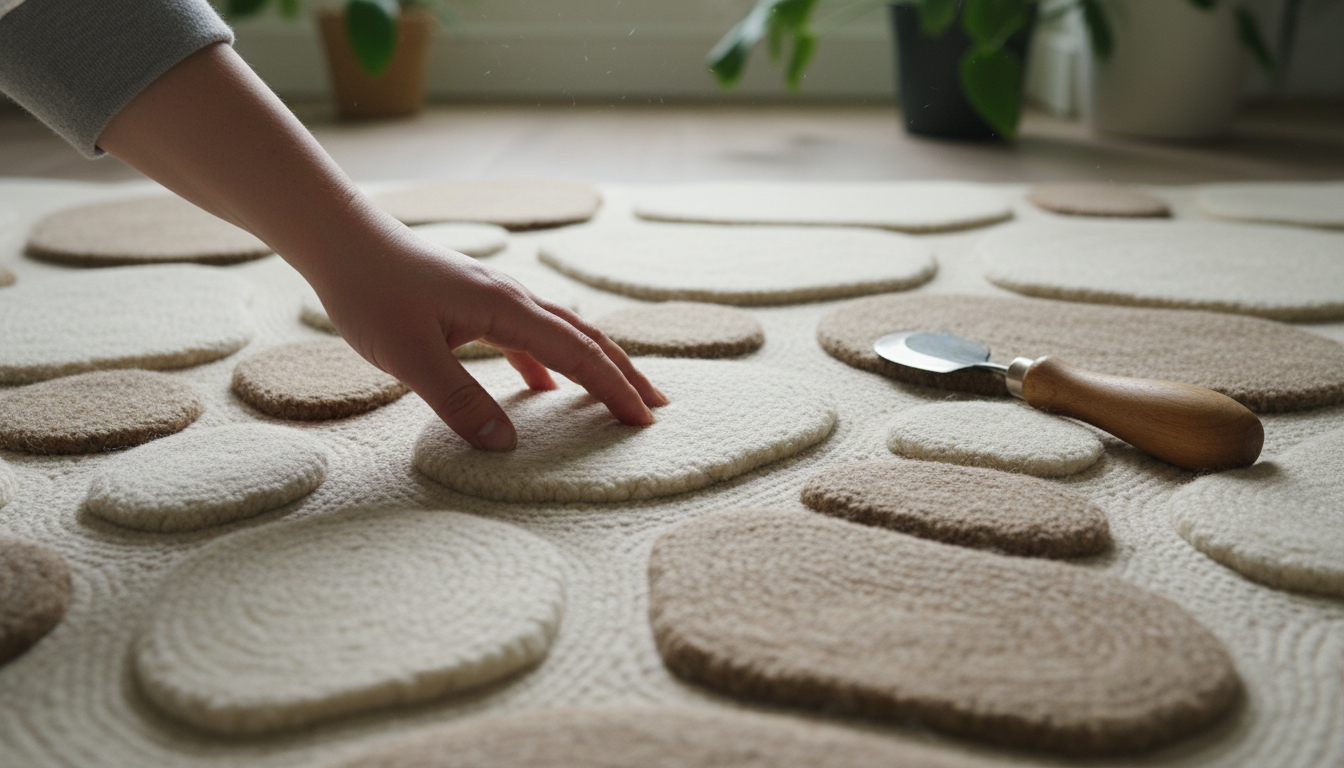
As we look toward the interior design landscape of 2026, the concept of floor coverings is undergoing a radical metamorphosis. No longer viewed as simple rectangular overlays, sculptural organic rugs are emerging as the focal point of the modern, biophilic home. This shift signifies a departure from the “fast furniture” era toward a deep appreciation for “functional art”—pieces that serve a purpose while doubling as high-end gallery installations.
The core of this movement lies in the rejection of rigid symmetry. Traditional rugs often adhere to strict geometric grids, but the next generation of sculptural organic rugs embraces the fluid, imperfect lines found in nature. These pieces mimic the undulating curves of a riverbed, the rhythmic patterns of sand dunes, or the cellular structures of botanical life, bringing a sense of movement to static rooms.
By prioritizing texture over simple color patterns, designers are creating depth that can be felt as much as seen. In the upcoming seasons, we expect to see a surge in “fiber fusion,” where various natural materials are woven at varying heights to create a three-dimensional landscape underfoot. This tactile diversity is what truly defines sculptural organic rugs as the ultimate expression of the 2026 biophilic trend.
The Anatomy of a Sculptural Masterpiece
To understand why these rugs are considered art, one must look at the craftsmanship involved in their creation. Unlike mass-produced carpets, a sculptural organic rug often utilizes hand-tufting or hand-knitting techniques that allow for varying pile heights. This creates a “topographic” effect, where some areas of the rug are plush and towering while others are sheared low or left as flat-weave foundations.
The materials used in these designs are as important as the shapes themselves. Designers are moving toward sustainable, high-integrity fibers that reflect the organic theme. Common materials include:
- New Zealand Wool: Used for its durability and ability to hold complex, 3D shapes without losing resilience.
- Raw Silk and Viscose: Integrated into “high” points of the rug to catch the light and mimic the shimmer of water.
- Undyed Jute and Hemp: Providing a rugged, earthy contrast to softer wool elements.
- Sustainable Tencel: A favored choice for 2026 due to its eco-friendly footprint and silky texture.
When you invest in a piece from a specialist like thebohorugs.com, you aren’t just buying a floor covering; you are acquiring a handcrafted item where every knot and shear contributes to a larger narrative of natural beauty and artisan skill.
Why Texture is the New Color for 2026
In previous years, bold prints and vibrant dyes dominated the rug industry. However, the 2026 aesthetic favors a “quiet luxury” approach where sculptural organic rugs use shadow and light to create visual interest. Because these rugs feature varying depths, the way light hits the surface throughout the day changes the look of the room, offering a dynamic experience that flat rugs cannot replicate.
This “shadow-play” is particularly effective in monochromatic or neutral-toned rooms. A cream-colored sculptural organic rug can appear to have dozens of different shades simply because of the shadows cast by its high-low pile. This allows for a sophisticated, minimalist look that doesn’t feel cold or empty, as the rug provides all the “visual noise” necessary to ground the space.
The psychological impact of these rugs shouldn’t be overlooked. Biophilic design suggests that humans have an innate connection to natural forms. Walking barefoot over the varied textures of a sculptural organic rug provides a grounding, sensory experience that reduces stress and enhances the feeling of sanctuary within the home.
Examples of Organic Layering and Shape
Integrating these pieces into a home requires a shift in how we think about layout. Instead of aligning a rug with the edges of a sofa, a sculptural organic rug often breaks the rules of alignment. They work best when they “bleed” into other areas of the room, acting as a bridge between different furniture groupings.
Consider these popular sculptural motifs currently trending for 2026:
- The Eroded Edge: Rugs with “unfinished” or frayed-look borders that look like naturally weathered stone.
- The Mossy Mound: Circular rugs with clusters of high-pile wool that mimic the look of forest floor moss.
- The Terrazzo Relief: Rugs that use different fiber heights to recreate the look of stone chips in a 3D format.
- The Fluid Amoeba: Irregularly shaped rugs that lack any straight edges, perfect for softening harsh architectural lines.
For those looking to achieve this high-end look, sourcing is key. The curated selection of premium handmade pieces at thebohorugs.com provides the necessary quality and unique silhouettes required to pull off these complex, layered looks effectively.
The Art of Layering Sculptural Textures
One of the most exciting ways to use sculptural organic rugs in 2026 is through the art of layering. Designers are no longer settling for a single rug. Instead, they are placing a smaller, highly textured sculptural piece atop a larger, low-profile natural fiber base, such as a large jute or sisal rug.
This layering technique serves two purposes. First, it defines a specific “zone” within a larger room, such as a reading nook or a coffee table area. Second, it emphasizes the 3D nature of the top rug. When a sculptural organic rug is placed on a flat surface, its peaks and valleys become even more pronounced, highlighting its status as a piece of functional art.
As we move further into the decade, the home will continue to evolve into a space for healing and artistic expression. By choosing sculptural organic rugs, you are choosing to bring the outdoors in, celebrating the beautiful irregularities of the natural world while providing a luxurious, tactile foundation for your daily life. Whether you are seeking a statement piece for a minimalist loft or a cozy addition to a bohemian bedroom, these rugs represent the future of intentional, biophilic living.
Material Innovation: Sustainable Fibers for 2026

As we approach 2026, the interior design landscape is shifting toward a sensory-first approach. The era of flat, mass-produced floor coverings is fading, making way for sculptural organic rugs that act as the foundation of biophilic living spaces. This evolution is driven by a desire for “fiber fusion,” where various sustainable materials are blended to create 3D landscapes underfoot.
The innovation in 2026 focuses on the marriage of raw aesthetics and high-performance sustainability. Homeowners are no longer satisfied with visual appeal alone; they want to feel the ridges of hand-spun wool and the grounding coarseness of processed jute. This tactile demand is precisely what makes sculptural organic rugs the definitive trend for the upcoming design seasons.
The Rise of Regenerative Wool and Wild Silk
Wool remains the gold standard for luxury flooring, but the 2026 iteration focuses on regenerative farming practices. By utilizing wool that retains its natural lanolin, designers are able to create high-pile sections in sculptural organic rugs that naturally repel stains while maintaining a soft, cloud-like bounce. This material is often paired with wild silk to add a subtle, shimmering contrast to the matte finish of the fiber.
When these fibers are fused, the result is a multi-dimensional surface. The silk is often used in the lower “valleys” of the rug’s pattern, while the wool forms the “peaks.” This height variation is essential for the 3D effect that defines modern sculptural organic rugs. Examples of these material pairings include:
- High-twist New Zealand wool layered over a base of recycled sari silk.
- Undyed Tibetan wool used to create topographical maps of texture.
- Merino blends that offer a plush contrast to flat-woven geometric borders.
Blending Plant-Based Fibers for Structural Integrity
To achieve the architectural shapes required for 2026’s interior trends, designers are turning to sturdier plant-based fibers. Jute, hemp, and sisal are being reimagined through advanced softening techniques. These fibers provide the “sculptural” element by holding their shape better than softer wools, allowing for crisp edges and defined organic patterns.
In 2026, we see a rise in “cabled” plant fibers, where hemp is twisted into thick ropes before being woven into the rug. This technique adds a rustic, grounding element to sculptural organic rugs, making them perfect for high-traffic biophilic zones like sunrooms or entryways. The juxtaposition of a rough hemp base with soft tufted wool accents creates a sophisticated “Fiber Fusion” look.
For those looking to invest in these sophisticated textures, thebohorugs.com provides a curated selection of premium handmade pieces. Their collection highlights the beauty of natural materials, offering sculptural organic rugs that bridge the gap between traditional craftsmanship and futuristic 2026 design trends.
Innovative Seaweed and Eucalyptus Tencel
One of the most exciting material innovations for 2026 is the integration of seaweed-based fibers. These fibers are carbon-neutral and offer a silk-like sheen that is incredibly durable. When combined with Eucalyptus Tencel, they create a moisture-wicking and hypoallergenic surface. This is particularly beneficial for creating sculptural organic rugs meant for bedrooms or wellness-focused spaces.
The use of Tencel allows for vibrant, botanical-inspired colors without the use of harsh chemical dyes. Because Tencel takes pigment so well, it can be used to create ombre effects that follow the physical “carving” of the rug. This enhances the organic feel, mimicking the way light and shadow play across a natural landscape or a mossy forest floor.
- Seaweed Fiber: Provides a cool-to-the-touch sensation and natural antibacterial properties.
- Eucalyptus Tencel: Adds a lustrous finish that mimics the look of expensive silk at a fraction of the environmental cost.
- Recycled Cotton: Often used as the “warp” or structural skeleton to ensure the rug maintains its shape over time.
The Importance of Hand-Carved Artistry
While the fibers themselves are innovative, the “sculptural” aspect of sculptural organic rugs is often achieved through meticulous hand-shearing. Artisans use specialized tools to cut different pile heights into the rug after it has been woven. This process requires a deep understanding of how different fibers—like wool versus jute—react to being cut.
This artisanal touch ensures that no two rugs are exactly alike, aligning with the 2026 trend of “hyper-personalization.” A hand-carved rug catches the light differently throughout the day, revealing hidden patterns and depths. It is this level of detail that elevates a standard floor covering into a piece of functional art.
By sourcing your interior staples from thebohorugs.com, you are supporting the continuation of these ancient hand-weaving techniques. Their commitment to premium handmade quality ensures that your sculptural organic rugs will not only be on-trend for 2026 but will remain a durable centerpiece of your home for decades to come.
Future-Proofing Your Home with Fiber Fusion
As we look toward the 2026 aesthetic, the focus is clearly on longevity and environmental harmony. The fusion of diverse sustainable fibers allows for rugs that are resilient, beautiful, and compostable at the end of their long life cycle. Sculptural organic rugs are more than just a passing fad; they represent a move back to nature-inspired complexity in a world that is becoming increasingly digital.
When selecting your next piece, look for a high percentage of natural fibers and verify the construction method. A true sculptural rug should have a noticeable weight and a varied landscape that encourages you to walk barefoot. Embracing these material innovations today will ensure your home feels grounded, luxurious, and perfectly aligned with the biophilic movement of the future.
The Art of Layering: Creating Depth with Texture
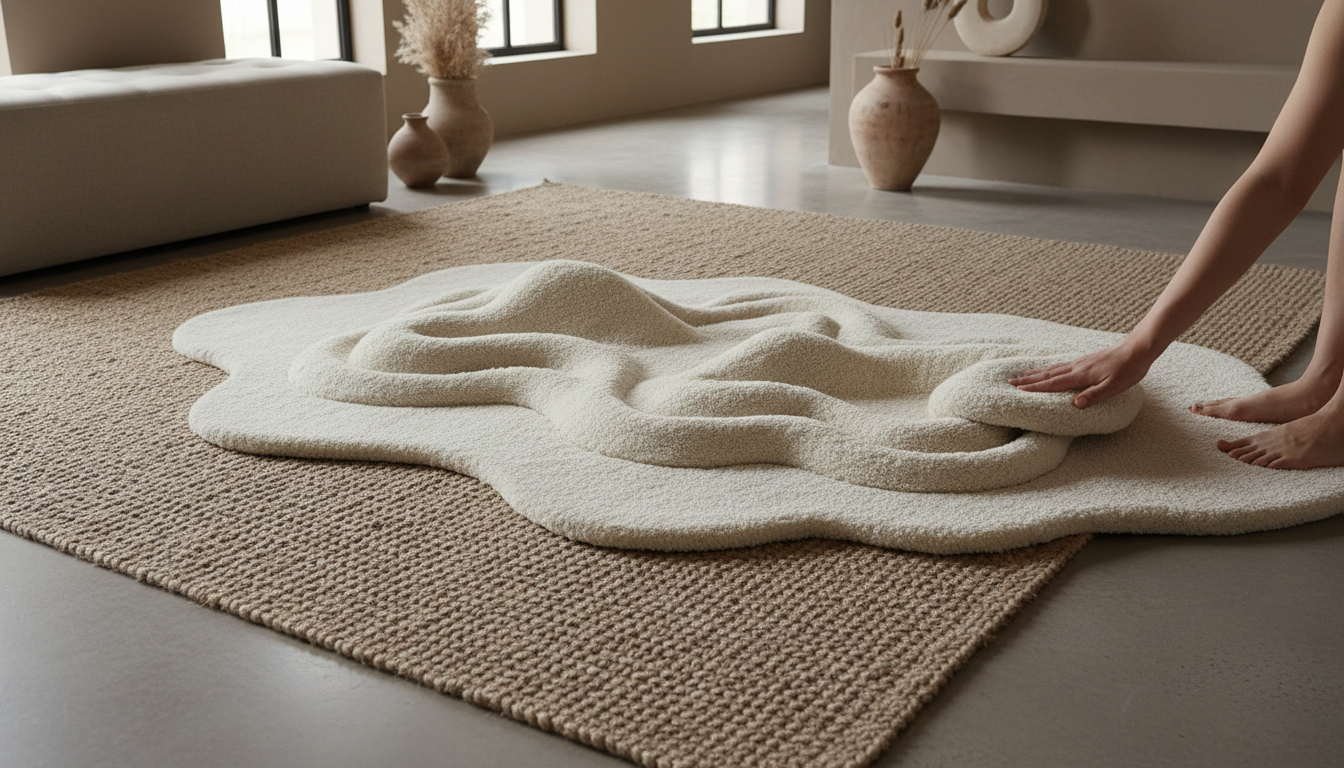
In the evolving landscape of 2026 interior design, layering has moved beyond simple aesthetics into a sensory-focused experience. By combining different pile heights and material densities, homeowners can craft a living space that feels both grounded and avant-garde. This technique is particularly effective when working with sculptural organic rugs, which provide the physical relief and visual intrigue necessary to anchor a room.
The core of this trend lies in the “Fiber Fusion” movement—a blend of raw, plant-based materials and refined, hand-tufted wools. This contrast creates a topography within the home, mimicking the uneven but harmonious surfaces found in nature. Layering allows for a customized level of comfort, where the floor becomes a canvas for 3D artistry rather than just a functional surface.
Foundational Textures: Setting the Stage
Every successful layered look starts with a high-quality foundation. For 2026, designers are looking toward oversized, flatweave bases made from sustainable jute, sisal, or hemp. These materials offer a neutral, rugged backdrop that emphasizes the intricate details of sculptural organic rugs placed on top.
The base layer should ideally extend beyond the furniture grouping, creating a “zone” of texture. By using a low-profile natural fiber rug as the bottom layer, you provide a stable, breathable surface that prevents the heavier, more artistic top layers from sliding or appearing bulky. This combination of “rough and smooth” is a hallmark of the modern biophilic aesthetic.
To achieve this look effectively, consider these foundational combinations:
- A bleached jute oversized rectangle paired with an asymmetrical wool centerpiece.
- Dark, charcoal sisal layered under cream-toned, high-pile sculptural organic rugs.
- Recycled PET outdoor-safe flatweaves used as a base for silk-blend statement pieces.
Strategic Placement for Visual Impact
The placement of the secondary layer is where the “sculptural” element truly shines. Instead of centering every piece perfectly, the 2026 trend encourages off-kilter arrangements. Positioning sculptural organic rugs at a slight angle or partially overlapping the edge of a base rug creates a sense of movement and organic growth.
This approach works exceptionally well in open-concept living areas. By using the rug as a focal point, you can define specific functional areas—like a reading nook or a conversation circle—without the need for physical walls. The varying heights of the fibers naturally draw the eye, making the rug the “hero” of the interior design scheme.
When selecting your statement piece, look for designs that feature hand-carved gradients. At thebohorugs.com, you can discover a curated selection of premium handmade rugs that embody this 3D philosophy. Investing in sculptural organic rugs from specialized artisans ensures that the textures remain resilient and the patterns retain their definition over years of use.
Contrasting Fibers for 2026 Spaces
The “fusion” in Biophilic Fiber Fusion refers to the intentional mixing of disparate materials. In 2026, we are seeing a shift toward “hyper-texturality.” This involves placing high-luster silk or Tencel accents against matte, rugged wool. These sculptural organic rugs often use carving techniques to separate these materials, making the patterns pop physically from the surface.
For example, a rug might feature a “moss” effect created by clumps of high-pile New Zealand wool interspersed with flat-shorn linen sections. This tactile variety is not just for show; it stimulates the feet and enhances the acoustic quality of a room. The more varied the texture, the better the sound absorption, which is vital for modern, minimalist architecture.
The Geometric Evolution of Organic Shapes
We are moving away from the strict constraints of rectangles and circles. The most sought-after sculptural organic rugs for the upcoming seasons feature “living edges”—outlines that mimic riverbeds, stone formations, or cellular structures. These irregular borders break the “boxiness” of standard rooms and introduce a fluid energy into the space.
When layering these irregular shapes, the goal is to create a “puddle” effect. Imagine the top rug as a natural element that has “overflowed” onto the base layer. This adds a level of sophistication that standard rug-on-rug layering simply cannot match. It transforms the floor into a landscape rather than a flat plane.
Key shapes to look for include:
- Amorphous “blob” shapes with varying heights.
- Long, winding “pathway” rugs for hallways and transitional spaces.
- Fragmented designs that look like cracked earth or cooling lava.
Achieving Acoustic and Thermal Comfort
Beyond the undeniable visual appeal, layering sculptural organic rugs serves a highly practical purpose in the 2026 home. As homes become more integrated with hard surfaces like polished concrete and sustainable stone, the need for “soft architecture” grows. Two layers of fiber provide significantly more thermal insulation than one, helping to regulate room temperature naturally.
Furthermore, the multi-level surfaces of sculptural organic rugs act as natural sound diffusers. In an era where home offices and quiet retreats are essential, the ability of a rug to dampen echoes is a luxury in itself. By choosing premium handmade rugs from thebohorugs.com, you are opting for high-density knots that offer superior sound-deadening properties compared to mass-produced alternatives.
Ultimately, the rise of biophilic fiber fusion is about returning to a more tactile, grounded way of living. By mastering the art of layering, you create a sanctuary that honors the irregularities of the natural world. Whether you are highlighting a minimalist loft or adding warmth to a traditional home, sculptural organic rugs provide the depth, character, and soul needed for the next generation of interior excellence.
Color Theory: Earth-Inspired Palettes
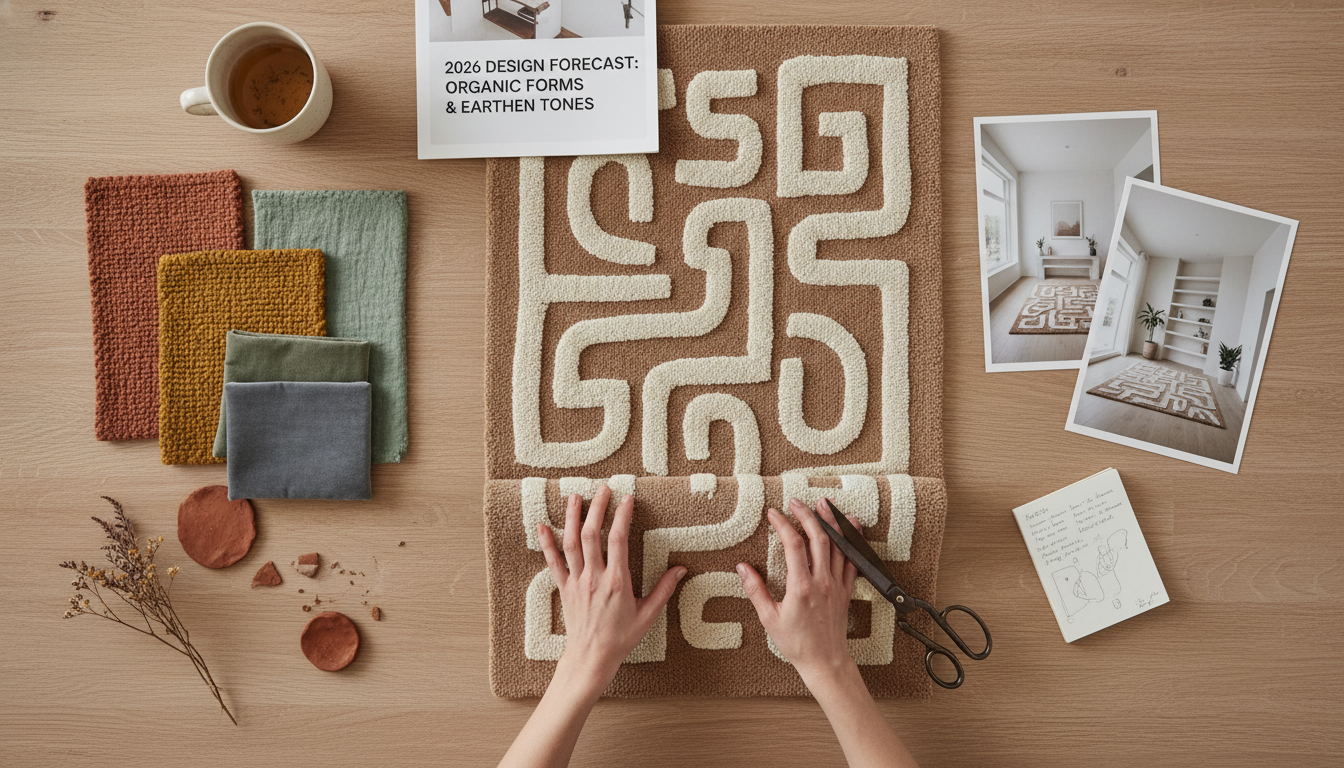
The transition toward 2026 interior design is marked by a profound return to the sensory foundations of the natural world. While previous years focused on stark minimalism, the new era of biophilic fiber fusion emphasizes a rich, tactile experience where color serves as the bridge between architecture and the environment. At the heart of this movement are sculptural organic rugs that utilize earth-inspired palettes to create a sense of grounding and tranquility within the home.
Color theory in 2026 moves away from synthetic, high-saturation hues in favor of pigmented neutrals and deep botanical undertones. These colors are designed to mimic the variegation found in minerals, soil, and flora. When applied to sculptural organic rugs, these palettes do more than just fill a space; they define the contours of the room, using shadow and light to emphasize the three-dimensional nature of the fibers.
The Rise of Pigmented Earth Neutrals
We are seeing a departure from the “cool grey” era, moving instead toward what designers call “living neutrals.” These are shades of oatmeal, raw clay, and sun-bleached stone that feel warm and breathable. In sculptural organic rugs, these neutral tones allow the physical topography of the rug to take center stage, as the lack of jarring color contrast forces the eye to focus on the high-low pile and carved edges.
Consider the following neutral combinations for a sophisticated biophilic look:
- Sand and Silt: Layering a light beige base with deeper tan accents to mimic the shifting dunes of a desert landscape.
- Raw Ochre and Terracotta: Using warm, clay-like oranges to bring a sense of sun-drenched energy into a north-facing living room.
- Weathered Basalt: Deep, charcoal-adjacent tones that provide a heavy visual anchor without the harshness of true black.
By selecting sculptural organic rugs in these “new neutrals,” homeowners can create a versatile foundation that evolves with the changing light throughout the day. For those looking to source these specific artisanal shades, the curated collection at thebohorugs.com offers a range of premium handmade options that perfectly embody this grounded aesthetic.
Botanical Infusions and Mossy Undertones
As we move deeper into the 2026 forecast, “Forest Bathing” aesthetics are manifesting through deep greens and muted teals. These colors work exceptionally well with sculptural organic rugs that feature leaf-like patterns or flowing, river-inspired linework. The key is to avoid “bright” greens, opting instead for desaturated shades like sage, olive, and hunter green.
These botanical tones are often paired with natural jute or undyed wool to create a “biophilic fiber fusion” that feels as though it was harvested directly from a woodland floor. The 3D elements of the rug enhance this effect, as the shadows cast by the sculptural ridges mimic the dappled light found under a forest canopy.
The Psychology of Mineral Tones
The 2026 color palette isn’t just about beauty; it is rooted in environmental psychology. Mineral tones such as lapis blue, oxidized copper, and hematite silver are being used to create “restorative zones” within the home. When these colors are woven into sculptural organic rugs, they provide a visual coolness that lowers the heart rate and promotes a state of mindfulness.
Examples of mineral-inspired layering include:
- Oxidized Copper: A muted teal-green that pairs beautifully with mid-century modern wood furniture.
- Dusty Amethyst: A soft, earthy purple that adds a touch of luxury without feeling overly feminine or artificial.
- Slate Blue: A grey-leaning blue that evokes the feeling of a mountain lake, providing a calming backdrop for office spaces.
Choosing sculptural organic rugs in these mineral hues allows for a sophisticated “pop” of color that remains sophisticated and timeless. High-quality handmade pieces, such as those found at thebohorugs.com, ensure that these subtle pigment variations are preserved through traditional dyeing techniques, offering a depth of color that machine-made rugs simply cannot replicate.
Mastering the Art of Layering Tone-on-Tone
Layering is the secret to achieving the 2026 biophilic look. Instead of searching for a single rug that does it all, designers are layering multiple sculptural organic rugs in slightly different shades of the same color family. For instance, a large, flat-weave rug in a “mushroom” brown can be topped with a smaller, highly textured sculptural piece in a “driftwood” grey.
This “tone-on-tone” layering creates a rich, curated look that feels organic rather than staged. It allows the textures of the sculptural organic rugs to interact, creating a landscape of fibers underfoot. This technique is particularly effective in large open-plan spaces where you want to define specific zones—like a reading nook or a conversation pit—without using physical dividers.
Durability and Natural Pigments
Sustainability is a core pillar of the 2026 design ethos. Earth-inspired palettes are most successful when they utilize natural, vegetable-based dyes or undyed wool. These methods produce colors that are slightly irregular, adding to the “organic” feel of sculptural organic rugs. Furthermore, high-quality wool and silk blends are naturally stain-resistant, ensuring that your investment in a premium rug stays vibrant for years.
When you browse the selection at thebohorugs.com, you are viewing pieces crafted with these longevity principles in mind. Their commitment to premium materials means the sculptural organic rugs you choose today will remain the centerpiece of your biophilic home well into the next decade. Investing in handmade quality is the ultimate way to honor the earth-inspired color theory of the future.
Light Interaction and Fiber Depth
Finally, it is essential to consider how your chosen palette interacts with natural light. Because sculptural organic rugs have varying pile heights, they create their own internal shadows. A deep terracotta rug might look like a bright sunset in the morning but transform into a moody, burnt umber in the evening as the shadows lengthen across its carved surfaces.
This dynamic nature of sculptural organic rugs is what makes them the definitive flooring choice for 2026. They are living pieces of art that change with the environment, perfectly capturing the essence of biophilic design. By choosing earth-inspired palettes, you aren’t just decorating a room; you are bringing the rhythmic beauty of the natural world indoors.
Spatial Curation: Where to Place Sculptural Pieces
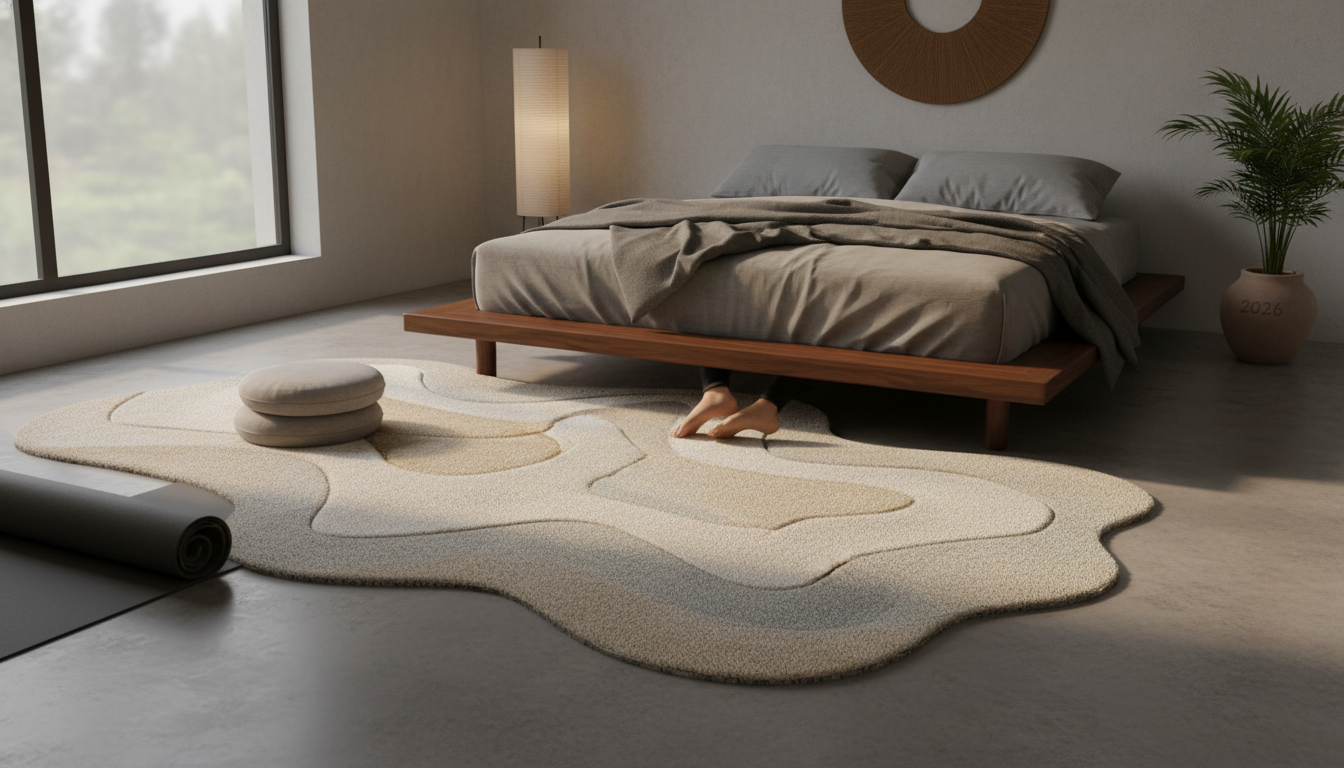
The mastery of biophilic design lies in the deliberate orchestration of texture and form to mimic the restorative power of nature. When integrating sculptural organic rugs into a contemporary interior, the placement dictates the emotional resonance of the room. It is no longer about simply centering a rectangle under a coffee table; it is about creating a topographical landscape that guides the eye and the foot.
Spatial curation requires an understanding of how floor coverings interact with architectural boundaries. By utilizing these fluid, non-linear pieces, you can soften the harsh angles of modern construction and introduce a sense of “wild” rhythm into a structured environment. These rugs serve as the foundational anchor for the 2026 “Fiber Fusion” aesthetic.
The Living Room: Creating Islands of Topography
In the living room, the primary objective is to foster a sense of gathering and grounding. Instead of a traditional wall-to-wall approach, designers are now layering sculptural organic rugs over larger, flat-weave foundations like sisal or jute. This technique creates a “high-relief” effect that draws attention to the central social zone.
Consider placing an asymmetrical, high-pile wool piece partially under a modular sofa, allowing the organic edges to spill out into the walking path. This breaks the “boxiness” of the room and suggests a more natural, meadow-like flow. The tactile contrast between the base rug and the sculptural piece adds immediate depth to the visual narrative.
Examples of Living Room Placement:
- Layering a wave-edged cream rug over a charcoal-toned oversized jute base.
- Positioning a pebble-shaped rug slightly off-center beneath a round glass coffee table.
- Using two overlapping sculptural organic rugs of different heights to define a large open-plan space.
The Dining Area: Breaking Geometric Norms
Dining rooms are traditionally dominated by rigid lines—rectangular tables, square frames, and straight-backed chairs. The versatility of sculptural organic rugs means they can act as a visual disruptor in these high-symmetry environments. By placing an irregular, hand-carved piece beneath a dining set, you instantly humanize the space.
For 2026, the trend shifts toward “biomorphic nests,” where the rug mimics the shape of organic matter like moss or lichen. Ensure that the rug extends at least 24 inches beyond the table edge, even in its irregular form, to maintain functionality while showcasing the unique silhouette of the fibers.
When selecting a piece for this area, look for low-to-medium pile heights with intricate carving. This ensures that chairs move easily while the visual impact of the sculptural organic rugs remains the focal point of the dining experience.
Liminal Spaces: Curating Transitions and Entryways
Hallways and entryways are often overlooked, yet they are the most critical areas for establishing the home’s design language. Integrating sculptural organic rugs in these transition zones creates a “sensory bridge” between the outdoors and the sanctuary of the home. A long, undulating runner can mimic a winding forest path, leading guests deeper into the interior.
In a foyer, a singular, bold sculptural piece acts as a piece of floor art. Because these areas usually lack heavy furniture, the rug’s silhouette is fully visible, allowing the craftsmanship to shine. Choosing a piece with varying fiber lengths can also help hide the inevitable wear of a high-traffic zone while maintaining its artistic integrity.
If you are looking to elevate your home’s first impression, you can explore an exclusive collection of premium sculptural organic rugs at thebohorugs.com, where artisanal quality meets modern biophilic aesthetics.
The Bedroom: Tactile Flow and Sensory Comfort
In the bedroom, spatial curation focuses on the transition from sleep to the waking world. Modern sculptural organic rugs are designed to be the first thing your feet touch in the morning. Instead of a standard large rug that sits entirely under the bed, try placing two smaller, interlocking organic shapes on either side.
This placement emphasizes the “island” concept, where each side of the bed has its own unique landscape. The irregular borders of these pieces can flow toward the closet or an accent chair, creating a cohesive visual trail. Using tonal palettes—such as sands, stones, and mossy greens—enhances the calming, biophilic effect desired in a sleep sanctuary.
Key Considerations for Bedroom Curation:
- Choose high-density wool for maximum underfoot cushion.
- Align the curves of the rug with the natural light spilling from windows.
- Opt for “carved” details that provide a subtle foot massage as you walk.
The Creative Studio: Inspiring Flow and Focus
For home offices or creative studios, opting for sculptural organic rugs helps to break the monotony of professional equipment. A rug with a “cellular” or “leaf-vein” pattern can stimulate creative thinking by echoing the complexities of the natural world. Place the rug in a way that curves around the desk area, defining the “work zone” without building physical walls.
The beauty of sculptural organic rugs is their ability to make even a small corner feel intentional and curated. Whether you are layering textures for warmth or using a single bold shape to anchor a room, these pieces represent the pinnacle of 2026 interior trends. They are more than decor; they are an invitation to live in harmony with organic forms.
For those ready to invest in the future of home design, sourcing the right piece is essential. You can find meticulously crafted, sustainably sourced options that fit this “Fiber Fusion” trend perfectly by visiting thebohorugs.com today. Transform your floors into a curated gallery of nature-inspired art.
The Durability Factor: Caring for Multi-Dimensional Rugs
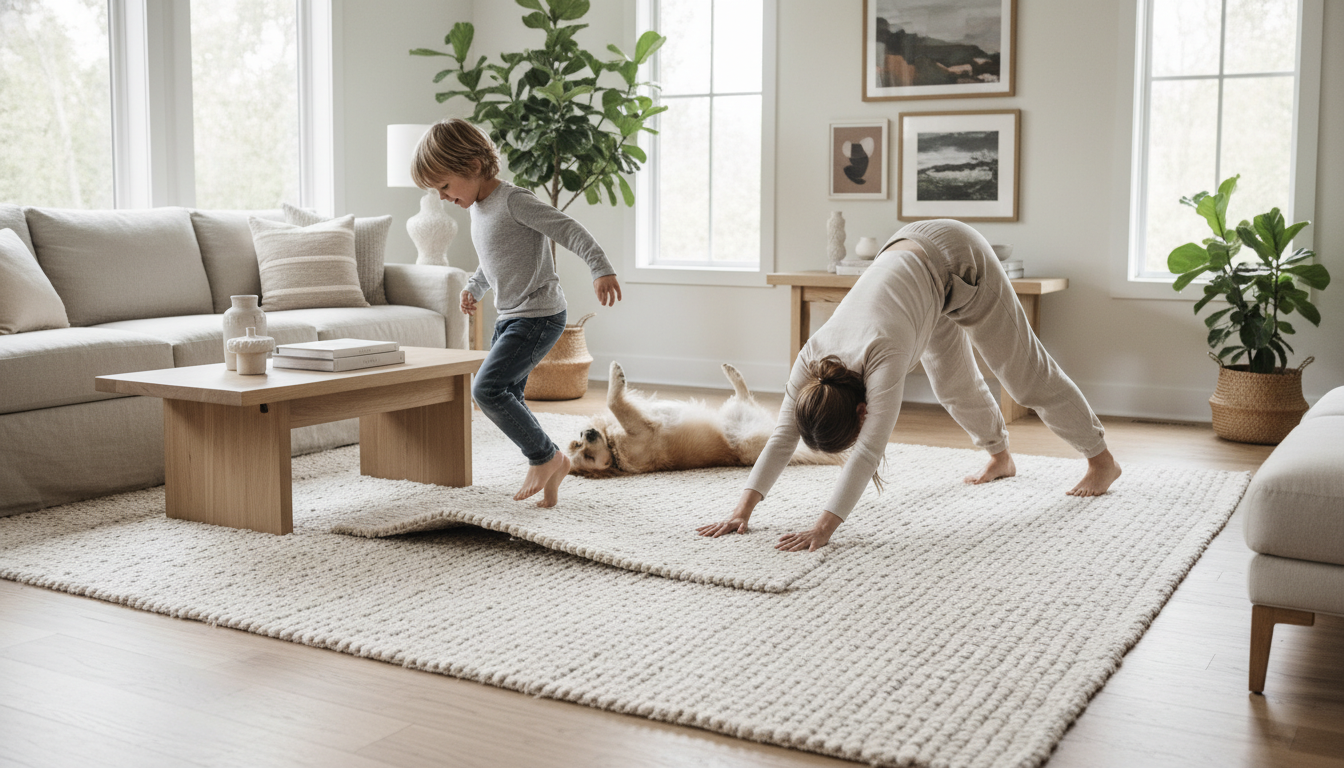
As we move into 2026, the shift toward tactile, biophilic interiors has made 3D floor art a necessity. However, a common misconception is that sculptural organic rugs are too fragile for daily life. Because these pieces use varying pile heights and fiber fusions to create their signature look, they require a nuanced approach to maintenance that differs from traditional flat-weave or standard tufted carpets.
The key to preserving the structural integrity of these rugs lies in understanding how depth affects debris accumulation. Dust and microscopic allergens tend to settle in the “valleys” of the design. By adopting a proactive care routine, you can ensure that the visual impact of your sculptural organic rugs remains as sharp and defined as the day they were unboxed.
Mastering Vacuuming Techniques for Multi-Level Piles
Standard vacuuming can be the greatest enemy of textured floor coverings if not done correctly. For sculptural organic rugs, the goal is to remove grit without damaging the delicate transitions between high and low piles. Always disengage the beater bar or rotating brush on your vacuum cleaner, as these can snag loose fibers or fuzz the crisp edges of the organic patterns.
Instead, use a suction-only setting or a handheld upholstery attachment. This allows you to navigate the contours of the rug manually. We recommend vacuuming in the direction of the pile rather than against it. This technique prevents the taller fibers from being crushed or matted over time, preserving the three-dimensional silhouette that makes these pieces so unique.
- Example: For a rug featuring raised wool “islands” on a flat jute base, use a soft-bristle brush attachment to gently agitate the wool sections before vacuuming.
- Frequency: High-traffic areas should be suctioned twice weekly, while decorative zones can be handled once every ten days.
- Tool Tip: A high-quality canister vacuum with adjustable suction levels is the preferred tool for high-end sculptural organic rugs.
Spot Cleaning and Spill Management
Spills on sculptural organic rugs can be trickier because liquids can migrate between the different fiber heights. If a spill occurs, the primary rule is to blot, never scrub. Scrubbing pushes the liquid deeper into the dense base of the rug and can distort the “carved” shapes that define the organic aesthetic.
Use a clean, white cotton cloth to soak up as much moisture as possible. If a cleaning agent is necessary, opt for a pH-neutral solution specifically designed for natural fibers like wool, silk, or tencel. Because 2026 trends focus heavily on “fiber fusion,” your rug might contain three or four different materials, each reacting differently to moisture.
Before applying any cleaner, test a small, inconspicuous area to ensure colorfastness. If you are looking for high-quality, resilient materials that stand up to modern life, you can explore the premium collection of handmade sculptural organic rugs at thebohorugs.com, where durability meets artisanal design.
Rotating for Even Wear and Sunlight Protection
The asymmetrical nature of biophilic designs means that wear patterns can become uneven more quickly than with traditional symmetrical rugs. To prevent “pathways” from forming in the higher pile sections of your sculptural organic rugs, rotate the piece 180 degrees every six months. This redistributes foot traffic and ensures that no single area becomes flattened or compressed.
Sunlight is another factor to consider in the rise of the biophilic aesthetic. Natural light enhances the shadows cast by sculptural textures, but prolonged UV exposure can brittle natural fibers. Consider using UV-filtering window films or sheer curtains to protect your investment from premature fading and fiber degradation.
If your rug is placed in a sun-drenched sunroom, rotation becomes even more critical. Evenly distributed light exposure ensures that the natural dyes or undyed “fiber fusion” blends age gracefully together, maintaining the cohesive, earth-toned palette that defines the 2026 look.
Professional Maintenance and Long-Term Care
Even with meticulous home care, sculptural organic rugs benefit significantly from professional cleaning every 12 to 18 months. Professionals use specialized drying techniques that prevent “wicking,” a process where deep-seated stains rise to the surface of the tall pile as the rug dries. They can also provide fiber protection treatments that make the organic surfaces more resistant to future soiling.
When selecting a professional cleaner, ensure they have experience with multi-dimensional, hand-tufted, or hand-knotted pieces. Mention specifically that you have sculptural organic rugs with varying pile heights, as this may require a submersion-free cleaning method to protect the backing and the structural “shaping” of the fibers.
For those looking to invest in a piece that balances trend-forward aesthetics with long-lasting quality, sourcing from a reputable provider is essential. You can find a curated selection of durable, artisan-crafted sculptural organic rugs at thebohorugs.com, where every piece is designed to withstand the transition from a 2026 trend to a timeless home staple.
Protecting the Foundation: Rug Pads and Placement
The longevity of sculptural organic rugs isn’t just about what happens on the surface; it’s about what’s underneath. A high-quality, dense felt rug pad is non-negotiable. It provides a buffer between the rug’s backing and the hard floor, absorbing the impact of footsteps that would otherwise crush the delicate high-low pile transitions.
Additionally, be mindful of heavy furniture placement. Deeply textured rugs can suffer from permanent indentations if heavy sofa legs or dining tables are placed directly on the raised sections. Use furniture coasters to distribute the weight, or better yet, layer your sculptural organic rugs in a way that the furniture sits primarily on the flat-weave border or the floor itself, allowing the sculptural elements to breathe in the center of the room.
- Pro Tip: Use a steamer on a very low setting to “perk up” fibers that have been compressed by light furniture, but never let the steamer head touch the actual fibers.
- Strategic Layout: Place these rugs in “low-impact” zones like bedrooms or formal lounges to maximize their lifespan.
- Fiber Integrity: Choosing rugs with a high wool content from thebohorugs.com ensures natural elasticity, allowing the fibers to bounce back more effectively than synthetic alternatives.
By following these specialized care steps, your sculptural organic rugs will continue to serve as the tactile centerpiece of your biophilic home for years to come. The fusion of art and utility requires a little extra attention, but the sensory reward of a beautifully maintained, three-dimensional floor is well worth the effort.
Forecasting the Future of Organic Interior Design
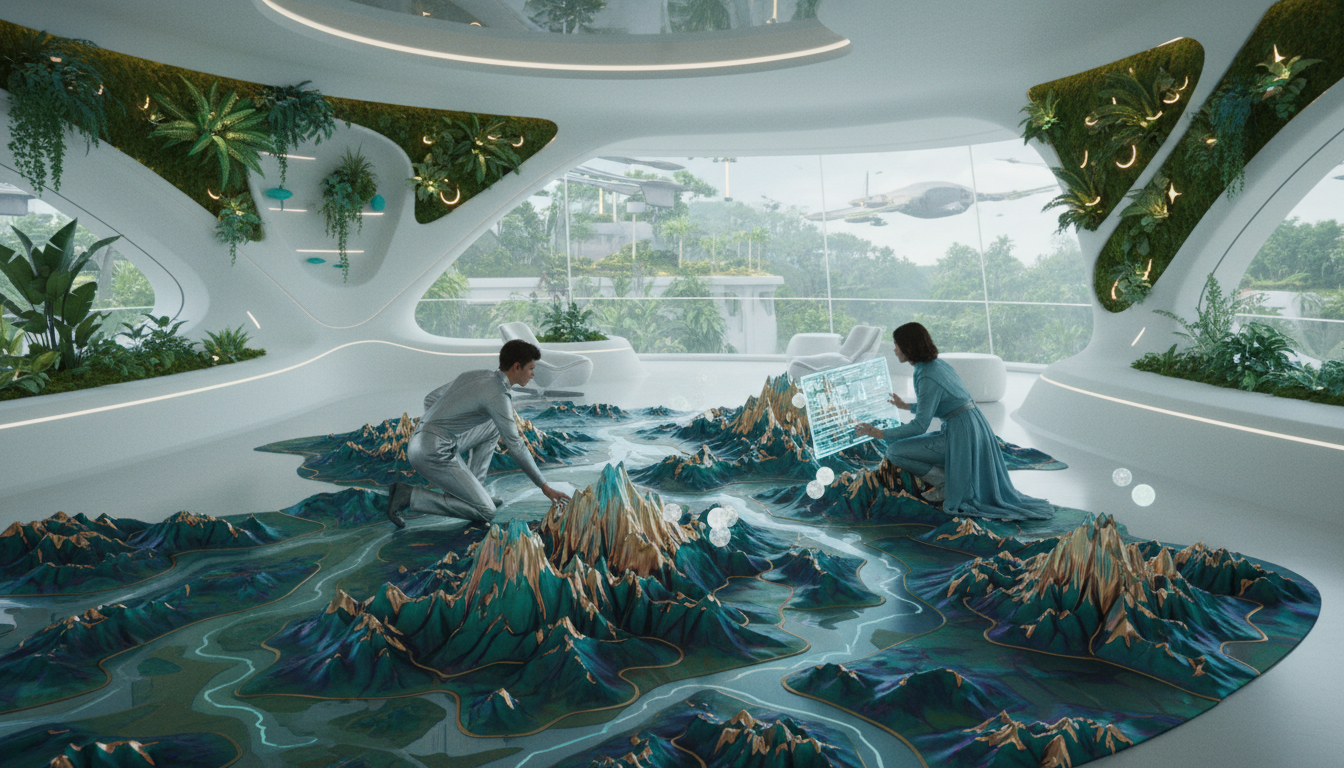
As we approach 2026, the interior design landscape is undergoing a radical transformation, moving away from static, two-dimensional floor coverings toward high-relief, tactile experiences. This evolution is driven by a collective desire to reconnect with the natural world, leading to the emergence of sculptural organic rugs as the centerpiece of the modern home. These pieces are no longer mere accessories; they are foundational elements that dictate the energy and flow of a room.
The “Biophilic Fiber Fusion” trend represents the intersection of high-art aesthetics and raw, sustainable materials. Homeowners are increasingly seeking environments that stimulate the senses, and sculptural organic rugs provide a unique topographical experience underfoot. By varying pile heights and utilizing irregular, hand-carved edges, these rugs mimic the uneven beauty of forest floors, riverbeds, and desert dunes.
By integrating these multi-dimensional textiles into your space, you are not just following a trend; you are investing in a sensory sanctuary. The focus for 2026 is on creating “living” rooms that breathe, using fibers that tell a story of craftsmanship and environmental stewardship. The shift toward sculptural organic rugs signals a departure from the clinical minimalism of the past decade, favoring warmth, depth, and curated imperfection.
The Structural Evolution of Modern Floors
In the coming years, we will see a significant rise in the use of 3D weaving techniques. Designers are moving beyond printed patterns to create physical depth. This means that sculptural organic rugs will feature prominent ridges, valleys, and tufted “islands” that create a play of light and shadow across the floor, making the rug appear different at various times of the day.
This structural evolution is particularly effective in open-concept living areas. A well-placed rug with varying elevations can act as a subtle zone-divider, defining a conversation nook or a reading corner without the need for physical barriers. The fluidity of these designs ensures that the transitions between different areas of the home feel natural and unforced, echoing the seamless transitions found in the wild.
Key structural elements to look for in 2026 include:
- Hand-Carved Contours: Artisans use specialized shears to create physical grooves in the wool, emphasizing organic, pebble-like shapes.
- High-Low Pile Variations: Combining flat-weave sections with plush, shaggy elements to create a 3D landscape.
- Raw Edges: Moving away from perfect rectangles toward asymmetrical, “eroded” borders that feel more authentic to nature.
- Fiber Mixing: Incorporating unexpected materials like recycled silk or rugged hemp into traditional wool bases for contrasting textures.
Strategic Layering: Building Depth and Dimension
Layering has long been a staple of interior design, but 2026 brings a more intentional approach. The goal is to use sculptural organic rugs as the “top note” in a symphony of textures. Start with a large, neutral jute or sisal base that covers most of the floor area, then “float” a smaller, highly textured sculptural piece on top to anchor the seating arrangement.
This layering technique allows you to introduce bold architectural shapes without overwhelming the room. For instance, placing a circular, moss-inspired rug over a rectangular neutral base creates a focal point that draws the eye inward. It creates a sense of “landscape architecture” within the home, where the floor becomes a canvas for botanical and geological expression.
When layering, consider the following examples for a cohesive 2026 look:
- The “Sediment” Look: A wide-weave linen rug topped with a cream-toned, sculptural organic rug featuring wave-like carvings.
- The “Forest Floor” Mix: An earthy terracotta flatweave layered with a deep green, multi-pile height wool rug for a lush, biophilic feel.
- The “Modern Oasis”: A sleek, low-profile grey rug paired with a stark white, high-relief rug that mimics the appearance of salt flats.
Material Trends for 2026: The Biophilic Palette
The future of organic design is rooted in materiality. We are seeing a move toward “unprocessed” aesthetics, where the natural color of the wool or fiber is celebrated rather than hidden under synthetic dyes. This creates a calming, monochromatic palette that relies on the physical shape of sculptural organic rugs to provide visual interest rather than loud colors.
Sustainable fibers like New Zealand wool, organic cotton, and bamboo silk will dominate the market. These materials are chosen not just for their durability, but for how they interact with light. Bamboo silk, for example, can be used to highlight the “peaks” of a sculptural design, catching the sun and creating a shimmering effect that mimics water reflecting off stone.
To truly capture this aesthetic, consider the curated collections at thebohorugs.com. Their selection of premium handmade rugs focuses on these exact principles—quality craftsmanship, organic shapes, and a commitment to timeless biophilic design. Whether you are looking for a bold statement piece or a subtle textured layer, thebohorugs.com offers the high-end artistry required for a 2026-ready interior.
Curating Your Sanctuary with Sculptural Organic Rugs
Designing with sculptural organic rugs requires a balance between furniture and floor. Because these rugs are so visually and physically heavy, it is often best to pair them with furniture that has “breathing room.” Think of sofas with exposed legs or glass coffee tables that allow the texture of the rug to remain visible from all angles. This ensures the sculptural elements aren’t hidden under bulky upholstery.
Lighting also plays a crucial role in highlighting the 3D nature of these pieces. Side lighting from floor lamps or low-placed windows will cast shadows into the carved grooves of the rug, emphasizing its organic form. This interplay between light and fiber is what elevates a room from a standard living space to a curated, biophilic gallery.
As you plan your 2026 home refresh, remember that the floor is the foundation of your well-being. By choosing sculptural organic rugs, you are embracing a design philosophy that values tactile comfort and natural beauty. Investing in a high-quality, handmade piece from a reputable source like thebohorugs.com ensures that your home remains at the forefront of the biophilic movement while supporting traditional weaving communities and sustainable practices.
In conclusion, the rise of biophilic fiber fusion is more than a fleeting aesthetic; it is a movement toward more mindful, sensory-rich living. By layering sculptural organic rugs, you create a space that feels grounded, sophisticated, and deeply connected to the textures of the earth. Start your journey into the future of organic design today by exploring the artisanal craftsmanship that defines this exciting new era of interior styling.
Elevate Your Space
Discover the artistry of handmade luxury. Each rug is a masterpiece of tradition and modern design.
Expert Q&A
What are sculptural organic rugs?
They are floor coverings featuring varied pile heights and irregular shapes designed to mimic natural elements like stones, moss, or sand dunes.
How do sculptural rugs fit into 2026 trends?
They align with the Biophilic Fiber Fusion trend, focusing on tactile nature-inspired environments and sustainable luxury.
Are sculptural organic rugs considered art?
Yes, they are often referred to as ‘Art for the Floor’ due to their hand-carved details and complex aesthetic designs.
What materials are best for sculptural rugs?
High-quality wool, recycled silk, Tencel, and jute are the primary materials used to create these textured pieces.
How do I layer a sculptural rug?
Place a larger flat-weave rug as a base and layer the sculptural rug on top to add depth and focal interest.
Can sculptural rugs be used in high-traffic areas?
Yes, provided they are made from durable fibers like wool which naturally resists crushing and staining.
Are irregular shaped rugs better than rectangular ones?
Irregular shapes enhance the ‘organic’ feel of a room, breaking the rigidity of standard architectural lines.
How do I clean a rug with different pile heights?
Use a vacuum with adjustable height settings and avoid beater bars on delicate carved sections.
What colors define the 2026 organic rug trend?
The palette focuses on sage greens, terracotta, mushroom beiges, and deep mineral blues.
Are these rugs eco-friendly?
Most sculptural organic rugs emphasize sustainability by using natural dyes and biodegradable fibers.
Can a sculptural rug work in a minimalist home?
Absolutely, it adds necessary texture and visual warmth without cluttering the space with many objects.
Do sculptural rugs provide sound insulation?
Yes, the varying pile heights and dense fibers are excellent for sound absorption and acoustics.
What is ‘hand-carving’ in rug making?
It is a technique where artisans manually trim the pile at different levels to create 3D patterns and depth.
Is wool better than synthetic fibers for these rugs?
Wool is superior for sculptural designs because it holds its shape and provides a more authentic natural texture.
How do sculptural rugs improve wellness?
By bringing biophilic elements indoors, they reduce stress and create a sensory connection to nature.
Where should I place a sculptural rug in my living room?
Center it under the coffee table or use it as a standalone piece to define a seating area.
Can I use sculptural rugs in the bedroom?
Yes, they provide a soft, tactile experience underfoot that is perfect for a relaxing bedroom environment.
What is Fiber Fusion?
It is the technique of blending different fiber types and textures within a single rug to create a complex, layered look.
Are sculptural rugs expensive?
Due to the craftsmanship and high-quality materials involved, they are considered an investment in functional art.
How do I choose the right size for an irregular rug?
Measure the maximum width and length, ensuring the most ‘expressive’ parts of the shape are visible.
Will these rugs stay in style after 2026?
The move toward organic, nature-inspired design is a long-term shift, making these rugs a timeless choice.
Can sculptural rugs be custom-made?
Many designers offer customization of the topography and shape to fit specific architectural layouts.
How do I prevent my sculptural rug from shedding?
Choose high-quality long-staple wool and perform regular light vacuuming to remove loose fibers initially.
Do these rugs work with underfloor heating?
Yes, natural fibers like wool and jute are compatible with most underfloor heating systems.
What is the ‘topographical’ look in rugs?
It refers to rug patterns that look like maps or aerial views of natural landscapes, a key feature of the sculptural trend.
Can I use sculptural rugs in a dining room?
It is possible, but flat-weave sections are better suited for under chairs; sculptural elements work best around the perimeter.
What are the tactile benefits of organic rugs?
They provide sensory stimulation and comfort, encouraging a more mindful interaction with your living space.
How do I style furniture around an irregular rug?
Let the furniture overlap the rug’s edges to anchor the pieces while letting the unique shape flow into the room.
Are natural dyes important for these rugs?
Yes, they enhance the organic aesthetic and ensure the rug is free from harsh chemical off-gassing.
What makes TheBohoRugs unique in this trend?
We curate pieces that blend traditional bohemian artisan techniques with the modern, sculptural demands of 2026 design.
Written by TheBohoRugs Interior Design Team
Experts in handmade rugs, boho interiors, and modern home decor.
