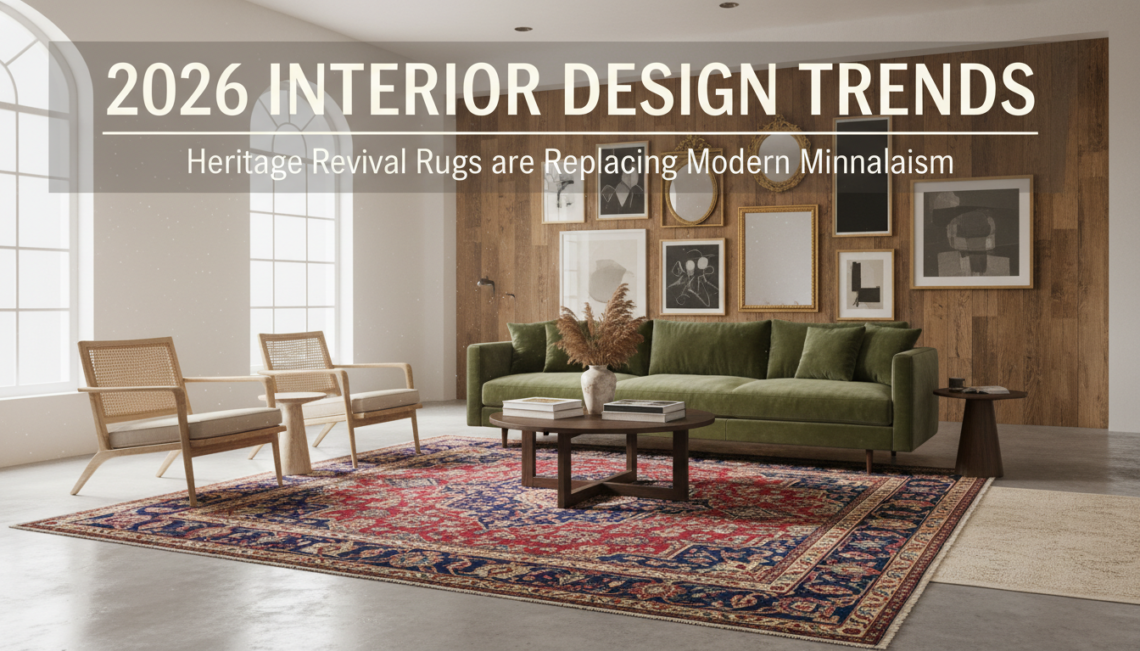
As we move toward 2026, the interior design world is witnessing a dramatic shift away from the stark, clinical aesthetics of ‘millennial minimalism.’ In its place, a movement known as ‘Soulful Maximalism’ is rising, with heritage revival rugs serving as the foundational centerpiece. These rugs represent a bridge between ancestral craftsmanship and modern durability, offering a level of character and warmth that mass-produced, monochromatic floor coverings simply cannot match. For the luxury homeowner, the transition to heritage revival rugs is more than a trend; it is a return to storytelling through textiles, focusing on intentionality, texture, and the celebration of imperfection.
“Heritage revival rugs are contemporary floor coverings that utilize traditional weaving techniques, antique-inspired motifs, and natural dyes to recreate the aesthetic of heirloom textiles. In 2026, they are replacing modern minimalism because they provide ‘visual grounding’ and emotional depth, countering the coldness of minimalist architecture with rich textures and historical narratives.”
The Roadmap
Table of Contents
- The Decline of the Beige Box: Why Minimalism is Fading
- Defining the Heritage Revival Aesthetic
- The Psychology of Comfort: Why 2026 Favors Nostalgia
- Sustainable Luxury: The Longevity of Hand-Knotted Revival Pieces
- Integrating Heritage Rugs into Contemporary Architecture
- 2026 Color Trends: From Earthy Ochres to Midnight Indigos
- Investment Value: Why These Rugs Are the New Fine Art
- The Future of Flooring: Choosing Your Heritage Piece
The Decline of the Beige Box: Why Minimalism is Fading
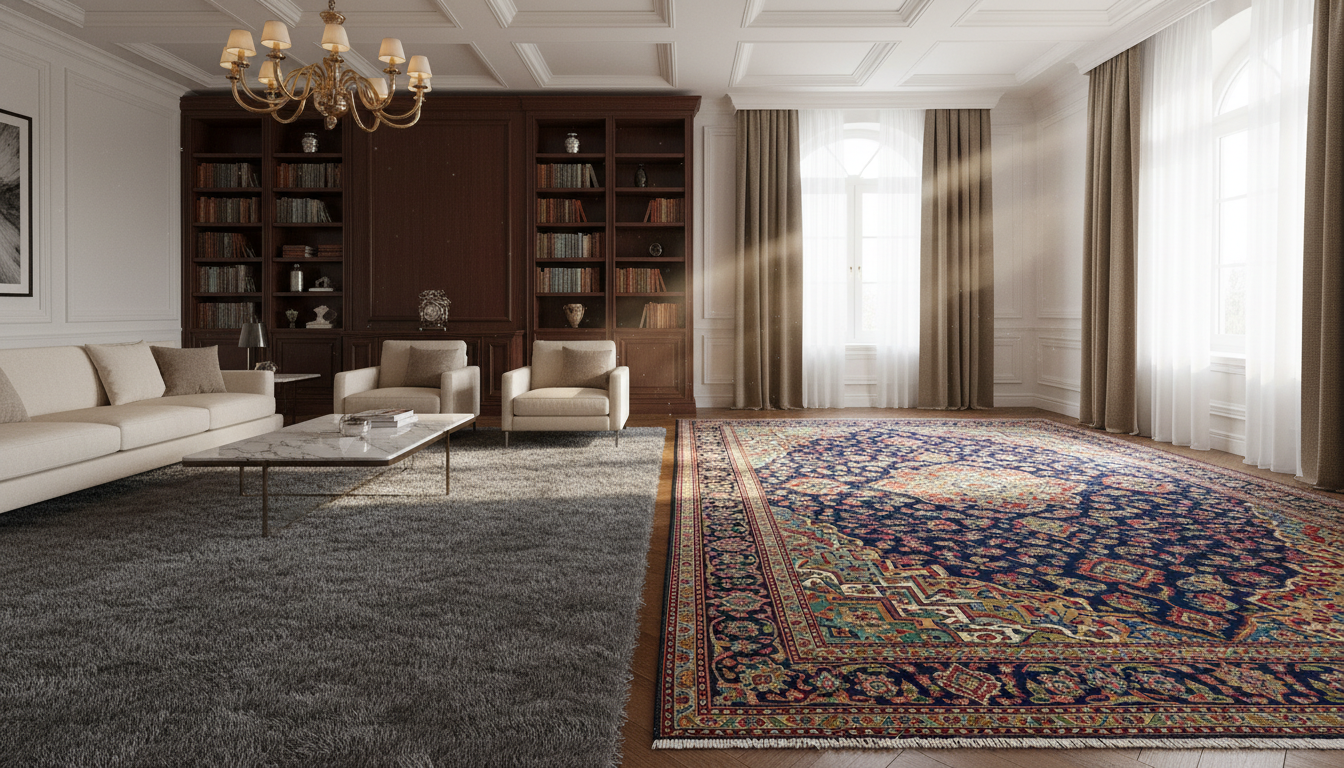
For nearly a decade, the interior design world was gripped by a clinical obsession with minimalism. We saw the rise of the “beige box”—spaces defined by stark white walls, flat surfaces, and a complete absence of historical context. While this aesthetic offered a sense of order, it eventually led to a collective feeling of “aesthetic fatigue.” As we look toward 2026, homeowners are reclaiming their spaces from the clutches of sterility, opting instead for warmth, texture, and storied pieces. This shift is precisely why heritage revival rugs have become the most sought-after floor coverings in modern luxury homes.
The decline of minimalism isn’t just about changing colors; it is about a psychological shift. People are no longer satisfied with homes that look like staged showrooms. We are entering an era where personal narrative and craftsmanship take center stage. The cold, monochromatic rugs that once blended into the floor are being rolled up and replaced. In their place, heritage revival rugs are providing the soul and visual weight that contemporary architecture so desperately needs to feel like a home.
The Rise of “Soulful Living” Over Sterile Efficiency
Minimalism focused on what could be taken away, but the design movement of 2026 is focused on what can be added. This “Soulful Living” movement prioritizes items that carry a sense of history. Unlike the machine-made, disposable textiles of the 2010s, heritage revival rugs are designed to look and feel like heirlooms. They feature intentional distressing, traditional motifs, and vegetable-dyed palettes that mimic the passage of time. This look provides an instant antidote to the “newness” of modern construction.
Designers are finding that a room without history feels ungrounded. By introducing heritage revival rugs, even the most modern apartment gains a sense of permanence. These pieces act as a bridge between the past and the present, allowing homeowners to enjoy modern amenities while maintaining a connection to traditional artistry. The “beige box” is fading because it lacks the ability to tell a story, whereas a hand-knotted rug tells a tale of tradition and technique.
Why Heritage Motifs Outshine Geometric Modernism
Modern minimalism relied heavily on geometric patterns and solid colors. While these were easy to coordinate, they often lacked the complexity needed to sustain visual interest. The 2026 trend cycle is seeing a massive return to intricate floral patterns, Oushak-inspired borders, and Persian medallions. The visual complexity of heritage revival rugs allows them to hide wear and tear much better than a solid cream rug, making them as practical as they are beautiful.
- Visual Depth: Multi-layered patterns create a “landscape” for your furniture to sit on.
- Color Theory: Heritage palettes use muted terracotta, sage, and indigo rather than flat greys.
- Texture: Hand-spun wool offers a tactile experience that synthetic fibers cannot replicate.
- Versatility: These rugs complement both antique wooden furniture and sleek steel-and-glass pieces.
If you are looking to transition your space away from the minimalist trend, the easiest starting point is the floor. You can find an exquisite collection of hand-knotted pieces that perfectly embody this aesthetic at tuftsknots.com. Their curated selection focuses on premium materials that ensure your investment lasts for decades, not just a single season of trends.
Creating Contrast in the Modern Home
The most successful designs in 2026 will be those that embrace “dynamic tension.” This involves placing a highly detailed, traditional textile in a room with clean, contemporary lines. When you place heritage revival rugs under a modern bouclé sofa or a minimalist dining table, the contrast makes both pieces stand out more effectively. The rug provides the warmth and “age,” while the furniture provides the modern functionality.
This approach also allows for more flexibility in decor. In a strictly minimalist home, one wrong item can ruin the entire look. However, when heritage revival rugs serve as your foundation, the room becomes more forgiving. You can mix different wood tones, various metal finishes, and eclectic art pieces because the rug acts as a unifying element that anchors the entire color palette of the room.
Sustainability and the Death of Fast Decor
One of the primary drivers behind the decline of minimalism is a growing distaste for “fast decor.” Minimalism often relied on cheap, mass-produced items that were easily replaceable. As environmental consciousness grows, the 2026 consumer is looking for longevity. Heritage revival rugs are almost always crafted from natural fibers like wool and silk, which are biodegradable and incredibly durable.
Buying a high-quality rug is an investment in a future heirloom. When you choose heritage revival rugs from reputable sources like tuftsknots.com, you are supporting artisanal communities and traditional weaving techniques. These rugs don’t just fill a space; they preserve a craft. In a world of digital perfection and 3D-printed furniture, the slight “perfect imperfections” of a hand-knotted rug are what people truly crave.
The Emotional Impact of Pattern and Color
Finally, we cannot ignore the emotional impact of our surroundings. The “beige box” was often criticized for being cold and uninviting. In contrast, heritage revival rugs use colors that are proven to enhance mood and comfort. Deep blues provide a sense of calm, while warm reds and ochres stimulate conversation in dining rooms and lounges. By moving away from minimalism, we are prioritizing how a room feels over how “organized” it looks on social media.
As we move further into the decade, expect to see more homes ditching the grey-scale for the rich, layered textures of the past. The revival of heritage styles isn’t about living in a museum; it’s about bringing the best parts of history into our modern lives. By choosing heritage revival rugs, you aren’t just following a trend—you are building a home that feels curated, comfortable, and timeless.
Defining the Heritage Revival Aesthetic
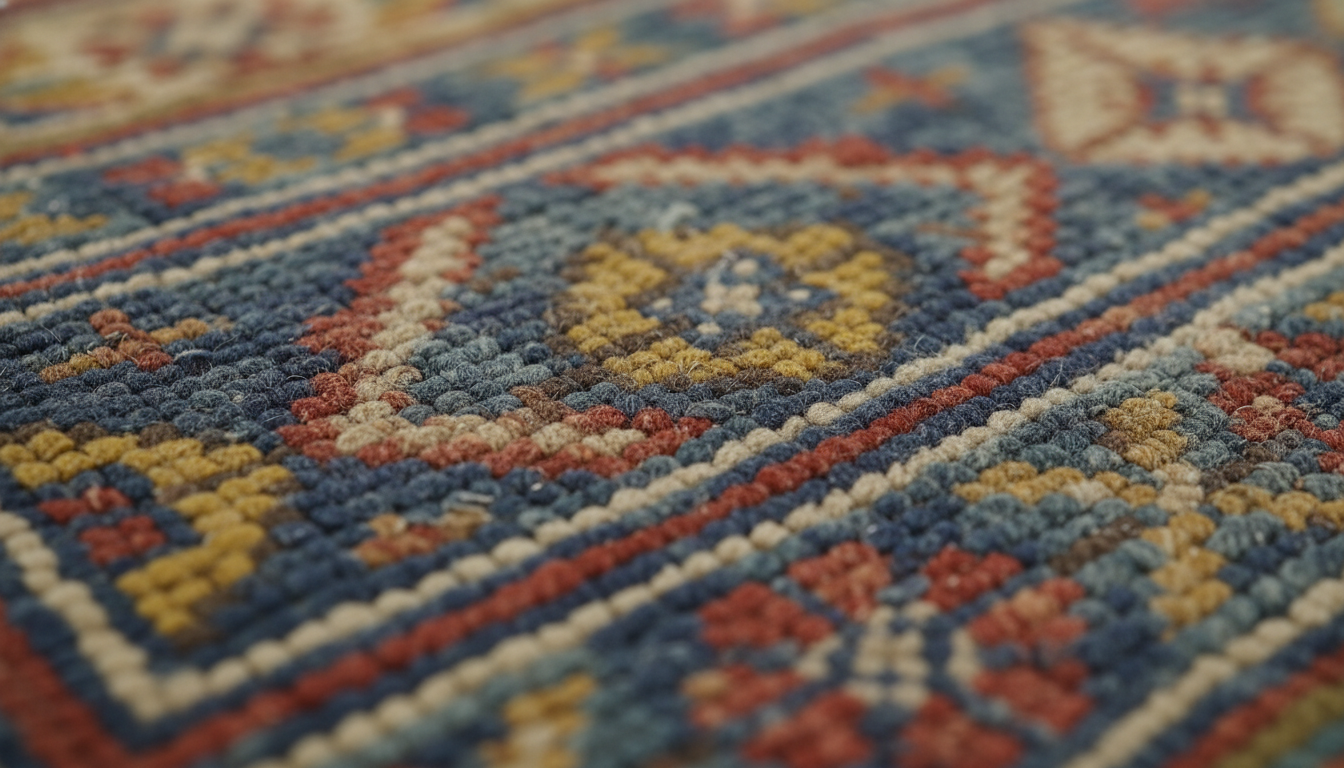
As we approach 2026, the interior design landscape is witnessing a profound shift away from the clinical “gray-scale” aesthetic that dominated the last decade. Homeowners are no longer seeking the sterile perfection of modern minimalism; instead, they are craving warmth, history, and a sense of belonging. This yearning has birthed a movement centered on heritage revival rugs, which have become the definitive foundation for the modern home.
The Heritage Revival aesthetic is not about living in a museum. Rather, it is about the intentional blending of old-world soul with contemporary functionality. It prioritizes items that feel collected over time rather than purchased in a single flat-pack box. By centering a room around heritage revival rugs, designers are able to introduce complex textures and storied patterns that immediately ground a space in a way that polished concrete or monochromatic carpets simply cannot.
This trend represents a collective desire for “slow design.” Much like the slow food movement, this aesthetic values the process, the artisan, and the longevity of the materials. When you incorporate heritage revival rugs into your living space, you are making a statement that quality and character outweigh the fleeting convenience of mass-produced, disposable decor.
The Core Philosophy: Storytelling Over Simplicity
For years, minimalism told us that “less is more.” However, the 2026 forecast suggests that “meaning is more.” The Heritage Revival aesthetic focuses on visual storytelling, where every thread tells a tale of cultural lineage and artisanal skill. This is where heritage revival rugs shine, acting as the primary protagonist in a room’s narrative.
Unlike the flat, characterless rugs found in minimalist homes, these pieces feature intentional “imperfections” that mimic the natural wear of antique textiles. This “perfectly imperfect” look creates an atmosphere of relaxed elegance. It invites guests to take off their shoes and feel the history beneath their feet, fostering a sense of hospitality that minimalism often lacked.
To achieve this look, designers are layering textures. Imagine a hand-knotted wool rug paired with velvet upholstery, reclaimed wood coffee tables, and aged brass fixtures. The goal is to create a multi-sensory experience where the heritage revival rugs provide a heavy, tactile anchor for lighter, modern furniture pieces.
Visual Characteristics of the Heritage Aesthetic
Identifying this aesthetic requires looking at specific design markers that distinguish it from the farmhouse or boho trends of the past. The 2026 iteration is more sophisticated, leaning into deeper hues and more intricate, symmetrical geometries. Key visual elements include:
- Saturated Earth Tones: Expect to see a move toward deep madder red, indigo blue, burnt ochre, and moss green.
- Intricate Borders: Frame-like borders on heritage revival rugs help define seating areas in open-concept homes.
- Patina and Abrash: Natural color variations and a gentle “faded” look suggest a piece that has been cherished for generations.
- Global Motifs: Reimagined Persian, Turkish, and Caucasian patterns that have been scaled for modern room dimensions.
If you are looking to source pieces that embody this timeless craftsmanship, you can find an exquisite collection of heritage revival rugs at tuftsknots.com. Their selection of premium handmade rugs bridges the gap between ancient tradition and modern interior standards, ensuring your home feels both current and classic.
Integrating Heritage Revival Rugs into Modern Spaces
The beauty of this aesthetic is its versatility. You do not need to live in a Victorian estate to embrace the trend. In fact, heritage revival rugs look particularly striking when placed in stark, modern environments like industrial lofts or new-build condos. The contrast between high-gloss finishes and the organic warmth of a hand-tufted rug creates a dynamic visual tension.
Consider these styling examples for your 2026 renovation:
- The Transitional Living Room: Place a large, muted Heriz-pattern rug under a sleek, low-profile Italian leather sofa.
- The Soulful Kitchen: Use a durable, hand-knotted runner in the kitchen to break up the coldness of marble countertops and stainless steel appliances.
- The Study: Ground a home office with a deep-toned rug featuring geometric tribal motifs to stimulate creativity and focus.
By choosing heritage revival rugs from tuftsknots.com, you are investing in a piece that bypasses the “fast furniture” cycle. These rugs are designed to age gracefully, becoming the heirlooms of tomorrow while providing the comfort you need today.
Why Minimalism is Taking a Backseat
The decline of minimalism is largely due to its lack of emotional resonance. People are spending more time at home than ever before, and they have realized that white walls and empty spaces can feel isolating. The shift toward heritage revival rugs is a psychological move toward comfort. There is a biological comfort in the symmetry and organic colors of traditional weaving that humans have responded to for centuries.
Furthermore, sustainability has become a non-negotiable for the 2026 consumer. Minimalist decor often relies on synthetic materials that end up in landfills. Conversely, heritage revival rugs are typically crafted from natural wool and silk, using vegetable dyes that are better for the environment and the artisans who create them. This alignment of ethics and aesthetics is why this trend is set to dominate the luxury market for the foreseeable future.
In conclusion, defining the Heritage Revival aesthetic is about embracing the richness of the past to create a more comfortable future. It is a celebration of craftsmanship over convenience. By making heritage revival rugs the focal point of your design, you transform a house into a home with a soul, a history, and an enduring sense of style.
The Psychology of Comfort: Why 2026 Favors Nostalgia
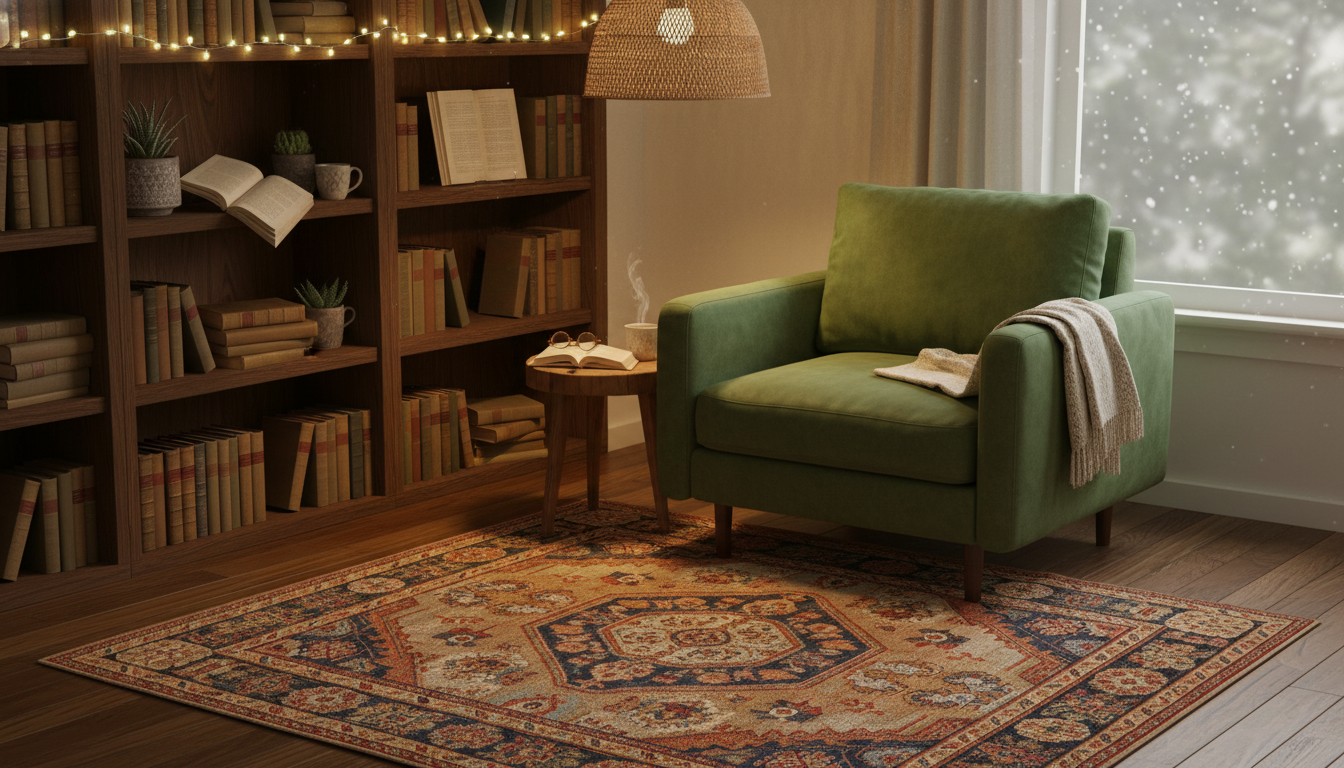
As we move deeper into 2026, the interior design landscape is witnessing a seismic shift away from the clinical “all-white” aesthetic that dominated the previous decade. Homeowners are no longer seeking the sterile perfection of modern minimalism; instead, they are chasing a feeling of groundedness. This collective yearning for warmth and history has paved the way for the rise of heritage revival rugs as the centerpiece of the contemporary home.
Psychologically, our environments serve as an extension of our internal states. After years of digital saturation and global uncertainty, the human brain is naturally seeking “nesting” signals—textures and patterns that suggest safety and continuity. Modern minimalism often feels transient, whereas the intricate patterns found in heritage revival rugs offer a sense of permanence and lineage that modern synthetic materials simply cannot replicate.
The Emotional Weight of Patterns
Minimalism relied heavily on the absence of visual noise to create a sense of calm. However, 2026 design philosophy suggests that total visual silence can often lead to a feeling of isolation or lack of character. In contrast, heritage revival rugs utilize traditional motifs that our ancestors used to tell stories. These patterns—ranging from Persian floral sprays to bold geometric tribal symbols—provide “visual food” for the eyes.
Psychologists suggest that these repetitive, intricate designs can actually lower cortisol levels. They create a “soft fascination” effect, where the mind can wander through the details of the weave without being overwhelmed. By replacing a flat, grey carpet with heritage revival rugs, you aren’t just decorating a floor; you are installing an anchor that tethers the room to a sense of historical significance.
Nostalgia as a Design Tool
Nostalgia is more than just a sentimental longing; it is a powerful tool for emotional regulation. The 2026 trend focuses on “New Traditionalism,” where we blend modern comforts with pieces that feel inherited. This is exactly why heritage revival rugs have become the go-to choice for designers. They bridge the gap between the past and the present, making a brand-new apartment feel like a home with a legacy.
Key elements that trigger this psychological comfort include:
- Distressed Finishes: Mimicking the natural wear of decades, providing a “lived-in” feel.
- Deep Earth Tones: Shades of madder red, indigo blue, and terracotta that ground the room.
- Symmetrical Borders: Providing a sense of order and structural balance to an open-plan living space.
- Natural Fibers: The use of wool and silk provides a tactile connection to the natural world.
The Shift from Disposable to Durable
A major psychological component of the 2026 trend is the rejection of “fast furniture.” Modern minimalism often relied on cheap, mass-produced items that lacked soul. Today’s consumer is looking for pieces that tell a story of craftsmanship. When you choose heritage revival rugs, you are making a conscious decision to value quality over convenience. This shift reduces the “decision fatigue” of constant redecorating, as these rugs are designed to age beautifully.
For those looking to embrace this movement, sourcing is key. Investing in a piece that balances ancient artistry with modern durability is essential. You can explore a curated collection of premium handmade pieces at tuftsknots.com, where the focus remains on preserving these traditional weaving techniques for the modern home. Finding the right heritage revival rugs on tuftsknots.com allows you to bring that sought-after 2026 “soul” into your living space instantly.
Tactile Satisfaction in a Digital World
In 2026, we spend more time than ever interacting with smooth glass screens. This has led to “tactile hunger,” a psychological need for diverse physical textures. Minimalism’s flat surfaces do little to satisfy this. heritage revival rugs, with their varying pile heights and hand-knotted ridges, offer a rich sensory experience every time you walk across the room barefoot.
The sensation of high-quality wool or silk underfoot provides an immediate “grounding” effect. This physical feedback loop reinforces the home as a sanctuary. Designers are now layering heritage revival rugs over larger jute bases to further enhance this textural depth, moving away from the “look but don’t touch” philosophy of the 2010s.
The Return to Maximalist Storytelling
Ultimately, the reason heritage revival rugs are replacing minimalism is that we want our homes to speak. A minimalist room says “I am organized,” but a room anchored by heritage-inspired textiles says “I have a history.” As we move through 2026, the psychological need for individual expression is overriding the desire for trend-following.
By choosing heritage revival rugs, you allow your home to become a gallery of global culture. Whether it is an Oushak-inspired design or a classic Tabriz pattern, these rugs serve as conversation starters. They invite guests to sit down, linger, and feel at home. In a world that feels increasingly fast-paced, the comfort found in these timeless pieces is the ultimate luxury.
If you are ready to move away from the coldness of minimalism, consider how a single piece of textile art can transform your mood. The 2026 home is warm, layered, and deeply personal—qualities that only heritage revival rugs can truly provide. Visit tuftsknots.com to find a rug that doesn’t just fill a space, but tells your unique story through every knot and thread.
Sustainable Luxury: The Longevity of Hand-Knotted Revival Pieces
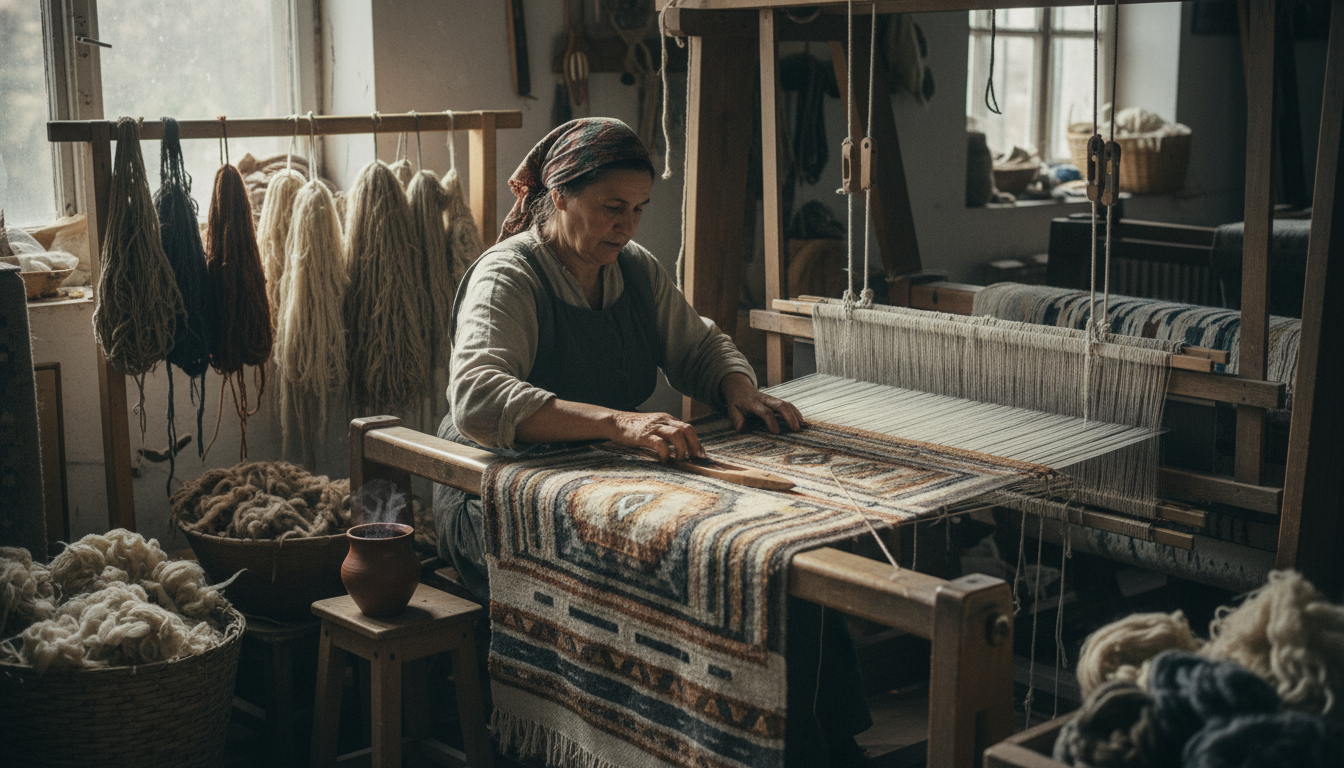
The transition into 2026 marks a pivotal shift in the world of high-end interior design. We are witnessing the twilight of clinical, white-on-white minimalism and the dawn of a more grounded, soulful aesthetic. At the heart of this movement are heritage revival rugs, which have become the definitive choice for homeowners who value story and substance over sterile perfection.
Sustainable luxury is no longer just a marketing buzzword; it is a design requirement for the modern era. People are moving away from “fast furniture” and disposable decor that ends up in landfills after three years. Instead, the focus has shifted toward investment pieces that offer both ecological responsibility and a lifetime of utility.
Hand-knotted heritage revival rugs embody this philosophy perfectly. These are not merely floor coverings; they are architectural foundations for a room. By blending ancient weaving techniques with color palettes curated for today’s interiors, these pieces provide a bridge between the craftsmanship of the past and the lifestyle of the future.
The Craftsmanship of Permanent Design
What sets a hand-knotted piece apart from its machine-made counterparts is the sheer density of labor and skill involved. A single rug can contain millions of individual knots, each tied by hand by a master weaver. This intricate construction method creates a structural integrity that cannot be replicated by automated looms.
In the 2026 design landscape, “imperfection” is the new “perfection.” The slight variations in the weave and the organic shift in yarn colors—known as abrash—give heritage revival rugs a unique personality. These features ensure that no two rooms ever look identical, a direct contrast to the mass-produced look of the previous decade.
Furthermore, the durability of these rugs is legendary. While a synthetic rug may show paths of wear and tear within twenty-four months, a high-quality hand-knotted piece is designed to last a century. When you choose heritage revival rugs, you are essentially purchasing an heirloom that will likely appreciate in aesthetic value as it matures.
Sustainability Through Natural Materials
Sustainability in 2026 is measured by longevity and the purity of materials. Most modern minimalist rugs rely on petroleum-based fibers like polyester or polypropylene, which release microplastics and off-gas chemicals into the home. Heritage revival rugs, however, utilize organic wool, silk, and cotton.
Wool is a naturally sustainable resource that is fire-resistant, stain-repellent, and incredibly resilient. The natural lanolin in high-altitude wool provides a built-in protective barrier, making these rugs ideal for high-traffic areas. This “living fiber” breathes, helping to regulate the humidity and air quality within a living space.
To find pieces that meet these rigorous standards of quality and environmental ethics, discerning buyers are turning to specialized curators. For instance, the collection at tuftsknots.com focuses exclusively on premium handmade rugs that honor these traditional methods. By sourcing from tuftsknots.com, you ensure that your design choice supports artisanal communities rather than industrial factories.
The Aesthetic Versatility of Revival Pieces
The 2026 trend is not about creating a “museum” look; it is about “New Traditionalism.” This involves placing heritage revival rugs in contemporary settings to create a sense of tension and balance. The warmth of a weathered Oushak or a refined Tabriz pattern can soften the hard edges of modern glass and steel furniture.
Designers are currently favoring specific characteristics in these revival pieces to complement 2026 color trends. Some popular examples include:
- Saturated Earth Tones: Deep terracotta, sage green, and ochre that mimic natural landscapes.
- Low-Shear Textures: Rugs that have been intentionally sheared low to give them a “found” or “distressed” look that fits minimalist silhouettes.
- Simplified Motifs: Traditional Persian or Anatolian patterns that have been scaled up or simplified to avoid looking cluttered in a modern room.
By integrating heritage revival rugs into a space, you introduce a layer of tactile luxury. In an increasingly digital world, the physical sensation of walking on hand-spun wool provides a much-needed sensory connection to the home environment. This haptic experience is a core pillar of the “quiet luxury” movement.
Why Modern Minimalism is Fading
The decline of modern minimalism can be attributed to its lack of emotional resonance. While “all-white” rooms looked great in photographs, they often felt cold and uninviting in practice. Homeowners in 2026 are craving “clutter-free character”—a way to keep spaces organized while still feeling cozy and lived-in.
Heritage revival rugs provide the visual “weight” necessary to anchor a room without requiring excessive furniture. A single, well-chosen rug can do the heavy lifting of three or four pieces of art. It defines the zones of an open-concept living area and provides a sense of history that a minimalist rug simply lacks.
If you are looking to upgrade your home to reflect these 2026 trends, the transition starts from the floor up. Investing in heritage revival rugs from tuftsknots.com allows you to move away from the “fast-fashion” mentality of interior design. It is a commitment to quality, a nod to history, and a definitive step toward a more sustainable and beautiful home.
Long-Term Financial and Ecological ROI
When analyzing the cost of luxury decor, one must look at the “cost per year.” A cheap, machine-made rug might cost $500 but need replacement every three years. Over thirty years, that is $5,000 spent on items that end up in a landfill. In contrast, heritage revival rugs may have a higher upfront cost, but their century-long lifespan makes them the more economical choice over time.
This shift toward “Slow Decor” mirrors the “Slow Food” and “Slow Fashion” movements. It is an acknowledgment that the most luxurious thing you can own is something that was made with patience, care, and natural ingredients. As we move further into 2026, the demand for heritage revival rugs will only continue to grow as we reclaim our homes as sanctuaries of timeless craft.
Integrating Heritage Rugs into Contemporary Architecture
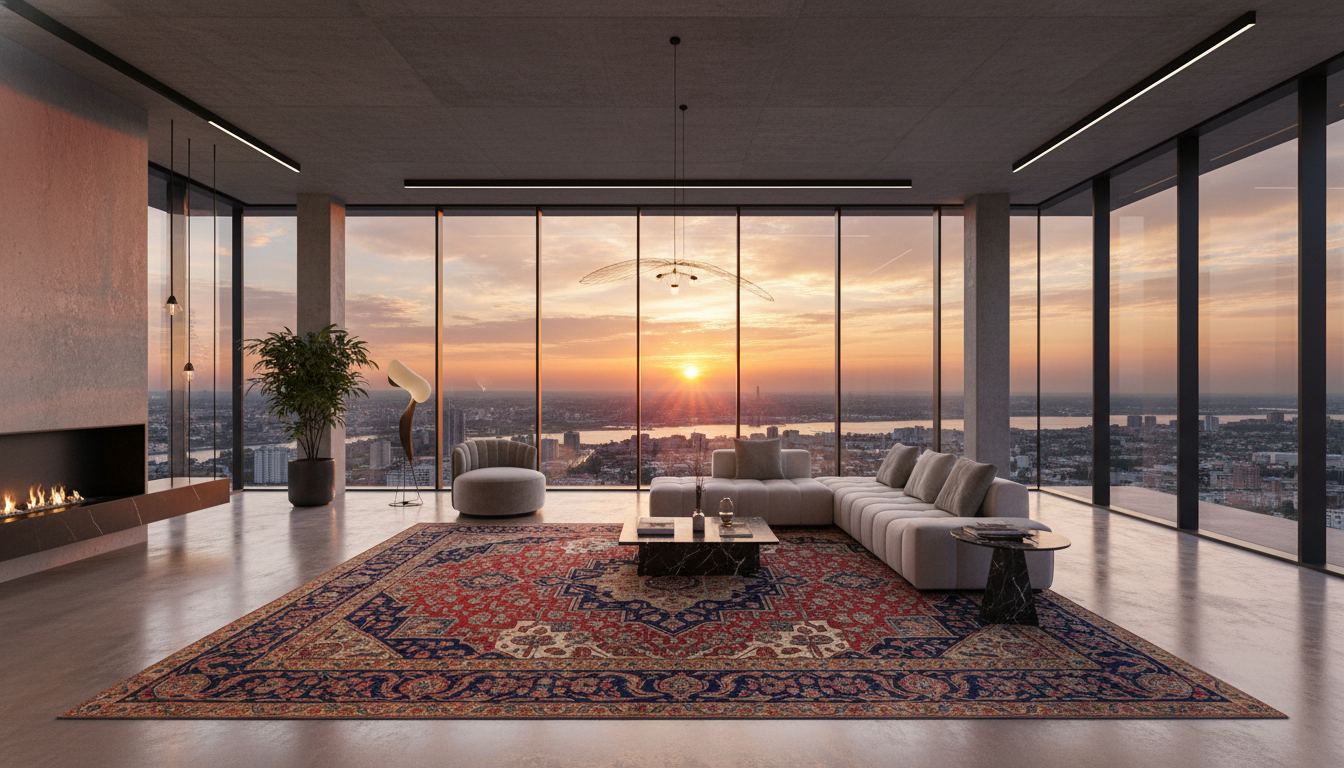
The architectural landscape of 2026 is witnessing a profound shift away from the sterile, clinical lines of the previous decade. As homeowners move away from the “gray-scale” era of minimalism, there is a growing desire for spaces that feel curated, soulful, and historically grounded. This is where heritage revival rugs play a pivotal role, acting as the bridge between cold, modern structures and the warmth of traditional craftsmanship.
Contemporary architecture often features expansive glass walls, polished concrete floors, and soaring ceilings. While these elements create a sense of scale, they can often feel echoing and impersonal. Introducing heritage revival rugs into these environments provides the necessary visual weight to anchor a room, transforming a high-concept gallery space into a functional, inviting home.
The beauty of this trend lies in the juxtaposition of old and new. A centuries-old design motif placed atop a micro-cement floor creates a sophisticated tension that feels both intentional and timeless. By focusing on hand-knotted textures and organic dyes, these rugs bring a human element back into the built environment.
Softening Industrial Materials with Pattern
Modern architectural materials like steel, glass, and stone are inherently “hard.” They lack the tactile comfort required for long-term living. Designers are now utilizing heritage revival rugs to provide a soft counterpoint to these industrial finishes. The intricate, high-pile textures found in premium handmade pieces offer a sensory experience that flat, machine-made rugs simply cannot replicate.
When selecting a rug for an industrial-leaning space, consider the following elements to ensure a seamless integration:
- Low-Sheen Wool: Opt for hand-spun wool that absorbs light rather than reflecting it, which helps ground rooms with floor-to-ceiling windows.
- Aged Patinas: Choose rugs with “muted” or “distressed” color palettes that mimic the look of heirlooms, preventing the colors from clashing with neutral wall tones.
- Oversized Scales: In modern open-concept floor plans, a larger rug helps define functional zones like the dining area or the conversation pit.
For those looking to transition their space, the curated collection at tuftsknots.com offers a range of premium handmade pieces that embody this 2026 aesthetic. These rugs provide the durability of modern construction with the soul of traditional artistry, making them the perfect investment for contemporary homes.
Defining Transitional Zones in Open-Plan Living
One of the biggest challenges in modern architecture is the lack of physical walls. In the 2026 design ethos, heritage revival rugs are being used as “architectural anchors” to define separate living areas without obstructing the flow of the home. This technique, known as “zonal layering,” allows a single great room to serve multiple purposes while maintaining a cohesive look.
For example, a traditional Heriz or Serapi pattern can be used to ground a formal seating area, while a more subdued Oushak-style rug can be placed in a nearby reading nook. This variation in pattern—all within the heritage revival rugs category—creates visual boundaries that are felt rather than seen.
Architects are increasingly recommending these rugs during the early stages of design. They understand that a rug is not just a decorative accessory but a structural tool that manages acoustics. In rooms with high ceilings and hard surfaces, these thick, hand-knotted foundations are essential for reducing echo and creating a sense of intimacy.
Sustainability and the Allure of the Handmade
The move toward heritage revival rugs is also driven by a collective shift toward sustainable luxury. In a world of fast furniture and disposable decor, the 2026 homeowner prioritizes longevity. Handmade rugs are crafted from natural fibers like silk and wool, using vegetable dyes that are environmentally friendly and age beautifully over time.
Integrating these pieces into modern architecture is a statement of values. It signals an appreciation for slow craft and artisanal skill. Unlike synthetic modern rugs that may need replacement every few years, a heritage-quality rug becomes a permanent fixture of the home’s architecture, much like the floorboards or the fireplace.
If you are ready to move away from the monotony of minimalism and embrace a more storied approach to design, you can browse a wide selection of heritage revival rugs at tuftsknots.com. Their commitment to quality ensures that each piece acts as a functional work of art for your contemporary space.
The Psychology of Color in Heritage Revival Rugs
While 2026 minimalism still values neutral palettes, there is a newfound appreciation for “earthy complexity.” The colors found in heritage revival rugs—such as deep ochre, terracotta, sage green, and midnight indigo—provide a psychological sense of security. These colors are pulled from nature and have been used in weaving for centuries, making them feel familiar and comforting.
In a modern home dominated by white oak and black steel, a splash of deep pomegranate red or faded azure from a revival rug adds depth without being overwhelming. This balanced approach to color is what distinguishes the new “Heritage Revival” from the chaotic maximalism of the past. It is about a disciplined use of color that respects the architecture of the room.
To successfully pull off this look, consider these practical examples:
- The Entryway: A long Persian-style runner to guide the eye through a minimalist hallway.
- The Primary Suite: A soft, high-knotted rug in muted tones to create a sanctuary-like feel atop hardwood flooring.
- The Home Office: A geometric tribal pattern to provide visual stimulation and contrast against sleek modern desks.
Ultimately, the rise of heritage revival rugs signals a return to authenticity. By choosing to integrate these storied textiles into our most modern buildings, we create homes that are not just structures, but reflections of history and human connection. Visit tuftsknots.com today to discover how a premium handmade rug can redefine your architectural space for 2026 and beyond.
2026 Color Trends: From Earthy Ochres to Midnight Indigos
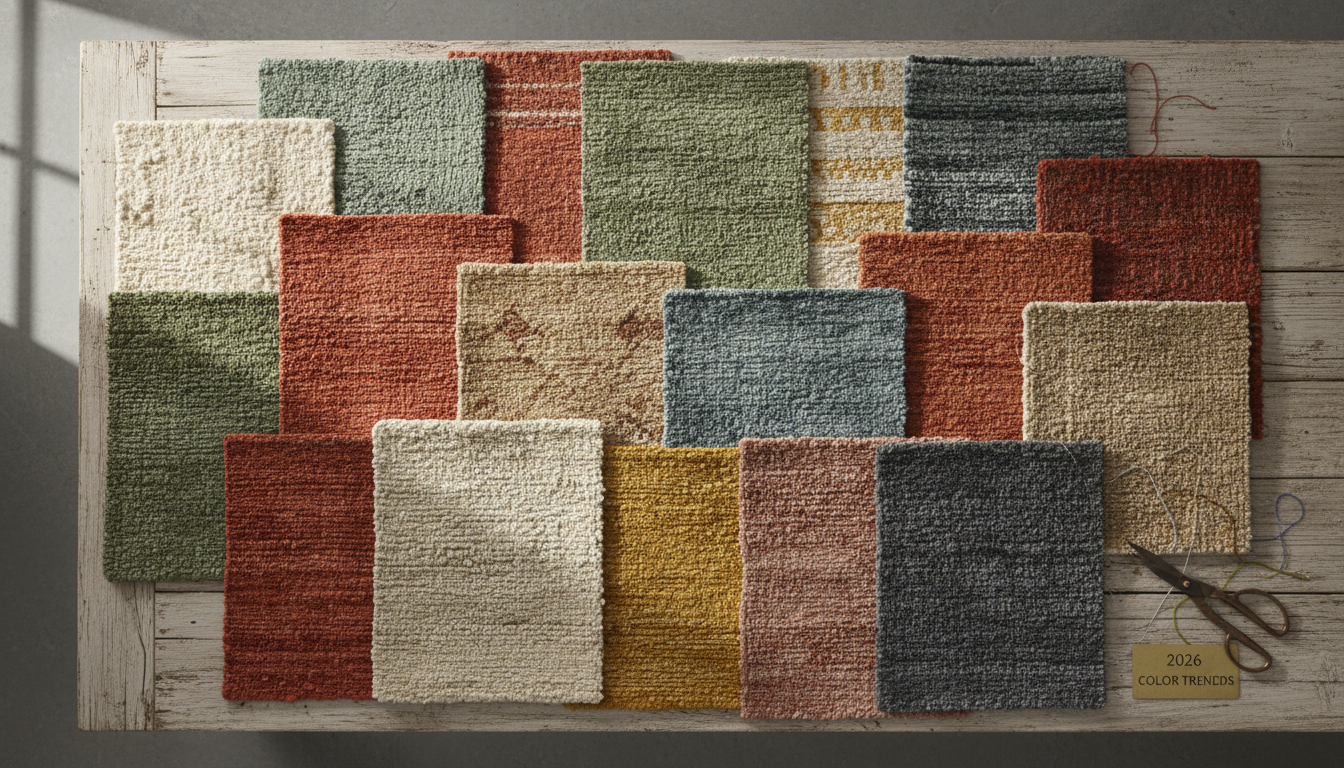
As we approach 2026, the interior design world is witnessing a dramatic departure from the sterile, monochromatic palettes that defined the previous decade. The “all-grey” aesthetic is being replaced by a craving for depth, history, and soulful resonance. At the center of this transformation are heritage revival rugs, which act as the foundational canvas for a new era of expressive color theory.
The 2026 color forecast prioritizes pigments that feel “rooted” in the earth. Designers are moving away from synthetic, neon-bright hues in favor of organic tones that tell a story of craftsmanship and time. This shift is not just about aesthetics; it is an emotional response to a high-tech world, where homeowners seek comfort in the tactile and the traditional.
By incorporating heritage revival rugs into modern layouts, decorators are able to bridge the gap between historical elegance and contemporary living. These rugs often feature naturally derived dyes that age beautifully, creating a living patina that mass-produced minimalist carpets simply cannot replicate.
The Rise of Earthy Ochres and Terracotta
In 2026, the primary color story revolves around warmth. Ochre, sienna, and burnt terracotta are leading the charge, offering a sense of stability and sunshine even in the most modern apartments. These colors are particularly effective when woven into the intricate patterns of heritage revival rugs, where the variation in wool absorption creates a multi-dimensional look.
Unlike the flat oranges of the past, 2026’s ochres are complex and muddy, mimicking the appearance of natural clay. When paired with dark wood furniture or olive-green cabinetry, these tones create a sanctuary-like atmosphere. The key to mastering this trend is “intentional imperfection”—a hallmark of the premium handmade collections found at tuftsknots.com.
- Mustard Seed Ochre: A golden, muted yellow that brightens rooms without the harshness of lemon.
- Canyon Clay: A deep, reddish-brown that provides a grounded feel to open-concept living spaces.
- Raw Umber: A versatile neutral that replaces the cold “greige” of previous years.
Midnight Indigos and the Power of Deep Teals
While warm tones provide the comfort, the cooler side of the 2026 palette is dominated by Midnight Indigo and Deep Teal. These are not the bright, vibrant blues of coastal design; they are moody, ink-like shades that add immediate gravitas to a room. Designers are increasingly using heritage revival rugs in these dark tones to anchor large, airy rooms with high ceilings.
Indigo has a long history in rug weaving, dating back centuries to the use of the Indigofera tinctoria plant. By choosing heritage revival rugs that utilize these traditional dyeing methods, homeowners can introduce a sense of “quiet luxury” into their spaces. These deep blues function as a “new neutral,” pairing effortlessly with both brass accents and natural linen upholstery.
If you are looking to elevate your study or master bedroom, sourcing a hand-knotted piece from tuftsknots.com ensures that the indigo pigments remain rich and vibrant for decades. These rugs absorb light rather than reflecting it, creating a cozy, cocooning effect that is essential for relaxation.
Muted Jewel Tones: Ruby, Emerald, and Amethyst
For those who find minimalism too restrictive, the 2026 trend toward “maximalist heritage” offers a way to play with color without overwhelming the senses. Muted jewel tones—think dusty ruby reds and forest greens—are making a massive comeback. These colors are most effective when featured in the borders and medallions of heritage revival rugs.
The beauty of these tones lies in their versatility. A rug featuring a faded crimson pattern can complement a modern velvet sofa or a rustic farmhouse table. This versatility is exactly why heritage revival rugs are replacing modern minimalism; they offer a level of visual complexity that adapts to various styles as your personal taste evolves over time.
- Dried Pomegranate: A soft, weathered red that feels sophisticated rather than aggressive.
- Antique Malachite: A deep, desaturated green that brings the outdoors inside.
- Smoky Quartz: A purple-grey that adds a touch of mystery to transitional spaces.
Why Texture and Color Go Hand-in-Hand
In 2026, color cannot be separated from texture. The reason heritage revival rugs are so central to this trend is their physical construction. A hand-knotted rug creates “micro-shadows” between the piles, which changes how we perceive the color depending on the time of day. This creates a dynamic environment that changes as the sun moves across the room.
Modern, flat-woven minimalist rugs often look “cheap” under harsh LED lighting. Conversely, the high-quality wool used in the pieces at tuftsknots.com allows the earthy ochres and midnight indigos to glow with an inner warmth. This marriage of traditional craftsmanship and trending color palettes is what defines the “Heritage Revival” movement.
Ultimately, the move away from minimalism is a move toward personality. By investing in heritage revival rugs, you are not just buying a floor covering; you are investing in a piece of art that reflects the rich, colorful history of textile design. Visit tuftsknots.com today to explore a curated selection of premium handmade rugs that will bring the 2026 color trends into your home with elegance and authenticity.
Investment Value: Why These Rugs Are the New Fine Art
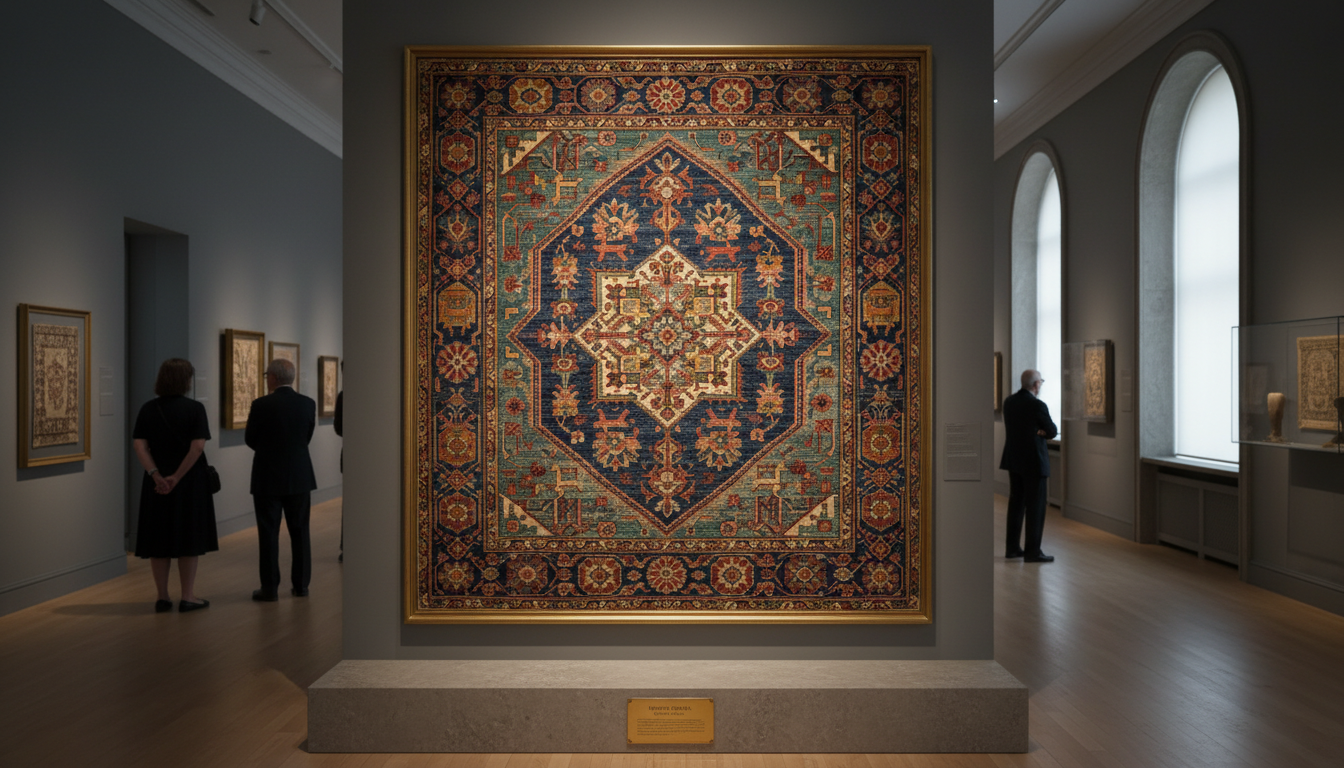
As we move into 2026, the interior design landscape is witnessing a seismic shift away from the sterile, mass-produced aesthetics of the last decade. Homeowners are no longer satisfied with “fast decor” that loses its luster within a few seasons. Instead, there is a burgeoning movement toward pieces that carry history, soul, and tangible worth. This is where heritage revival rugs have stepped into the spotlight, transitioning from mere floor coverings to significant financial and aesthetic assets.
For years, modern minimalism pushed a “less is more” narrative that often resulted in flat, uninspired living spaces. However, the current trend favors “curated maximalism” and “grandmillennial” sophistication. In this new era, heritage revival rugs serve as the foundational anchor for a room, offering a level of complexity and narrative that a monochromatic synthetic carpet simply cannot match.
Designers are increasingly treating these textiles as “horizontal art.” Much like a rare oil painting or a limited-edition sculpture, a high-quality hand-knotted rug appreciates over time. The 2026 market is seeing a surge in collectors who view their home furnishings through the lens of a portfolio, prioritizing items that offer a high resale value and multi-generational longevity.
The Tangible ROI of Hand-Knotted Craftsmanship
The primary reason heritage revival rugs are replacing minimalist alternatives is their inherent construction quality. A machine-made rug is typically composed of petroleum-based fibers like polypropylene, which begin to degrade the moment they are placed in a high-traffic area. In contrast, an authentic heritage piece is crafted from hand-spun wool and organic silks.
These natural materials possess a unique cellular structure that allows them to “bounce back” and repel dirt. From an investment standpoint, the durability of these rugs means you are not replacing your flooring every five years. Over a twenty-year period, the cost-per-use of a premium rug from tuftsknots.com becomes significantly lower than that of several cheap, synthetic replacements.
Furthermore, the market for vintage and “new-old” designs is booming. Auction houses and high-end estate liquidators are seeing record prices for rugs that feature traditional motifs. When you invest in heritage revival rugs, you are essentially purchasing a piece of history that continues to grow in scarcity as the number of master weavers worldwide diminishes.
Historical Narrative and Modern Rarity
What makes a rug “fine art” is the story woven into its warp and weft. In 2026, luxury is defined by uniqueness. While minimalism offered a uniform look that could be replicated in any apartment globally, heritage pieces offer distinctiveness. No two hand-knotted rugs are identical, even if they follow similar regional patterns.
Traditional designs often include symbolic elements that represent various cultural milestones, such as:
- The Tree of Life: Symbolizing eternal life and the connection between heaven and earth.
- Geometric Medallions: Representing the sun or the spiritual center of the universe.
- Herati Patterns: Featuring small fish motifs that symbolize water and prosperity.
- Floral Arabesques: Showcasing the beauty of nature and garden paradises.
By integrating heritage revival rugs into your home, you are bringing these ancient stories into a modern context. This emotional and historical depth is what drives the “Revival” movement. Collectors are seeking out rugs that utilize ancient vegetable dye techniques, which produce “abrash”—subtle color variations that give the rug a living, breathing quality that chemical dyes can never replicate.
Sustainability as a Driver of Value
In the 2026 design economy, sustainability is no longer optional; it is a key component of an item’s value. Modern minimalism often relied on cheap plastics that contribute to landfill waste. Heritage revival rugs are the ultimate “green” investment. They are biodegradable, made from renewable resources, and produced using carbon-neutral traditional methods.
As carbon taxes and environmental regulations become more stringent, the value of eco-friendly, artisan-made goods is expected to skyrocket. Savvy investors are moving their capital into high-end textiles because they represent a sustainable luxury that will remain socially and economically relevant for decades.
The aesthetic appeal of these rugs lies in their ability to bridge the gap between the past and the future. Whether you are placing a classic Oushak in a glass-walled penthouse or a bold Persian Tabriz in a renovated farmhouse, heritage revival rugs provide a sense of permanence and “groundedness” that minimalist decor lacks.
Building Your Collection with Tufts & Knots
If you are looking to transition your home from a fleeting trend to a timeless sanctuary, the first step is selecting a piece that resonates with your personal style while maintaining investment integrity. At tuftsknots.com, we specialize in sourcing and creating premium rugs that embody the heritage revival spirit. Our collections focus on the intersection of ancient technique and contemporary durability.
Investing in heritage revival rugs is an investment in your home’s soul. These pieces do more than just cover a floor; they provide comfort, tell a story, and hold their value as the years pass. As we move further into 2026, the message from the design world is clear: stop buying furniture for right now, and start investing in art for forever.
By choosing a rug from a reputable source like tuftsknots.com, you are ensuring that your purchase is ethically made and of the highest caliber. In a world of digital copies and mass-produced clones, owning a heritage revival rug is a powerful statement of individuality and a smart financial move for the discerning homeowner.
The Future of Flooring: Choosing Your Heritage Piece
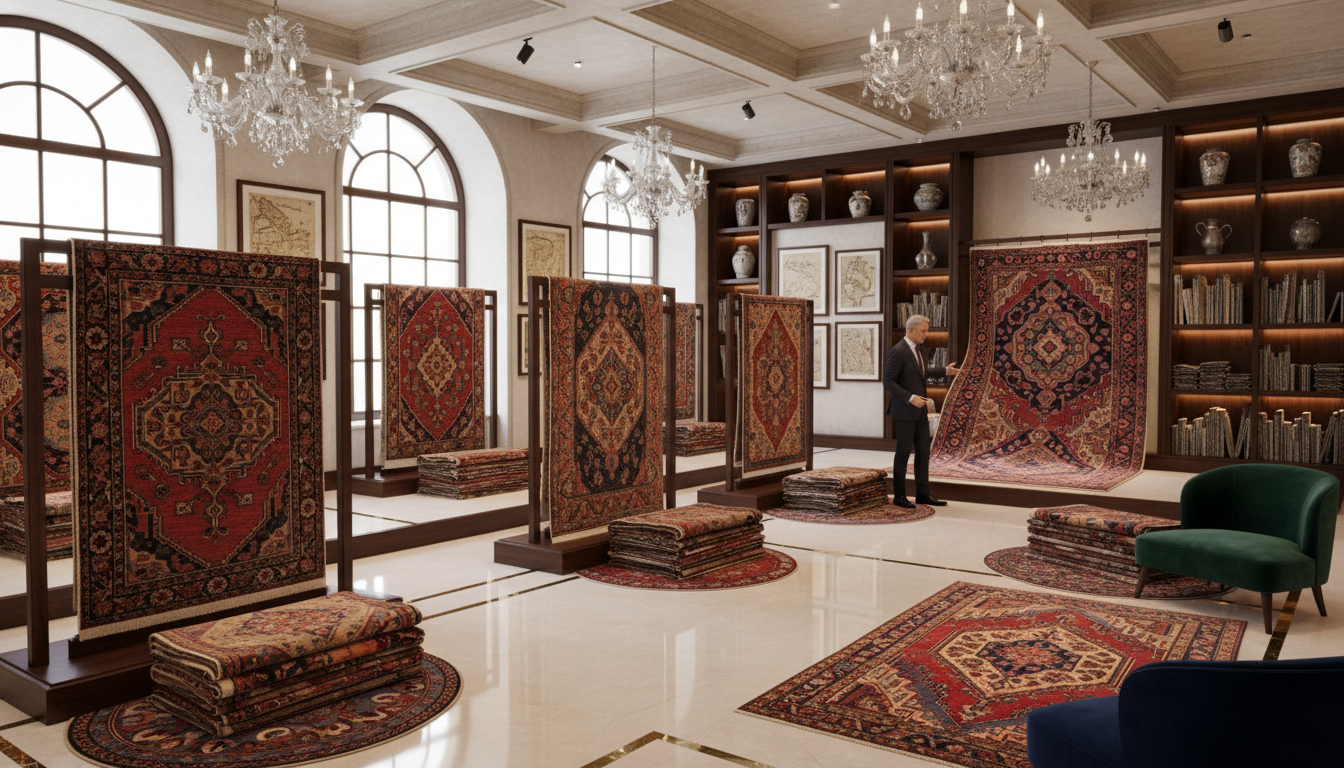
As we look toward the 2026 design landscape, it is becoming increasingly clear that the era of clinical, sterile minimalism is drawing to a close. Homeowners and interior designers are shifting their focus toward “soulful” interiors that prioritize storytelling, warmth, and longevity. Central to this movement are heritage revival rugs, which have become the undisputed anchors of the modern-traditional home.
Unlike the flat, synthetic floor coverings of the previous decade, these pieces offer a tactile experience that connects us to ancestral artistry. The transition from “sad beige” aesthetics to rich, layered environments is not just a trend; it is a return to authenticity. Choosing a rug today is no longer about finding something that disappears into the floor, but about selecting a centerpiece that defines the entire room.
The Art of Intentional Contrast
One of the primary reasons heritage revival rugs are gaining such momentum is their unique ability to bridge the gap between different eras. In a room filled with contemporary furniture and sharp architectural lines, a hand-knotted heritage piece provides the necessary visual friction to make a space feel “lived-in” rather than staged.
The 2026 aesthetic is all about “curated chaos”—a deliberate mix of clean modernity and historical depth. By introducing a rug with a weathered patina or a traditional Oushak pattern, you provide a grounding element that softens the coldness of modern materials like glass, steel, and polished concrete. This juxtaposition creates a sophisticated atmosphere that feels both timeless and current.
Materiality and the Return to Wool
The shift away from minimalism is also a shift away from “fast furniture.” In 2026, sustainability is synonymous with durability. This is why heritage revival rugs made from hand-spun wool and natural dyes are seeing a massive resurgence. These materials are not only eco-friendly but are naturally stain-resistant and capable of lasting for generations.
When you invest in premium handmade rugs from tuftsknots.com, you are choosing craftsmanship that respects traditional techniques while adhering to modern quality standards. High-quality wool contains natural lanolin, which creates a protective barrier against spills—a feature that many modern, machine-made polyester rugs simply cannot offer. This functional superiority makes heritage pieces a practical choice for busy households.
Selecting the Right Pattern for Your Space
Navigating the world of traditional motifs can be daunting, but the key to selecting heritage revival rugs lies in understanding the scale and movement of the design. Different patterns evoke different moods within a home:
- Medallion Patterns: Ideal for formal dining rooms or entryways where the rug can act as a symmetrical focal point.
- Allover Floral Motifs: Perfect for living rooms where furniture may be rearranged, as the lack of a central focal point allows for flexible layouts.
- Geometric Tribal Designs: These work exceptionally well in home offices or libraries, providing a sense of structure and intellectual depth.
- Distressed “Erazed” Looks: A favorite for 2026, these offer the look of an antique heirloom with a muted color palette that fits seamlessly into modern color schemes.
Color Palettes: Moving Beyond Neutral
While minimalism leaned heavily on whites and greys, the 2026 trend for heritage revival rugs embraces “new neutrals.” These include deep terracottas, muted sages, and dusty indigos. These colors act as a foundation for the room, allowing you to pull accents for pillows, curtains, and artwork directly from the fibers of the rug.
The beauty of these pigments lies in their complexity. A single strand of hand-dyed wool may contain three or four different shades, giving the rug a “vibrancy” that flat, machine-printed rugs lack. This depth ensures that your flooring looks different under various lighting conditions, evolving from the bright morning sun to the warm glow of evening lamps.
How to Size Heritage Revival Rugs for Modern Layouts
A common mistake in modern interior design is choosing a rug that is too small for the space. In the 2026 design ethos, “bigger is almost always better.” To ensure your heritage revival rugs look their best, consider these sizing rules:
In a living room, aim for a size that allows all four legs of your seating—or at least the front two legs—to sit firmly on the rug. This “pins” the furniture in place and creates a cohesive “island” of comfort. For bedrooms, a large heritage piece should extend at least 24 to 36 inches beyond the sides of the bed to provide a soft landing for your feet in the morning.
The Long-Term Value of Heritage Pieces
Ultimately, the reason heritage revival rugs are replacing modern minimalism is their status as an investment. Minimalism often relies on items that are easily discarded when they go out of style. In contrast, a hand-knotted rug from a reputable source like tuftsknots.com appreciates in both sentimental and aesthetic value over time.
As we move deeper into the decade, the focus on “slow design” will only intensify. By choosing heritage revival rugs, you are not just following a trend; you are opting for a piece of functional art that tells a story of global culture and human touch. These rugs are the perfect antidote to the digital age, offering a grounded, tactile reminder of the beauty of handmade excellence.
Whether you are renovating a mid-century modern ranch or styling a brand-new contemporary build, integrating heritage revival rugs will ensure your home feels sophisticated, warm, and ahead of the curve for 2026 and beyond.
Elevate Your Space
Discover the artistry of handmade luxury. Each rug is a masterpiece of tradition and modern design.
Expert Q&A
What exactly are heritage revival rugs?
Heritage revival rugs are newly made rugs that use traditional hand-knotting techniques and historic patterns to mimic the look and feel of antique textiles.
Why is minimalism going out of style in 2026?
Designers are moving toward more personal, expressive spaces, finding minimalism too sterile for the emotional needs of modern living.
Are heritage revival rugs as durable as true antiques?
Yes, often they are more durable because the fibers have not undergone decades of wear, while still using the same high-quality hand-knotting methods.
How do I identify a high-quality heritage revival rug?
Look for hand-knotted construction, the use of natural materials like wool or silk, and ‘abrash’ or subtle color variations caused by natural dyes.
What colors are trending for heritage rugs in 2026?
Expect to see deep terracottas, muted olives, mustard yellows, and ‘midnight’ indigos dominating the palette.
Can I use a heritage rug in a modern home?
Absolutely. Their intricate patterns provide a beautiful contrast to clean lines and modern furniture, creating a balanced, curated look.
Are these rugs sustainable?
When hand-knotted from natural fibers, heritage revival rugs are highly sustainable and biodegradable compared to synthetic machine-made options.
What is the best material for a heritage revival rug?
Hand-spun highland wool is the gold standard for its durability, natural stain resistance, and beautiful aging process.
How do I clean a heritage revival rug?
Regular vacuuming without a beater bar and professional hand-washing every 3-5 years is recommended to maintain their integrity.
Are these rugs a good investment?
Yes, high-quality hand-knotted rugs tend to retain or even increase in value over time as they become the antiques of the future.
What is the difference between vintage and heritage revival?
Vintage rugs are actually old (20-100 years), while heritage revival rugs are new pieces made to look old using traditional methods.
Do heritage rugs work with open floor plans?
Yes, they are excellent for defining specific zones like dining or living areas within a large, open-concept space.
Are they suitable for homes with pets?
Wool heritage rugs are naturally pet-friendly due to their lanolin content, which makes them easier to clean than synthetic rugs.
What rug size should I choose for a living room?
The rug should be large enough so that at least the front legs of all furniture pieces sit on the rug to ground the room.
How can I tell if a rug is hand-knotted or machine-made?
Check the back of the rug; a hand-knotted rug will have slightly irregular knots and the pattern will be as clear on the back as it is on the front.
What is ‘distressing’ in heritage revival rugs?
It is a process where the pile is purposefully sheared low or treated to give it a worn, antique look without compromising the structural integrity.
Can I layer a heritage rug over carpet?
Yes, layering a heritage rug over a low-pile neutral carpet is a popular way to add texture and color to a bedroom.
What are the most popular motifs for 2026?
Oushak, Tabriz, and Heriz patterns are seeing a massive resurgence for their balanced and timeless aesthetic.
Are heritage rugs worth the high price tag?
Yes, the labor-intensive process of hand-knotting ensures a product that can last for generations, unlike power-loomed rugs.
Do heritage revival rugs shed?
New wool rugs may shed slightly for the first few months, but this subsides with regular vacuuming.
How do these rugs handle high traffic?
Hand-knotted wool rugs are incredibly resilient and are the best choice for high-traffic areas like hallways and living rooms.
Where are most heritage revival rugs made?
Most high-end revival pieces are crafted in traditional weaving hubs like India, Pakistan, Turkey, and Iran.
Can I customize a heritage revival rug?
Many luxury providers, including Tufts & Knots, offer custom sizing and color matching while maintaining traditional motifs.
Is it okay to mix different rug styles in one home?
Yes, mixing different heritage styles can create a ‘collected over time’ feel that is very on-trend for 2026.
What is the lead time for a hand-knotted heritage rug?
Because they are made by hand, they can take anywhere from 3 to 9 months to complete depending on the size and complexity.
How do heritage rugs affect room acoustics?
The dense pile of a quality wool rug acts as an excellent sound insulator, reducing echoes in modern homes with hard surfaces.
What is the ‘Soulful Maximalism’ trend?
It is a design style that focuses on filling a home with meaningful, high-quality items that have history and character, rather than clutter.
Are heritage rugs hypoallergenic?
Wool is a natural filter that traps dust and allergens until they are vacuumed, making it a better choice for many than synthetic fibers.
How do I choose between a muted or vibrant heritage rug?
Consider the lighting in your room; muted rugs work well in bright, airy spaces, while vibrant rugs can add warmth to darker, north-facing rooms.
Where is the best place to buy heritage revival rugs online?
Specialized luxury retailers like Tufts & Knots offer curated collections that guarantee authentic craftsmanship and ethical sourcing.
Written by TheBohoRugs Interior Design Team
Experts in handmade rugs, boho interiors, and modern home decor.